
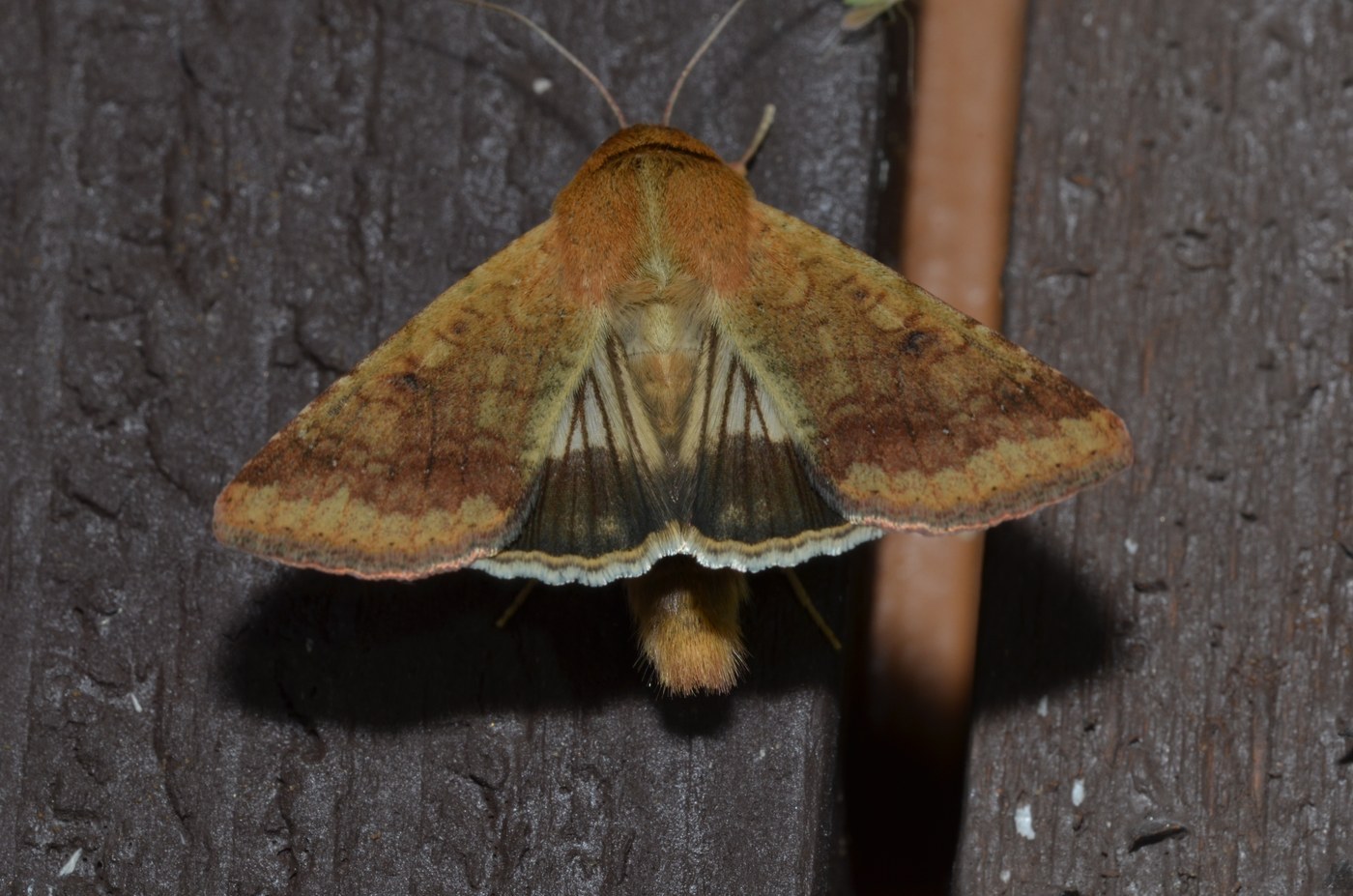
Corn Earworm Moth
Helicoverpa zea
A tan to olive-colored moth whose caterpillar, the corn earworm, is one of the most economically significant crop pests in North America, feeding inside corn ears, tomatoes, and cotton bolls.
- Size
- 1.2–1.6 in wingspan
- Habitat
- Farmland, gardens, cornfields
- Danger
- Nuisance pest
Spotted a bug like this?
Identify any bug or insect from a photo, free.
Overview
The corn earworm moth is a member of the owlet moth family, Noctuidae, and is one of the most widely studied agricultural pest species in the Americas due to the broad host range and destructive feeding habits of its larval stage. Depending on the crop it infests, its caterpillar is known by different common names, including corn earworm, cotton bollworm, and tomato fruitworm.
Adults are medium-sized moths with variable coloration ranging from pale tan to olive-brown, generally plain-looking with faint darker markings on the forewings and a dark spot near the wing margin. They are strong migratory fliers, capable of traveling long distances on prevailing winds, which allows populations to recolonize northern regions each growing season.
Economically, this species is one of the most significant lepidopteran pests of field and vegetable crops in the Western Hemisphere, and it has been extensively studied for pest management and resistance research.
How to Identify
- Adult forewings are pale tan to olive or grayish-brown with faint mottling and a small dark spot near the outer margin.
- Hindwings are pale with a dark band along the outer edge.
- Wingspan roughly 3–4 cm; body moderately robust and moth-typical in shape.
- The caterpillar varies widely in color from pale green to brown or nearly black, with alternating light and dark longitudinal stripes and short spines.
- Lookalikes include other noctuid moths, but the caterpillar's habit of boring into corn ear tips or fruit is a strong identifying behavior.
Habitat & Range
Widespread across North and South America, thriving anywhere corn, tomatoes, cotton, or related crops are grown, from commercial farmland to home vegetable gardens. Adults are nocturnal and migratory, moving northward in warmer months and overwintering as pupae in milder southern regions before recolonizing colder areas each year.
Behavior & Diet
Adults feed on flower nectar and are strong, long-distance fliers active mainly at night, often drawn to lights. The caterpillars are aggressive feeders that bore into developing corn ears, tomato fruit, or cotton bolls, and are notably cannibalistic, with only one or two larvae typically surviving per corn ear due to competition. As a major agricultural herbivore, the species has significant impact on crop yields and is a focus of biological and integrated pest management research.
Life Cycle
Females lay individual eggs on host plant silks, leaves, or developing fruit, which hatch within days into tiny larvae that quickly bore into the plant tissue to feed and develop through six instars. Mature larvae drop to the soil to pupate in an underground chamber. Multiple generations occur each year in warmer regions, and the species overwinters as a pupa in the soil where winters are mild, while northern populations are typically replenished by annual migration.
Frequently asked questions
Is the corn earworm the same insect as the cotton bollworm?
Yes, both common names refer to the same species; the caterpillar is named differently depending on which crop it is found feeding on.
How do I recognize the adult moth versus the caterpillar?
The adult is a plain tan to olive moth with faint markings, while the caterpillar is more distinctive, showing striped coloring and a habit of boring into corn ears or fruit.
Does the caterpillar only eat corn?
No, it feeds on a wide range of crops including tomatoes, cotton, beans, and other garden and field plants.
Why are there often only one or two caterpillars per corn ear?
The larvae are cannibalistic, so competition among hatchlings usually leaves only a couple of survivors per ear.
Corn Earworm Moth guides
In-depth guides for identifying, understanding, and living alongside Corn Earworm Moth.
Other bugs you may enjoy
Bagworm Moth
Coniferous and deciduous trees, shrubs, hedges
Antheraea Silkmoth
Deciduous forests, woodland edges, orchards
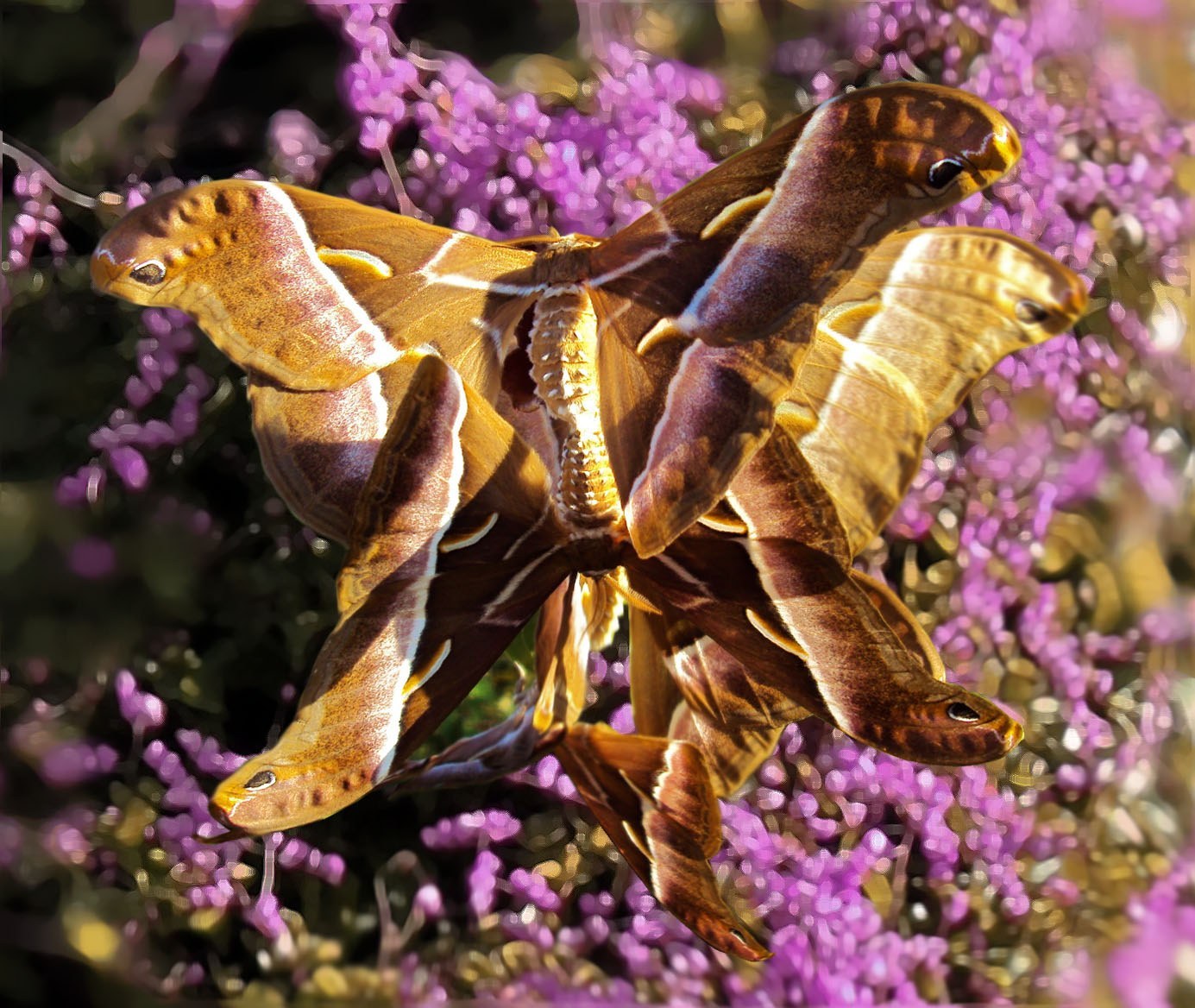
Ailanthus Silkmoth (Cynthia Moth)
Urban parks, wastelands, and woodland edges with tree-of-heaven; native to Asia, introduced in North America and Europe
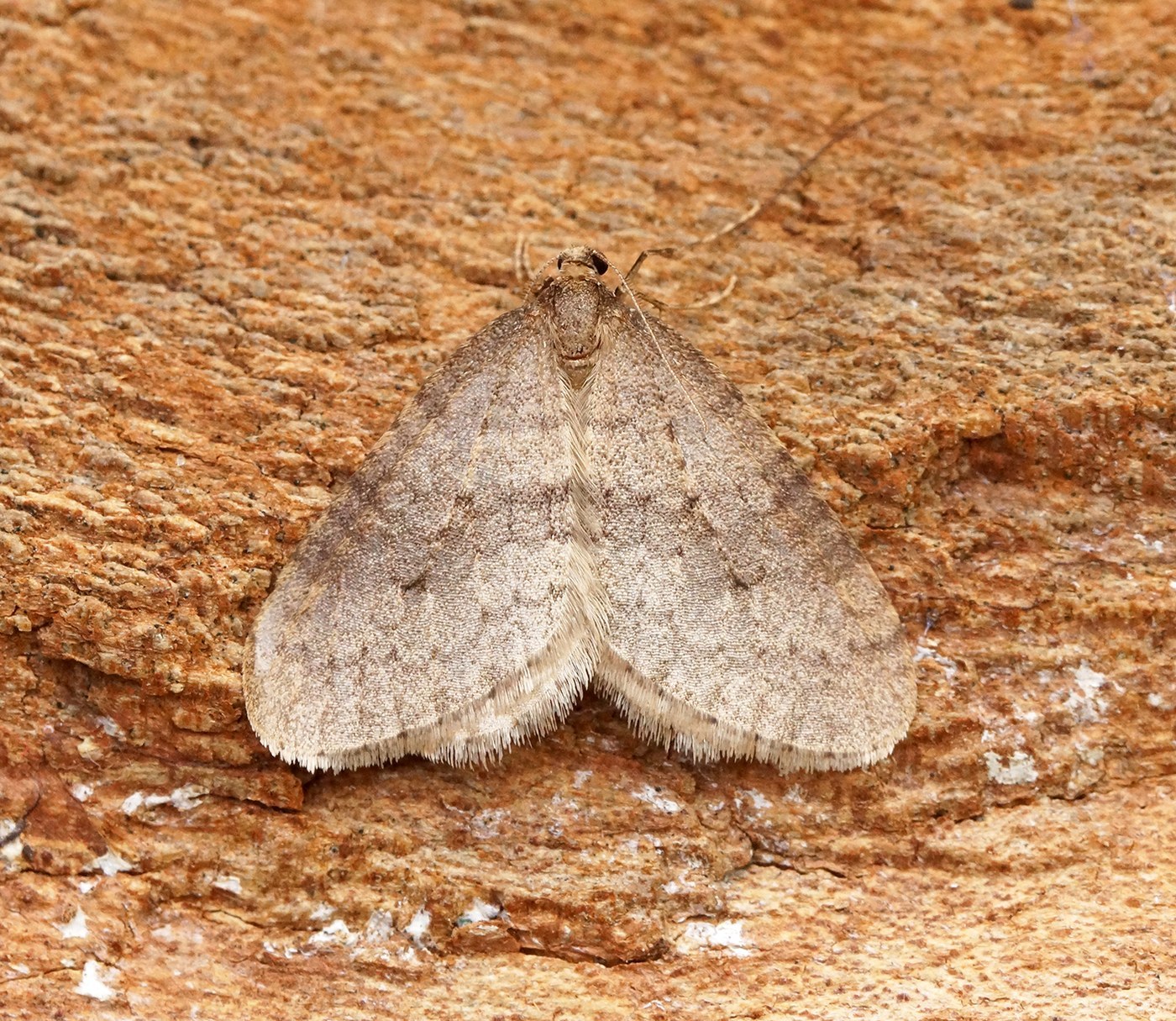
Winter Moth
Deciduous woodland, orchards, gardens, hedgerows
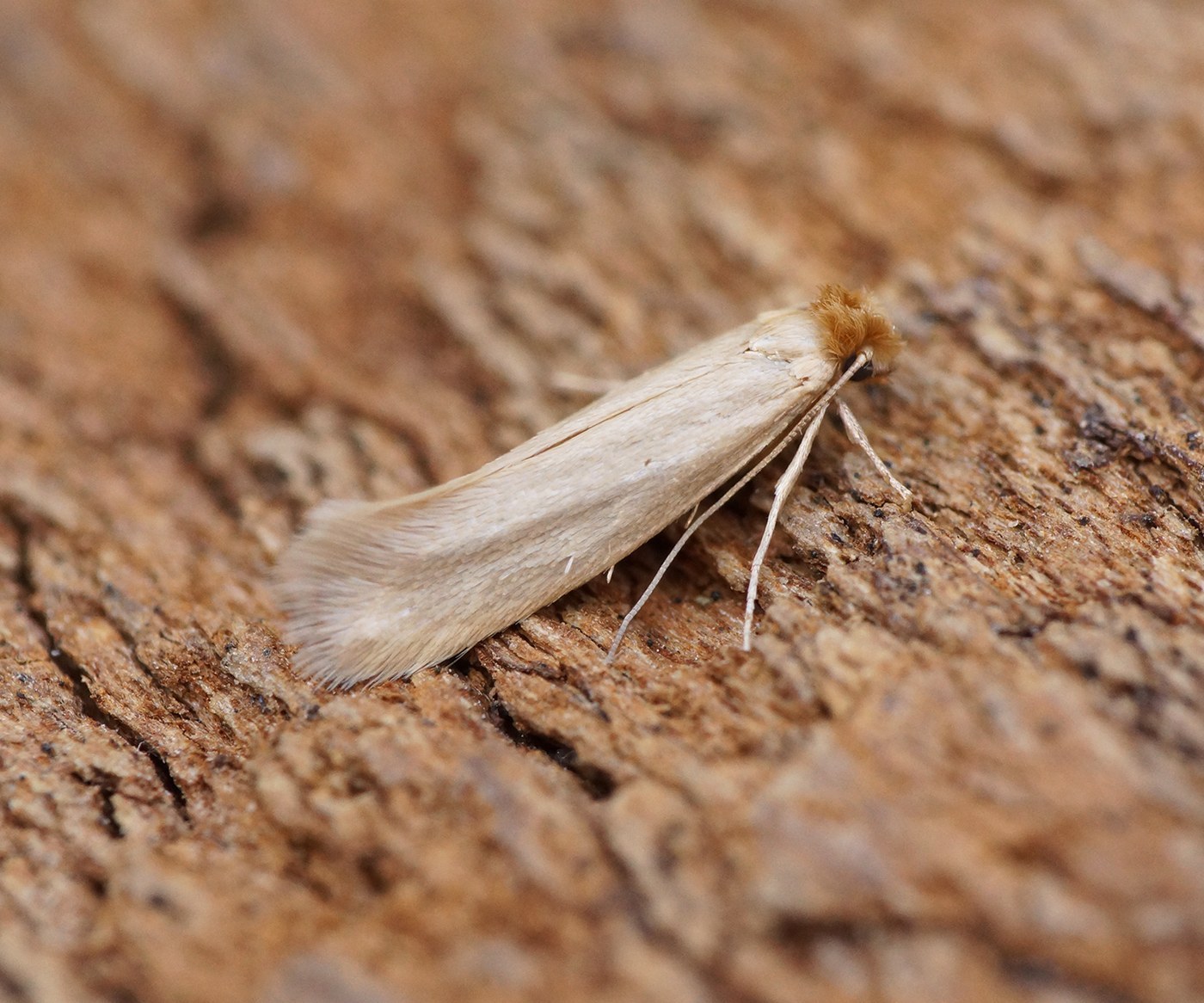
Webbing Clothes Moth
Dark closets, storage areas, and animal nests worldwide
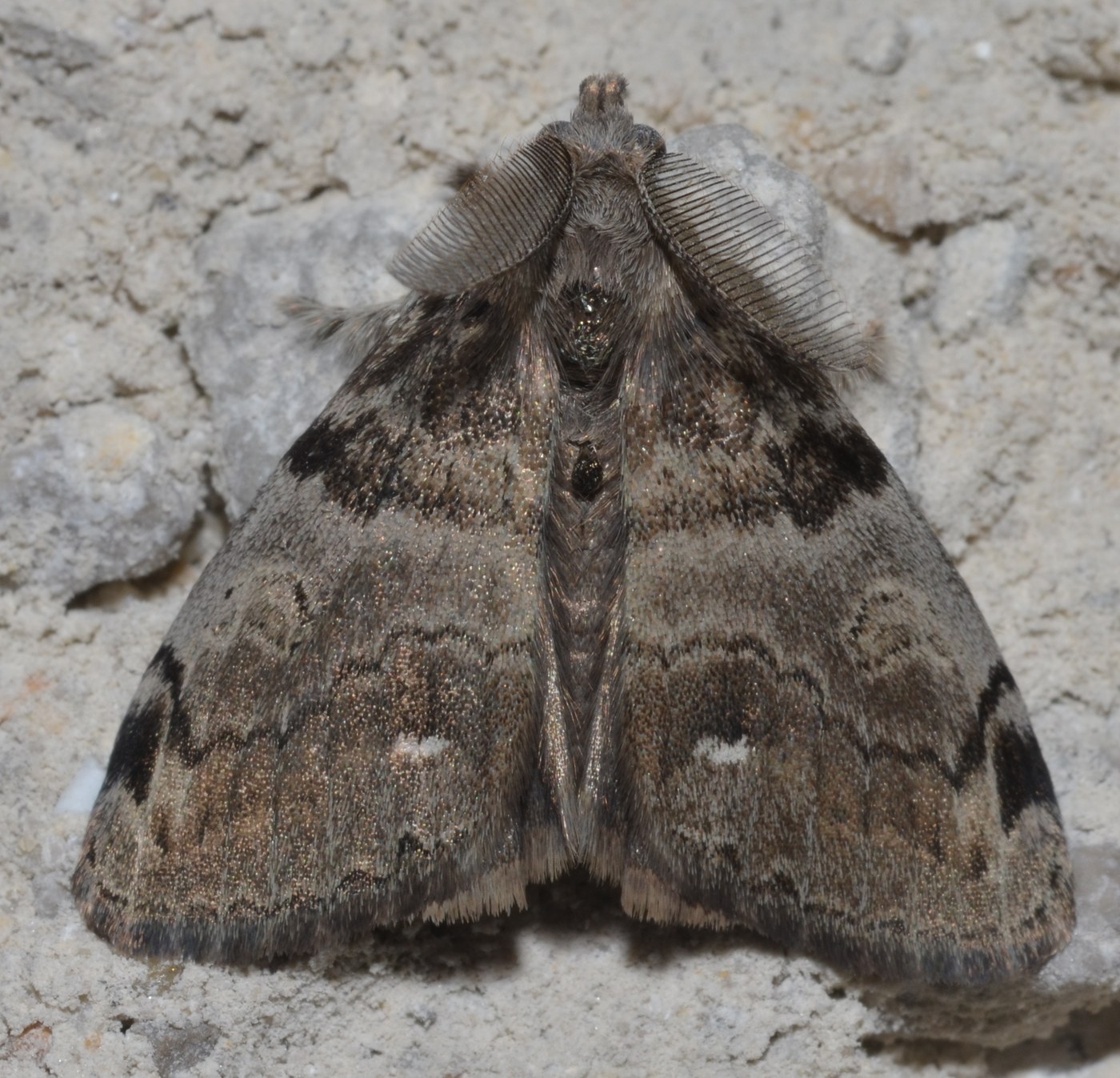
Tussock Moth
Deciduous forests, parks, gardens
Wax Moth
Beehives, apiaries, stored beeswax and comb
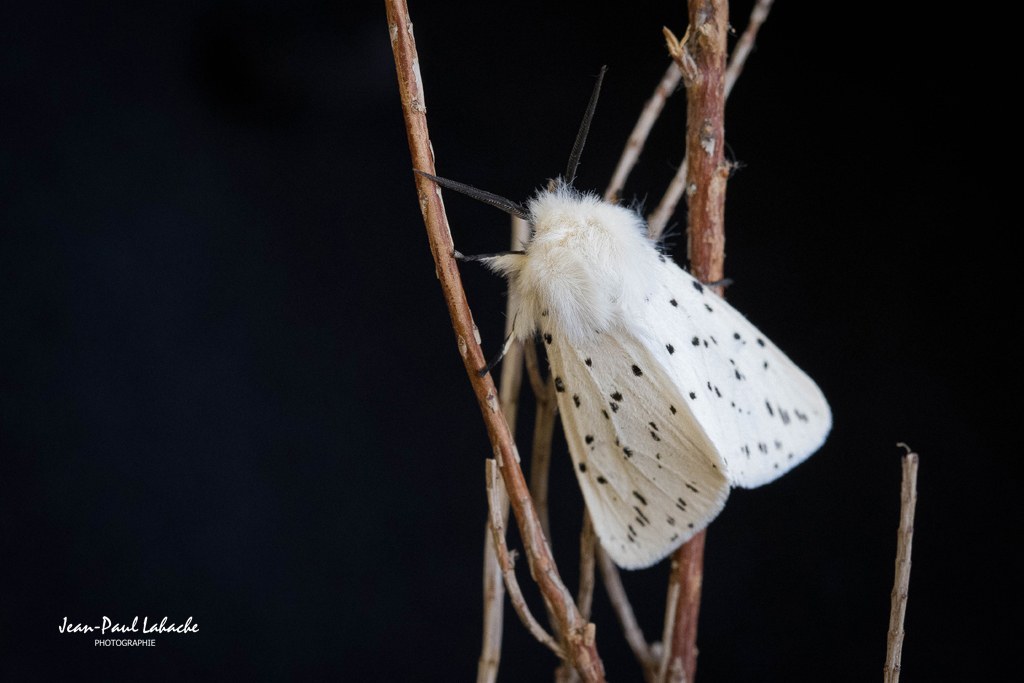
White Ermine Moth
Gardens, meadows, hedgerows
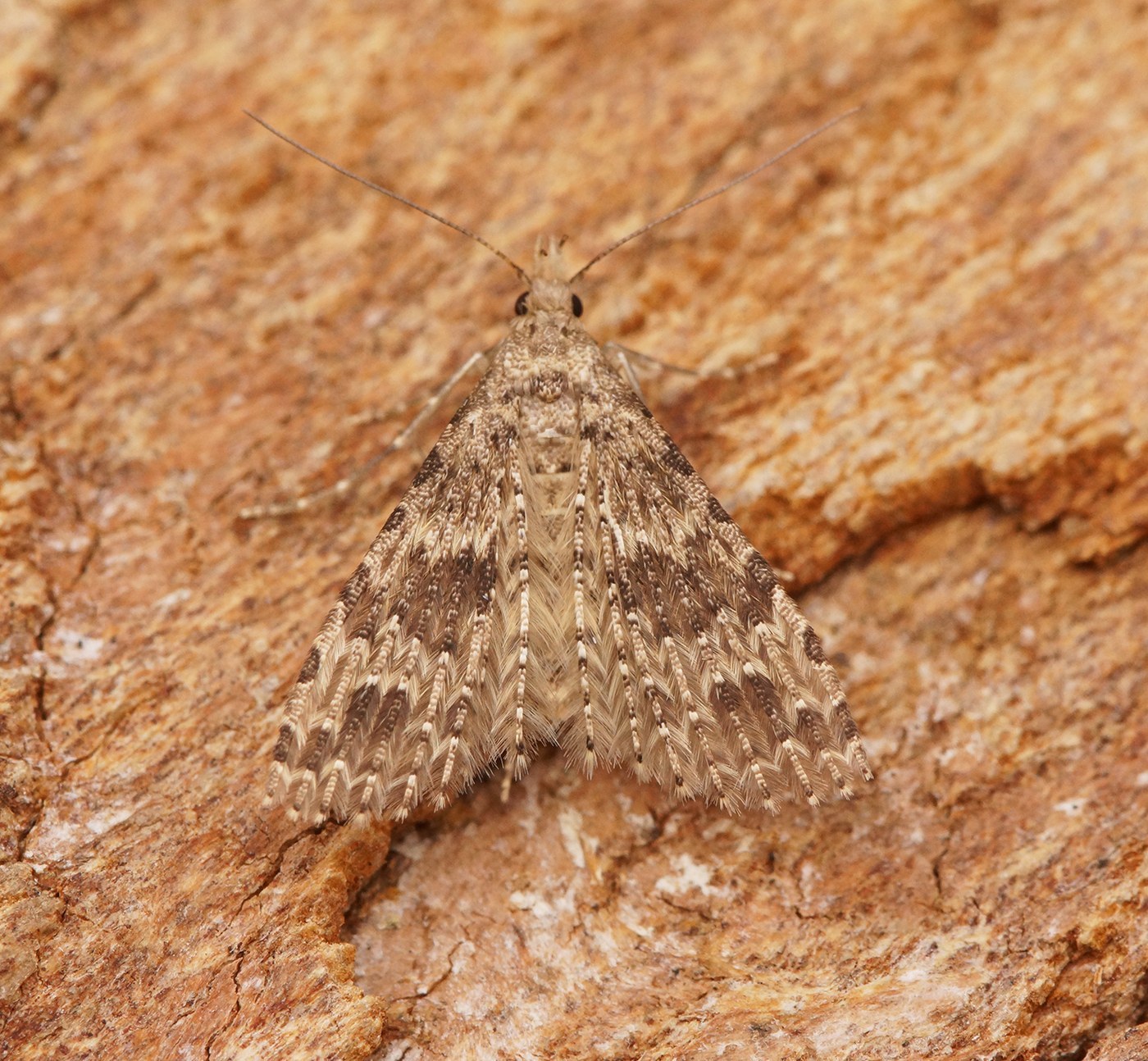
Twenty-plume Moth
Gardens, hedgerows, near honeysuckle
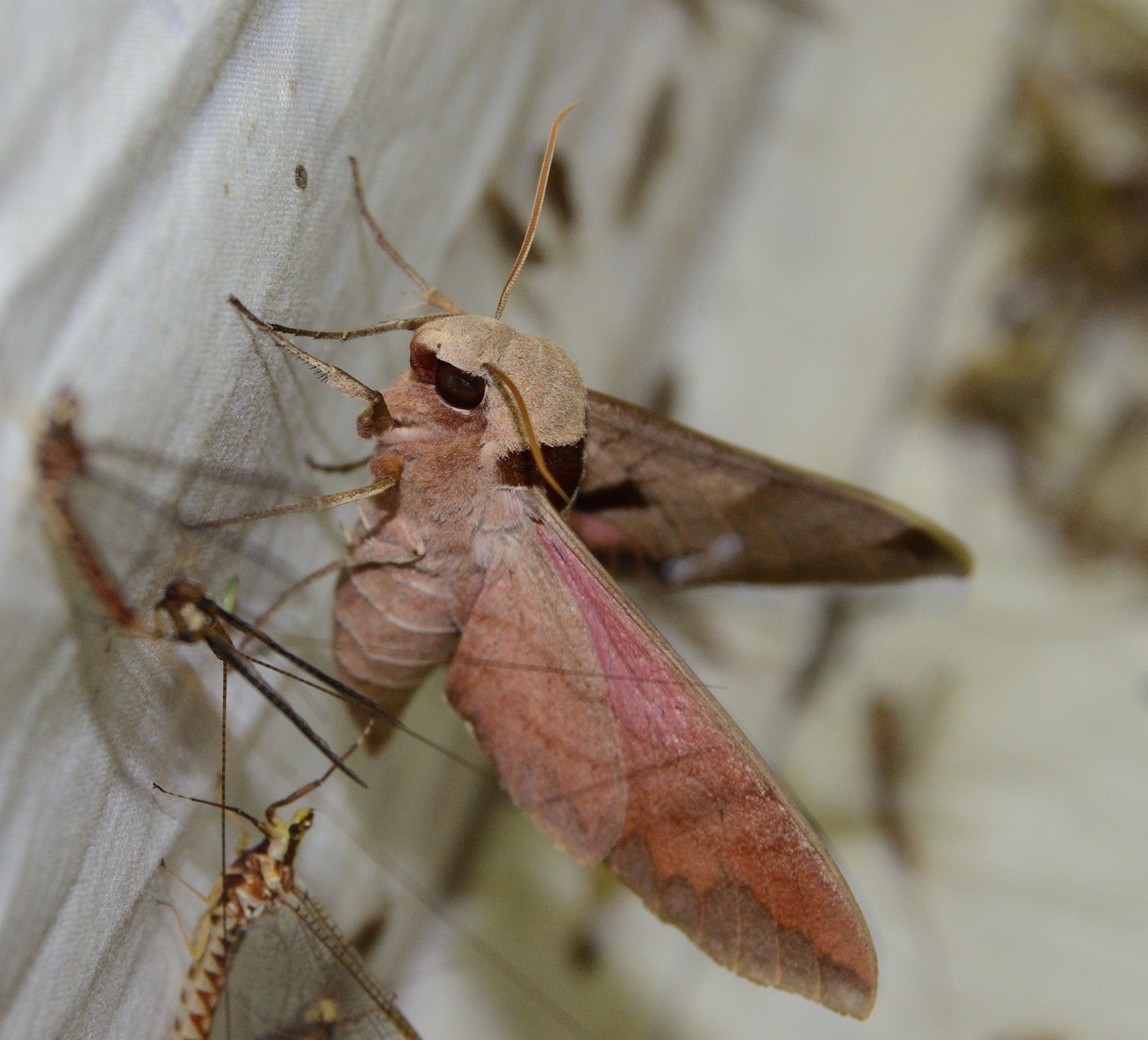
Achemon Sphinx Moth
Vineyards, woodland edges, gardens with wild grape
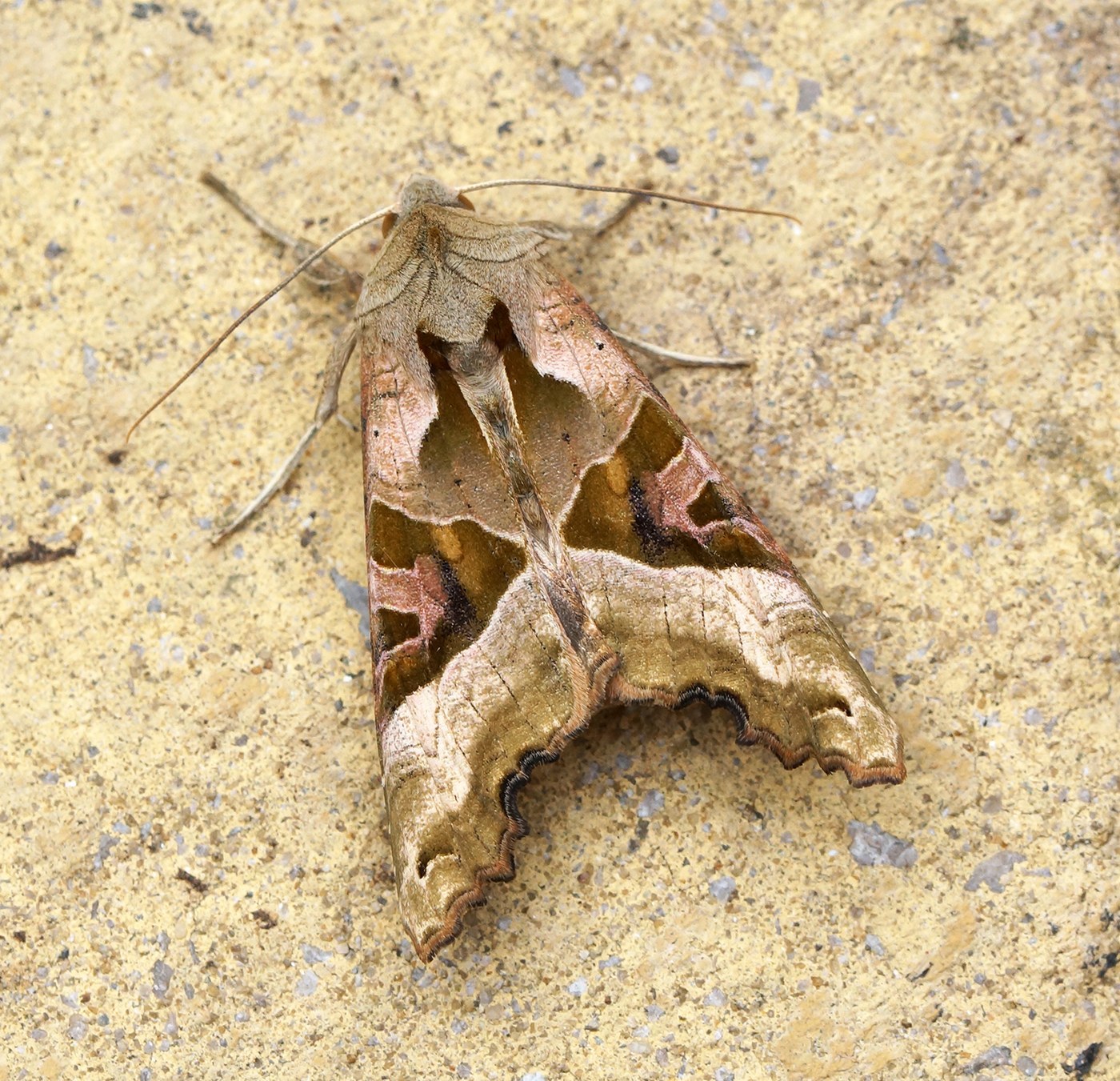
Angle Shades Moth
Gardens, hedgerows, woodland edges, urban parks
Atlas Moth
Tropical and subtropical lowland forests of Southeast Asia