
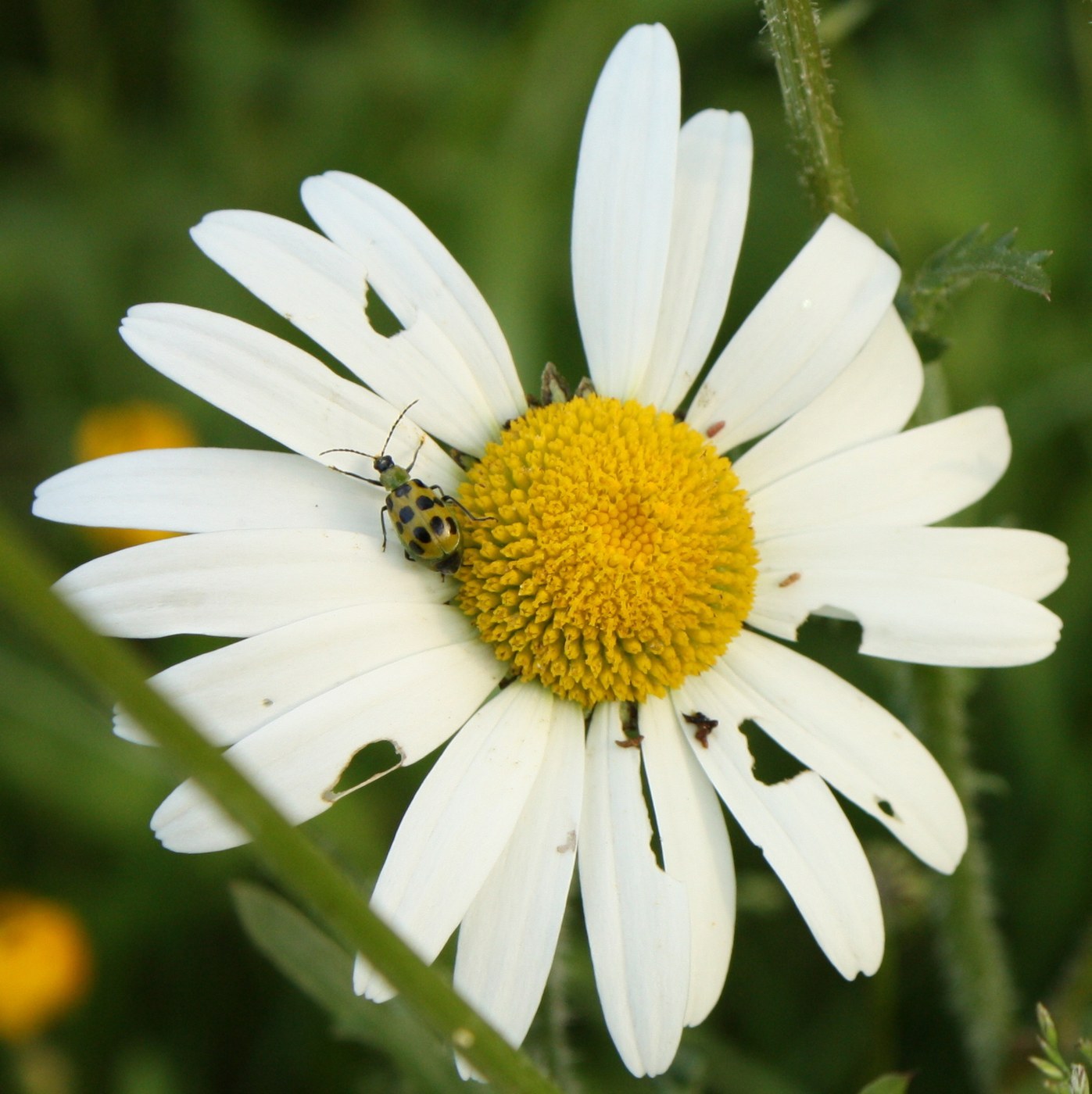
Cucumber Beetle
Diabrotica undecimpunctata
A small, brightly colored beetle patterned with black spots or stripes on a yellow-green background, commonly seen crawling on the flowers and leaves of cucumber and squash plants.
- Size
- 5–7 mm
- Habitat
- Vegetable gardens and fields growing cucurbits, especially cucumber, squash, and melon
- Danger
- Nuisance pest
Spotted a bug like this?
Identify any bug or insect from a photo, free.
Overview
The cucumber beetle refers to a small group of closely related leaf beetles in the family Chrysomelidae, most notably the spotted cucumber beetle and the striped cucumber beetle, both widespread across North America. These beetles are named for their strong association with cucurbit family crops, particularly cucumber, squash, melon, and pumpkin.
Adults are small, elongated-oval, and brightly colored in yellow to yellow-green, marked with either bold black spots (in the spotted form) or black longitudinal stripes (in the striped form) along the wing covers. This vivid coloration makes them relatively easy to spot against the green foliage and yellow blossoms of their host plants.
Cucumber beetles are notable within agricultural ecology not only as leaf and flower feeders but also as vectors capable of transmitting certain plant pathogens between cucurbit plants, giving them outsized importance in vegetable crop ecosystems relative to their small size.
How to Identify
- Adults are small, elongated-oval beetles, roughly 5–7 mm long, with a yellow to yellow-green background color.
- The spotted form displays eleven or twelve black spots arranged across the wing covers, while the striped form shows three bold black longitudinal stripes running the length of the wing covers.
- Head is typically black or dark, and the thorax may be yellow-green or dark depending on the form.
- Larvae are slender, whitish, worm-like grubs living in the soil near host plant roots, rarely seen above ground.
- Distinguished from other similarly colored beetles by their strong preference for cucurbit flowers and foliage and their characteristic spot or stripe pattern.
Habitat & Range
Cucumber beetles are found throughout most of North America wherever cucurbit crops are cultivated, in home gardens, market gardens, and commercial vegetable fields alike. Adults are commonly found on the leaves, stems, and especially the flowers of cucumber, squash, melon, and pumpkin plants, where they feed and shelter.
They are most active from late spring through summer, coinciding with the growing season of their preferred host plants. Adults overwinter in sheltered locations such as leaf litter, crop residue, or field margins, emerging in spring to seek out newly emerging cucurbit seedlings.
Behavior & Diet
Cucumber beetles feed on the leaves, blossoms, and sometimes the rind of fruit of cucurbit plants, with a particular fondness for feeding within open flowers where they also assist somewhat in pollination while feeding on pollen and petals. Larvae, by contrast, live underground and feed on the roots of cucurbit plants and grasses.
Adults are capable of short, quick flights between plants and tend to move actively across foliage and blossoms throughout the day. Their feeding activity is closely tied to the availability of preferred host plants, and populations often build up rapidly once cucurbit crops begin flowering. Cucumber beetles are also recognized in agricultural ecology for their ability to carry certain bacterial plant pathogens between host plants as they move and feed.
Life Cycle
Cucumber beetles undergo complete metamorphosis, passing through egg, larva, pupa, and adult stages. Females lay eggs in the soil near the base of host plants, and these hatch into slender white larvae within about a week to ten days.
Larvae feed on plant roots in the soil for several weeks before pupating in the soil as well. Adults emerge from the pupal stage and move onto foliage and flowers to feed and mate. There are typically one to two generations per year in most regions, with adults overwintering in protected plant debris or soil litter before becoming active again in spring.
Frequently asked questions
What's the difference between spotted and striped cucumber beetles?
The spotted form has a pattern of black spots across its yellow-green wing covers, while the striped form has three bold black longitudinal stripes instead of spots; both are closely related and share similar habits.
Where are cucumber beetles usually found on a plant?
They are most often seen on open flowers and young leaves of cucurbit plants such as cucumber, squash, and melon, where they feed on pollen, petals, and foliage.
Do cucumber beetle larvae look like the adults?
No, larvae are slender, whitish, worm-like grubs that live underground feeding on roots, quite different in appearance from the brightly colored winged adults.
Is the spotted cucumber beetle the same insect as the southern corn rootworm?
Yes, the spotted cucumber beetle and the southern corn rootworm refer to the same species, which feeds on cucurbit foliage as an adult and on plant roots, including corn, as a larva.
Cucumber Beetle guides
In-depth guides for identifying, understanding, and living alongside Cucumber Beetle.
Other bugs you may enjoy
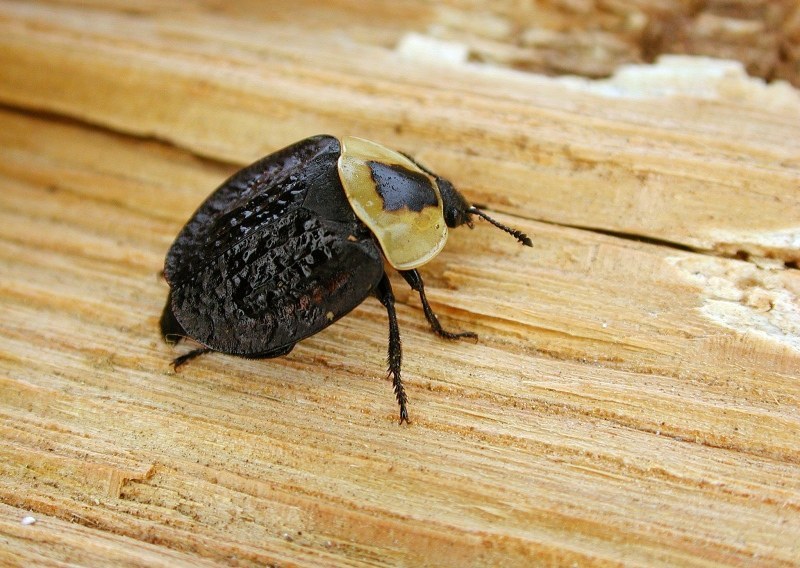
American Carrion Beetle
Forests, fields, and roadsides across North America, near decaying animal carcasses
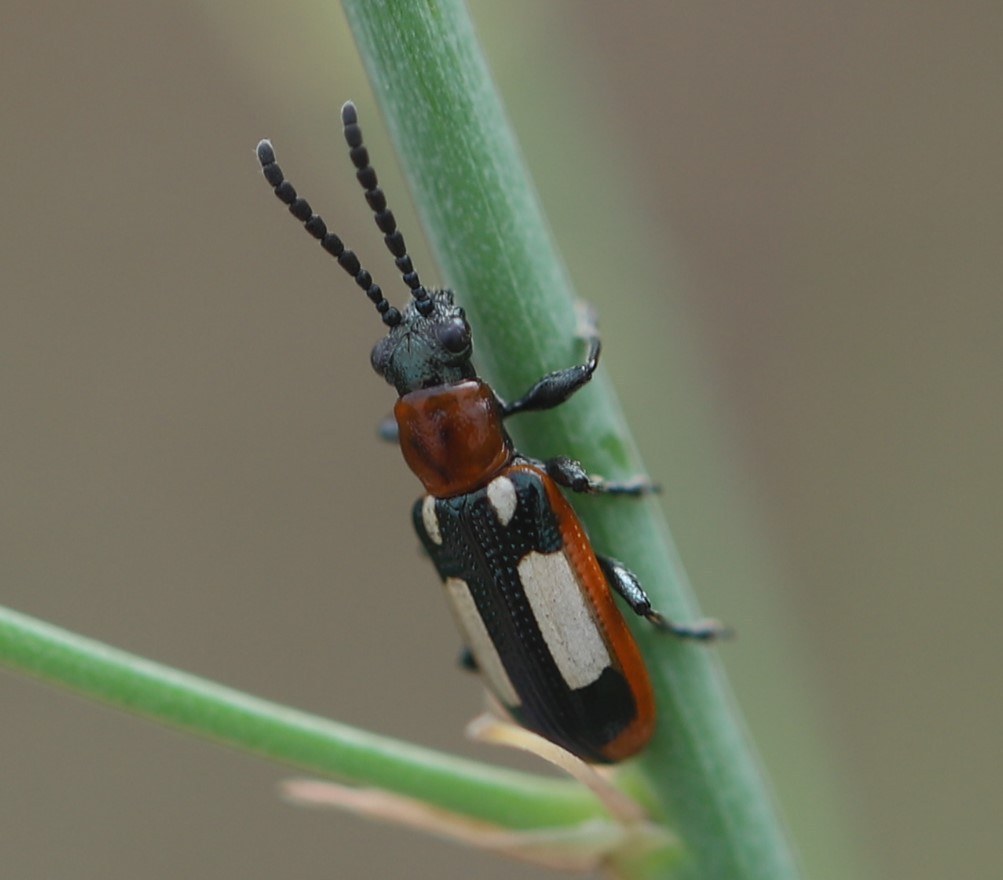
Asparagus Beetle
Asparagus patches, gardens, and farm fields
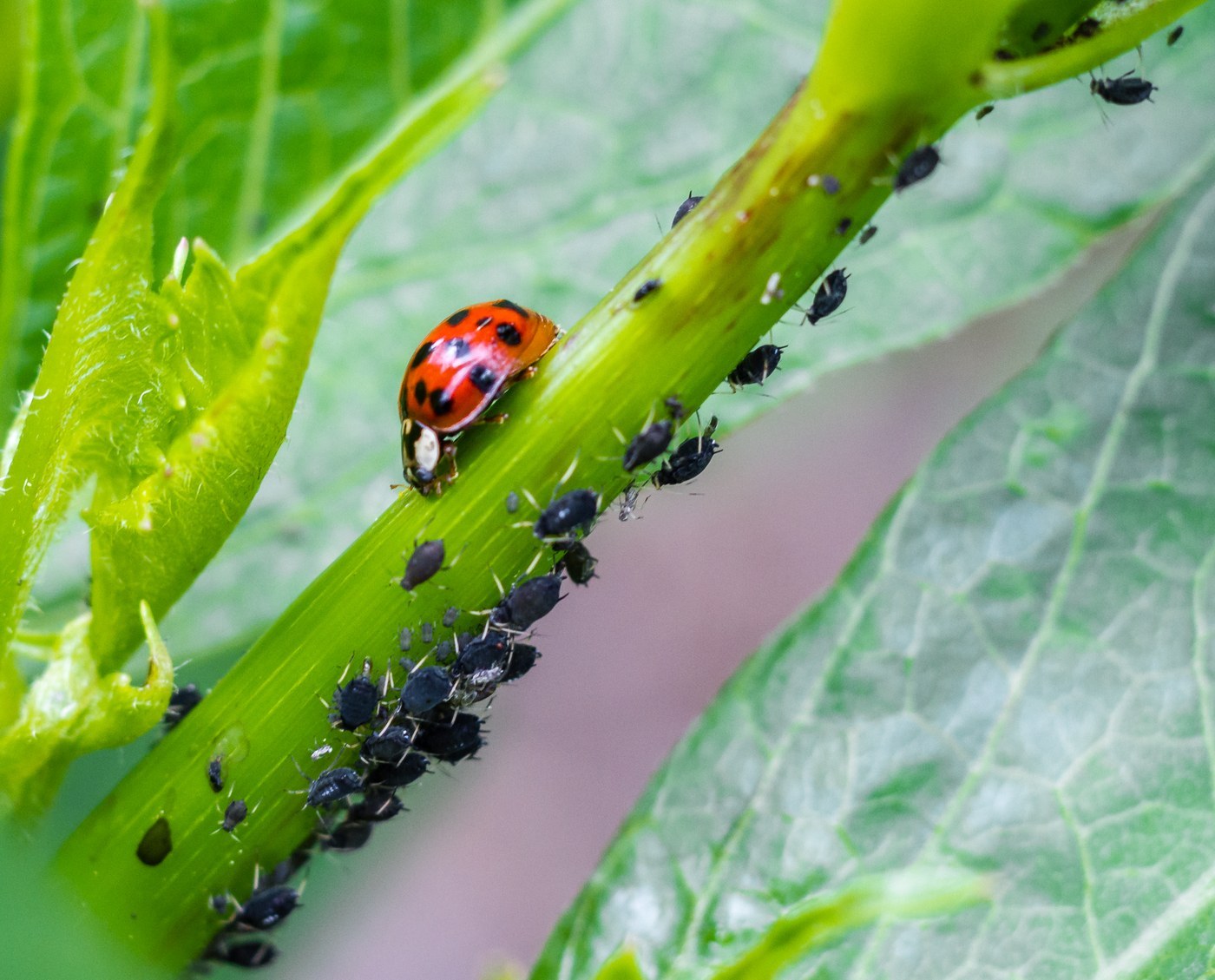
Asian Lady Beetle
Gardens, crop fields, woodlands, buildings
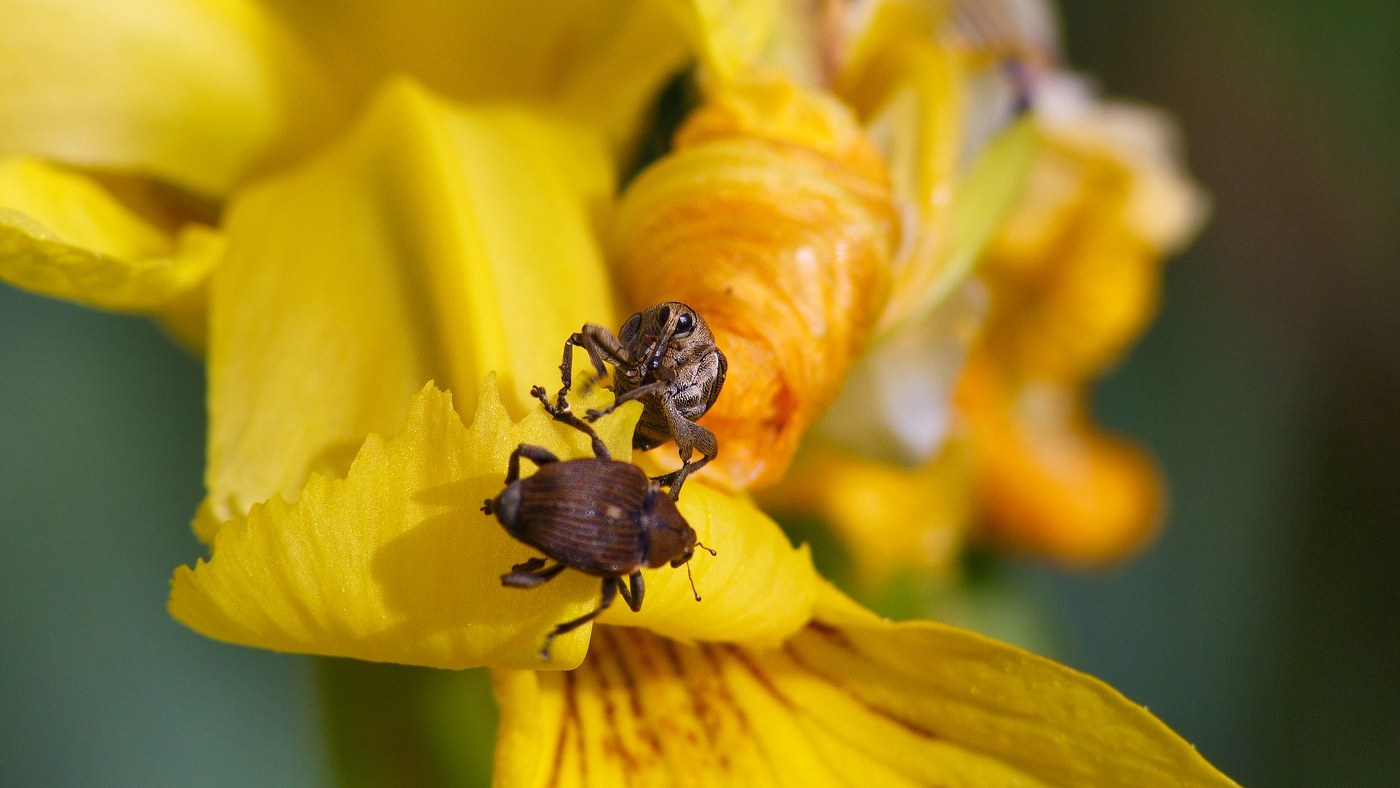
Acorn Weevil
Oak woodlands and forests, on and beneath oak trees
Wireworm
Soil of grasslands, gardens, and cultivated fields worldwide
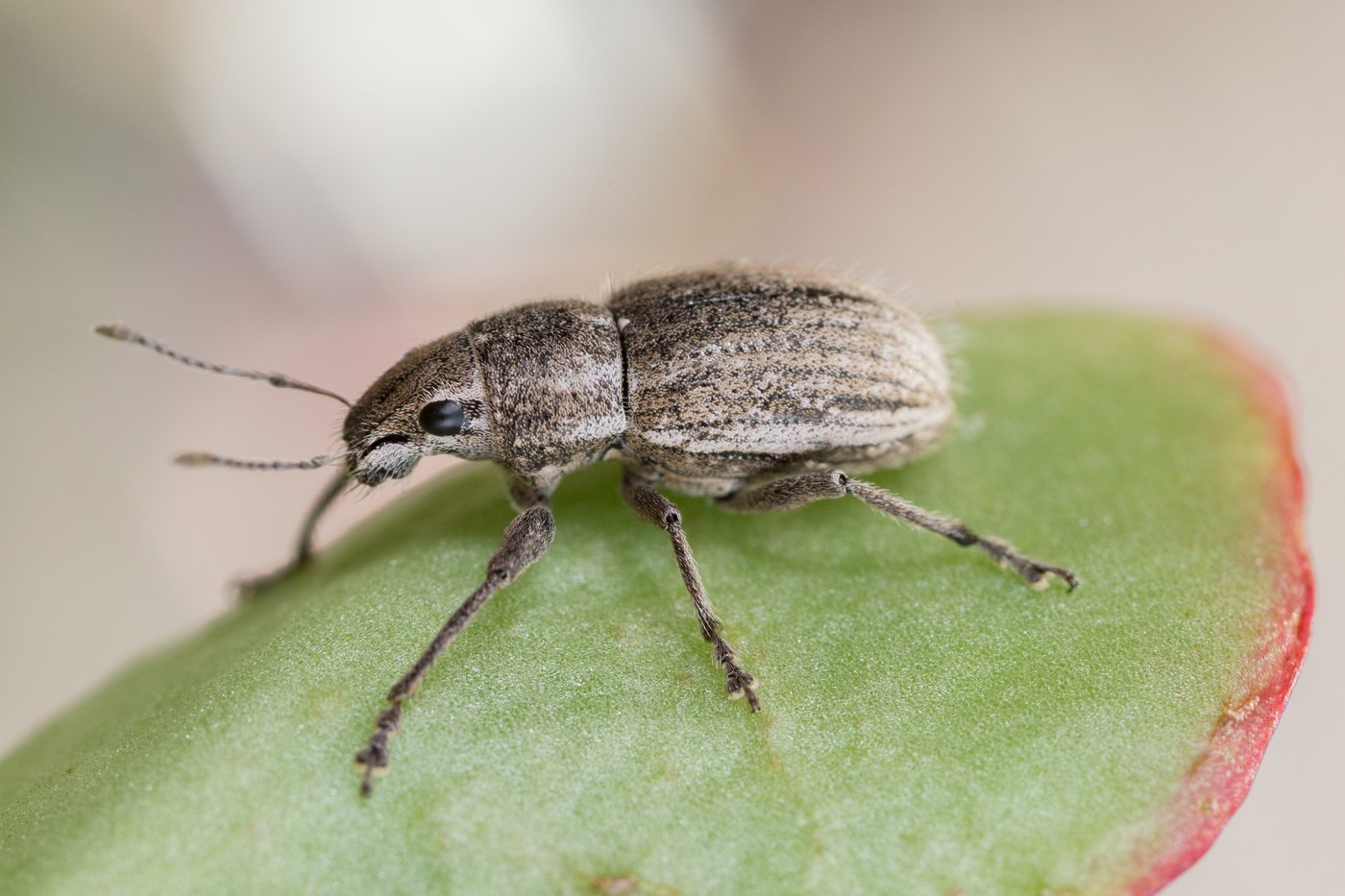
Whitefringed Beetle
Pastures, row crops, lawns, disturbed soils
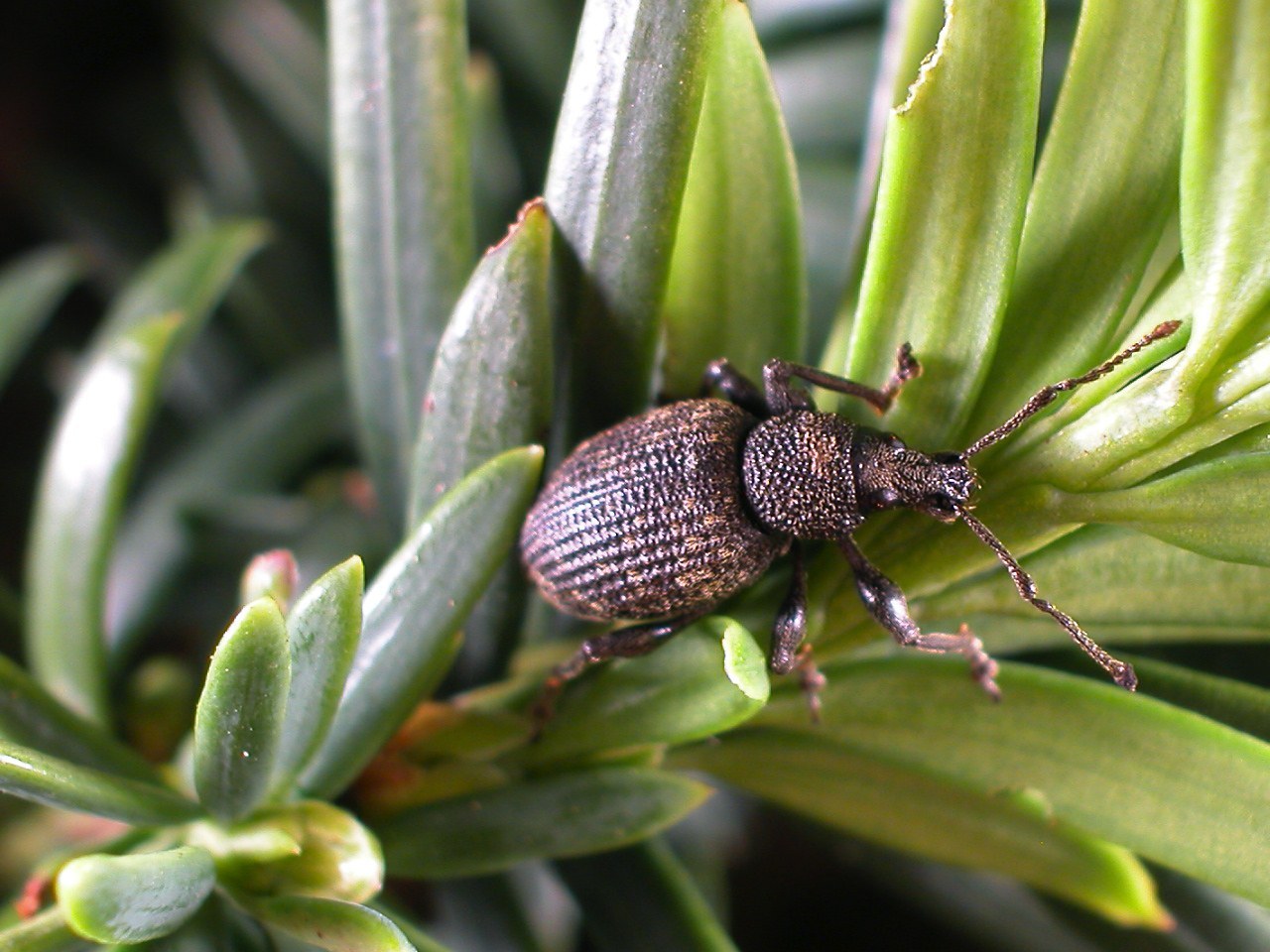
Vine Weevil
Gardens, nurseries, greenhouses, and container plantings
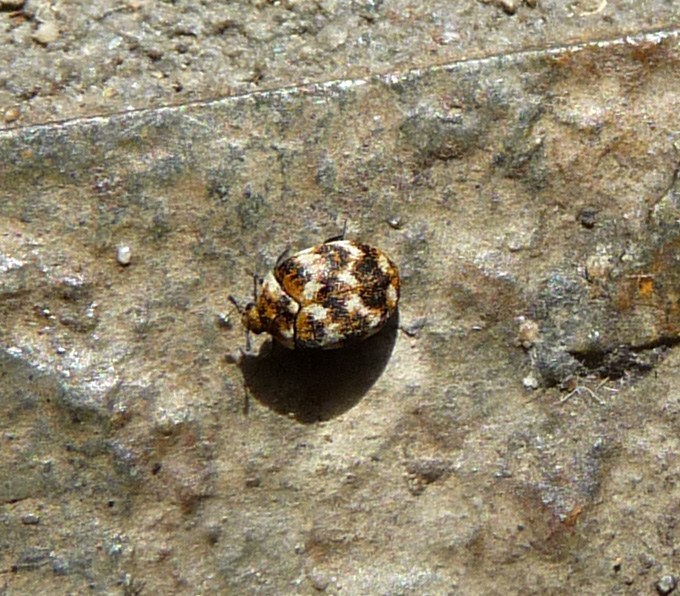
Varied Carpet Beetle
Homes, nests of birds and mammals, and flowers outdoors
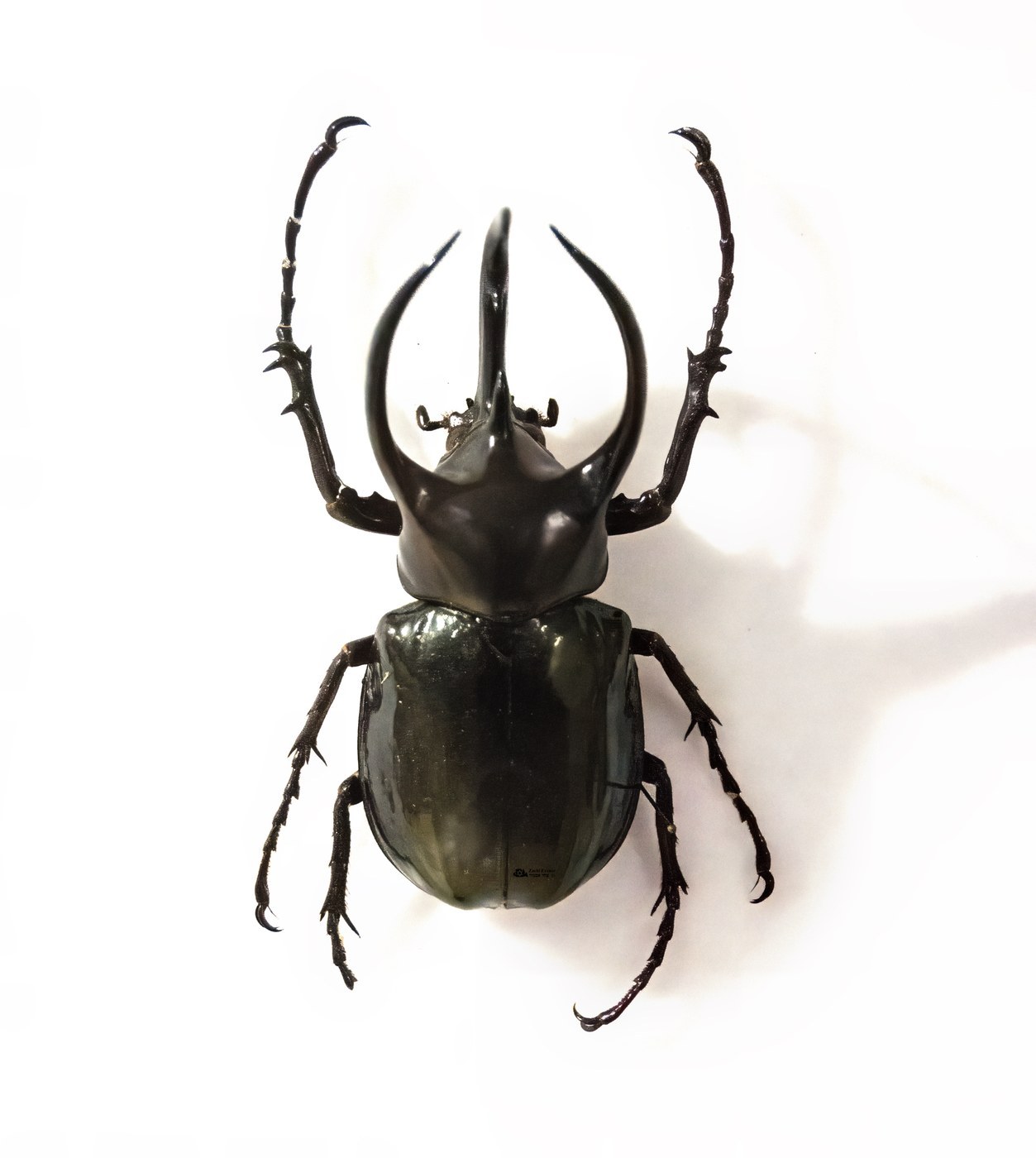
Atlas Beetle
Tropical forests of Southeast Asia
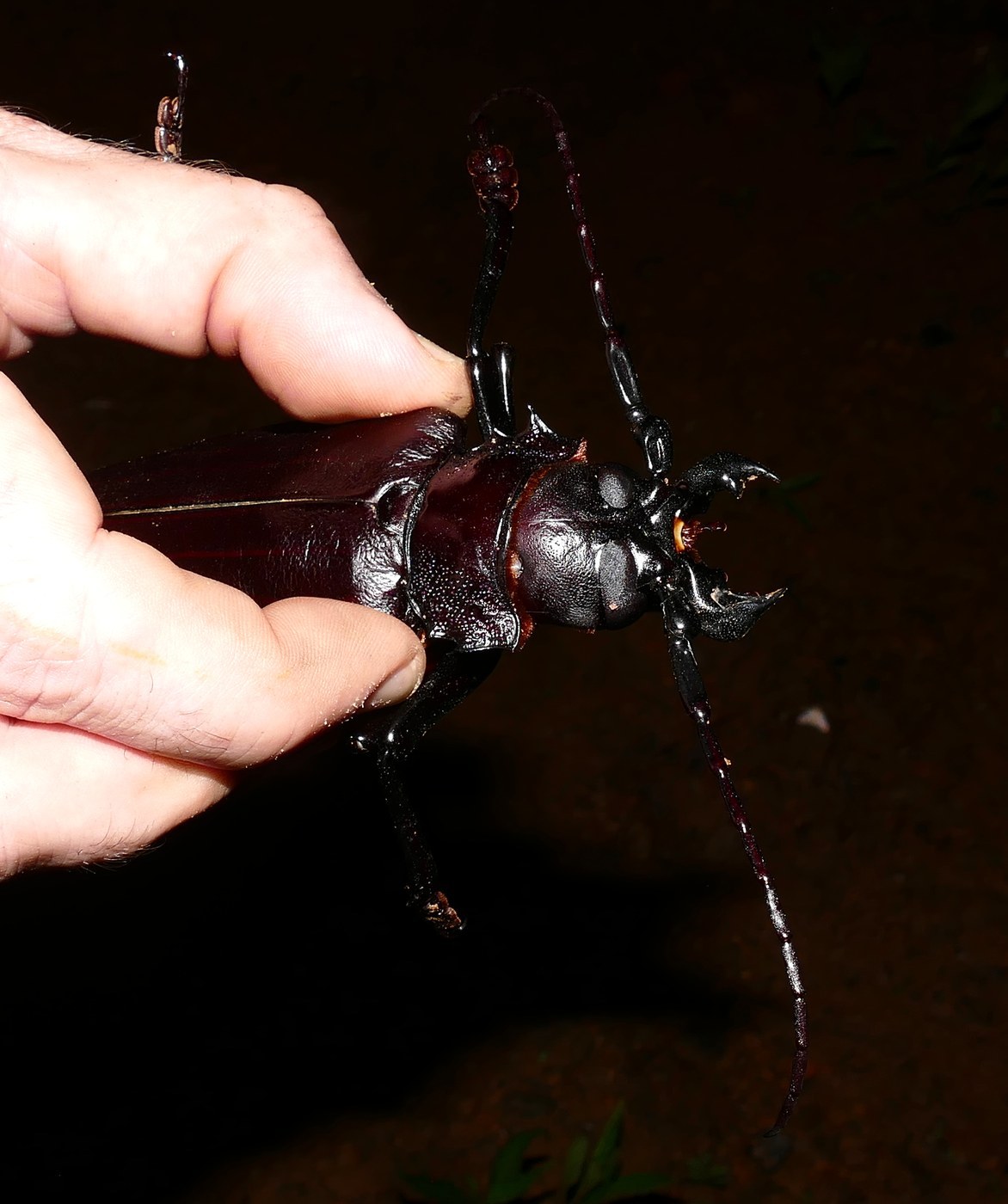
Titan Beetle
Amazon rainforest of South America
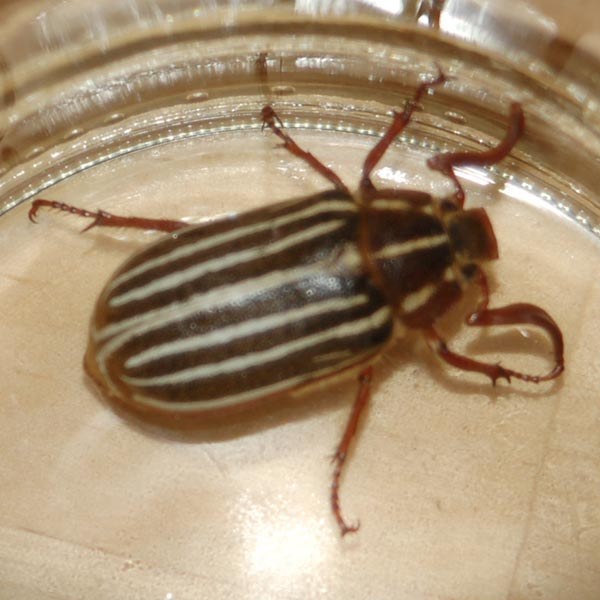
Ten-lined June Beetle
Sandy soils, pine forests, and orchards of western North America
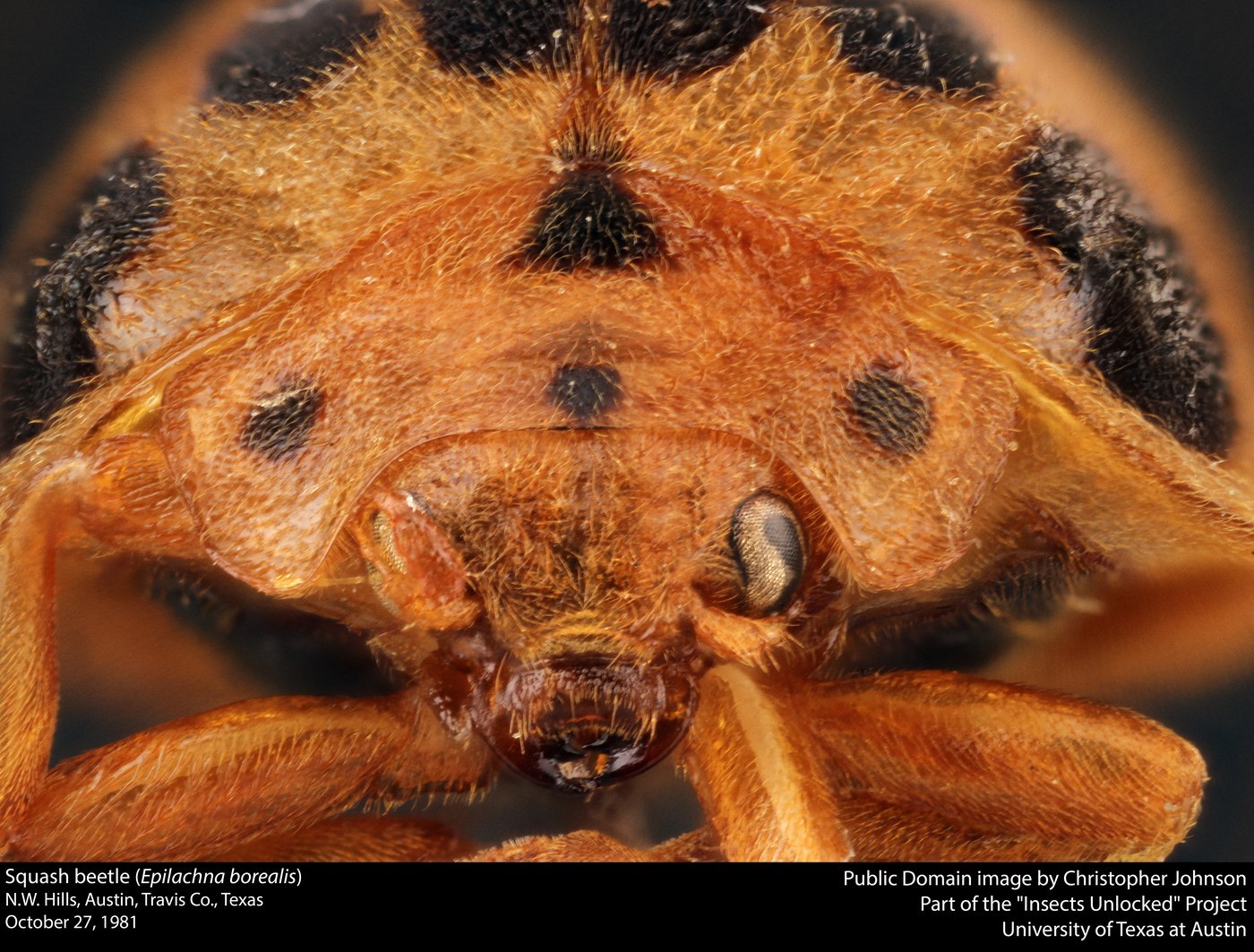
Squash Beetle
Vegetable gardens and fields growing squash, pumpkin, and other cucurbits