
Cutworm
Agrotis spp.
A plump, dull gray-brown caterpillar that hides in soil by day and emerges at night to sever young seedlings at the base, curling tightly into a C-shape when disturbed.
- Size
- 25–50 mm
- Habitat
- Garden soil, crop fields, and lawns, hidden by day near host plants
- Danger
- Nuisance pest
Spotted a bug like this?
Identify any bug or insect from a photo, free.
Overview
Cutworms are the larval stage of various moths in the family Noctuidae (owlet moths), with several Agrotis species among the most commonly encountered in gardens and agricultural fields worldwide. The common name refers to their characteristic feeding behavior of chewing through the stems of young seedlings at or just below the soil surface, effectively "cutting" the plant down.
Unlike the boldly patterned caterpillars of many butterflies and showy moths, cutworms are typically drab, smooth-bodied, and unremarkable in appearance, an adaptation that helps them stay concealed in soil and leaf litter during daylight hours. Their nocturnal, soil-dwelling habits mean they are far more often identified by the damage they leave behind than by direct sighting.
As larvae of otherwise unremarkable brownish night-flying moths, cutworms represent a widespread and taxonomically diverse guild of ground-dwelling caterpillars found on most continents, playing a role as both herbivores of seedlings and a food source for ground-foraging birds and predatory insects.
How to Identify
- Plump, smooth-skinned caterpillar, typically dull gray, brown, or dull green, often with faint longitudinal stripes or mottling.
- Curls tightly into a distinctive C-shape when disturbed or uncovered, a key identifying behavior.
- Relatively hairless compared to bristled caterpillars like the woolly bear, with a somewhat greasy or smooth-looking cuticle.
- Body length roughly 25–50 mm at full growth.
- Lookalikes: armyworms are similarly smooth-bodied noctuid larvae but tend to feed above ground on foliage in groups rather than severing stems at the soil line and hiding singly in soil by day.
Habitat & Range
Cutworms occur worldwide in gardens, agricultural fields, and lawns, wherever suitable host seedlings and loose soil for daytime concealment are present. They are most active and most damaging in spring, when young seedlings are tender, hiding in the top layer of soil or under debris during the day and surfacing to feed at night.
Behavior & Diet
Larvae are nocturnal feeders, remaining curled and hidden in soil or under surface debris by day and emerging after dark to chew through the base of seedling stems or foliage. This soil-surface feeding behavior, rather than climbing high on plants, is characteristic of most cutworm species, though some "climbing cutworms" do ascend plants to feed on leaves and buds at night. Cutworms serve as prey for numerous ground-foraging birds, beetles, and parasitic wasps and flies.
Life Cycle
Development is by complete metamorphosis. Adult moths lay eggs on plant foliage or in soil; larvae hatch and feed through several instars, often overwintering as partly grown larvae or pupae in soil depending on climate and species. Pupation occurs in an underground chamber, with adults emerging as relatively plain, night-flying moths; many species produce one to several generations per year in warmer climates.
Frequently asked questions
How can I tell if a caterpillar is a cutworm?
Cutworms are typically smooth, dull gray or brown, and curl tightly into a C-shape when uncovered from soil, distinguishing them from bristled or brightly patterned caterpillars.
What is the difference between a cutworm and an armyworm?
Both are similar smooth-bodied noctuid moth larvae, but cutworms typically hide singly in soil by day and sever seedling stems at the base, while armyworms tend to feed openly on foliage, sometimes in large groups.
What does the adult cutworm moth look like?
Adult cutworm moths are generally plain, dull brown or gray, medium-sized night-flying moths without especially bold markings, quite different from their more conspicuous caterpillar stage's damage.
Why do cutworms hide during the day?
Remaining curled in soil or leaf litter by day and feeding only at night helps the smooth-bodied, otherwise conspicuous larvae avoid daytime predators.
Cutworm guides
In-depth guides for identifying, understanding, and living alongside Cutworm.
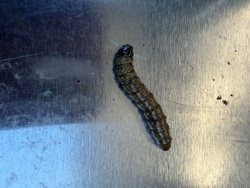
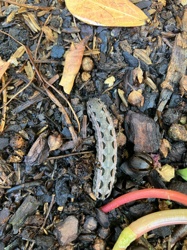
Cutworm identified by the community
Real finds identified with Bug Identifier.

Other bugs you may enjoy
Bagworm
Trees and shrubs, especially conifers and ornamental landscaping
Armyworm
grasslands, pastures, and cereal crop fields
Zebra Longwing Caterpillar
Tropical and subtropical hammocks with passionflower vines
Tomato Hornworm
Gardens and fields with tomato, pepper, and other nightshade plants
Tent Caterpillar
Deciduous trees such as cherry, apple, and other rosaceous species
Tobacco Hornworm
tobacco, tomato, and pepper plants in gardens and fields
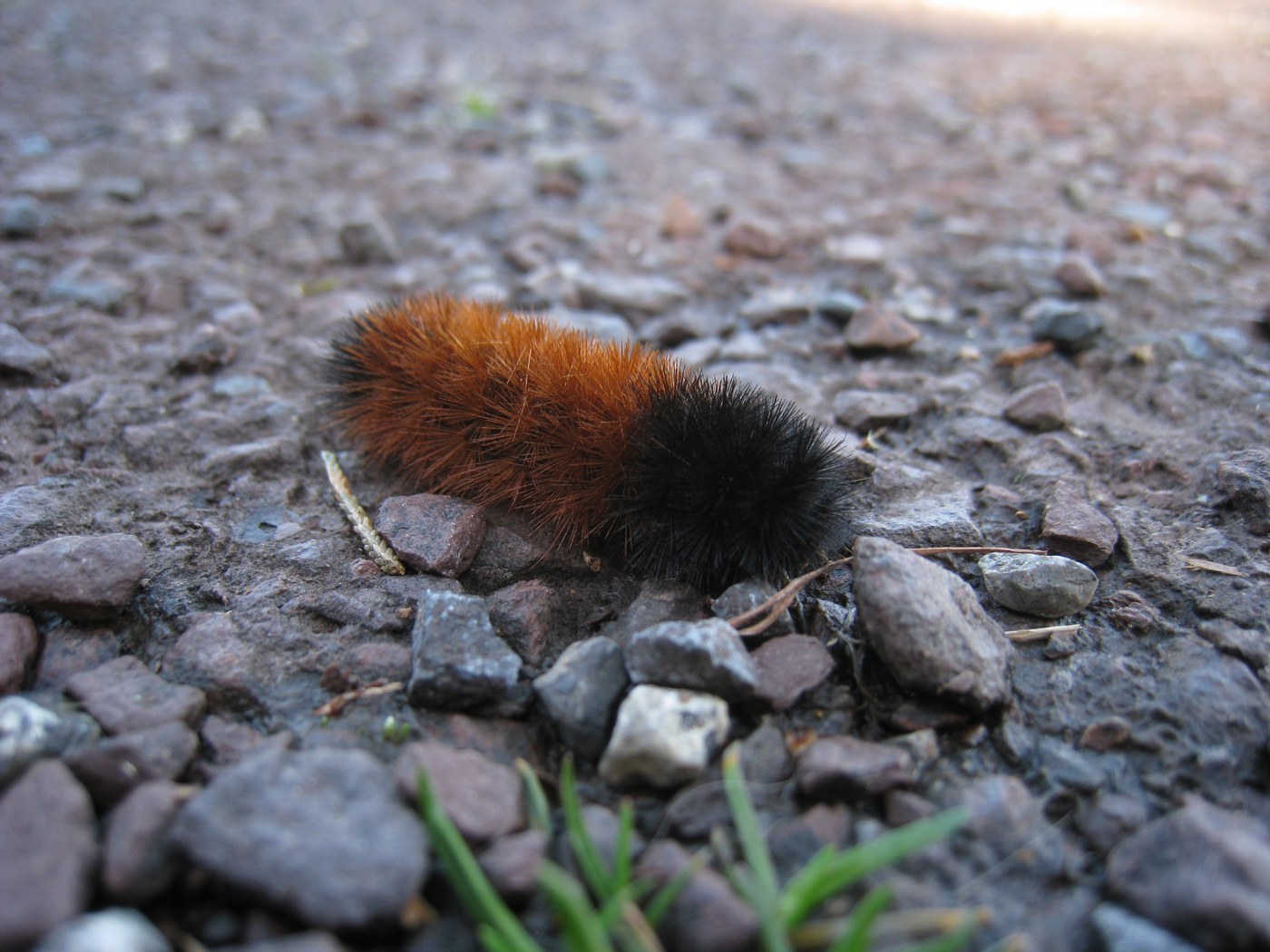
Woolly Bear Caterpillar
Gardens, meadows, roadsides, and woodland edges across North America
Sod Webworm
Turfgrass lawns, golf courses, pastures
Spiny Oak-slug Caterpillar
Deciduous forests and woodland edges with oak and other hardwoods
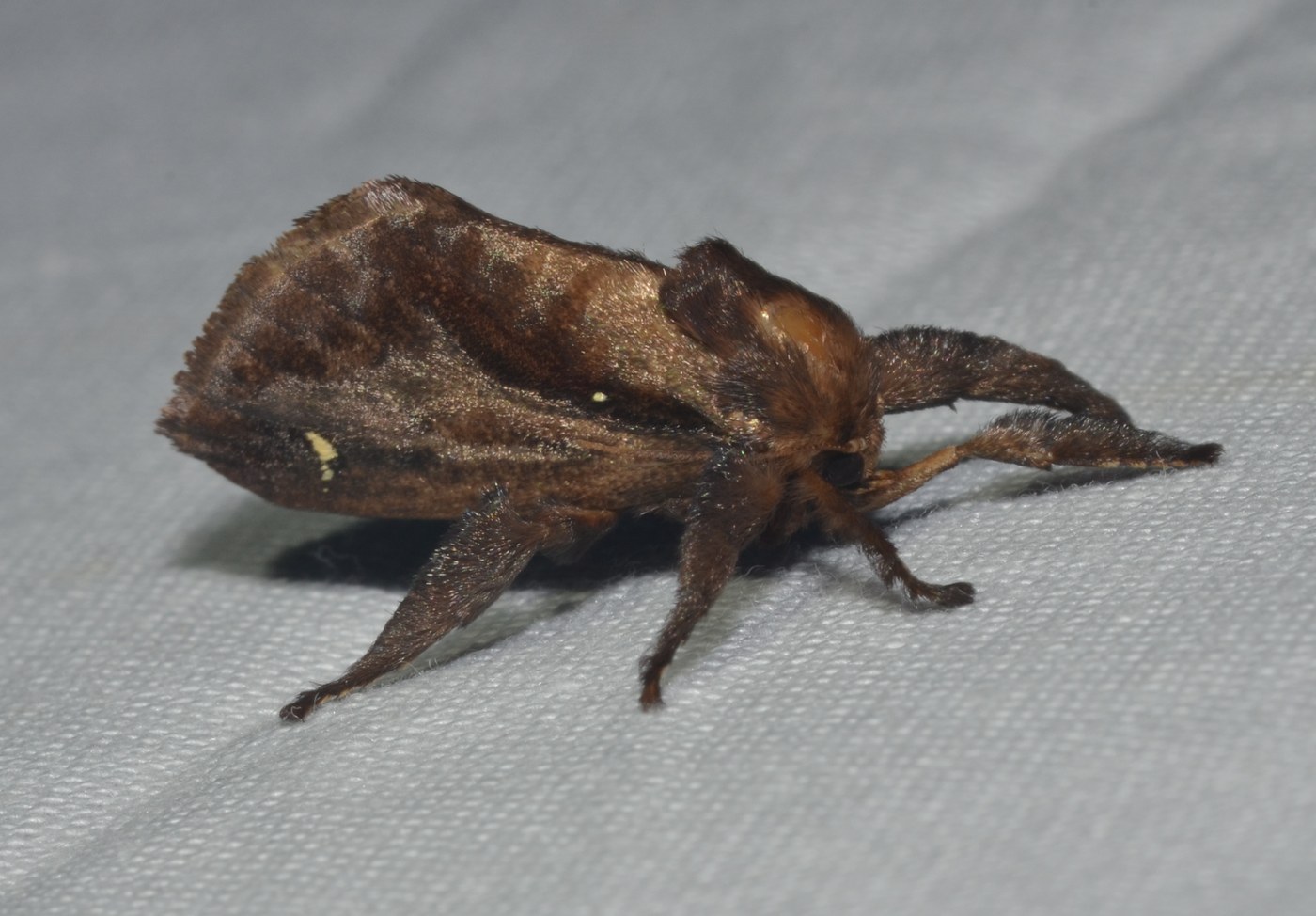
Saddleback Caterpillar
Deciduous trees and shrubs in eastern and southern North America
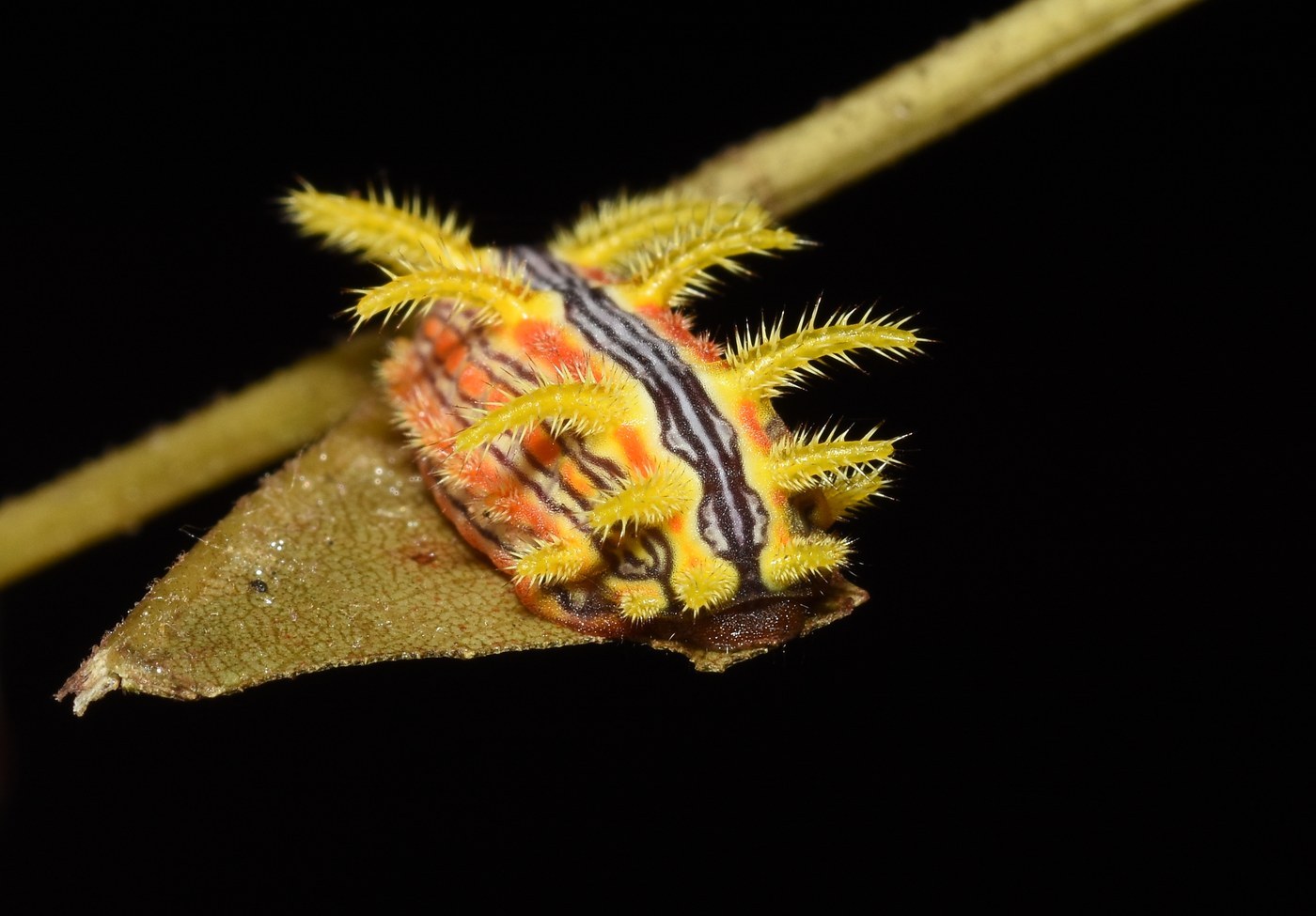
Stinging Rose Caterpillar
Gardens and woodlands with rose, dogwood, or oak
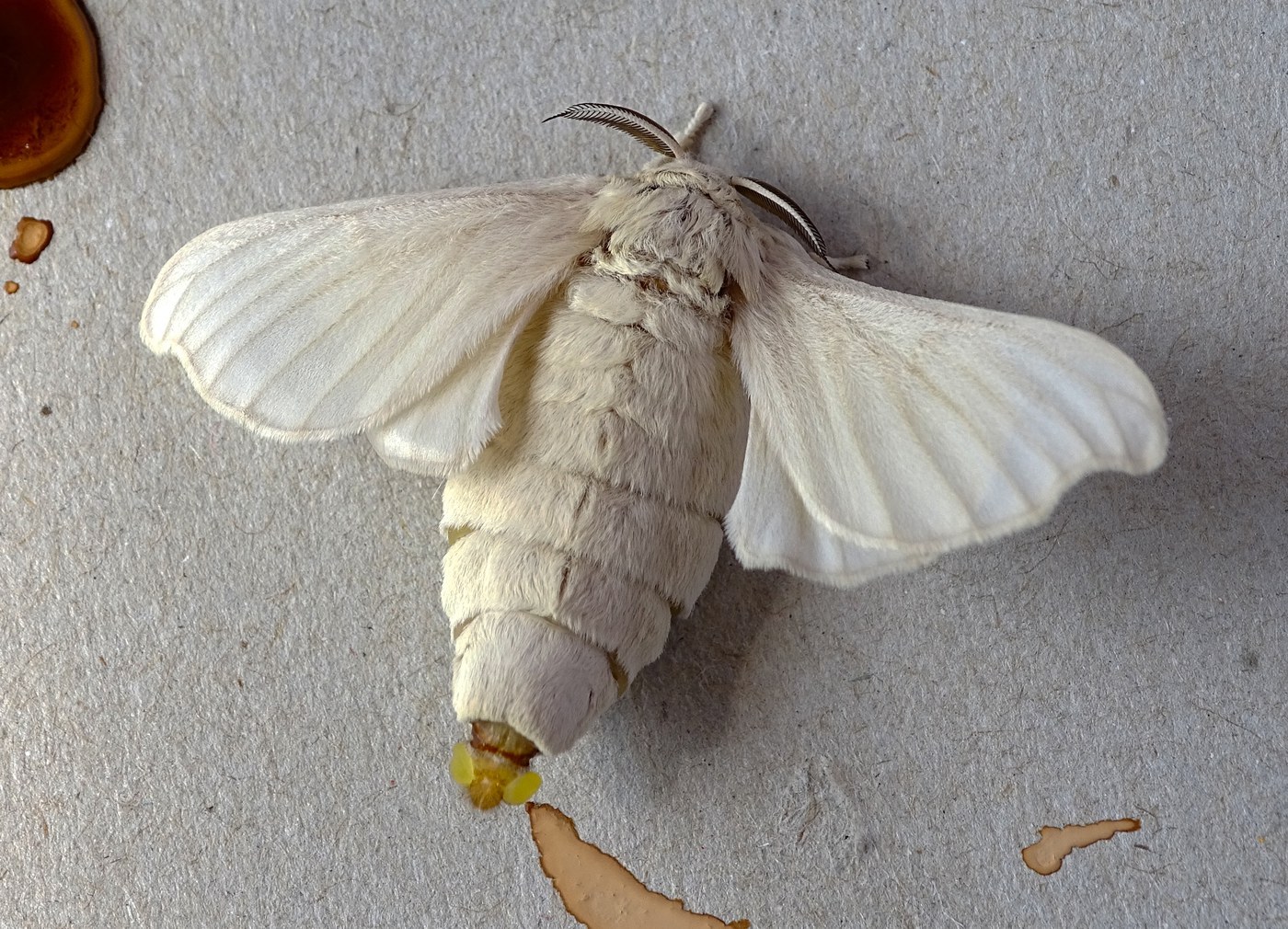
Silkworm
Reared exclusively in captivity on mulberry leaves; no independent wild population