
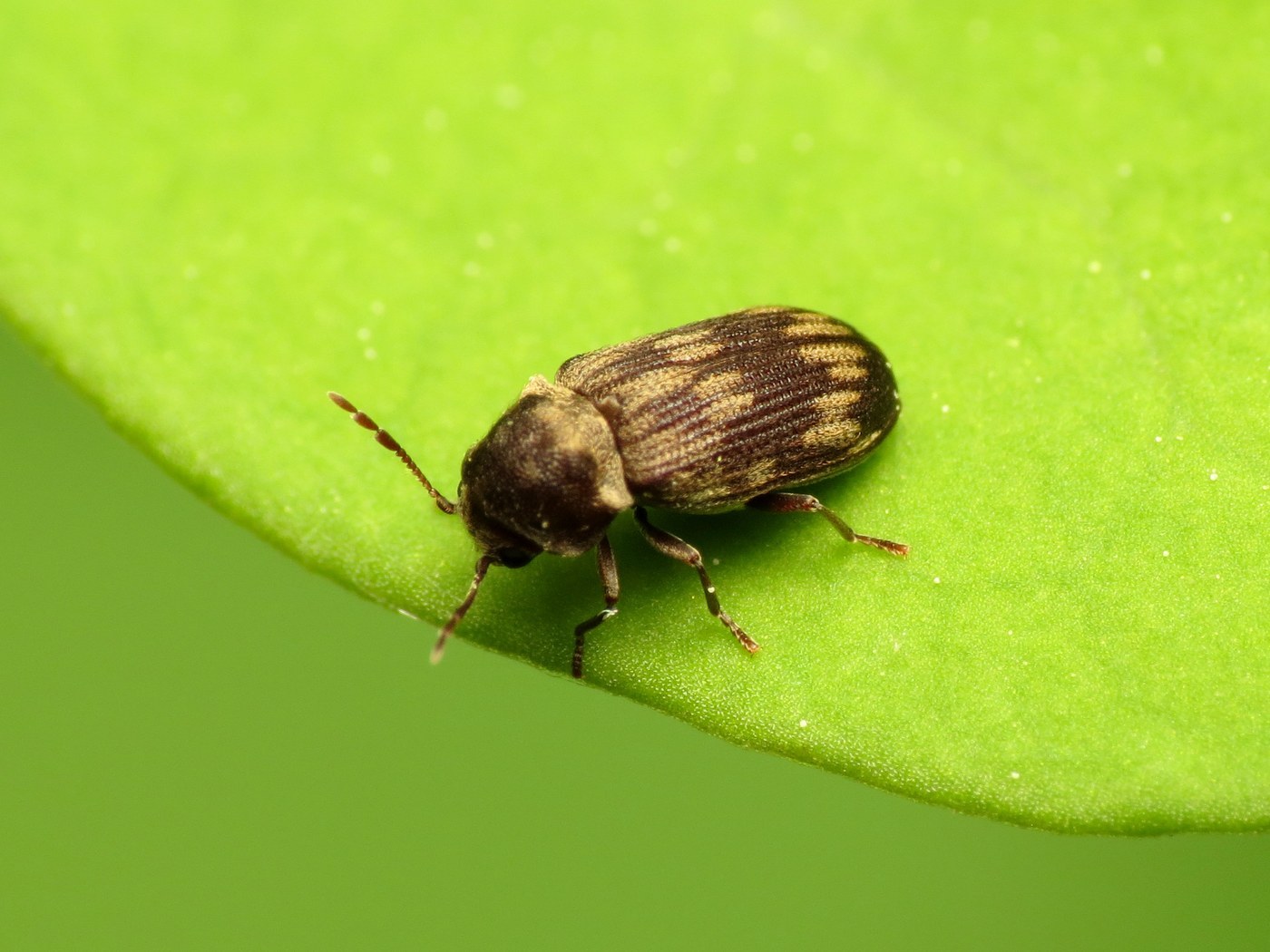
Deathwatch Beetle
Xestobium rufovillosum
A small, mottled brown wood-boring beetle famous for the faint ticking sound it makes by tapping its head against wood, historically associated with old timber-framed buildings.
- Size
- 6–9 mm
- Habitat
- Old oak and other hardwood timber, historic buildings, dead wood in forests
- Danger
- Nuisance pest
Spotted a bug like this?
Identify any bug or insect from a photo, free.
Overview
The deathwatch beetle is a wood-boring species in the family Ptinidae (formerly classified with Anobiidae), a group of small beetles whose larvae develop inside wood. It is most famous not for its appearance but for the distinctive tapping sound adults produce, which gave rise to its folkloric name and centuries of superstition in old European houses.
Ecologically, the deathwatch beetle is closely tied to partially decayed hardwood, particularly oak that has been softened by fungal decay, making it a natural participant in the slow breakdown of old timber in both forests and historic structures. It has a long association with aged buildings in Europe, where it has been found in centuries-old roof beams and church timbers.
Despite the ominous name, the beetle is simply going about its normal life cycle of feeding, tapping to communicate, and reproducing within wood.
How to Identify
- Compact, cylindrical body about 6–9 mm long, colored mottled chocolate-brown with patches of fine yellowish hairs.
- Wing covers (elytra) are pitted with rows of small punctures and covered in short, irregular hair patches that give a mottled appearance.
- Head is largely concealed beneath a hood-like pronotum when viewed from above.
- Larvae are creamy white, curved grubs found tunneling within damp, partly decayed wood.
- Lookalikes include the common furniture beetle, but the deathwatch beetle is larger and more robust with a distinctly mottled, hairy elytra pattern.
Habitat & Range
Deathwatch beetles are native to Europe and are strongly associated with old oak timber that has been softened by fungal decay, including ancient roof structures, church beams, and historic timber-framed buildings, as well as dead or decaying oak branches and trunks in woodland.
Adults are most active and audible in spring, when males tap their heads against wood to attract mates. Larvae remain hidden within timber for most of the year, favoring wood with elevated moisture content from past or ongoing fungal decay.
Behavior & Diet
Larvae feed internally on decaying hardwood, particularly wood that has been softened by wood-decay fungi, tunneling slowly through the timber over an extended period. Adults are famous for a tapping or 'ticking' behavior, produced by striking the head against the tunnel wall, which serves as a mating call between beetles hidden inside wood.
The species plays a natural role in breaking down dead, fungus-affected hardwood in forest settings, contributing to nutrient recycling. In old buildings, it is considered a structural pest of historic timber, though no treatment approaches are described here.
Life Cycle
Development follows complete metamorphosis: egg, larva, pupa, and adult. Eggs are laid in cracks or old exit holes in decaying hardwood, and the larvae bore inward to feed on the fungally softened wood fibers.
The larval period is notably long, often lasting several years depending on wood moisture and decay level, before the larva pupates near the wood's surface. Adults emerge in spring, chewing a small round exit hole, and live only a few weeks—just long enough to tap, mate, and lay eggs for the next generation.
Frequently asked questions
Why is it called the deathwatch beetle?
The name comes from the tapping sound adults make against wood during quiet nights, which was historically noticed in old houses and associated with folklore.
What kind of wood does it prefer?
It strongly favors old, partly decayed hardwood, especially oak that has been softened by fungal decay.
How is it different from the common furniture beetle?
The deathwatch beetle is larger and has a more mottled, hairy elytra pattern, and it targets older, decay-softened hardwood rather than general seasoned wood.
When are deathwatch beetles most noticeable?
Adults are most active and audible in spring, when the tapping mating behavior is most frequent.
Deathwatch Beetle guides
In-depth guides for identifying, understanding, and living alongside Deathwatch Beetle.
Other bugs you may enjoy
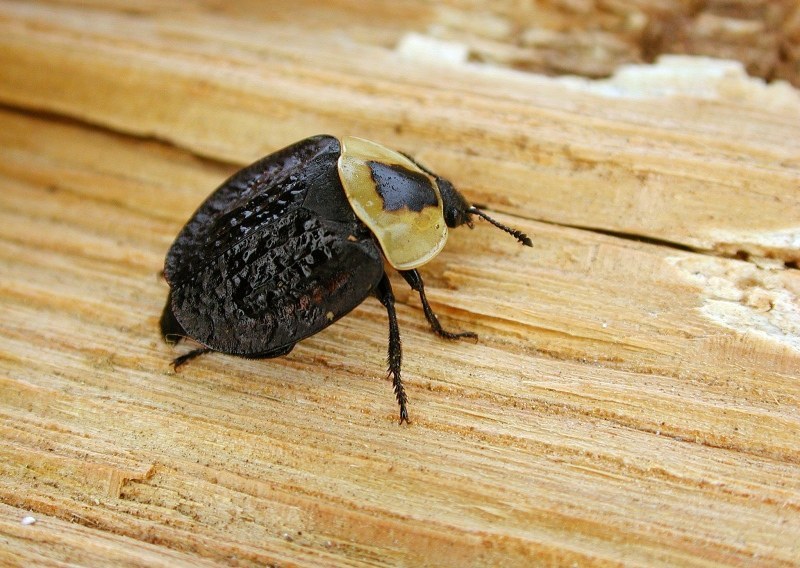
American Carrion Beetle
Forests, fields, and roadsides across North America, near decaying animal carcasses
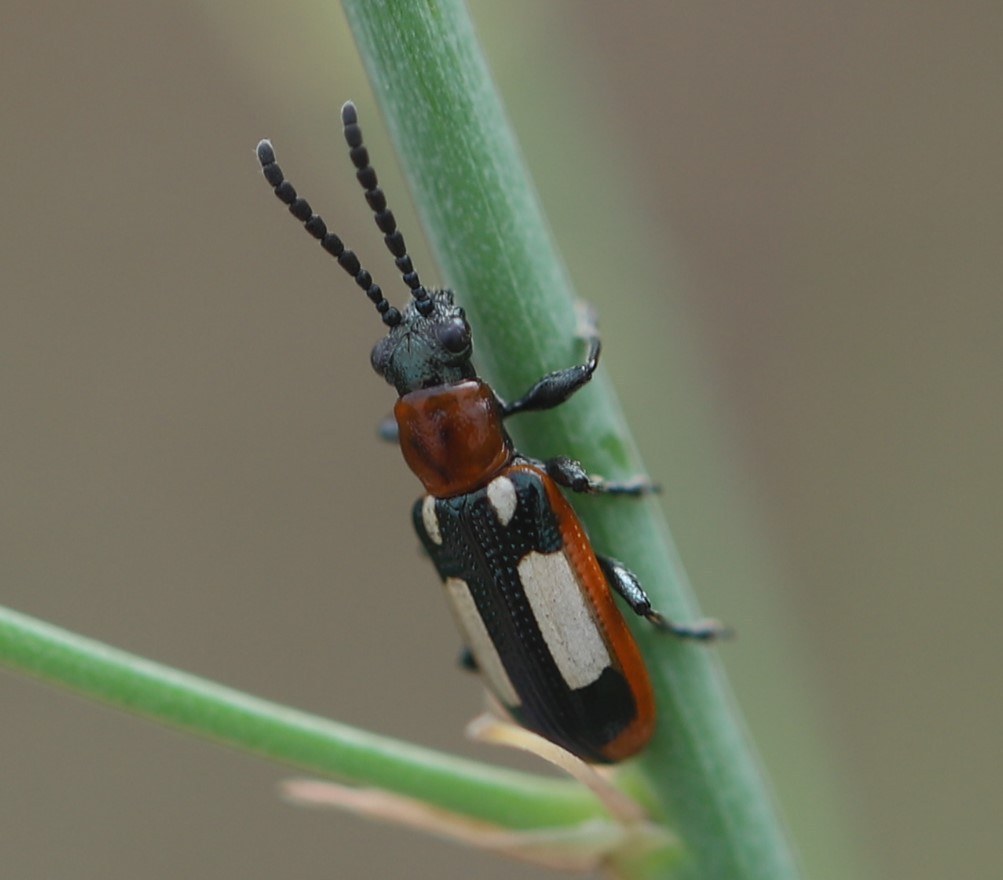
Asparagus Beetle
Asparagus patches, gardens, and farm fields
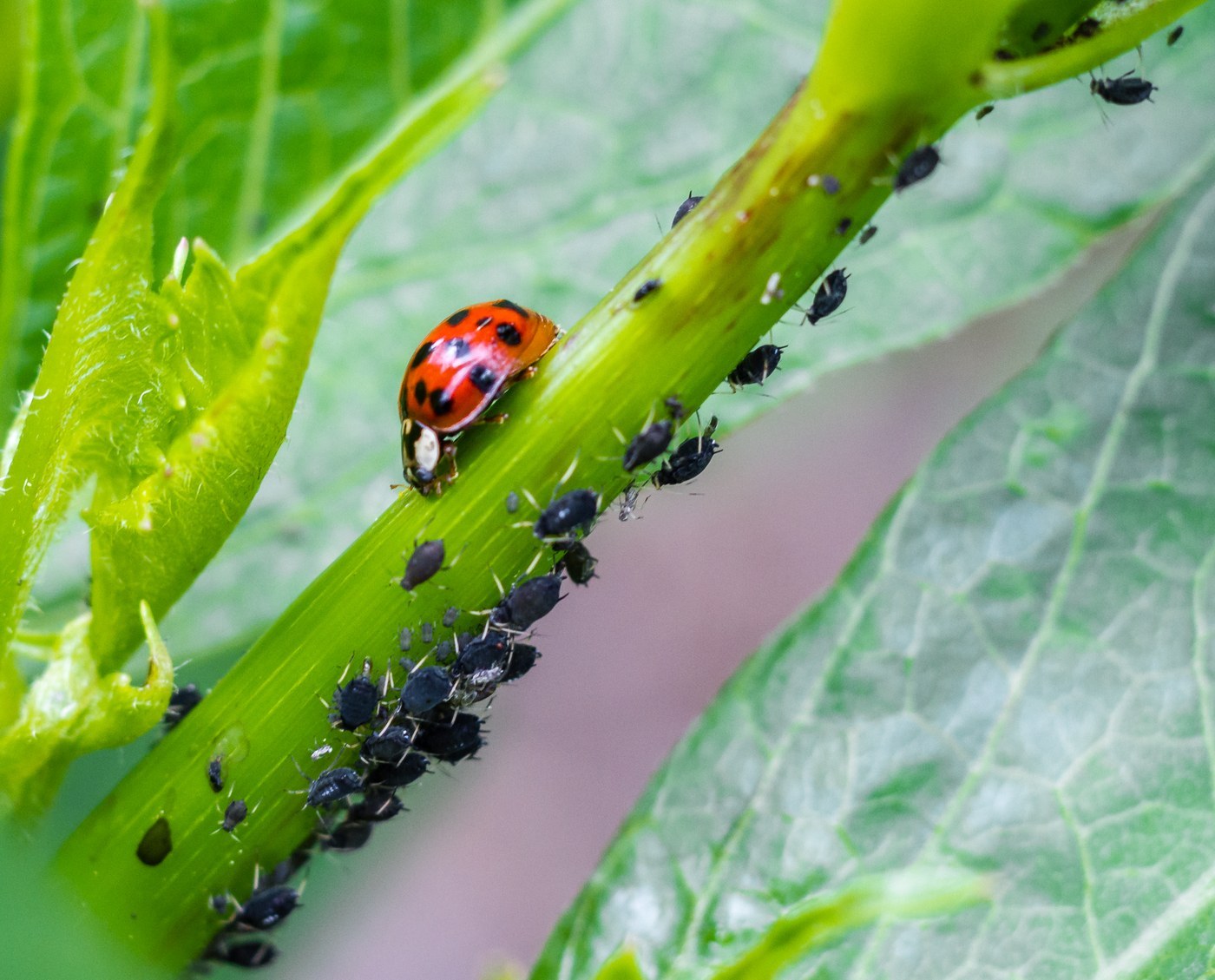
Asian Lady Beetle
Gardens, crop fields, woodlands, buildings
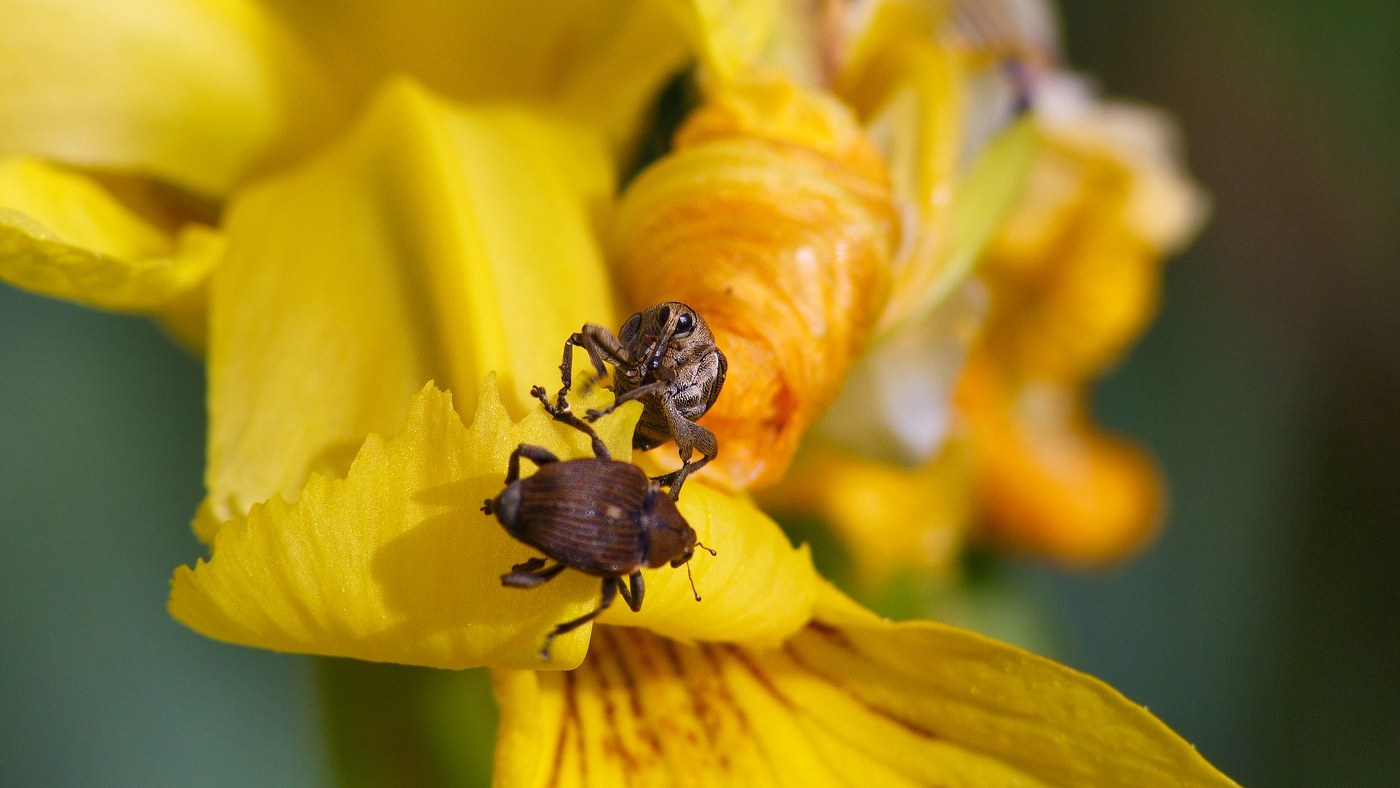
Acorn Weevil
Oak woodlands and forests, on and beneath oak trees
Wireworm
Soil of grasslands, gardens, and cultivated fields worldwide
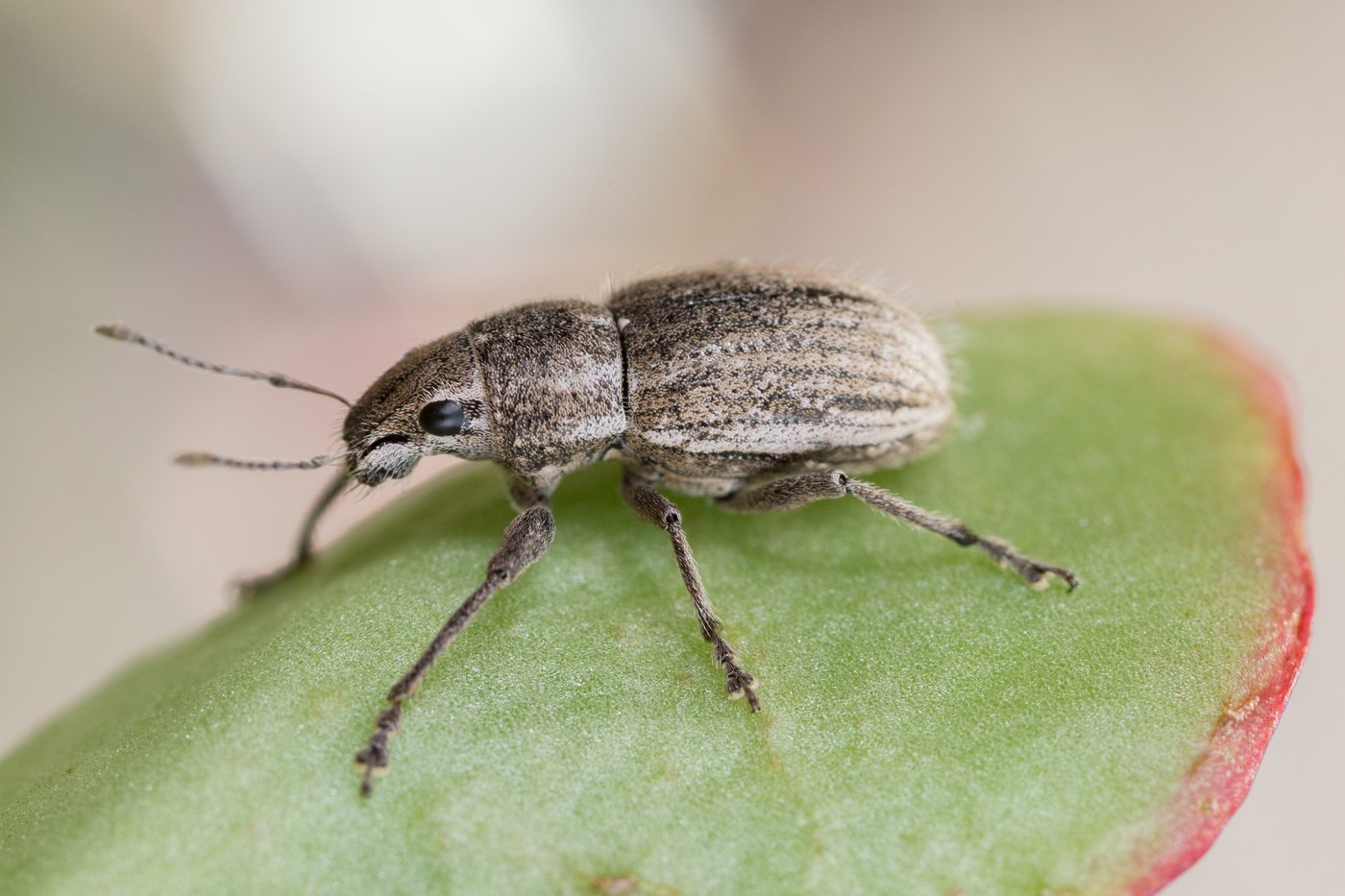
Whitefringed Beetle
Pastures, row crops, lawns, disturbed soils
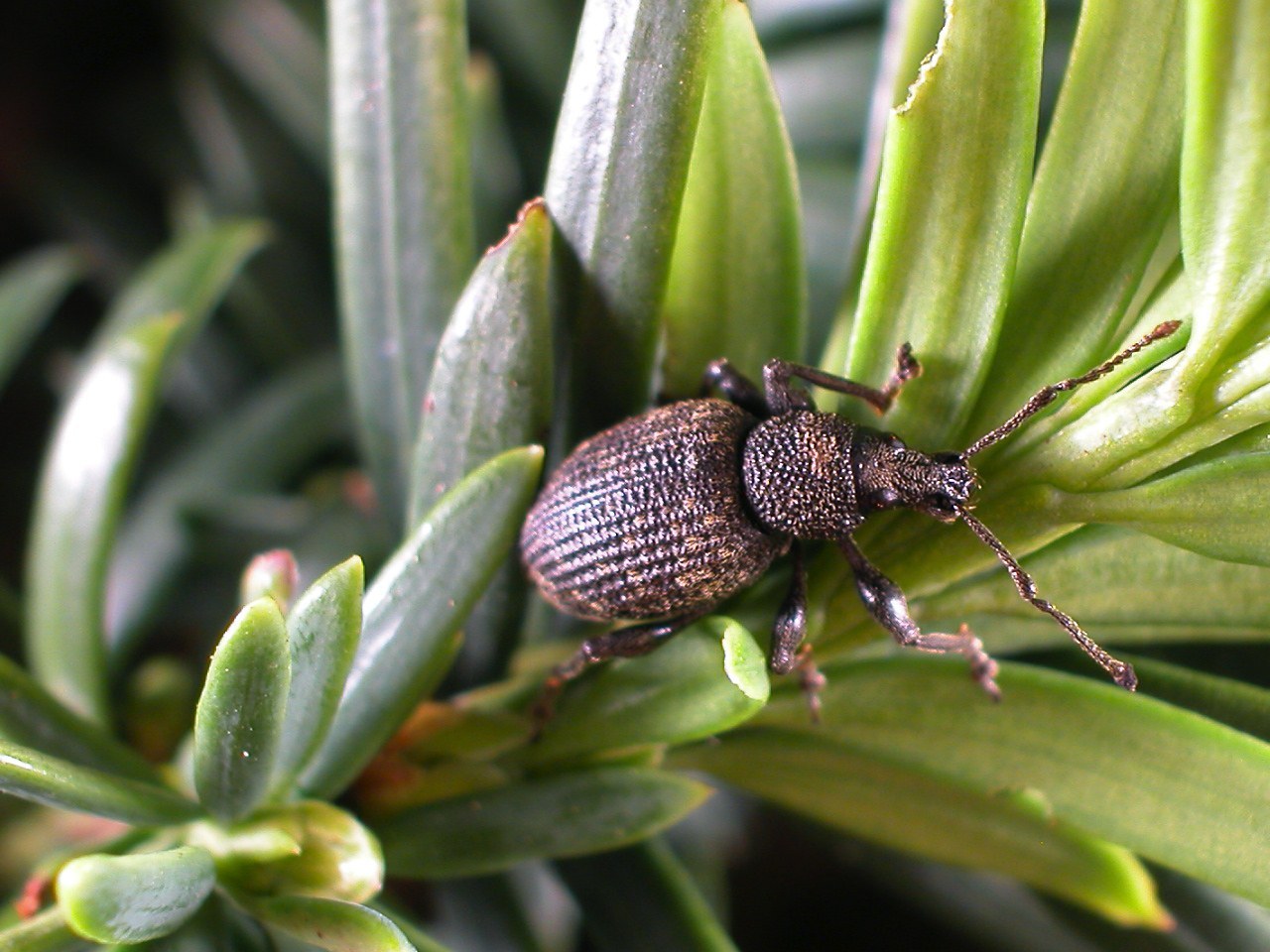
Vine Weevil
Gardens, nurseries, greenhouses, and container plantings
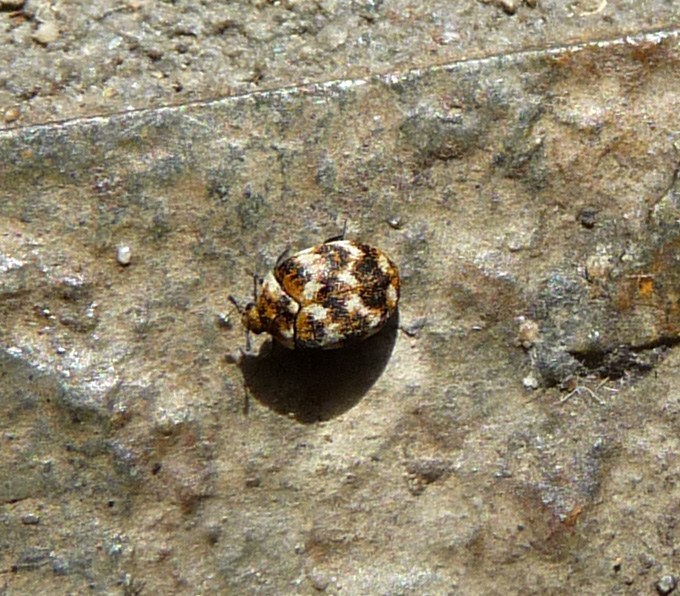
Varied Carpet Beetle
Homes, nests of birds and mammals, and flowers outdoors
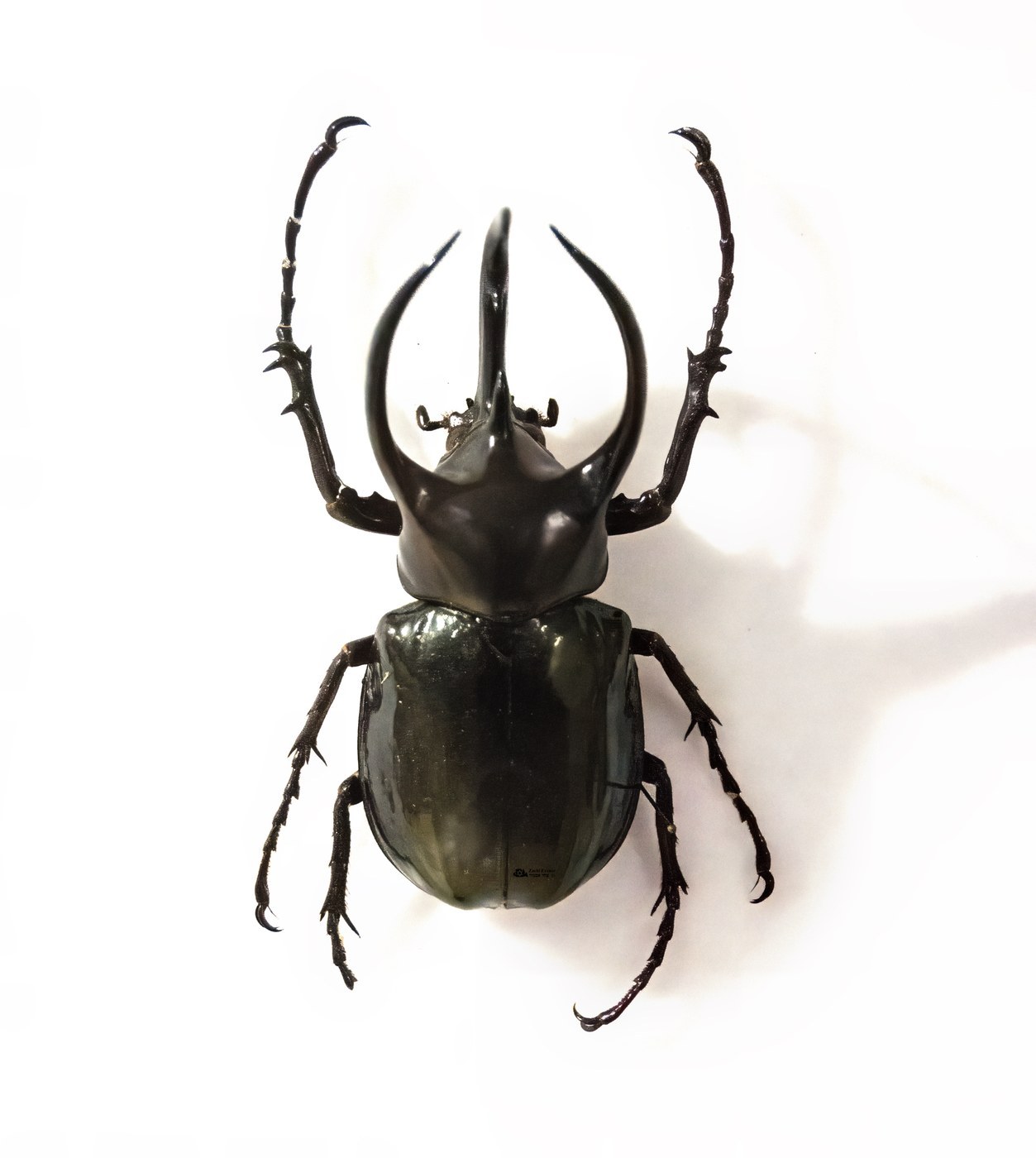
Atlas Beetle
Tropical forests of Southeast Asia
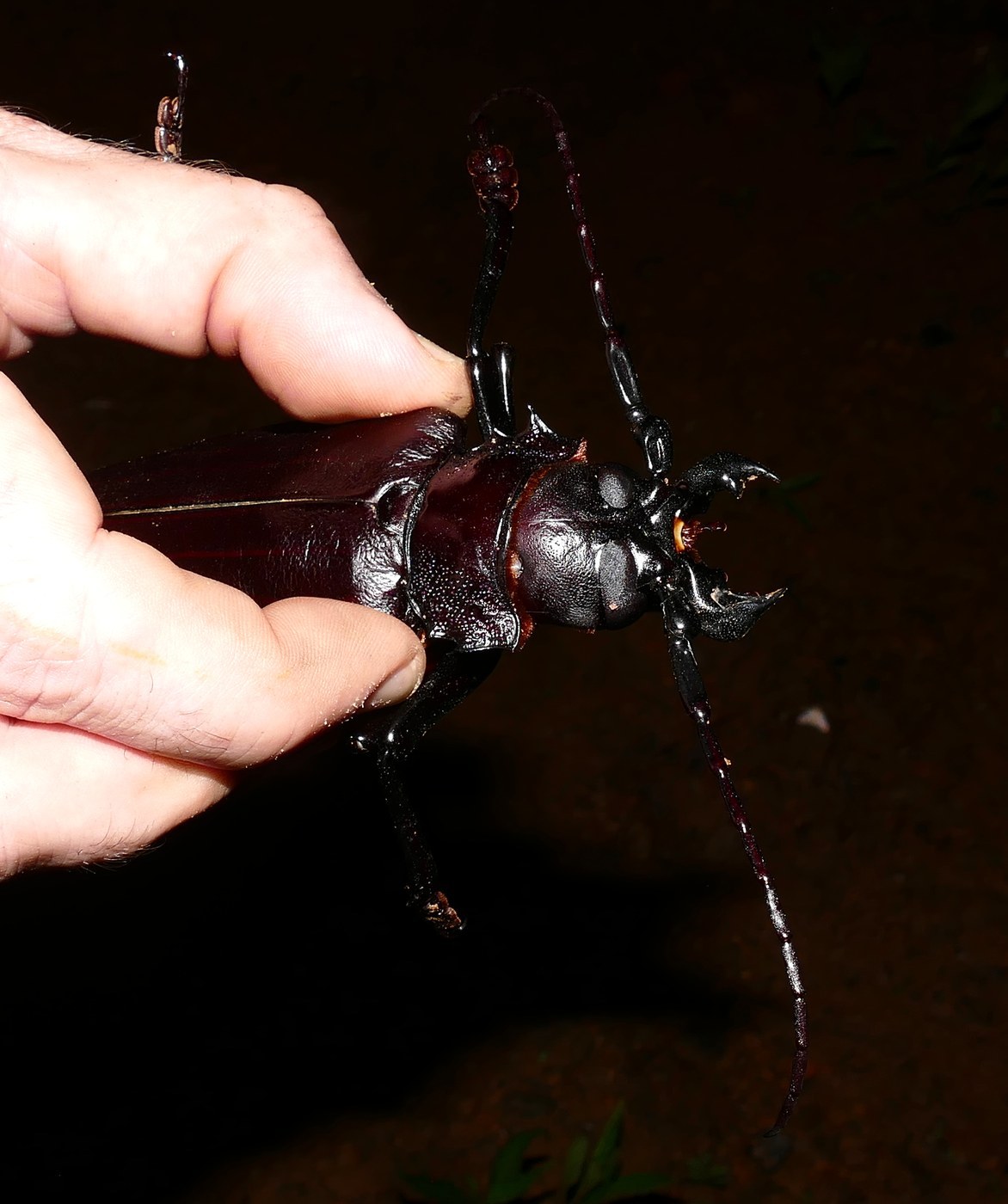
Titan Beetle
Amazon rainforest of South America
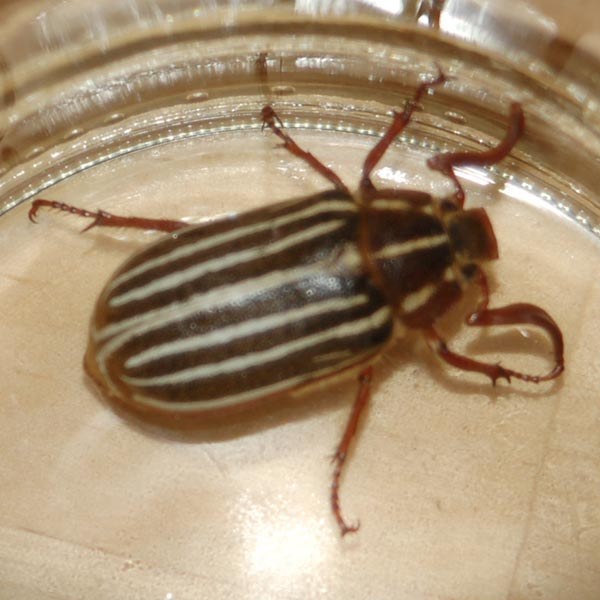
Ten-lined June Beetle
Sandy soils, pine forests, and orchards of western North America
Squash Beetle
Vegetable gardens and fields growing squash, pumpkin, and other cucurbits