
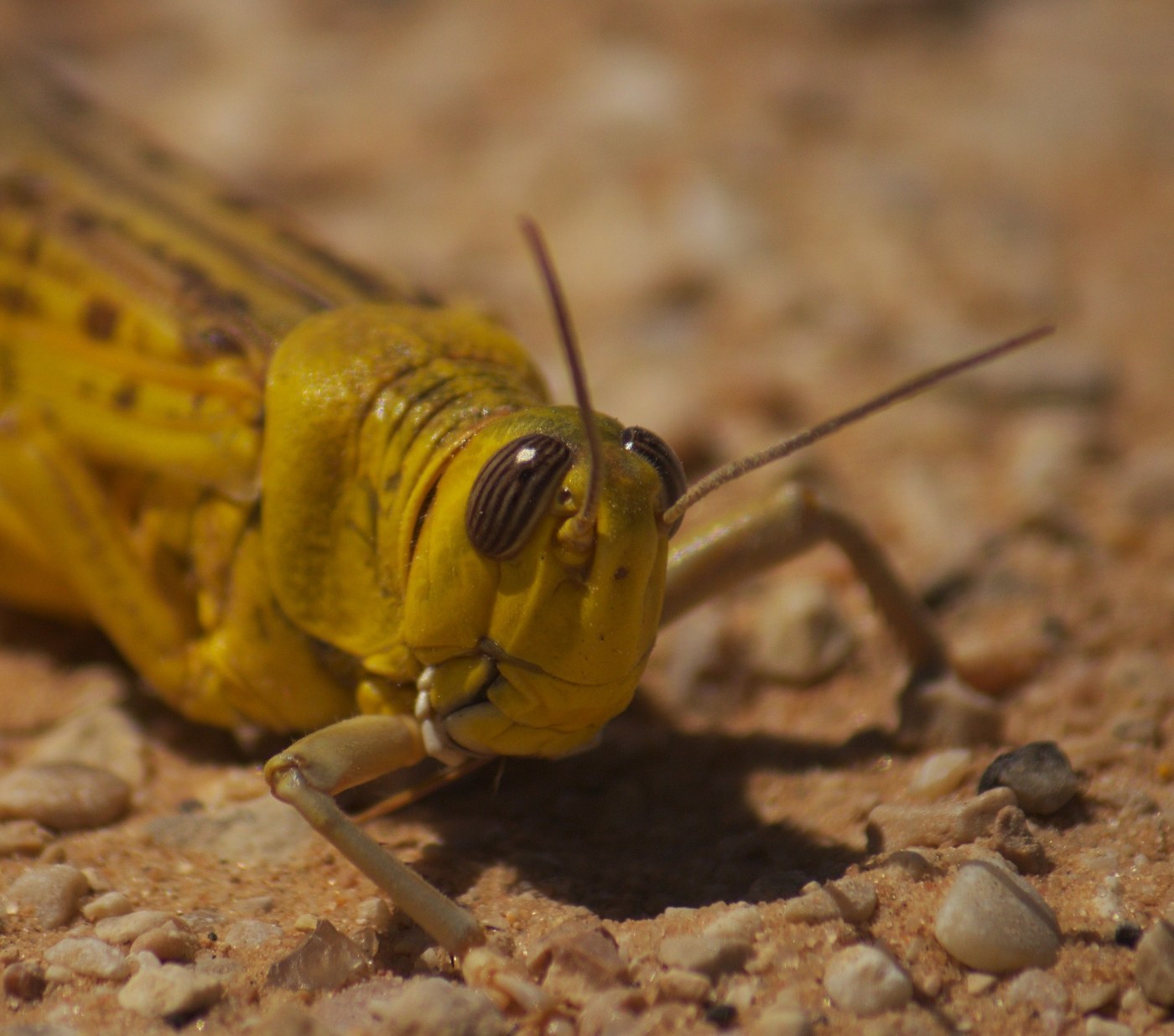
Desert Locust
Schistocerca gregaria
A large, powerful grasshopper capable of forming some of the most extensive and historically devastating insect swarms on Earth, transforming from a solitary desert dweller into a densely packed migrating horde under the right conditions.
- Size
- 45–75 mm
- Habitat
- arid and semi-arid deserts, savannas, and scrublands of Africa, the Middle East, and Southwest Asia
- Danger
- Nuisance pest
Spotted a bug like this?
Identify any bug or insect from a photo, free.
Overview
The desert locust, Schistocerca gregaria, is one of the most historically significant swarming insects in the world, native to the arid and semi-arid regions stretching from West Africa across the Sahara, the Arabian Peninsula, and into parts of southwestern Asia. It is best known for its capacity to shift from a harmless, solitary existence into vast, coordinated swarms capable of traveling hundreds of kilometers and consuming enormous quantities of vegetation along the way.
Like other true locusts, the desert locust displays phase polyphenism, a density-dependent transformation in appearance and behavior. In the solitary phase, individuals are typically a cryptic brown or gray, blending into the desert landscape, while in the gregarious swarming phase they take on a more vivid pinkish hue as immatures and bright yellow as mature adults, along with a stronger drive to aggregate and move together.
Desert locust outbreaks have shaped agricultural history across Africa and the Middle East for millennia, referenced in ancient texts, and remain closely monitored today by regional and international agricultural agencies given the scale of vegetation such swarms can consume.
How to Identify
- Large grasshopper, 45–75 mm, with strong hind legs for jumping
- Solitary phase is cryptic brown or gray to blend with desert terrain
- Gregarious phase nymphs are pinkish to orange with black markings; mature swarming adults turn bright yellow
- Long wings enabling sustained, far-ranging flight in the swarming phase
- Lookalikes: other Schistocerca species, such as the American grasshopper, are similar in build but occur in different regions and do not form comparable transcontinental swarms
Habitat & Range
Desert locusts are native to the arid and semi-arid belt spanning West Africa, the Sahara and Sahel, the Horn of Africa, the Arabian Peninsula, and parts of southwestern Asia including Iran and Pakistan. Under favorable breeding conditions following rainfall in these normally dry regions, populations can expand rapidly, with swarms subsequently ranging far beyond the core desert habitat into agricultural regions of eastern and northern Africa and South Asia.
Behavior & Diet
In its solitary phase, the desert locust behaves as an inconspicuous, nocturnal-leaning grasshopper, feeding individually and actively avoiding contact with others of its kind. When rainfall triggers a surge in vegetation and population density rises, physical crowding induces the gregarious phase, prompting nymphs to form dense marching bands and adults to merge into enormous flying swarms that can contain many millions of individuals. These swarms are voracious herbivores, feeding on a very wide range of crops and wild plants, and their coordinated, long-distance movement has made the desert locust one of the most impactful migratory pest insects in recorded history.
Life Cycle
Females lay egg pods in moist sandy soil, each containing dozens of eggs bound together by a frothy secretion. Nymphs, or hoppers, hatch wingless and pass through five to six instars over several weeks, with gregarious-phase nymphs forming visible marching bands that move together across the landscape as they feed and grow. After the final molt, winged adults emerge and, if population density remains high, join or form swarms capable of sustained long-distance flight; multiple generations can occur within a year under favorable conditions, allowing outbreak populations to grow rapidly across breeding seasons.
Frequently asked questions
What triggers a desert locust swarm?
Favorable rains that boost vegetation growth allow populations to build up quickly, and the resulting crowding triggers a shift from solitary to gregarious, swarming behavior.
How far can desert locust swarms travel?
Adult swarms are capable of sustained flight covering hundreds of kilometers, carried in part by prevailing winds as they search for food and breeding sites.
What color are desert locusts?
Solitary individuals are cryptic brown or gray, while gregarious swarming nymphs are pinkish with black markings and mature swarming adults turn bright yellow.
Where do desert locusts naturally occur?
Their native range spans the arid and semi-arid regions of West Africa, the Sahara and Sahel, the Horn of Africa, the Arabian Peninsula, and parts of southwestern Asia.
Desert Locust guides
In-depth guides for identifying, understanding, and living alongside Desert Locust.
Other bugs you may enjoy
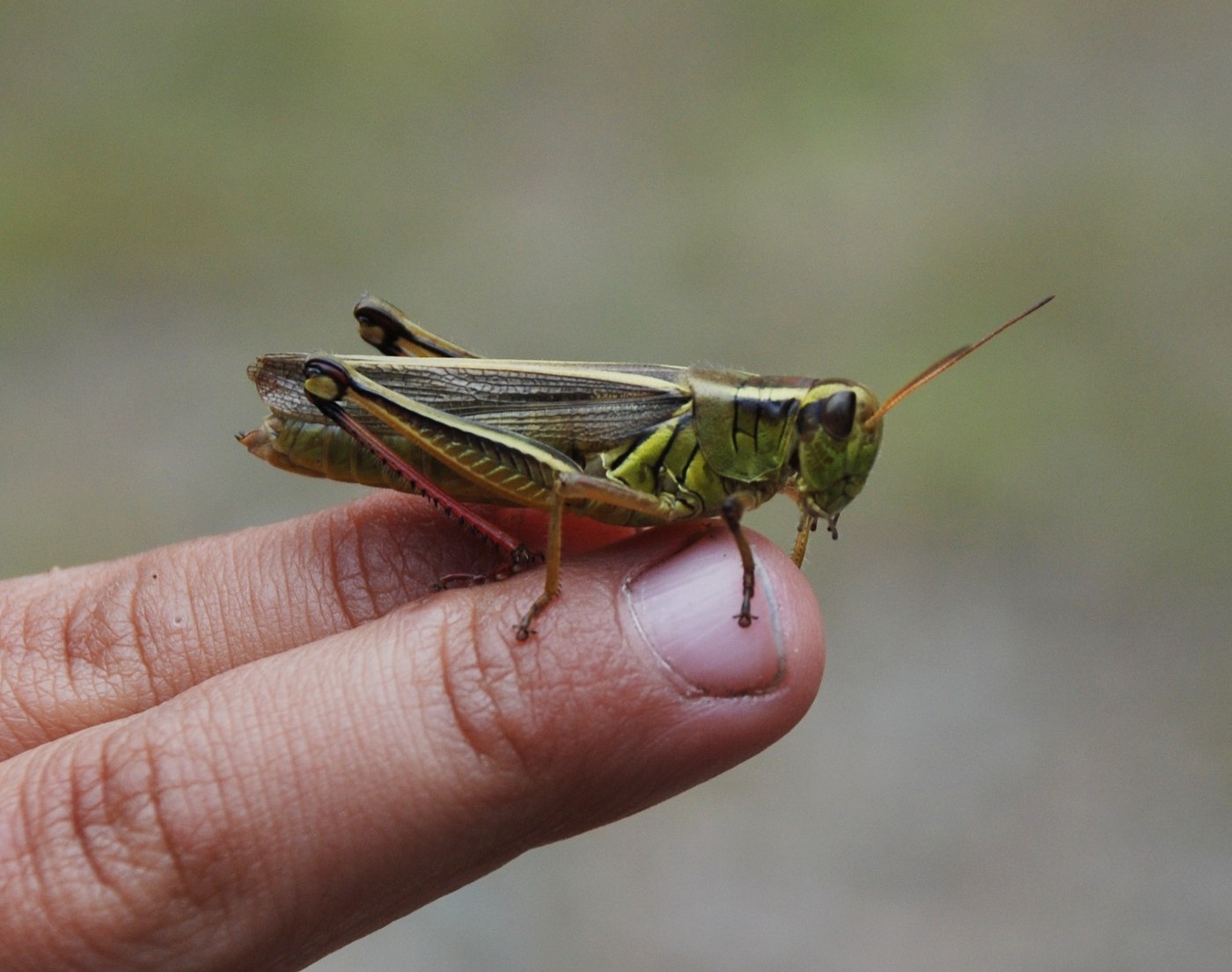
Two-striped Grasshopper
Meadows, pastures, riverbanks, and agricultural fields across North America
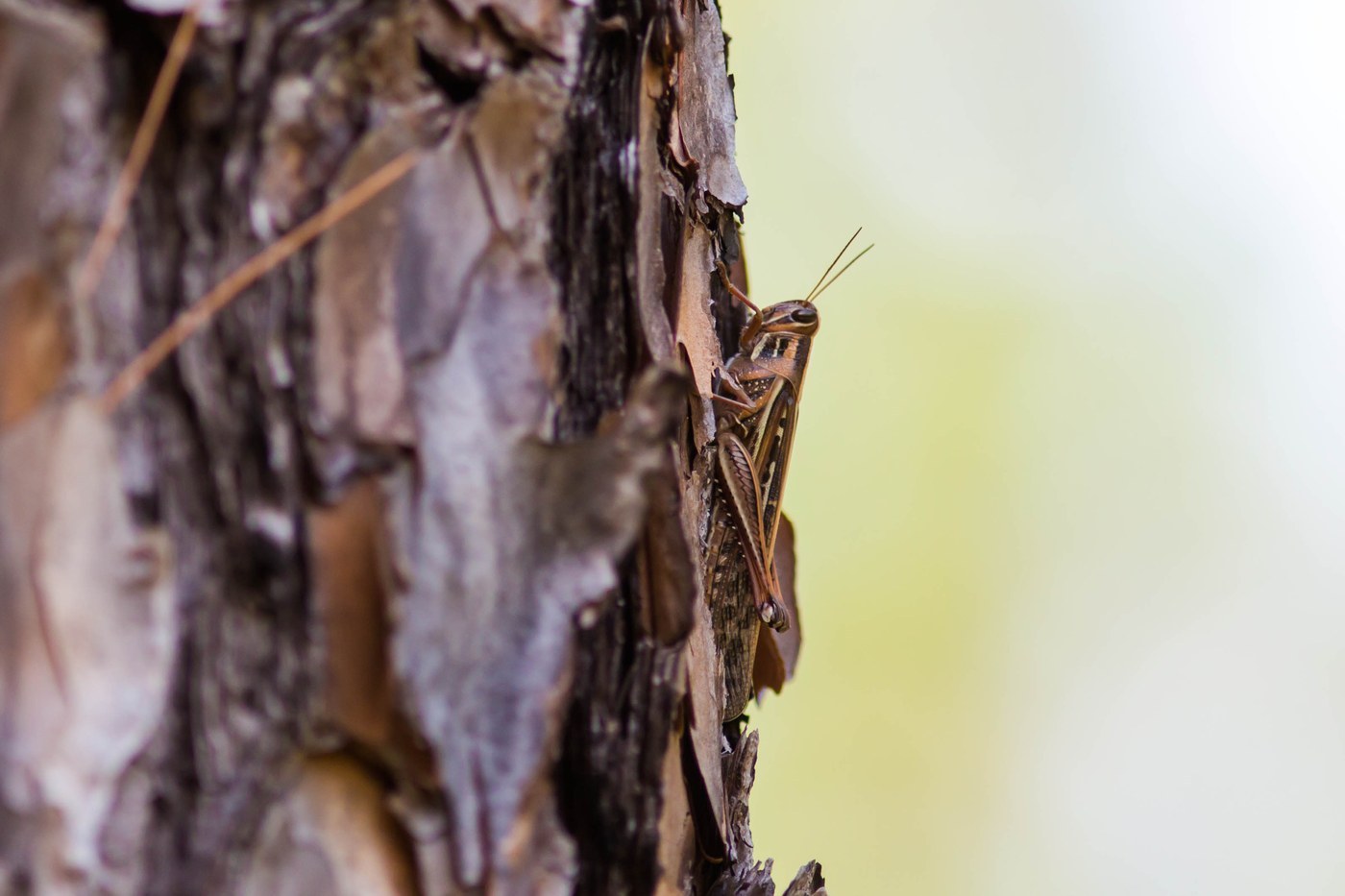
American Grasshopper
Woodland edges, citrus groves, gardens, and open fields across the southern and southeastern United States
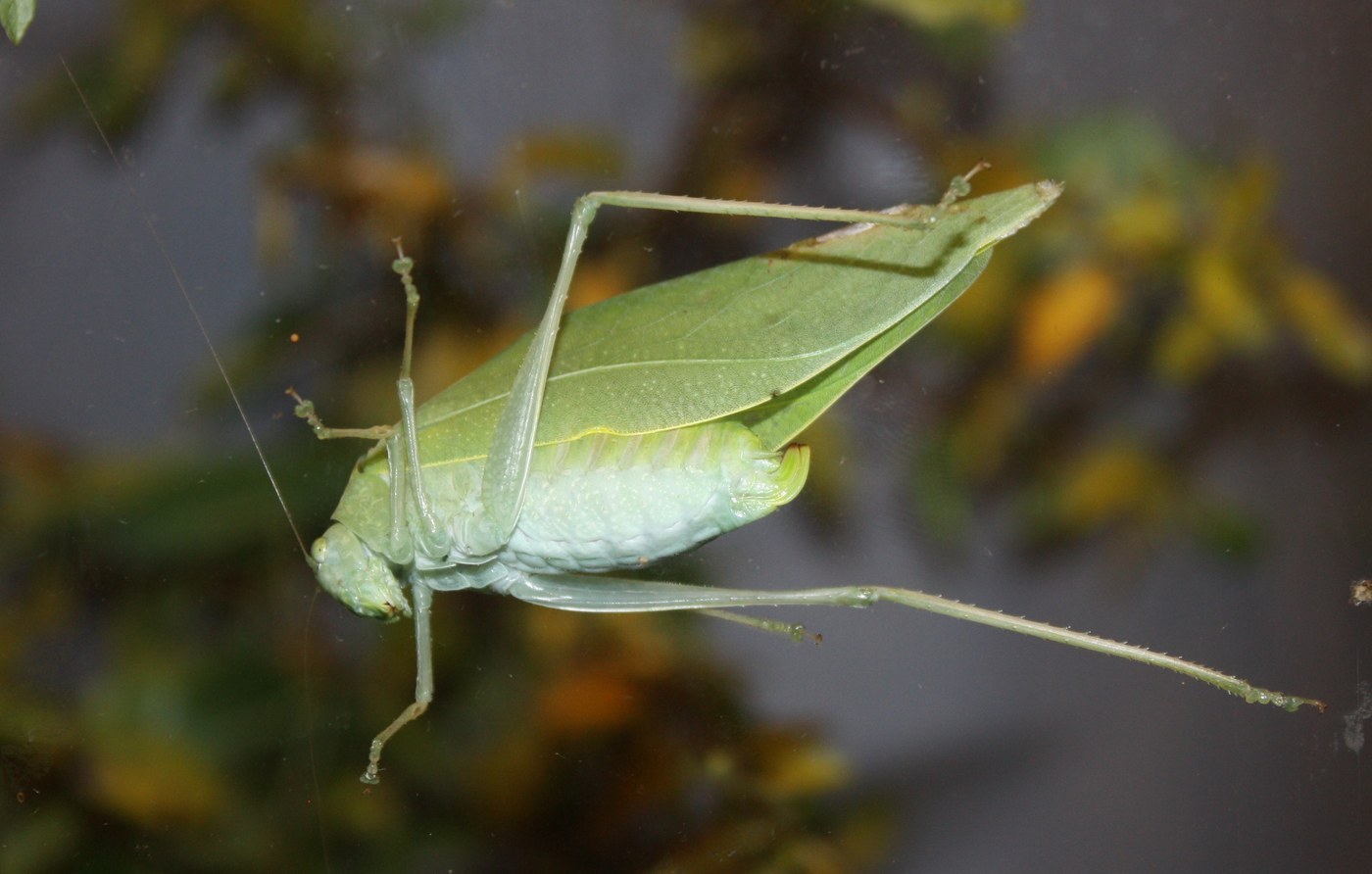
Angular-winged Katydid
deciduous trees, shrubs, and hedgerows across eastern and central North America
Spur-throated Grasshopper
grasslands, meadows, croplands, and roadsides across North America
Snowy Tree Cricket
Shrubs, trees, and tall vegetation across North America
Rocky Mountain Locust
historically open grasslands and river valleys of the Rocky Mountains and Great Plains (now believed extinct)
Spotted Camel Cricket
damp caves, crawl spaces, basements, leaf litter, and rotting logs in eastern North America
Pygmy Grasshopper
damp soil, mud, and low vegetation near ponds, streams, and marshes
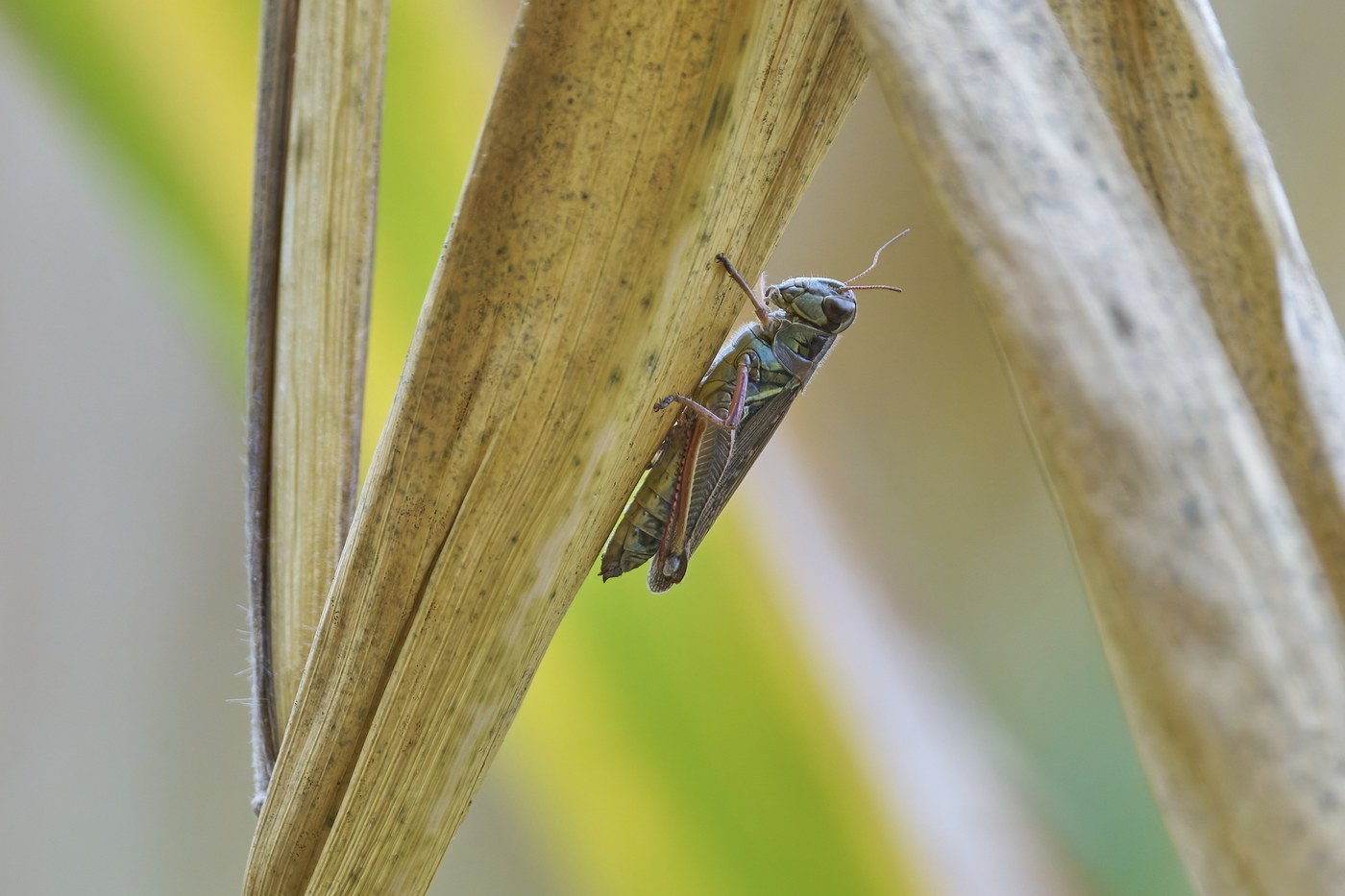
Red-legged Grasshopper
Meadows, pastures, field edges, and gardens across North America
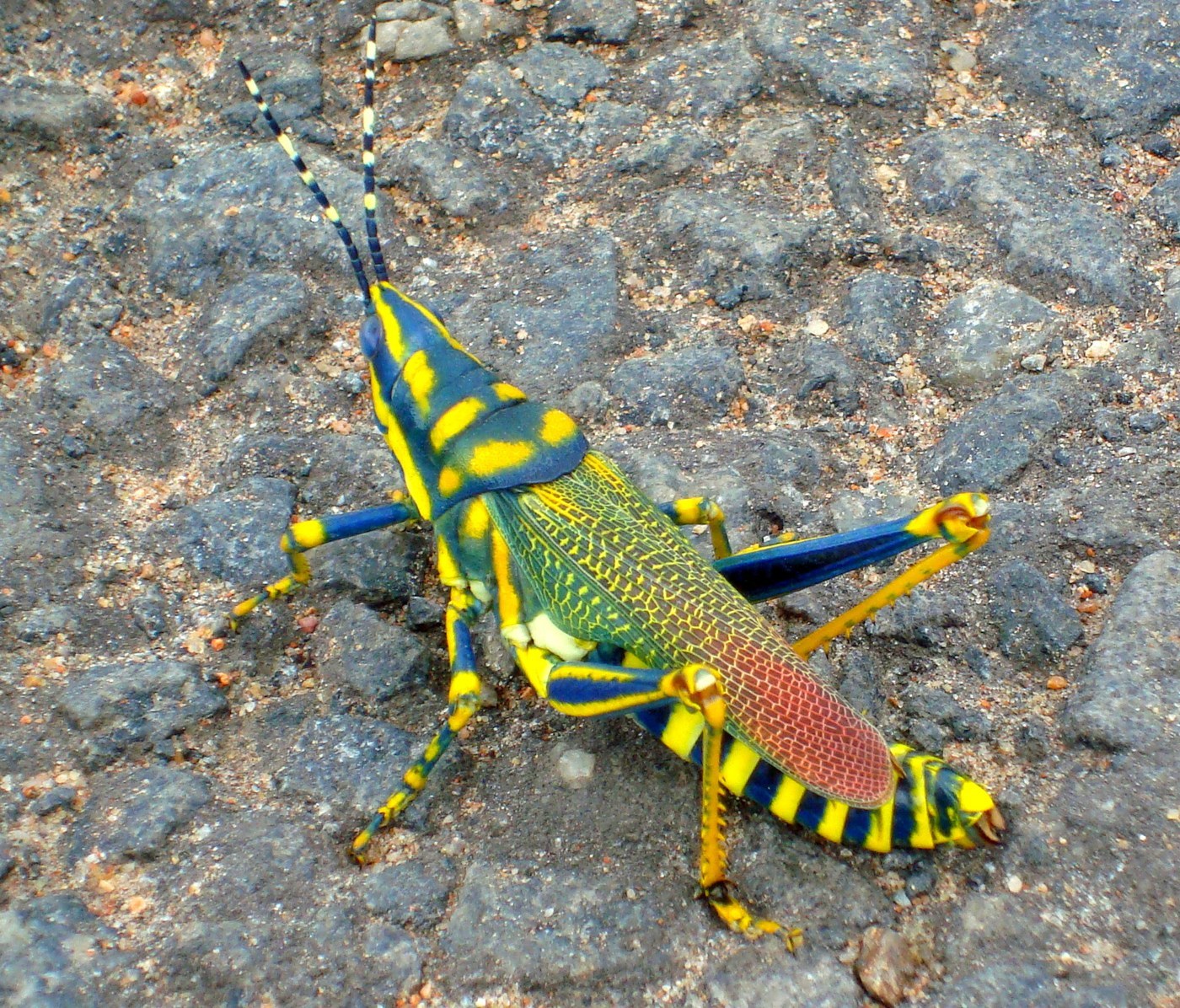
Painted Grasshopper
arid scrub, wastelands, and gardens of the Indian subcontinent, especially near milkweed plants
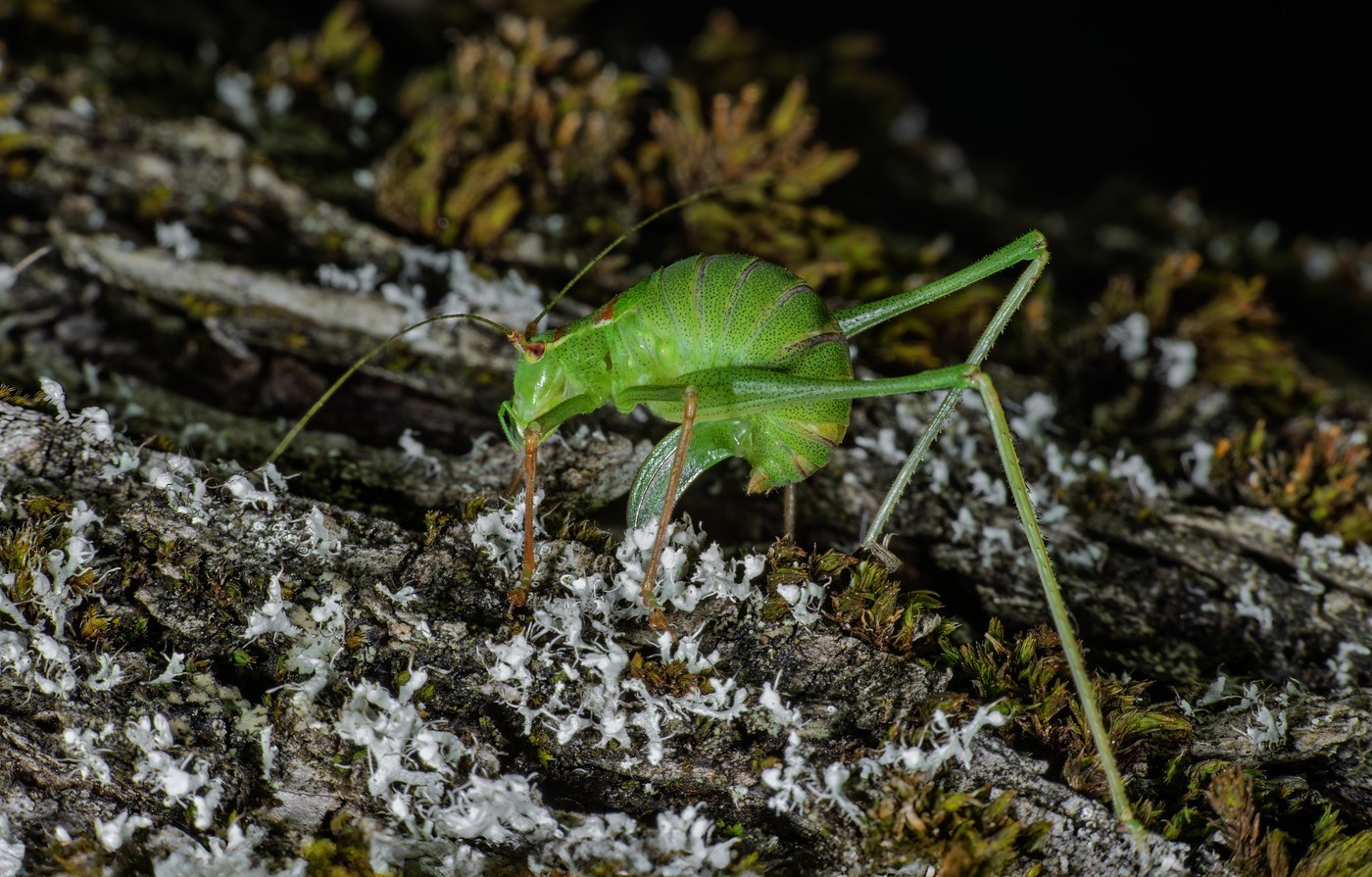
Speckled Bush Cricket
Brambles, hedgerows, nettles, and shrubby vegetation
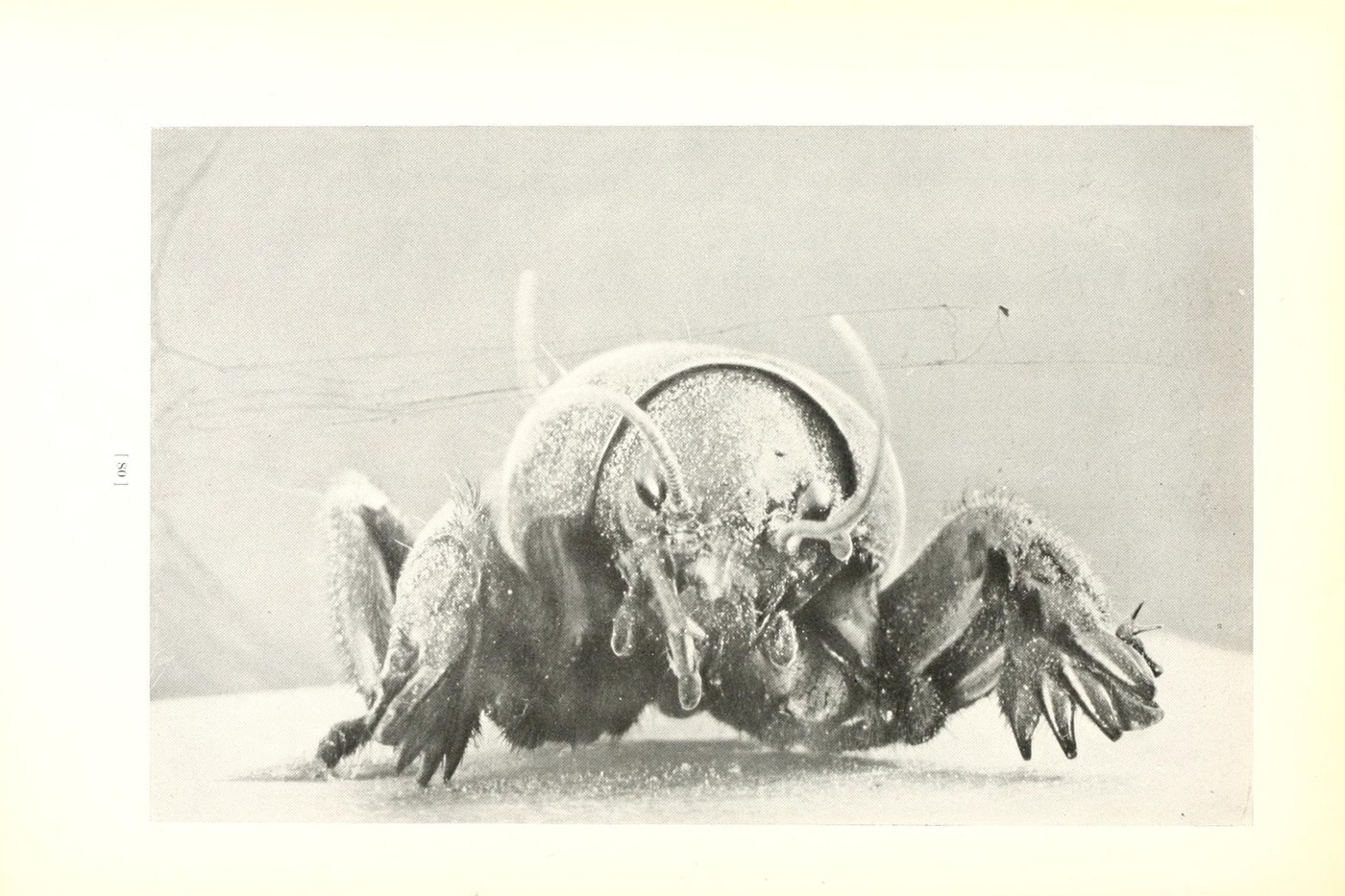
Northern Mole Cricket
wet soil, pond margins, and marshy ground across eastern and central North America