
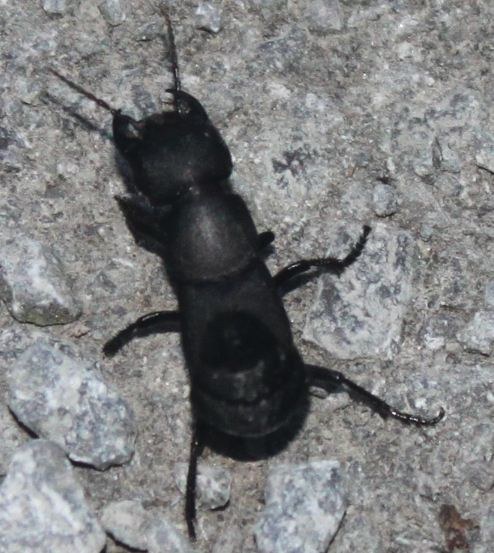
Devil's Coach Horse Beetle
Ocypus olens
A large, matte-black rove beetle that raises its flexible abdomen up and over its back like a scorpion's tail and gapes its jaws when threatened, one of the biggest and most dramatic rove beetles in Europe.
- Size
- 20–32 mm
- Habitat
- Gardens, woodlands, and damp ground under logs and stones across Europe
- Danger
- Bites
Spotted a bug like this?
Identify any bug or insect from a photo, free.
Overview
The devil's coach horse is a large species of rove beetle (family Staphylinidae) native to Europe and widely known for its striking defensive display. It is among the largest rove beetles found in its range, making it easy to notice compared to the many smaller staphylinids that share its habitat.
Its common name and folklore reputation stem from its dramatic threat posture: when disturbed, it arches its flexible abdomen up over its back in a curl reminiscent of a scorpion, opens its mandibles wide, and may release a foul-smelling secretion from glands near the abdomen tip.
Despite its intimidating display, it is, at its core, an active ground-dwelling predator that plays a useful role in gardens and woodlands by hunting slugs, worms, and other small invertebrates.
How to Identify
- Elongated, matte black body with very short elytra, exposing a long, flexible, segmented abdomen typical of rove beetles, but notably larger than most relatives.
- Prominent mandibles and long antennae; legs built for fast running.
- When alarmed, arches the abdomen upward over the body in a scorpion-like curl and opens its jaws wide.
- Lookalikes: distinguished from other rove beetles chiefly by its much larger size and pronounced defensive posture; unrelated to true scorpions or earwigs despite superficial resemblance in threat display.
Habitat & Range
This species is native to Europe and has become established in parts of North America, Australia, and New Zealand. It favors damp, sheltered ground such as gardens, woodland floors, hedgerows, and compost areas, typically found under logs, stones, and leaf litter. It is most active at night and during mild, damp weather.
Behavior & Diet
The devil's coach horse is a nocturnal, ground-dwelling predator that hunts slugs, earthworms, insects, and other small invertebrates using its strong mandibles. When threatened, it performs a distinctive defensive display, curling its abdomen up over its back like a scorpion's tail, opening its jaws, and it can bite in defense; some individuals may also release a musky-smelling secretion from abdominal glands. Despite the theatrical display, it is a fast, active runner that generally prefers to flee rather than confront a disturbance.
Life Cycle
Like other rove beetles, it undergoes complete metamorphosis. Eggs are laid in soil or damp litter, and the predatory larvae hunt small invertebrates in the same ground habitats as adults before pupating in the soil. Adults are long-lived for beetles and are most frequently encountered from spring through autumn, sheltering under cover during colder months.
Frequently asked questions
Why does it curl its tail up like a scorpion?
It is a defensive bluff — the beetle has no stinger, but raising its flexible abdomen and opening its jaws is meant to deter predators.
Is it related to scorpions?
No, it is a beetle in the rove beetle family; the resemblance to a scorpion's threat posture is purely superficial.
Where would I find one?
Under logs, stones, or leaf litter in gardens and woodlands across Europe, especially in damp conditions.
What does it eat?
It preys on slugs, earthworms, and other small invertebrates found in soil and leaf litter.
Devil's Coach Horse Beetle guides
In-depth guides for identifying, understanding, and living alongside Devil's Coach Horse Beetle.
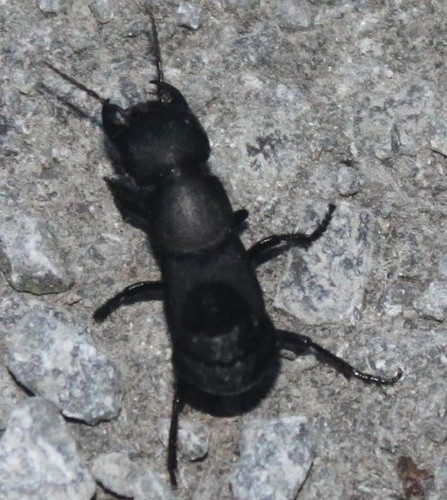
Devil's Coach Horse Beetle identified by the community
Real finds identified with Bug Identifier.
Other bugs you may enjoy
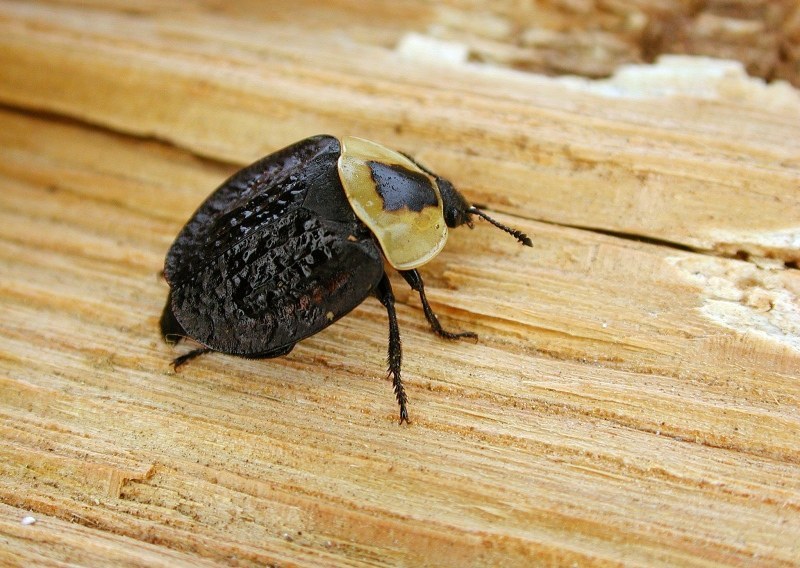
American Carrion Beetle
Forests, fields, and roadsides across North America, near decaying animal carcasses
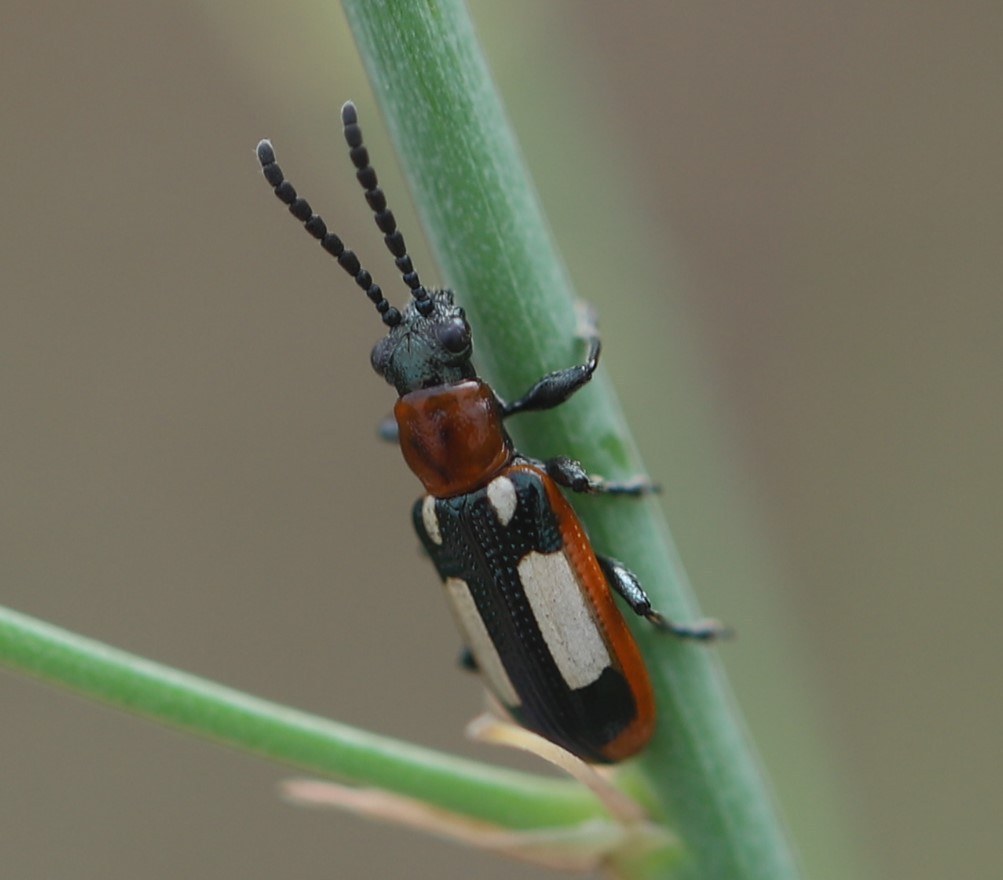
Asparagus Beetle
Asparagus patches, gardens, and farm fields
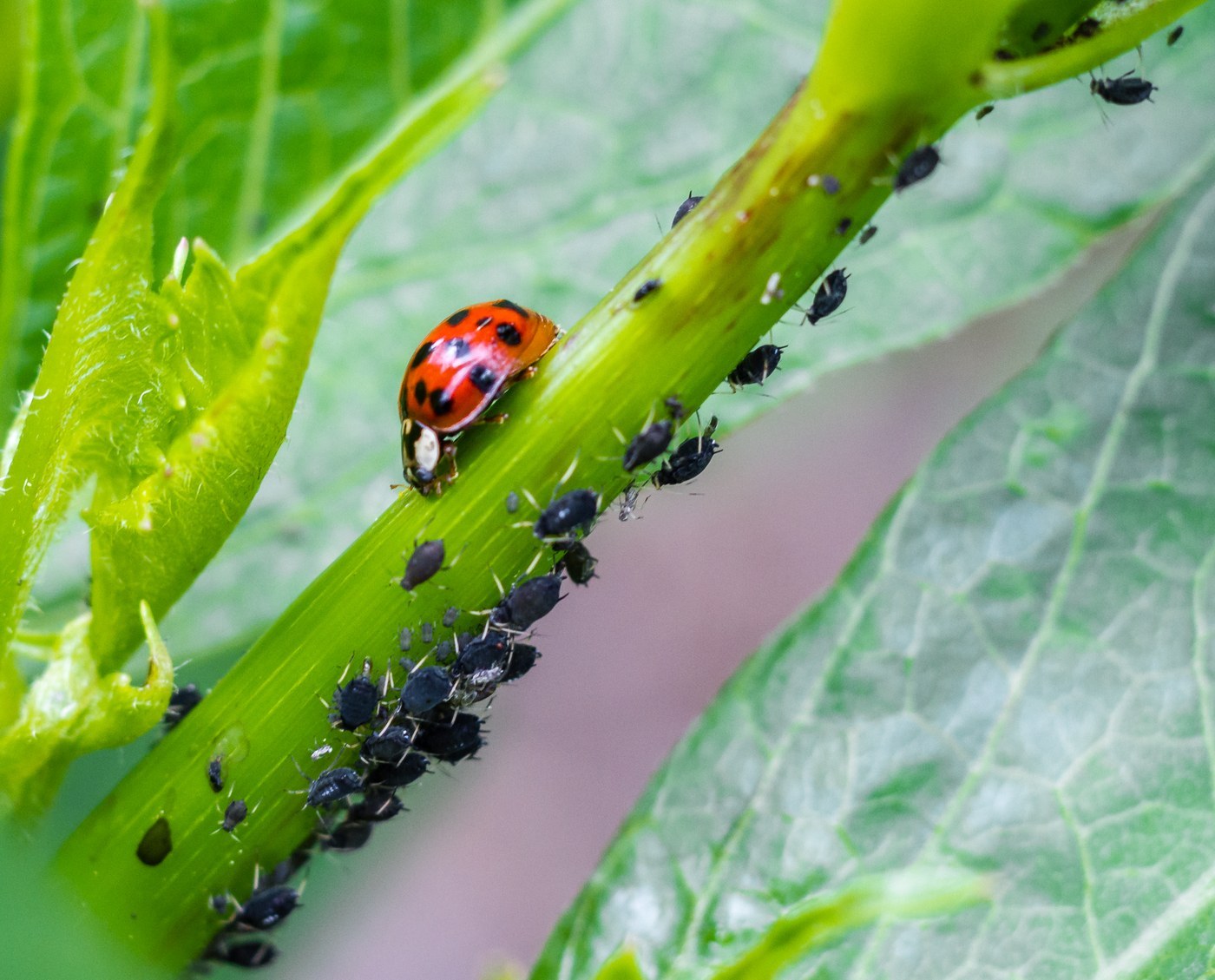
Asian Lady Beetle
Gardens, crop fields, woodlands, buildings
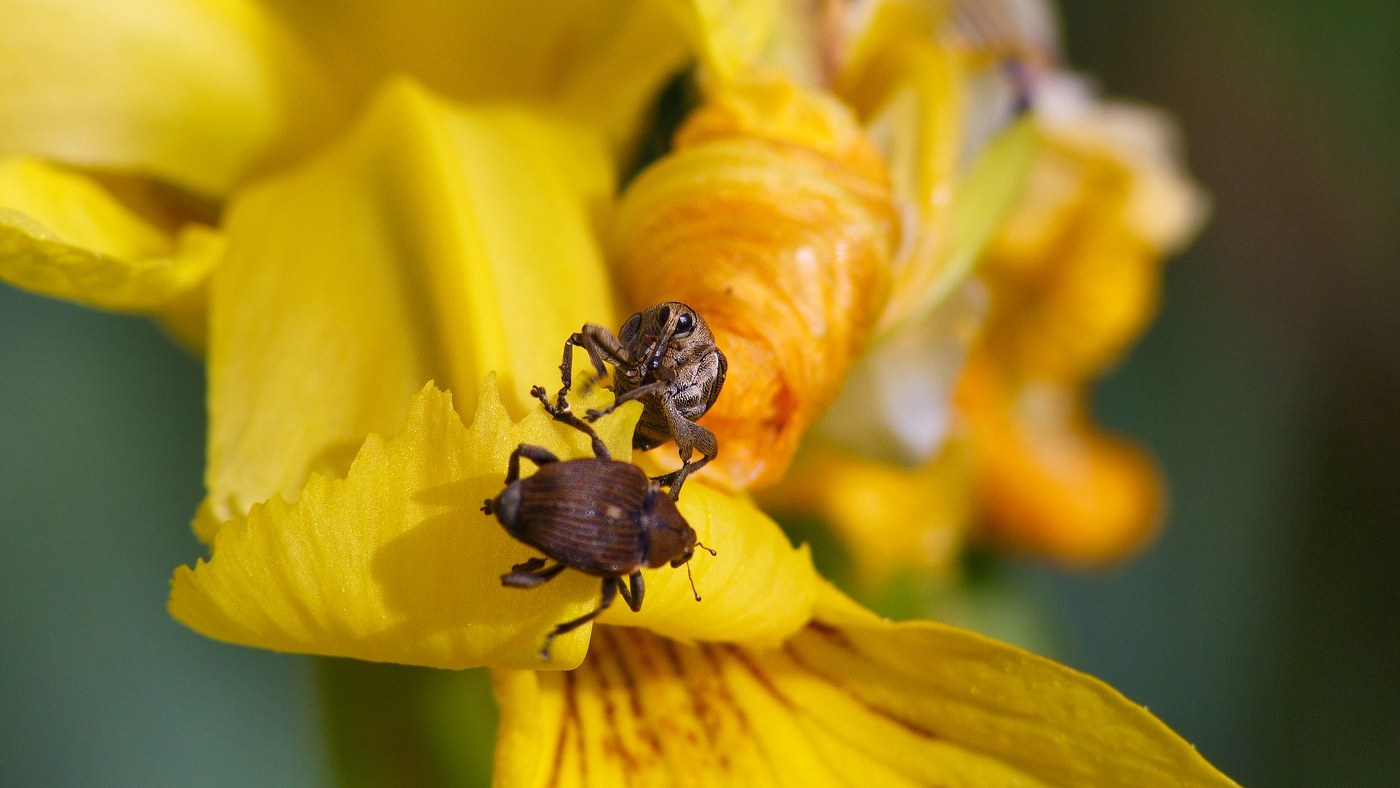
Acorn Weevil
Oak woodlands and forests, on and beneath oak trees
Wireworm
Soil of grasslands, gardens, and cultivated fields worldwide
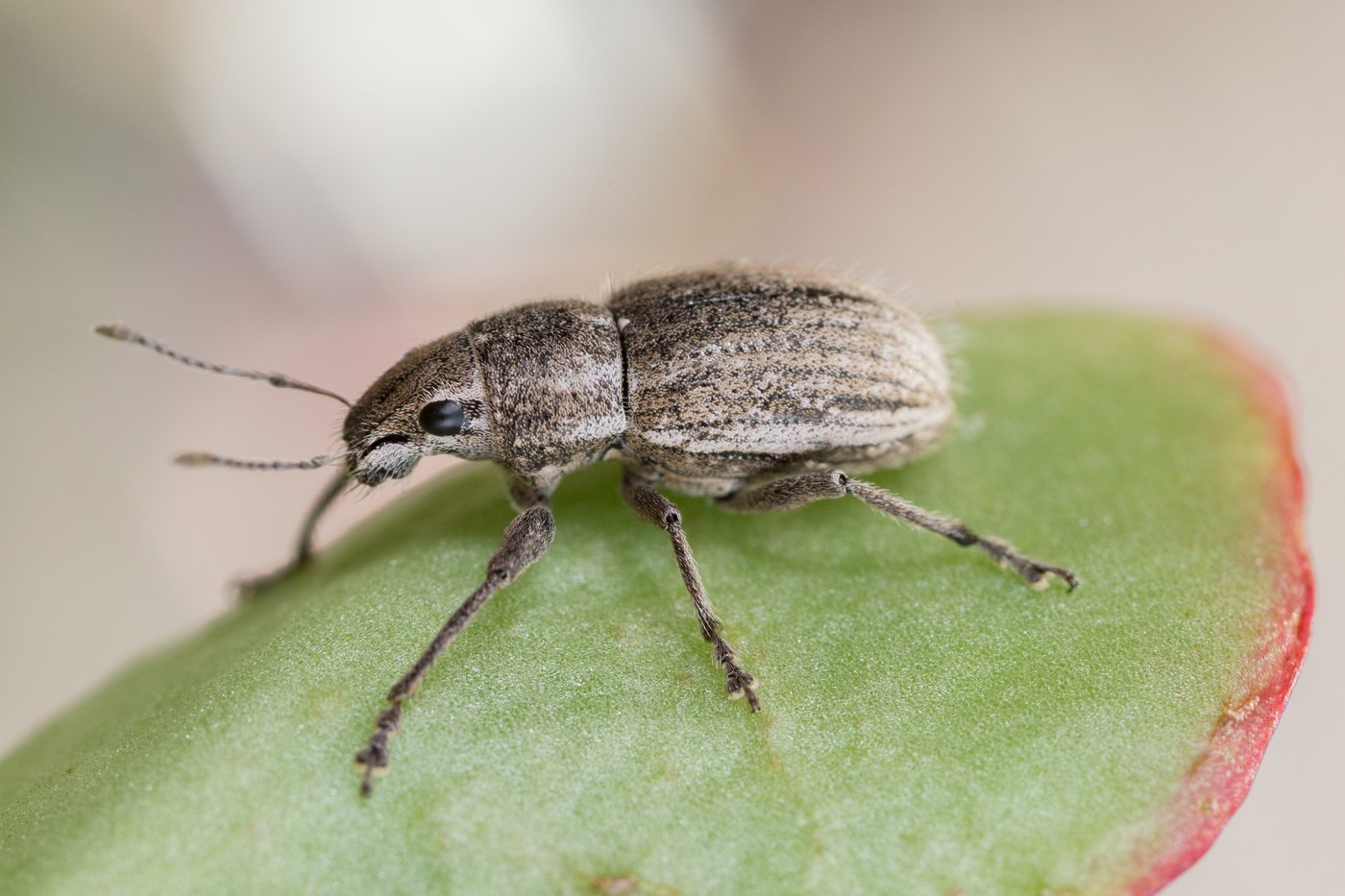
Whitefringed Beetle
Pastures, row crops, lawns, disturbed soils
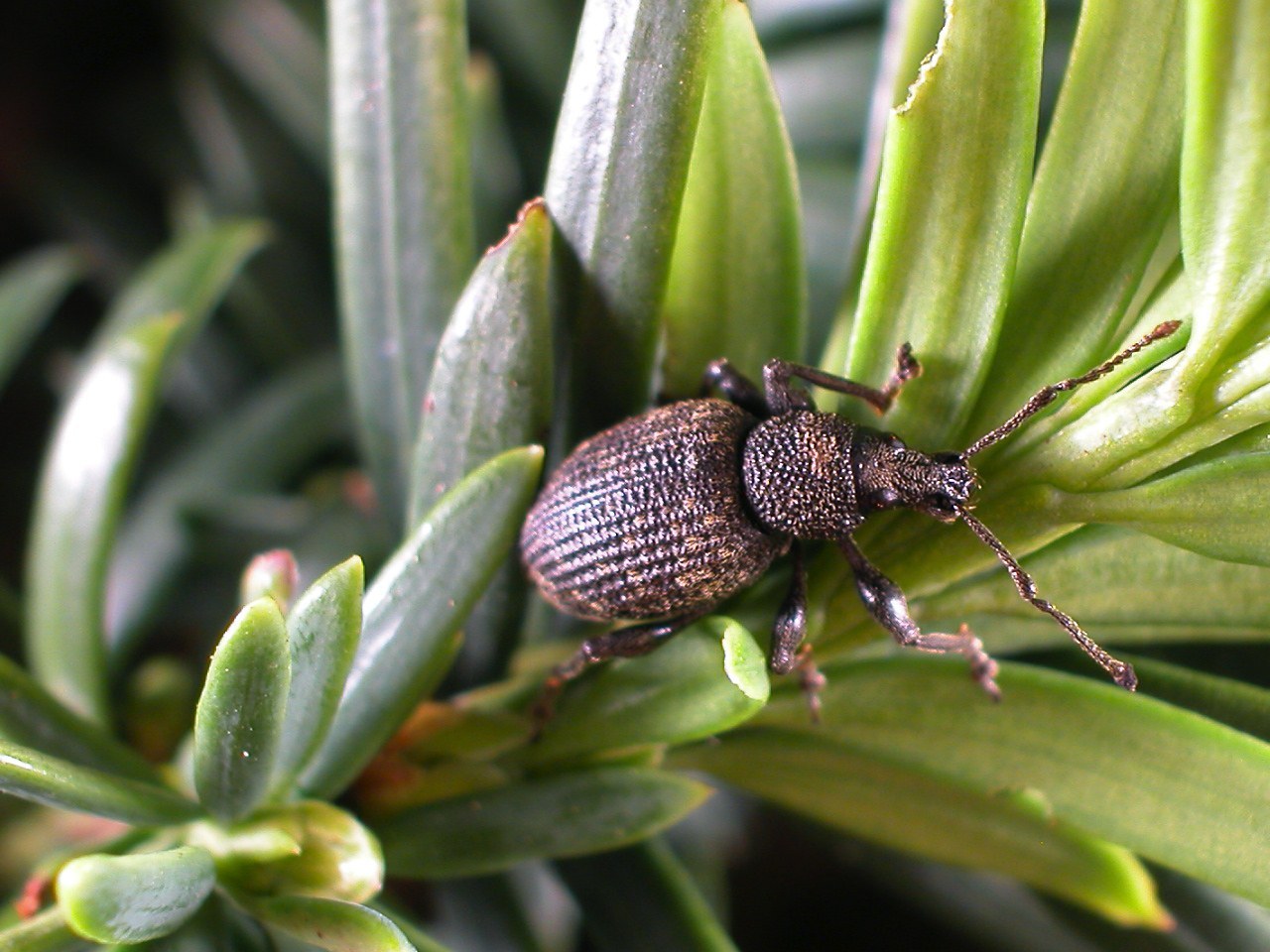
Vine Weevil
Gardens, nurseries, greenhouses, and container plantings
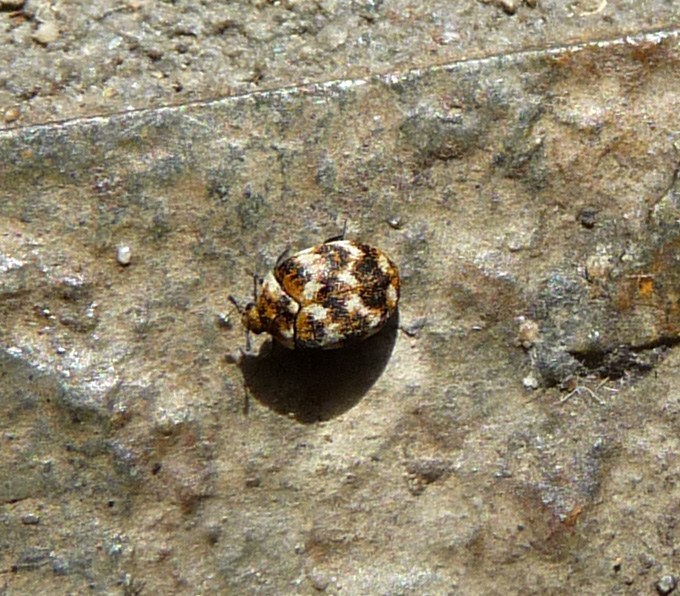
Varied Carpet Beetle
Homes, nests of birds and mammals, and flowers outdoors
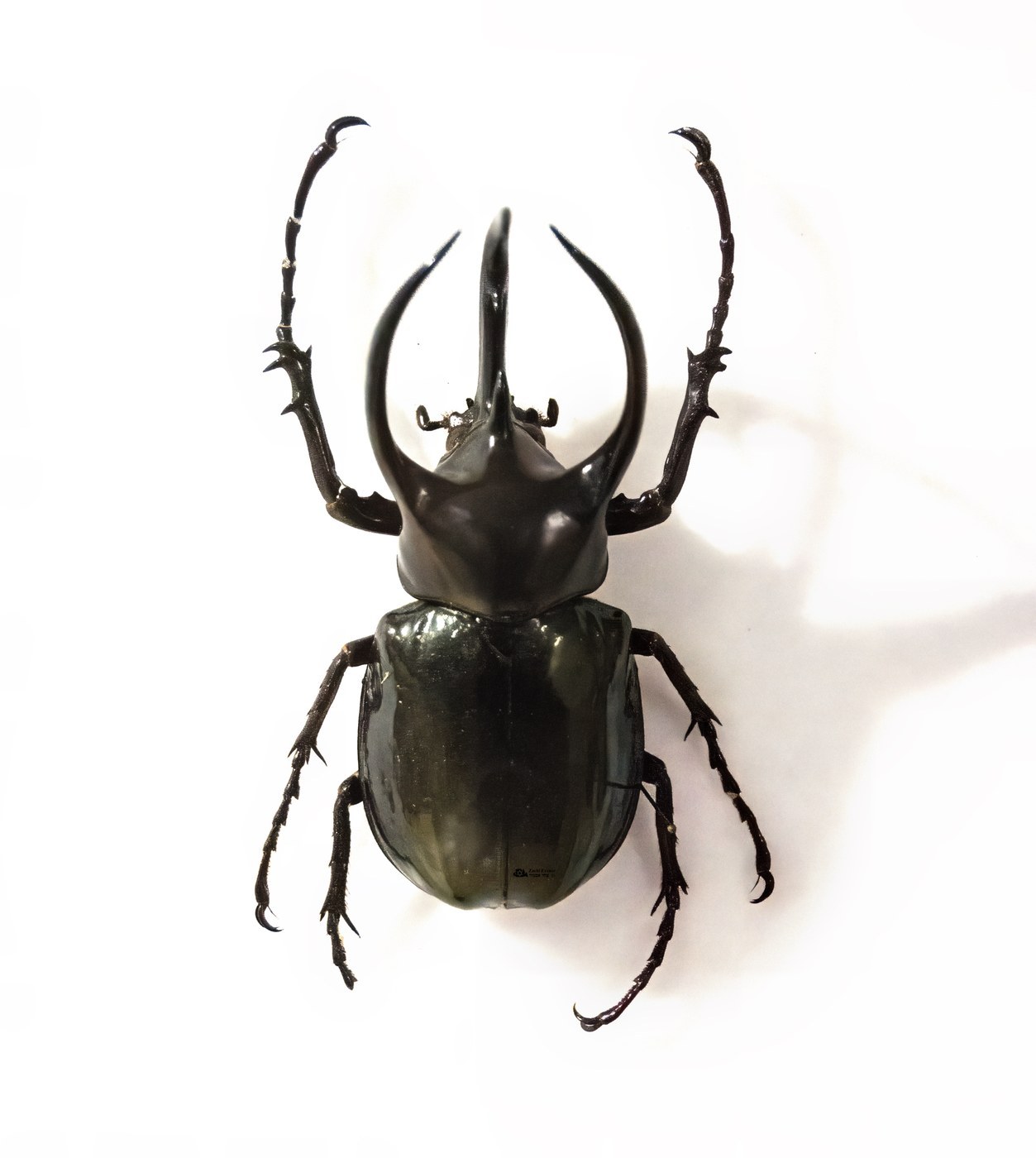
Atlas Beetle
Tropical forests of Southeast Asia
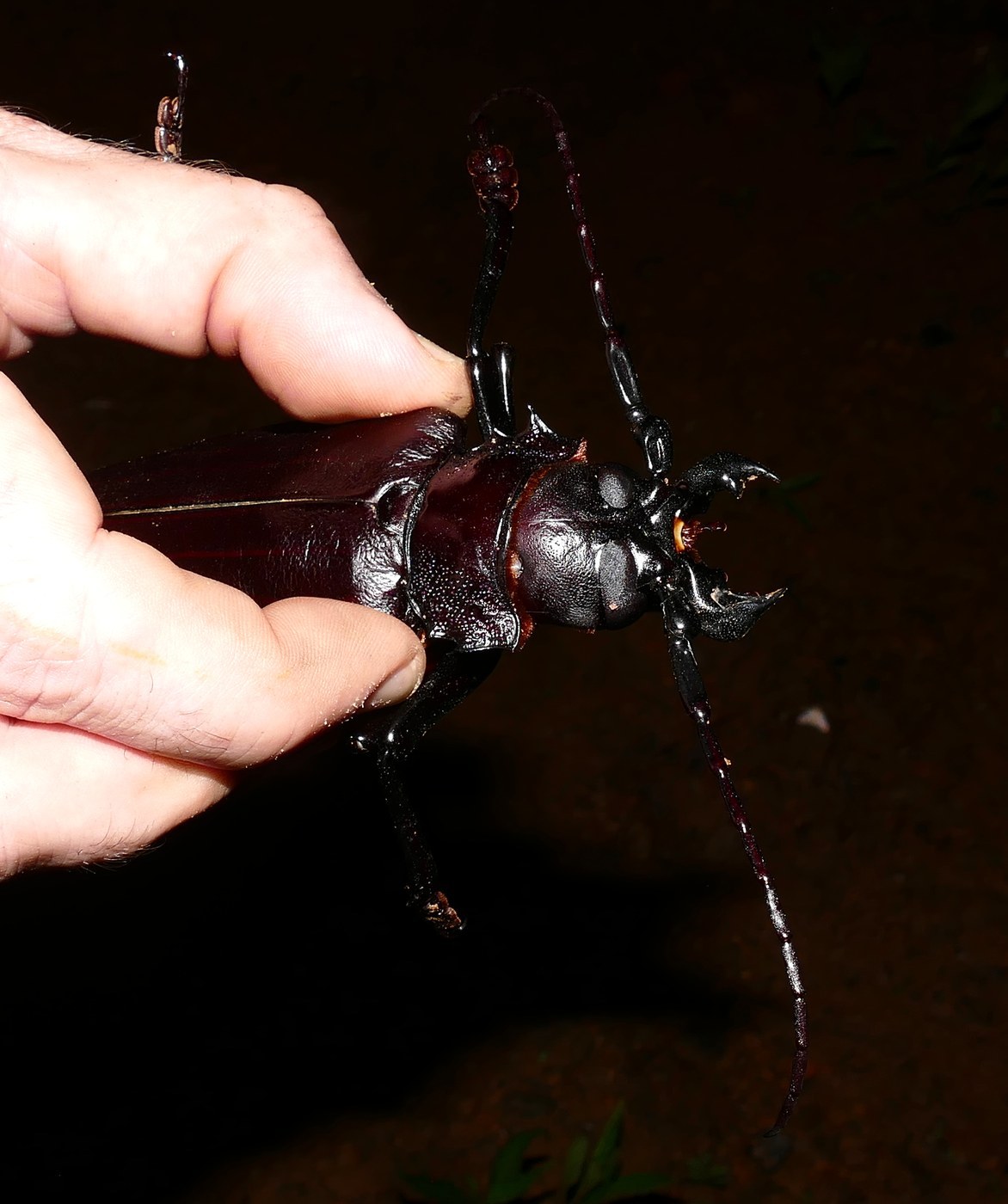
Titan Beetle
Amazon rainforest of South America
Ten-lined June Beetle
Sandy soils, pine forests, and orchards of western North America
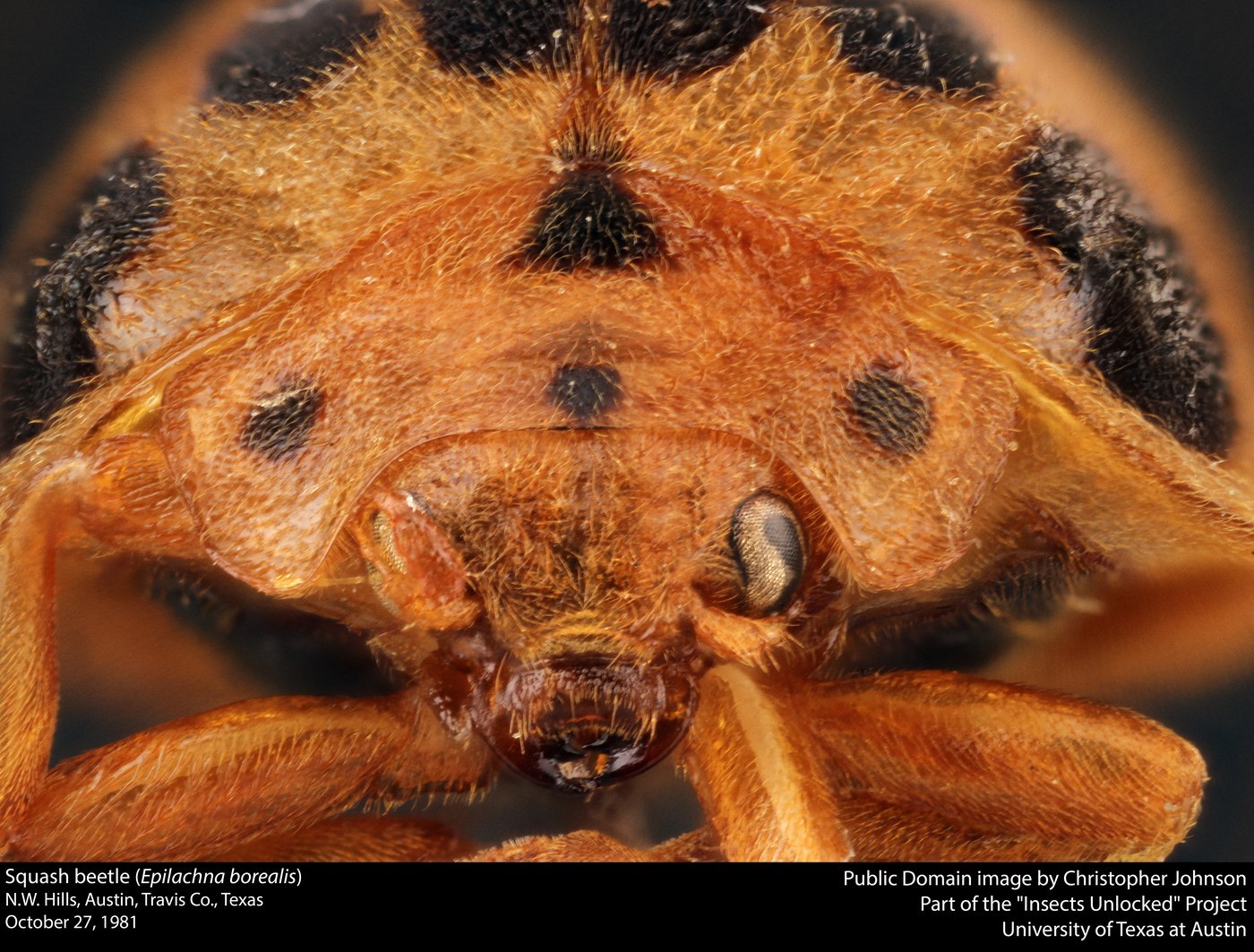
Squash Beetle
Vegetable gardens and fields growing squash, pumpkin, and other cucurbits