
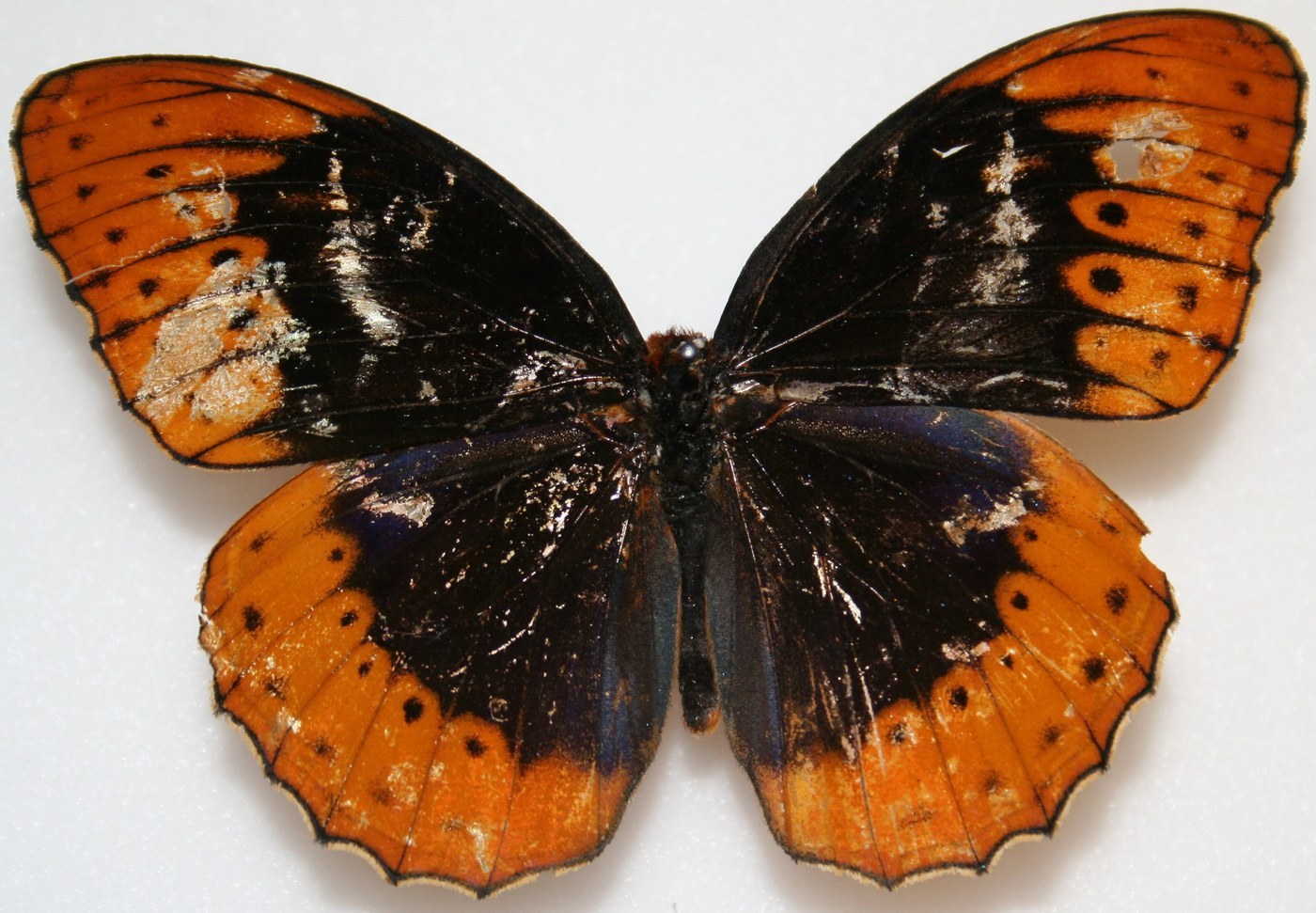
Diana Fritillary
Argynnis diana
A large southern Appalachian fritillary famous for extreme sexual dimorphism — males are burnt-orange and black while females are an iridescent blue-black that mimics a distasteful swallowtail.
- Size
- 3.5–4.7 in wingspan
- Habitat
- Appalachian woodlands, forest clearings and meadows
- Danger
- Harmless
Spotted a bug like this?
Identify any bug or insect from a photo, free.
Overview
The Diana Fritillary is among the largest and most dramatic of North America's greater fritillaries (Nymphalidae, subfamily Heliconiinae). It is best known for its unusual sexual dimorphism: males look like a typical orange-and-black fritillary, while females are almost entirely blue-black with iridescent blue scaling, a pattern thought to mimic the noxious Pipevine Swallowtail and thereby deter predators.
The species is a regional specialty of the southern Appalachian Mountains and Ozark-Ouachita highlands, favoring cool, moist forested habitat rather than the open prairie preferred by its relative the Regal Fritillary. Because of its restricted range and habitat sensitivity, it is a sought-after sighting for butterfly enthusiasts in the region.
Diana Fritillaries are strong fliers that patrol forest edges and clearings, and their marked male-female difference makes them a favorite example of dimorphism in butterfly field guides.
How to Identify
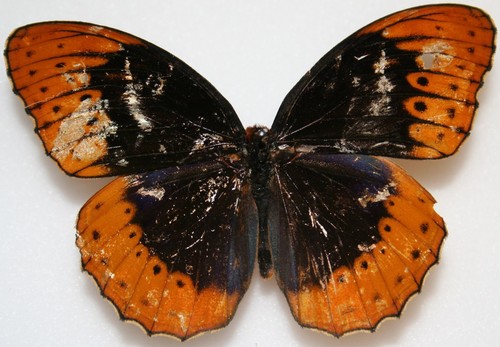
- Males: bright orange forewings and orange hindwing margins with a black-bordered, black-spotted base — a classic "fritillary" look.
- Females: almost entirely blue-black to iridescent blue with pale blue spotting near the wing margins, lacking orange almost entirely.
- Very large fritillary, often the largest seen in its range, with a wingspan approaching or exceeding 4.5 inches in females.
- Wings are somewhat elongated compared to other fritillaries, with a graceful, sailing flight.
- Female pattern is often mistaken at a glance for a dark swallowtail, but the rounded fritillary wing shape and lack of tails distinguish it.
Habitat & Range
Found in the southern Appalachian Mountains and the Ozark and Ouachita highlands of Arkansas and Missouri, favoring rich, moist deciduous forest with open glades, clearings, and streamside meadows at moderate to higher elevations. Adults fly from June through September, with males emerging earlier in the season than females.
Behavior & Diet
Males emerge weeks before females and patrol forest openings and roadsides seeking mates, nectaring readily at flowers such as milkweed, joe-pye weed, and thistle. Females emerge later and, after mating, undergo a summer dormancy before becoming active again in late summer to lay eggs. Both sexes are strong, sailing fliers typical of the fritillary group, and the species contributes to pollination of native mountain wildflowers.
Life Cycle
Eggs are laid in late summer or early autumn near woodland violets, the sole host plant, often on dead leaves or debris close to the plants rather than directly on the leaves. Newly hatched caterpillars overwinter without feeding, then seek out fresh violet growth the following spring. Larvae are dark with branching spines and feed nocturnally, hiding at the base of plants by day. There is one generation per year, with a long adult flight period stretching across summer into fall.
Frequently asked questions
Why do male and female Diana Fritillaries look so different?
Females have evolved a blue-black pattern that closely resembles the distasteful Pipevine Swallowtail, a form of protective mimicry, while males retain the typical orange fritillary coloration.
Where can this butterfly be found?
It is restricted to the southern Appalachian Mountains and the Ozark-Ouachita highlands, favoring shaded, moist forest habitats.
Is it related to the Regal Fritillary?
Yes, both belong to the same genus of greater fritillaries, but the Diana prefers forested mountain habitat while the Regal favors open tallgrass prairie.
What do the caterpillars feed on?
Native woodland violets are the exclusive host plant for the larvae.
Diana Fritillary guides
In-depth guides for identifying, understanding, and living alongside Diana Fritillary.
Other bugs you may enjoy
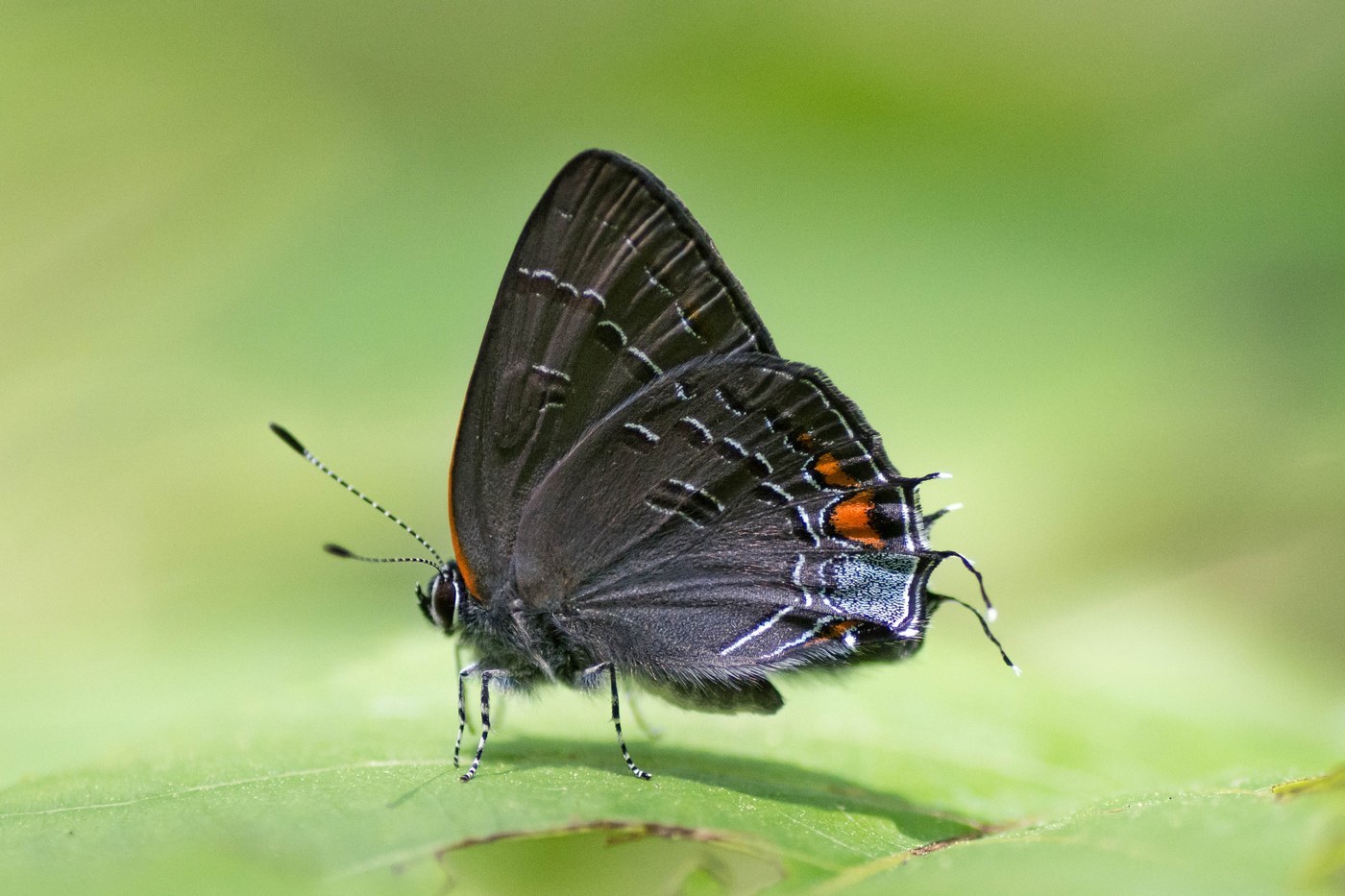
Banded Hairstreak
Deciduous woodlands and edges with oaks and hickories
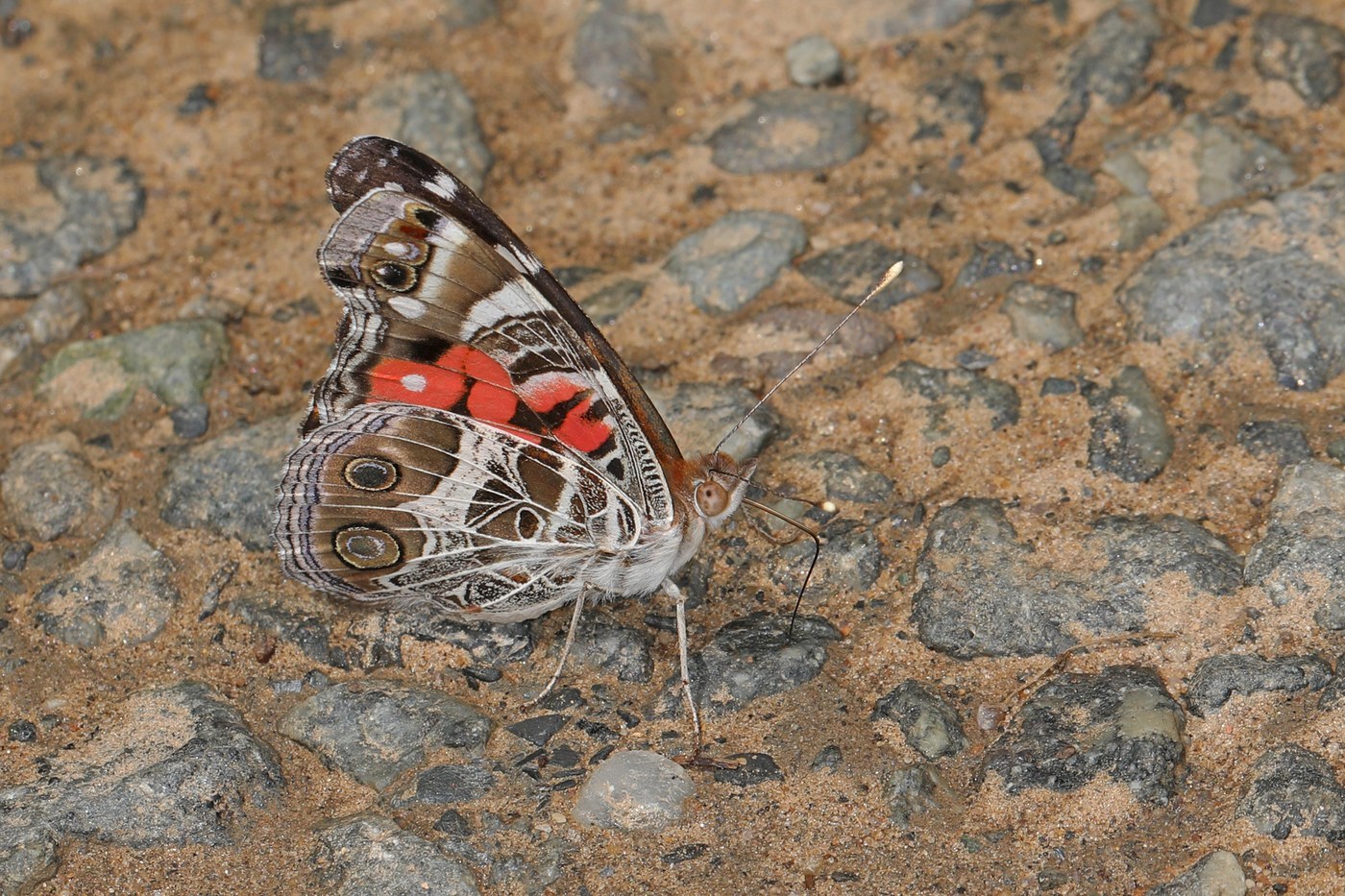
American Lady
Open fields, meadows, gardens, roadsides
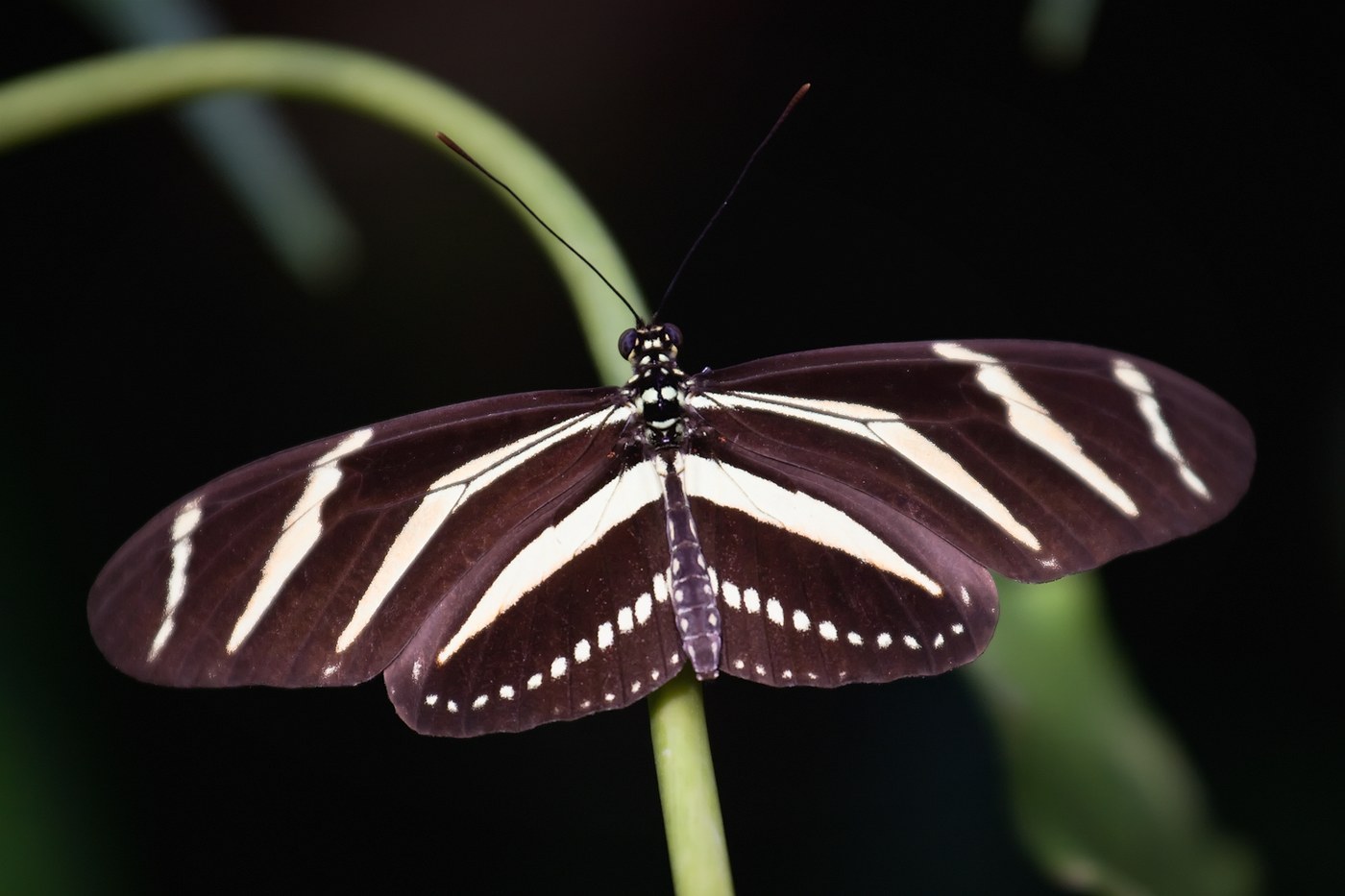
Zebra Longwing
Tropical hammocks, gardens, forest edges
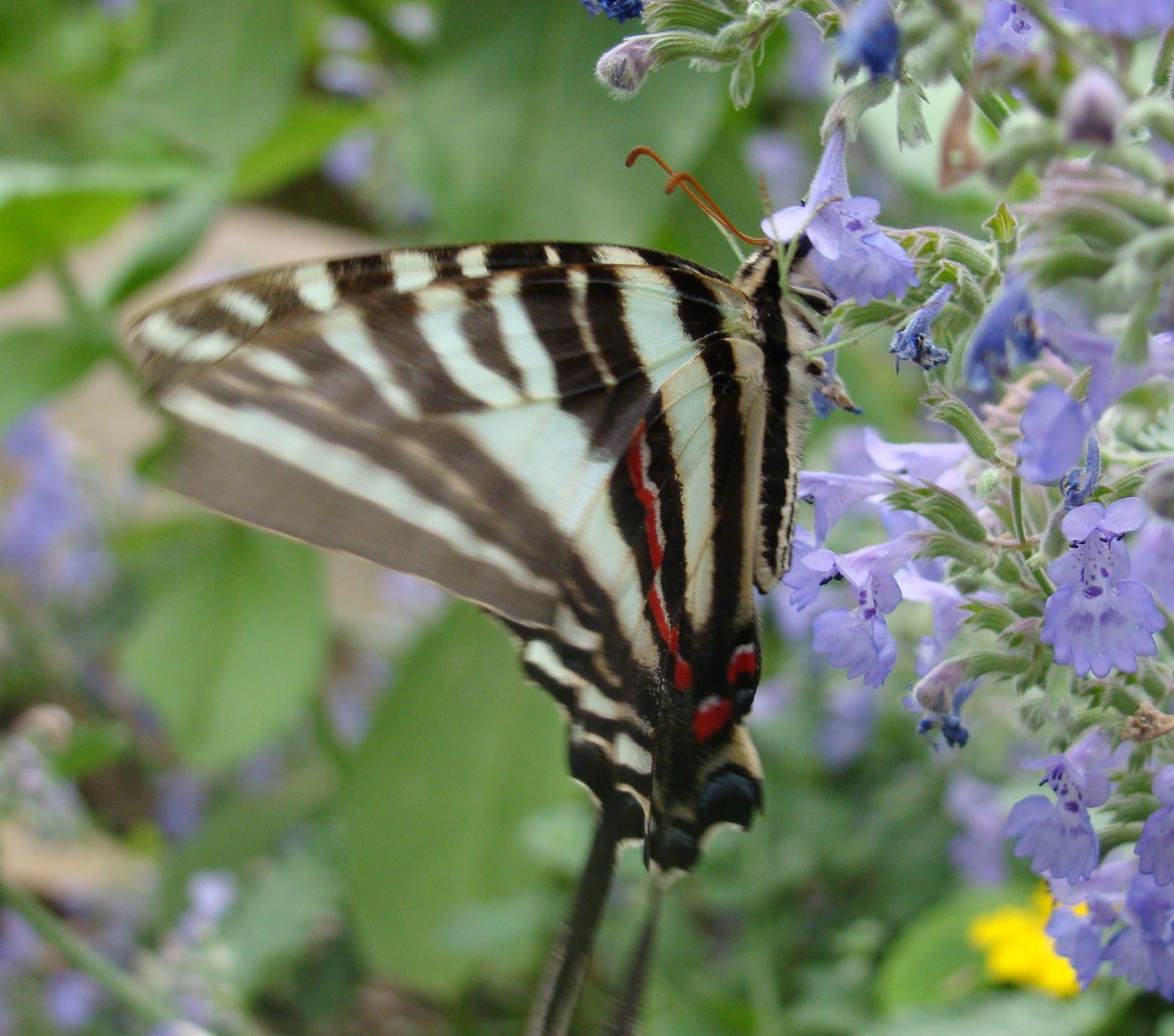
Zebra Swallowtail
Woodlands, floodplains, forest edges near pawpaw
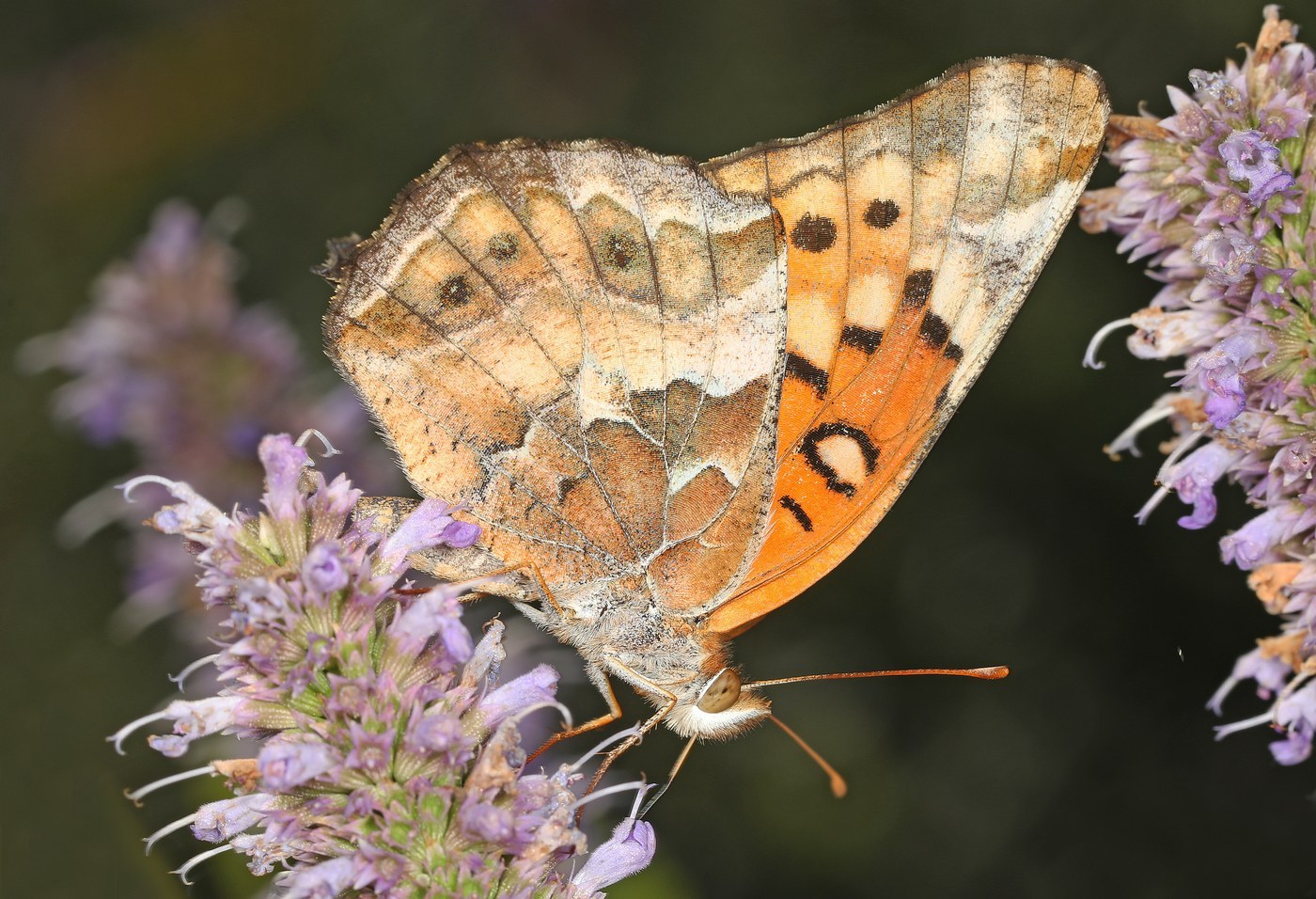
Variegated Fritillary
Open fields, prairies, roadsides, and disturbed ground across most of the United States
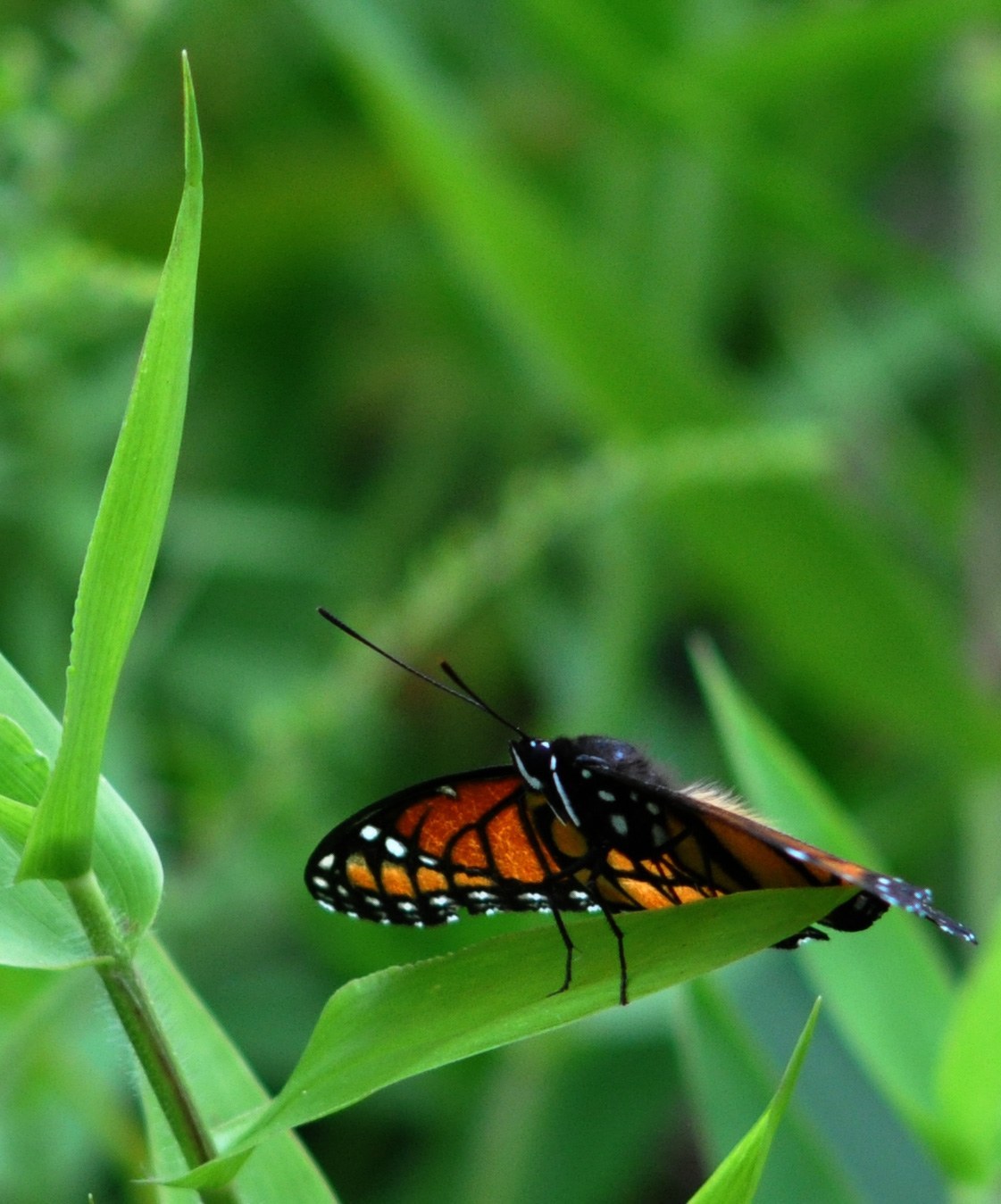
Viceroy Butterfly
Wetlands, meadows, riverbanks, willow thickets (North America)
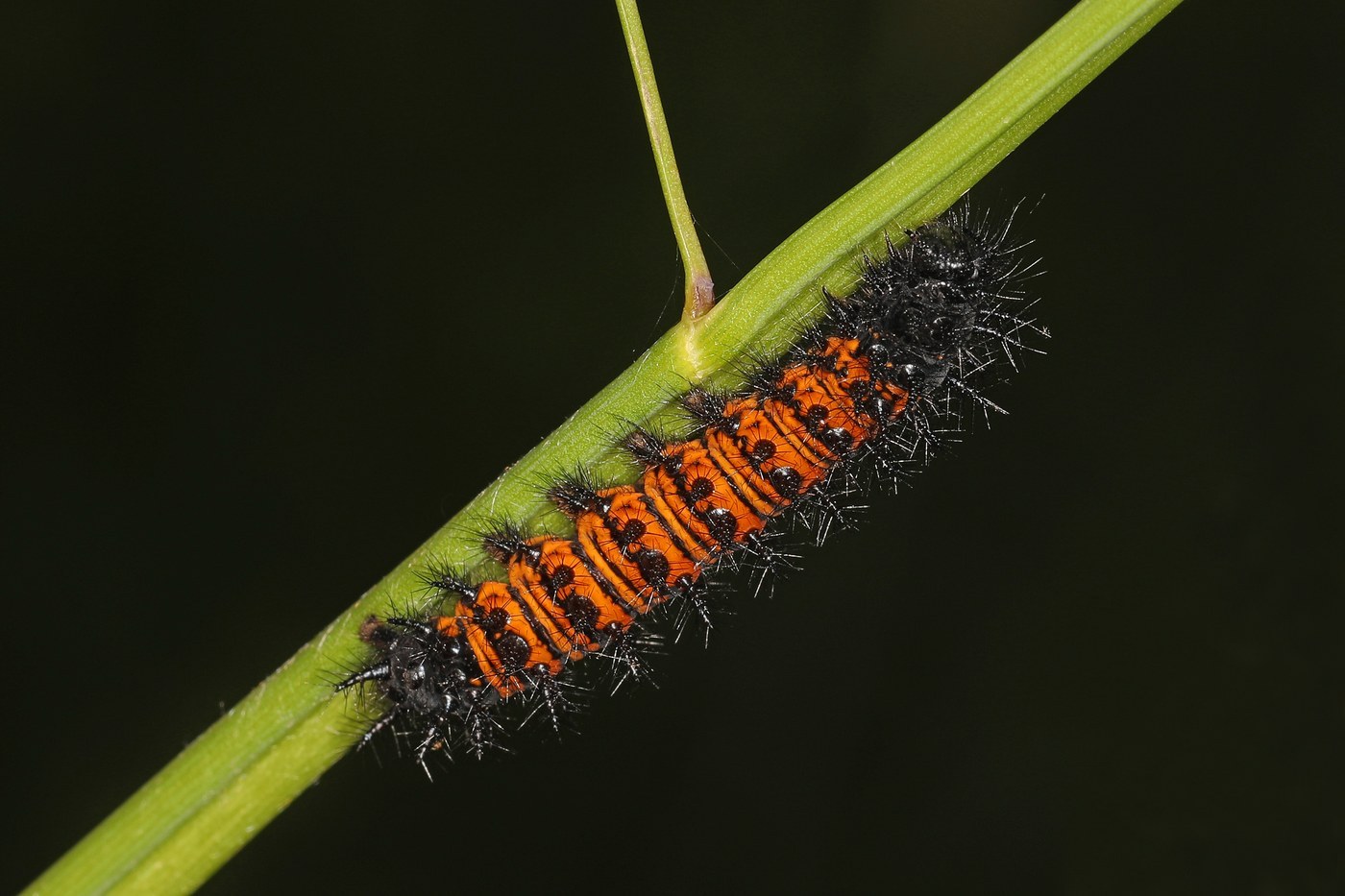
Baltimore Checkerspot
Wet meadows, bogs, and marshy fields in the northeastern and Appalachian US
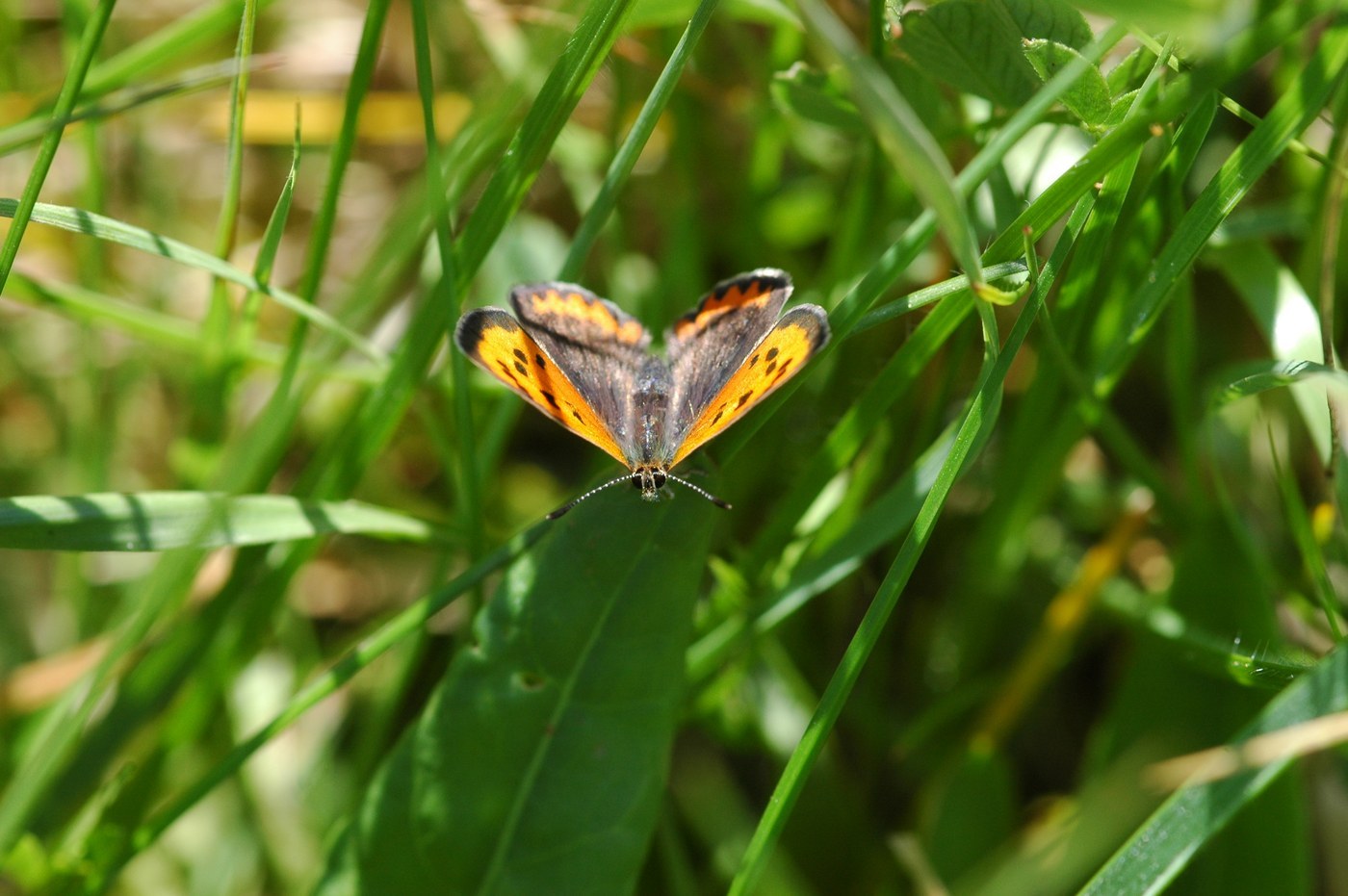
American Copper
Old fields, roadsides, and disturbed open ground with sorrel or dock
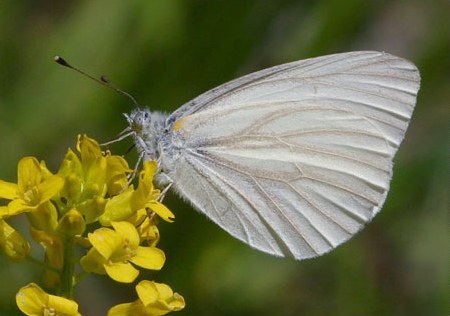
West Virginia White
Rich deciduous forest floors, especially near seeps and streams
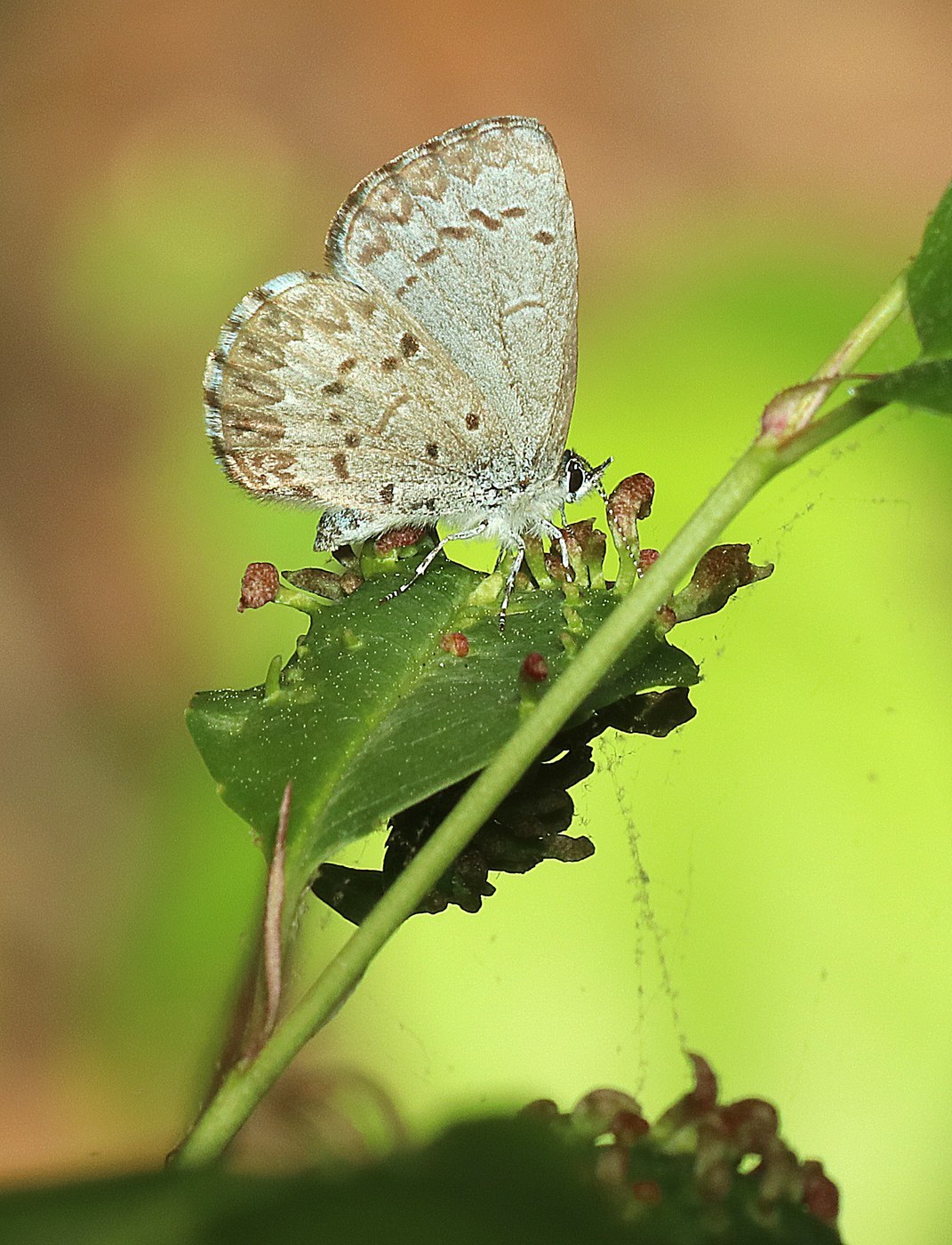
Spring Azure
Woodland edges, gardens, shrubby clearings
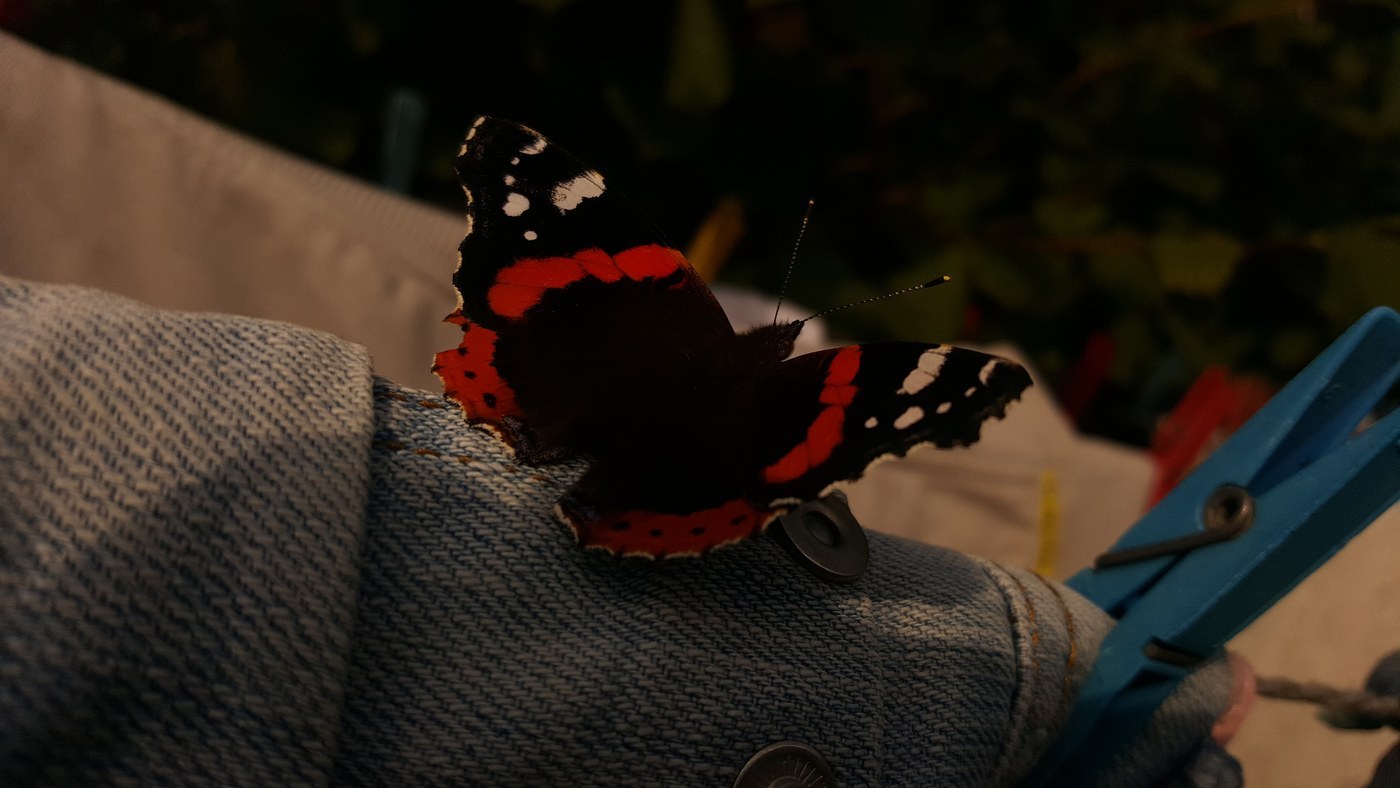
Red Admiral
Gardens, woodland edges, parks, meadows
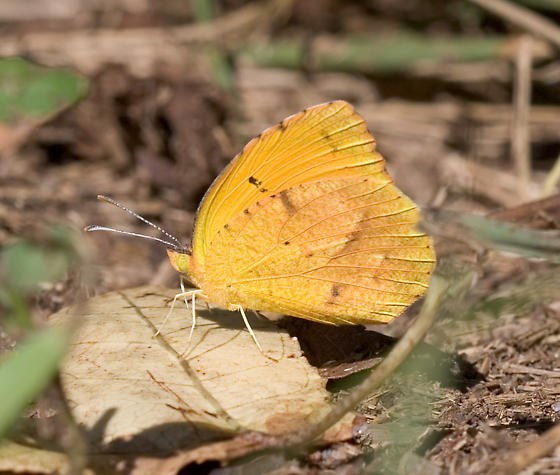
Sleepy Orange
Open woodland, fields, roadsides, and disturbed ground