
Diving Beetle Larva (Water Tiger)
Dytiscidae spp.
Nicknamed the water tiger, the larva of a predaceous diving beetle is an elongated, sickle-jawed hunter that stalks the shallows and seizes prey many times its own size.
- Size
- Larva 15-60 mm depending on species
- Habitat
- Ponds, lakes, and slow streams with dense vegetation
- Danger
- Bites
Spotted a bug like this?
Identify any bug or insect from a photo, free.
Overview
The water tiger is the larval stage of a predaceous diving beetle (family Dytiscidae), one of the most voracious predators found in freshwater ponds. Its long, tapering body and enormous curved mandibles give it an almost prehistoric appearance, and it is a formidable hunter despite lacking true eyes with sharp vision, relying instead on movement detection and touch.
Water tigers are ambush-and-pursuit predators that will tackle prey considerably larger than themselves, including tadpoles and small fish, injecting digestive enzymes through hollow mandibles and then sucking out the liquefied contents. This external digestion strategy is shared with adult diving beetles and other predatory beetle larvae.
As a beetle larva, the water tiger undergoes complete metamorphosis, eventually leaving the water to pupate in damp soil before emerging as a fully aquatic adult diving beetle. It is an important mid-level predator in pond food webs, helping to control populations of mosquito larvae and other small aquatic organisms.
How to Identify
- Elongated, spindle-shaped body tapering toward the rear, ranging from about 15 mm in smaller species to 60 mm in the largest
- Large, sickle-shaped, hollow mandibles projecting forward from the head, used to inject digestive fluid into prey
- Segmented body often brownish, tan, or mottled, with three pairs of jointed legs near the head end
- Two thread-like tail filaments (cerci) at the rear tip, sometimes used to help breathe air at the surface
- Head typically broad and somewhat flattened, with simple eye clusters rather than true compound eyes
- Distinguished from dragonfly nymphs by its visible legs near the front and lack of a hinged lower lip (labial mask); distinguished from other aquatic larvae by its prominent grasping mandibles
Habitat & Range
Water tigers are found in ponds, lake shallows, marshes, ditches, and slow-moving streams with abundant submerged and emergent vegetation, which provides both cover and perches from which to ambush prey. They occur nearly worldwide wherever diving beetles breed, from spring through late summer in temperate regions, and tend to favor still or slack water over fast currents.
Behavior & Diet
Water tigers are active, opportunistic predators that lurk motionless among plant stems or debris before lunging at passing prey, gripping it with their curved mandibles. They feed on a wide range of aquatic invertebrates, tadpoles, small fish, and even other insect larvae, injecting paralyzing and digestive fluids through channels in their jaws and then drawing out the liquefied tissue, a feeding method known as extraoral digestion. Despite living underwater, they must periodically rise to the surface to breathe air through spiracles located at the tip of the abdomen. Their predation helps regulate populations of smaller invertebrates and mosquito larvae in the ponds they inhabit.
Life Cycle
Female diving beetles lay eggs individually within plant tissue or debris near the water. The larvae that hatch pass through three instars, growing progressively larger and more voracious with each molt over several weeks to a couple of months depending on species and temperature. When fully grown, the larva crawls out of the water onto damp soil or under shoreline debris to construct a small earthen cell, where it pupates for one to a few weeks. The adult diving beetle that emerges returns to the water, and depending on climate there may be one or more generations per year, with adults typically overwintering in the water itself.
Frequently asked questions
Why is it called a water tiger?
The nickname reflects its predatory ferocity and large curved mandibles, which it uses to seize and subdue prey much like a hunting cat.
What does a diving beetle larva eat?
It preys on aquatic invertebrates, tadpoles, and small fish, injecting digestive fluid through its hollow jaws and sucking out the liquefied contents.
Does a water tiger breathe underwater?
It breathes air through spiracles at the tip of its abdomen and must periodically surface, rather than extracting oxygen directly from the water like a fish.
How can I tell a water tiger from a dragonfly nymph?
Water tigers have prominent, sickle-shaped jaws and visible legs clustered near the head, while dragonfly nymphs have a hinged, extendable lower lip and a stockier body.
Diving Beetle Larva (Water Tiger) guides
In-depth guides for identifying, understanding, and living alongside Diving Beetle Larva (Water Tiger).
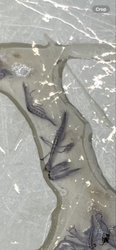
Diving Beetle Larva (Water Tiger) identified by the community
Real finds identified with Bug Identifier.
Other bugs you may enjoy
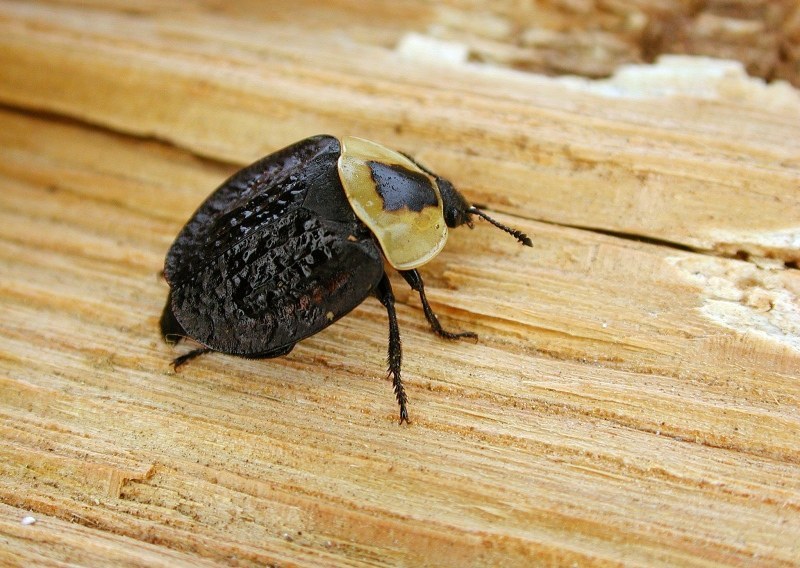
American Carrion Beetle
Forests, fields, and roadsides across North America, near decaying animal carcasses
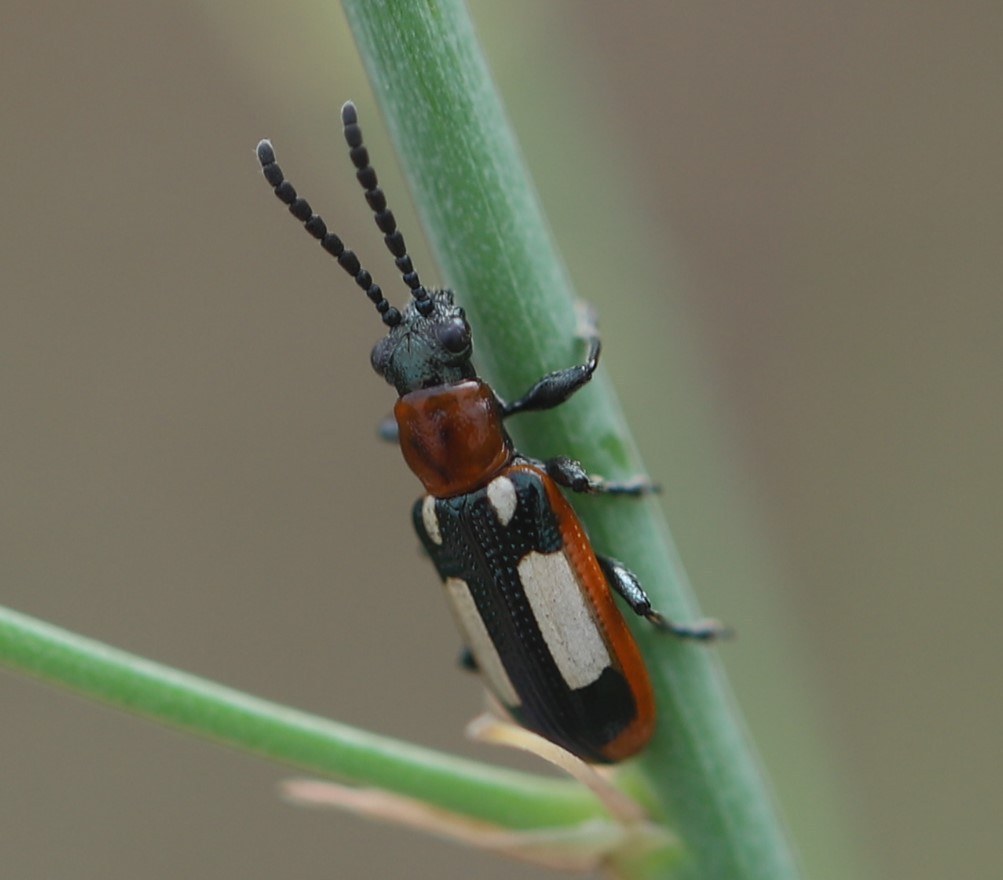
Asparagus Beetle
Asparagus patches, gardens, and farm fields
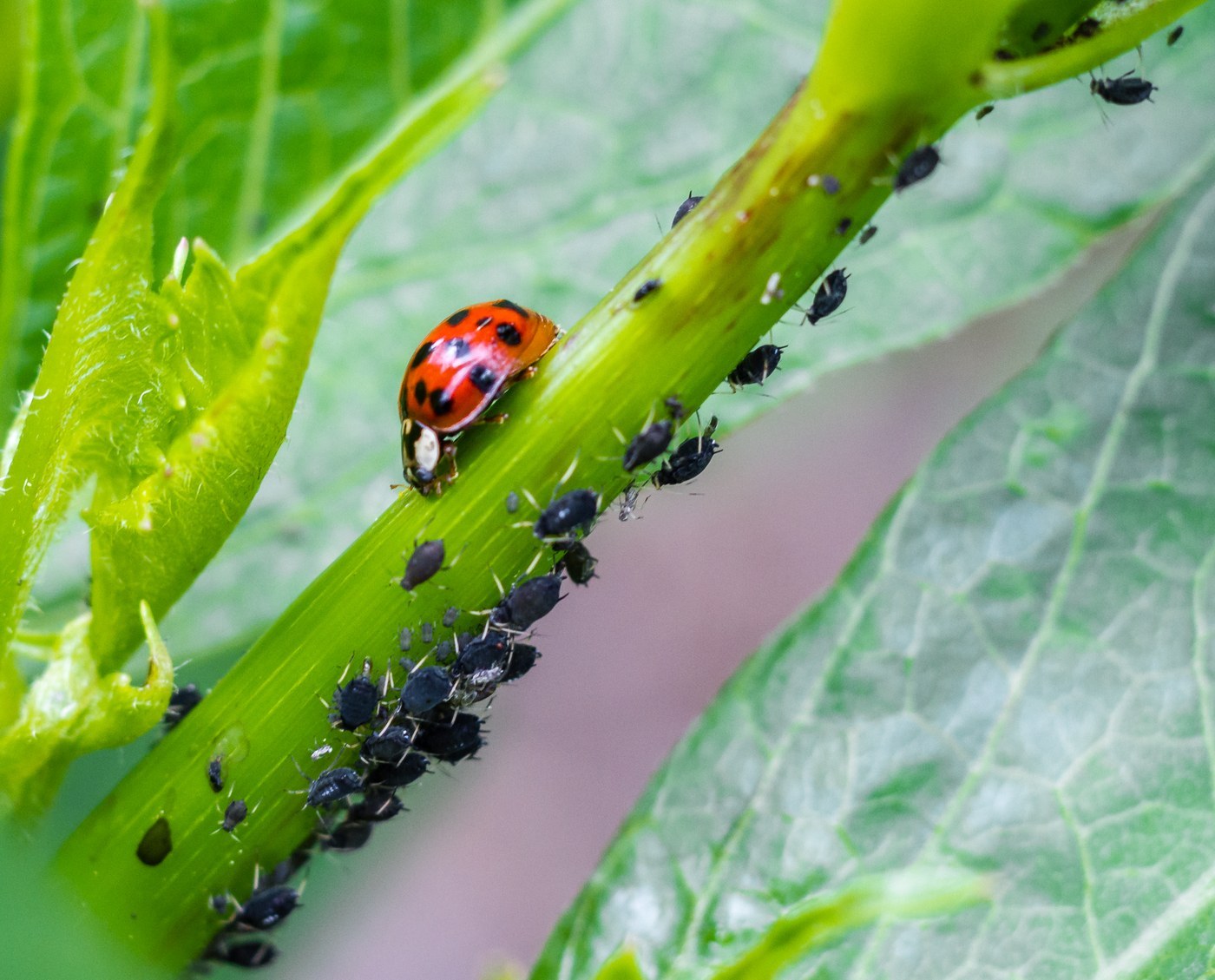
Asian Lady Beetle
Gardens, crop fields, woodlands, buildings
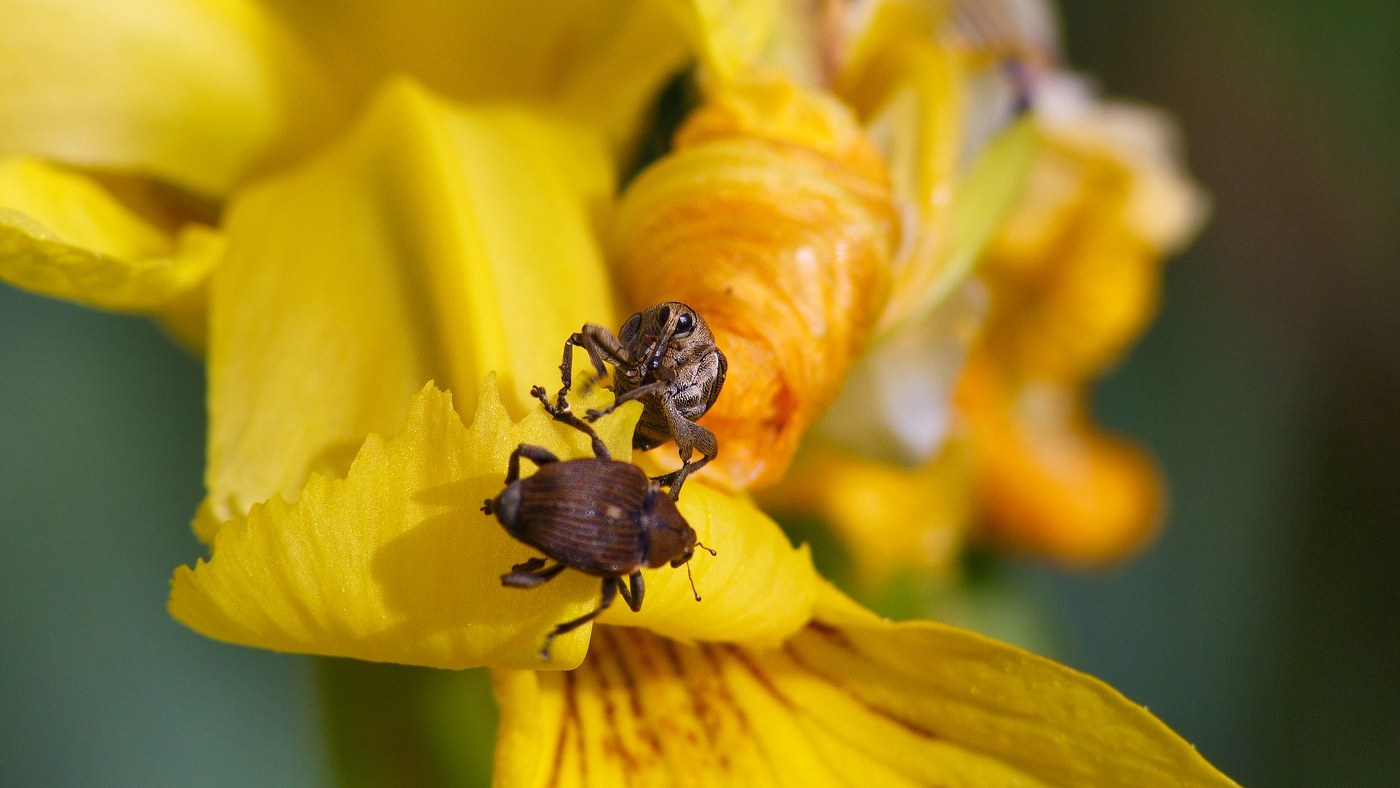
Acorn Weevil
Oak woodlands and forests, on and beneath oak trees
Wireworm
Soil of grasslands, gardens, and cultivated fields worldwide
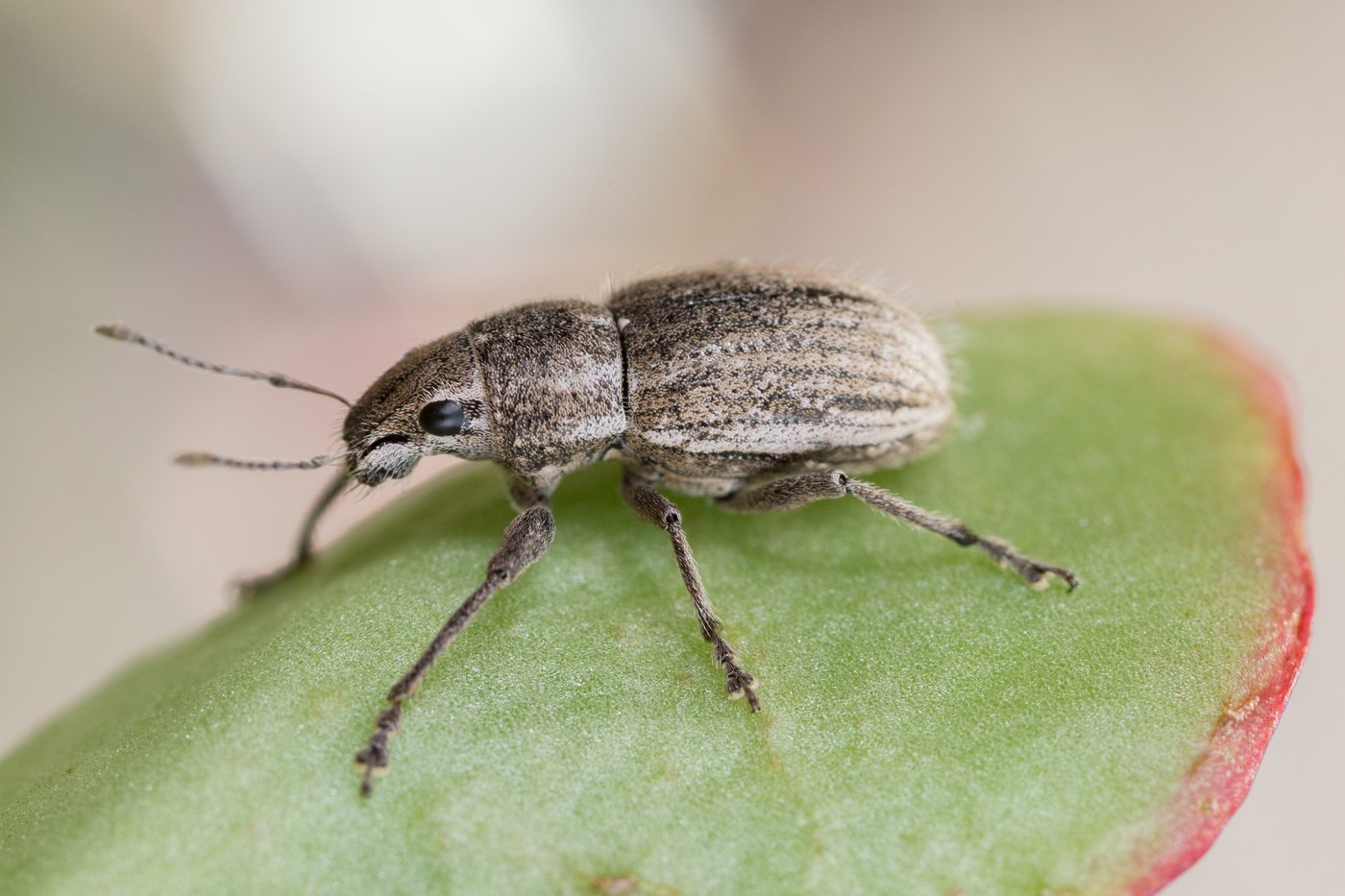
Whitefringed Beetle
Pastures, row crops, lawns, disturbed soils
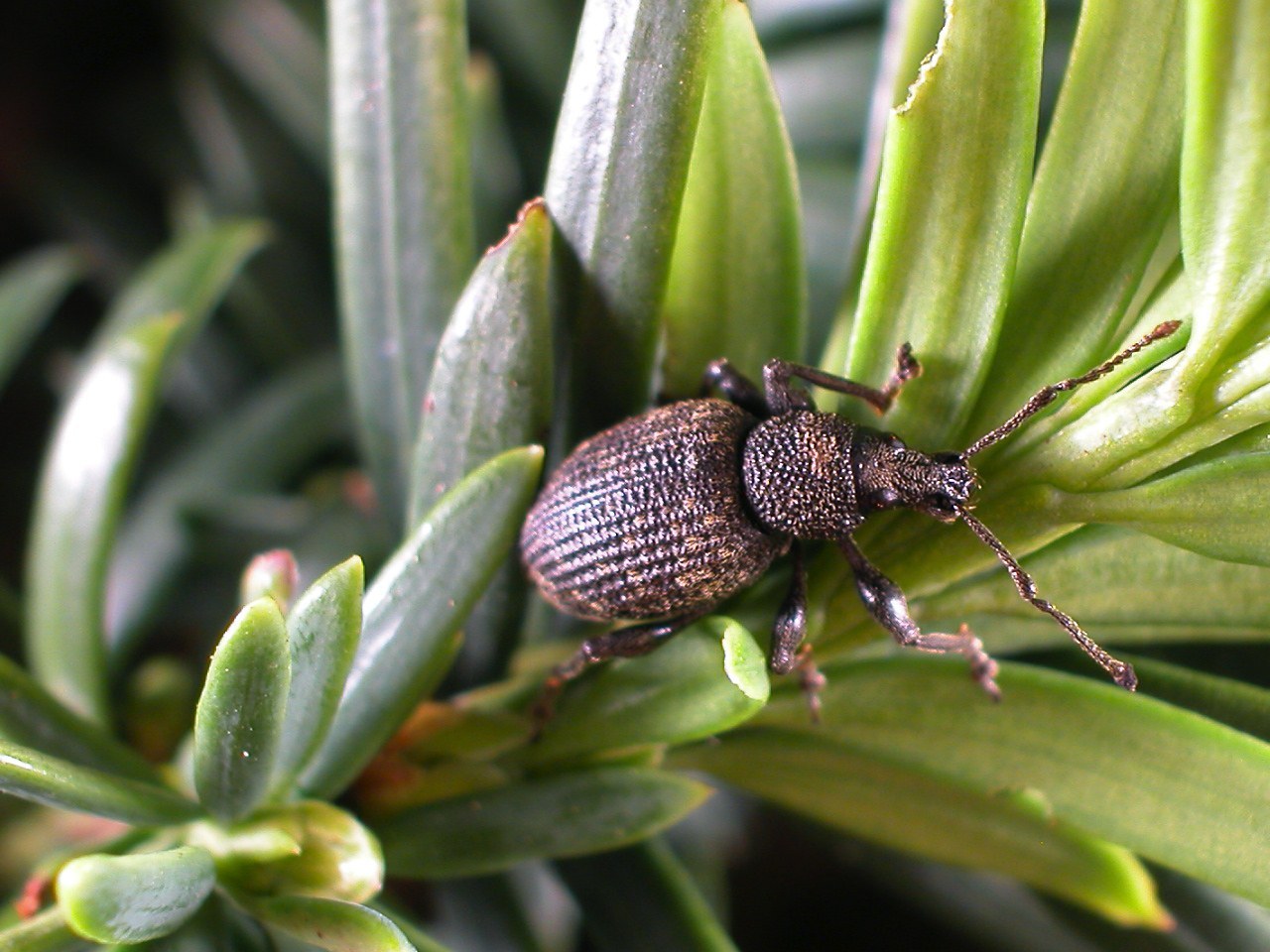
Vine Weevil
Gardens, nurseries, greenhouses, and container plantings
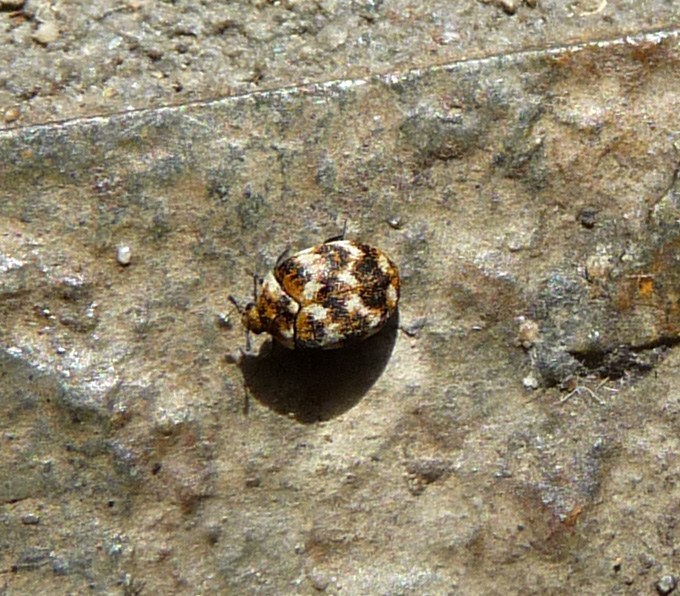
Varied Carpet Beetle
Homes, nests of birds and mammals, and flowers outdoors
Atlas Beetle
Tropical forests of Southeast Asia
Titan Beetle
Amazon rainforest of South America
Ten-lined June Beetle
Sandy soils, pine forests, and orchards of western North America
Squash Beetle
Vegetable gardens and fields growing squash, pumpkin, and other cucurbits