
Dobsonfly Larva (Hellgrammite)
Corydalus spp.
A large, fierce-looking aquatic larva with strong pinching jaws and fringed side gills, spending years hunting under stream rocks before becoming a giant winged dobsonfly.
- Size
- 40-90 mm
- Habitat
- Rocky, fast-flowing streams and rivers, under stones
- Danger
- Bites
Spotted a bug like this?
Identify any bug or insect from a photo, free.
Overview
The dobsonfly larva, widely known by the common name hellgrammite, is the aquatic immature stage of dobsonflies, large insects in the family Corydalidae. Hellgrammites are among the largest aquatic insect larvae found in North American streams, with mature individuals often reaching several inches in length and possessing a formidable set of mandibles.
These larvae live for an unusually long time underwater compared to most aquatic insects, often one to three years or more, hiding beneath stones in swift, well-oxygenated streams and emerging at night to hunt for prey. Their tough, armored appearance, fringed lateral filaments along the abdomen, and prominent hooked mandibles make them one of the more intimidating-looking stream invertebrates.
Adult dobsonflies that eventually emerge from these larvae are equally striking, particularly the males, which possess dramatically elongated mandibles used in courtship displays rather than for feeding or defense.
How to Identify
- Larvae are 40-90 mm long, elongated, and heavily armored, with a flattened, segmented body.
- Strong, sickle-shaped mandibles are used to grasp and subdue prey.
- A row of fringed, thread-like lateral filaments (gills) runs along each side of the abdomen, aiding in respiration.
- A pair of hooked, claw-tipped prolegs is present at the rear of the abdomen, used for anchoring to rocks in current.
- Coloring is typically dark brown to blackish, providing camouflage against streambed rocks and debris.
- Lookalikes include other large aquatic beetle larvae, but the combination of large size, lateral filament gills, and prominent mandibles is distinctive to hellgrammites.
Habitat & Range
Hellgrammites are found in fast-flowing, rocky streams and rivers, primarily in North America, where they require clean, highly oxygenated water to survive. They hide beneath stones and debris on the streambed during the day, using the current-resistant rocky substrate as both shelter and hunting ground, and become more active at night. Because of their sensitivity to poor water quality, their presence is often taken as a sign of a healthy stream ecosystem.
Behavior & Diet
Hellgrammites are active nocturnal predators, using their strong mandibles to capture and feed on other aquatic invertebrates, including insect larvae and small crustaceans found among the rocks. They can pinch with their mandibles in self-defense if handled, a reflection of the same strong jaws used for hunting. Within stream ecosystems, hellgrammites are important predators that help regulate populations of smaller invertebrates, while the larvae themselves are a food source for fish such as bass and trout. Because of their popularity as live bait, hellgrammites are well known to anglers in regions where dobsonflies are common.
Life Cycle
Eggs are laid in large masses on rocks, bridges, or vegetation overhanging the stream, often at a distance from the water's edge, protected by a chalky coating. Upon hatching, tiny larvae drop or crawl into the water and begin an extended aquatic larval period that can last one to three years or more, passing through numerous instars while hunting under stream rocks. When fully mature, the larva leaves the water and burrows into moist soil or under streamside debris to pupate. After several weeks, the winged adult dobsonfly emerges, living only a short time, typically about a week, during which it mates and, in the case of females, returns to the water's edge to lay eggs.
Frequently asked questions
Can a hellgrammite bite?
It can pinch with its mandibles in self-defense if handled, though it uses these jaws mainly to capture prey.
How long do hellgrammites live underwater before becoming adults?
The larval stage typically lasts one to three years or more, making it by far the longest phase of the dobsonfly life cycle.
What do hellgrammites eat?
They are active predators of other aquatic invertebrates, using their strong mandibles to capture prey hiding among stream rocks.
Why do hellgrammites indicate good water quality?
They require clean, highly oxygenated, fast-flowing water to survive, so their presence usually signals a healthy stream.
Dobsonfly Larva (Hellgrammite) guides
In-depth guides for identifying, understanding, and living alongside Dobsonfly Larva (Hellgrammite).
Dobsonfly Larva (Hellgrammite) identified by the community
Real finds identified with Bug Identifier.
Other bugs you may enjoy
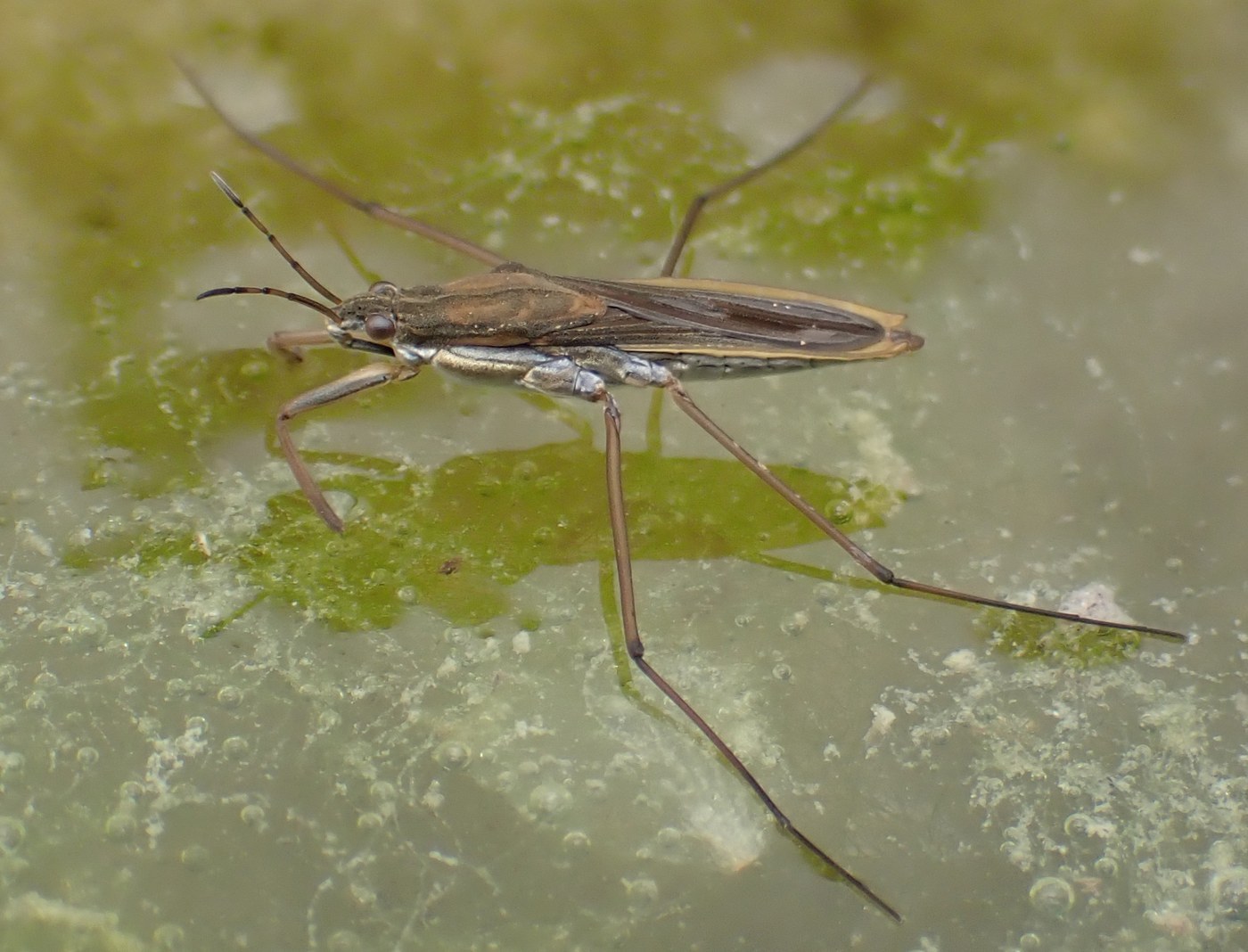
Water Strider
Still or slow-moving fresh water: ponds, lake edges, slow streams, puddles
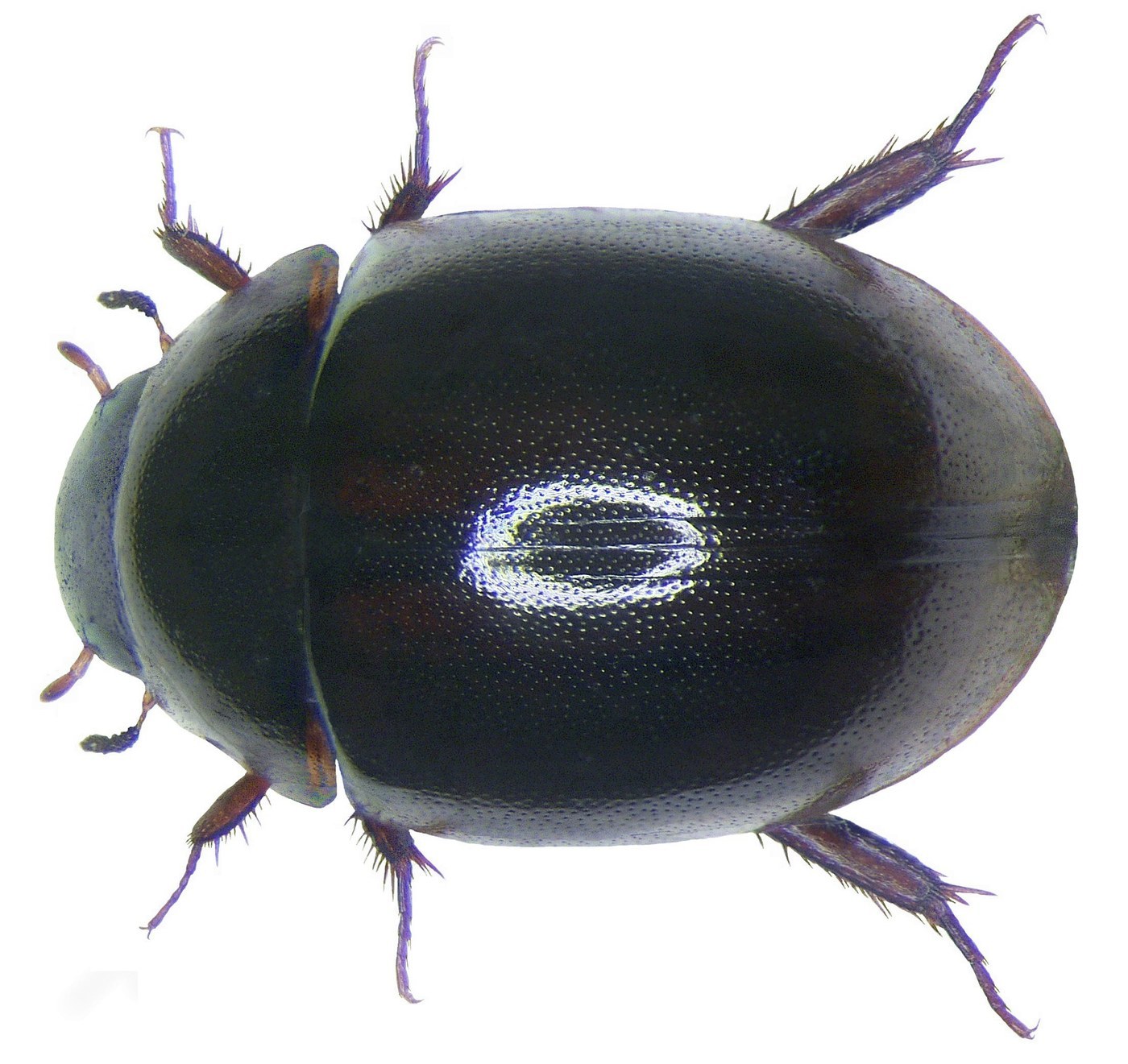
Water Beetle
Ponds, slow streams, marshes, still fresh water
Water Penny Beetle
Fast, rocky, well-oxygenated streams
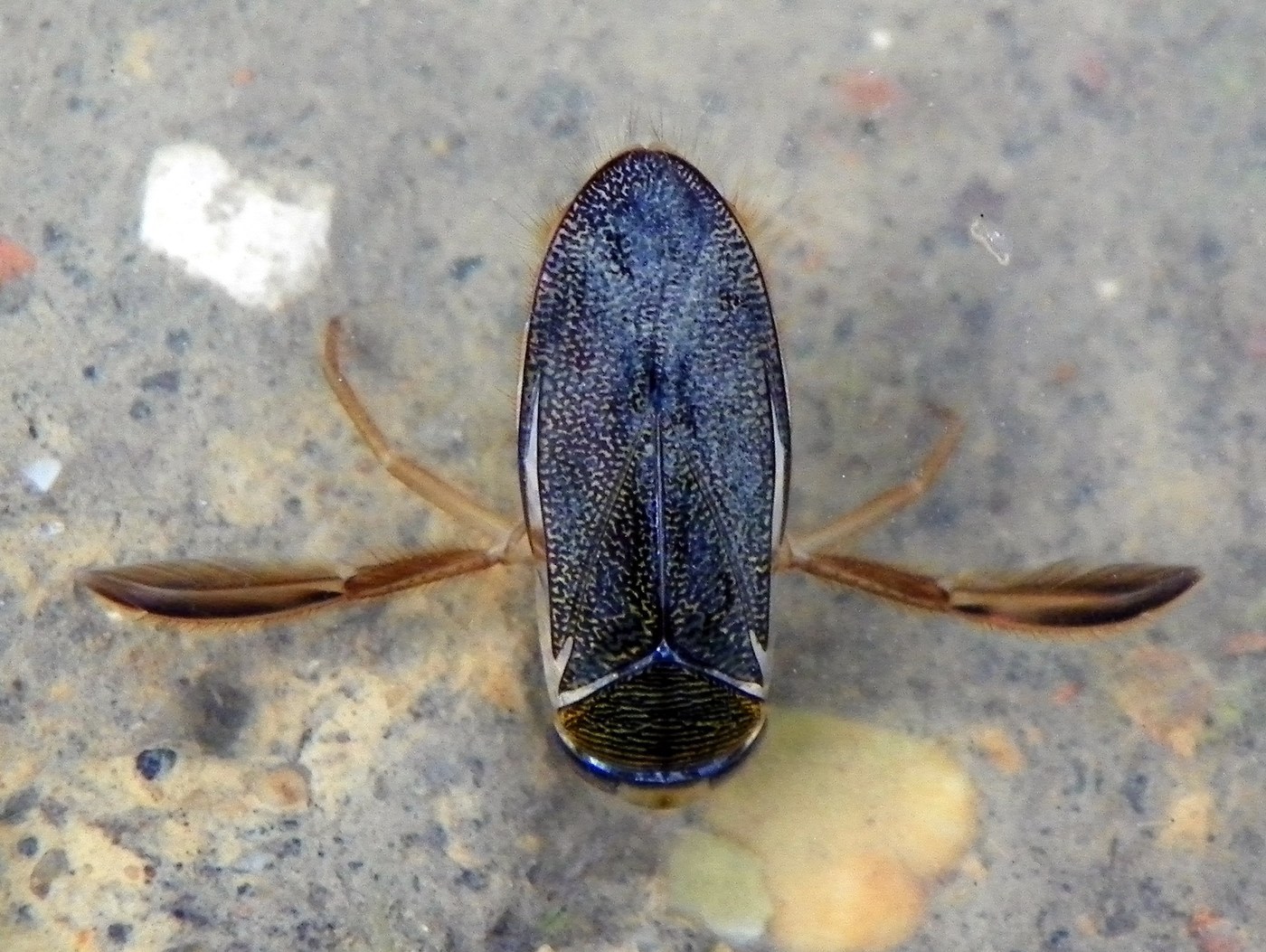
Water Boatman
Ponds, lakes, slow streams, freshwater with vegetation
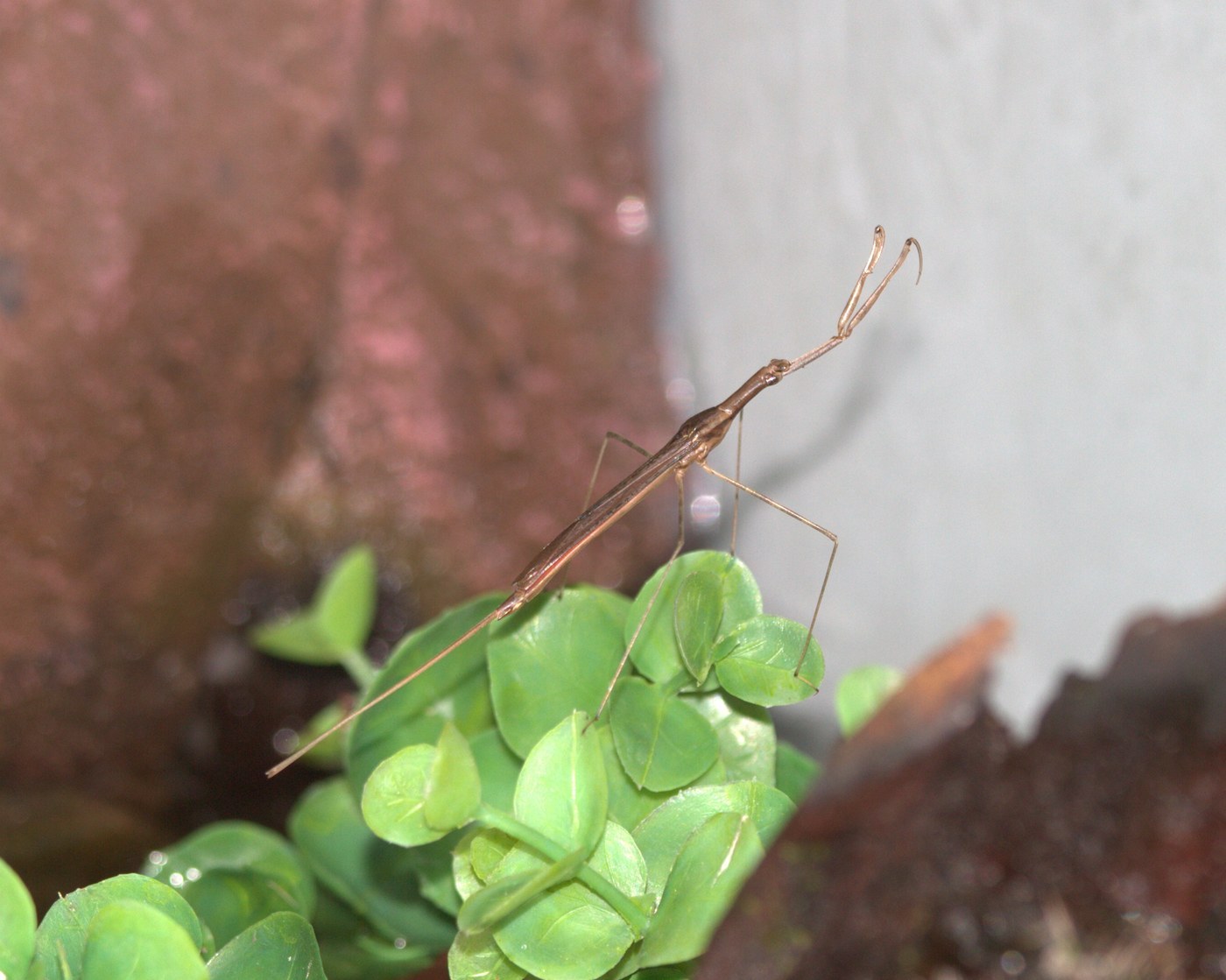
Water Scorpion
Still or slow-moving water with submerged vegetation
Stonefly
Cold, clean, well-oxygenated streams and rivers
Stonefly Nymph
Cold, fast-flowing, well-oxygenated streams
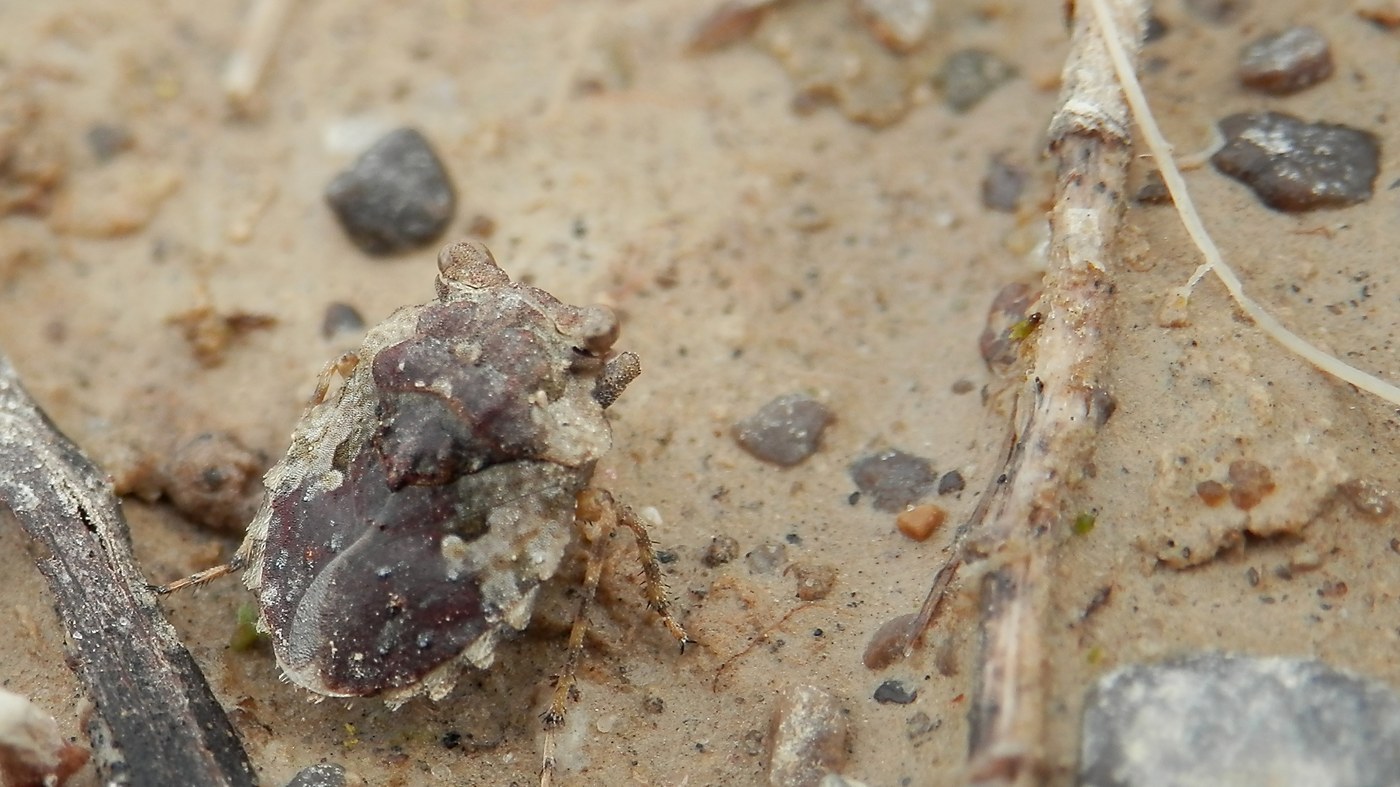
Toad Bug
Muddy or sandy shorelines of ponds, streams, and rivers
Soldier Fly Larva
Ponds, marshes, and slow streams with organic sediment
Mosquito Larva
Standing water in ponds, ditches, containers, and puddles
Whirligig Beetle
Surface of ponds, lakes, and slow streams
Rat-Tailed Maggot
Stagnant, oxygen-poor water such as manure pools, drains, and compost