
Dogbane Beetle
Chrysochus auratus
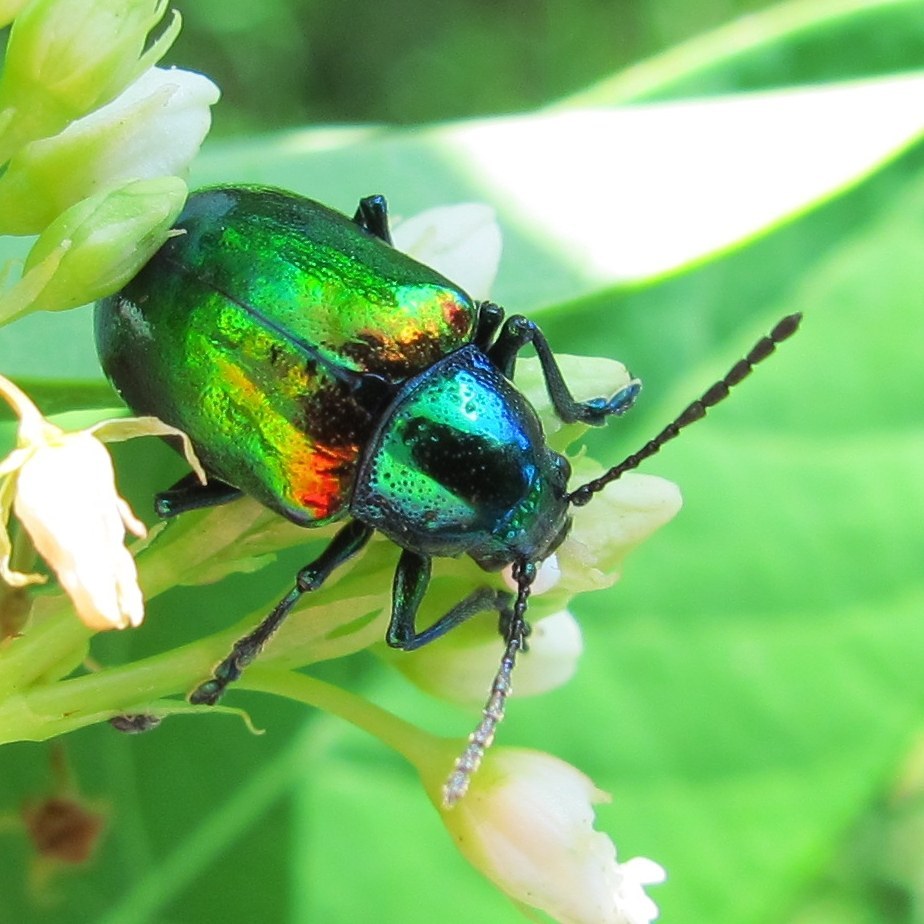
A small, brilliantly iridescent leaf beetle that shifts between shades of green, gold, blue, and copper depending on the viewing angle, always found on dogbane plants.
- Size
- 8–11 mm
- Habitat
- Meadows and open fields with dogbane plants
- Danger
- Harmless
Spotted a bug like this?
Identify any bug or insect from a photo, free.
Overview
The dogbane beetle is a member of the leaf beetle family (Chrysomelidae) and is best known for its extraordinary iridescent coloring, a structural color effect produced by microscopic layers in its exoskeleton rather than pigment alone. It is native to North America and closely tied to a single host plant genus, dogbane (Apocynum), from which it derives its common name.
This species is notable among leaf beetles for its striking, almost jewel-like metallic sheen, which shifts across the color spectrum depending on the angle of light, making it a favorite subject for nature photographers despite its small size. It is a classic example of a specialist herbivore closely adapted to a single toxic host plant.
Ecologically, the dogbane beetle has evolved to tolerate the toxic latex compounds produced by dogbane, sequestering some of these plant chemicals as a defense against its own predators, a strategy shared with several other specialist insect herbivores.
How to Identify
- Small, oval, domed body about 8–11 mm long.
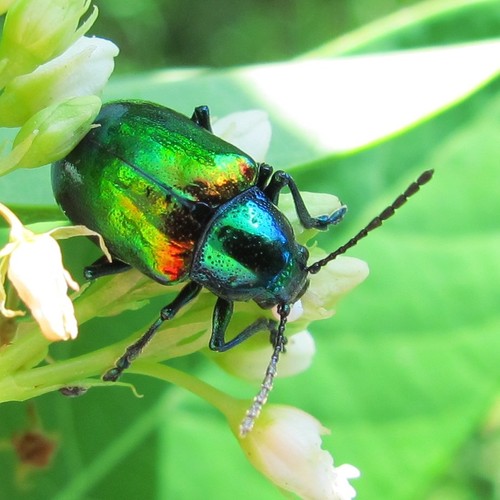
- Brilliant iridescent coloring that shifts between green, blue, copper, and gold depending on the angle of light.
- Smooth, glossy wing covers without obvious spots or stripes.
- Relatively short antennae and legs typical of leaf beetles.
- Lookalikes include other metallic leaf beetles, but its strong association with dogbane plants and its multicolor iridescence (rather than a fixed single metallic color) are distinguishing features.
Habitat & Range
Found across much of North America, particularly in meadows, prairies, roadsides, and open fields where dogbane plants grow. Adults are active during the warmer months of late spring through summer, almost always found directly on or near dogbane foliage, which serves as both food source and primary microhabitat.
Behavior & Diet
Adults feed exclusively on the leaves of dogbane plants, chewing characteristic holes in the foliage, and are able to tolerate the plant's toxic milky latex, which deters many other herbivores. By sequestering some of these defensive plant compounds, the beetle itself becomes distasteful to potential predators, a strategy known as chemical defense through diet. Adults are relatively slow-moving and often found resting openly on leaves in sunlight, relying on their unpalatability rather than speed or camouflage for protection. Within the ecosystem, they represent a highly specialized herbivore niche, feeding on a plant that few other insects can tolerate.
Life Cycle
Development is complete metamorphosis: egg, larva, pupa, adult. Eggs are laid on or near dogbane plants; larvae feed on the roots of the host plant underground, a less commonly observed stage compared to the conspicuous adults. Pupation occurs in the soil near the root system. Generally one generation occurs per year, with adults active during the summer months and the insect overwintering in an immature underground stage before emerging as adults the following season.
Frequently asked questions
Why is the dogbane beetle so shiny and colorful?
Its exoskeleton has microscopic structural layers that reflect light in a way that produces shifting iridescent colors rather than relying on fixed pigment alone.
Where would I find one?
Almost always directly on dogbane plants in meadows, prairies, or open fields, since the species feeds almost exclusively on this host.
Is it related to the milkweed beetle?
It is not the same species, but both are specialist leaf beetles adapted to feed on toxic latex-producing plants in related plant families.
Does its color ever look different?
Yes, the iridescent sheen can appear green, blue, gold, or copper depending on the angle and intensity of light hitting the beetle.
Dogbane Beetle guides
In-depth guides for identifying, understanding, and living alongside Dogbane Beetle.
Dogbane Beetle identified by the community
Real finds identified with Bug Identifier.
Other bugs you may enjoy
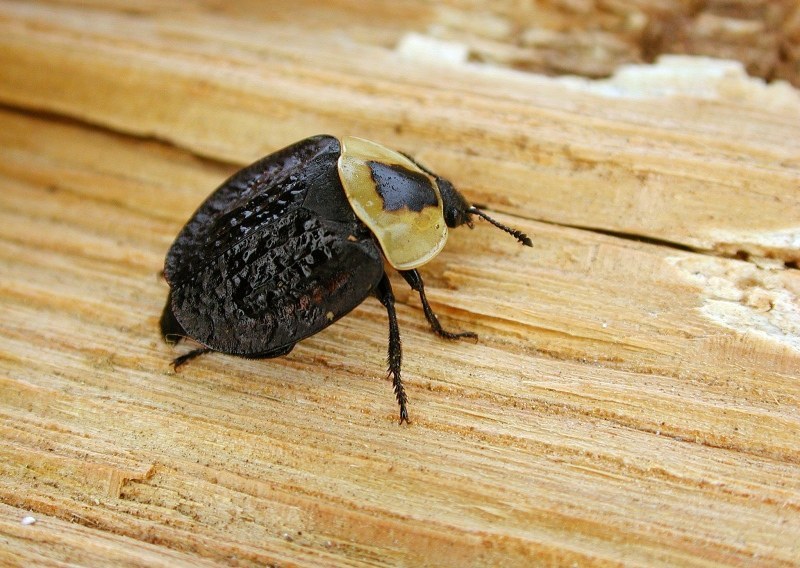
American Carrion Beetle
Forests, fields, and roadsides across North America, near decaying animal carcasses
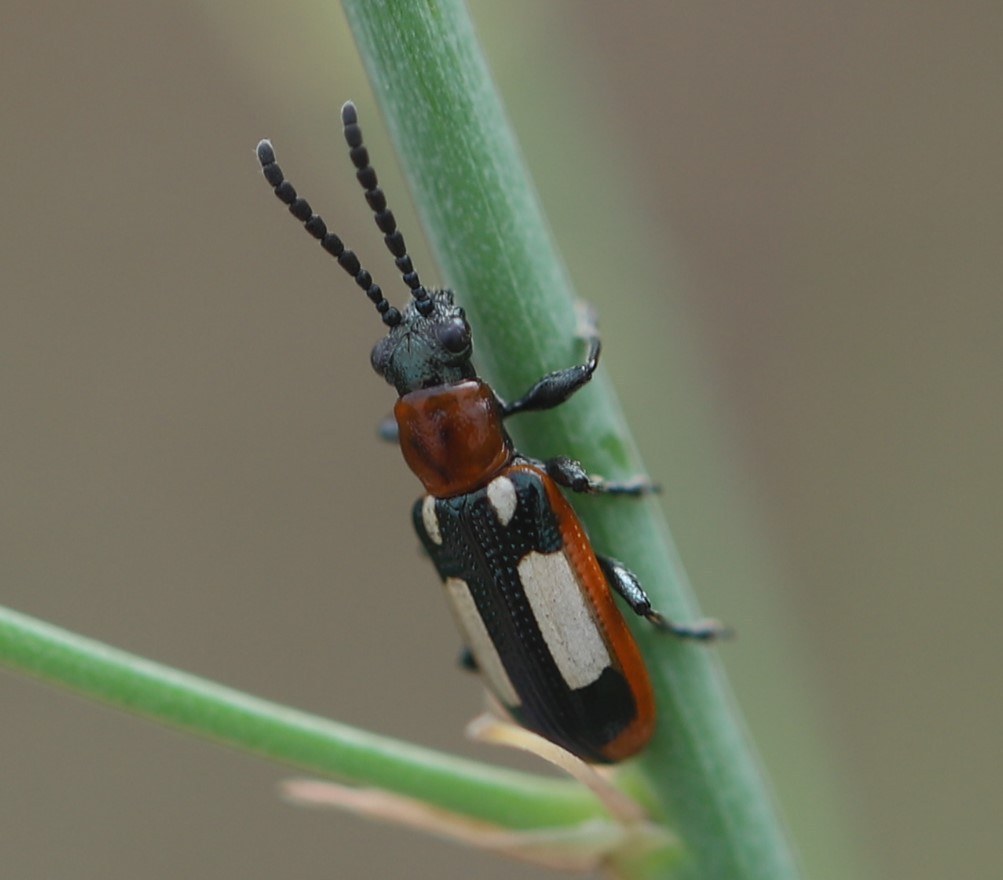
Asparagus Beetle
Asparagus patches, gardens, and farm fields
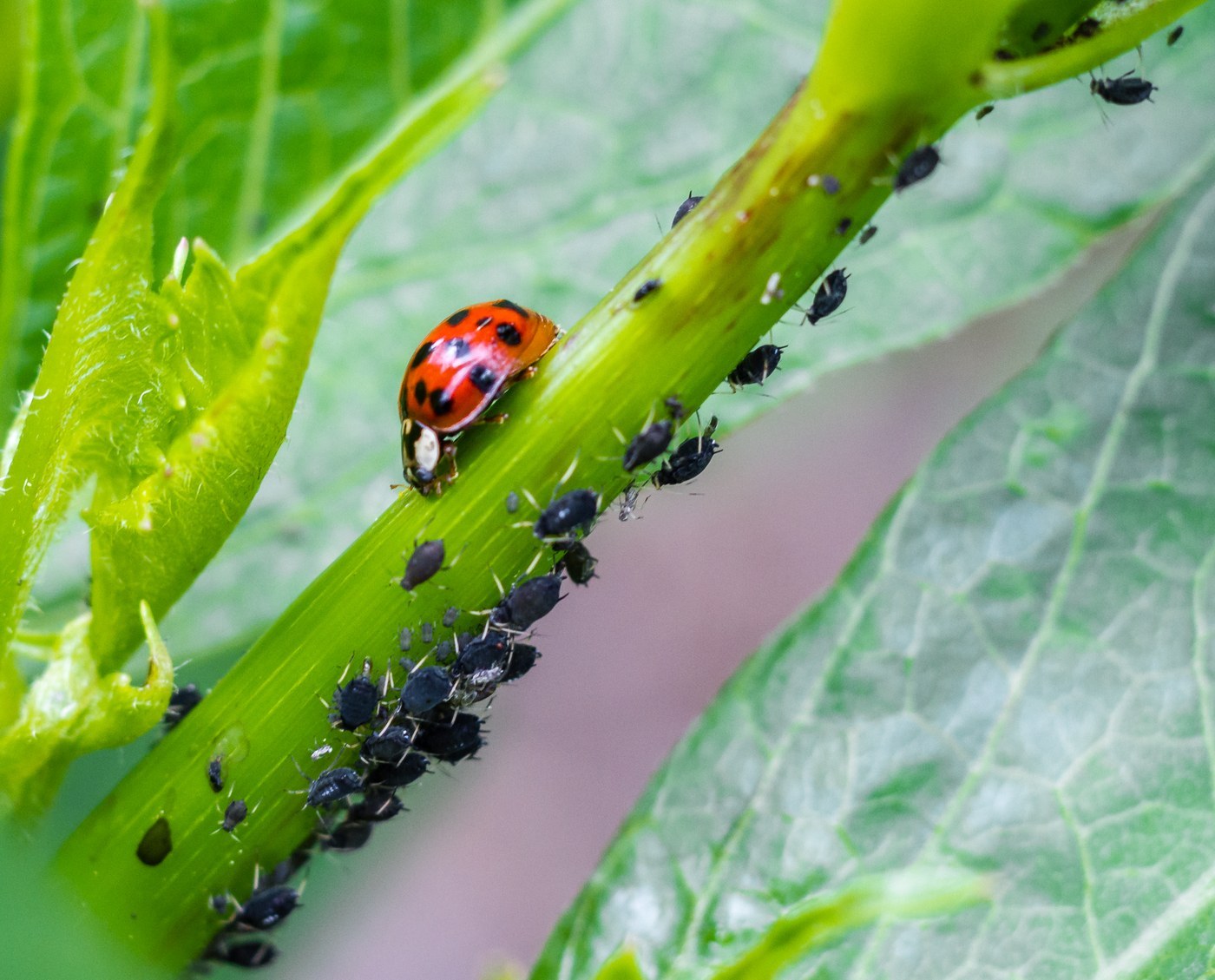
Asian Lady Beetle
Gardens, crop fields, woodlands, buildings
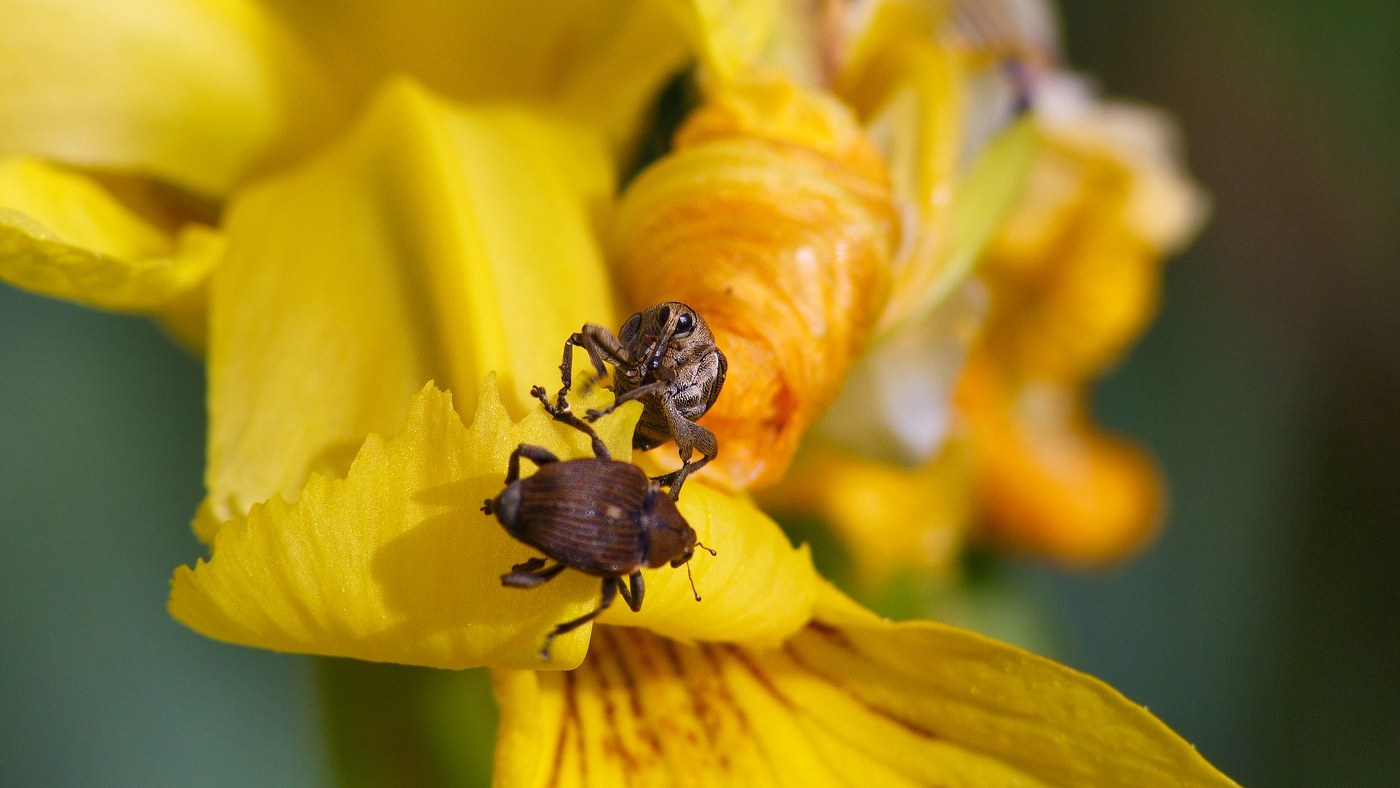
Acorn Weevil
Oak woodlands and forests, on and beneath oak trees
Wireworm
Soil of grasslands, gardens, and cultivated fields worldwide
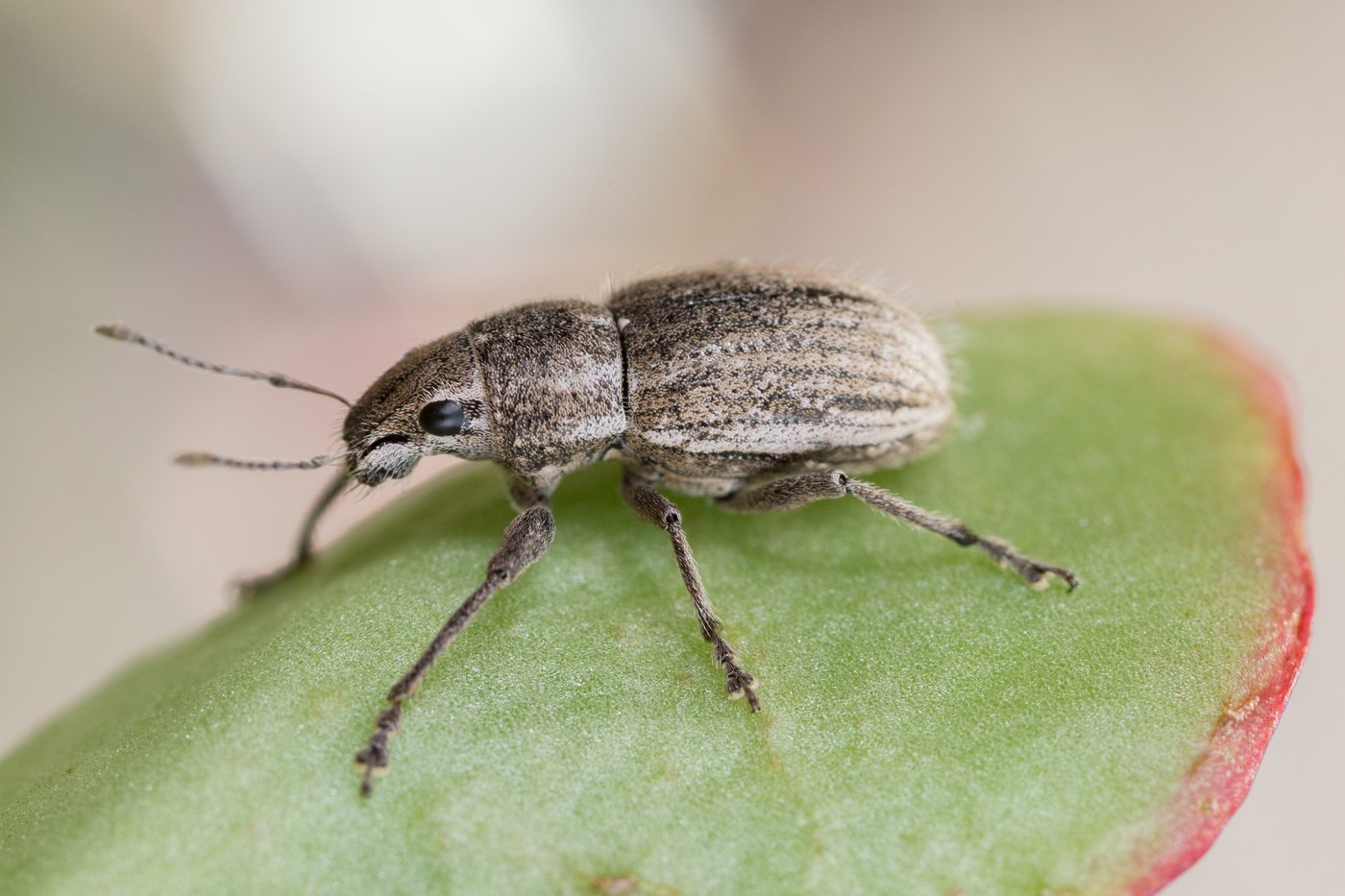
Whitefringed Beetle
Pastures, row crops, lawns, disturbed soils
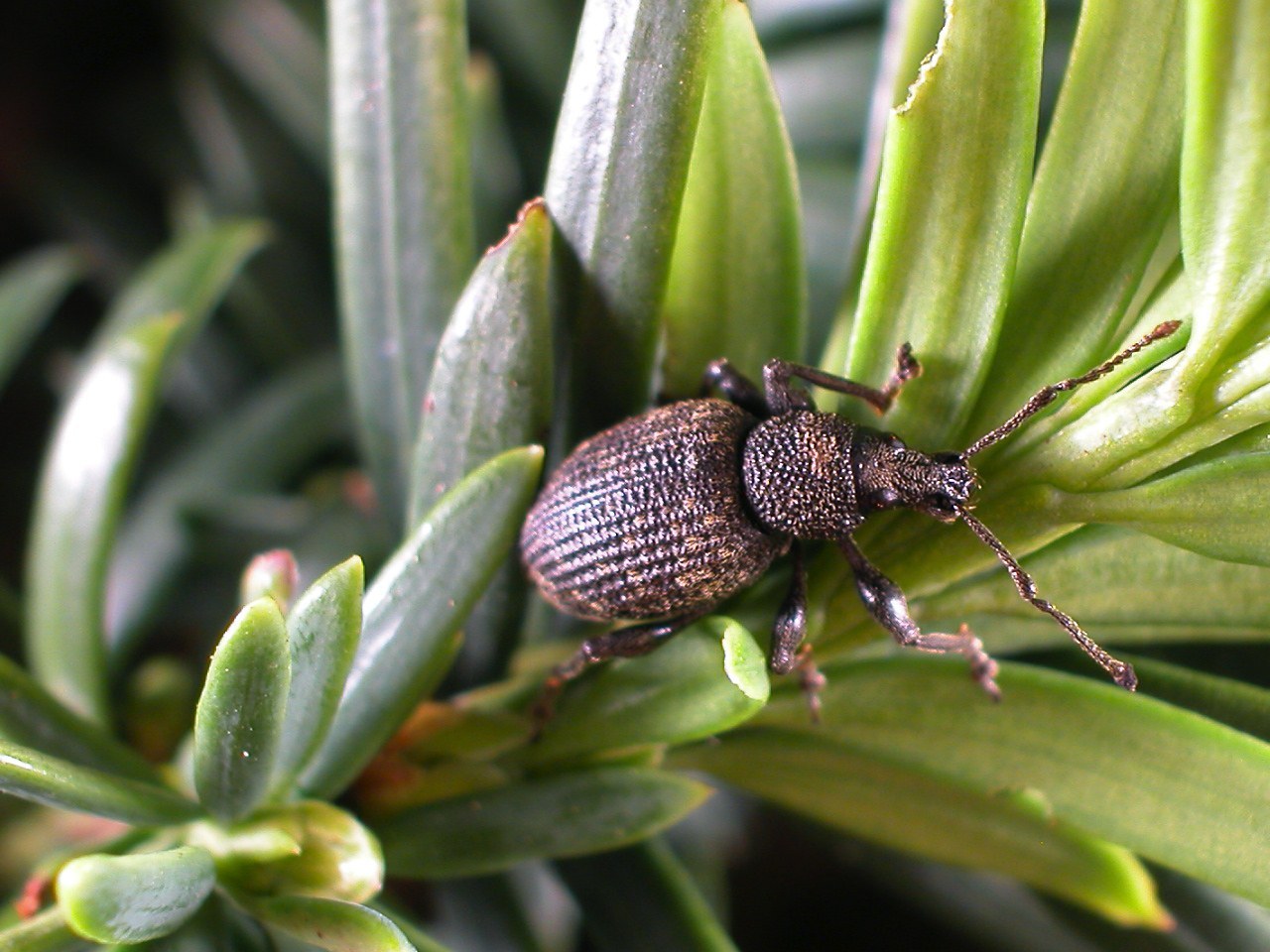
Vine Weevil
Gardens, nurseries, greenhouses, and container plantings
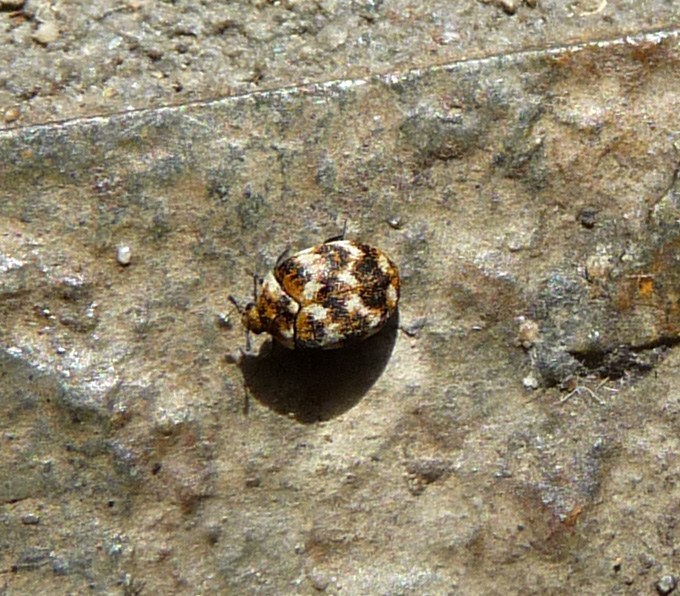
Varied Carpet Beetle
Homes, nests of birds and mammals, and flowers outdoors
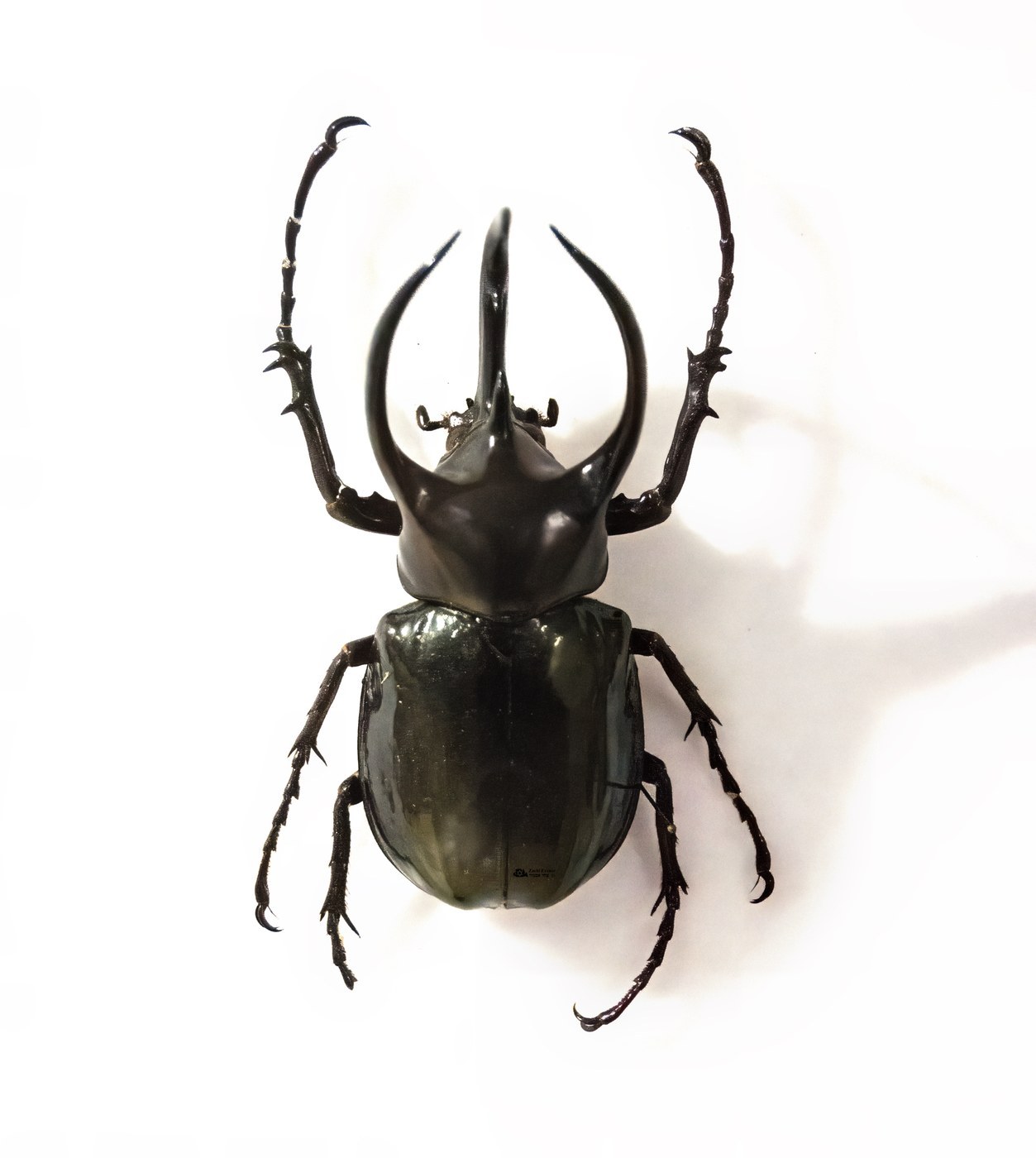
Atlas Beetle
Tropical forests of Southeast Asia
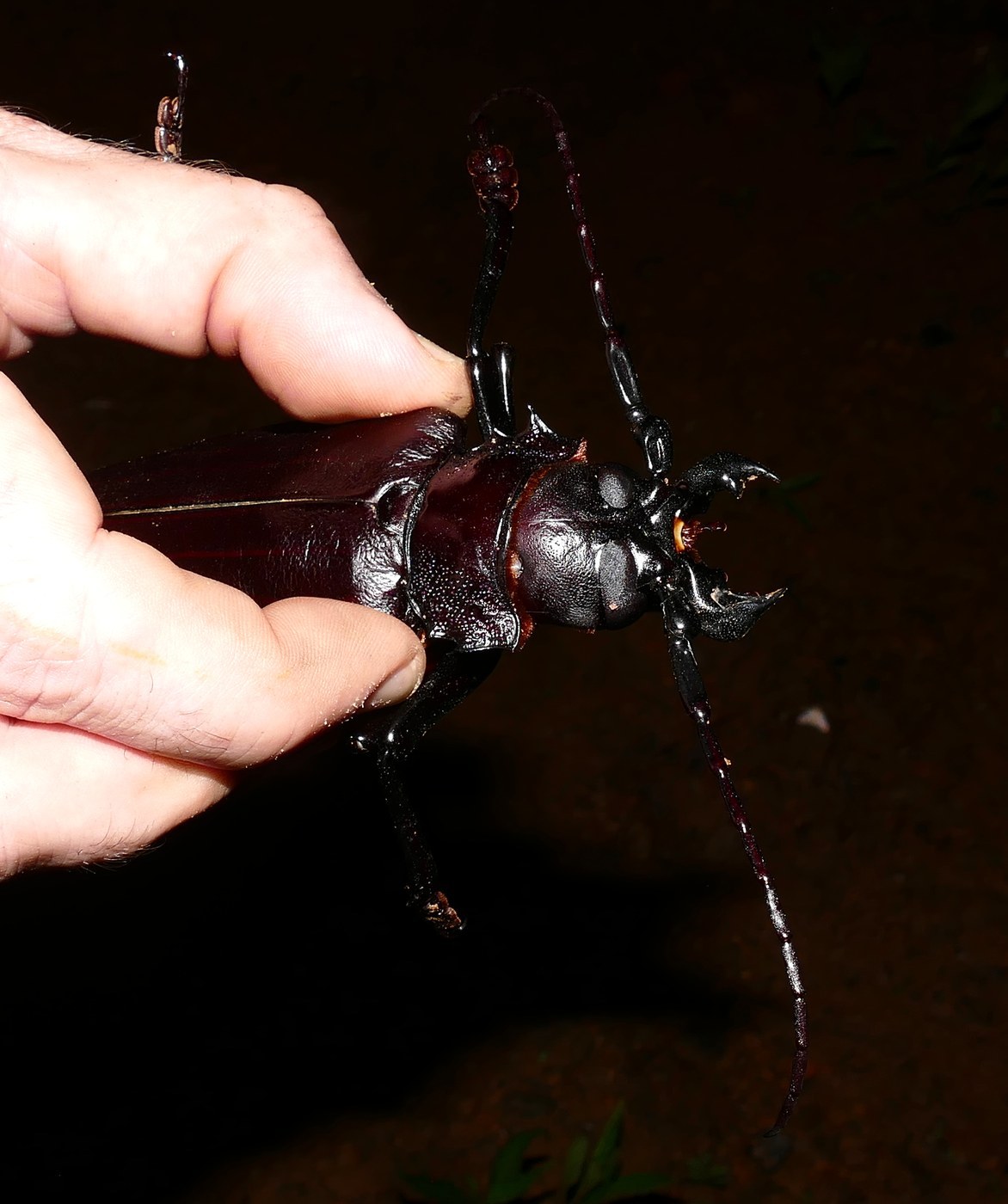
Titan Beetle
Amazon rainforest of South America
Ten-lined June Beetle
Sandy soils, pine forests, and orchards of western North America
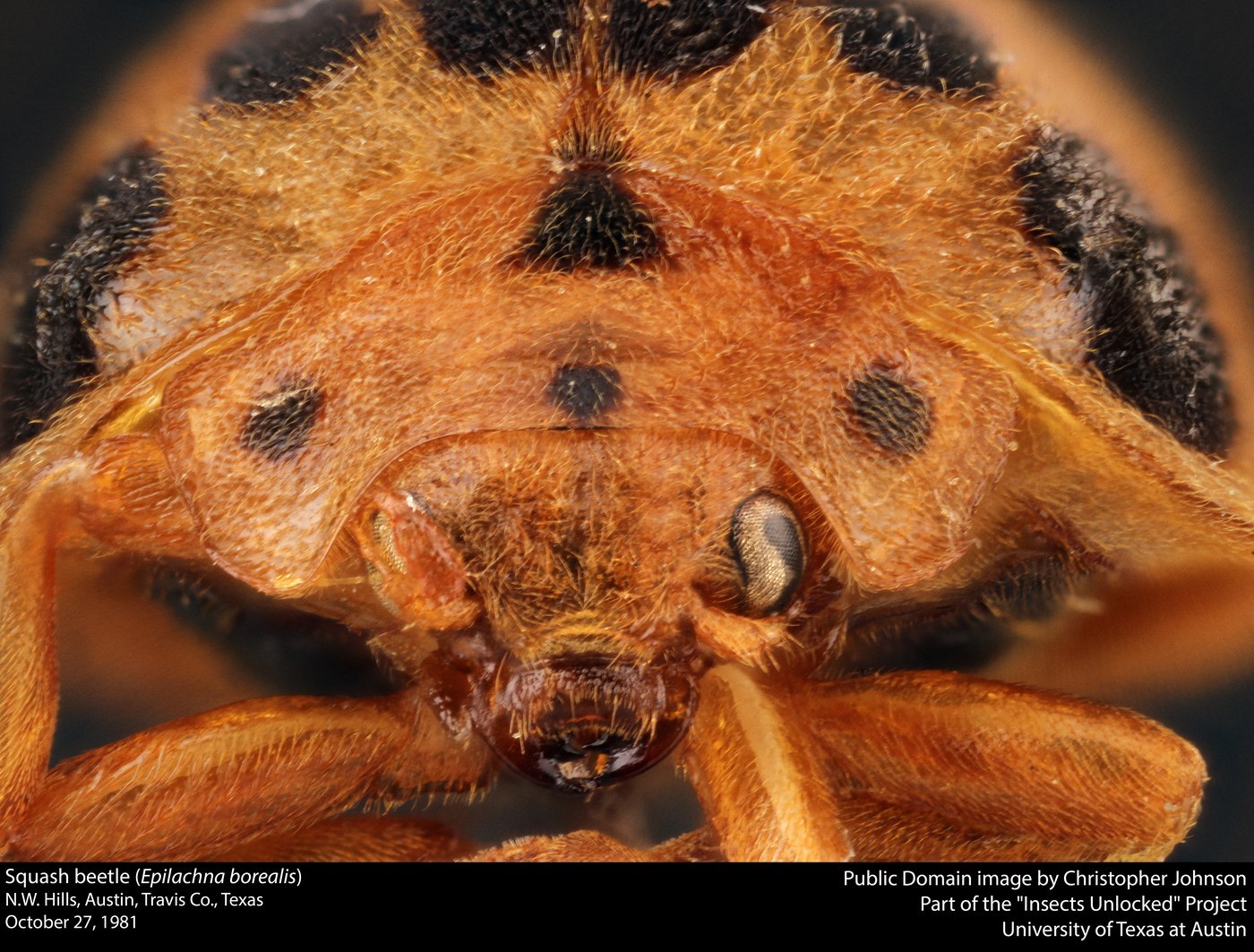
Squash Beetle
Vegetable gardens and fields growing squash, pumpkin, and other cucurbits