
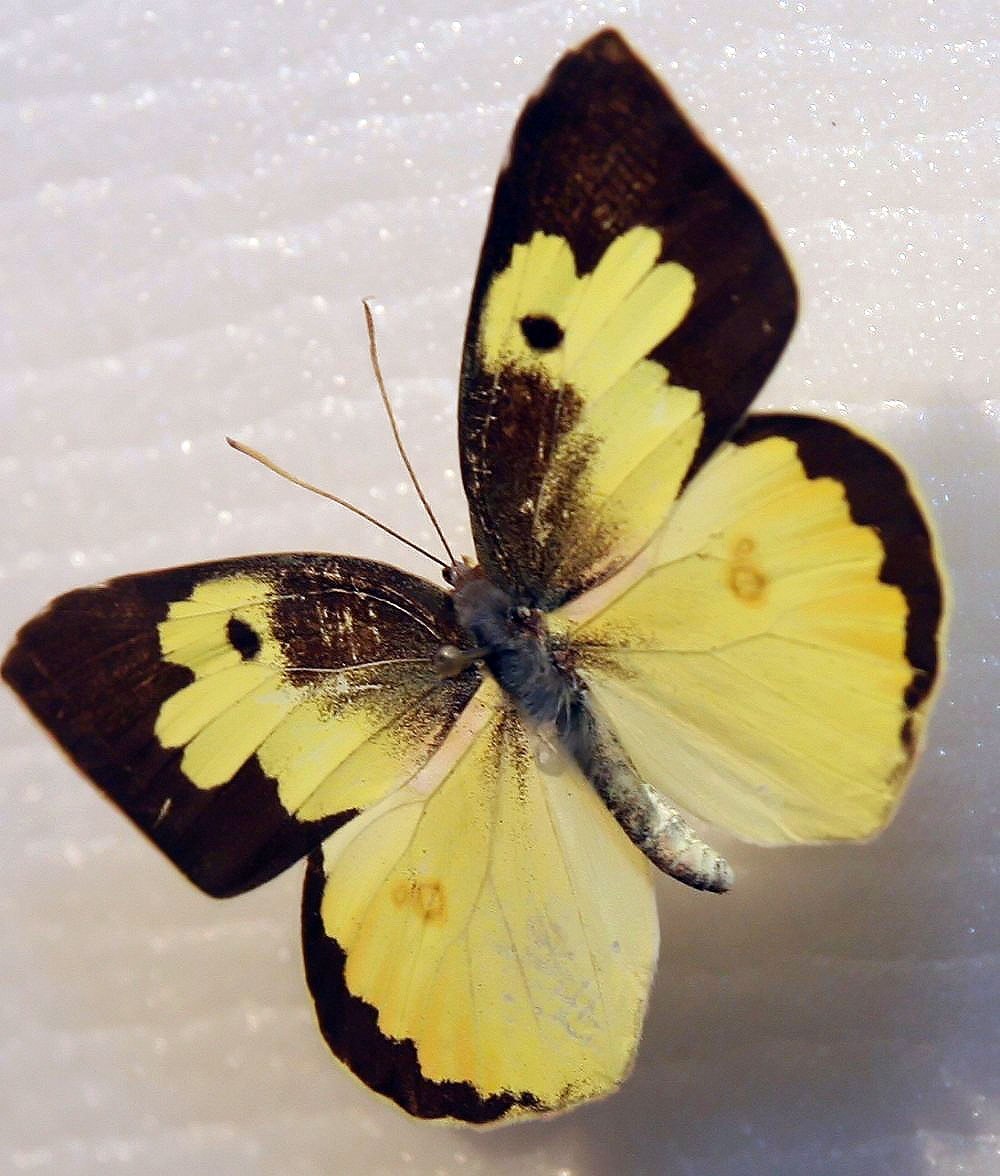
Dogface Butterfly
Zerene cesonia
A striking yellow sulphur butterfly whose forewing pattern forms the silhouette of a dog's or poodle's head complete with a dark 'eye' spot, visible in good light.
- Size
- 1.75–2.75 in wingspan
- Habitat
- Open prairies, fields, roadsides, and dry scrubland
- Danger
- Harmless
Spotted a bug like this?
Identify any bug or insect from a photo, free.
Overview
The Dogface Butterfly, or Southern Dogface, is a distinctive member of the family Pieridae, named for the whimsical resemblance of the dark markings on its forewing to the profile of a dog's head, complete with an eye spot. Found across the southern and central United States into Mexico, it is celebrated among butterfly enthusiasts for this unusual and charming wing pattern, best seen when the wings are lit from behind or held up to the sky.
This species belongs to the genus Zerene within the sulphur subfamily, and its bold yellow and black patterning, along with its comparatively large size for a sulphur, make it a standout among North American butterflies. The related California Dogface (Zerene eurydice), a separate species, has been recognized as a state insect.
Its caterpillars feed on prairie clover and related legumes, tying the species closely to native grassland and scrubland ecosystems of the central and southern United States.
How to Identify
- Medium-large sulphur butterfly, bright yellow with black markings on the forewing that, in good light, form the outline of a dog's head with a distinct round 'eye' spot.
- Males show more vivid yellow with a pink-tinged forewing tip in some populations; females are paler with less contrasting markings.
- Hindwings are yellow with a narrow dark border and lack the dog-face pattern.
- Underside is pale yellow to greenish, often with a small silvery spot on the hindwing.
- Wings are somewhat more elongated and pointed than typical sulphurs, aiding recognition even before the dog-face pattern is visible.
Habitat & Range
Dogface Butterflies inhabit open, dry habitats such as prairies, fields, roadsides, and scrubland across the southern and central United States, from the Southwest to Florida, and south into Mexico, with strays occurring farther north in summer. Adults are on the wing from spring through fall in the south, with multiple generations, and are most active in sunny, open areas near their prairie clover host plants.
Behavior & Diet
Adults are fast, strong fliers, visiting a range of flowers for nectar, with a particular fondness for composites and other tubular blooms accessed with their long proboscis. Males patrol open habitat searching for females and may bask with wings partly open to display their pattern and thermoregulate. Caterpillars feed on prairie clover and related legumes, and their coloring can vary to match the host plant's foliage or flowers, offering camouflage from predators.
Life Cycle
Eggs are laid singly on the leaves or flowers of prairie clover and related host plants. The caterpillar is green, sometimes with yellow and black banding, and its color can shift depending on the plant part it feeds on. Pupation occurs in an angular, boat-shaped chrysalis attached to a stem. Multiple generations occur through the warm season in the southern part of its range, while individuals found farther north are generally seasonal strays that do not overwinter there.
Frequently asked questions
Why is it called the Dogface Butterfly?
The dark markings on its forewing form a pattern resembling the silhouette of a dog's head with an eye spot, most visible when the wing is backlit.
Where can I find a Dogface Butterfly?
It favors open prairies, fields, and scrubland across the southern and central United States and into Mexico, feeding near prairie clover.
Is it related to other sulphur butterflies?
Yes, it belongs to the sulphur subfamily within Pieridae, sharing the group's yellow pigmentation but distinguished by its larger size and unique wing pattern.
What do the caterpillars eat?
They feed on prairie clover and other related legumes native to open grassland habitats.
Dogface Butterfly guides
In-depth guides for identifying, understanding, and living alongside Dogface Butterfly.
Other bugs you may enjoy
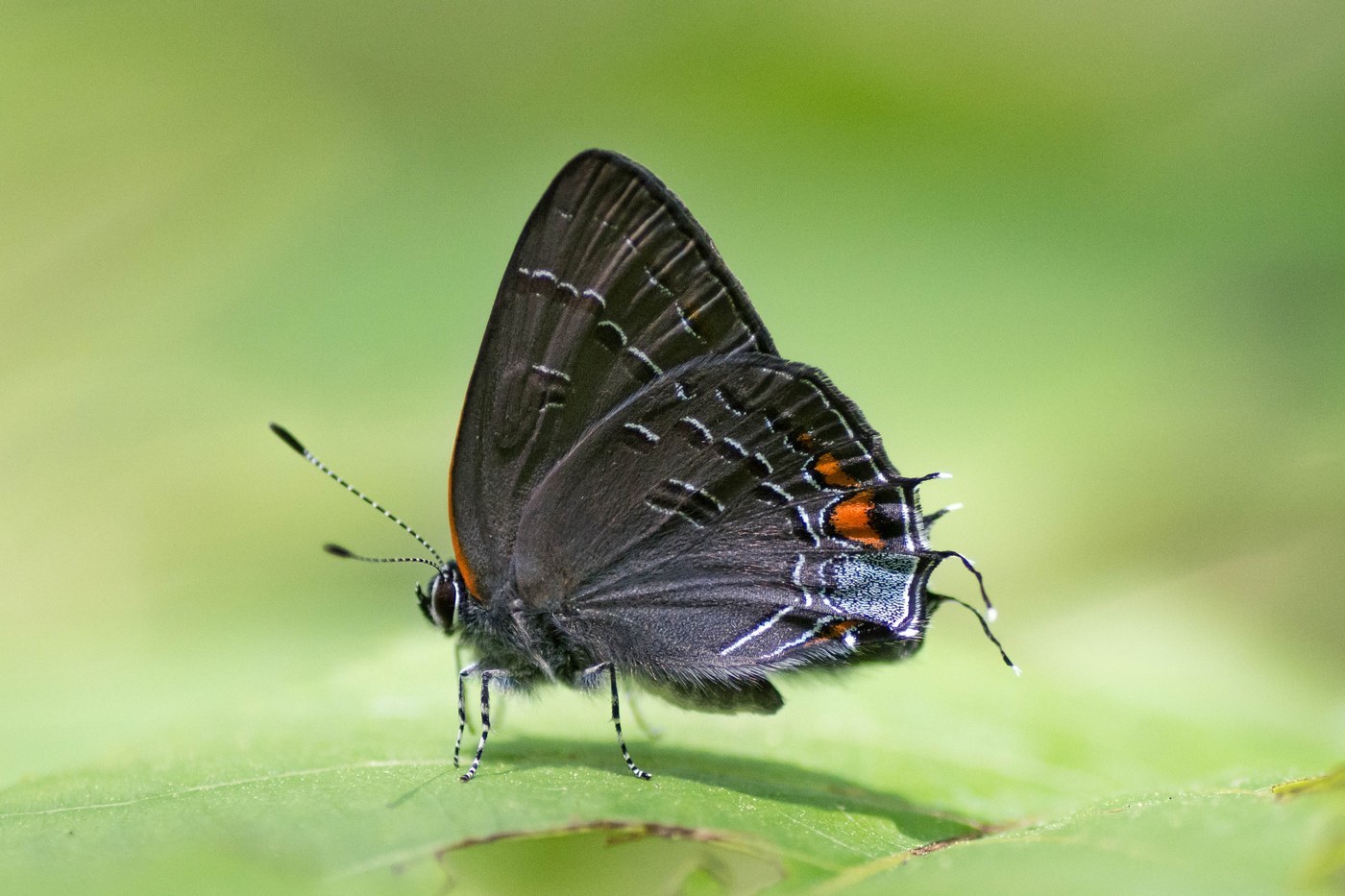
Banded Hairstreak
Deciduous woodlands and edges with oaks and hickories
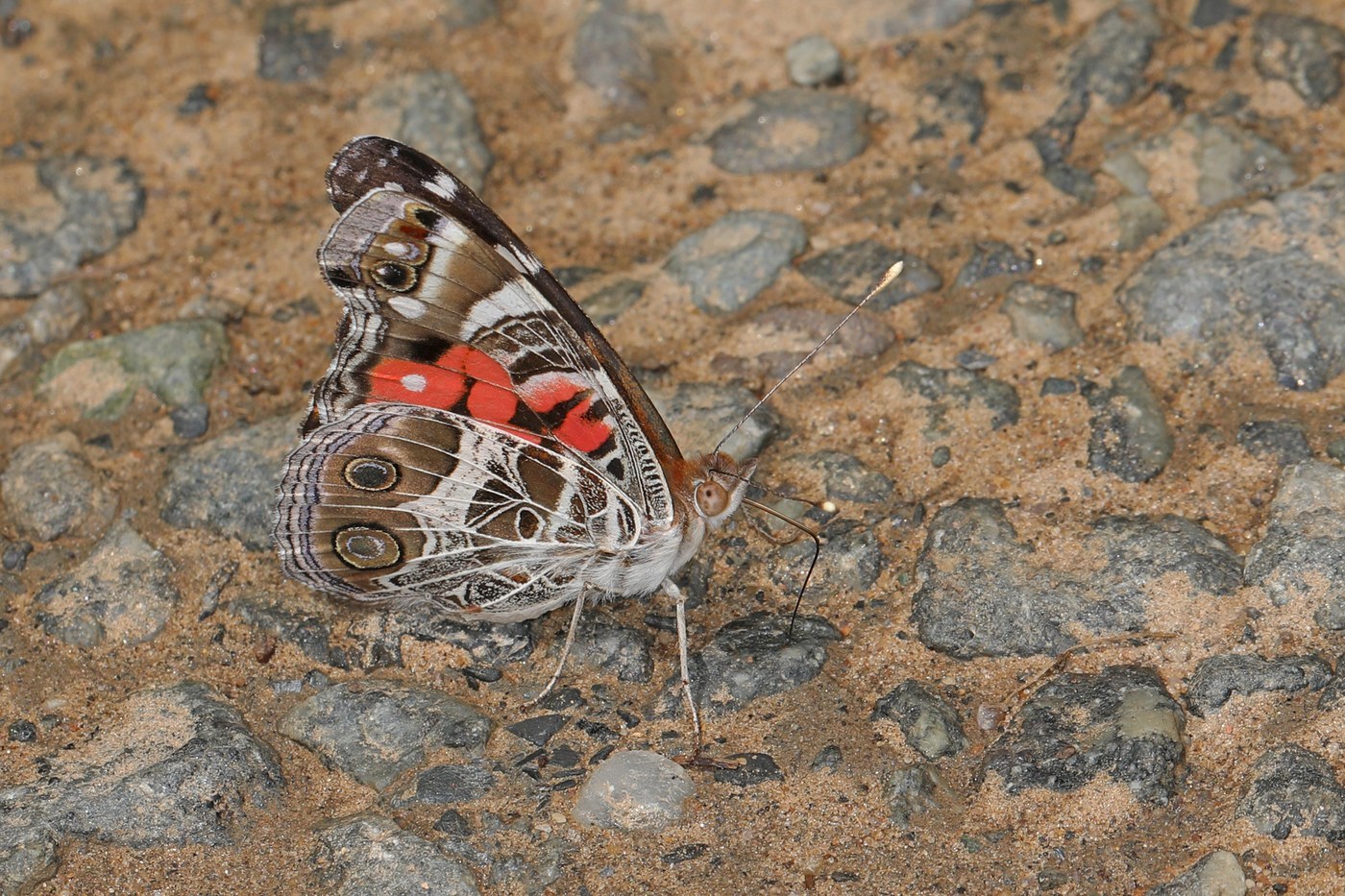
American Lady
Open fields, meadows, gardens, roadsides
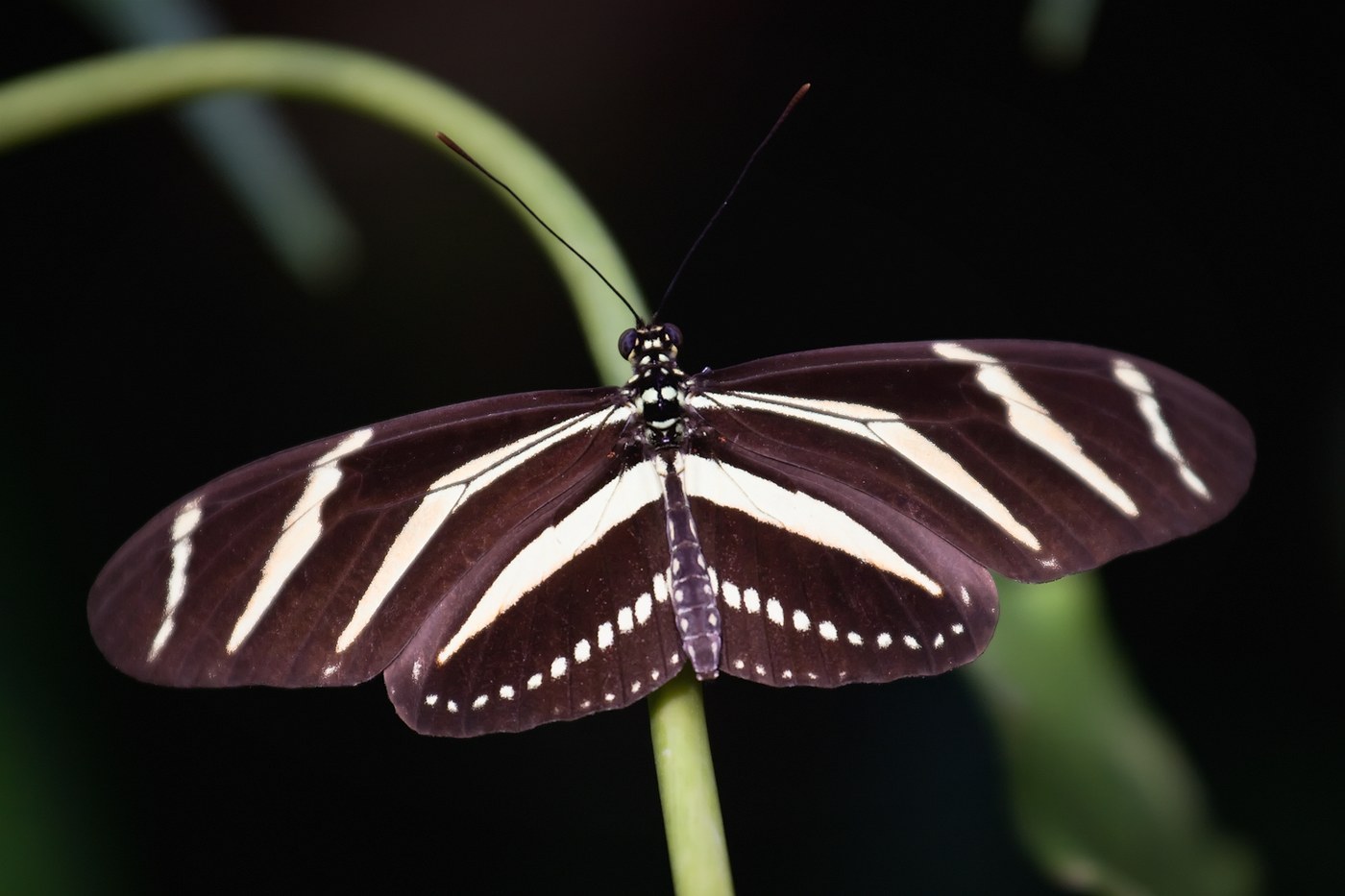
Zebra Longwing
Tropical hammocks, gardens, forest edges
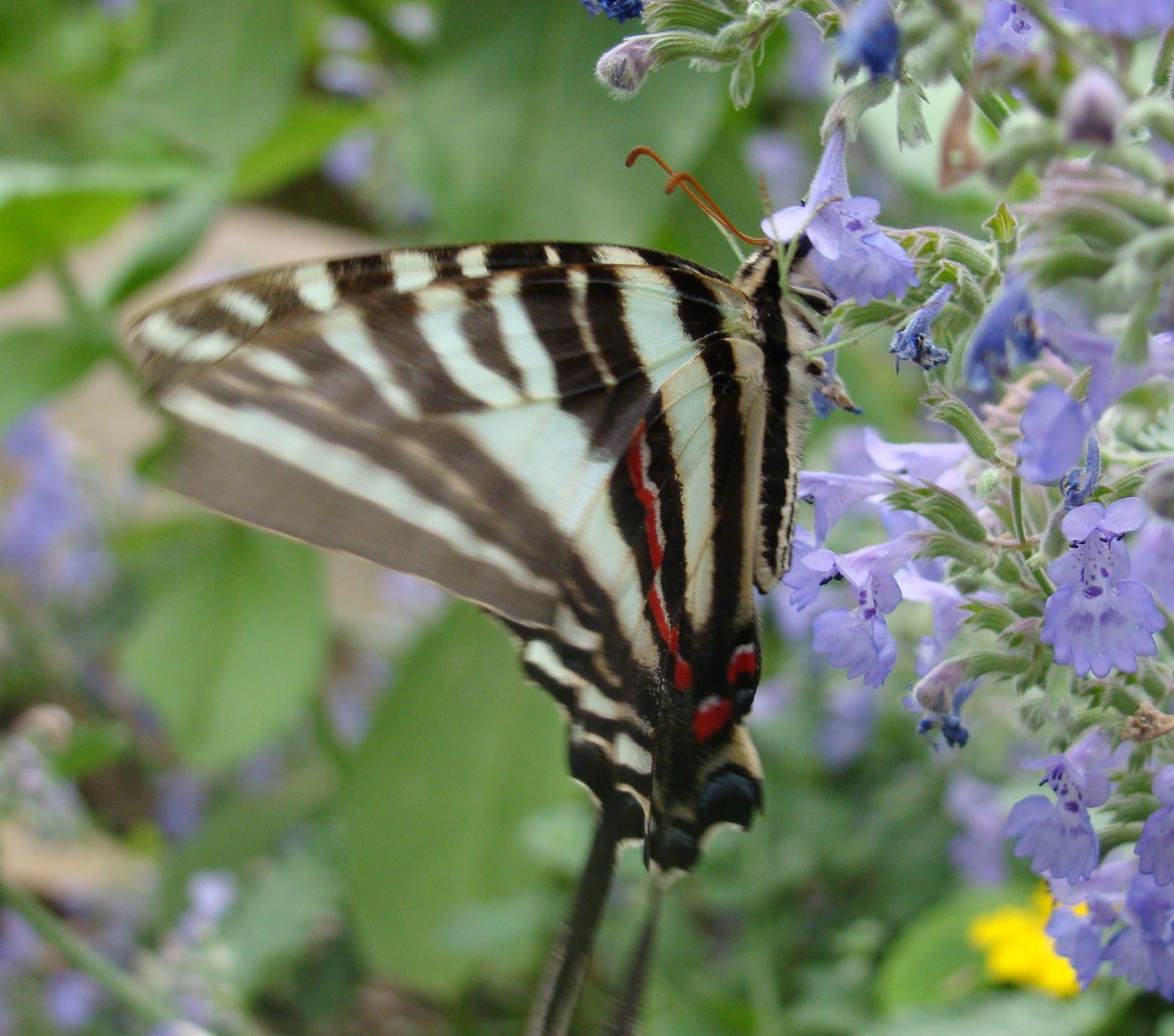
Zebra Swallowtail
Woodlands, floodplains, forest edges near pawpaw
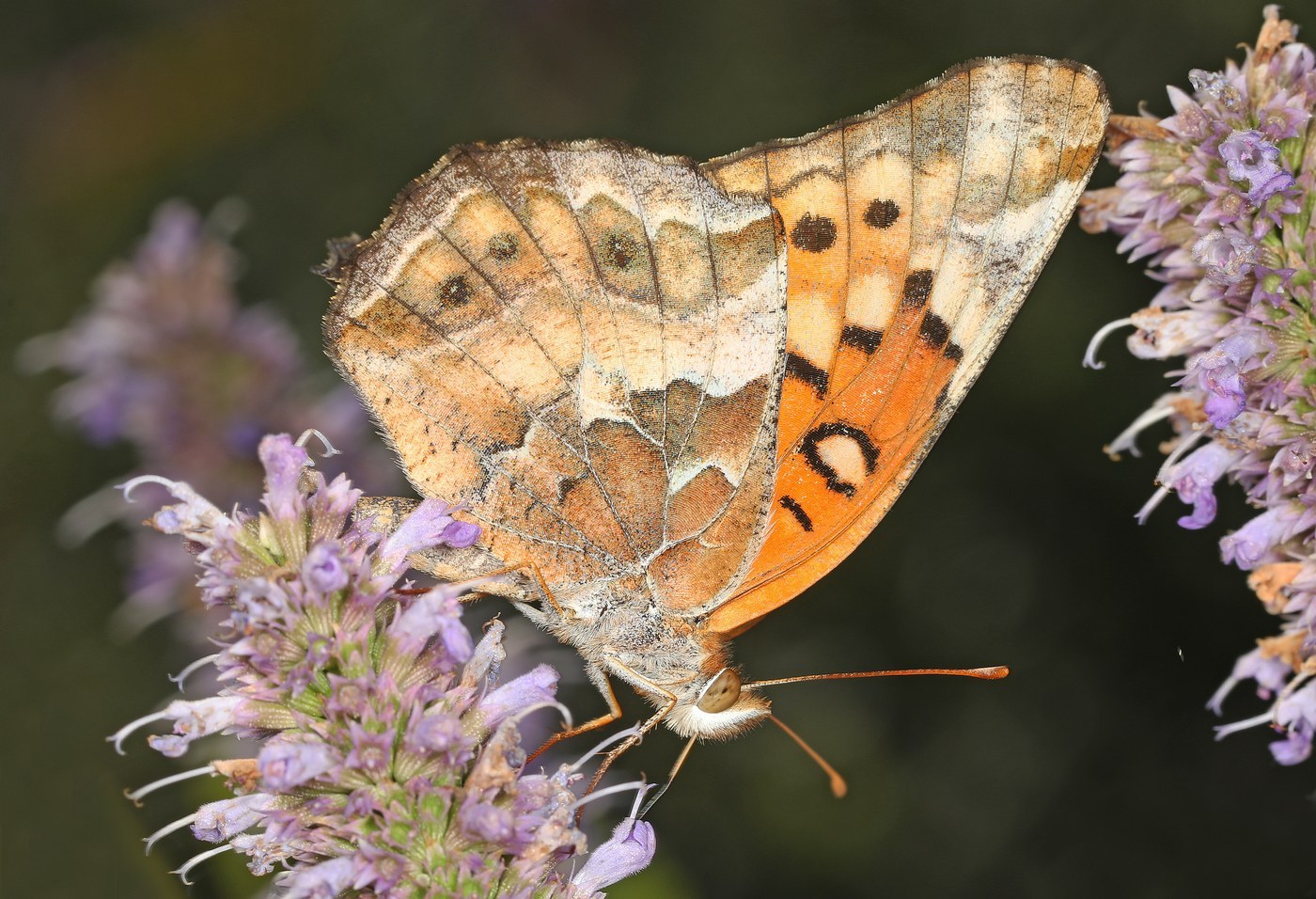
Variegated Fritillary
Open fields, prairies, roadsides, and disturbed ground across most of the United States
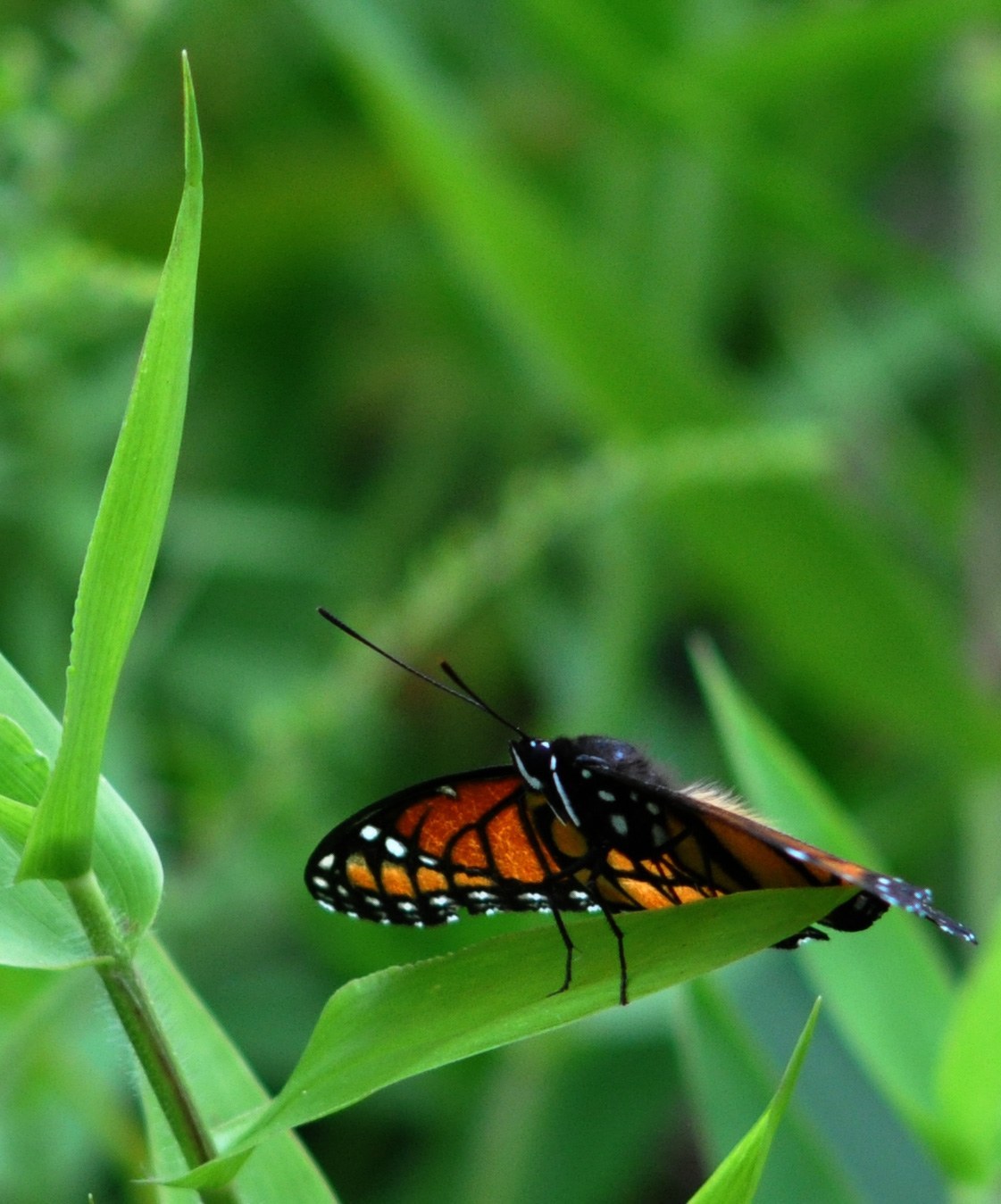
Viceroy Butterfly
Wetlands, meadows, riverbanks, willow thickets (North America)
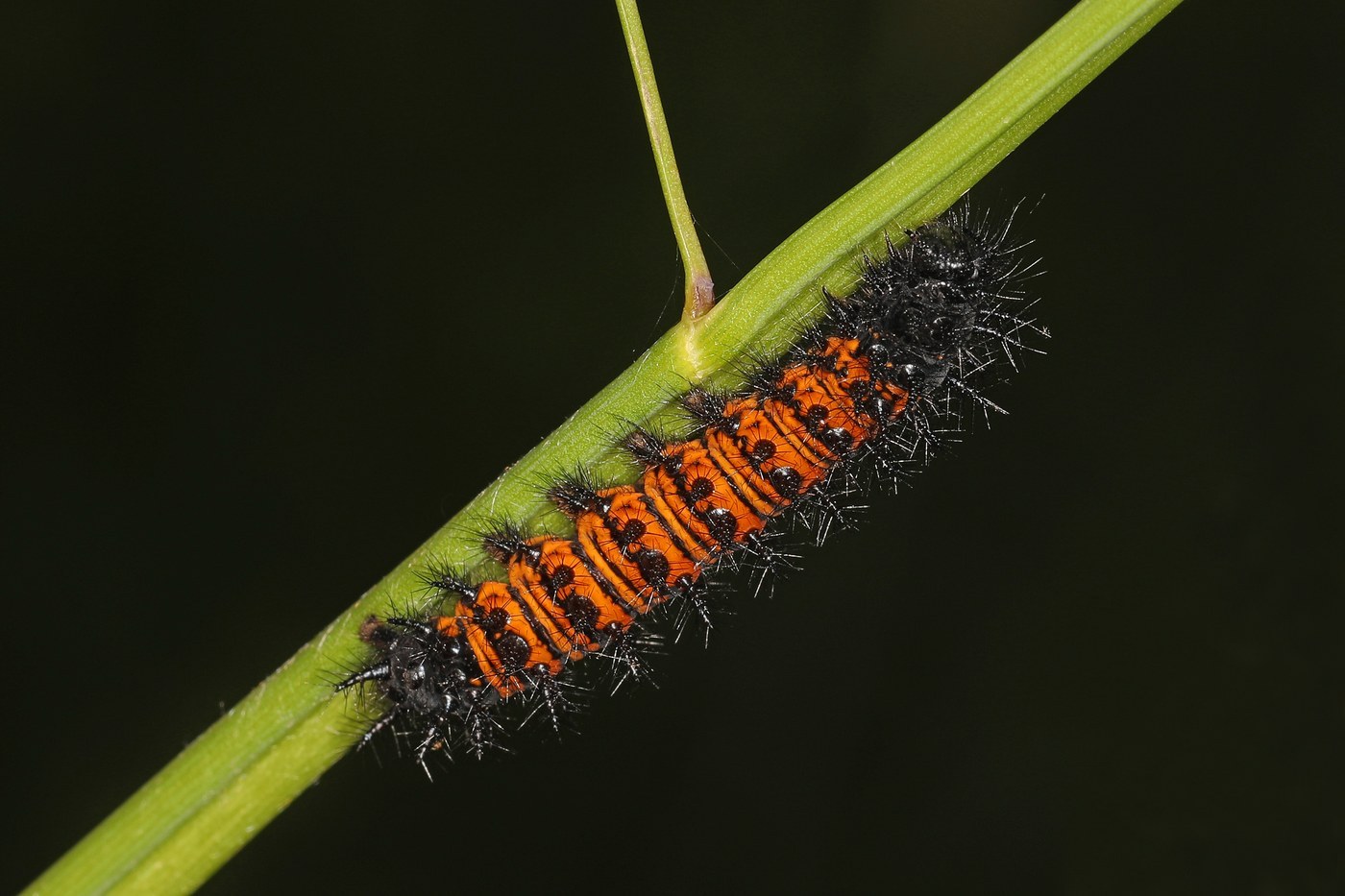
Baltimore Checkerspot
Wet meadows, bogs, and marshy fields in the northeastern and Appalachian US
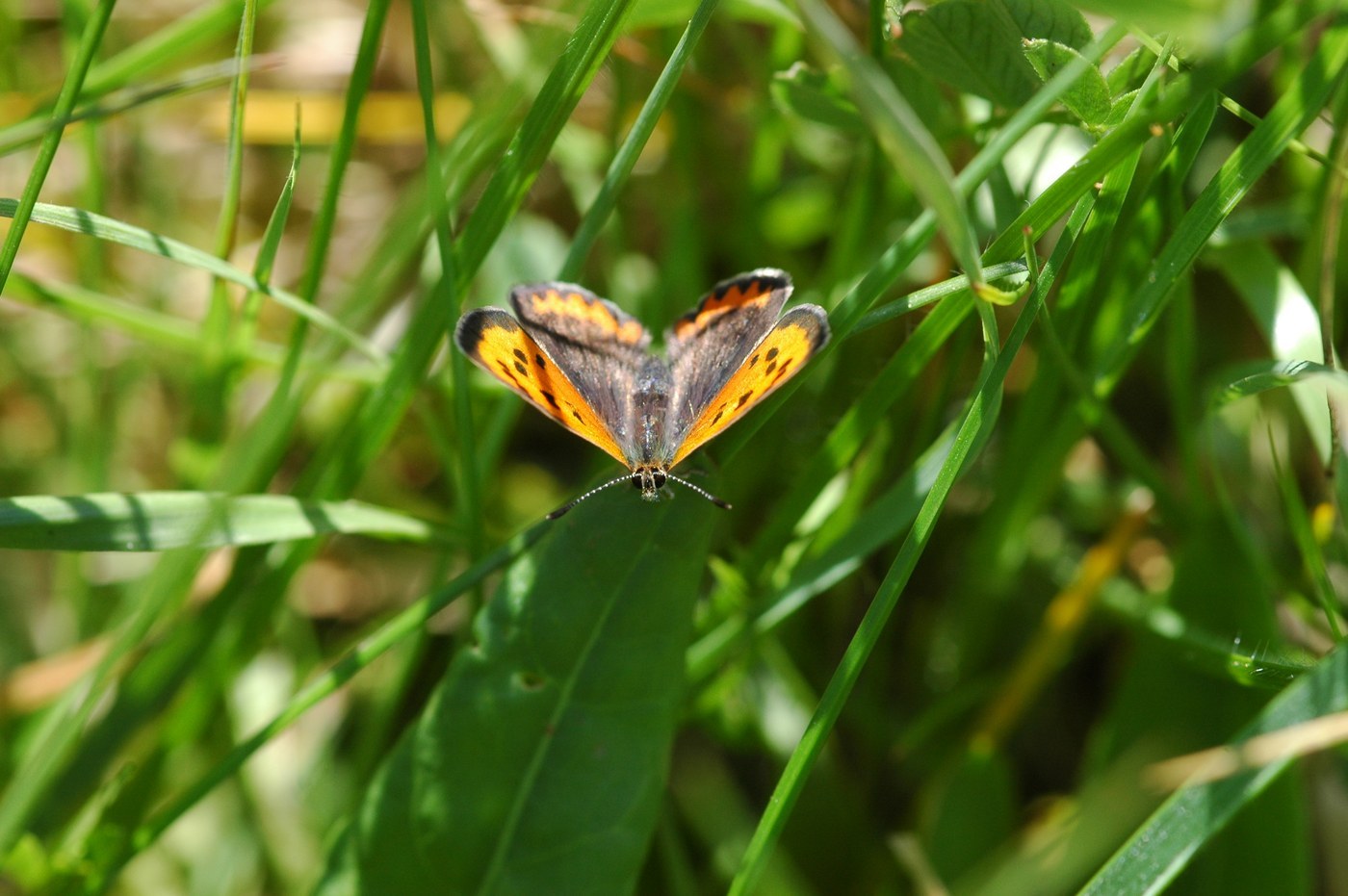
American Copper
Old fields, roadsides, and disturbed open ground with sorrel or dock
West Virginia White
Rich deciduous forest floors, especially near seeps and streams
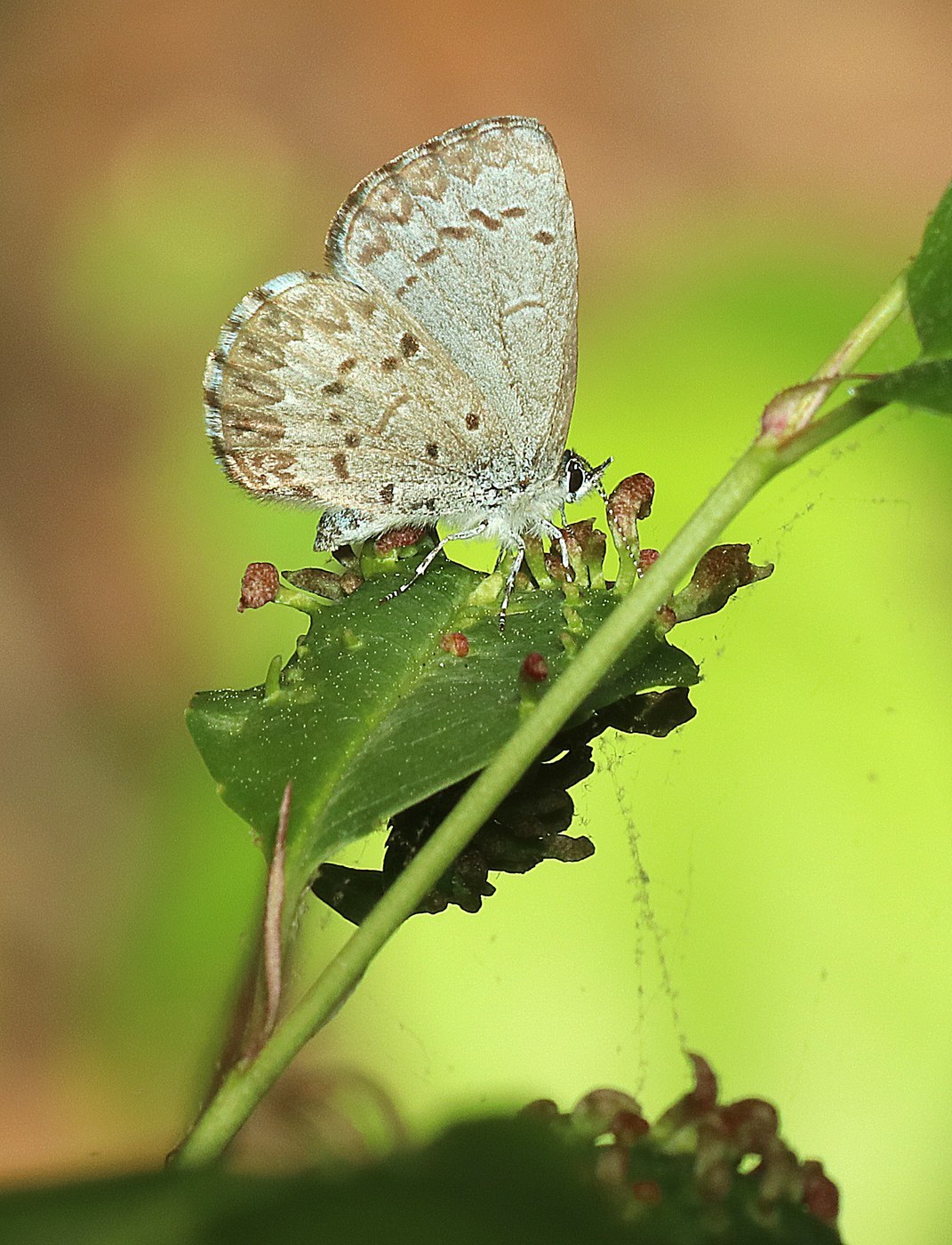
Spring Azure
Woodland edges, gardens, shrubby clearings
Red Admiral
Gardens, woodland edges, parks, meadows
Sleepy Orange
Open woodland, fields, roadsides, and disturbed ground