
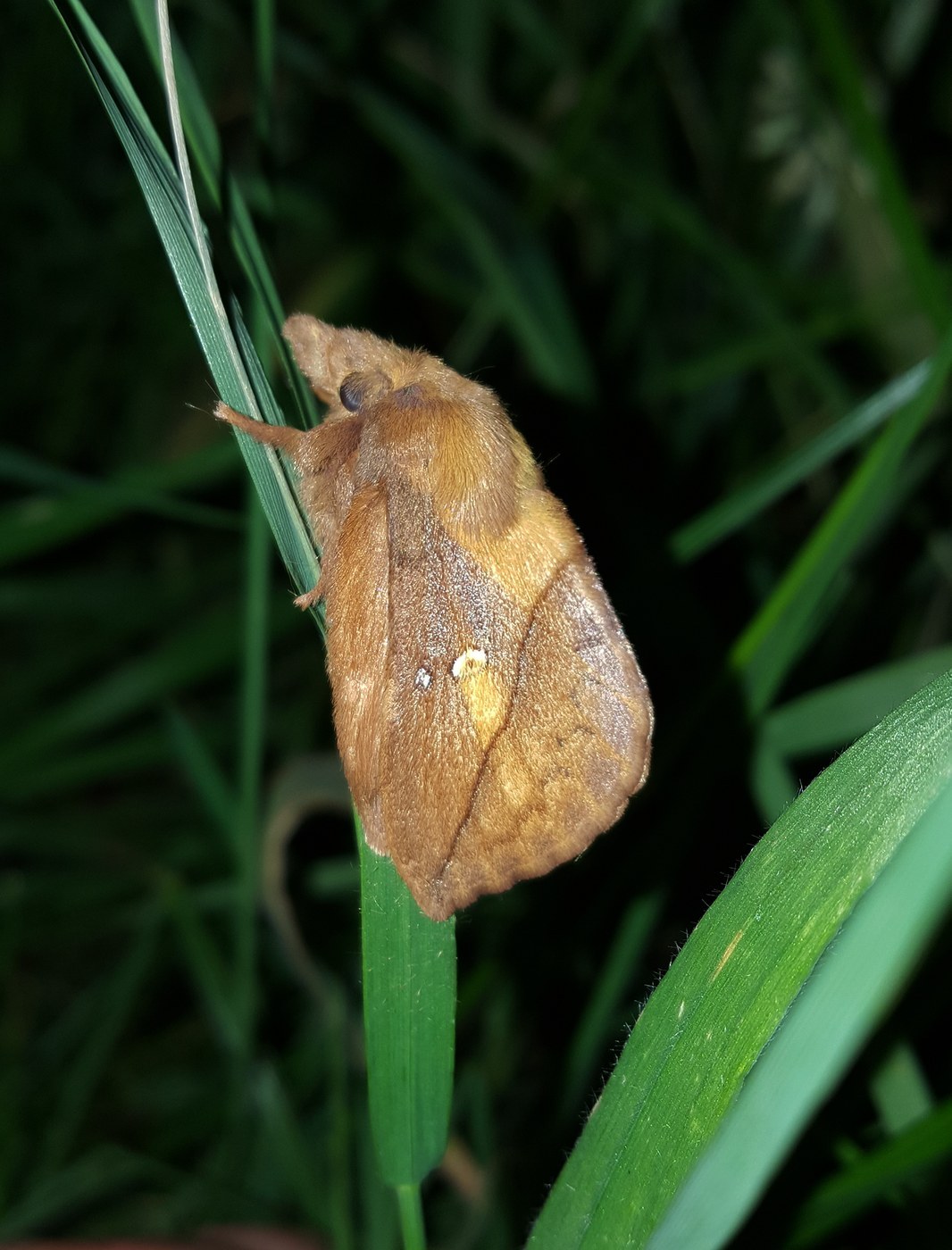
Drinker Moth
Euthrix potatoria
A stout, furry moth with warm tawny-orange to buff-brown wings marked by two small white spots on each forewing, named for its caterpillar's habit of drinking water droplets from grass blades.
- Size
- 45–65 mm wingspan
- Habitat
- Damp grassland, reedbeds, riversides, marshy meadows
- Danger
- Harmless
Spotted a bug like this?
Identify any bug or insect from a photo, free.
Overview
The Drinker Moth is another member of the eggar moth family Lasiocampidae, sharing the family's characteristic stout, hairy body and simple triangular wing shape. Its unusual common name derives not from the adult but from the larval caterpillar, which has long been observed drinking dew or raindrops collected on blades of grass, a distinctive behavior that gave the species its name.
Adults show a range of coloring from pale straw-yellow to rich reddish-tan, with males and females differing somewhat in size and shade, and both bearing a pair of small silvery-white spots on the forewing that are a useful identification feature. The species is a familiar sight in damp grassy habitats across its range.
Ecologically it is closely tied to lush, moisture-retentive grasses and sedges, making it an indicator species of well-vegetated wetland-edge and riverside habitats, and its large caterpillars form a conspicuous part of the grassland invertebrate community.
How to Identify
- Forewings are broad and triangular, colored from pale buff-yellow to reddish-tan depending on the individual, with two small silvery-white spots often visible near the center.
- Hindwings are plainer and similarly colored to the forewings.
- Body is stout and densely hairy, typical of eggar moths, with feathery antennae especially prominent in males.
- Females are generally larger and paler than males.
- The caterpillar is large, grey-brown, and covered in tufts of hair with a row of raised warts along its back.
- Lookalikes include other eggar moths, but the paired white forewing spots and grassland habitat help confirm identification.
Habitat & Range
Widespread across Europe and temperate Asia, strongly associated with damp, grassy habitats such as riverbanks, reedbeds, marshy meadows, and rough wet grassland where coarse grasses and sedges grow densely. Adults fly at night during summer, typically July and August, and are attracted to lights, while caterpillars are found low in grass tussocks from autumn through the following summer.
Behavior & Diet
Adults are nocturnal, resting by day low in grass or reeds where their coloring blends with dried grass stems, and flying at night to seek mates, with males attracted to the pheromones of stationary females. The caterpillars feed on a range of coarse grasses and reeds, and are notable for climbing up grass blades to drink water droplets, particularly dew, an unusual behavior among moth larvae that gave the species its common name. As grass-feeders in wetland-edge habitats, the caterpillars and adults form part of the food web supporting birds, small mammals, and other predators in these environments.
Life Cycle
Eggs are laid in rows on grass blades in summer. The caterpillars hatch and feed through autumn before overwintering while still small, sheltering low among grass tussocks. They resume feeding and grow substantially in spring and early summer before spinning a tough cocoon among grass stems, typically producing one generation per year with adults emerging in mid to late summer.
Frequently asked questions
Why is it called the Drinker Moth?
The name comes from its caterpillar, which is often seen drinking dew or water droplets collected on blades of grass.
How can I identify the adult moth?
Look for a stout, hairy body, triangular tawny to buff-colored wings, and two small silvery-white spots on each forewing.
Where does it live?
It favors damp grassy habitats such as riverbanks, reedbeds, and wet meadows where coarse grasses and sedges are abundant.
When are adults active?
Adults fly at night mainly during July and August and are commonly attracted to outdoor lights.
Drinker Moth guides
In-depth guides for identifying, understanding, and living alongside Drinker Moth.
Other bugs you may enjoy
Bagworm Moth
Coniferous and deciduous trees, shrubs, hedges
Antheraea Silkmoth
Deciduous forests, woodland edges, orchards
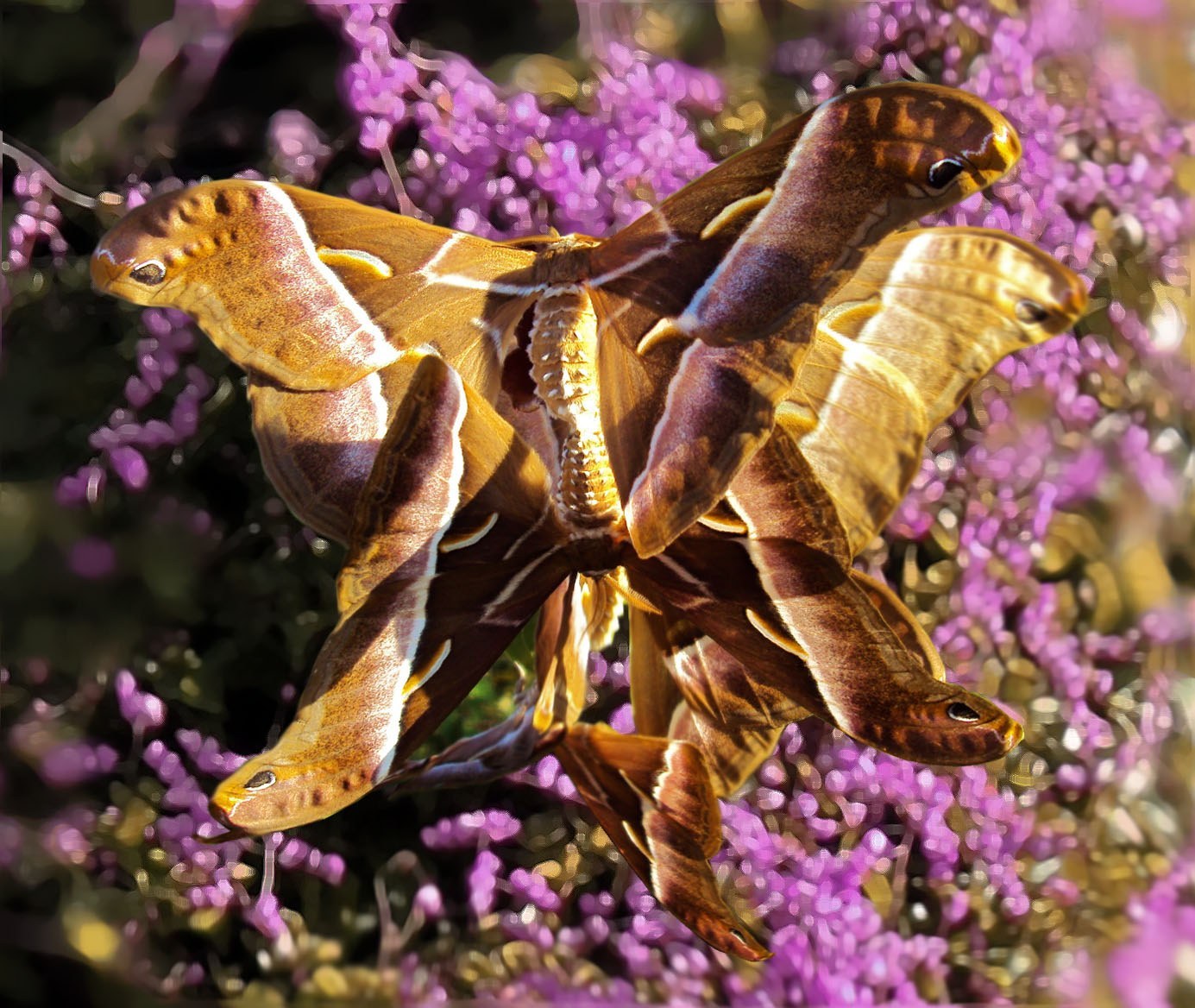
Ailanthus Silkmoth (Cynthia Moth)
Urban parks, wastelands, and woodland edges with tree-of-heaven; native to Asia, introduced in North America and Europe
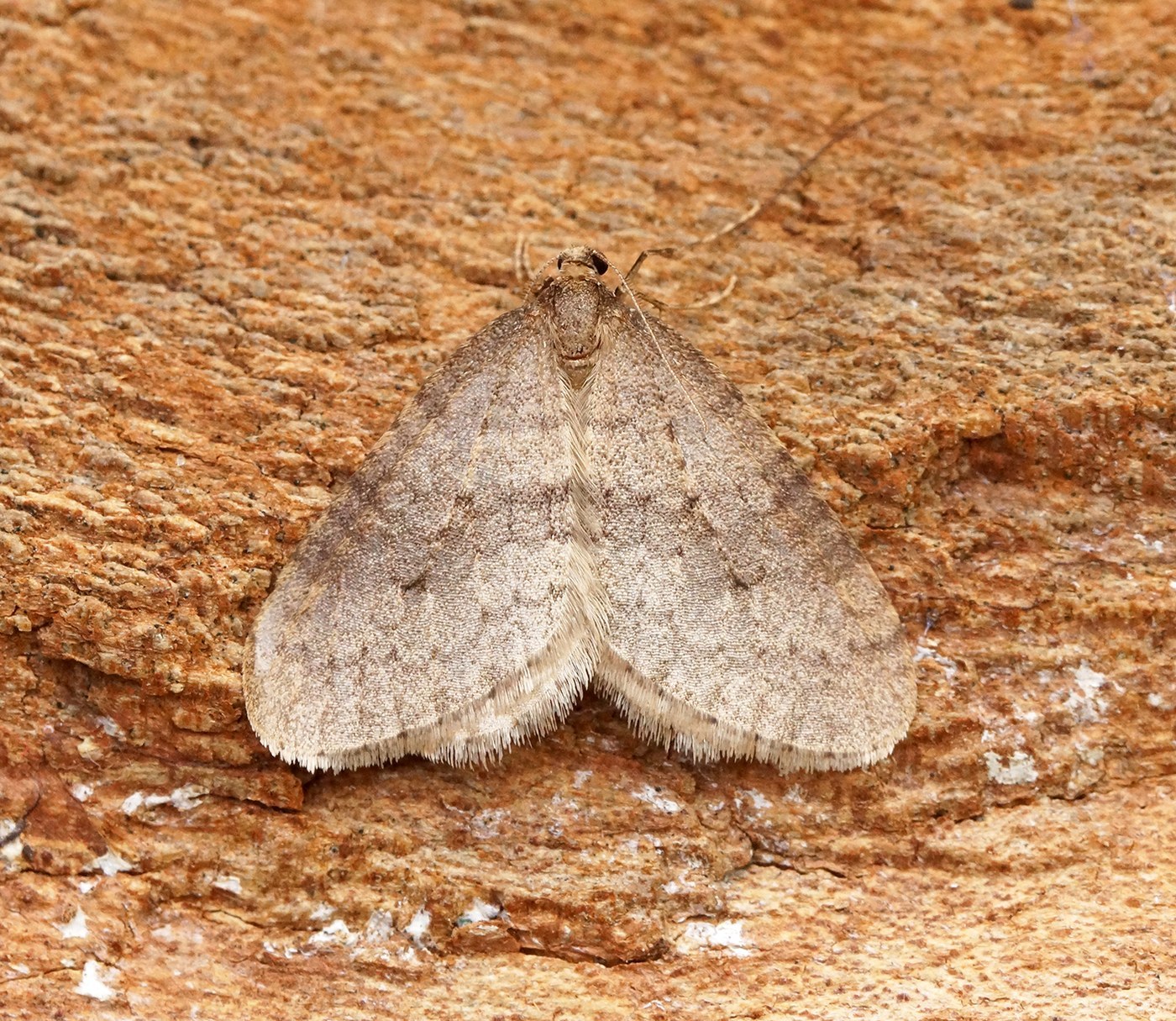
Winter Moth
Deciduous woodland, orchards, gardens, hedgerows
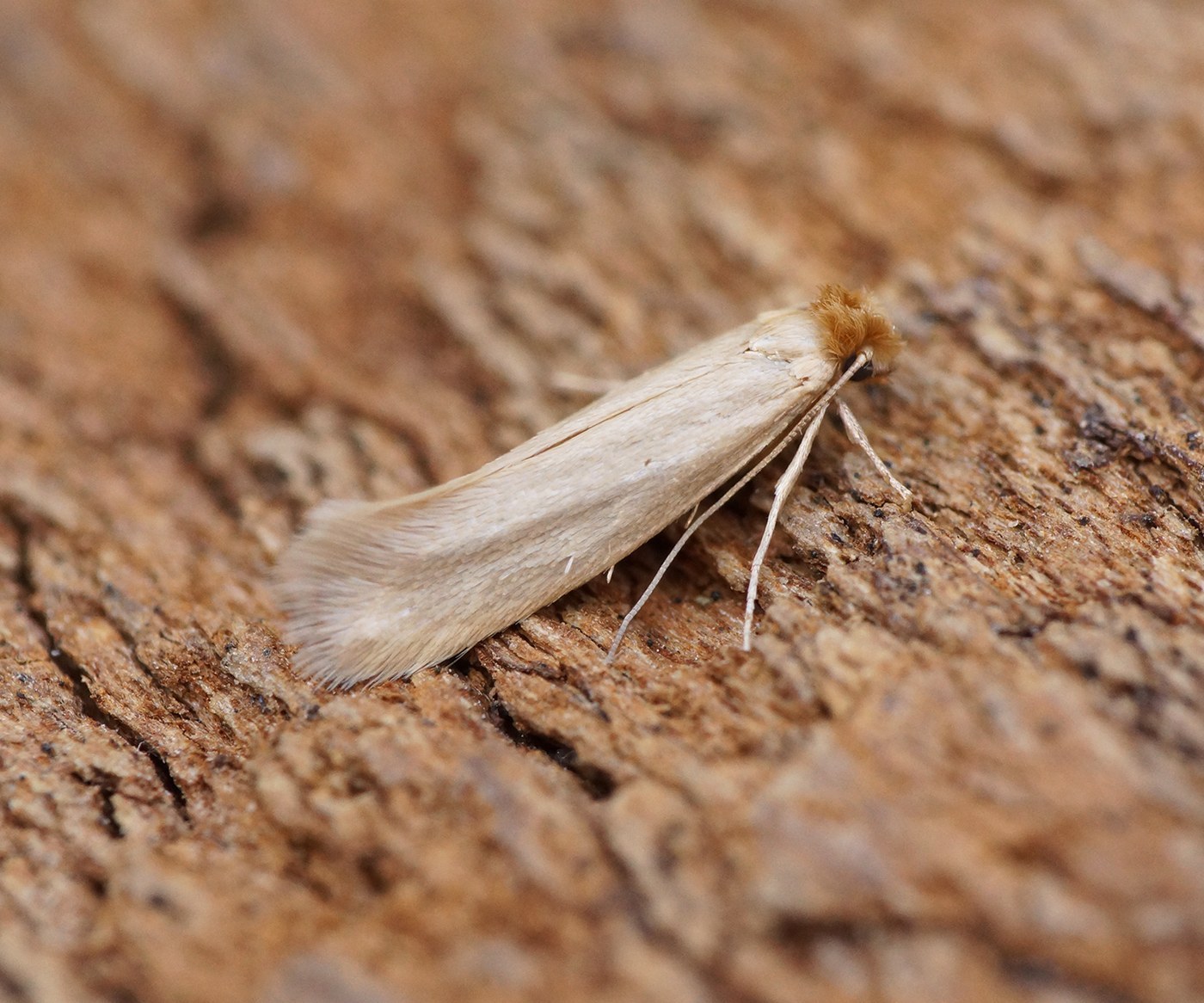
Webbing Clothes Moth
Dark closets, storage areas, and animal nests worldwide
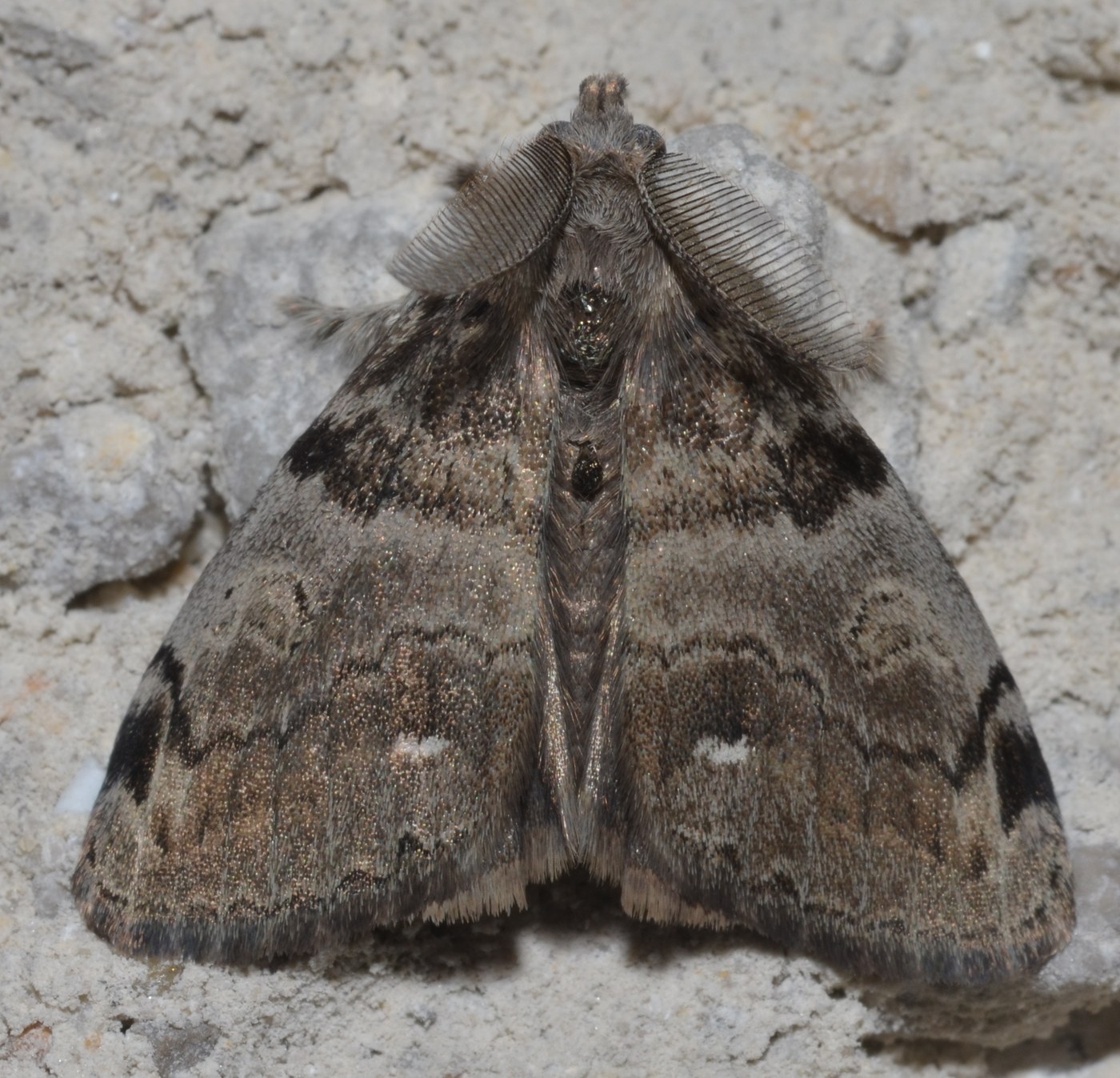
Tussock Moth
Deciduous forests, parks, gardens
Wax Moth
Beehives, apiaries, stored beeswax and comb
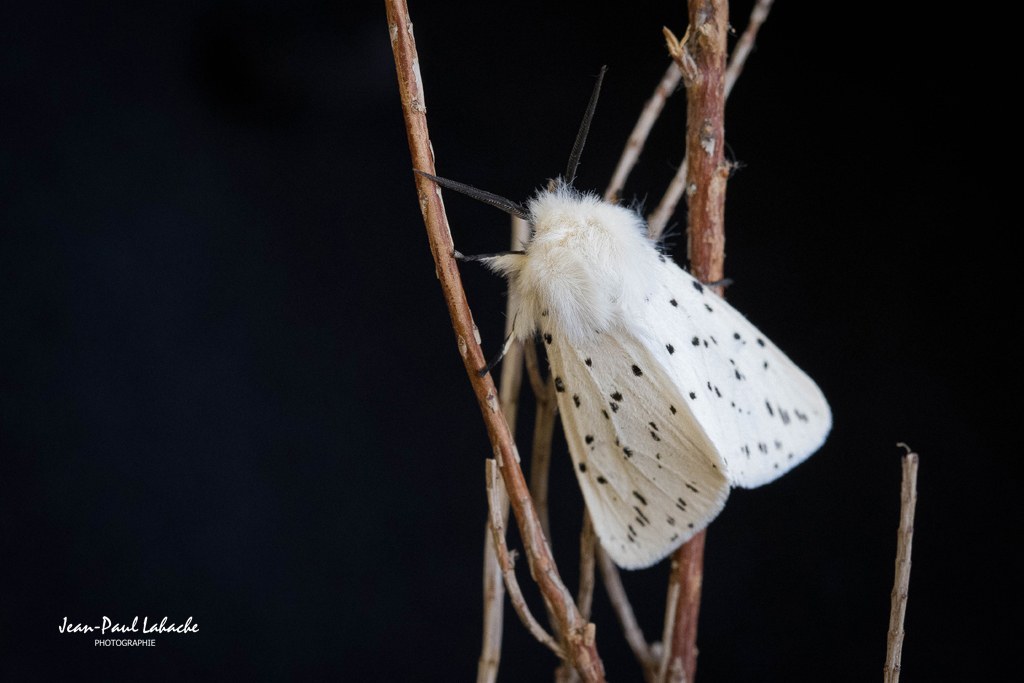
White Ermine Moth
Gardens, meadows, hedgerows
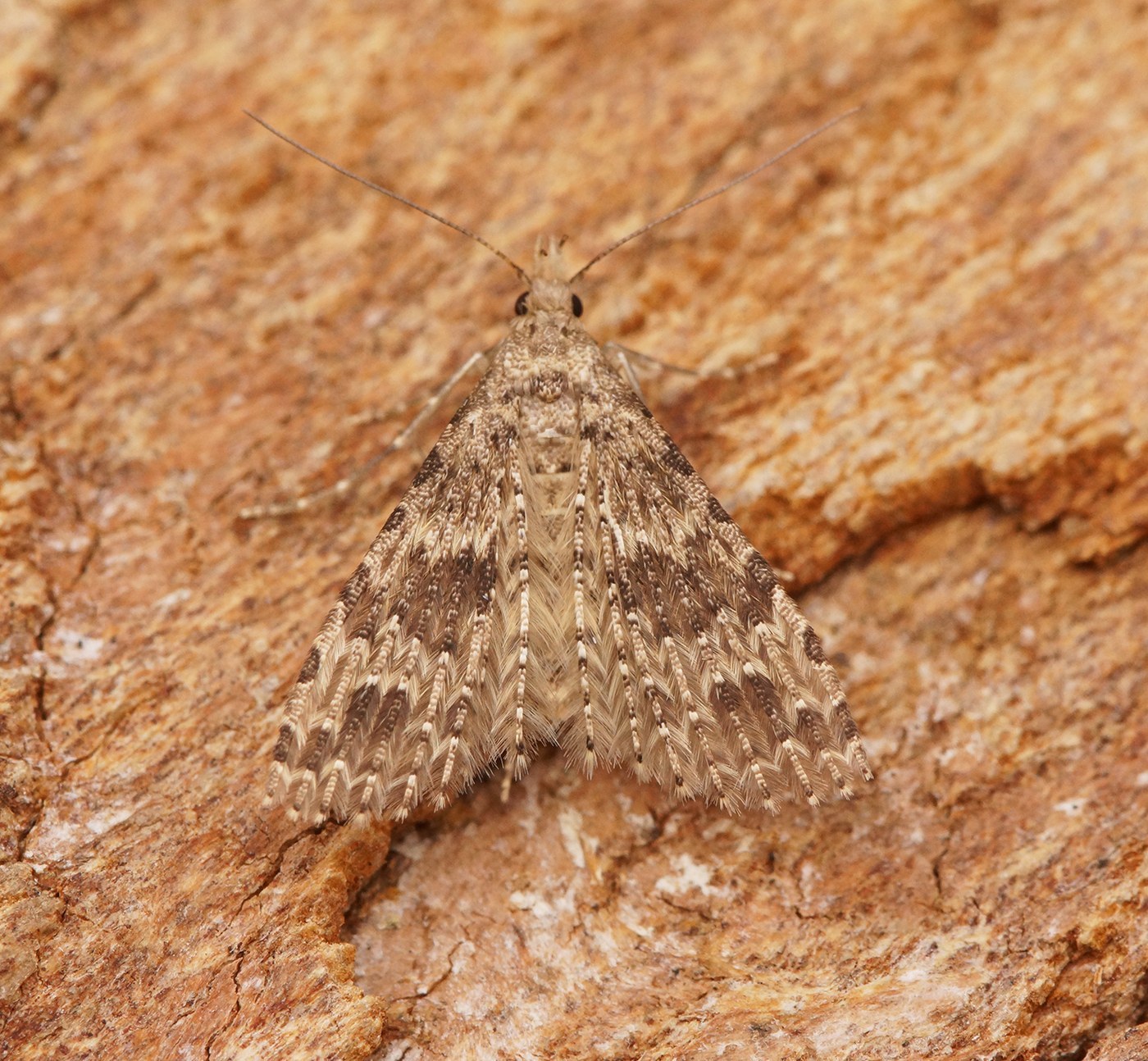
Twenty-plume Moth
Gardens, hedgerows, near honeysuckle
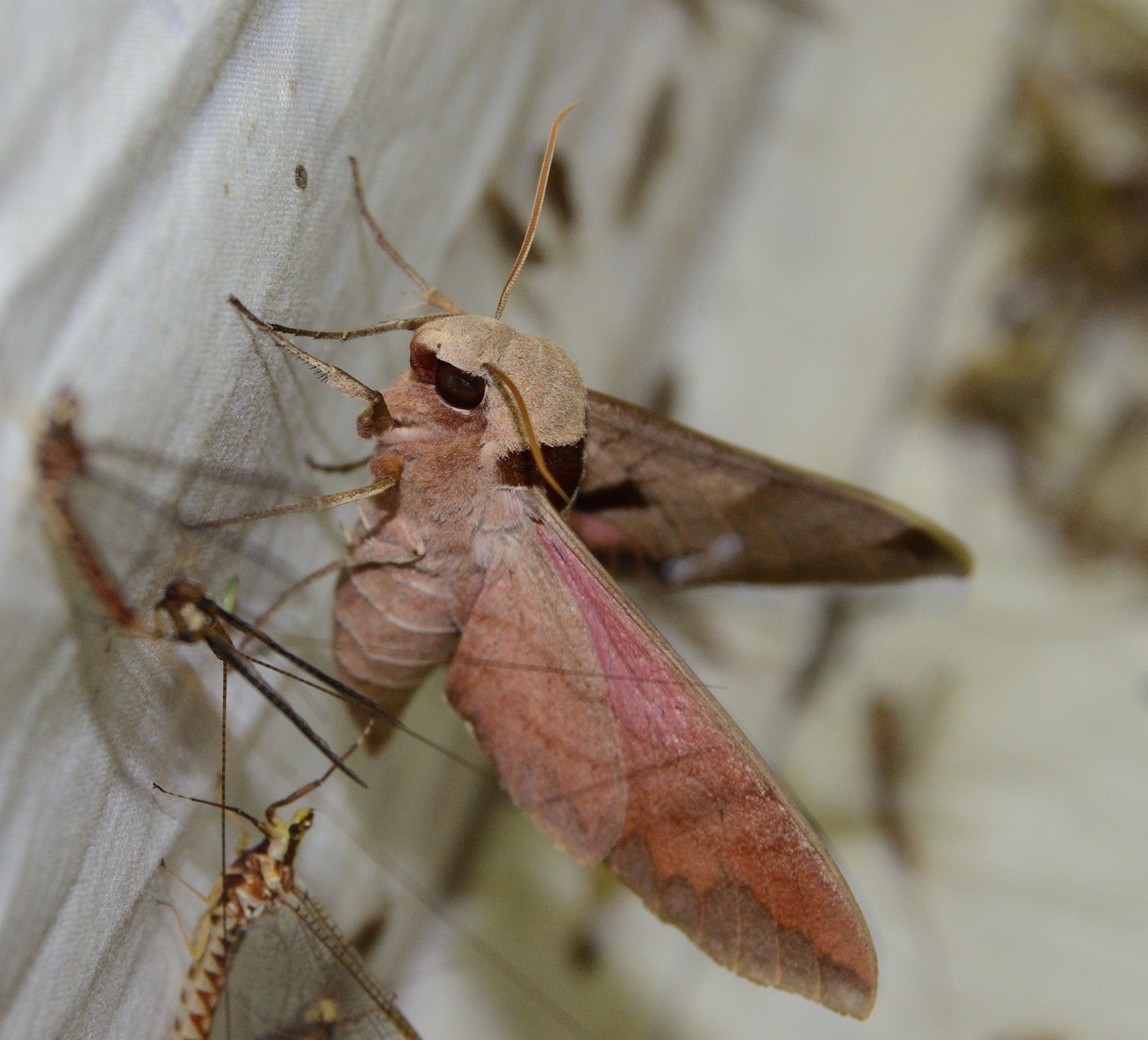
Achemon Sphinx Moth
Vineyards, woodland edges, gardens with wild grape
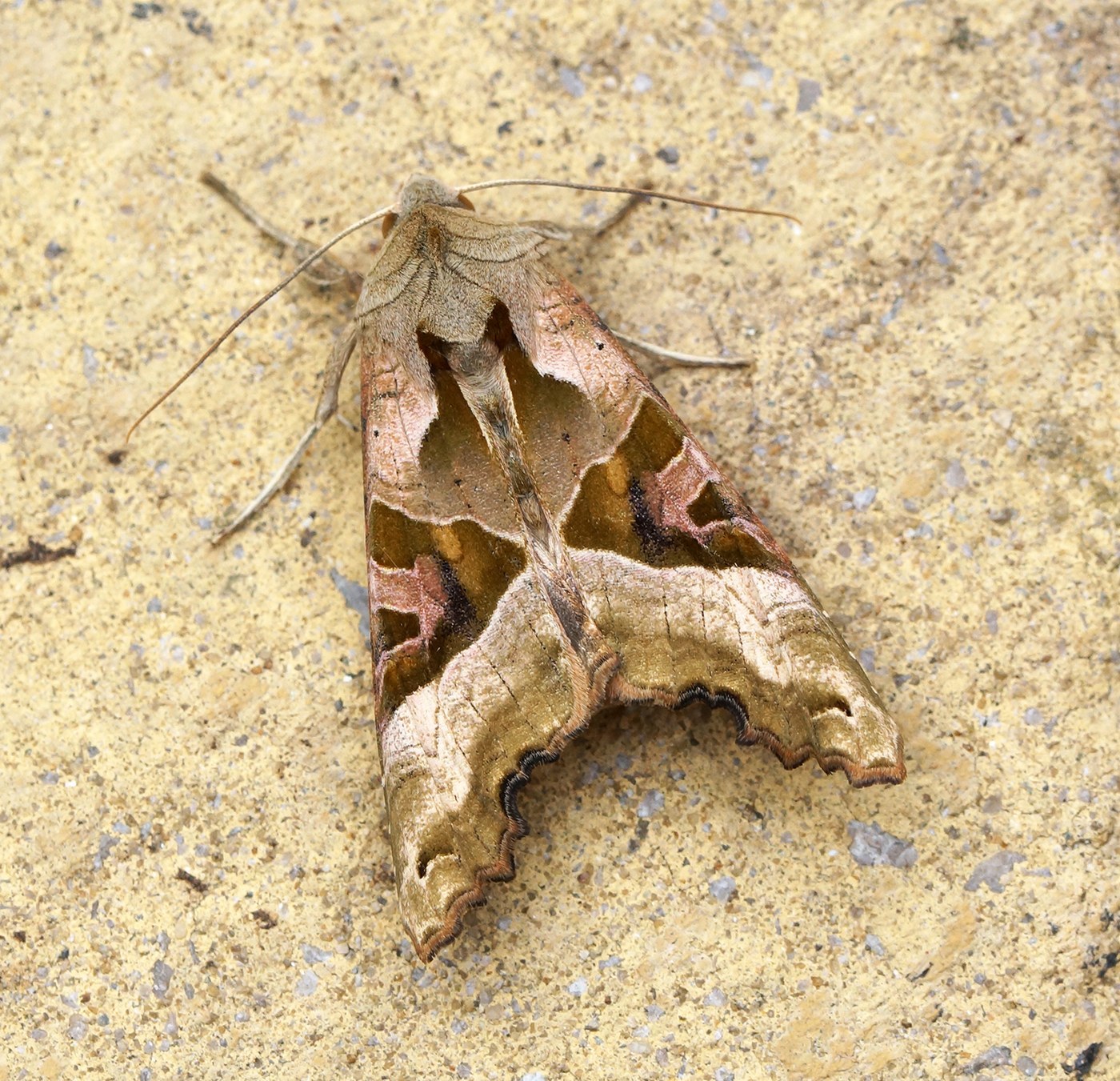
Angle Shades Moth
Gardens, hedgerows, woodland edges, urban parks
Atlas Moth
Tropical and subtropical lowland forests of Southeast Asia