
Dung Beetle
Scarabaeus spp.
A stout, often glossy black or metallic beetle famous for rolling, burying, or tunneling into animal dung, an unglamorous but ecologically vital habit that recycles nutrients back into the soil.
- Size
- 5–30 mm
- Habitat
- Grasslands, pastures, savannas, and woodlands wherever animal dung is available
- Danger
- Harmless
Spotted a bug like this?
Identify any bug or insect from a photo, free.
Overview
The dung beetle refers to a large and diverse group of beetles within the family Scarabaeidae, subfamily Scarabaeinae and related groups, found on every continent except Antarctica. These beetles are united not by close taxonomic relationship alone but by their shared and highly specialized ecological habit of using the dung of other animals as a primary food source and, in many species, as a brood chamber for their offspring.
Adults are typically stout, rounded to oval beetles, often glossy black, brown, or strikingly metallic green, blue, or bronze depending on species, with strong, often spade-like front legs adapted for digging and manipulating dung. Body forms vary considerably across the roughly several thousand known species, ranging from small tunneling species to large, robust rollers.
Dung beetles are widely recognized as ecologically vital insects, playing a major role in nutrient cycling, soil aeration, and the reduction of dung accumulation in grassland and pasture ecosystems, making them one of the more ecologically significant beetle groups despite their humble feeding habits.
How to Identify
- Adults are typically stout and rounded to oval-bodied, ranging widely in size from about 5 to 30 mm depending on species, with coloration from dull black or brown to brilliant metallic green, blue, or copper in some species.
- Front legs are often broad, flattened, and equipped with strong tooth-like projections adapted for digging and cutting through soil or dung.
- Many species have a smooth, domed, glossy exoskeleton, while some possess horn-like projections on the head or thorax, particularly in males of certain species.
- Behavior is a strong identification aid: dung beetles are broadly grouped into rollers, which form dung into balls and roll them away, tunnelers, which bury dung directly beneath or near the dung pile, and dwellers, which live within the dung mass itself.
- Antennae are short and clubbed, ending in a fan-like set of plates typical of scarab beetles, which can be spread to detect odors.
Habitat & Range
Dung beetles are found worldwide on every continent except Antarctica, wherever suitable animal dung is available, including grasslands, savannas, pastures, woodlands, and forests. Different species show varying preferences for the dung of particular animals, ranging from large herbivores such as cattle and elephants to smaller mammals.
Activity patterns vary by species and region, with many active during the day and others active at dusk or night, particularly in warmer climates. In temperate regions, activity is concentrated during the warmer months when host animal dung and suitable soil conditions are most available, while some species overwinter as adults or larvae in underground burrows.
Behavior & Diet
Dung beetles feed on the liquid and fine particulate components of dung, using it as both a food source for adults and, in most species, as the material in which eggs are laid and larvae develop. Rolling species form dung into a compact ball, which they roll away from the source, often navigating using orientation cues from the sun, moon, or even the Milky Way in some studied species, before burying it for feeding or breeding. Tunneling species instead dig directly beneath or beside a dung pile to create underground chambers stocked with dung, while dweller species simply live and breed within the dung mass itself.
By rapidly processing and burying dung, these beetles play an important ecological role in nutrient cycling, aerating and fertilizing soil, and reducing the buildup of waste material and associated pest flies in pastures and grasslands. Their behavior of forming and rolling near-perfect spherical dung balls has made rolling dung beetles a subject of considerable interest in the study of animal navigation and orientation.
Life Cycle
Dung beetles undergo complete metamorphosis, passing through egg, larva, pupa, and adult stages. In most species, females lay a single egg within a prepared ball or underground chamber of dung, which serves as both protective shelter and food source for the developing larva.
Larvae are plump, C-shaped grubs that feed entirely on the surrounding dung within their brood chamber, growing through several instars before pupating within the same protected space. After pupation, the fully formed adult digs its way out of the brood chamber to the surface. Depending on species and climate, dung beetles may produce one to several generations per year, with some species overwintering as adults in underground burrows and others as late-stage larvae or pupae awaiting favorable conditions to emerge.
Frequently asked questions
Why do dung beetles roll balls of dung?
Rolling species shape dung into a ball to transport it away from the original dung pile and competing beetles, later burying it underground for feeding or as a brood chamber for their eggs.
Are all dung beetles rollers?
No, many species are tunnelers that bury dung directly beneath or beside the pile, and others, called dwellers, live and breed within the dung mass itself without rolling or burying it.
What ecological benefit do dung beetles provide?
By rapidly burying and processing dung, they help recycle nutrients into the soil, improve soil aeration, and reduce the buildup of waste material in pastures and grasslands.
How do rolling dung beetles find their way in a straight line?
Studies have shown that some rolling species use celestial cues, including the position of the sun, moon, or patterns of polarized light and even the Milky Way, to help orient their path away from a dung pile.
Dung Beetle guides
In-depth guides for identifying, understanding, and living alongside Dung Beetle.
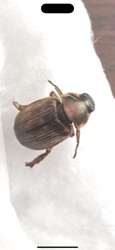
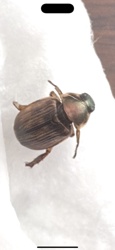
Dung Beetle identified by the community
Real finds identified with Bug Identifier.

Other bugs you may enjoy
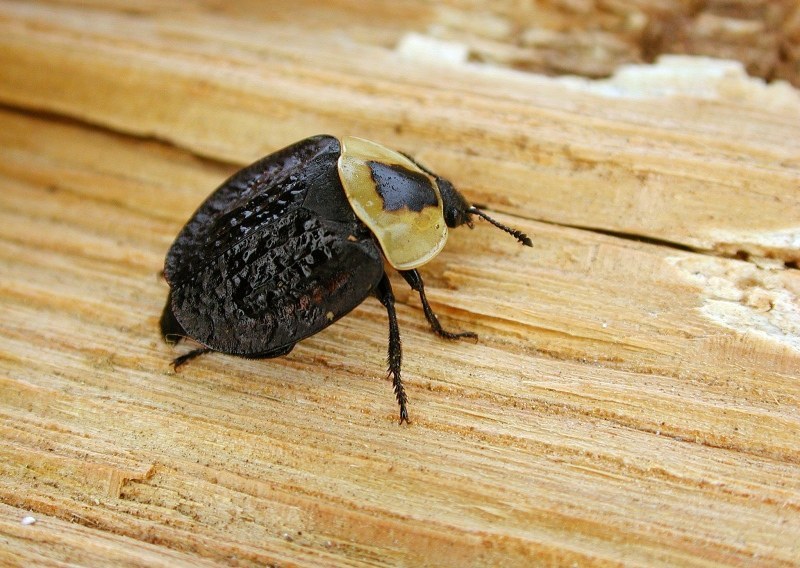
American Carrion Beetle
Forests, fields, and roadsides across North America, near decaying animal carcasses
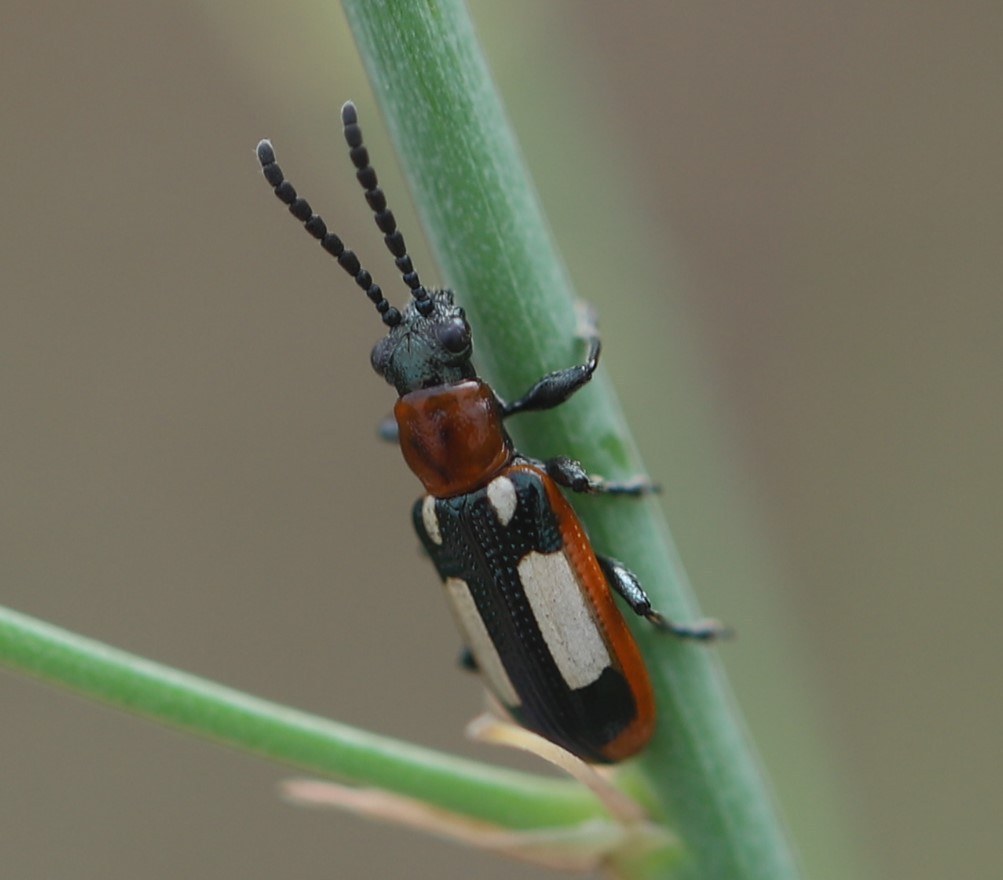
Asparagus Beetle
Asparagus patches, gardens, and farm fields
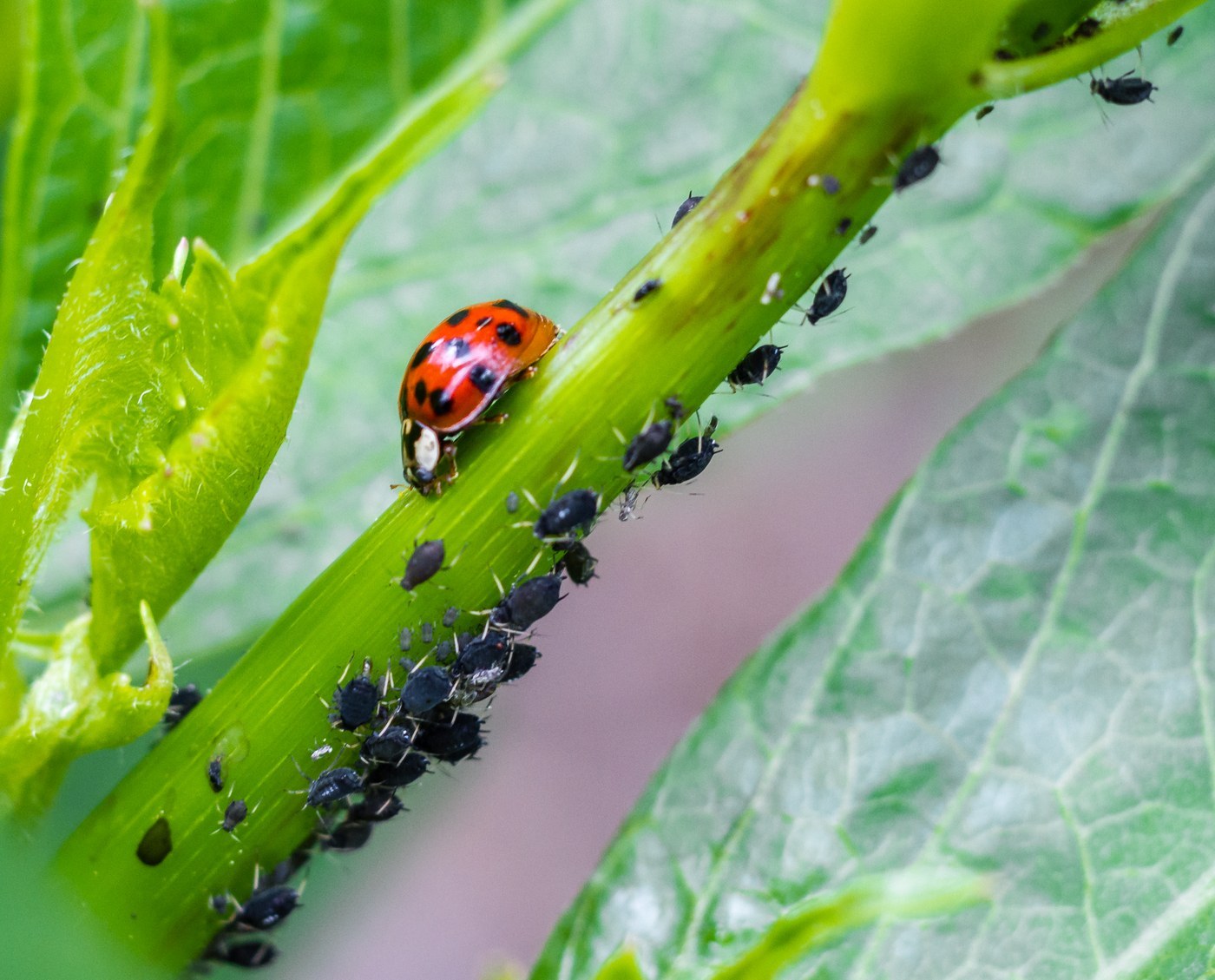
Asian Lady Beetle
Gardens, crop fields, woodlands, buildings
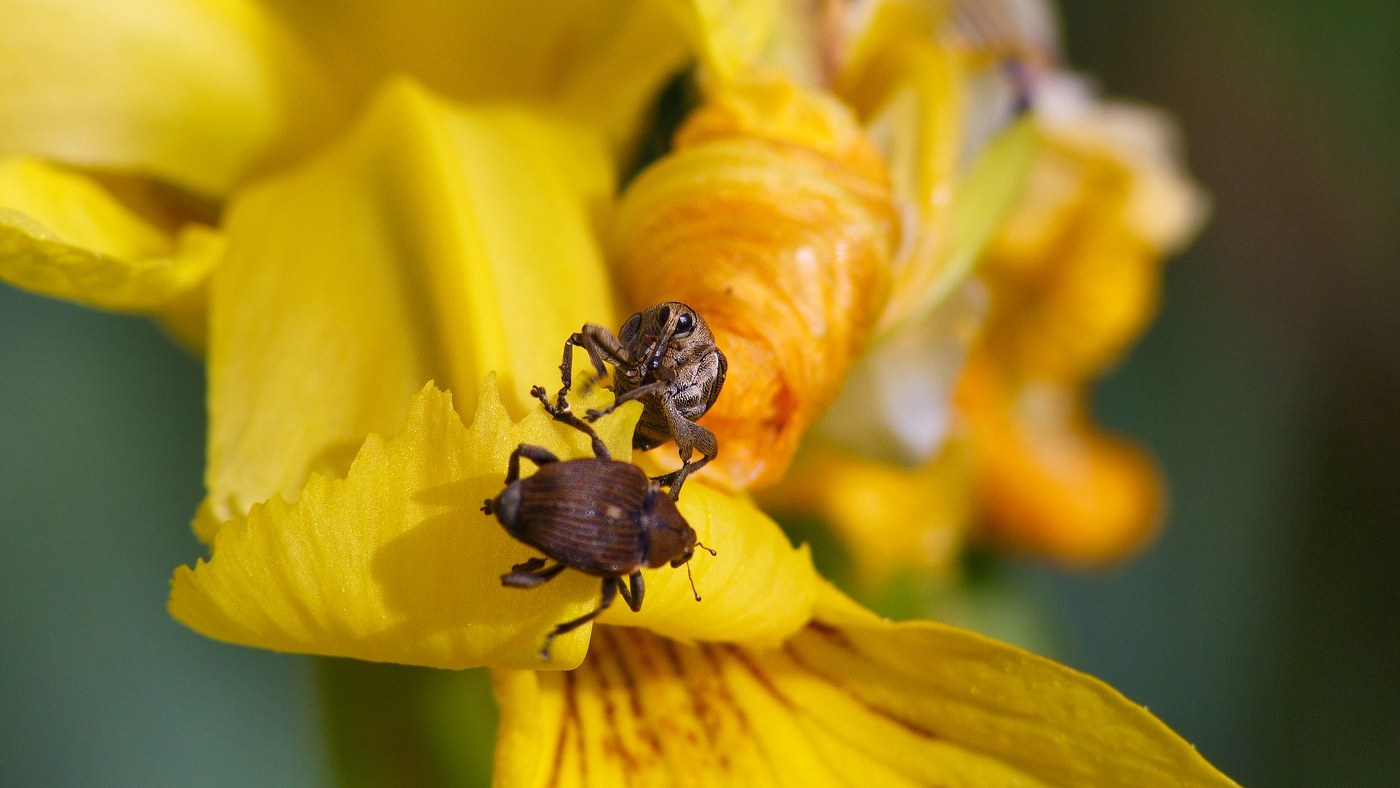
Acorn Weevil
Oak woodlands and forests, on and beneath oak trees
Wireworm
Soil of grasslands, gardens, and cultivated fields worldwide
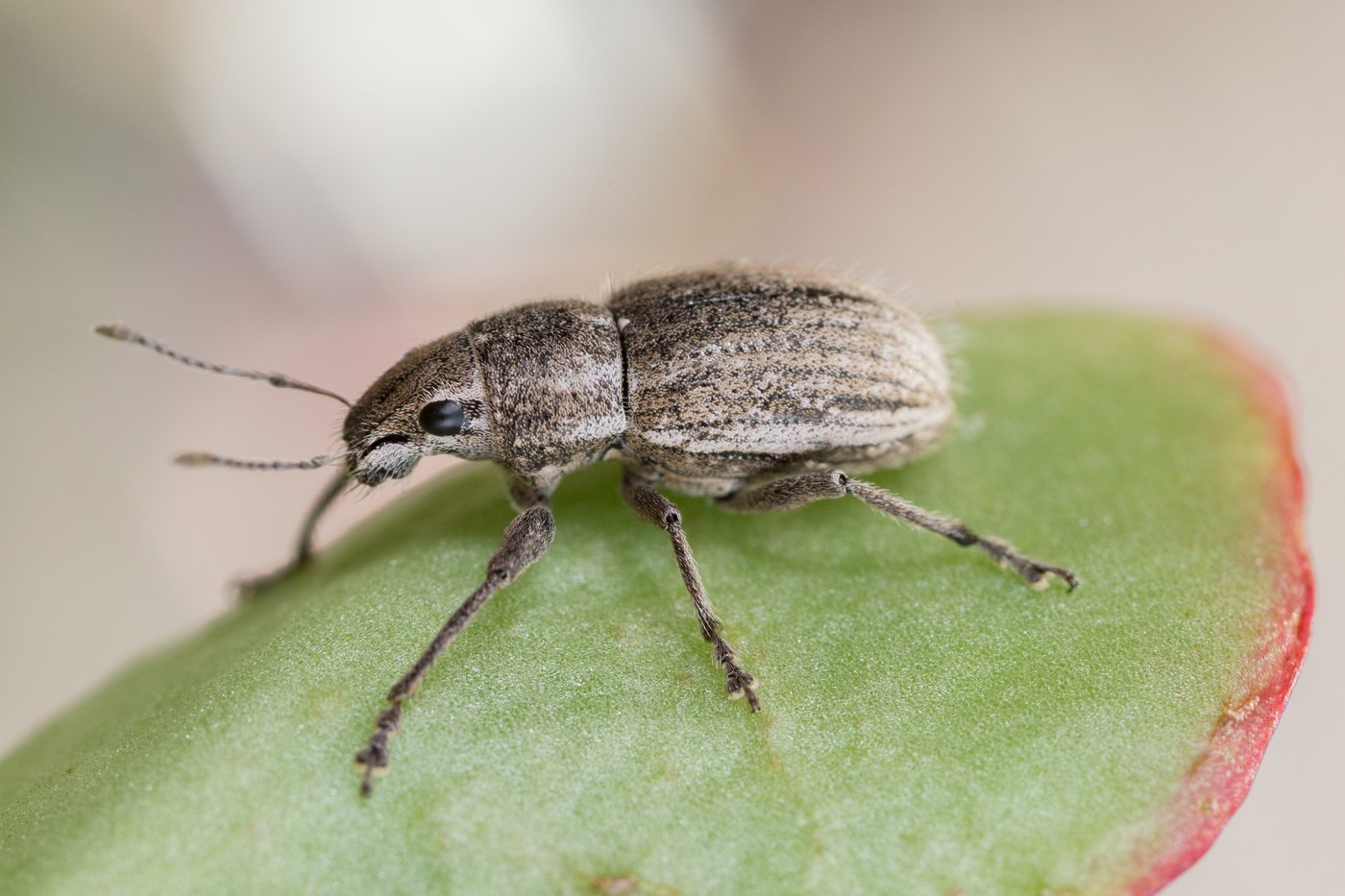
Whitefringed Beetle
Pastures, row crops, lawns, disturbed soils
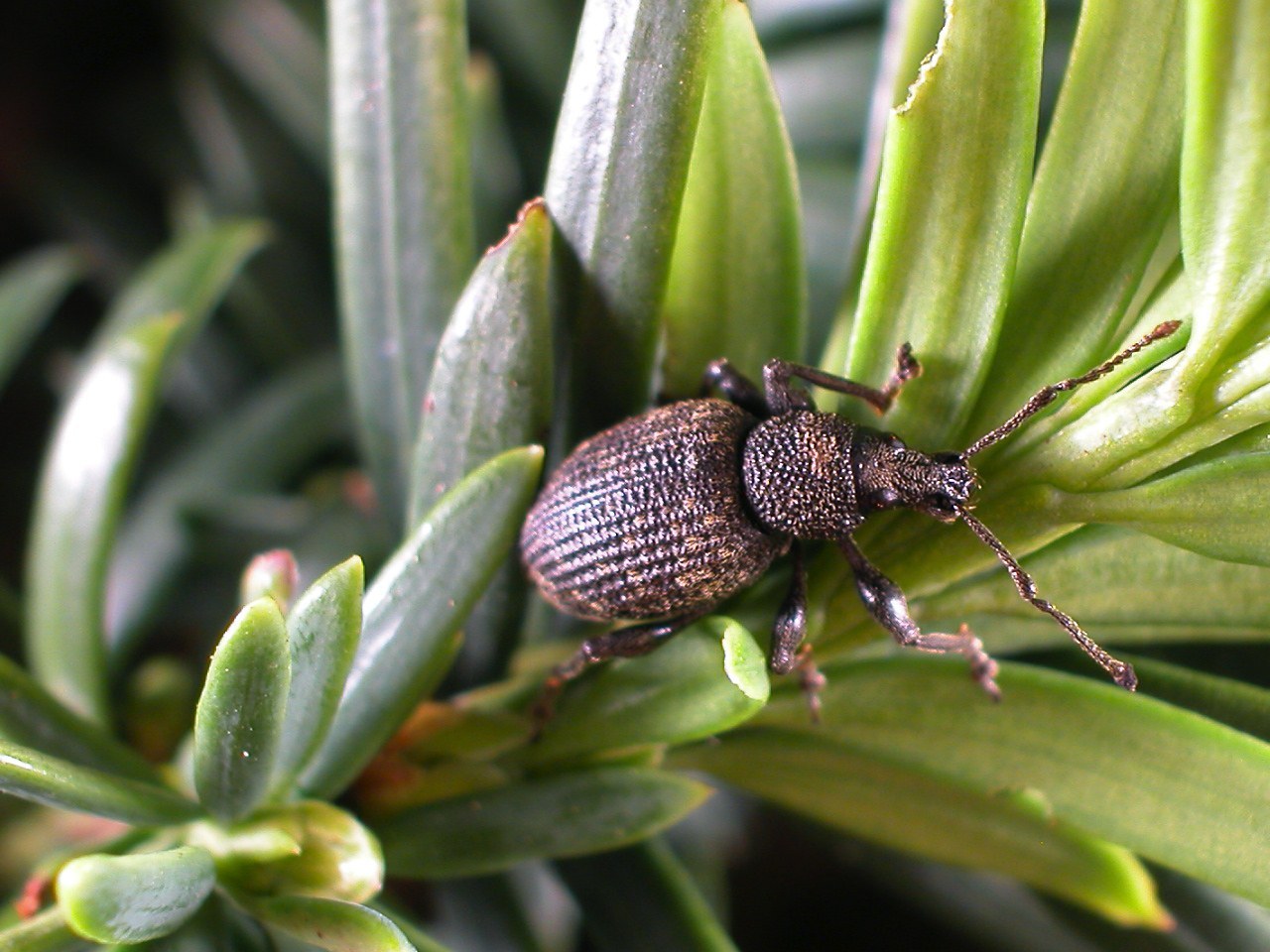
Vine Weevil
Gardens, nurseries, greenhouses, and container plantings
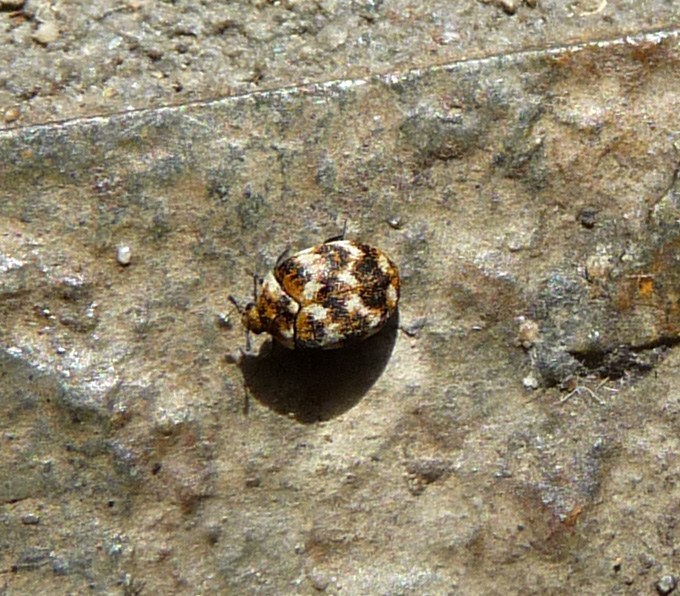
Varied Carpet Beetle
Homes, nests of birds and mammals, and flowers outdoors
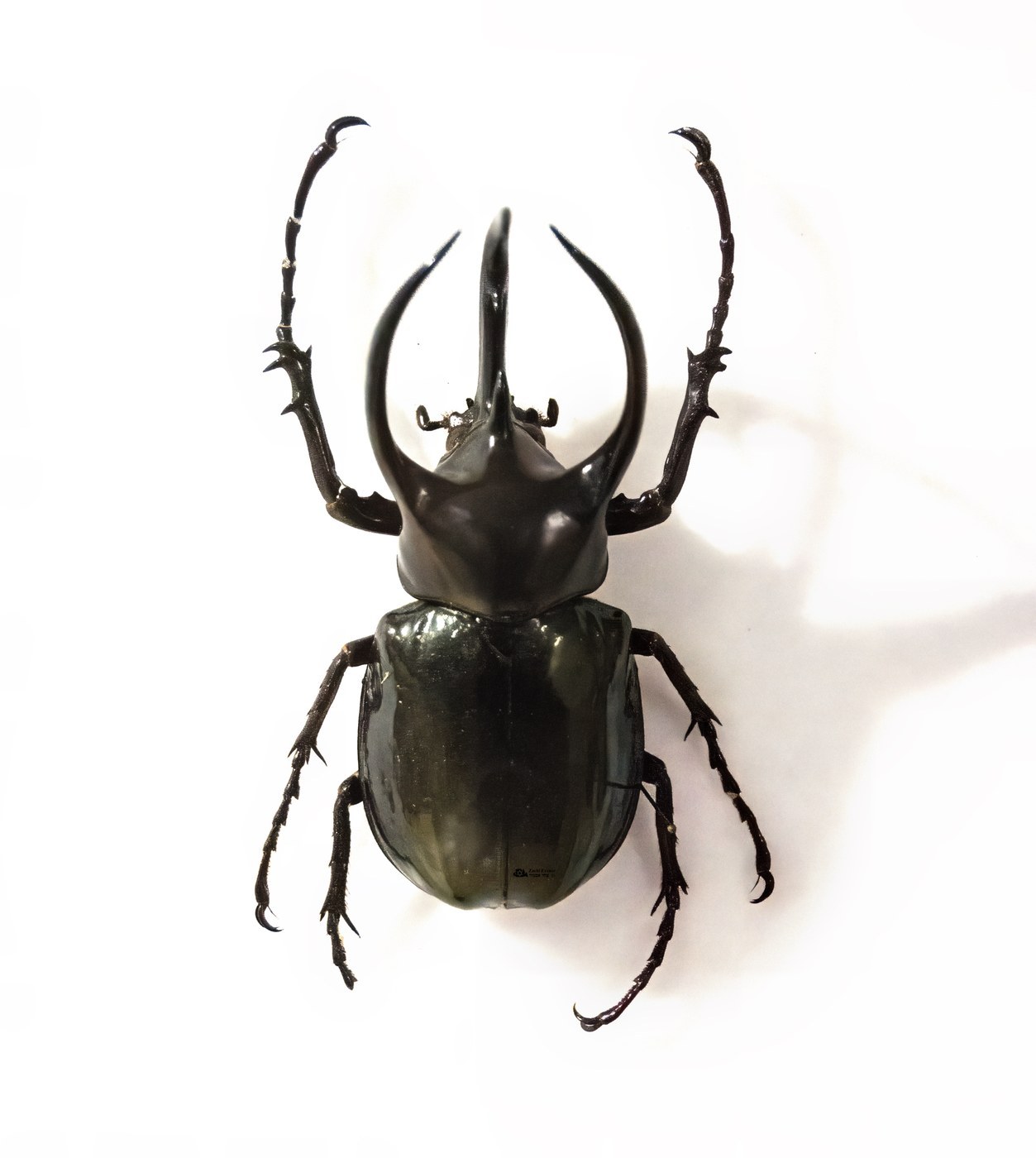
Atlas Beetle
Tropical forests of Southeast Asia
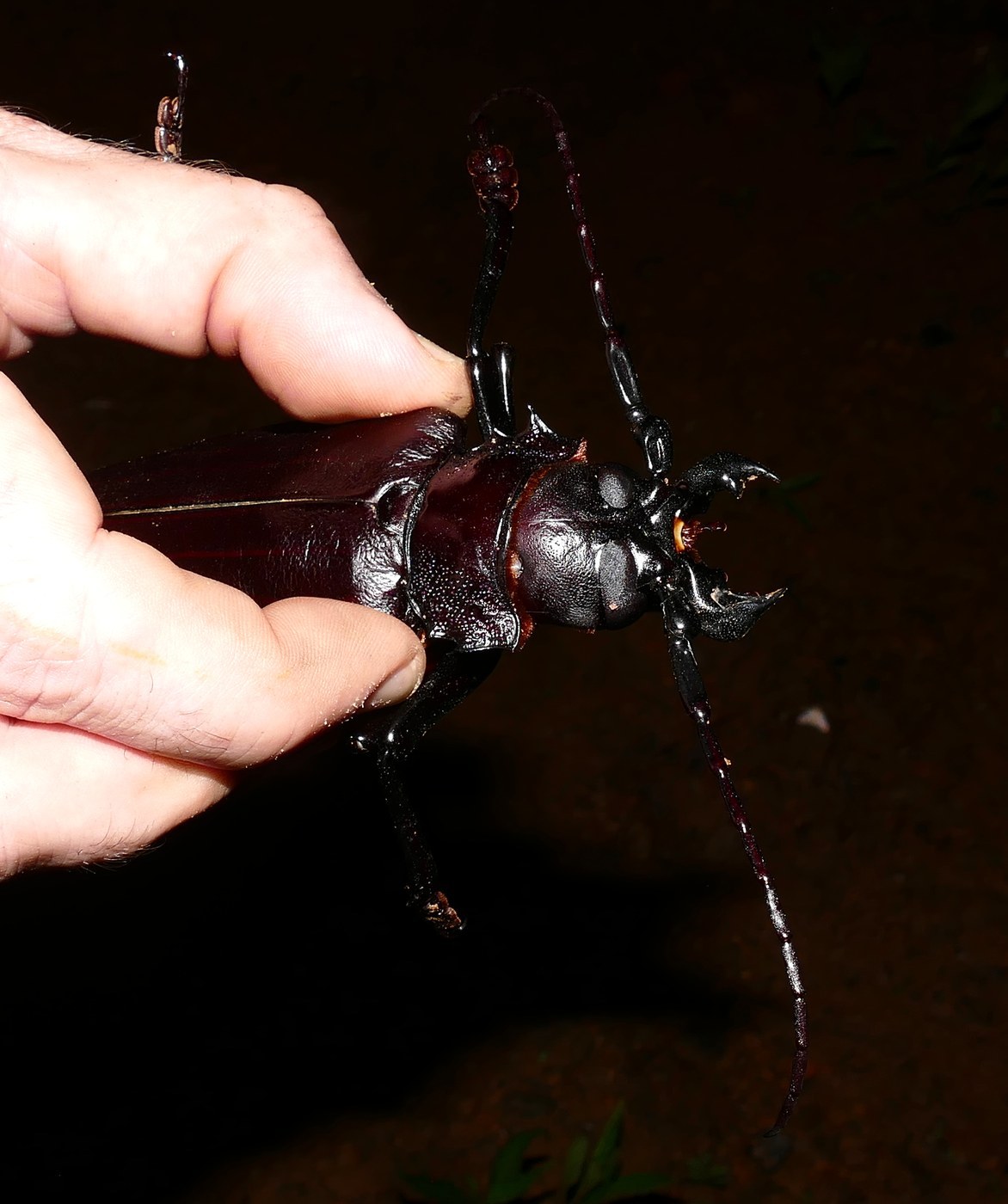
Titan Beetle
Amazon rainforest of South America
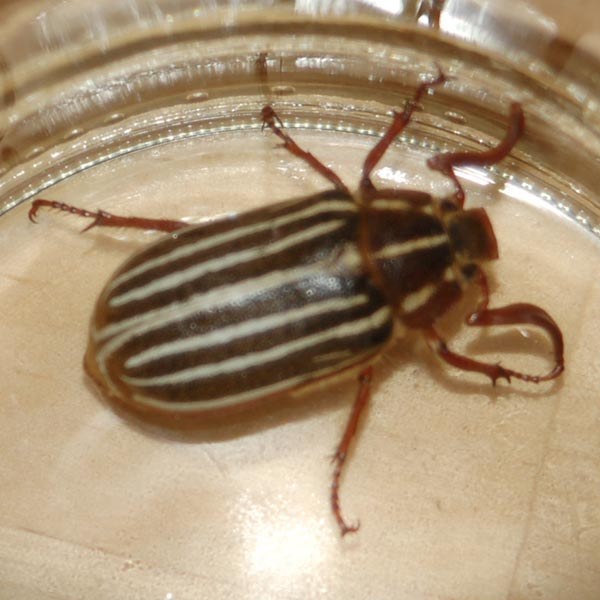
Ten-lined June Beetle
Sandy soils, pine forests, and orchards of western North America
Squash Beetle
Vegetable gardens and fields growing squash, pumpkin, and other cucurbits