
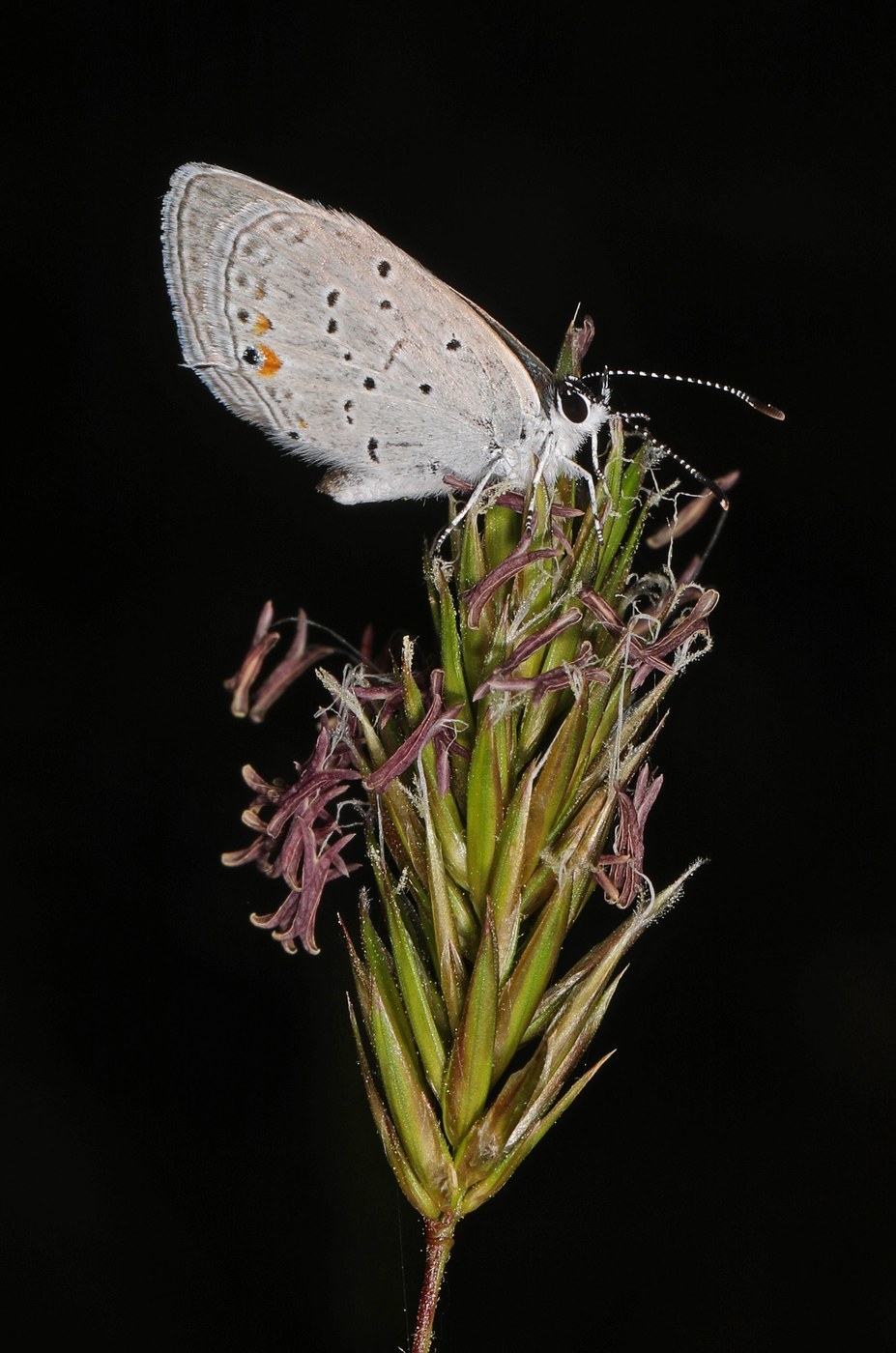
Eastern Tailed-Blue
Cupido comyntas
A tiny gossamer-wing butterfly with a delicate thread-like tail on each hindwing and a small orange spot near the tail base, common in open weedy habitats throughout the eastern half of North America.
- Size
- 0.75–1.1 in wingspan
- Habitat
- Fields, lawns, roadsides, meadows
- Danger
- Harmless
Spotted a bug like this?
Identify any bug or insect from a photo, free.
Overview
The Eastern Tailed-Blue is a small, widespread member of the gossamer-wing family Lycaenidae, easily overlooked due to its diminutive size but common across a broad range of open, weedy habitats from southern Canada through much of the eastern and central United States. It is one of the few small blue butterflies in its range to consistently show a thin tail on the hindwing.
Unlike many specialist Lycaenidae, this species is a habitat and host-plant generalist, breeding readily on a variety of common legumes including clovers and vetches found in disturbed and cultivated landscapes, which allows it to thrive in suburban lawns, roadsides, and agricultural field margins as easily as in natural meadows.
Its small size, quick low flight, and tendency to bask with wings closed make it a frequently seen but often under-noticed part of the everyday butterfly fauna across much of temperate North America.
How to Identify
- Males are blue above with a narrow dark border; females are brownish-gray above, sometimes with a blue basal dusting, especially in spring individuals.
- Underside is pale gray to white with small black spots and one or two small orange spots near the base of a thin, thread-like tail on the hindwing.
- Very small size and a delicate, low, fluttery flight close to the ground.
- Distinguished from the Spring Azure by the presence of a thin hindwing tail (absent in Spring Azure) and the small orange spot near the tail base.
Habitat & Range
Widespread across southern Canada and the eastern two-thirds of the United States, extending into parts of the Southwest and Mexico. It thrives in open, disturbed habitats such as lawns, pastures, roadsides, old fields, and gardens.
Adults fly in multiple overlapping broods from spring through fall across most of its range, being one of the more consistently seen small butterflies in suburban and agricultural settings.
Behavior & Diet
Adults nectar on a variety of low-growing flowers, including clover, and are frequently found basking on bare ground or low vegetation with wings held closed, showing the pale underside. Males patrol low over vegetation in search of females, and courtship is brief given the short adult lifespan typical of small Lycaenidae.
Caterpillars feed on a range of legumes, including white clover, vetch, and other common Fabaceae, chewing into flower buds and seed pods as well as leaves. As with many blues, the larvae may associate with ants that tend them for a sugary secretion in exchange for some protection from predators.
Life Cycle
Females lay small pale eggs singly on the flower buds or leaves of host legumes. Caterpillars are slug-shaped and green, often feeding within flower heads or seed pods of clover and vetch, sometimes tended by ants.
The chrysalis is small, rounded, and pale, often attached near the base of the host plant or in surrounding leaf litter. The species produces three or more generations per year across much of its range through complete metamorphosis, overwintering as a chrysalis in colder regions.
Frequently asked questions
How do I tell it apart from the Spring Azure?
The Eastern Tailed-Blue has a thin, thread-like tail on the hindwing with a small orange spot near its base, while the Spring Azure lacks tails entirely.
What plants do the caterpillars feed on?
A variety of common legumes such as white clover and vetch, often feeding within flower buds and seed pods.
Why is it seen so commonly in lawns and roadsides?
It is a habitat generalist that breeds readily on widespread, weedy legumes found in disturbed and cultivated landscapes, allowing it to thrive in suburban and agricultural settings.
How many generations does it produce each year?
Typically three or more overlapping generations across most of its range, flying from spring through fall.
Eastern Tailed-Blue guides
In-depth guides for identifying, understanding, and living alongside Eastern Tailed-Blue.
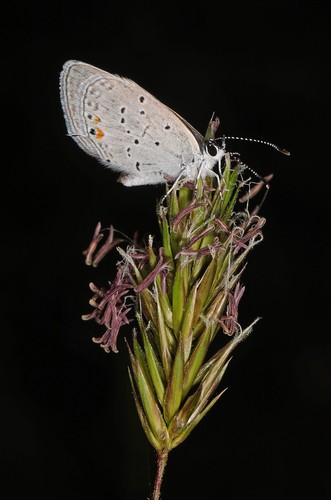
Eastern Tailed-Blue identified by the community
Real finds identified with Bug Identifier.
Other bugs you may enjoy
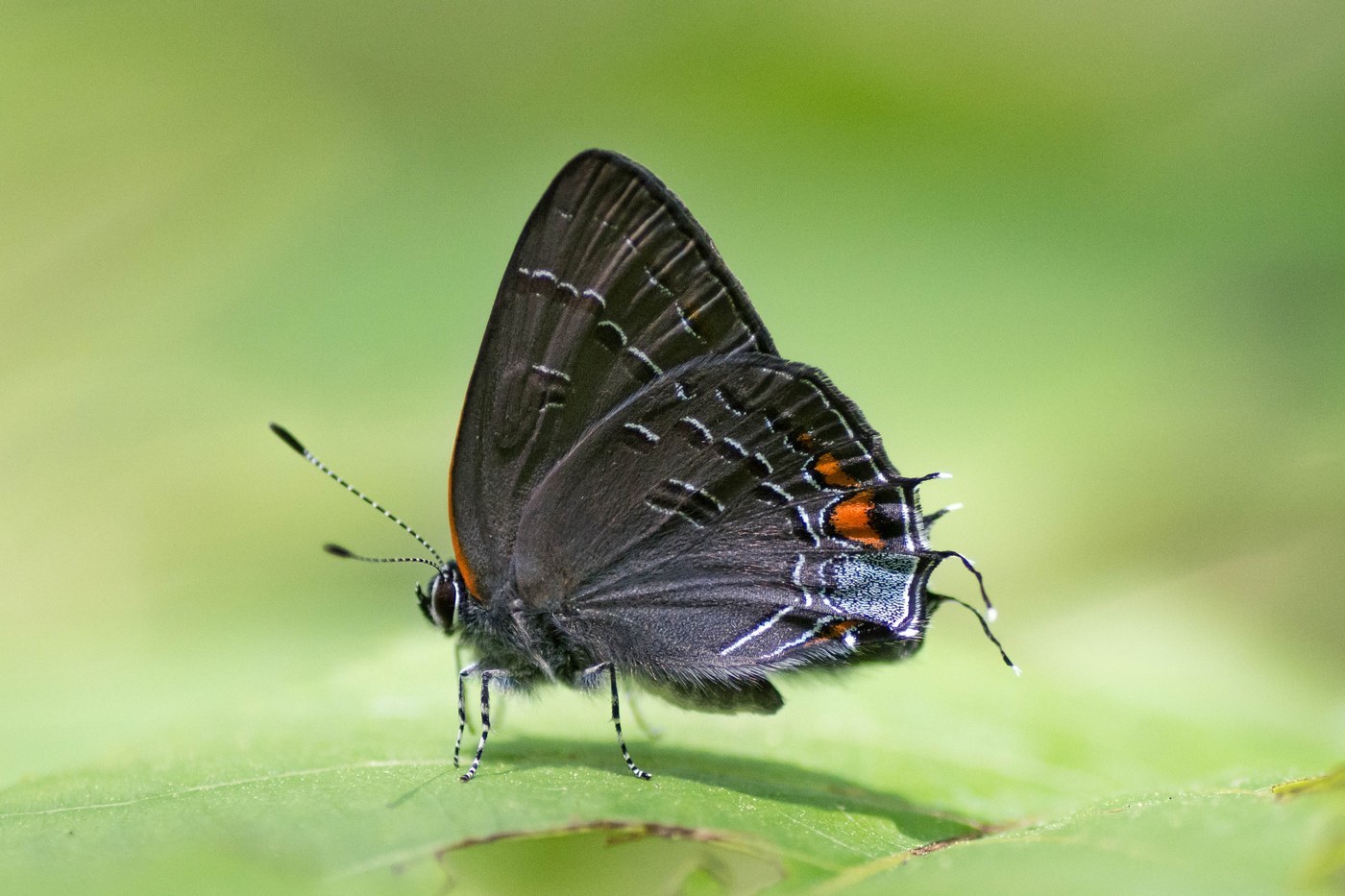
Banded Hairstreak
Deciduous woodlands and edges with oaks and hickories
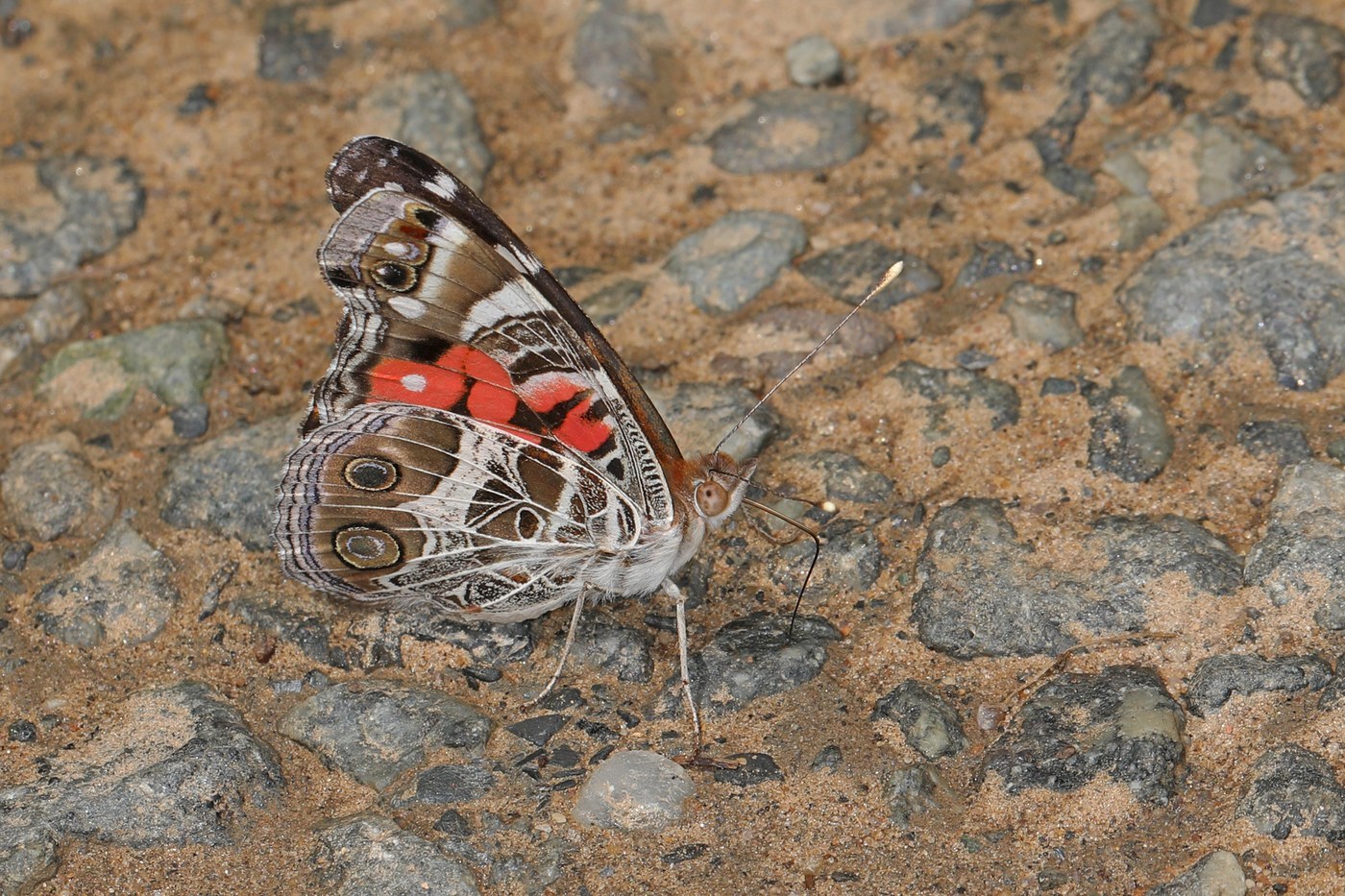
American Lady
Open fields, meadows, gardens, roadsides
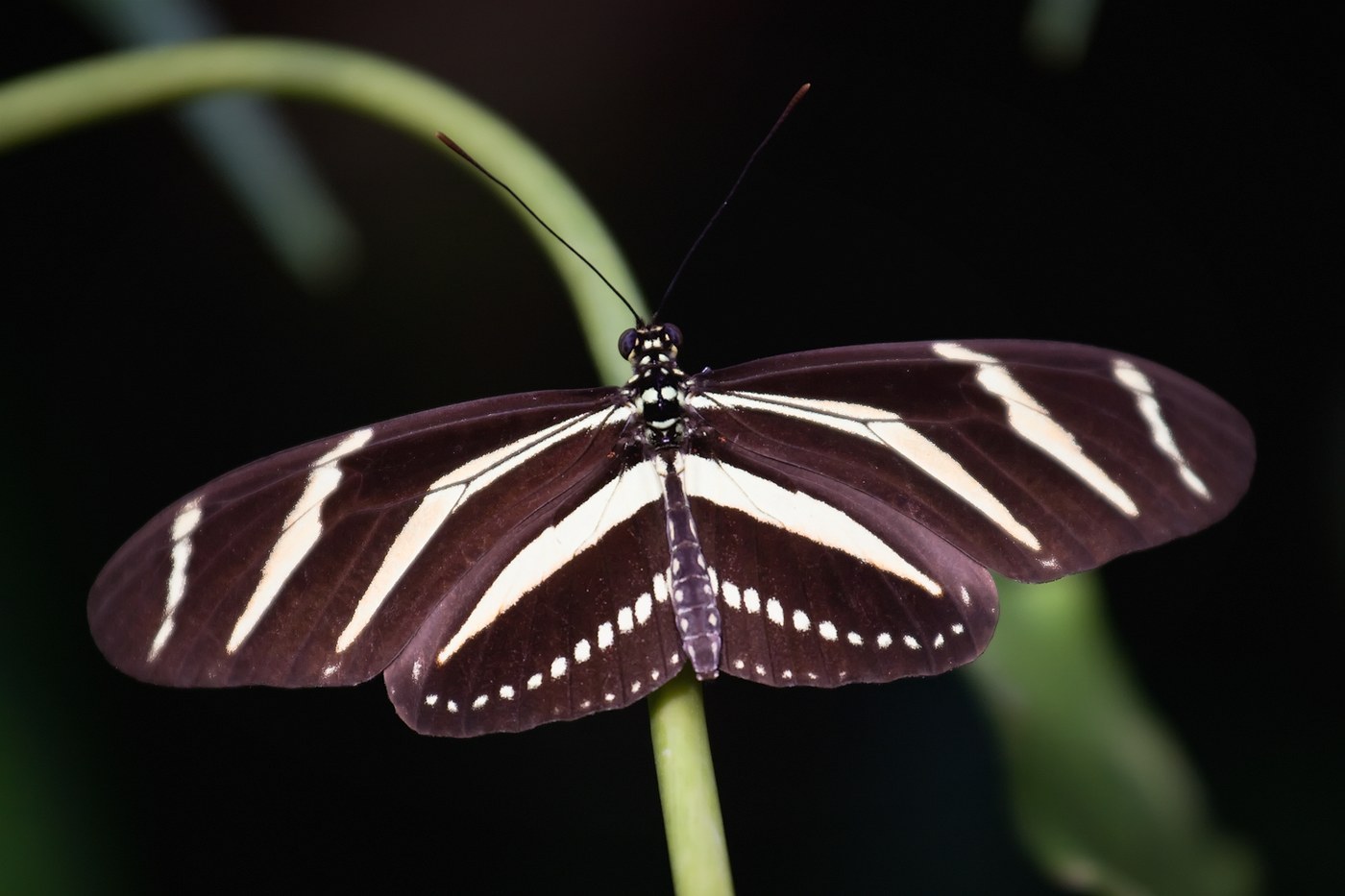
Zebra Longwing
Tropical hammocks, gardens, forest edges
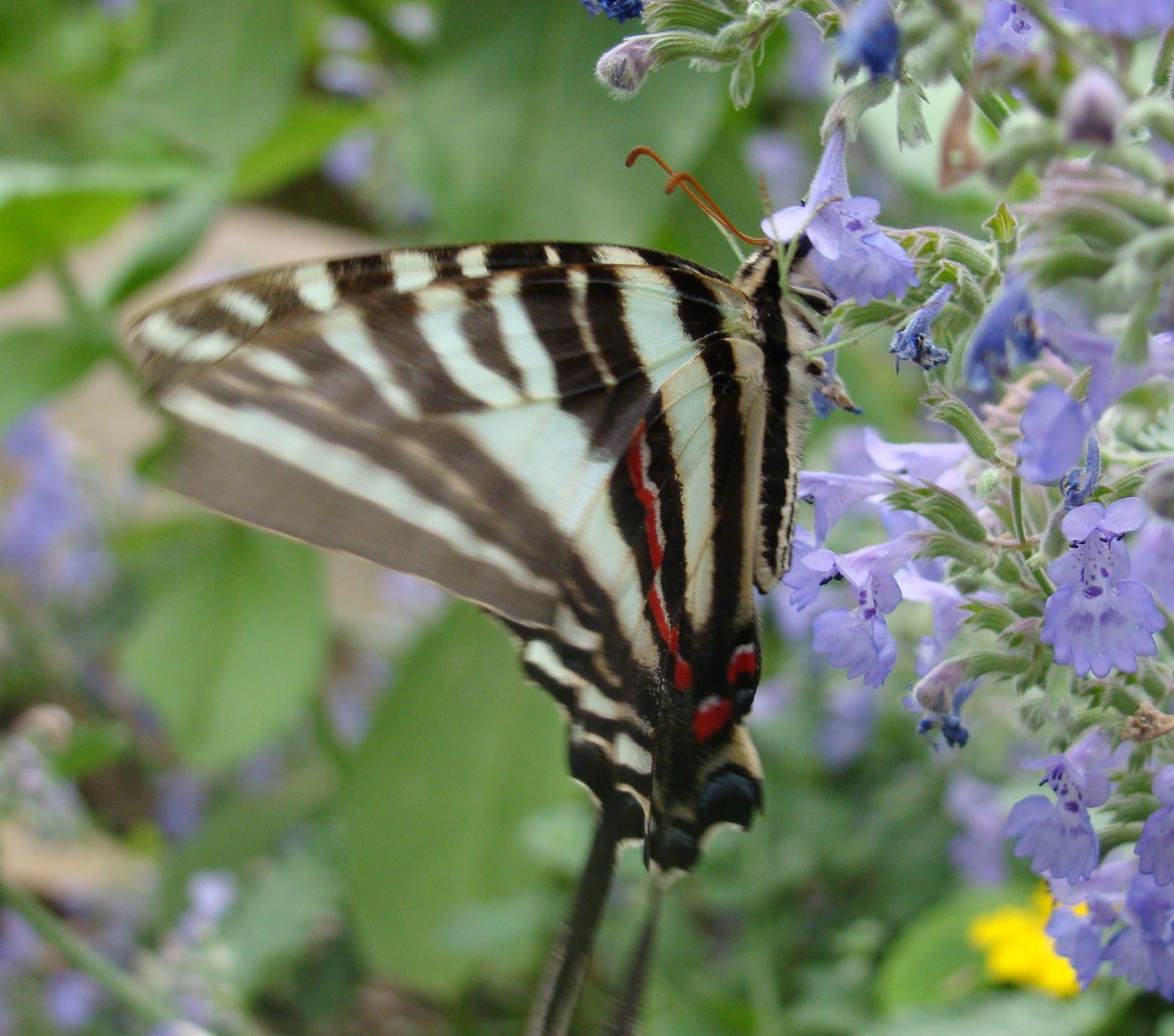
Zebra Swallowtail
Woodlands, floodplains, forest edges near pawpaw
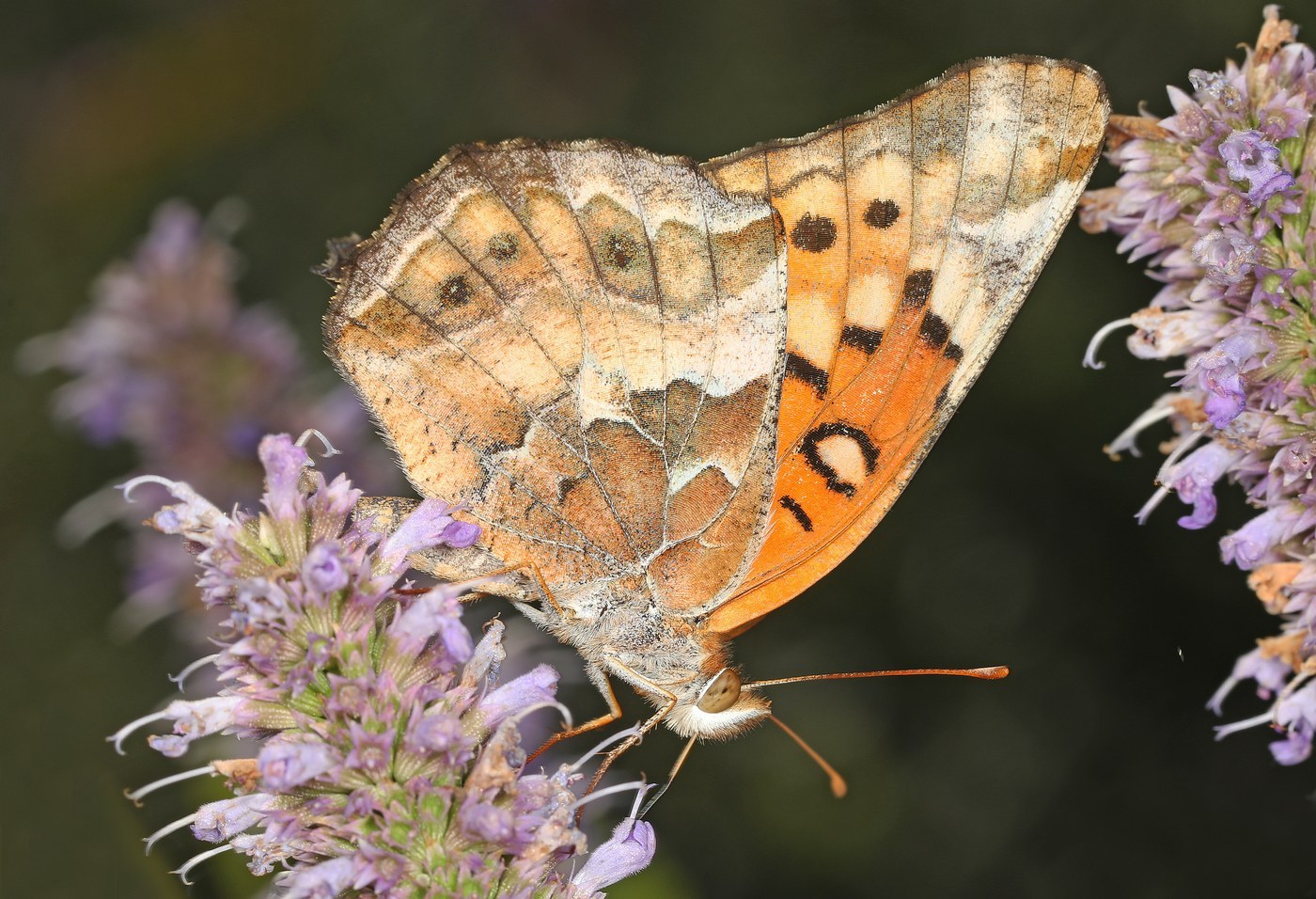
Variegated Fritillary
Open fields, prairies, roadsides, and disturbed ground across most of the United States
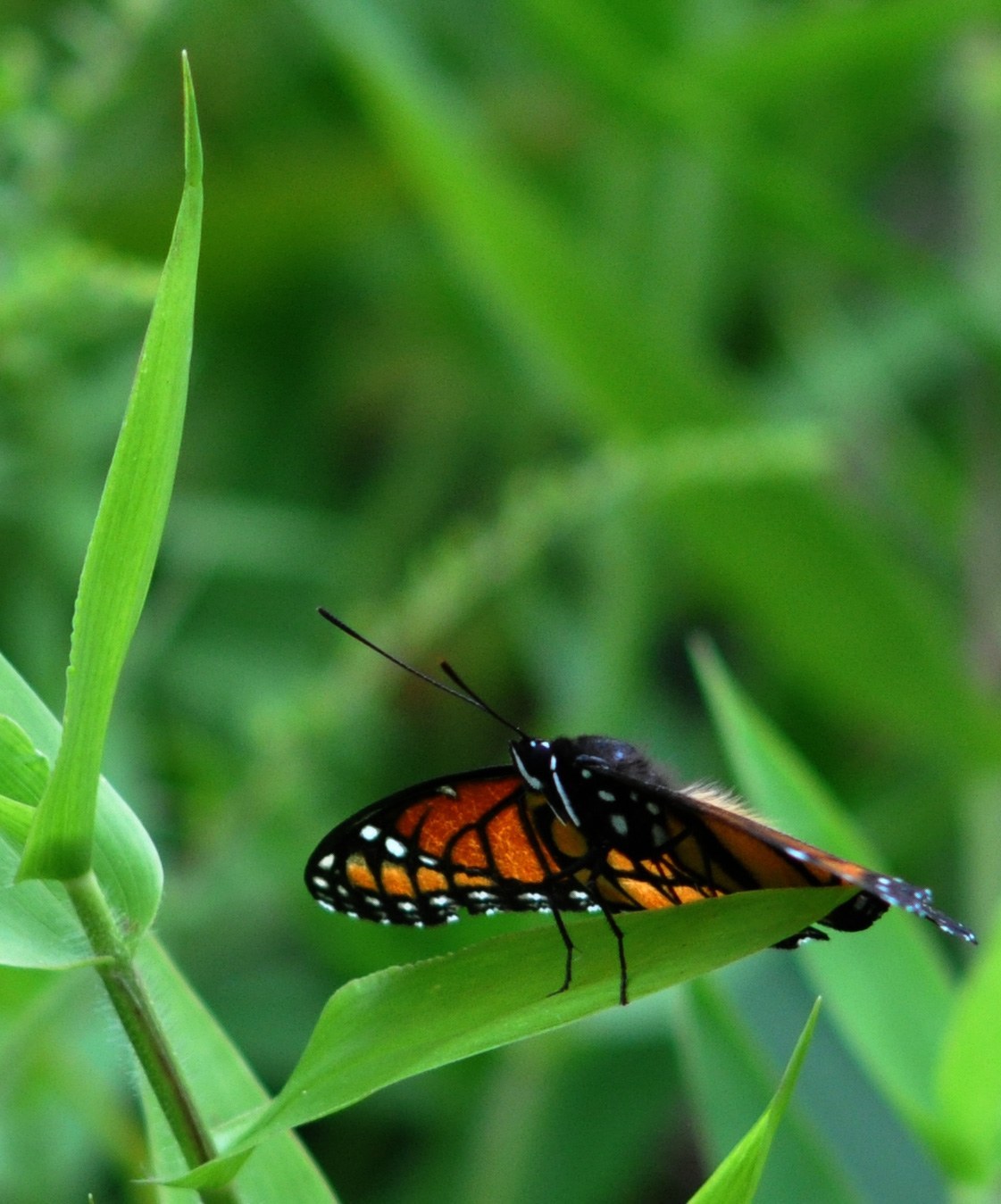
Viceroy Butterfly
Wetlands, meadows, riverbanks, willow thickets (North America)
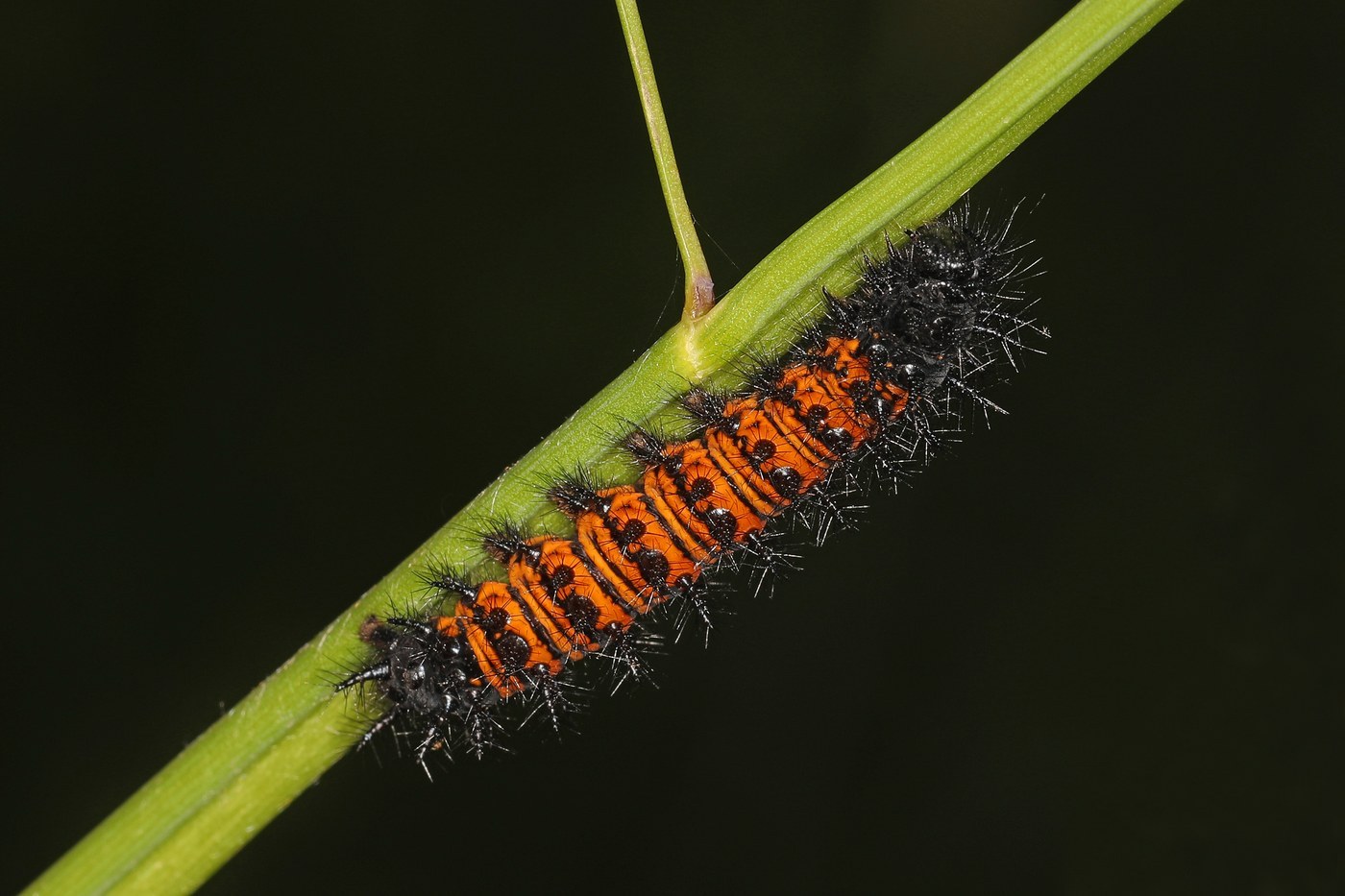
Baltimore Checkerspot
Wet meadows, bogs, and marshy fields in the northeastern and Appalachian US
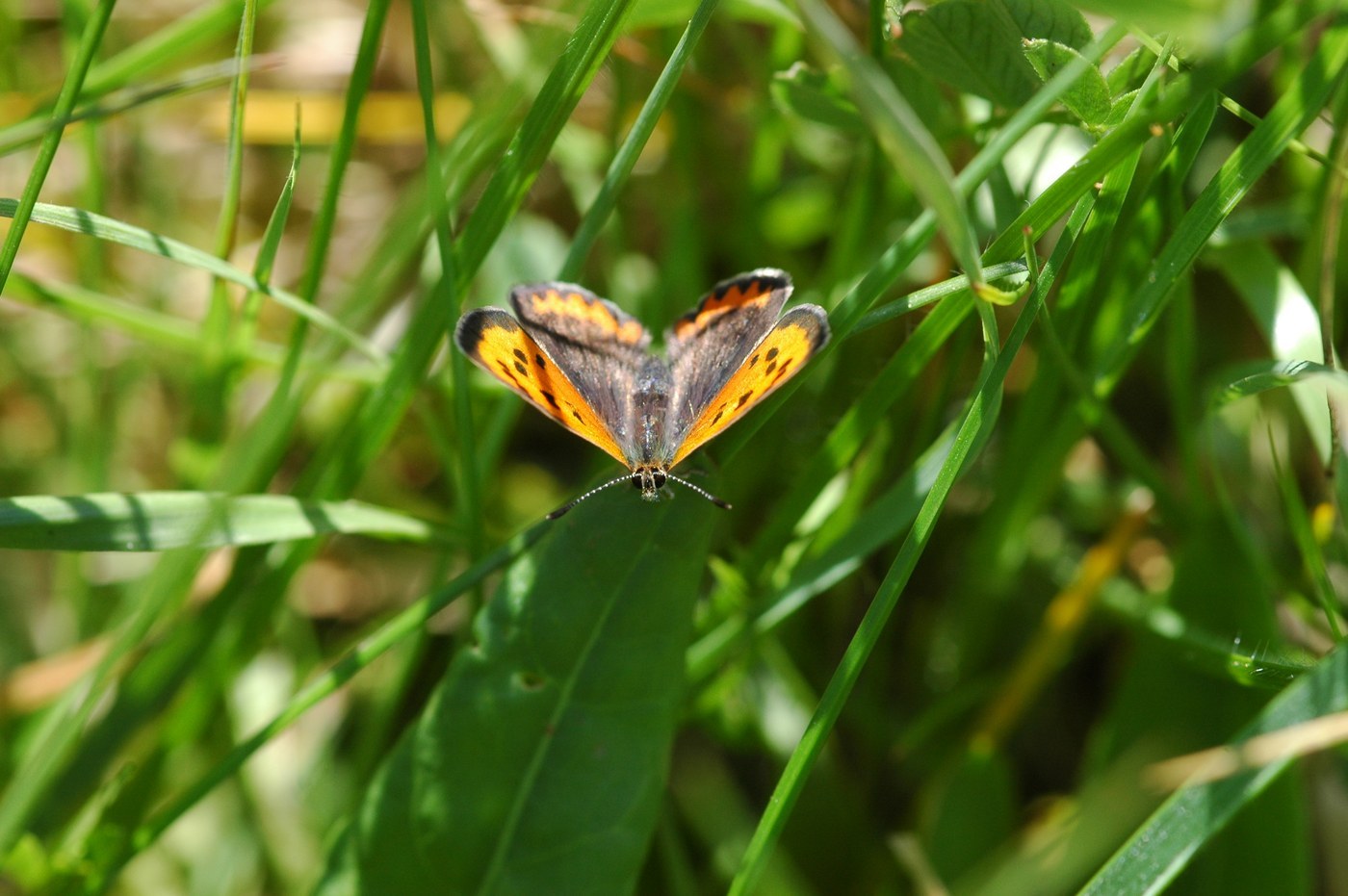
American Copper
Old fields, roadsides, and disturbed open ground with sorrel or dock
West Virginia White
Rich deciduous forest floors, especially near seeps and streams
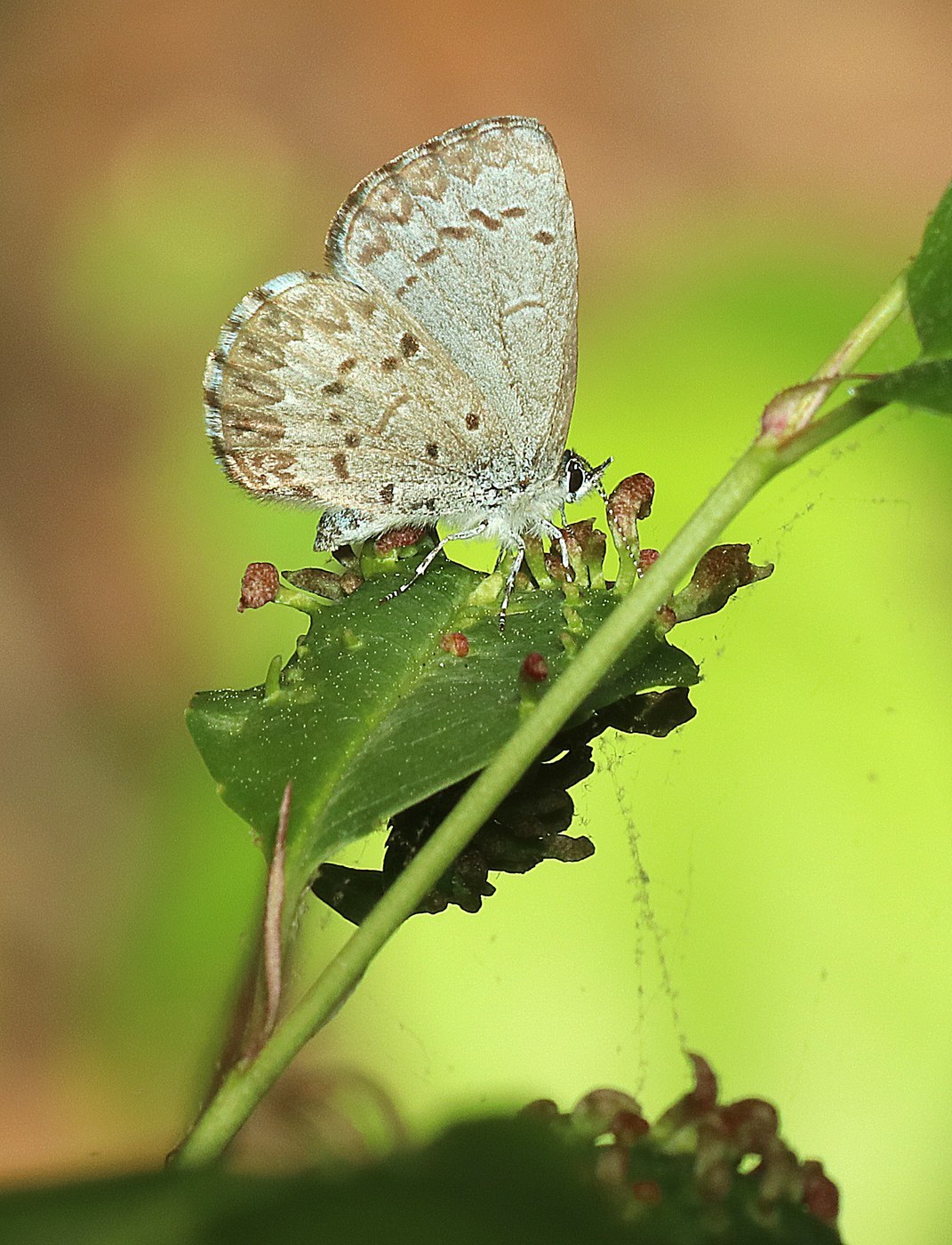
Spring Azure
Woodland edges, gardens, shrubby clearings
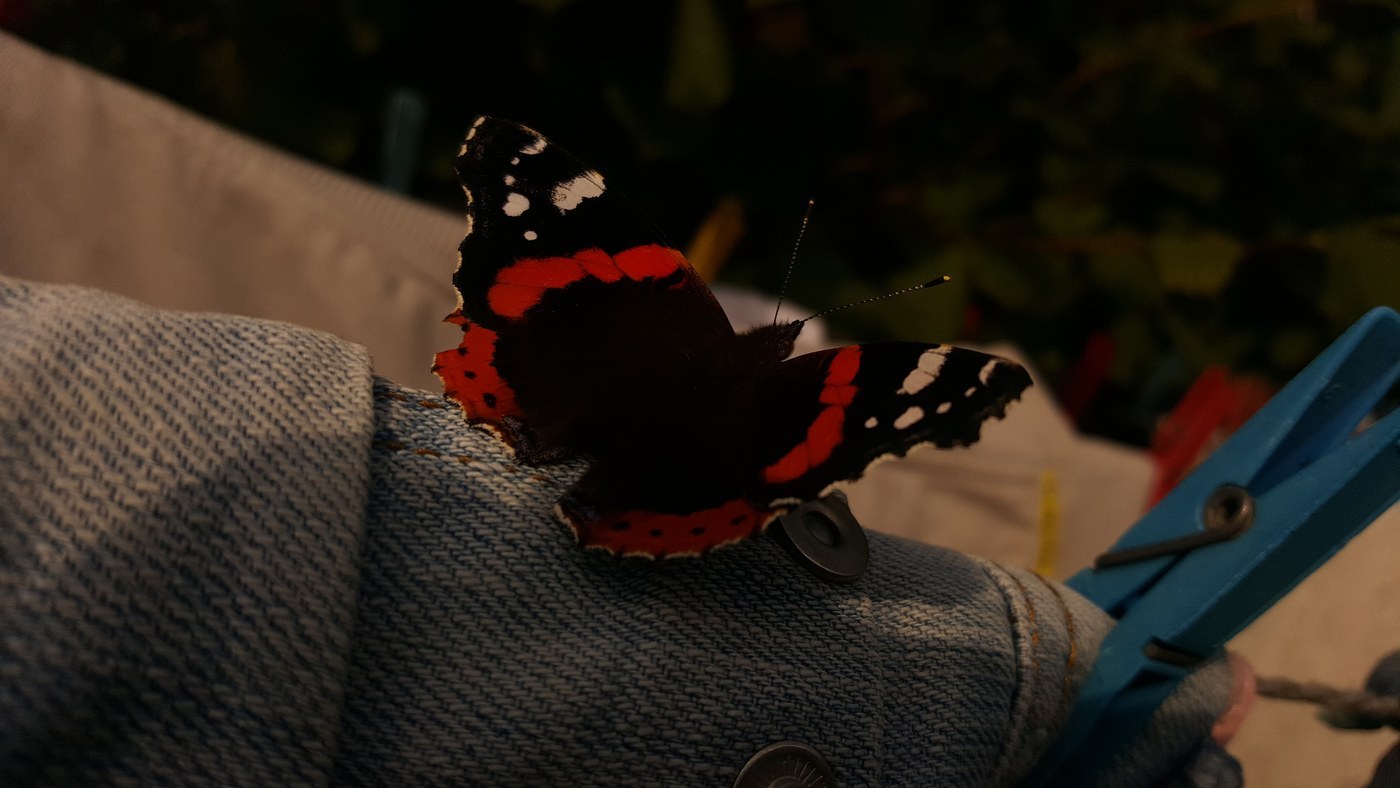
Red Admiral
Gardens, woodland edges, parks, meadows
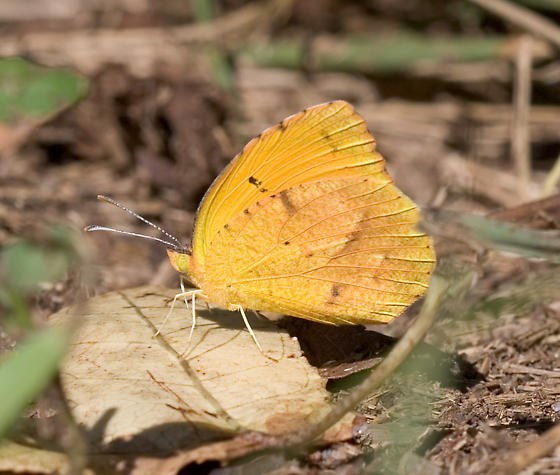
Sleepy Orange
Open woodland, fields, roadsides, and disturbed ground