
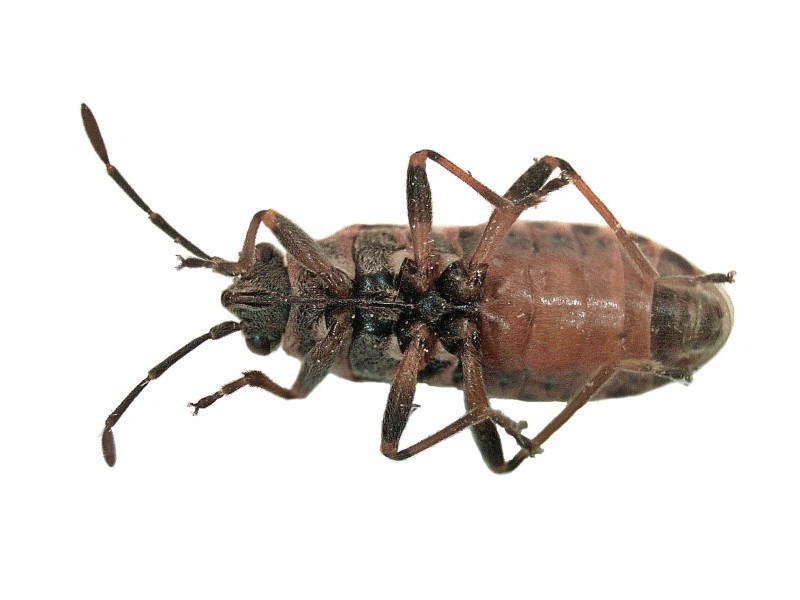
Elm Seed Bug
Arocatus melanocephalus
A slim, brownish-orange seed bug that develops on elm seeds and becomes a familiar autumn nuisance as it seeks shelter on sun-warmed walls and window frames.
- Size
- 7–9 mm
- Habitat
- Elm trees and surrounding lawns, sunny building exteriors in autumn
- Danger
- Nuisance pest
Spotted a bug like this?
Identify any bug or insect from a photo, free.
Overview
The elm seed bug is a true bug in the seed bug family (Lygaeidae), native to parts of Europe and now established in many temperate regions including western North America. Its entire life cycle is tied to elm trees, where nymphs and adults feed on the developing seeds rather than on foliage or wood.
It gained its common name and its reputation almost entirely from its fall behavior: as elm seeds mature and temperatures drop, large numbers of adults leave the trees in search of overwintering sites, often congregating on the sunny, south-facing sides of houses, fences, and rock walls. This mass movement, rather than any structural or ecological importance, is what makes the species so noticeable to homeowners.
Within its native range it is an unremarkable, low-impact insect that plays a minor role in seed predation; in areas where it has been introduced it is considered mainly a seasonal annoyance rather than an agricultural threat.
How to Identify
- Narrow, elongated oval body about 7–9 mm long, flattened and somewhat parallel-sided.
- Mottled orange-brown to grayish-brown coloring across the wing covers, with a darker central stripe and a small triangular scutellum.
- Head and thorax often show reddish-orange tints; legs and antennae are slender and reddish-brown.
- Wings are fully developed and held flat over the back, giving a somewhat elongated, boat-shaped silhouette.
- Lookalikes include boxelder bugs and other seed bugs, but the elm seed bug is smaller, narrower, and lacks the bold red-and-black pattern of boxelder bugs; it also emits a distinctive musty odor when crushed.
Habitat & Range
Elm seed bugs are found wherever host elm trees (Ulmus species) grow, including urban and suburban plantings, parks, and windbreaks. They are active on the trees through spring and summer while seeds are developing, then disperse in late summer and fall.
During the autumn dispersal period they can be found in large numbers on tree trunks, mulch, and especially on the warm, sun-exposed exterior walls of buildings, where they seek cracks and gaps to overwinter. They shelter through the colder months in wall voids, attics, and other sheltered spaces before returning outdoors in spring.
Behavior & Diet
Nymphs and adults feed by piercing developing elm seeds and withdrawing plant fluids, playing a minor role as seed predators. The insects are not strong fliers but can disperse readily on wind currents and by walking in search of shelter.
When disturbed or crushed, elm seed bugs release a pungent, musty odor from scent glands, a defensive trait shared with many true bugs. Outside of the autumn congregating behavior on buildings, they are otherwise inconspicuous insects that spend most of their active season quietly feeding in elm canopies.
Life Cycle
Elm seed bugs undergo incomplete metamorphosis with egg, several nymphal instars, and adult stages, and no pupal phase. Eggs are laid on or near elm seed catkins in spring, and nymphs develop through the summer while feeding on maturing seeds.
There is typically one generation per year in most regions. Adults that emerge in late summer disperse in fall to find overwintering sites, spending the winter in a dormant state in sheltered cracks and crevices before becoming active again the following spring to restart the cycle.
Frequently asked questions
Is the elm seed bug the same as a boxelder bug?
No, they are different species in different genera, though both are seed-feeding true bugs that gather on sunny walls in fall. Elm seed bugs are smaller, narrower, and mottled brown-orange rather than boldly marked in red and black.
Why do elm seed bugs gather on houses in the fall?
As elm seeds mature and temperatures drop, adults leave the trees to search for sheltered overwintering spots, and sun-warmed walls provide an appealing resting place before they move into cracks and crevices.
What do elm seed bugs eat?
They feed primarily on the developing seeds of elm trees by piercing them and drawing out plant fluids; they are not known to feed on wood or foliage.
How can you tell an elm seed bug from other seed bugs?
Its narrow, flattened, orange-brown mottled body with a musty odor when crushed and its close association with elm trees are the most reliable identification clues.
Elm Seed Bug guides
In-depth guides for identifying, understanding, and living alongside Elm Seed Bug.
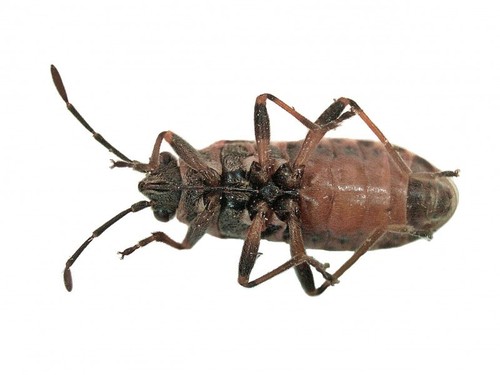
Elm Seed Bug identified by the community
Real finds identified with Bug Identifier.
Other bugs you may enjoy
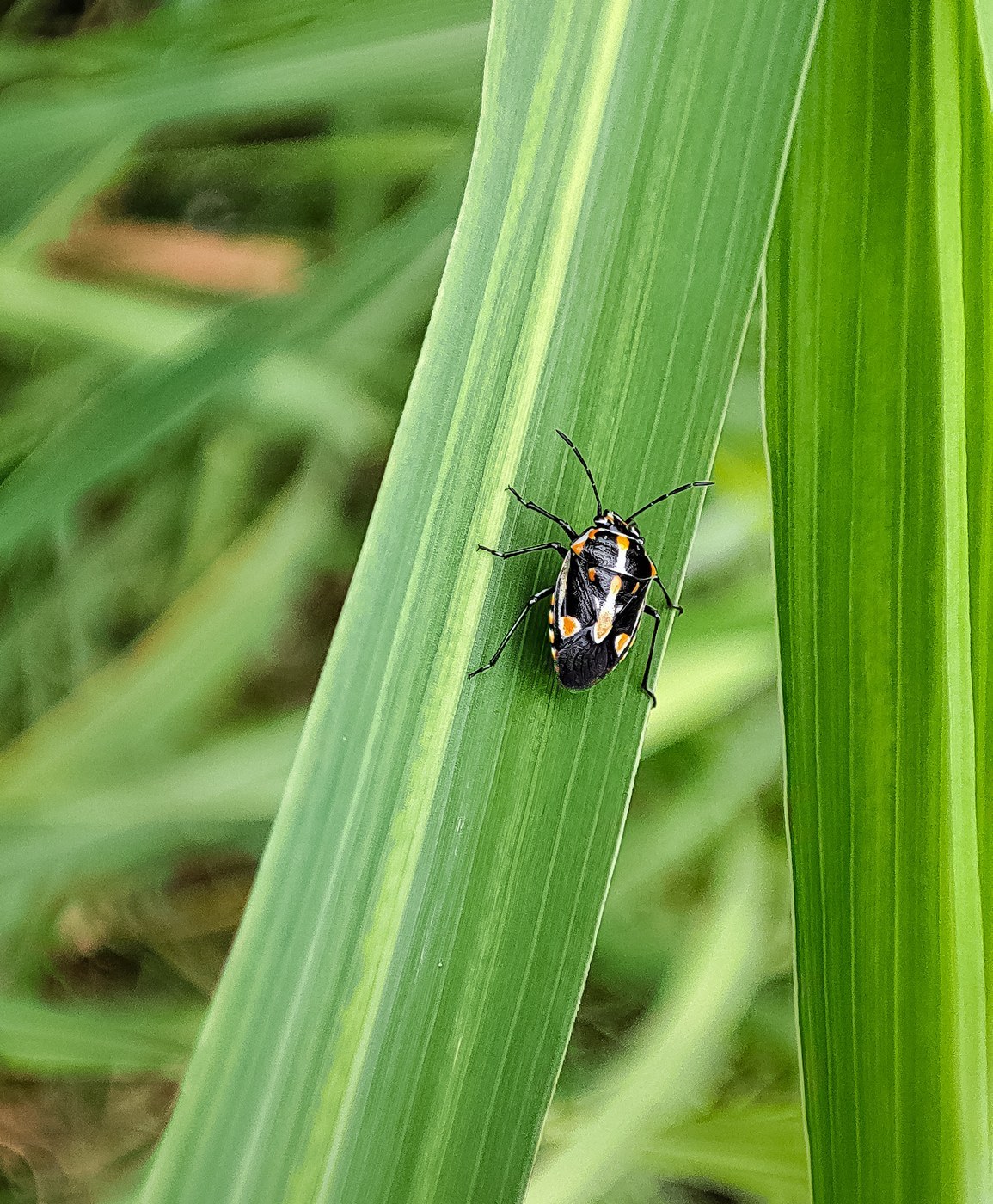
Bagrada Bug
Arid gardens, crucifer fields, desert-adjacent croplands
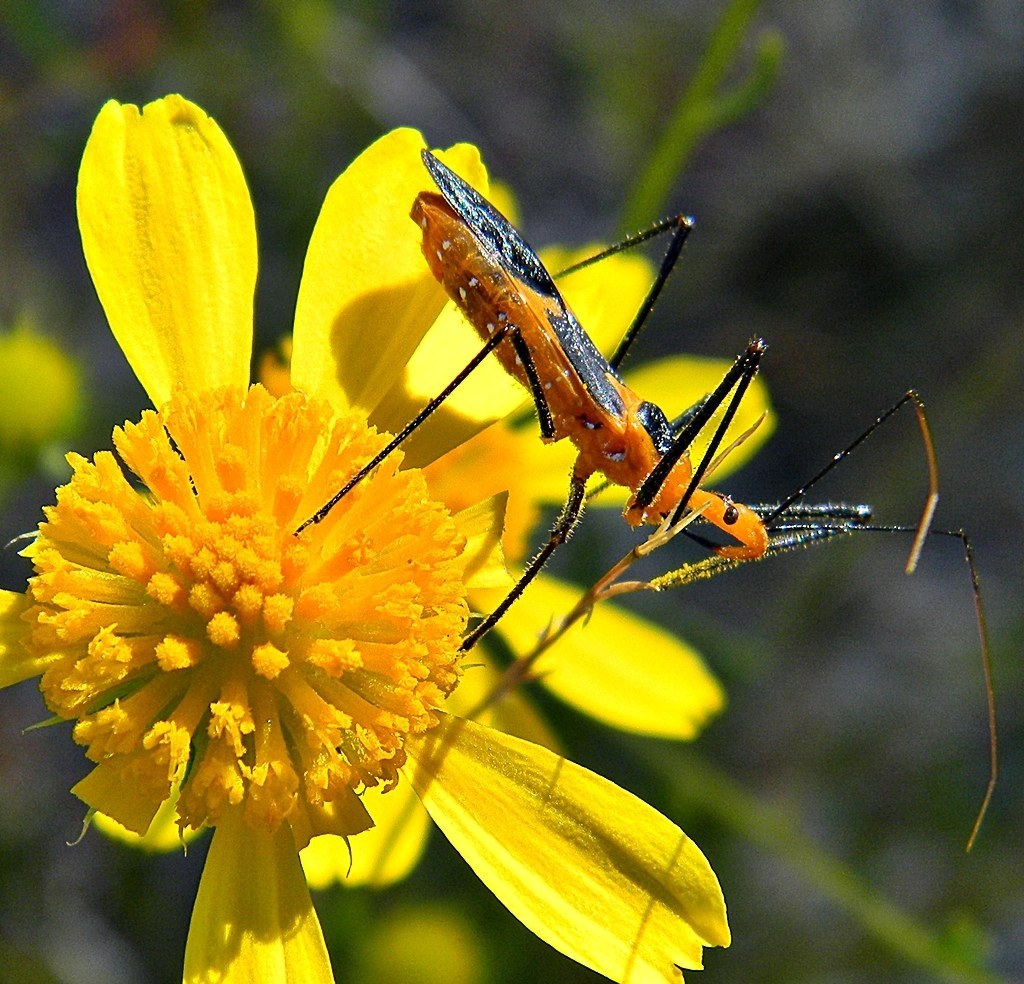
Assassin Bug
Gardens, meadows, and vegetation worldwide
Water Boatman Bug
Ponds, lakes, and slow-moving freshwater
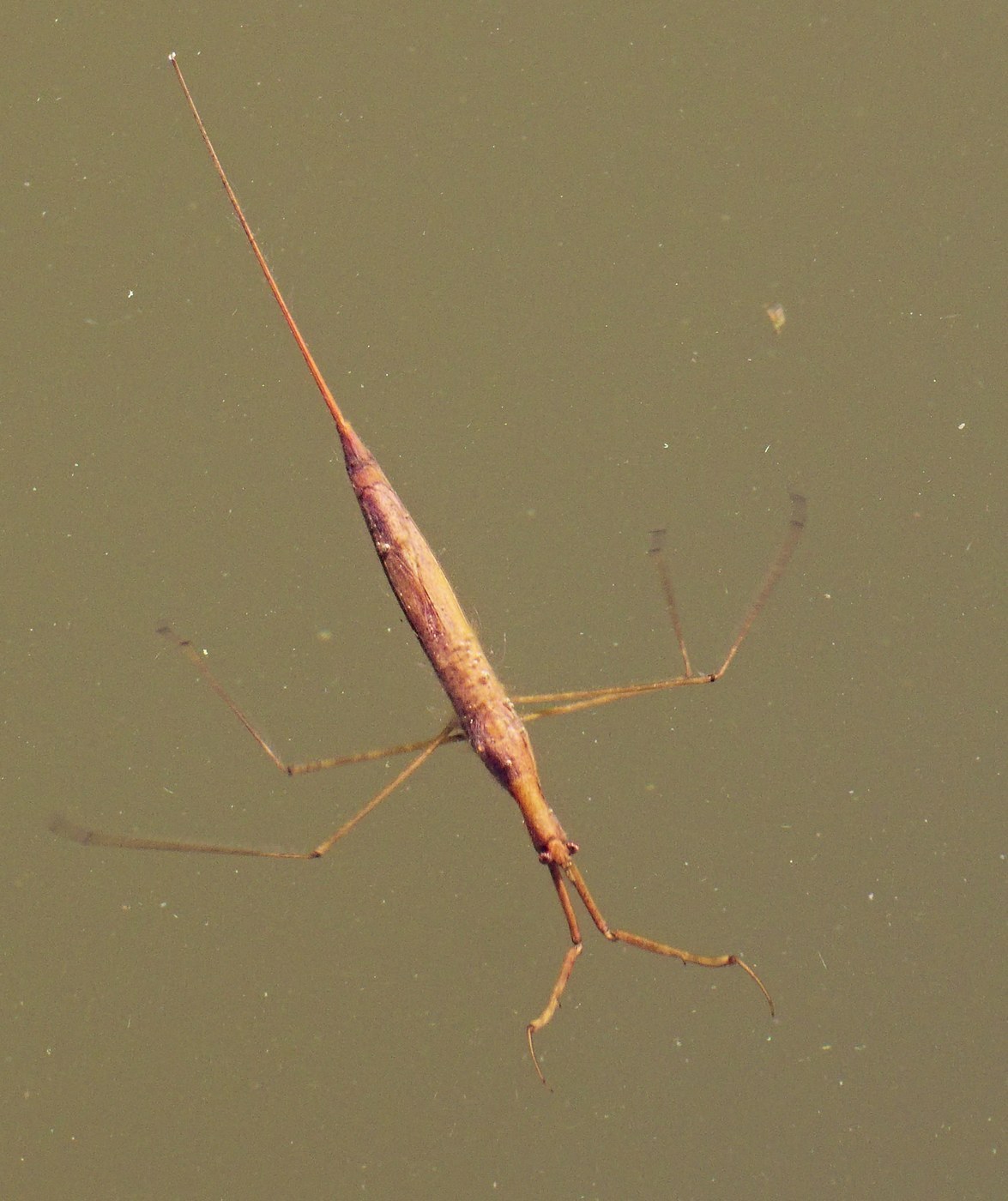
Water Stick Insect
Still and slow-moving water with dense submerged vegetation
Rough Stink Bug
Tree bark, woodlands, orchards, and shrubby vegetation
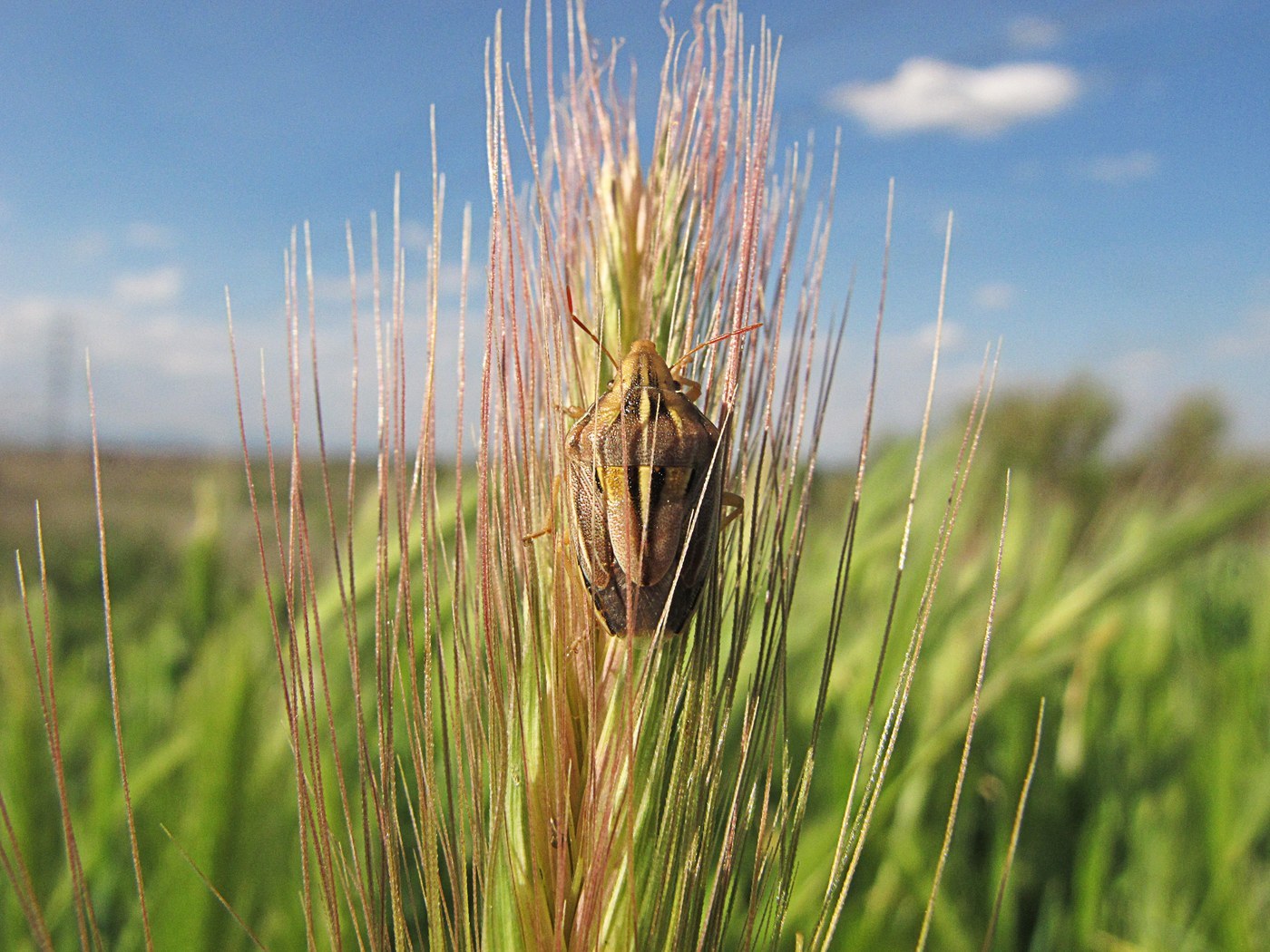
Stink Bug
Gardens, crop fields, and woodlands across temperate and subtropical regions
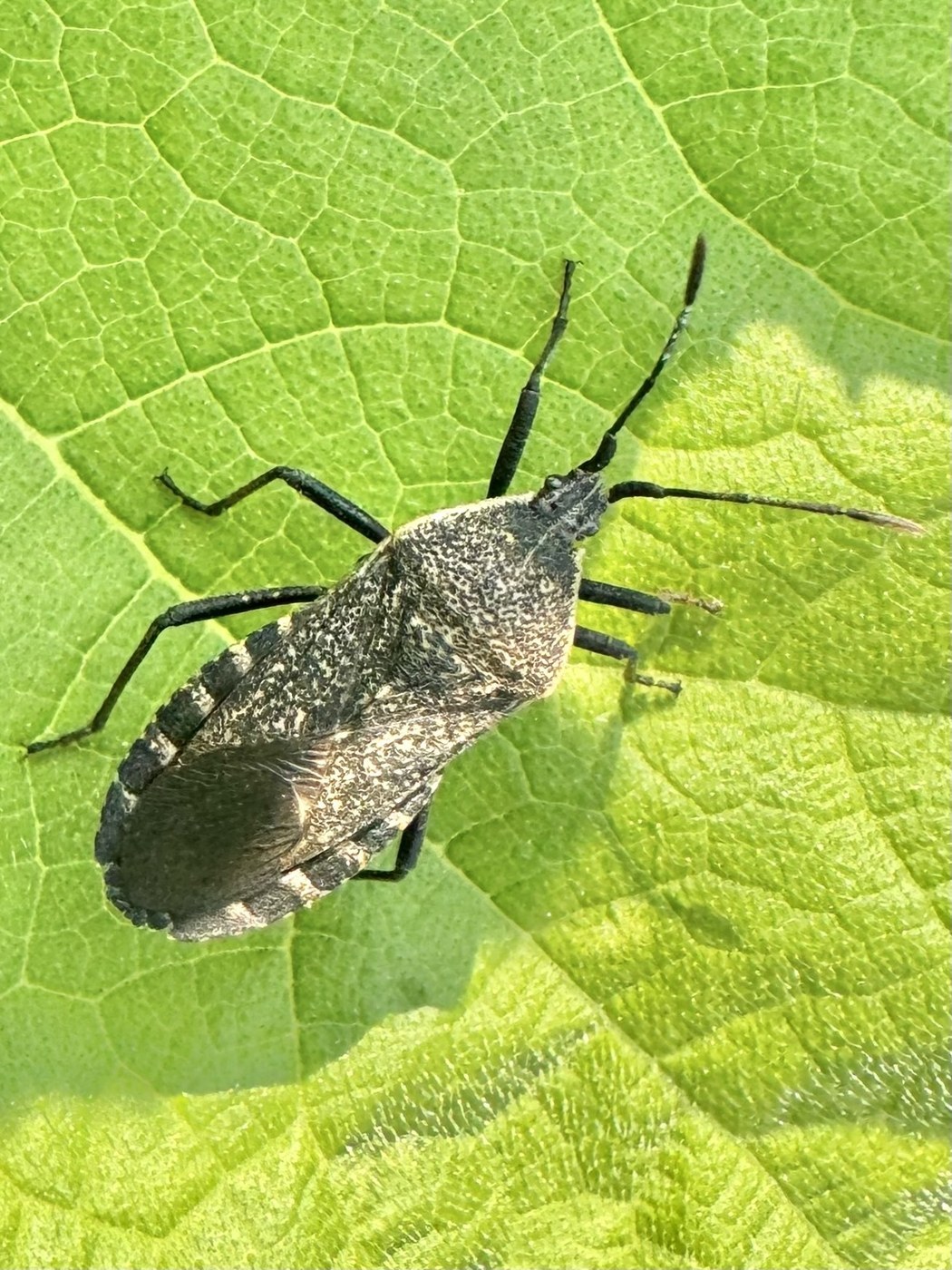
Squash Bug
Vegetable gardens and farm fields growing squash, pumpkin, and other cucurbits
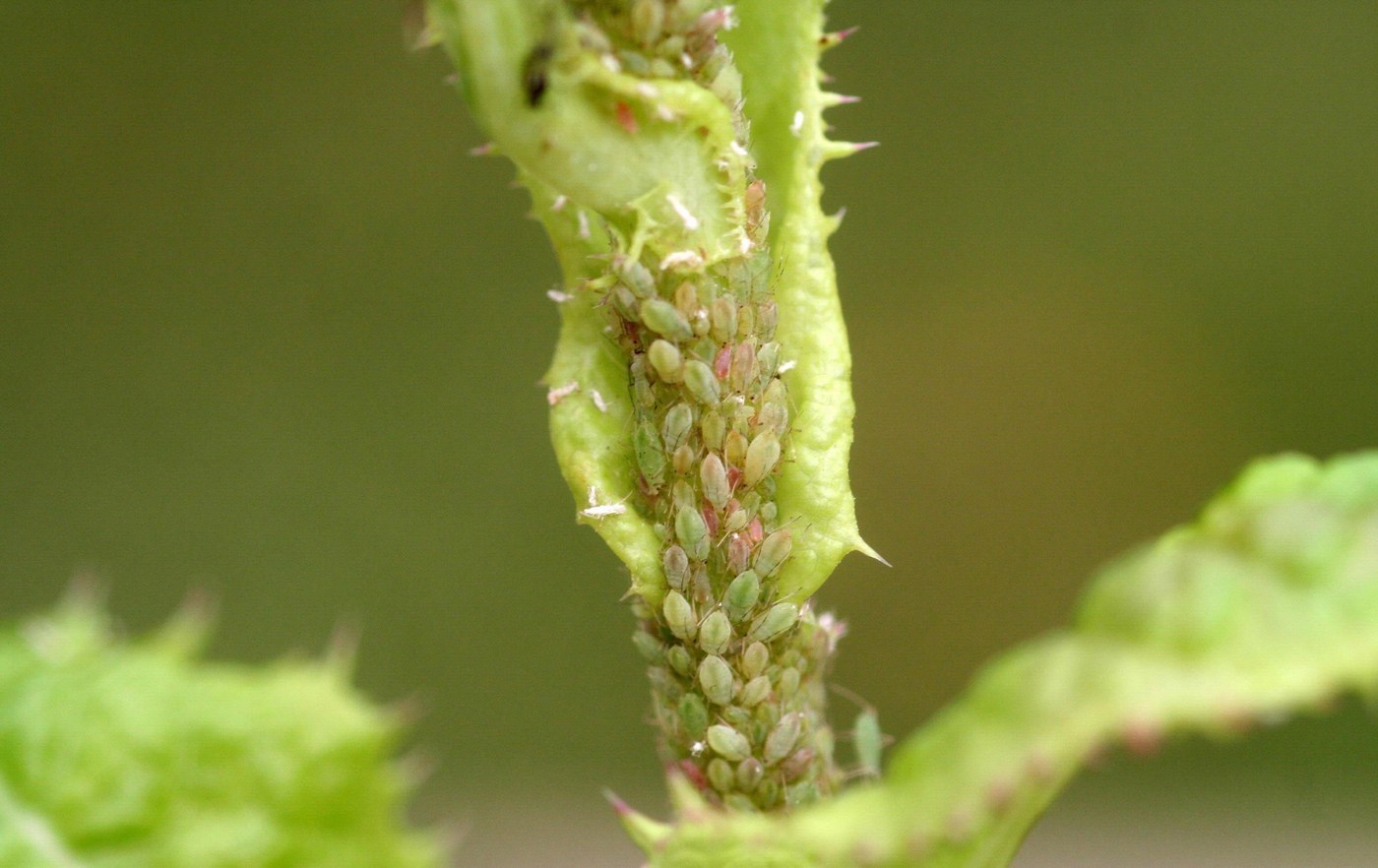
Aphid
On stems, leaves, and buds of a very wide range of host plants
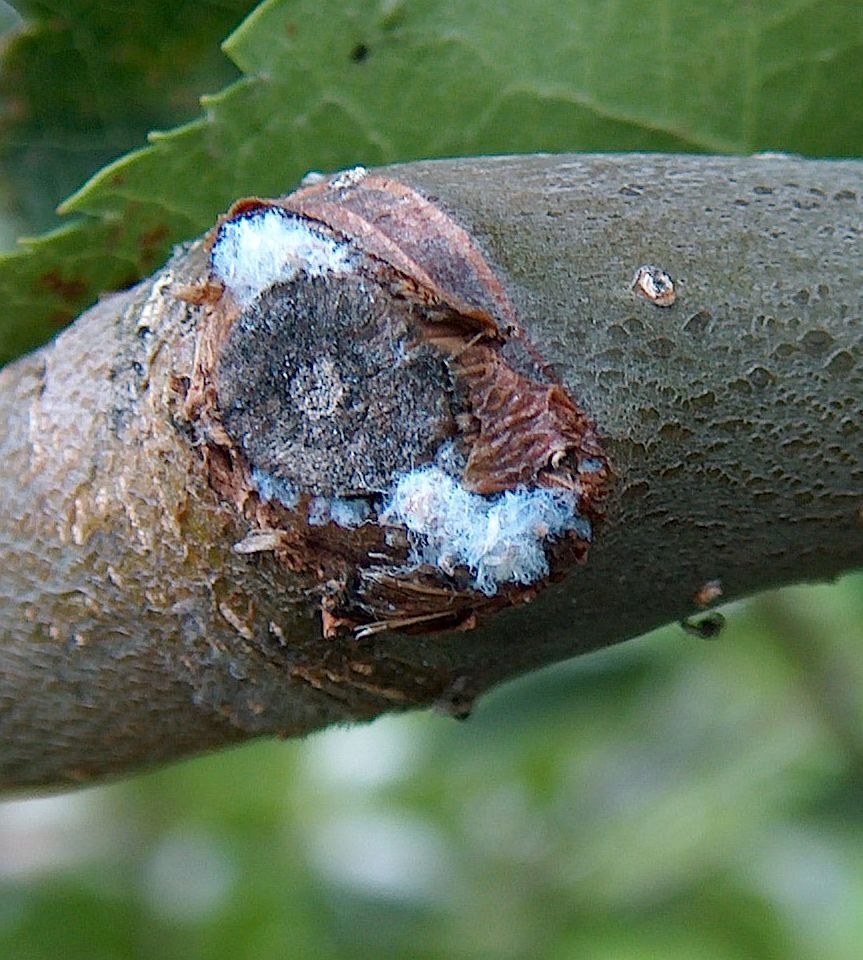
Woolly Aphid
Bark crevices, root collars, and twigs of apple, elm, and alder trees
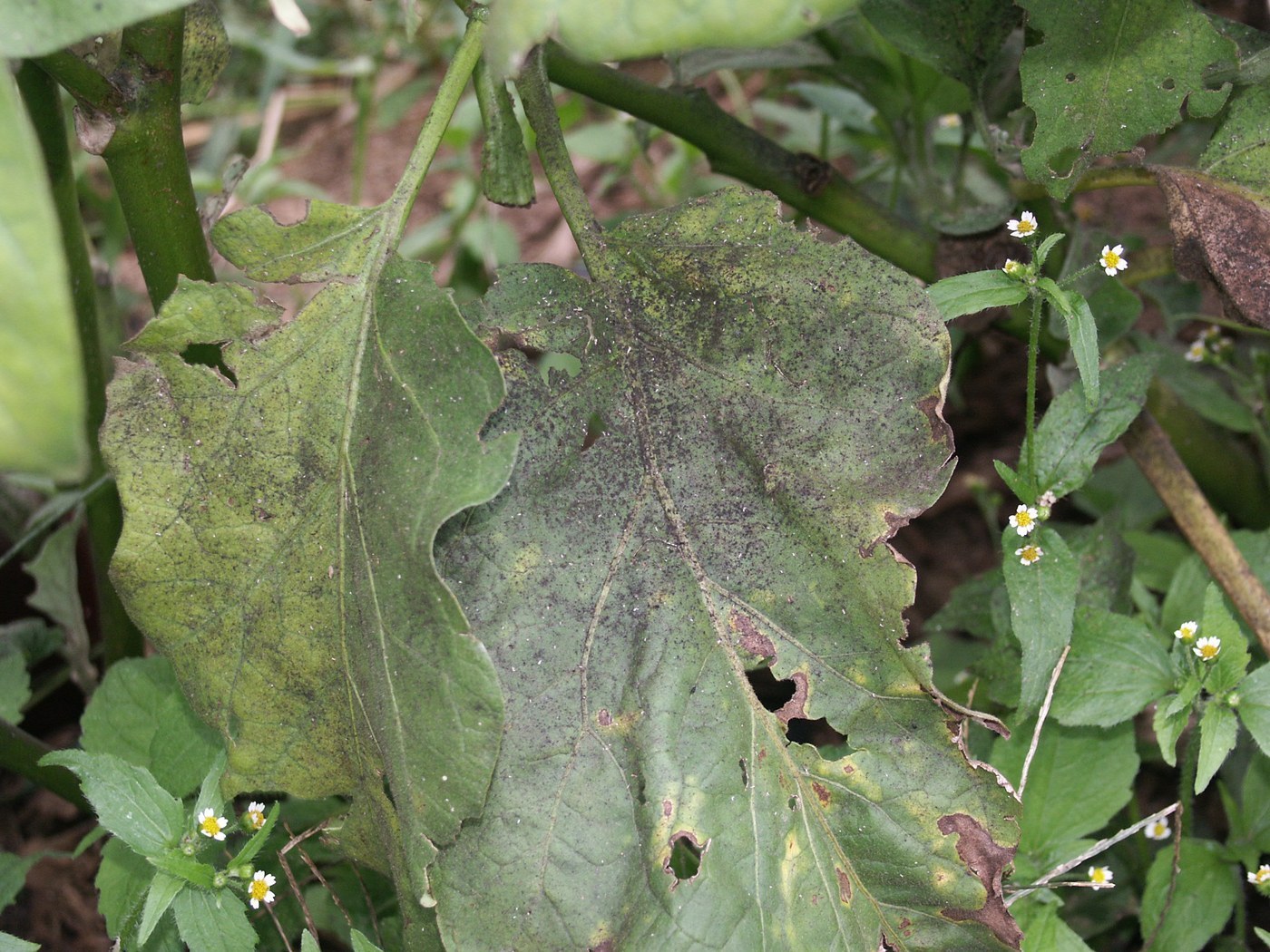
Whitefly
Greenhouses, gardens, and undersides of leaves on host plants
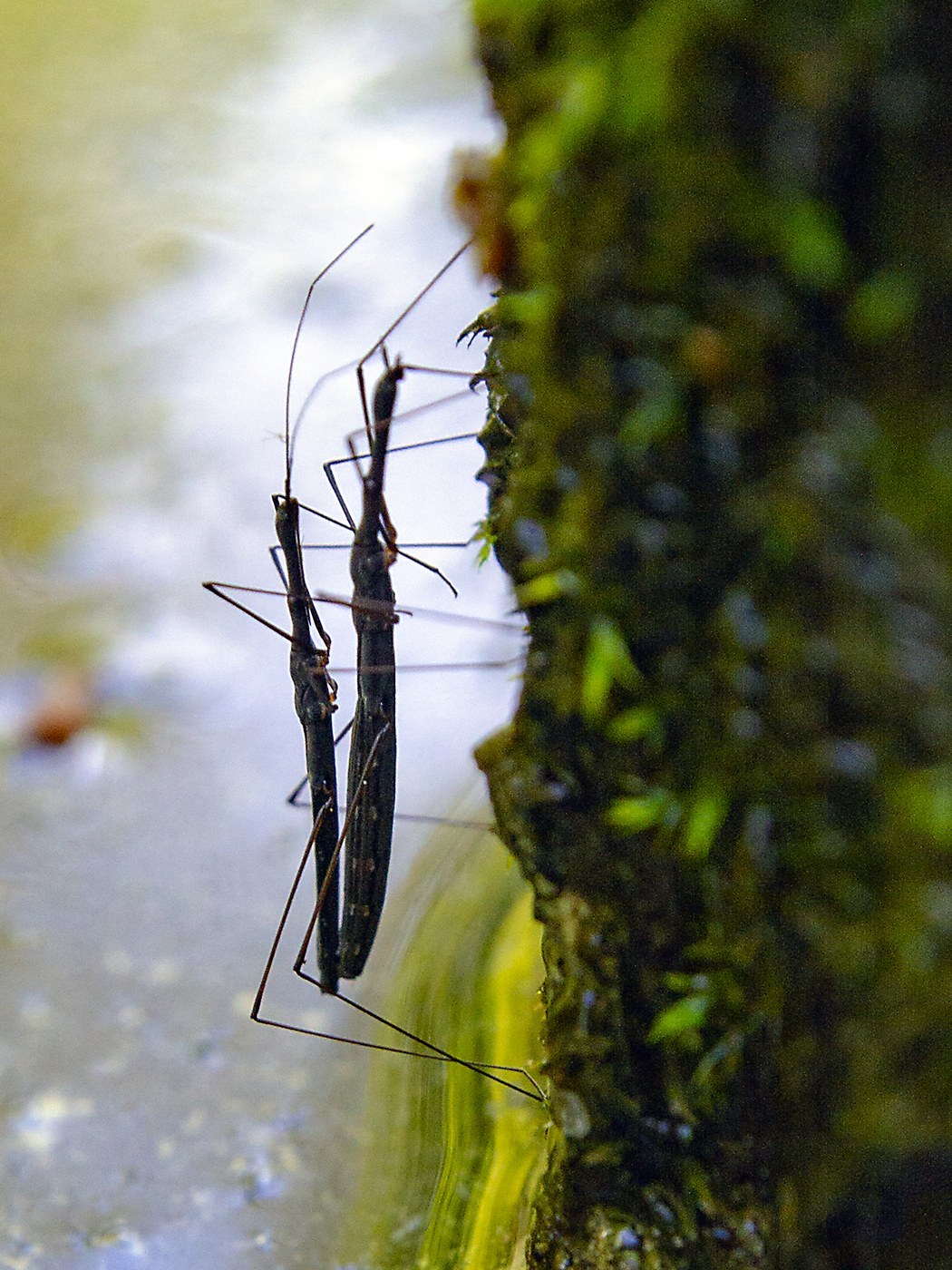
Water Measurer
Quiet edges of ponds, marshes, and slow streams
Two-Spotted Stink Bug
Gardens and fields with potato and nightshade-family plants