
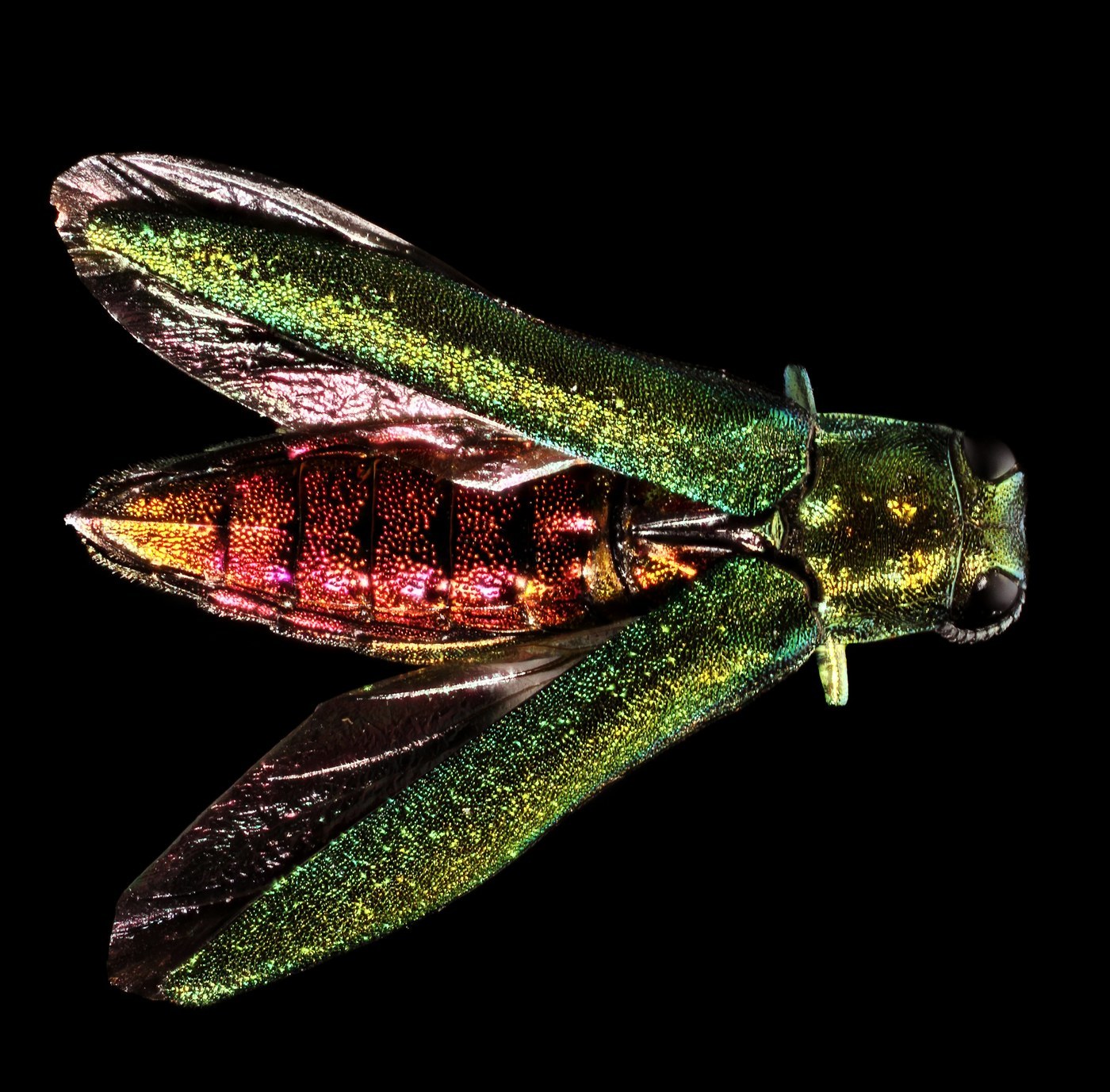
Emerald Ash Borer
Agrilus planipennis
A slender, bullet-shaped beetle with brilliant metallic-green coloring, whose bark-tunneling larvae feed almost exclusively within ash trees.
- Size
- 8.5–14 mm
- Habitat
- Ash tree canopies in urban areas and forests
- Danger
- Nuisance pest
Spotted a bug like this?
Identify any bug or insect from a photo, free.
Overview
The emerald ash borer, Agrilus planipennis, is a small, metallic green beetle in the family Buprestidae (jewel beetles), order Coleoptera, native to eastern Asia. It has become widely known as one of the most significant invasive forest insects in North America since its detection there in the early 2000s.
As its name suggests, the beetle specializes almost exclusively on ash trees (genus Fraxinus), with larvae tunneling beneath the bark and disrupting the tree's ability to transport water and nutrients. This host specificity, combined with the beetle's rapid spread, has made it a well-studied case of invasive species impact on forest ecosystems.
Despite the ecological concern surrounding its introduced range, the emerald ash borer remains, in its native Asian range, one component of a broader community of wood-boring beetles associated with ash and related trees.
How to Identify
- Slender, elongated, bullet-shaped body roughly 8.5–14 mm long
- Bright, iridescent metallic green coloring on the head, thorax, and wing covers
- Flattened body profile when viewed from above, typical of jewel beetles (family Buprestidae)
- Coppery-red upper abdominal segments sometimes visible when wings are spread in flight
- Distinguished from similar green beetles by its narrow, tapered shape and characteristic D-shaped exit holes left in ash bark
Habitat & Range
Emerald ash borers are found wherever ash trees grow, native to parts of eastern Asia and introduced to North America, where they have spread through many regions with ash tree populations. Adults are typically active during the warmer months, from late spring through summer.
Larvae develop beneath the bark of ash trees, in both urban plantings and forested areas, remaining hidden within the trunk and branches for most of their development.
Behavior & Diet
Adult emerald ash borers feed on ash leaves, causing minor notching along leaf margins, while the more significant activity occurs underground in the bark, where larvae tunnel serpentine galleries through the phloem, disrupting the tree's nutrient and water transport tissues. This concentrated feeding on a single host genus is a defining ecological trait of the species.
Adults are capable fliers that can disperse to new host trees, and the beetle's spread has been closely tracked in forestry and urban tree management contexts. Within its native range, natural predators and parasitoid insects help regulate its populations.
Life Cycle
Emerald ash borers undergo complete metamorphosis. Adult females lay eggs in bark crevices on ash trees, and hatched larvae bore inward to feed within the phloem layer, creating winding S-shaped galleries as they grow through several instars.
Larvae typically overwinter beneath the bark before pupating in spring, with adults emerging in late spring or early summer through distinctive D-shaped exit holes. Depending on climate, the life cycle from egg to adult can take one to two years to complete.
Frequently asked questions
What tree species does the emerald ash borer target?
It specializes almost exclusively on trees in the genus Fraxinus, commonly known as ash trees.
How can you recognize the exit holes left by this beetle?
Adult emerald ash borers leave distinctive D-shaped exit holes in the bark of ash trees when they emerge.
Where is the emerald ash borer originally from?
It is native to eastern Asia and was introduced to North America, where it has since spread through many regions with ash trees.
What color is the emerald ash borer?
It has a bright, iridescent metallic green body, giving rise to its common name.
Emerald Ash Borer guides
In-depth guides for identifying, understanding, and living alongside Emerald Ash Borer.
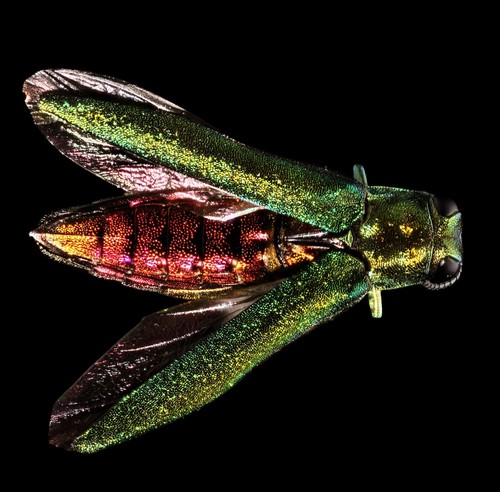
Emerald Ash Borer identified by the community
Real finds identified with Bug Identifier.
Other bugs you may enjoy
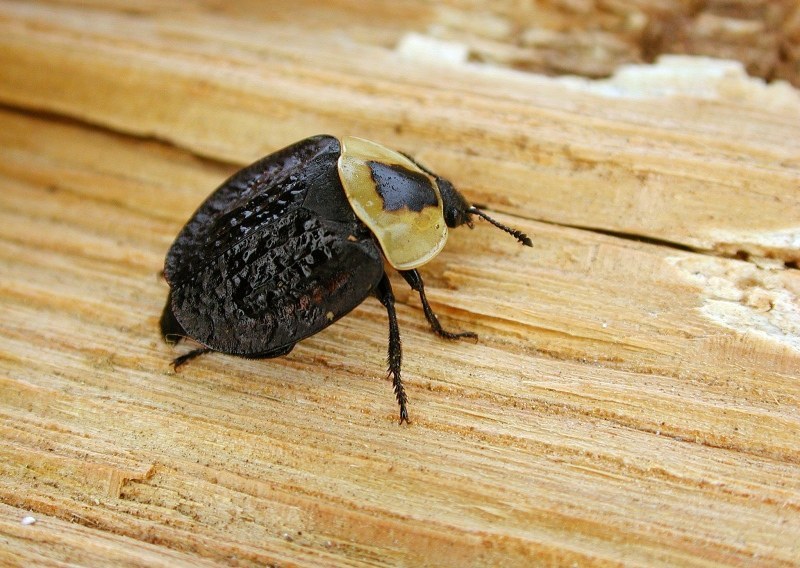
American Carrion Beetle
Forests, fields, and roadsides across North America, near decaying animal carcasses
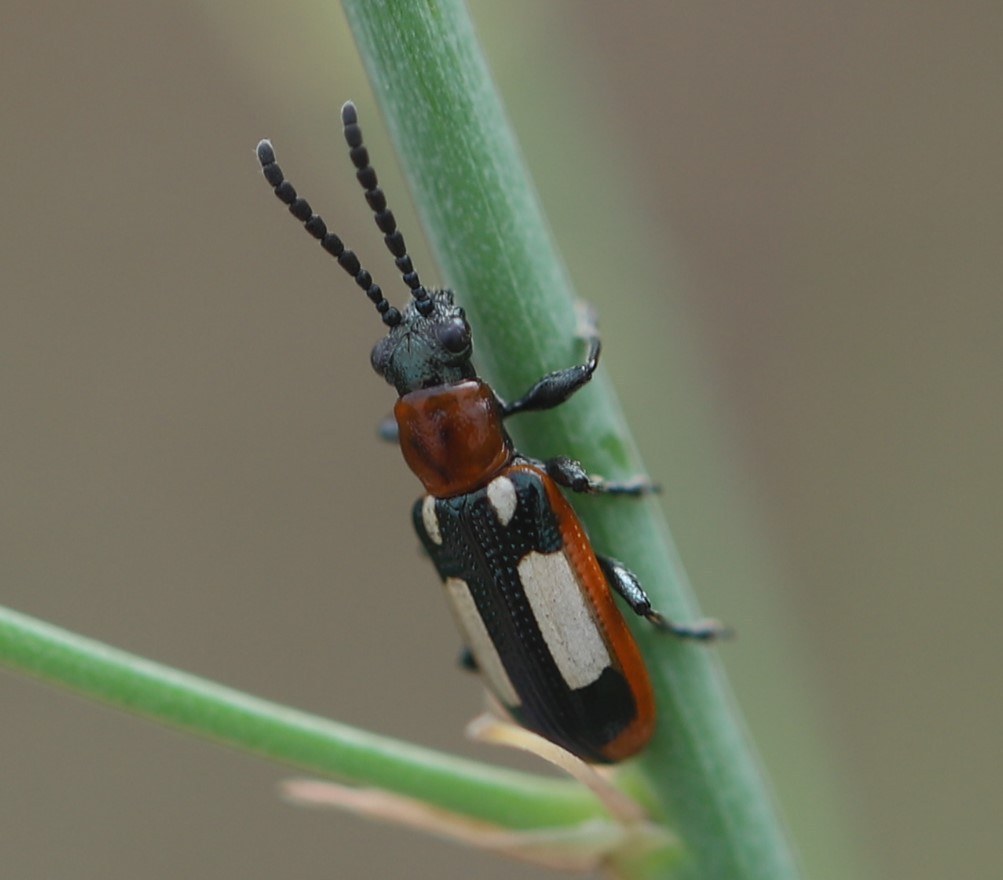
Asparagus Beetle
Asparagus patches, gardens, and farm fields
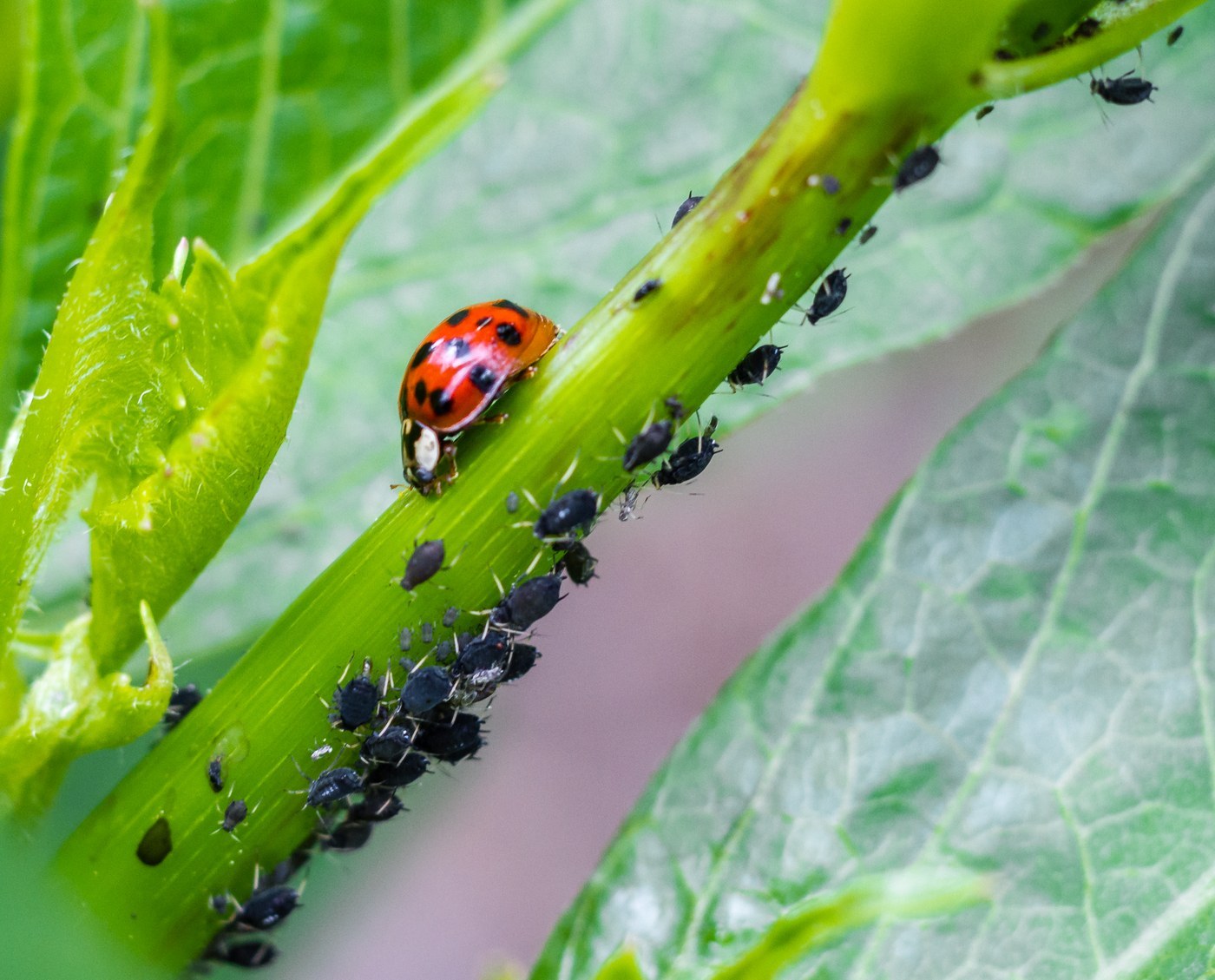
Asian Lady Beetle
Gardens, crop fields, woodlands, buildings
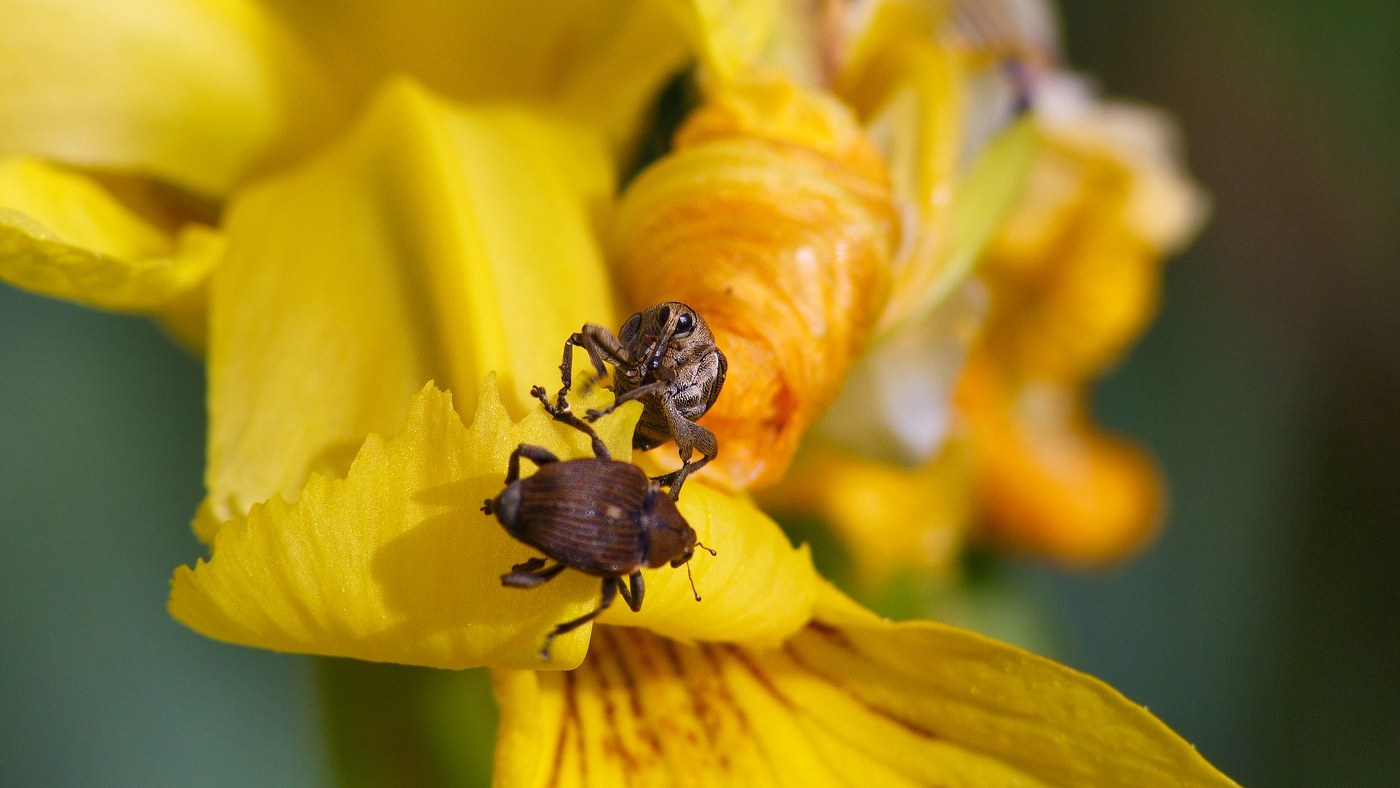
Acorn Weevil
Oak woodlands and forests, on and beneath oak trees
Wireworm
Soil of grasslands, gardens, and cultivated fields worldwide
Whitefringed Beetle
Pastures, row crops, lawns, disturbed soils
Vine Weevil
Gardens, nurseries, greenhouses, and container plantings
Varied Carpet Beetle
Homes, nests of birds and mammals, and flowers outdoors
Atlas Beetle
Tropical forests of Southeast Asia
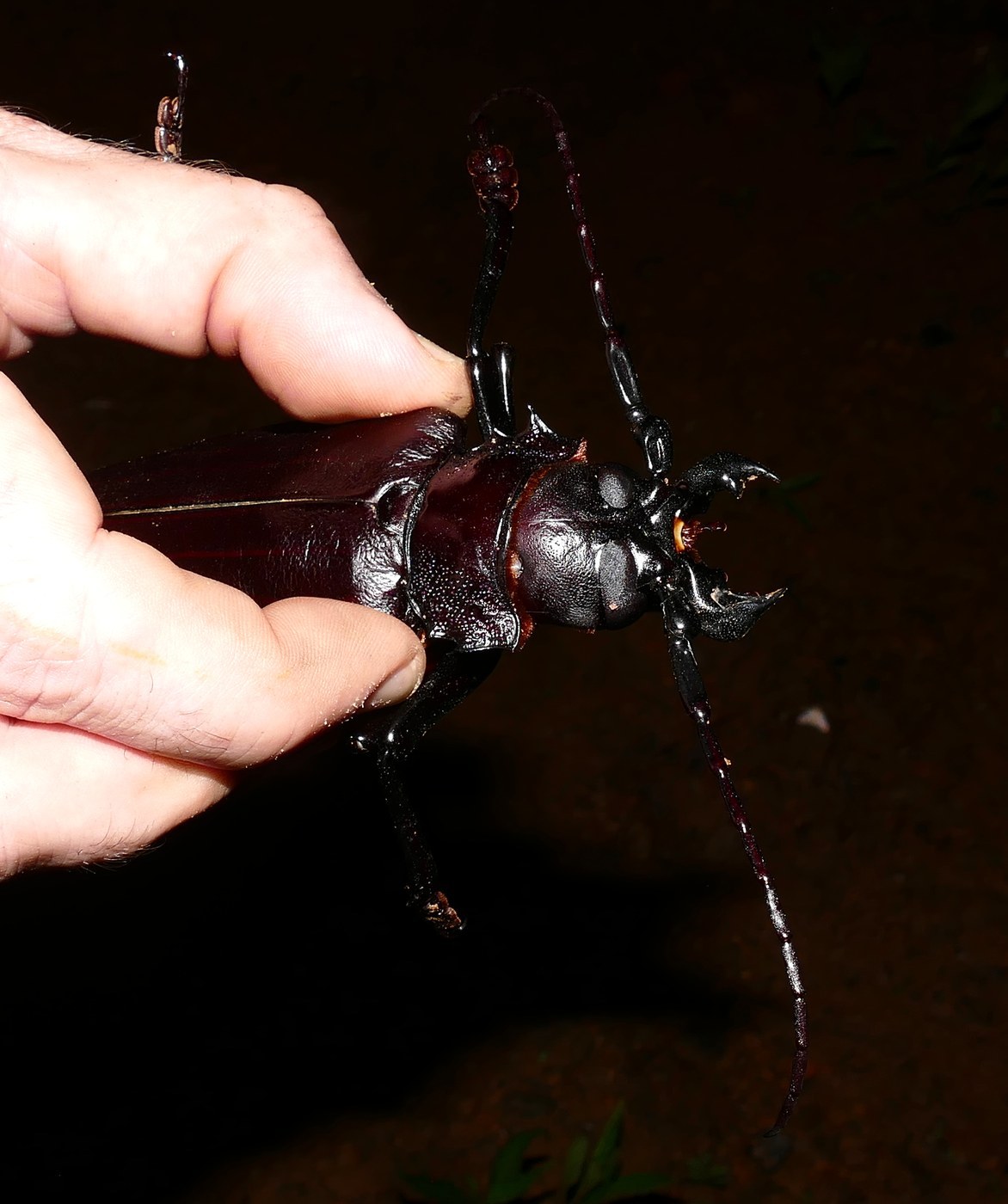
Titan Beetle
Amazon rainforest of South America
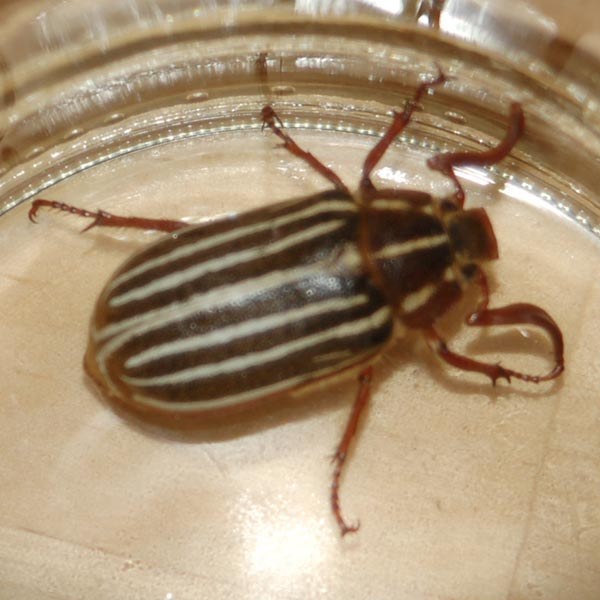
Ten-lined June Beetle
Sandy soils, pine forests, and orchards of western North America
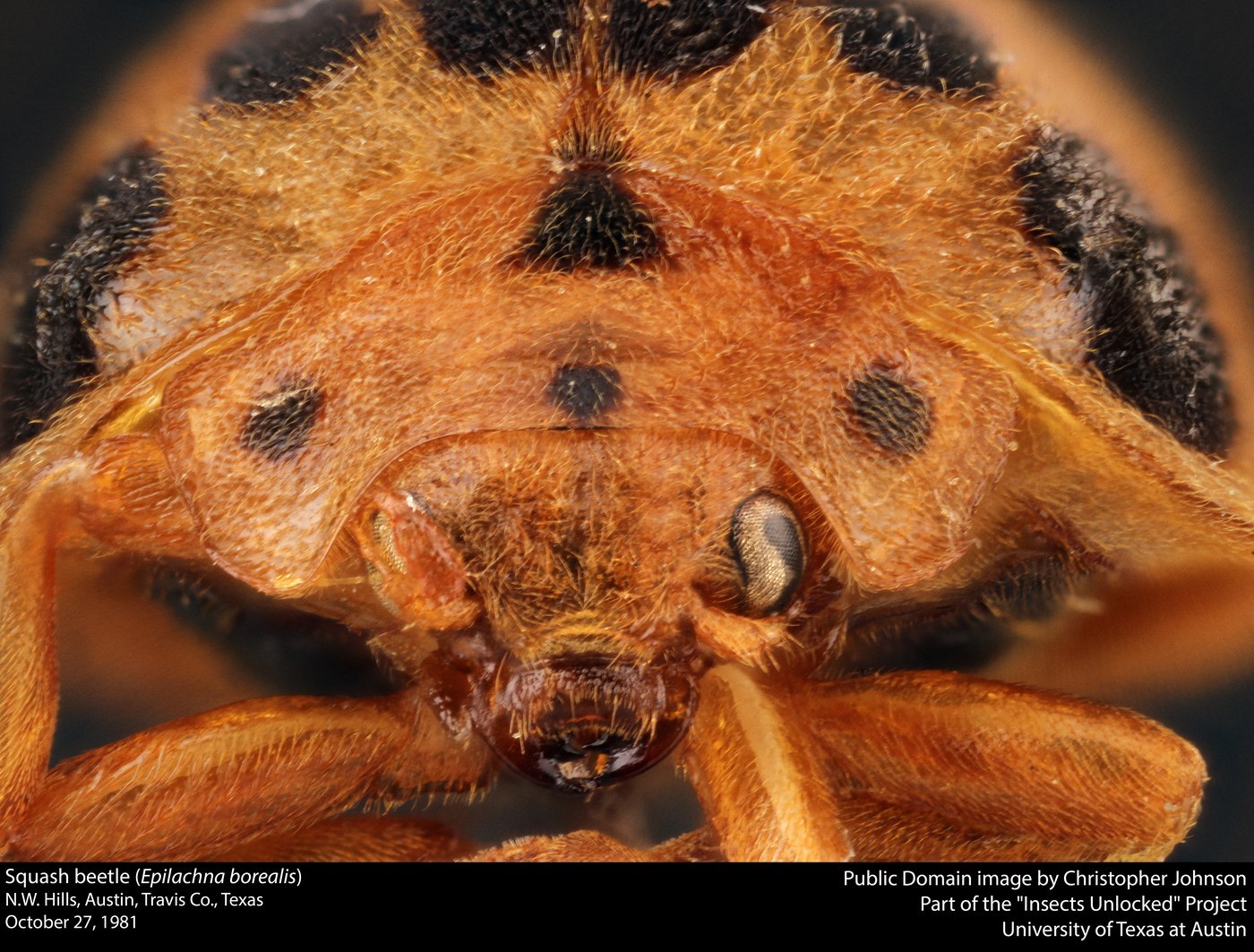
Squash Beetle
Vegetable gardens and fields growing squash, pumpkin, and other cucurbits