
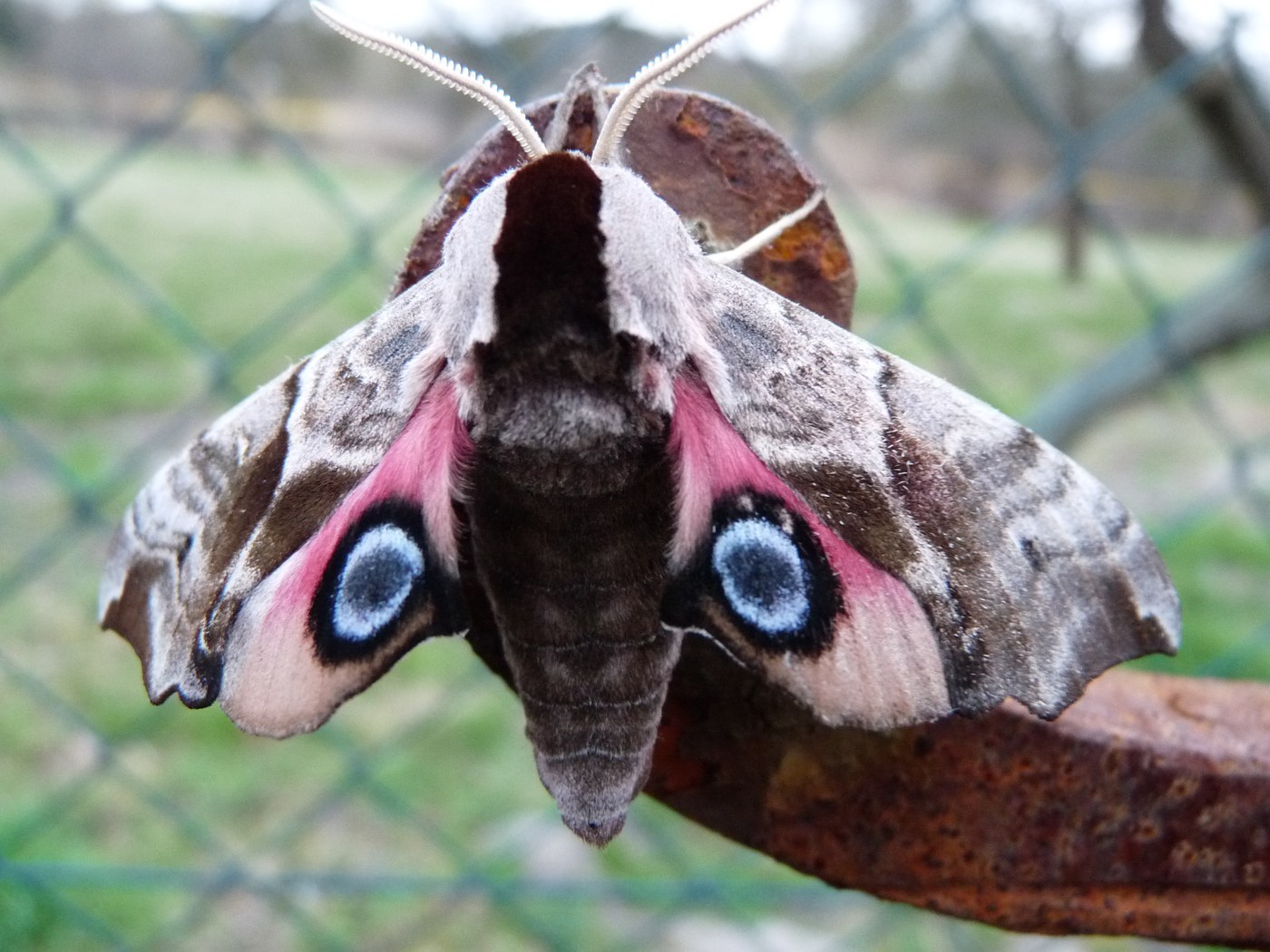
Eyed Hawk-Moth
Smerinthus ocellata
A pinkish-brown hawk-moth that reveals a pair of large, blue-and-black eyespots on its hindwings when threatened, using the sudden flash of "eyes" to startle would-be predators.
- Size
- 2.4–3.1 in wingspan
- Habitat
- Gardens, orchards, riverbanks, and woodland with willow or apple across Europe
- Danger
- Harmless
Spotted a bug like this?
Identify any bug or insect from a photo, free.
Overview
The eyed hawk-moth is a member of the family Sphingidae widespread across Europe, named for the striking eyespots concealed on its hindwings. At rest with wings closed, it appears as an unremarkable pinkish-brown moth, but when disturbed it can flick its forewings apart to expose two large blue-centered eyespots ringed in black, a classic example of a startle or deimatic display in moths.
The species is closely related to the poplar hawk-moth, sharing similar overall coloring and habitat preferences, but is readily distinguished by its dramatic hindwing pattern.
Its larvae feed primarily on willow and apple, linking the species to both wild riparian habitat and cultivated orchards.
How to Identify
- Medium-large hawk-moth with mottled pinkish-brown to grey-brown forewings and a scalloped wing margin.
- Hindwings, normally hidden, bear large blue eyespots set within a black ring on a pink background, revealed only when the moth is disturbed.
- Body is stout, tapered, and colored to match the forewings, aiding camouflage at rest.
- Lookalikes: poplar hawk-moth, which shares similar forewing coloring but lacks the blue eyespots and shows only a plain rust patch on the hindwing instead.
Habitat & Range
Distributed across most of Europe into temperate Asia, the eyed hawk-moth is found in gardens, orchards, hedgerows, riverbanks, and woodland edges wherever willow, apple, or related trees grow. Adults fly primarily from late spring into midsummer, are nocturnal, and are occasionally drawn to lights, while larvae feed on host foliage through the summer months.
Behavior & Diet
Adults are nocturnal fliers that do not feed, surviving on reserves accumulated during the larval stage. Their primary defensive behavior is the sudden exposure of the hindwing eyespots when threatened, a rapid visual display intended to startle predators such as birds long enough for the moth to escape. Larvae are leaf-feeding herbivores of willow and apple, growing to a large size before pupation, and serve as a food source for birds and other predators within woodland and orchard ecosystems.
Life Cycle
Eggs are laid on the leaves of willow, apple, or related trees, hatching into large green caterpillars with pale diagonal side stripes and a blue-tipped tail horn typical of sphinx moths. After feeding through summer, mature larvae pupate in the soil, overwintering underground before adults emerge the following late spring. Typically one generation occurs per year across most of the species' European range.
Frequently asked questions
Why does it have eyespots if they're normally hidden?
The eyespots are concealed by the forewings at rest and are only flashed into view when the moth feels threatened, startling potential predators.
How can I tell it apart from the poplar hawk-moth?
Both share similar brownish forewing coloring, but only the eyed hawk-moth has blue-and-black eyespots on its hindwings; the poplar hawk-moth shows a plain rust-colored patch instead.
What do the caterpillars feed on?
Primarily willow and apple leaves, though they may also use related trees in the rose and willow families.
Is it found in orchards?
Yes, because apple is one of its recognized larval host plants, it is sometimes encountered in orchards as well as wild riverside habitats.
Eyed Hawk-Moth guides
In-depth guides for identifying, understanding, and living alongside Eyed Hawk-Moth.
Other bugs you may enjoy
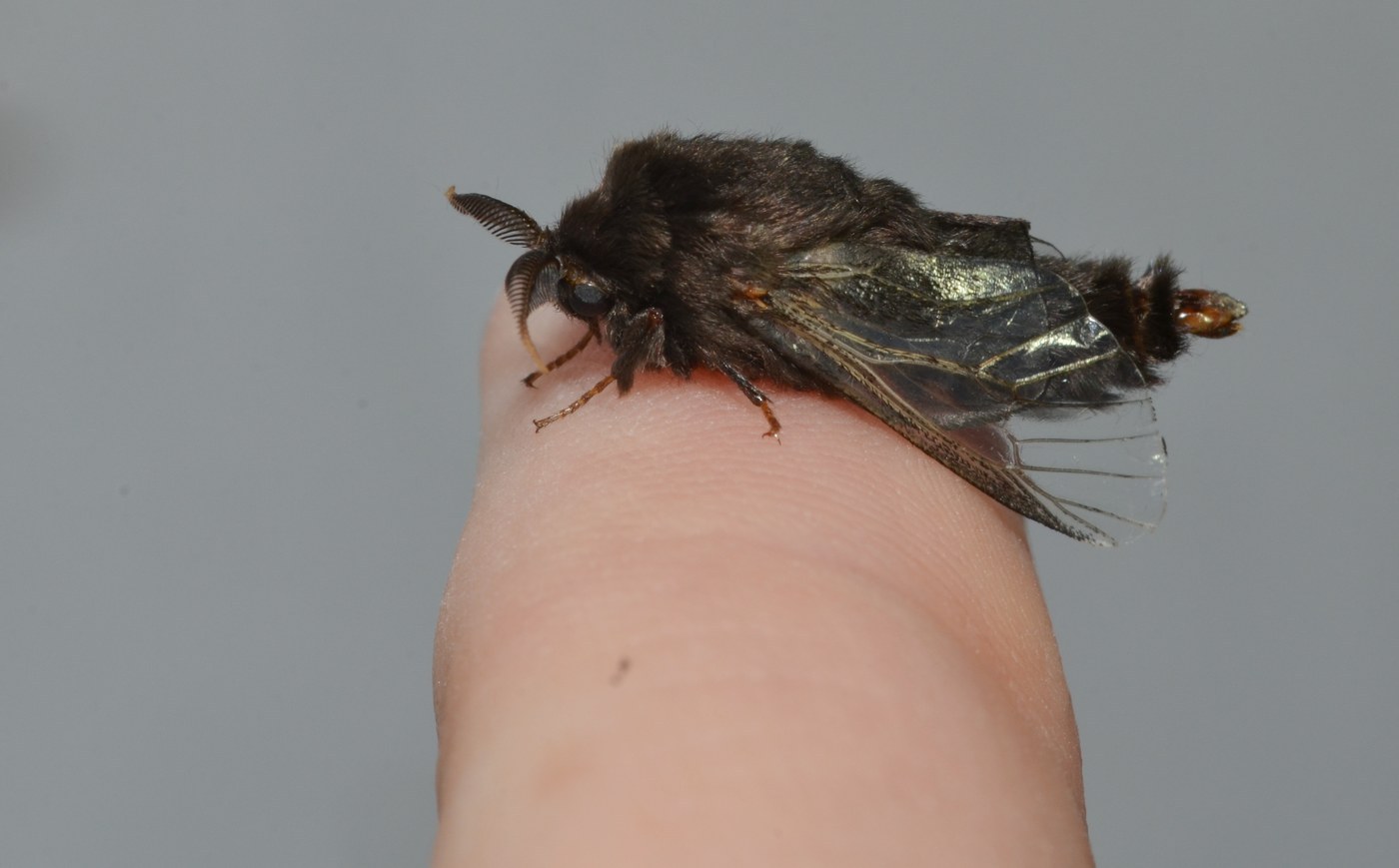
Bagworm Moth
Coniferous and deciduous trees, shrubs, hedges
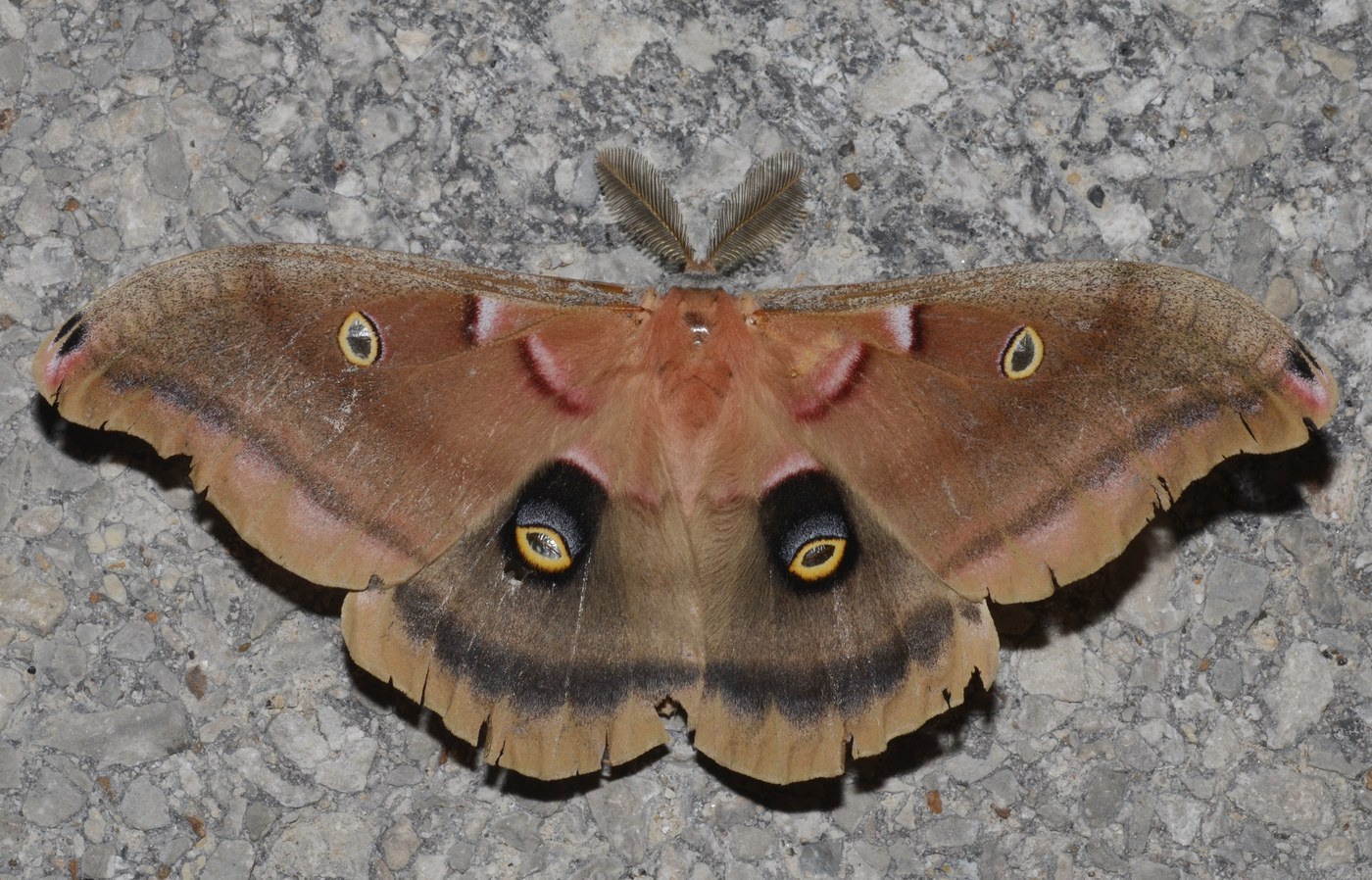
Antheraea Silkmoth
Deciduous forests, woodland edges, orchards
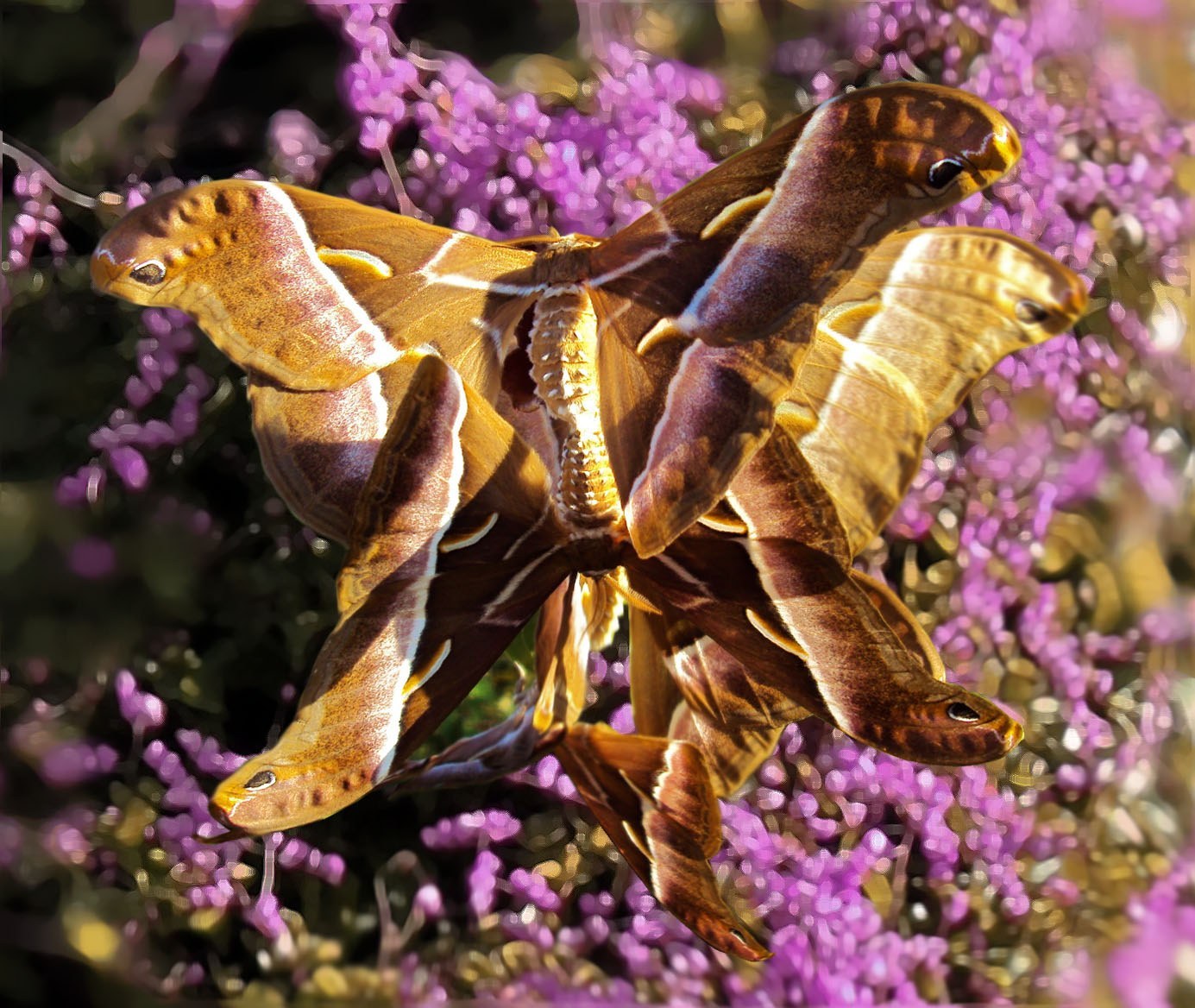
Ailanthus Silkmoth (Cynthia Moth)
Urban parks, wastelands, and woodland edges with tree-of-heaven; native to Asia, introduced in North America and Europe
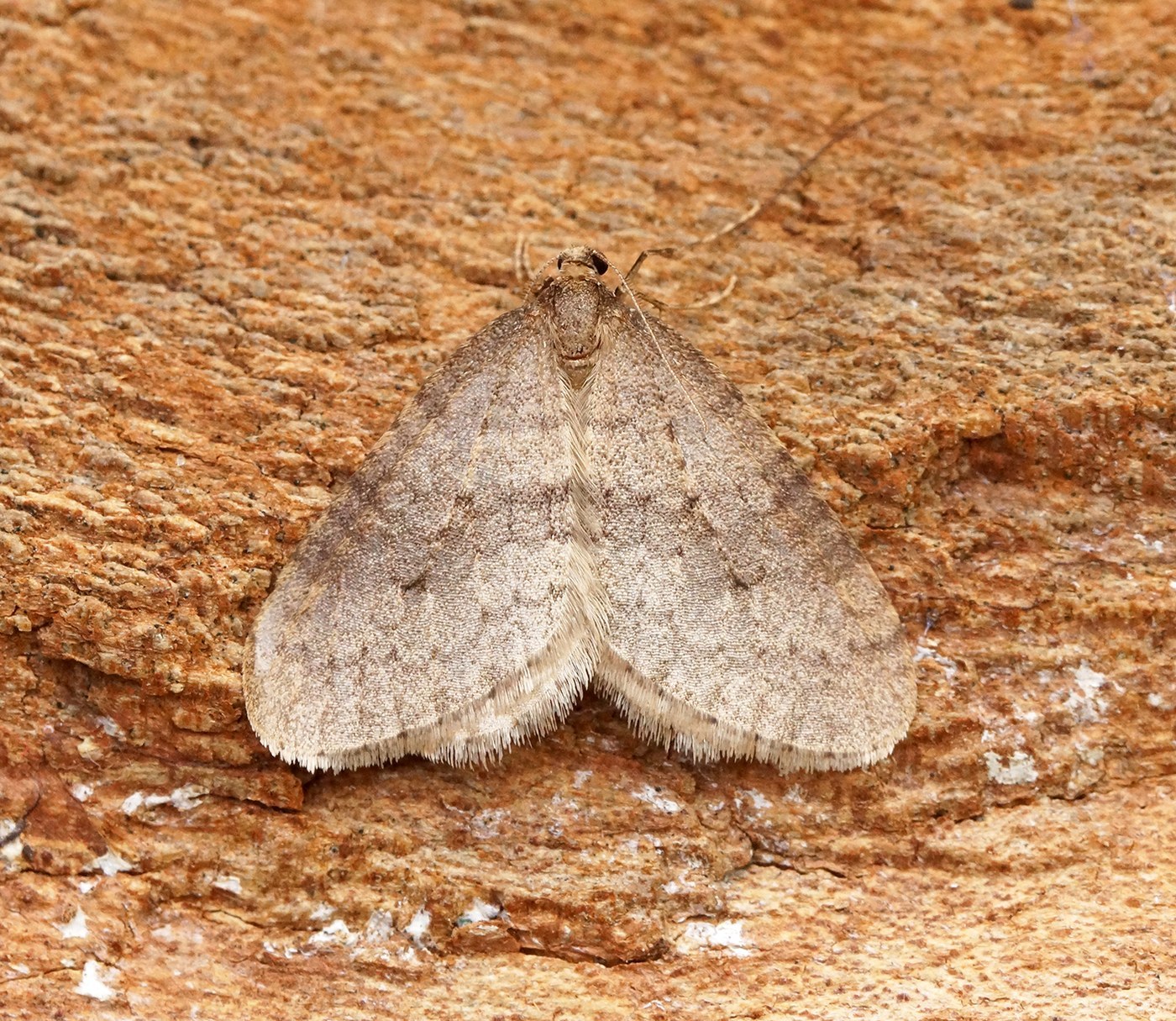
Winter Moth
Deciduous woodland, orchards, gardens, hedgerows
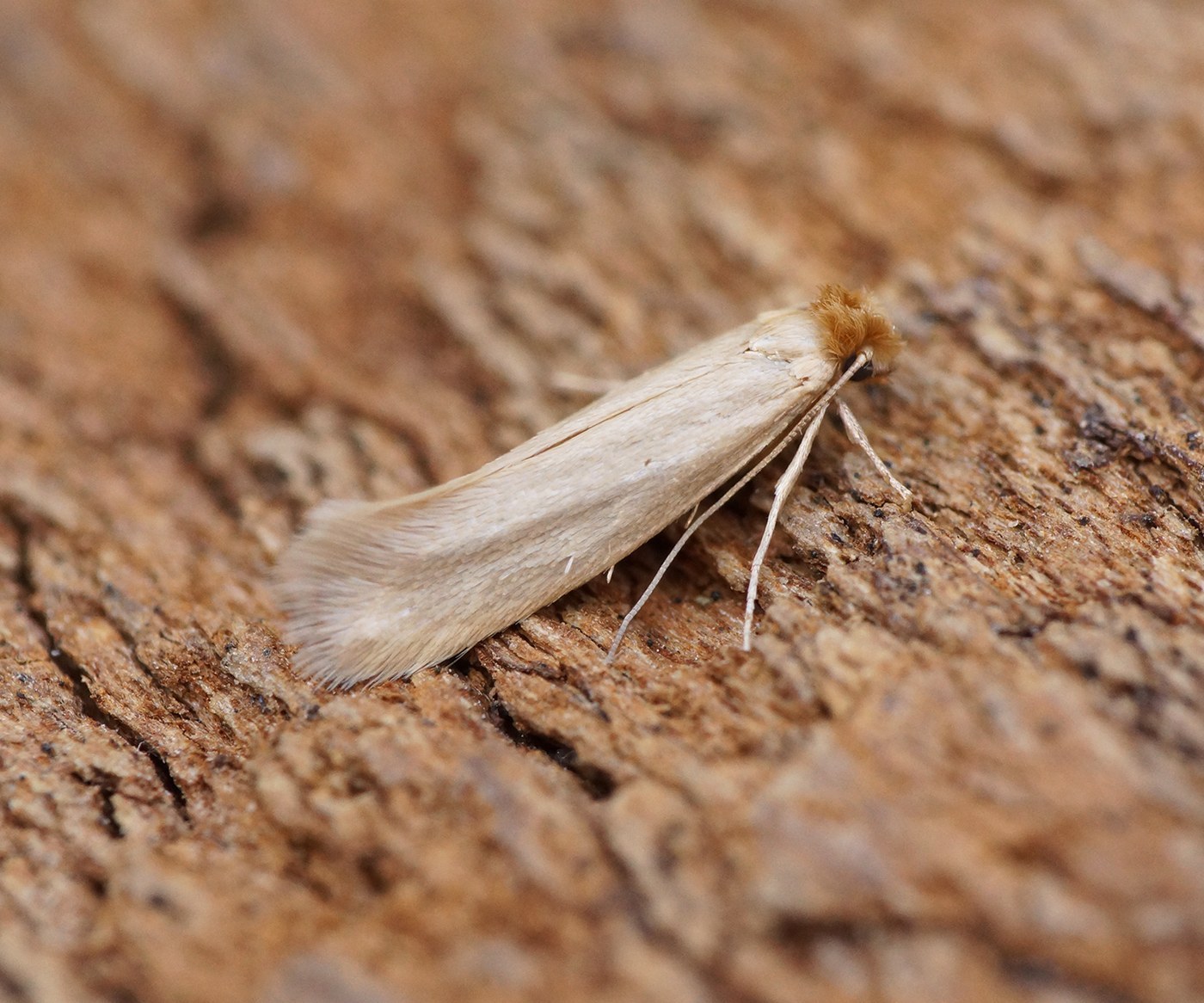
Webbing Clothes Moth
Dark closets, storage areas, and animal nests worldwide
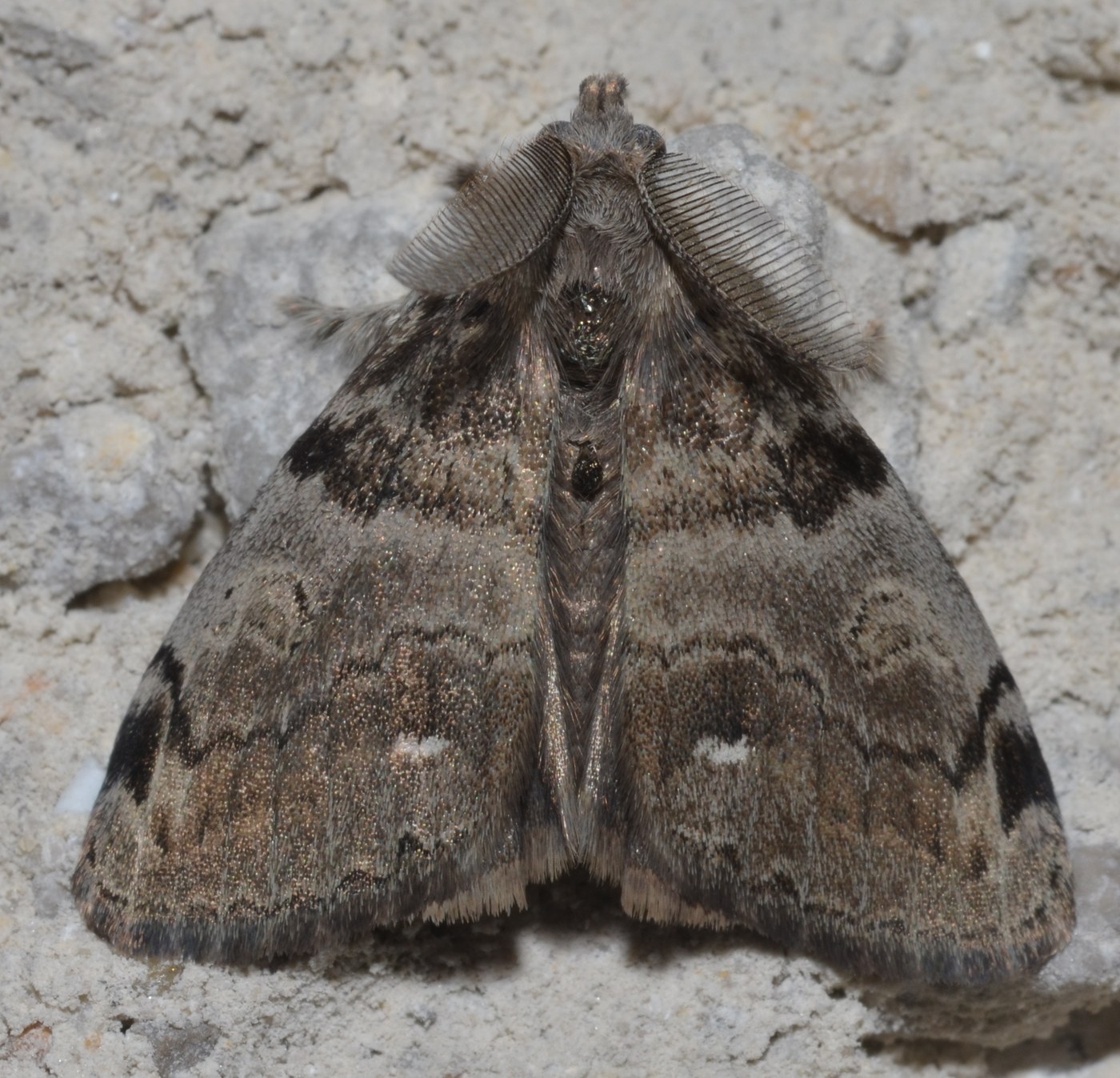
Tussock Moth
Deciduous forests, parks, gardens
Wax Moth
Beehives, apiaries, stored beeswax and comb
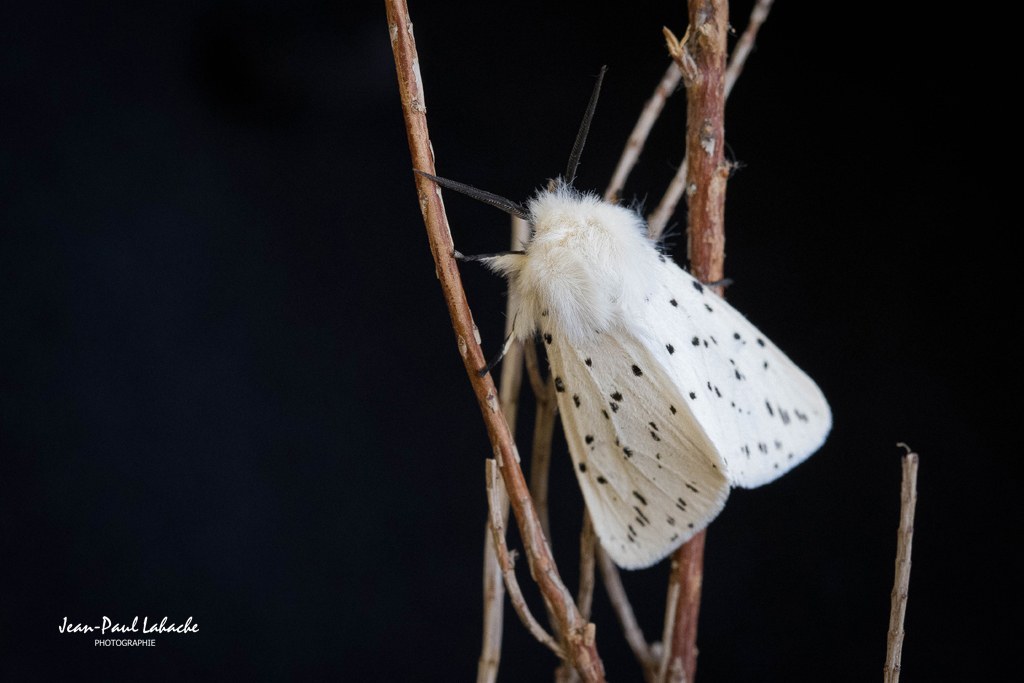
White Ermine Moth
Gardens, meadows, hedgerows
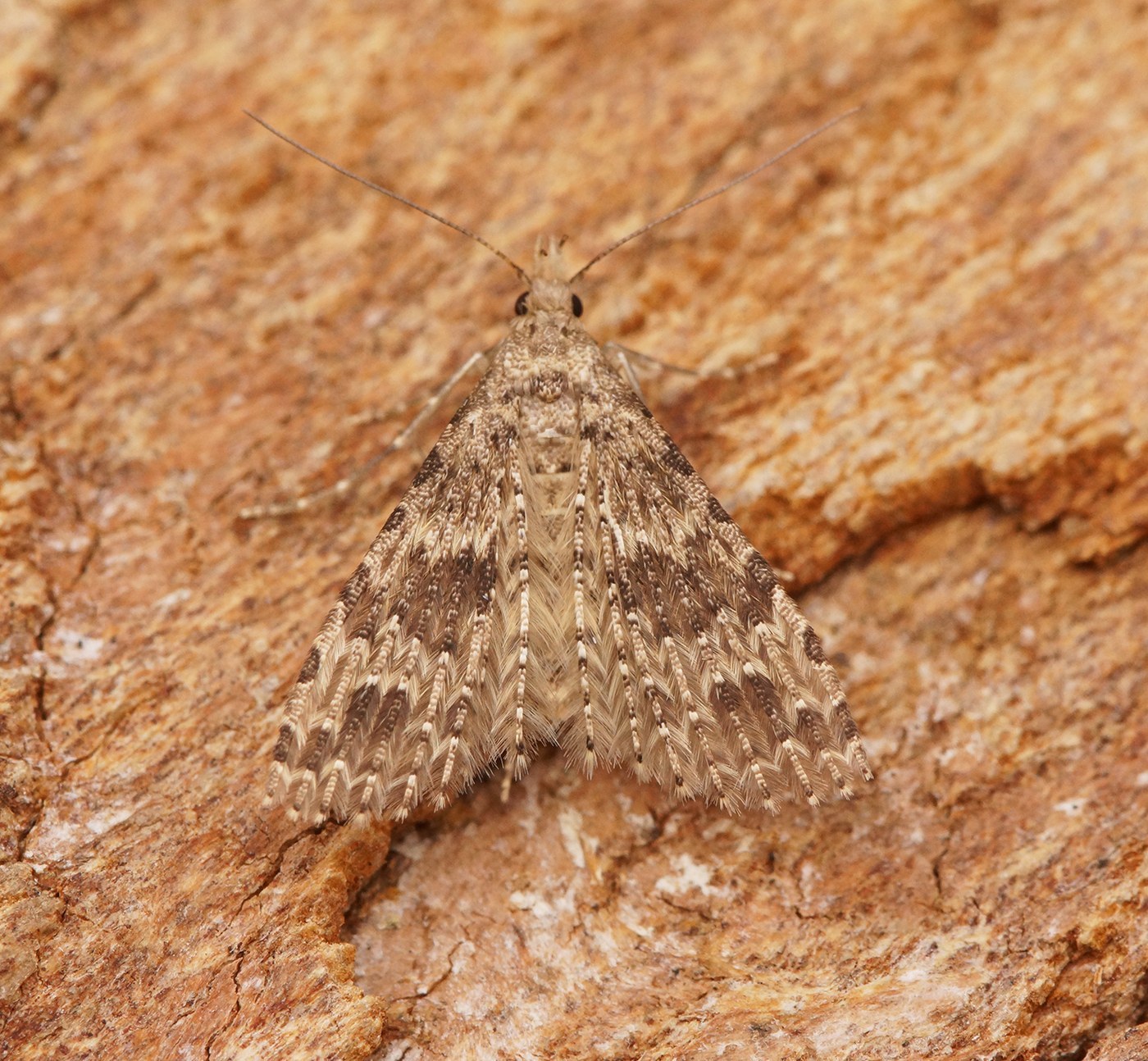
Twenty-plume Moth
Gardens, hedgerows, near honeysuckle
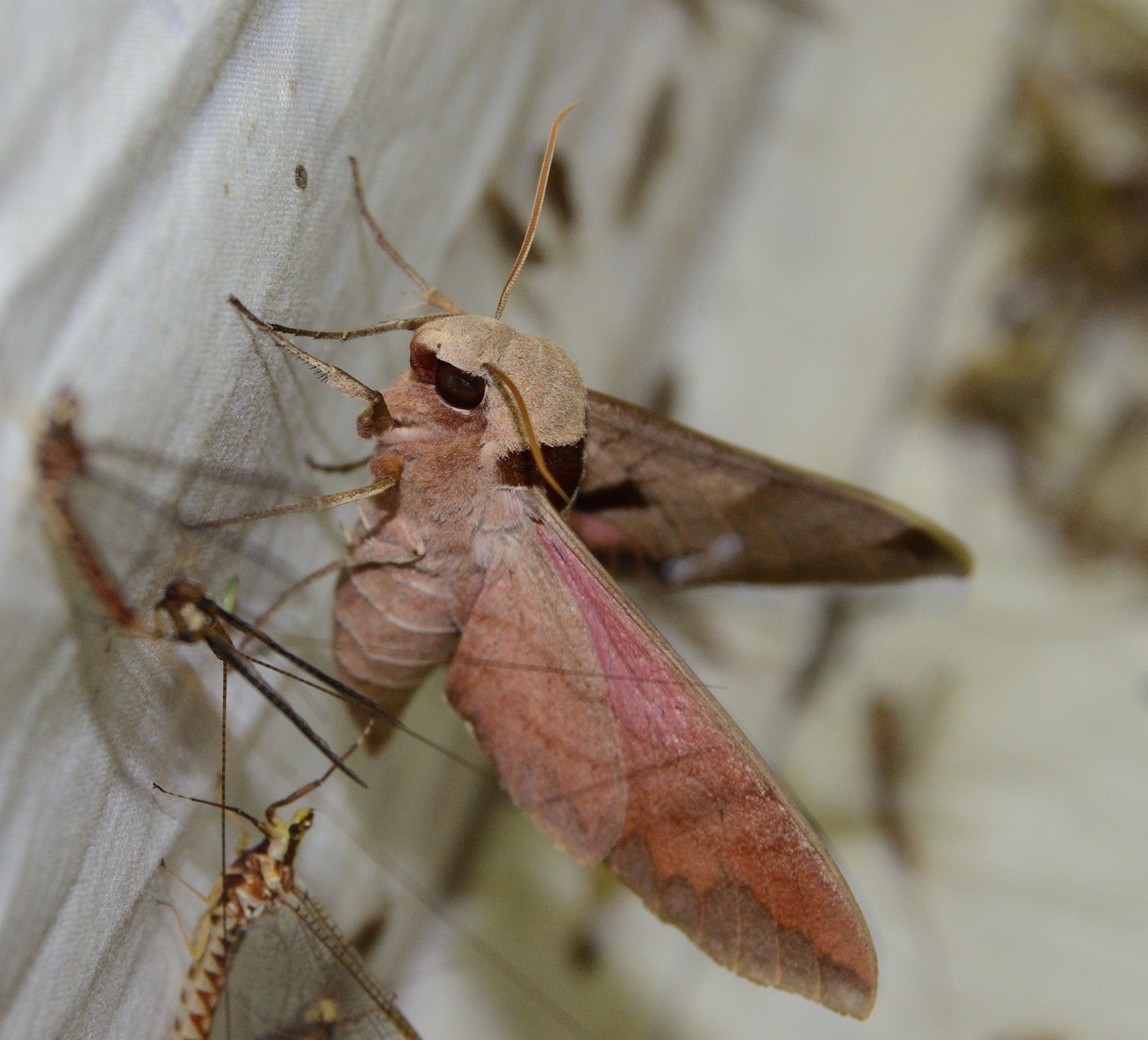
Achemon Sphinx Moth
Vineyards, woodland edges, gardens with wild grape
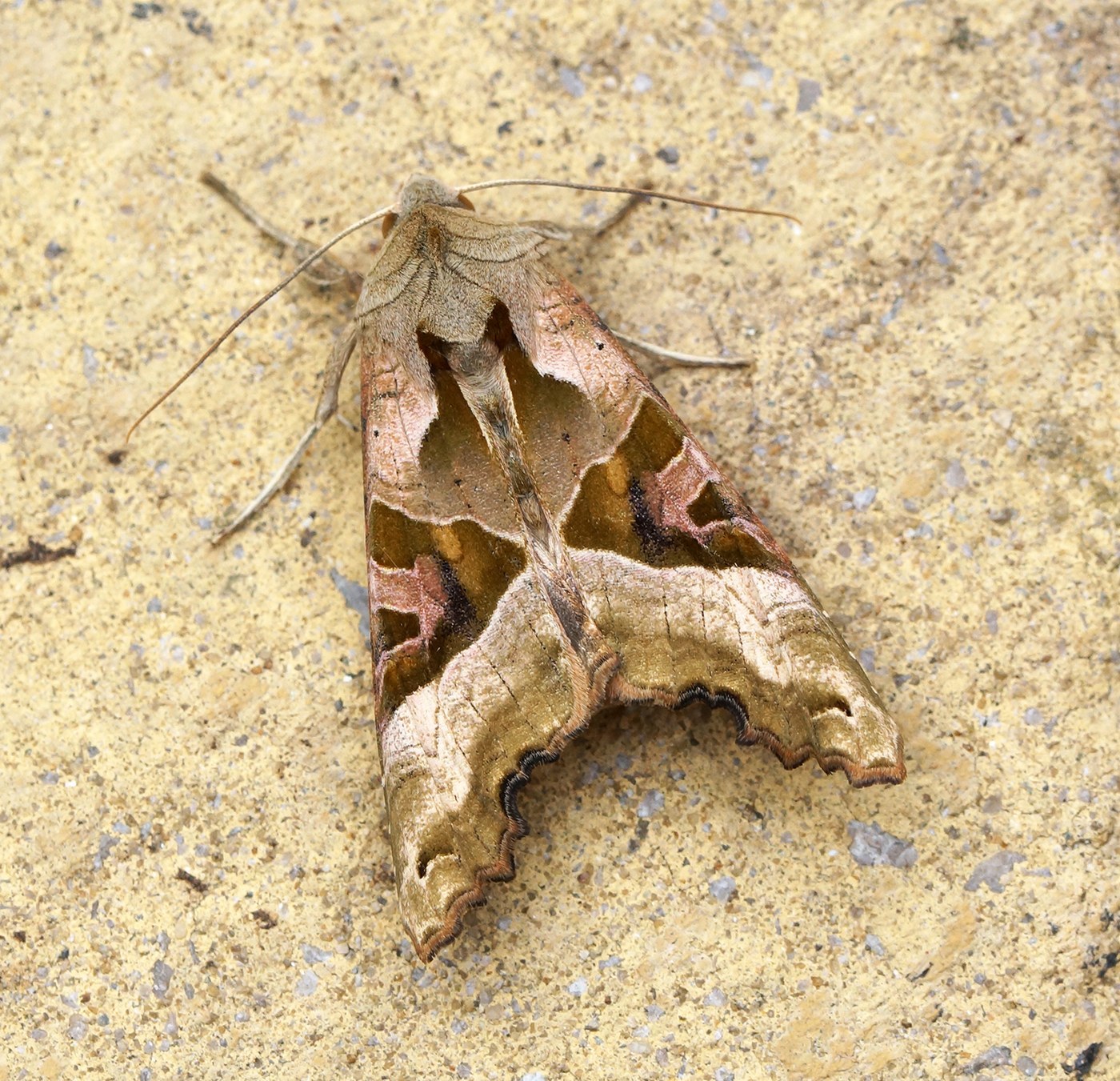
Angle Shades Moth
Gardens, hedgerows, woodland edges, urban parks
Atlas Moth
Tropical and subtropical lowland forests of Southeast Asia