
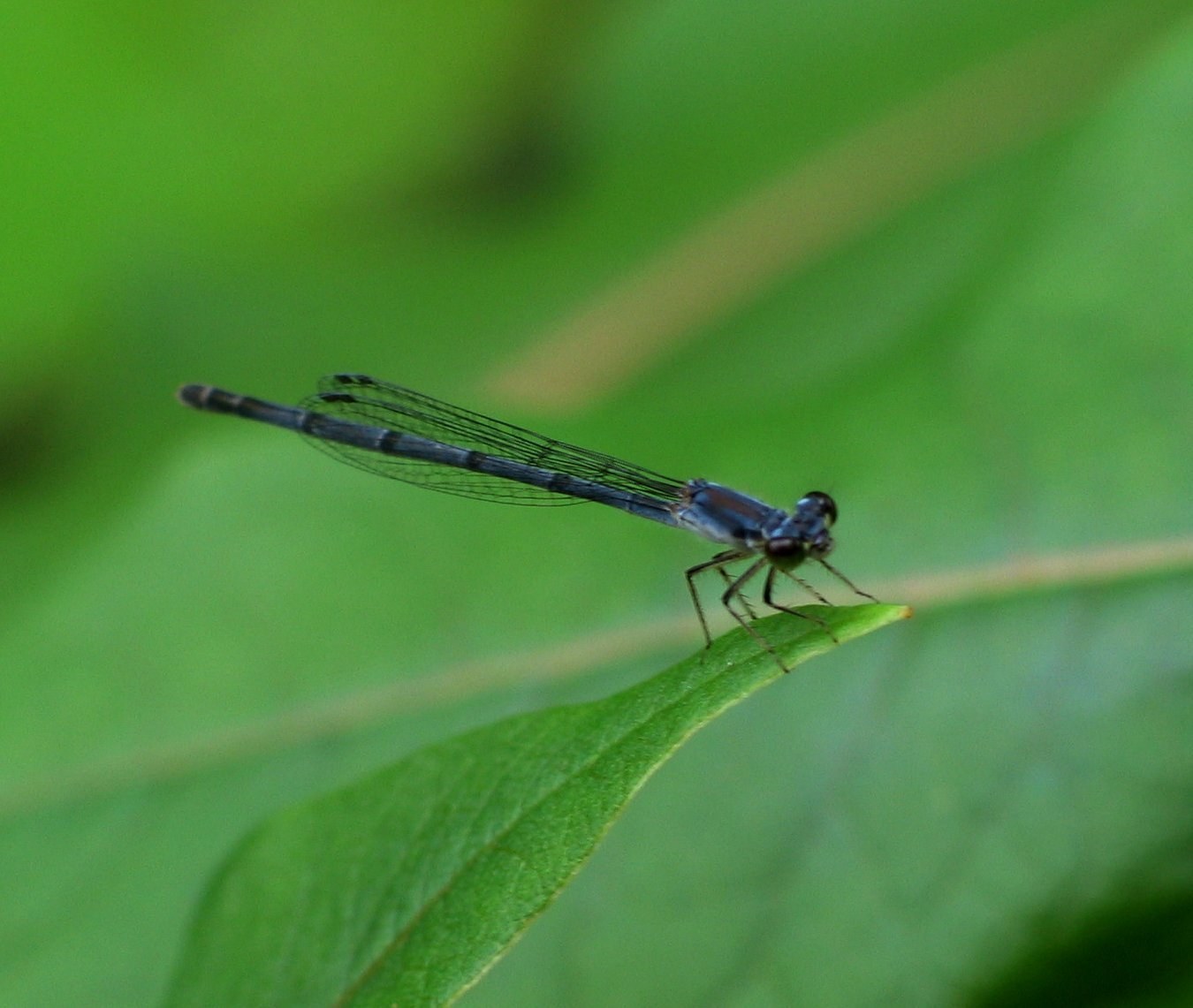
Familiar Bluet
Enallagma civile
One of the most widespread and abundant damselflies in North America, the Familiar Bluet's slender sky-blue and black body is a near-constant sight over ponds and lakes in warm months.
- Size
- Body length about 1-1.4 in (25-35 mm)
- Habitat
- Ponds, lakes, and slow streams with abundant vegetation
- Danger
- Harmless
Spotted a bug like this?
Identify any bug or insect from a photo, free.
Overview
The Familiar Bluet is among the most common and widely distributed pond damselflies in North America, found across nearly the entire continental United States, southern Canada, and into Mexico. As its name suggests, it is one of the most frequently encountered members of the bluet genus (Enallagma), which includes numerous similar-looking species.
Males display alternating bands of blue and black along a slender body, while females are more variably colored, often blue, tan, or brownish with black markings. Its abundance and wide tolerance of different still-water habitats make it a familiar sight at ponds and lakes throughout the warmer months.
How to Identify
- Males: bright blue body with black markings forming bands along the thorax and abdomen segments
- Females: more variable, ranging from blue to tan or brownish with black patterning
- Slender, narrow-winged damselfly body typical of the genus Enallagma
- Blue-tipped abdomen near the end in males, a helpful feature for separating bluets from similar genera
- Many bluet species look nearly identical and often require close examination of abdominal tip markings to distinguish with certainty
Habitat & Range
Familiar Bluets are highly adaptable and occur at ponds, lakes, marshes, and slow streams with ample vegetation across nearly all of the continental United States, into southern Canada, and south into Mexico. Their tolerance for a range of water conditions contributes to their status as one of the most widespread damselflies on the continent. Adults are seen from spring through fall across much of their range.
Behavior & Diet
Adults are often seen flying low over open water or perching on emergent vegetation near ponds and lakes, frequently in large numbers. They feed on small flying insects such as gnats and midges captured near the water's surface. Aquatic nymphs live among submerged plants, preying on small invertebrates, and both nymphs and adults form an important part of the food web, serving as prey for fish, birds, and larger aquatic insects.
Life Cycle
Mating pairs form a distinctive tandem wheel position, after which the female lays eggs by inserting them into submerged or floating plant tissue, sometimes with the male still attached. Eggs hatch into nymphs that live among aquatic vegetation, developing over a period of a few months to about a year depending on climate, while feeding on small invertebrates. When mature, nymphs climb out of the water onto plants to complete their final molt into winged adults. Multiple generations may occur per year in warmer parts of the range, with the species overwintering as nymphs in colder regions.
Frequently asked questions
Why is it called the 'Familiar' Bluet?
It is one of the most common and widely encountered bluet damselflies across North America, making it a familiar sight at ponds and lakes.
How can you identify a male Familiar Bluet?
Males show a bright blue body with black banding along the thorax and abdomen, with blue near the tip of the abdomen.
Are Familiar Bluets easy to tell apart from other bluets?
Not always; many Enallagma bluet species look very similar and often require close inspection of abdominal tip structures to distinguish confidently.
Where do Familiar Bluets breed?
They breed in ponds, lakes, marshes, and slow streams with plenty of aquatic vegetation for egg-laying and nymph development.
Familiar Bluet guides
In-depth guides for identifying, understanding, and living alongside Familiar Bluet.
Familiar Bluet identified by the community
Real finds identified with Bug Identifier.

Other bugs you may enjoy
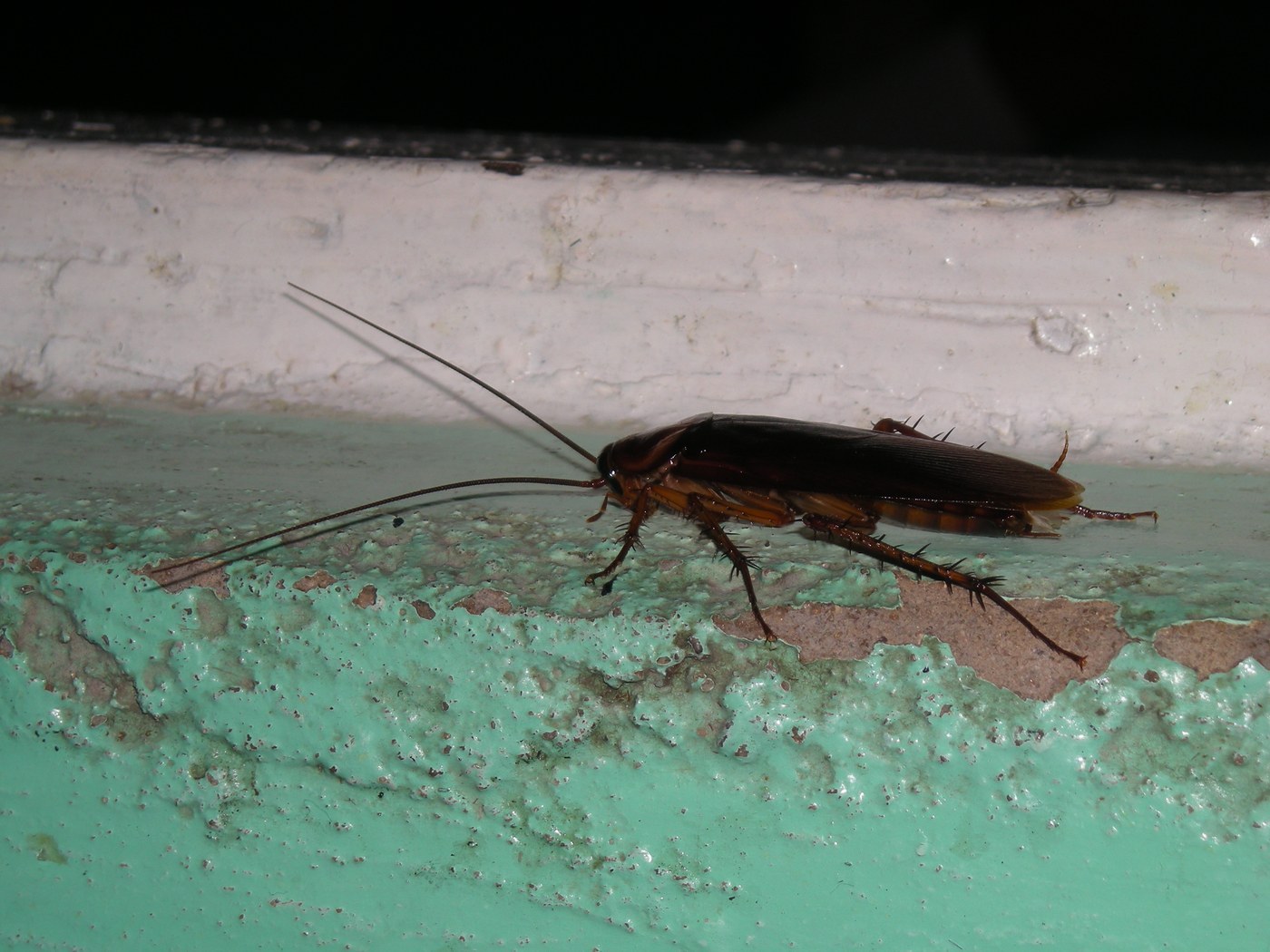
American Cockroach
Warm, humid environments such as basements, sewers, drains, and tropical outdoor settings
Thrips
Flowers, foliage, gardens, greenhouses, crop fields
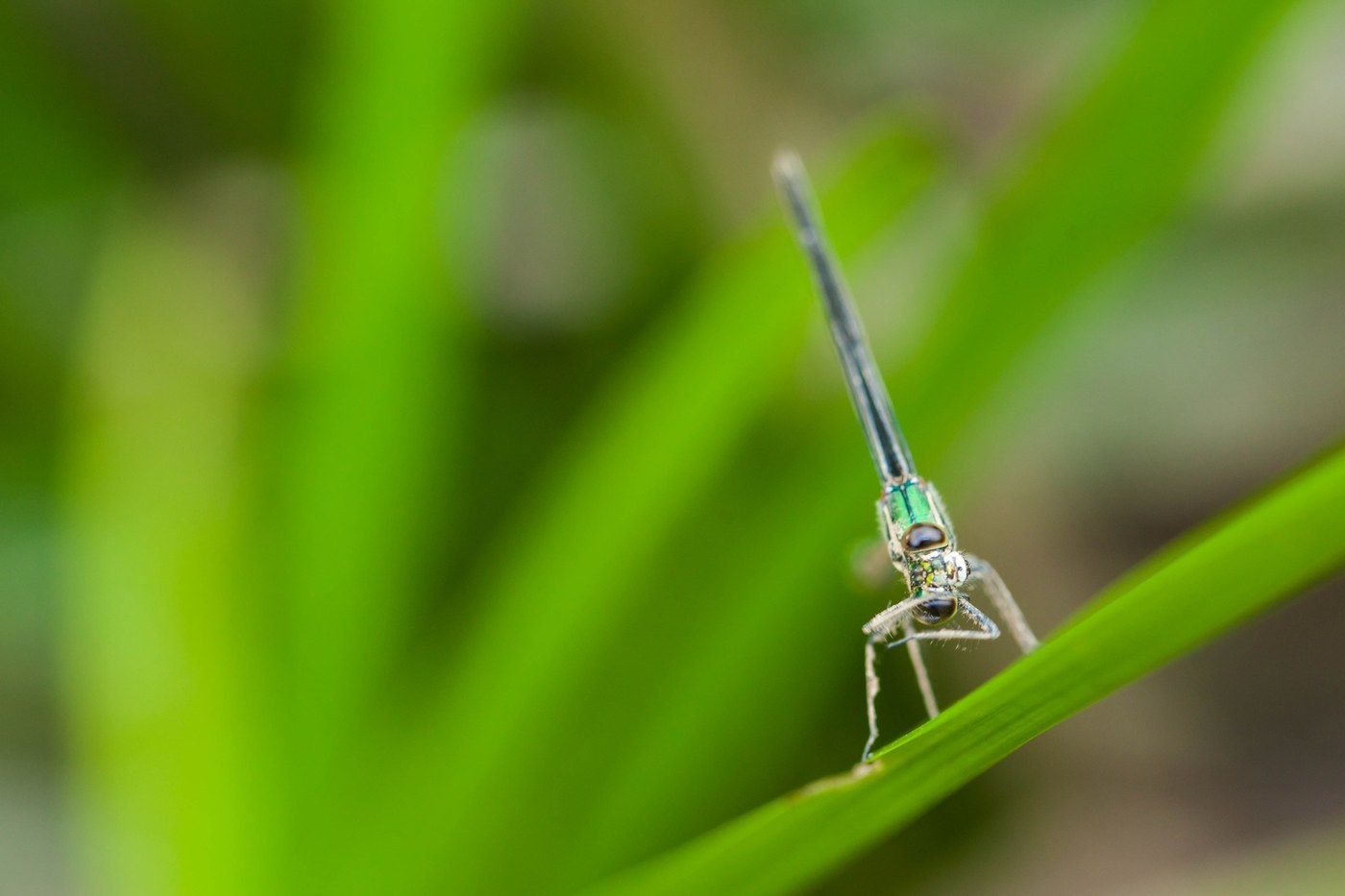
American Rubyspot
Sunny rivers and streams with moderate current
Springtail
Moist soil, leaf litter, decaying organic matter, and damp indoor areas
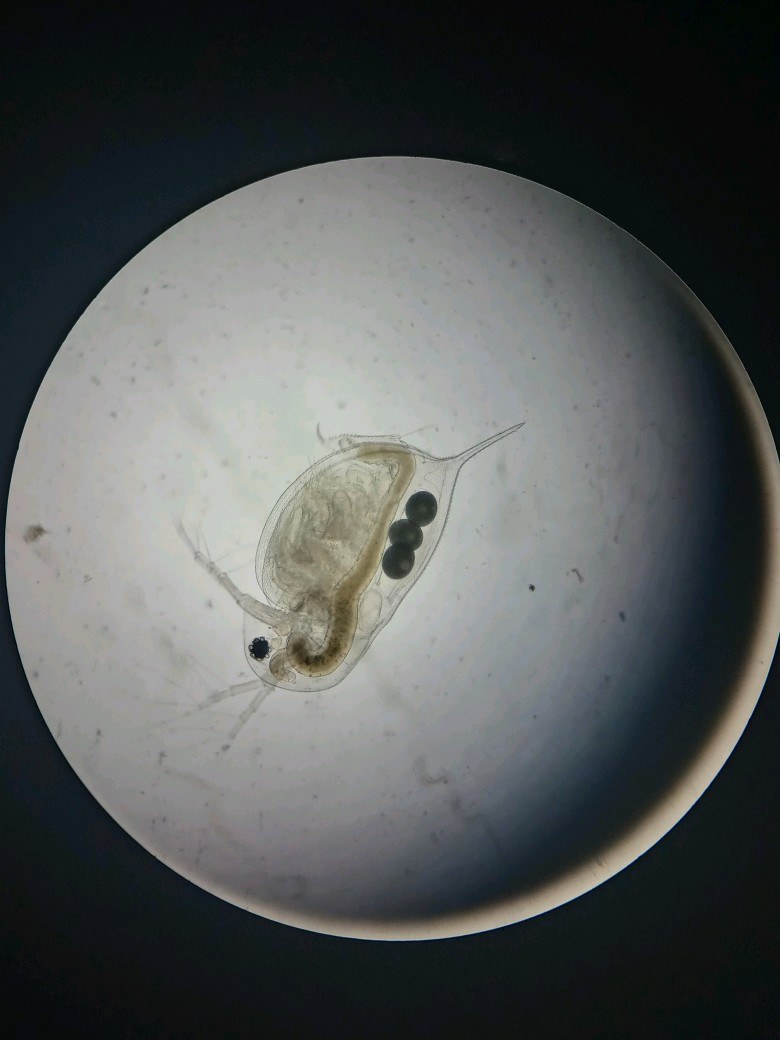
Water Flea
Ponds, lakes, and slow streams as free-floating plankton
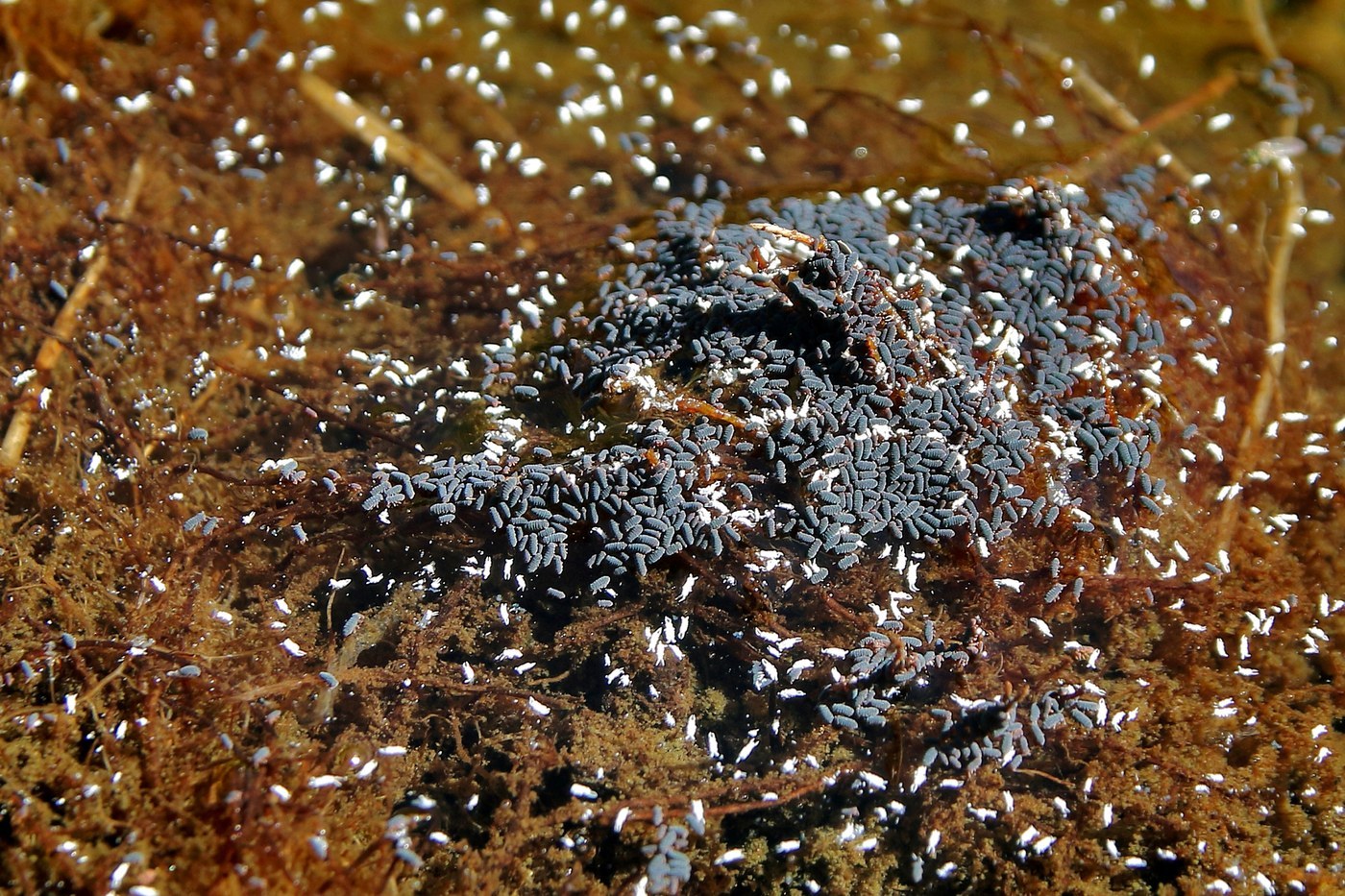
Water Springtail
Surface film of ponds, puddles, and slow ditches
Slug
Gardens, damp soil, leaf litter, greenhouses
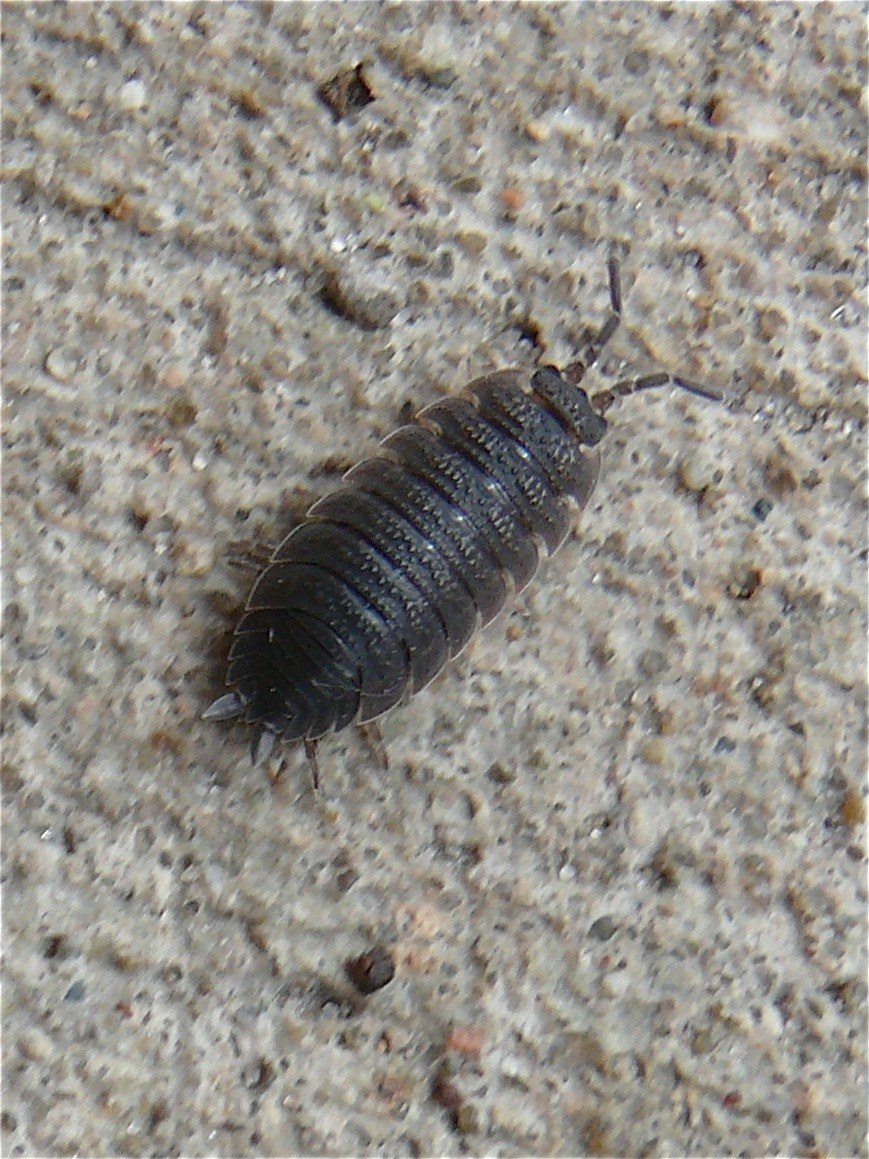
Sowbug
Leaf litter, under rocks/logs, damp garden soil, basements
Pill Bug
Damp soil, leaf litter, under rocks and logs, garden beds
Termite
Soil, decaying wood, tree stumps, and wooden structures
Termite Swarmer
Emerges from underground or wood-nesting colonies, often near structures and moist soil
Silverfish
Damp basements, bathrooms, closets, and dark indoor crevices