
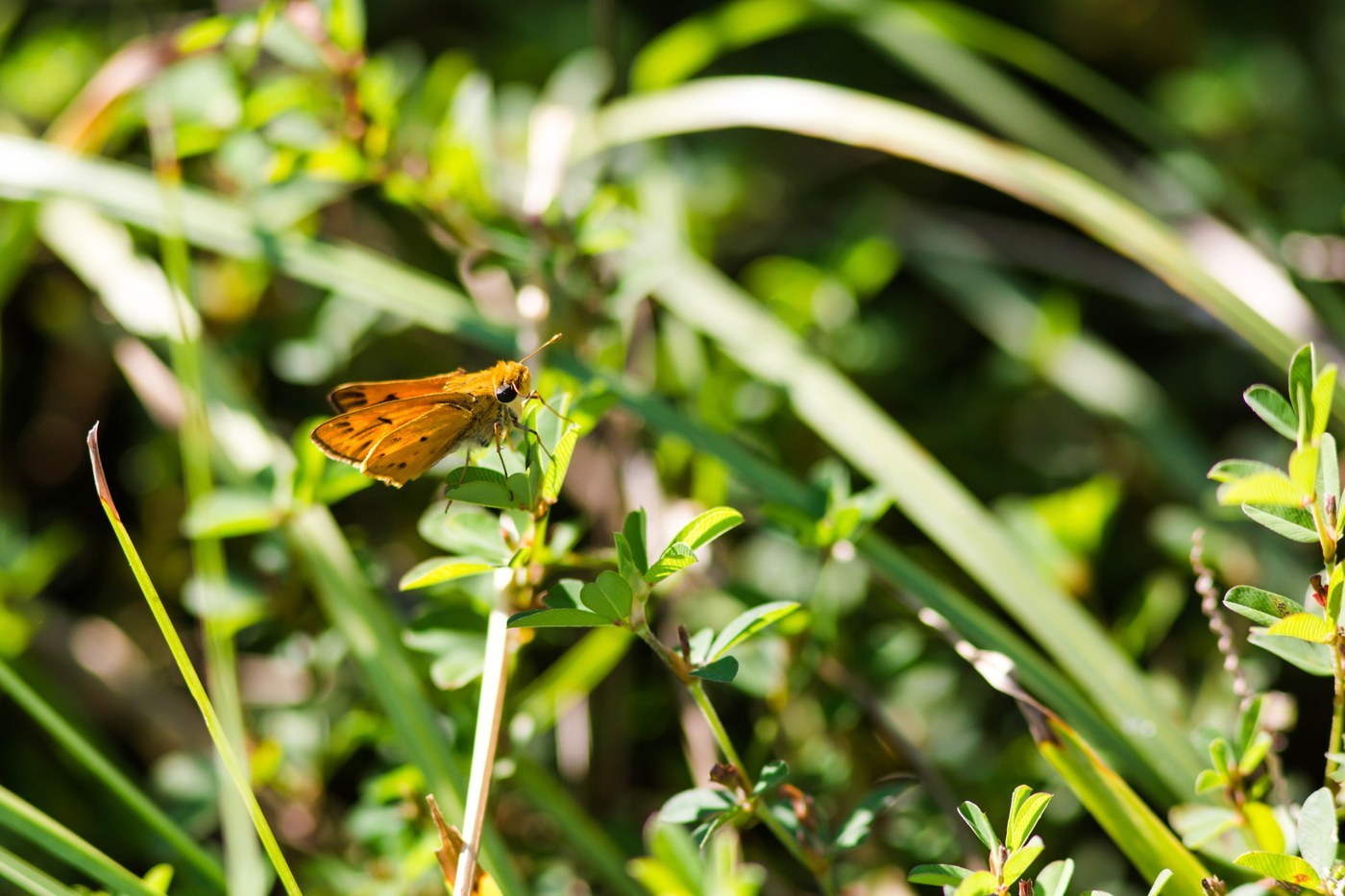
Fiery Skipper
Hylephila phyleus
A small, fast, orange-and-black skipper often seen zipping low over lawns and gardens, with jagged black wing borders that resemble scorched edges.
- Size
- 1–1.4 in wingspan
- Habitat
- Lawns, gardens, parks, and open grassy areas
- Danger
- Harmless
Spotted a bug like this?
Identify any bug or insect from a photo, free.
Overview
The Fiery Skipper is a compact, sun-loving butterfly in the family Hesperiidae, common across the southern United States and expanding northward in summer months. Its warm orange coloration and rapid, low, erratic flight over turf and grassy habitats give it its fiery common name.
As with other skippers, it bridges the visual gap between butterflies and moths, having a thick furry body, comparatively small wings, and a darting flight style rather than the graceful gliding of larger butterflies. Its caterpillars feed on grasses, including common lawn turf, linking the species closely to human-altered landscapes.
Fiery Skippers are a familiar sight in suburban gardens, city parks, and even golf courses, often overlooked because of their small size and quick movements but easily appreciated once identified.
How to Identify
- Small, stocky skipper with strongly contrasting orange and blackish-brown coloration.
- Males are bright orange above with jagged, tooth-like black borders along the wing edges and scattered black spots.
- Females are duller, more brownish-orange with less contrast and broader dark markings.
- Short, blunt antennae with clubbed, slightly hooked tips typical of skippers.
- Underside of the hindwing shows small dark spots on an orange-brown background, useful for confirming identification at rest.
- Distinguished from similar orange skippers by its notably jagged black wing margins and stubby wing shape.
Habitat & Range
This species thrives in open, sunny, grassy habitats, including residential lawns, parks, roadsides, meadows, and coastal areas, and is common year-round in the Gulf Coast states, Florida, and the Southwest, migrating or straying northward into much of the eastern and central United States during summer and fall. It favors low-growing grasses and is frequently seen at ground level or on low flowers in full sun.
Behavior & Diet
Adults fly with a quick, low, buzzing flight pattern close to the ground, frequently stopping to nectar at low flowering plants such as clover, lantana, and asters. Males perch on grass blades or bare ground to watch for females, darting out rapidly to investigate movement nearby. Caterpillars feed on a variety of grasses, including Bermuda grass and other common turf species, living within a loose silk shelter near the base of the grass blades and feeding mostly at night or in shelter to avoid predators.
Life Cycle
Females lay pale, dome-shaped eggs singly on grass blades. Caterpillars are slender, brownish, and tapered, living in silk-lined shelters at the base of grass clumps and feeding on the blades. Because it lacks a true diapause in warm climates, the Fiery Skipper can produce several overlapping generations per year in the deep South, while northern populations exist only seasonally through migration or summer strays, unable to survive cold winters. Pupation occurs in a loose cocoon among grass and leaf litter near the ground.
Frequently asked questions
Why do I see Fiery Skippers on my lawn?
Their caterpillars feed on common lawn and turf grasses, so mowed lawns and grassy parks are prime habitat for both larvae and nectaring adults.
How is it different from other small orange skippers?
The Fiery Skipper's jagged, saw-toothed black wing borders and stocky orange body help separate it from smoother-edged look-alike skippers.
Does it survive winter everywhere?
It is resident year-round only in warm southern regions; individuals seen farther north are typically summer migrants or strays that cannot overwinter there.
What flowers attract Fiery Skippers?
Low-growing blooms such as clover, lantana, and asters are favorite nectar sources for this species.
Fiery Skipper guides
In-depth guides for identifying, understanding, and living alongside Fiery Skipper.
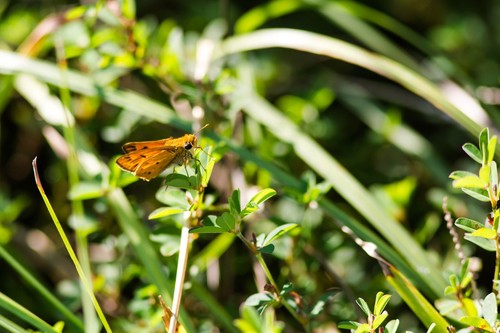
Fiery Skipper identified by the community
Real finds identified with Bug Identifier.
Other bugs you may enjoy
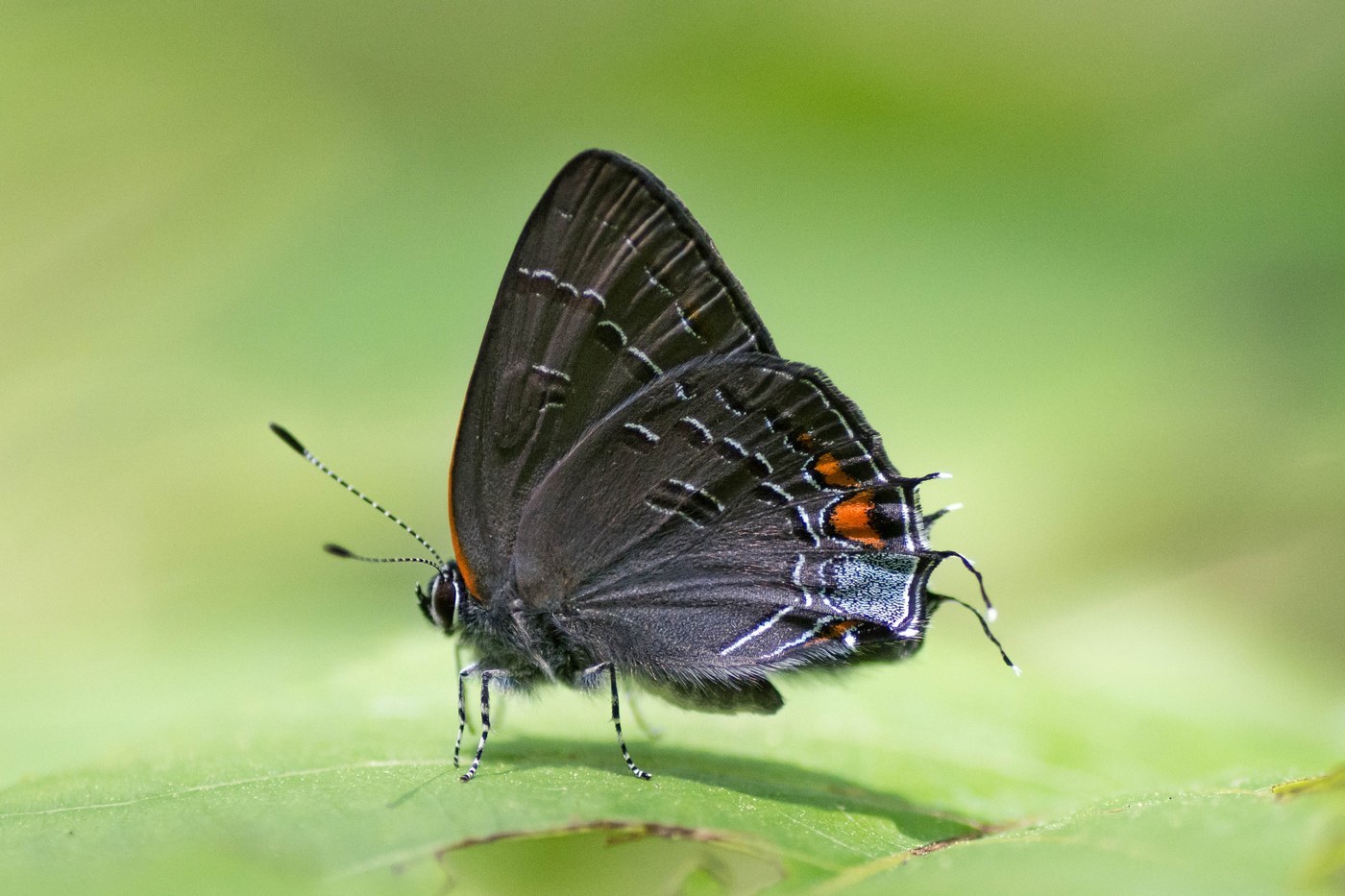
Banded Hairstreak
Deciduous woodlands and edges with oaks and hickories
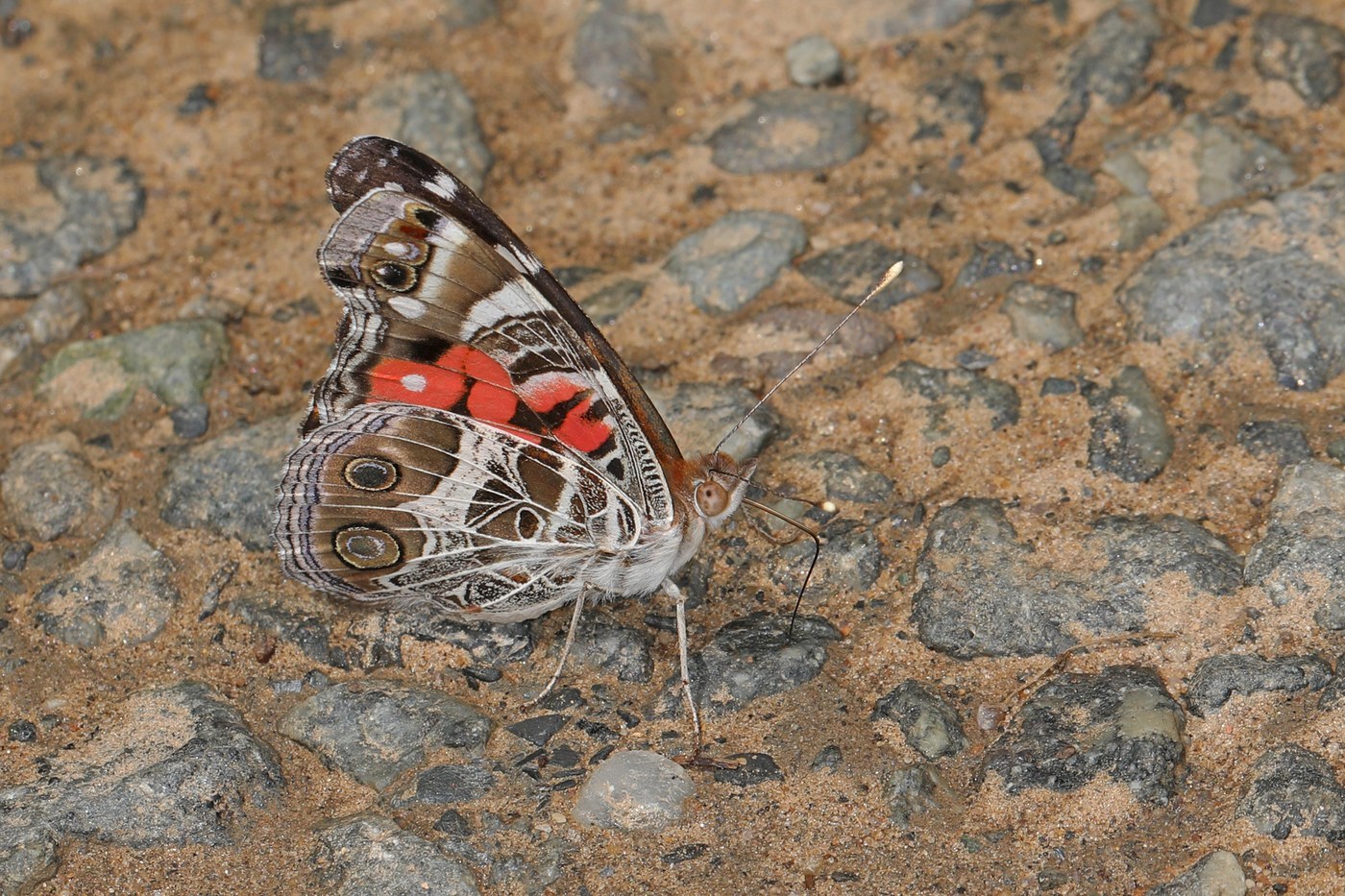
American Lady
Open fields, meadows, gardens, roadsides
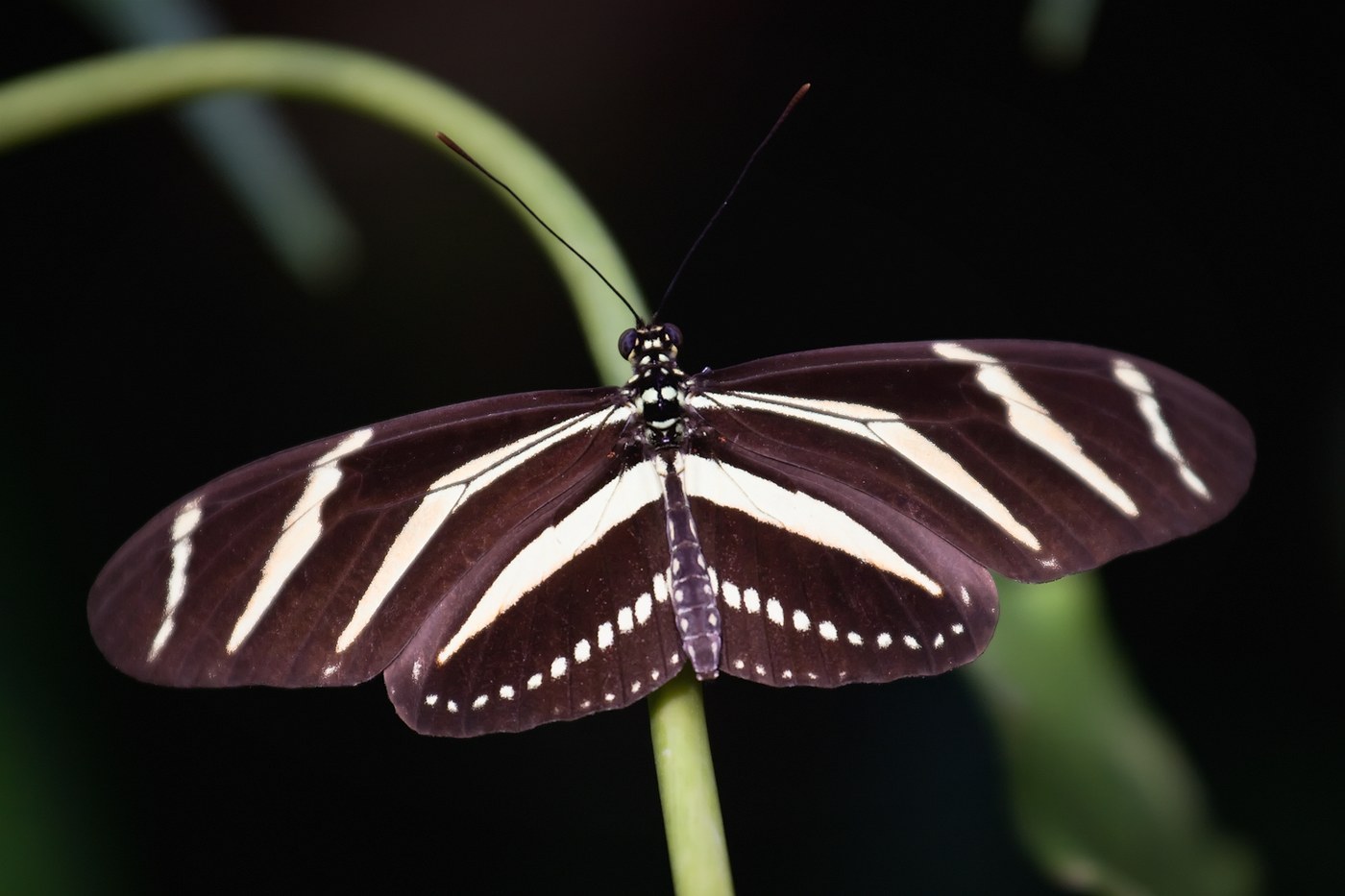
Zebra Longwing
Tropical hammocks, gardens, forest edges
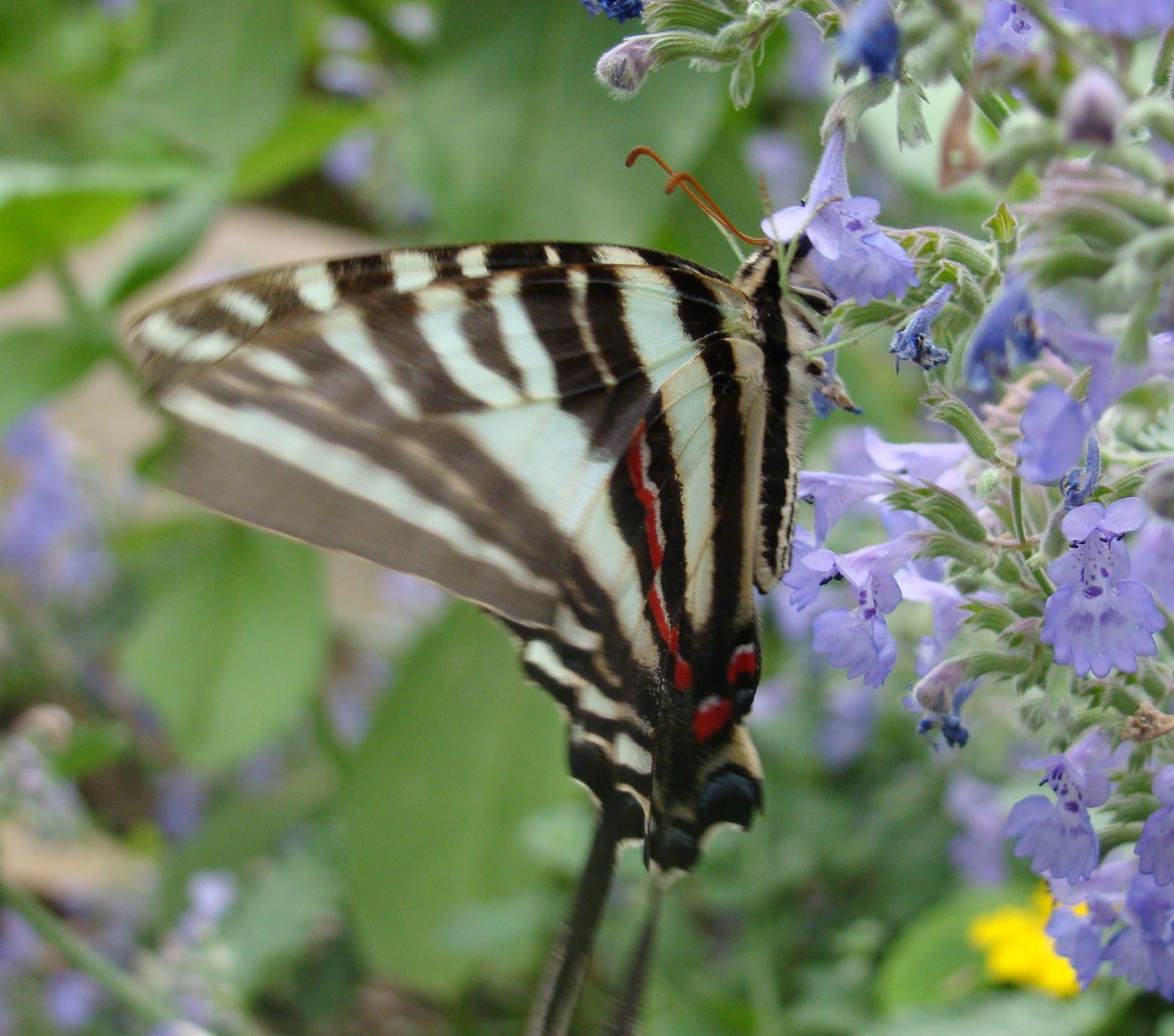
Zebra Swallowtail
Woodlands, floodplains, forest edges near pawpaw
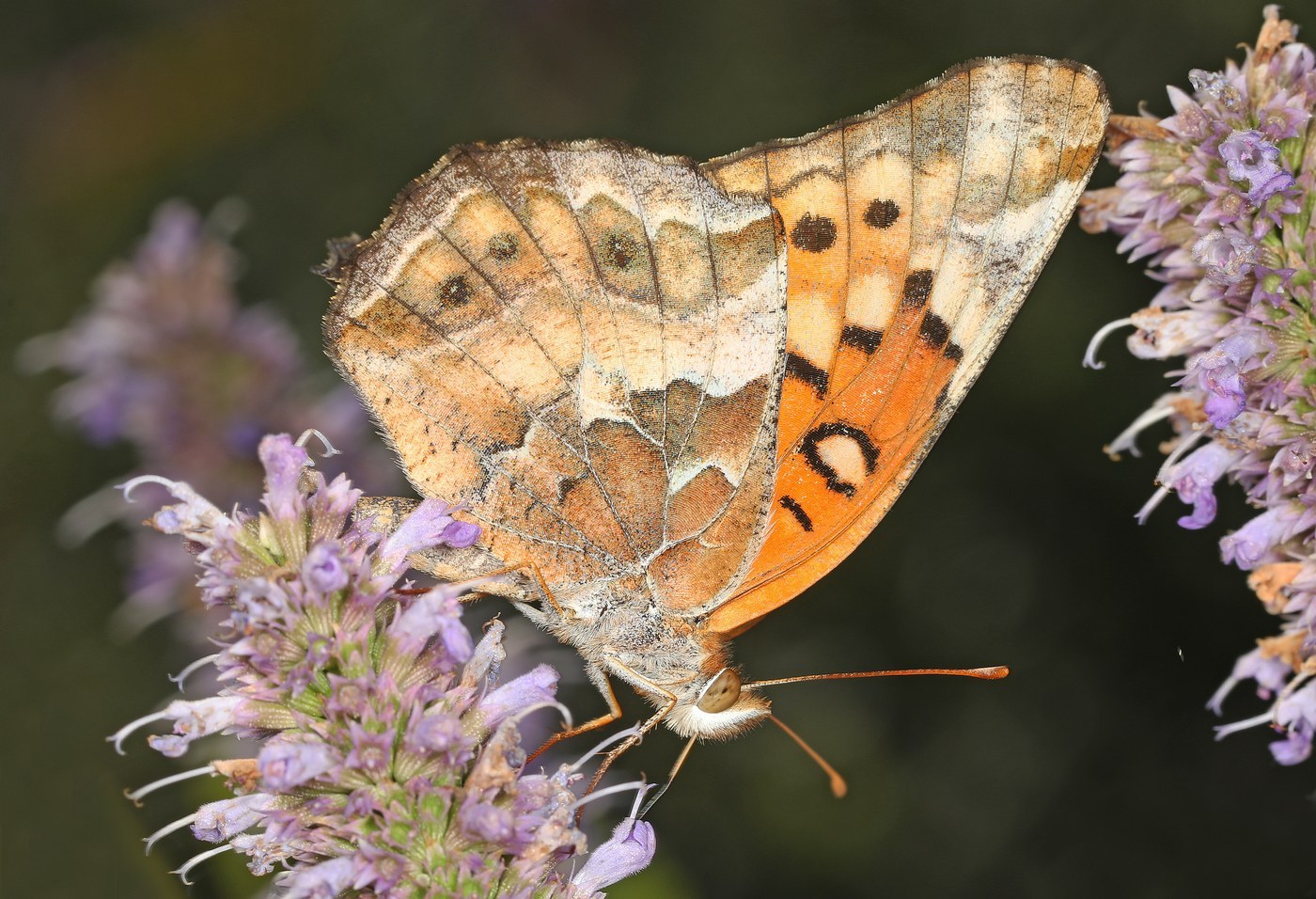
Variegated Fritillary
Open fields, prairies, roadsides, and disturbed ground across most of the United States
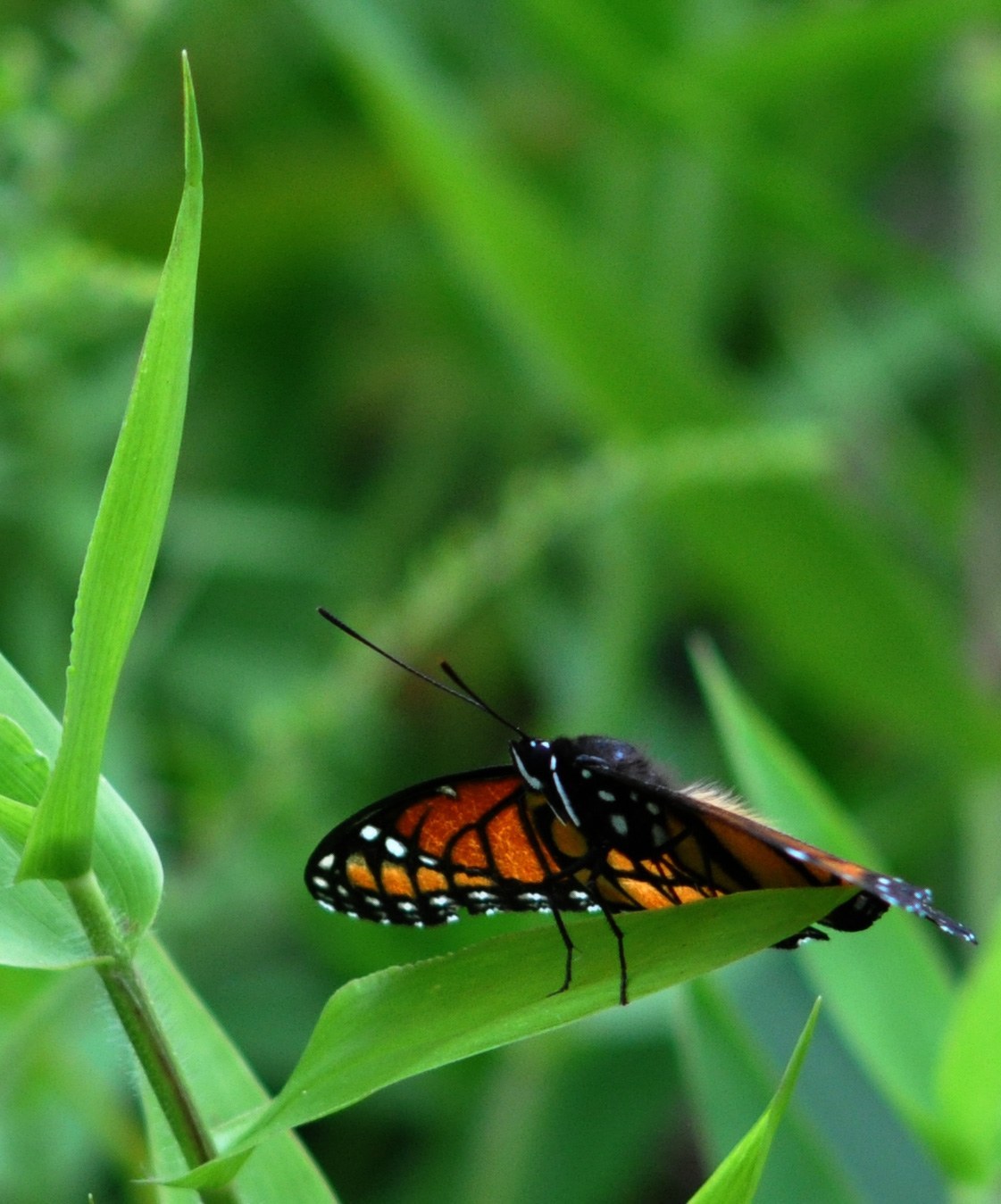
Viceroy Butterfly
Wetlands, meadows, riverbanks, willow thickets (North America)
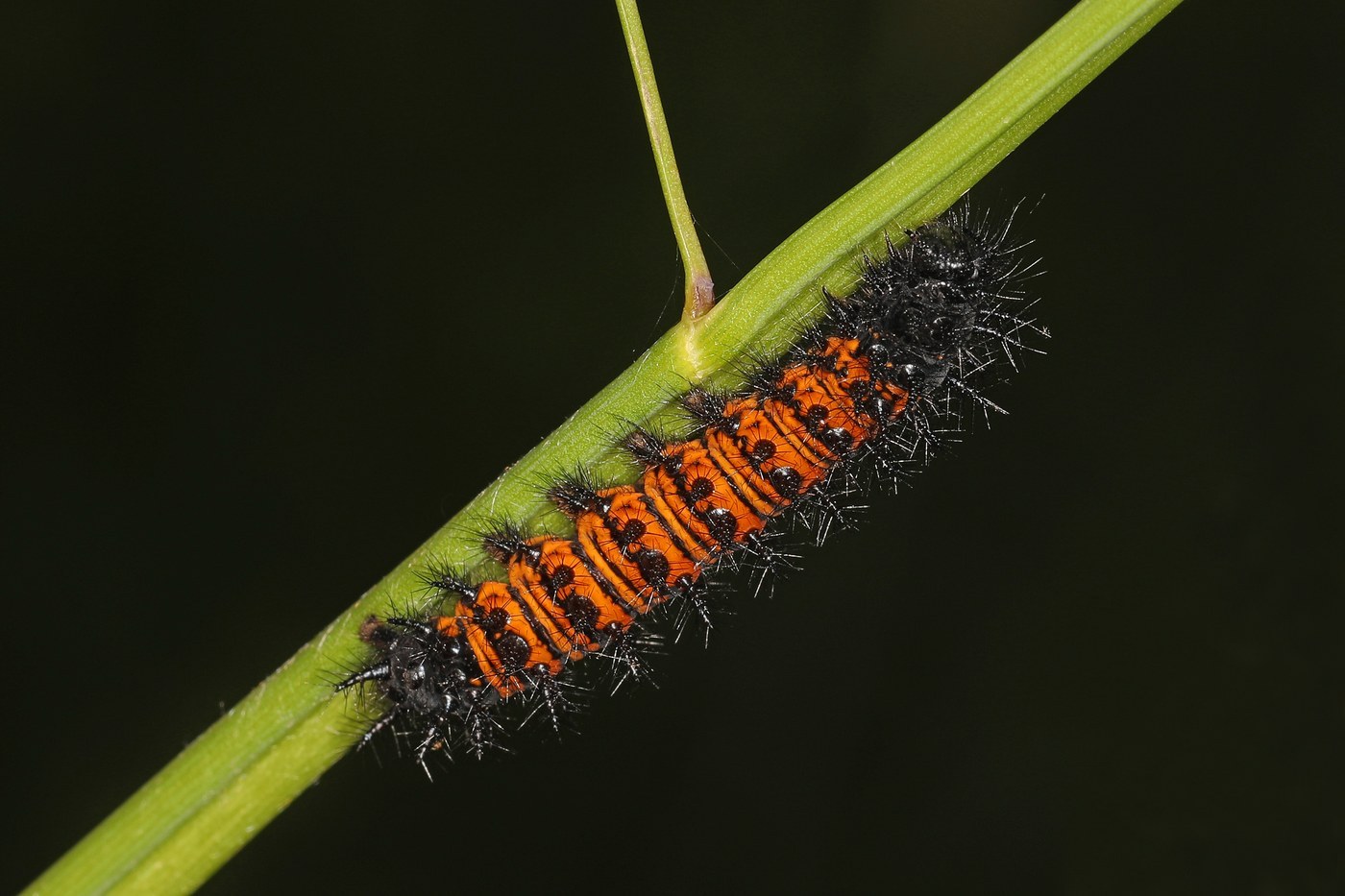
Baltimore Checkerspot
Wet meadows, bogs, and marshy fields in the northeastern and Appalachian US
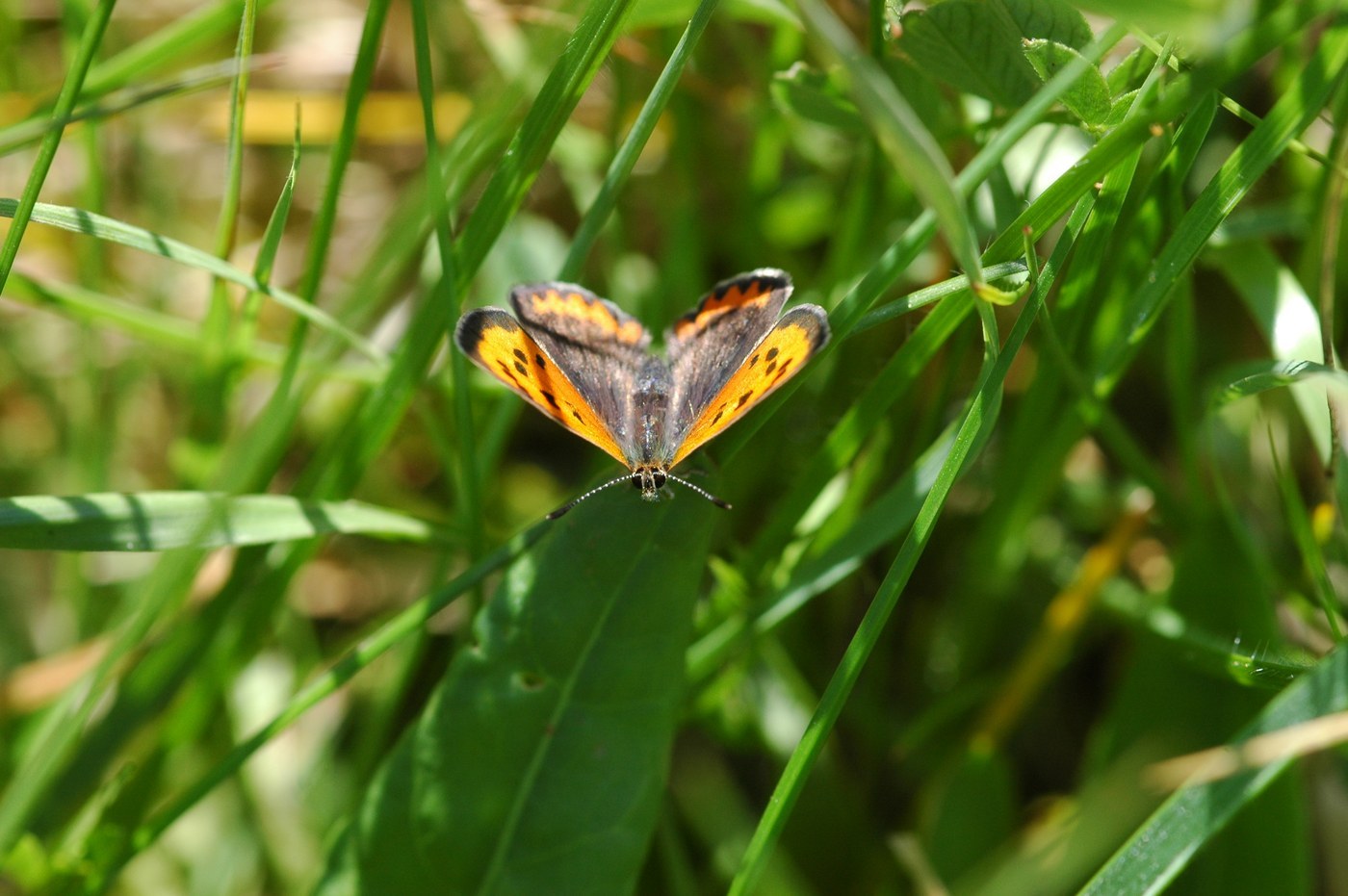
American Copper
Old fields, roadsides, and disturbed open ground with sorrel or dock
West Virginia White
Rich deciduous forest floors, especially near seeps and streams
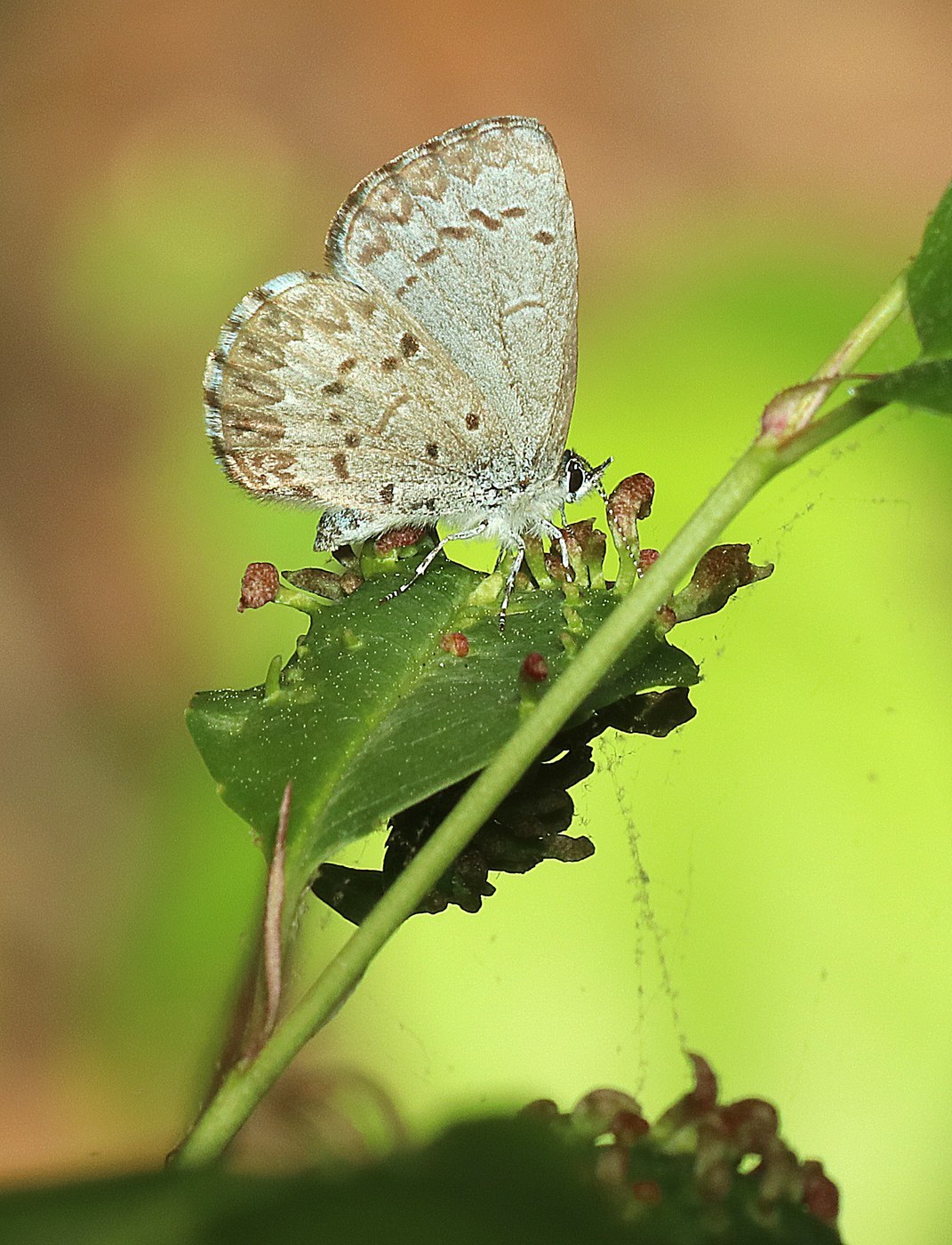
Spring Azure
Woodland edges, gardens, shrubby clearings
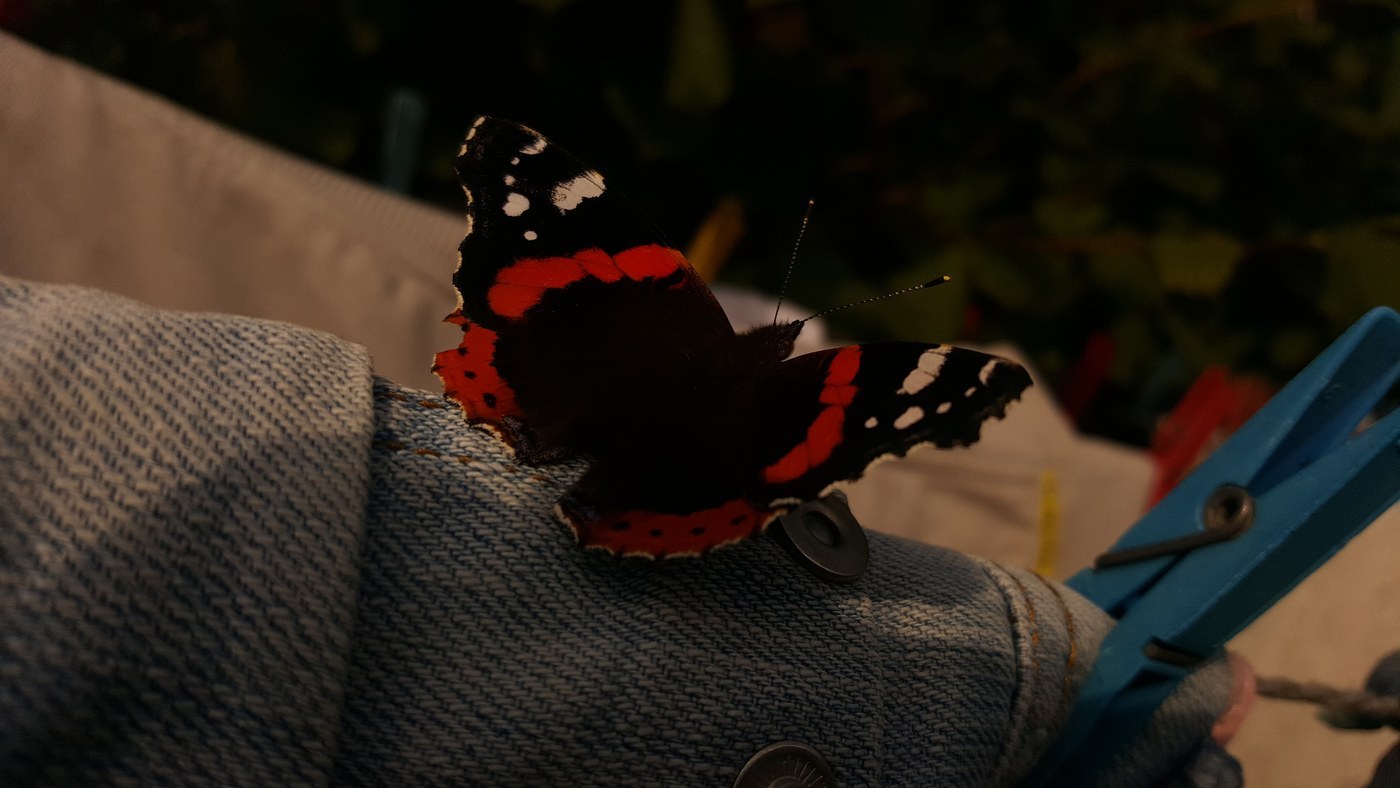
Red Admiral
Gardens, woodland edges, parks, meadows
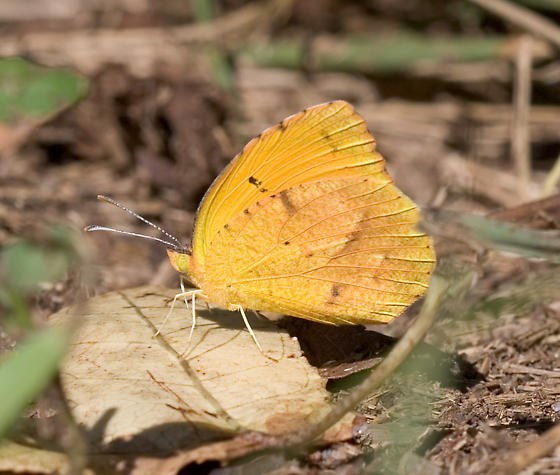
Sleepy Orange
Open woodland, fields, roadsides, and disturbed ground