
Fireflies
Photinus pyralis
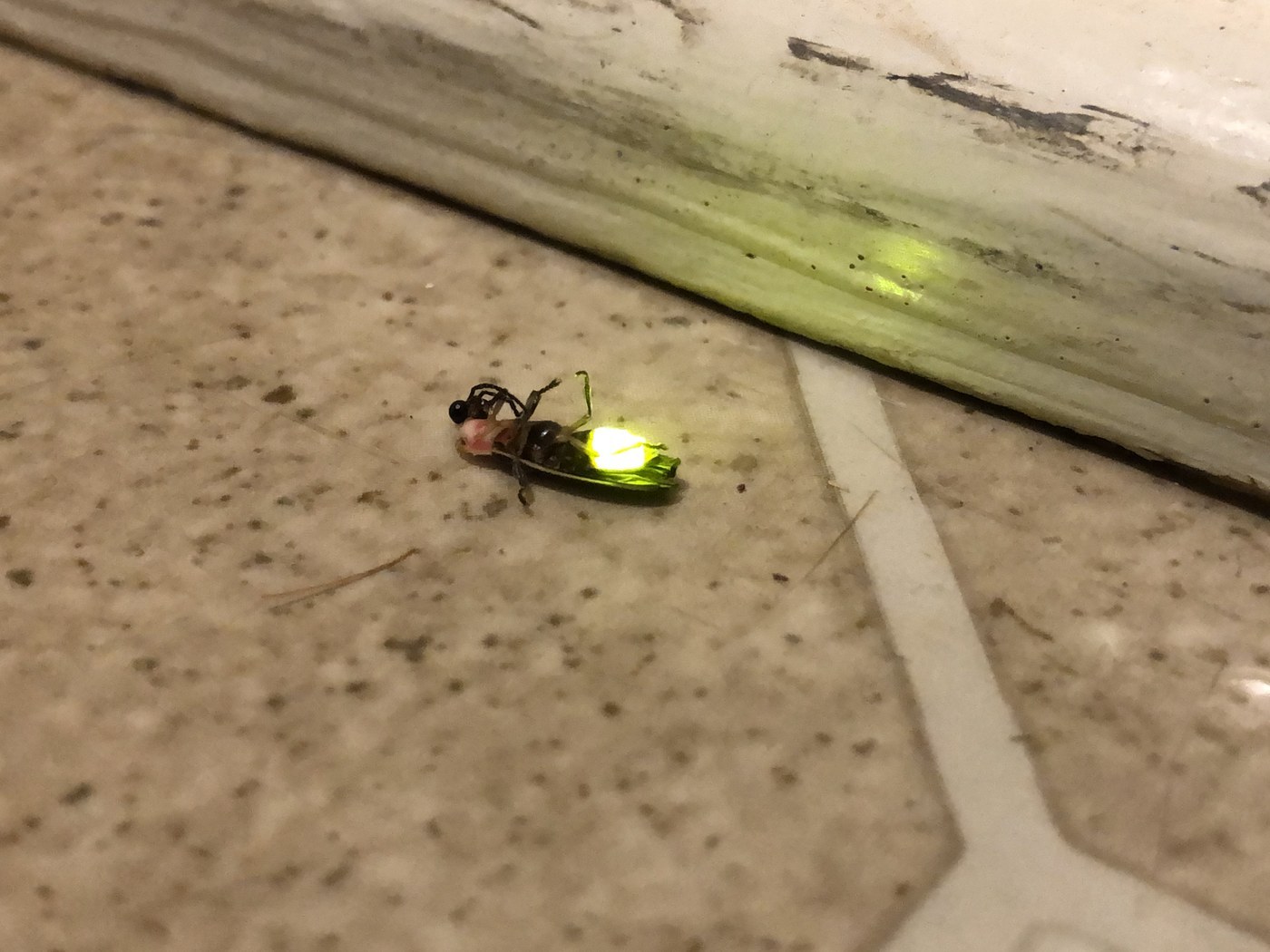
A soft-bodied beetle famous for producing rhythmic, glowing flashes of light from its abdomen at dusk, used to signal and attract mates across meadows and gardens on warm summer evenings.
- Size
- 10–20 mm
- Habitat
- Meadows, wetlands, woodland edges, gardens at dusk
- Danger
- Harmless
Spotted a bug like this?
Identify any bug or insect from a photo, free.
Overview
Fireflies, also called lightning bugs, are beetles belonging to the family Lampyridae, a group distinguished by their ability to produce light through a chemical process called bioluminescence. Rather than a single species, 'fireflies' refers to a large and diverse group encompassing hundreds of species worldwide, with Photinus pyralis, the common eastern firefly, being one of the most familiar in North America.
Unlike most beetles, fireflies have a soft, flexible exoskeleton and elongated body, giving them a somewhat different feel from the typical hard-shelled beetle. Their glowing abdomens have made them one of the most beloved and easily recognized insects among the general public, often associated with warm summer evenings.
Ecologically, fireflies and their larvae play a role as both pollen visitors (in the case of some adults) and predators (particularly the larvae), contributing to the balance of small invertebrate populations in the habitats where they occur.
How to Identify
- Elongated, soft-bodied beetle, 10–20 mm long, typically dark brown or black with pale yellow or orange margins along the pronotum and elytra.
- The pronotum, the shield-like segment behind the head, often bears a distinctive reddish or pinkish patch with a dark central marking.
- The abdomen tip contains light-producing organs that glow yellow-green, amber, or occasionally pale blue depending on the species.
- Wings are soft and leathery rather than hard like typical beetle elytra, reflecting the family's relatively unhardened exoskeleton.
- Lookalikes include other soft-winged beetles, but the light-producing abdomen at dusk is unmistakable and diagnostic for fireflies.
Habitat & Range
Fireflies are found on every continent except Antarctica, with particular diversity in temperate and tropical regions. They favor moist habitats such as meadows, wetlands, woodland edges, and gardens, where humidity supports both adult activity and larval development in soil or leaf litter.
Adults are most visible at dusk and into the night during warm months, typically from late spring through summer depending on region and species, when their light displays are most noticeable against the darkening sky.
Behavior & Diet
Adult fireflies use rhythmic flashing patterns of light, produced through a bioluminescent reaction in specialized abdominal cells, primarily to attract mates, with each species often having a distinct flash pattern, color, or timing. Some adult fireflies feed on nectar or pollen, or do not feed at all during their brief adult stage, while their larvae are active predators of soft-bodied invertebrates such as snails, slugs, and earthworms in soil and leaf litter.
Fireflies play a useful ecological role as natural predators during their larval stage, helping regulate populations of small invertebrates in the leaf litter and soil layers of their habitats. Their light displays, beyond mate attraction, are also thought in some cases to serve as a warning signal to potential predators.
Life Cycle
Fireflies undergo complete metamorphosis: egg, larva, pupa, and adult. Eggs are laid in soil or moist leaf litter, and interestingly, both firefly eggs and larvae are often capable of a faint glow of their own, sometimes referred to as 'glowworms.'
The larval stage can last from several months up to one or two years depending on the species and climate, during which the larva actively hunts small invertebrates in the soil. Larvae overwinter in soil or under bark before pupating in spring, with adults emerging in late spring to summer to begin the flashing courtship period that gives the group its name; most species produce a single generation per year.
Frequently asked questions
Are fireflies actually flies?
No, despite the common name, fireflies are beetles belonging to the family Lampyridae, not true flies.
How do fireflies produce light?
Through a chemical reaction called bioluminescence that occurs in specialized light-producing organs located in their abdomen.
Do all fireflies glow the same way?
No, different species have distinct flash patterns, colors, and timing, which they use to identify potential mates of their own species.
What do firefly larvae eat?
Firefly larvae are predators that feed on soft-bodied invertebrates such as snails, slugs, and earthworms in soil and leaf litter.
Fireflies guides
In-depth guides for identifying, understanding, and living alongside Fireflies.
Other bugs you may enjoy
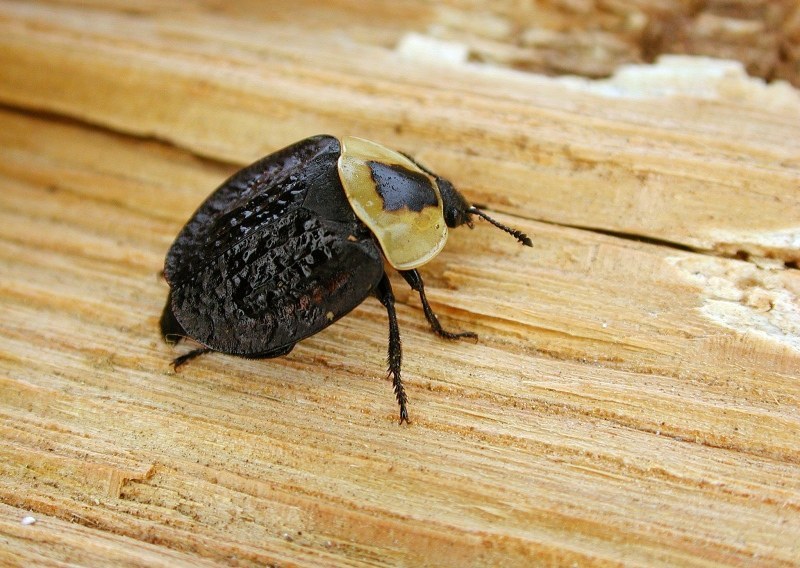
American Carrion Beetle
Forests, fields, and roadsides across North America, near decaying animal carcasses
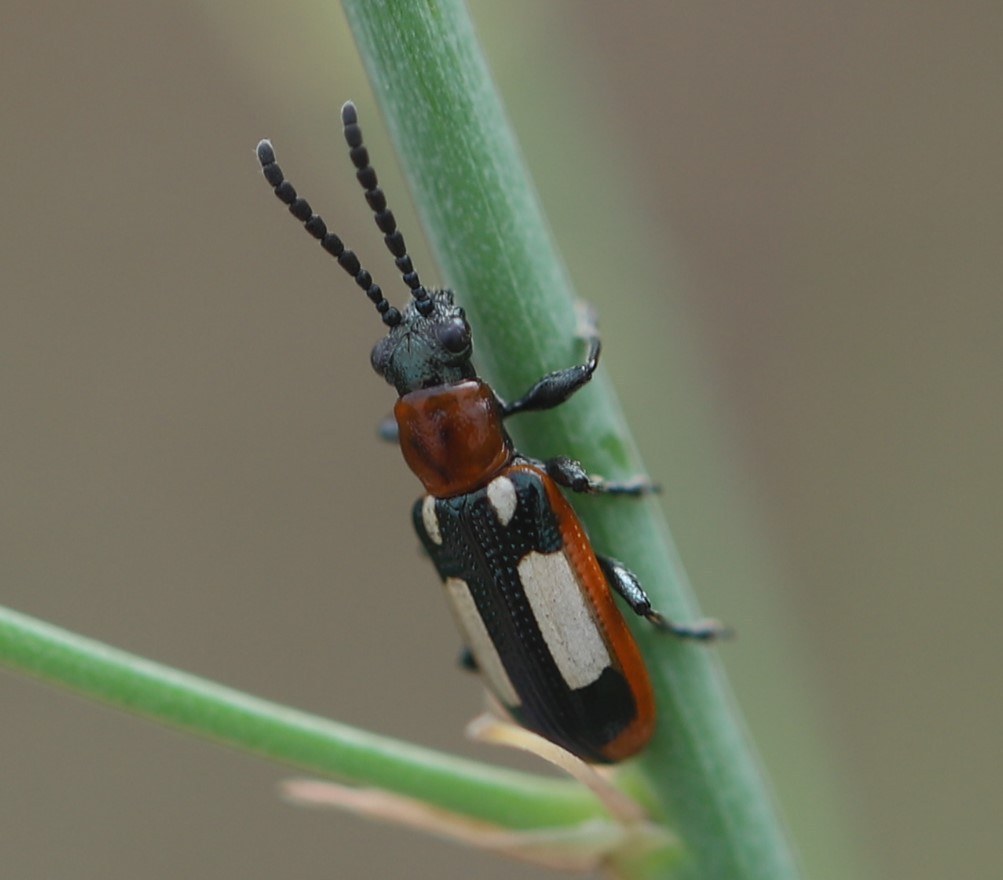
Asparagus Beetle
Asparagus patches, gardens, and farm fields
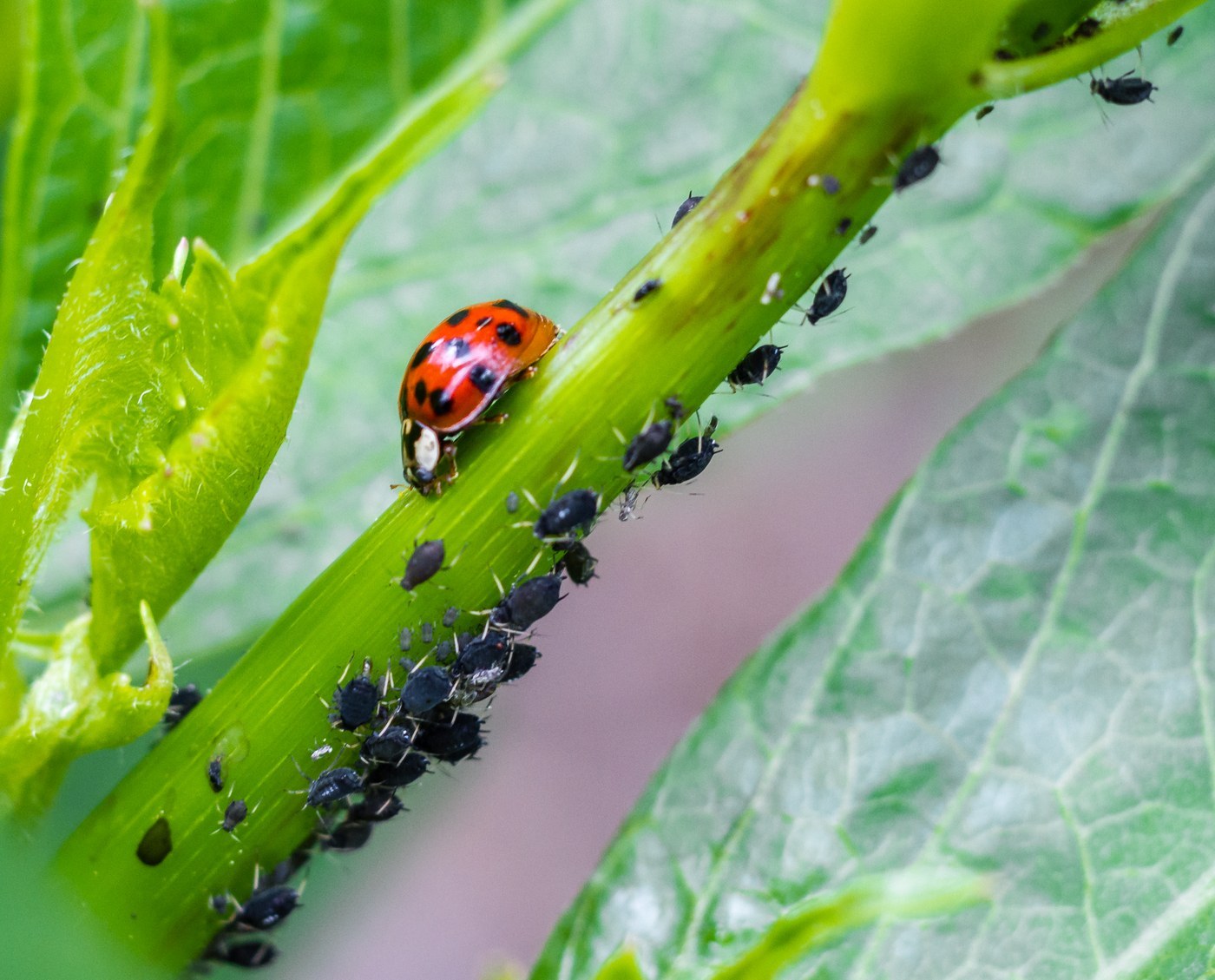
Asian Lady Beetle
Gardens, crop fields, woodlands, buildings
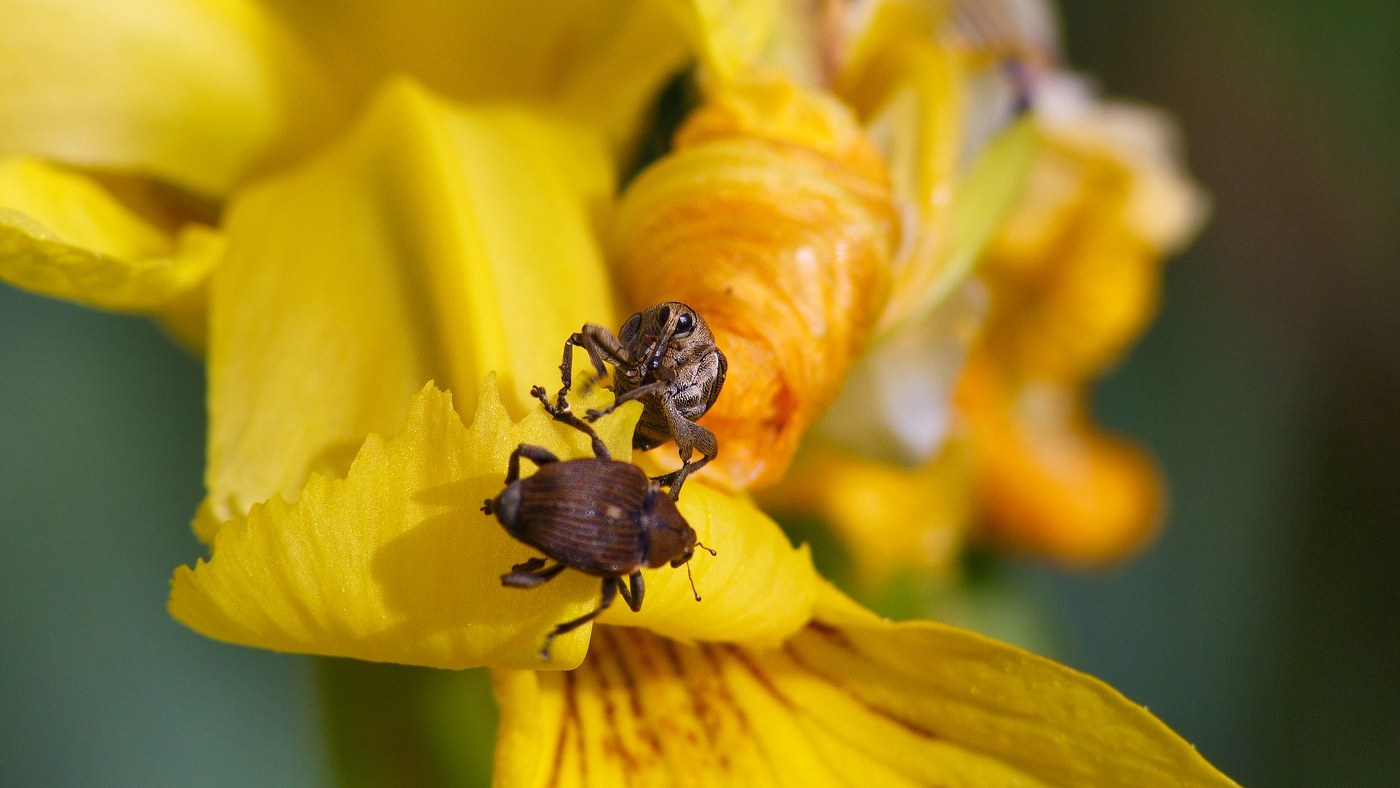
Acorn Weevil
Oak woodlands and forests, on and beneath oak trees
Wireworm
Soil of grasslands, gardens, and cultivated fields worldwide
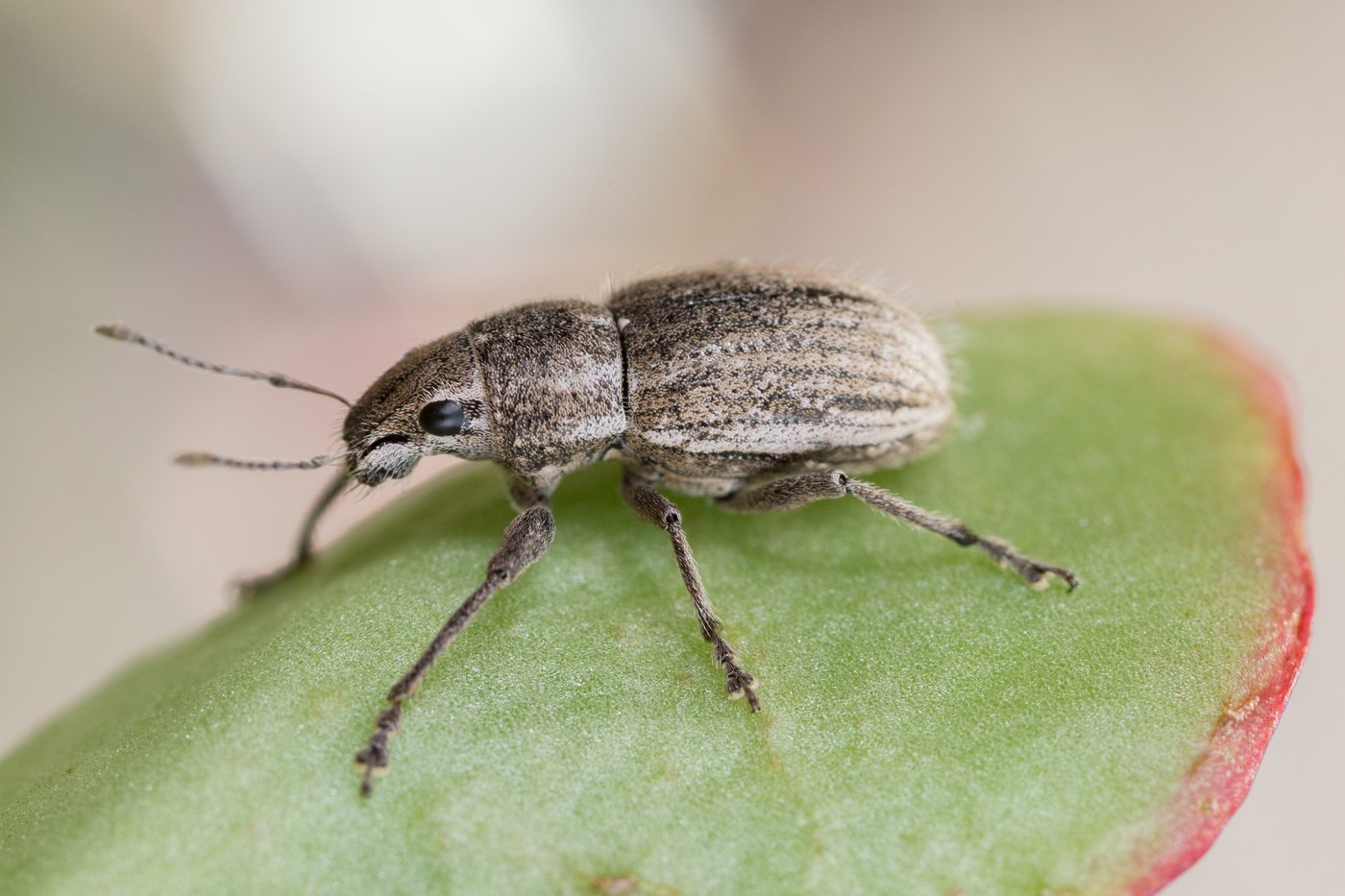
Whitefringed Beetle
Pastures, row crops, lawns, disturbed soils
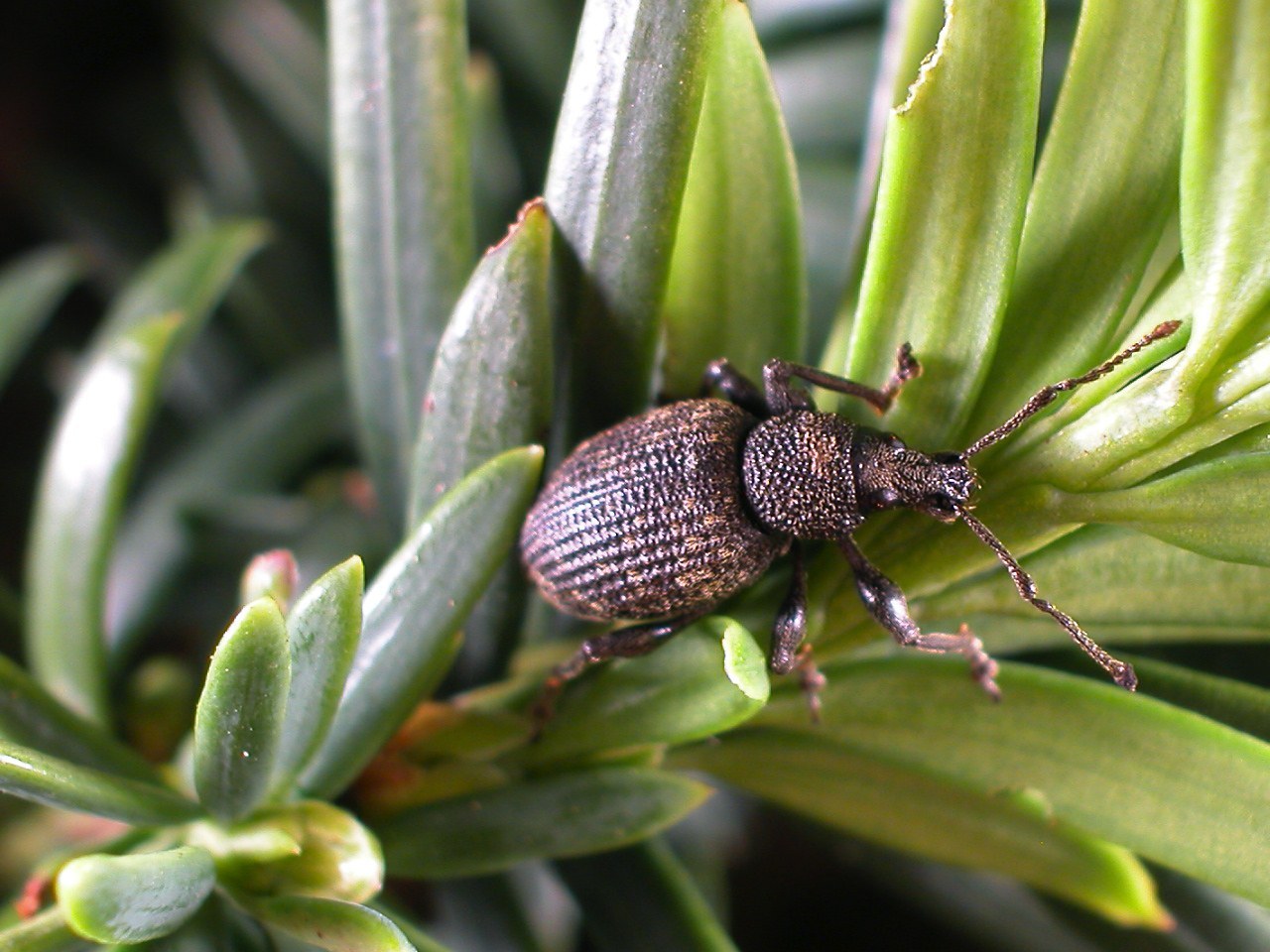
Vine Weevil
Gardens, nurseries, greenhouses, and container plantings
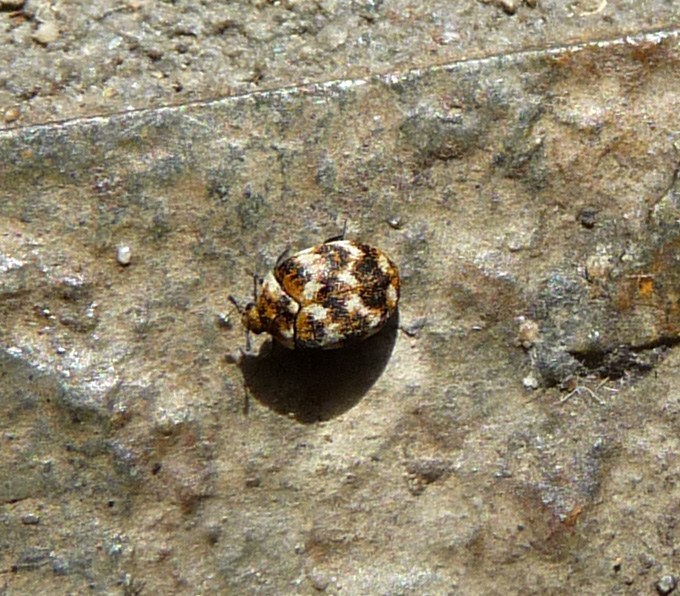
Varied Carpet Beetle
Homes, nests of birds and mammals, and flowers outdoors
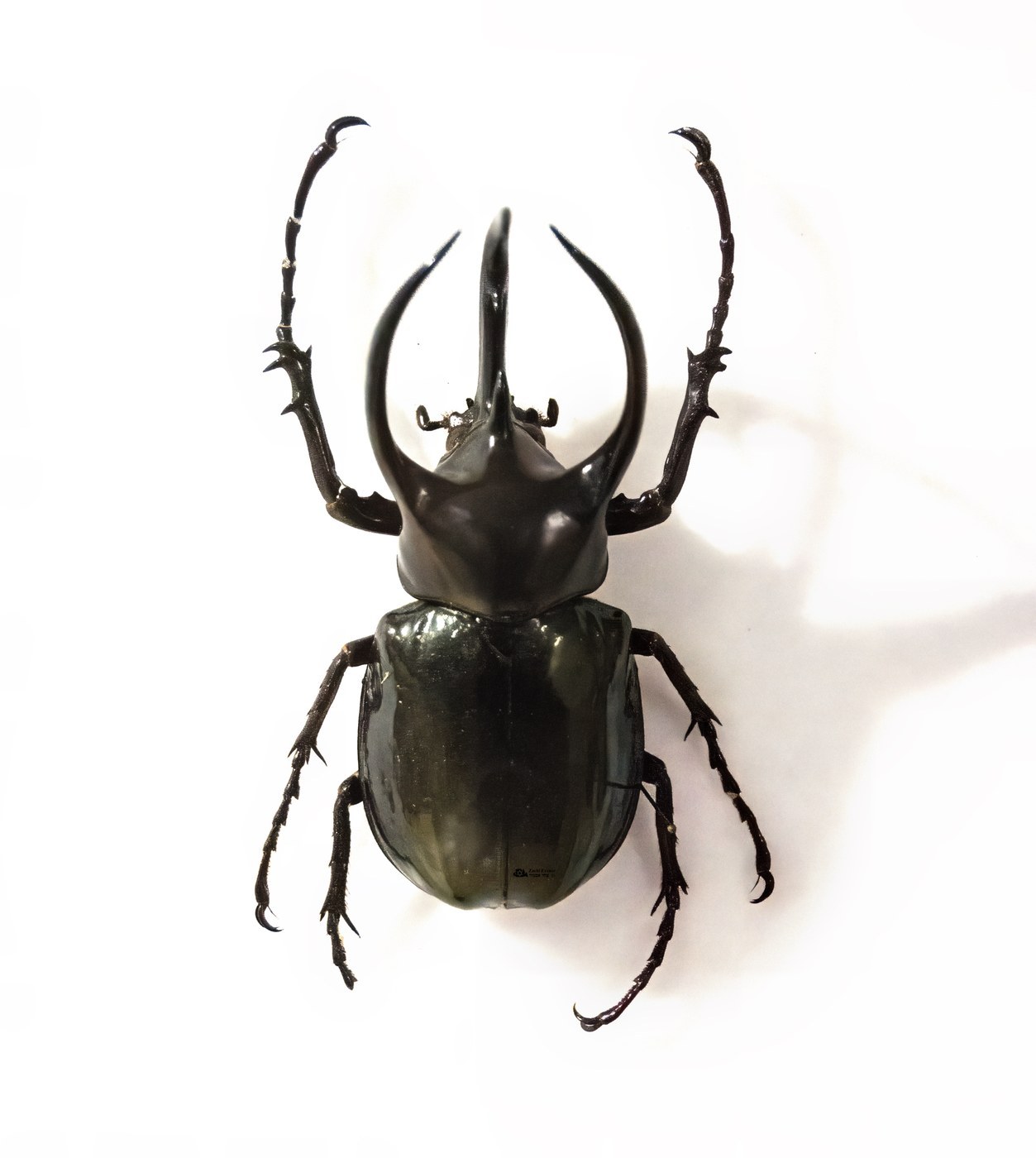
Atlas Beetle
Tropical forests of Southeast Asia
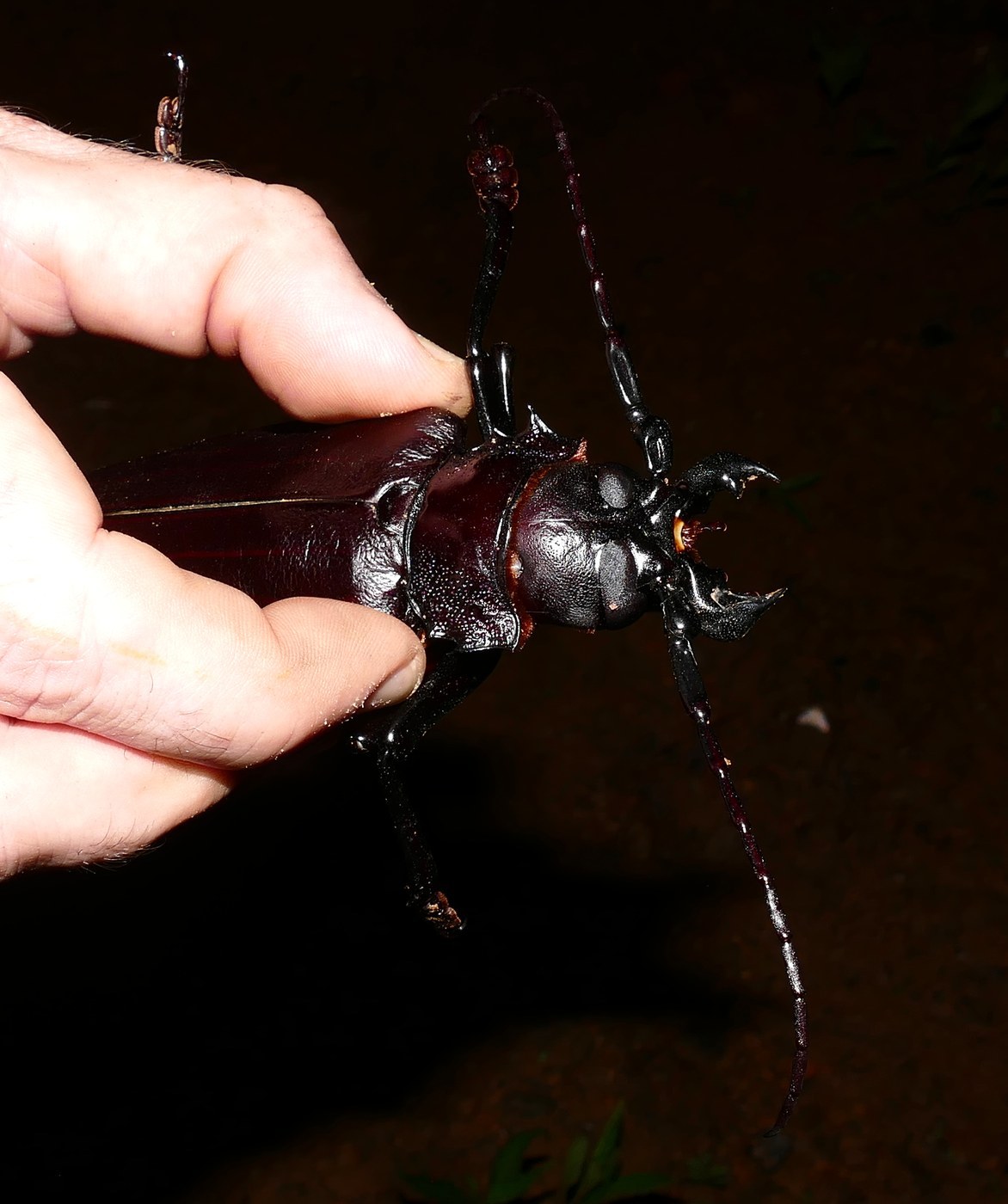
Titan Beetle
Amazon rainforest of South America
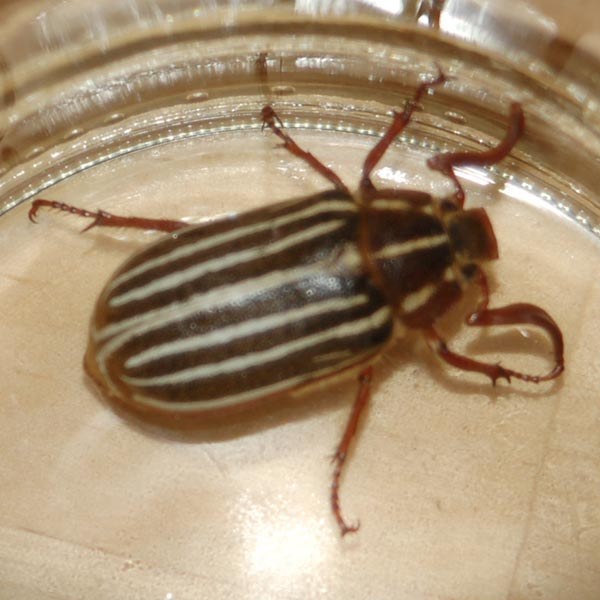
Ten-lined June Beetle
Sandy soils, pine forests, and orchards of western North America
Squash Beetle
Vegetable gardens and fields growing squash, pumpkin, and other cucurbits