
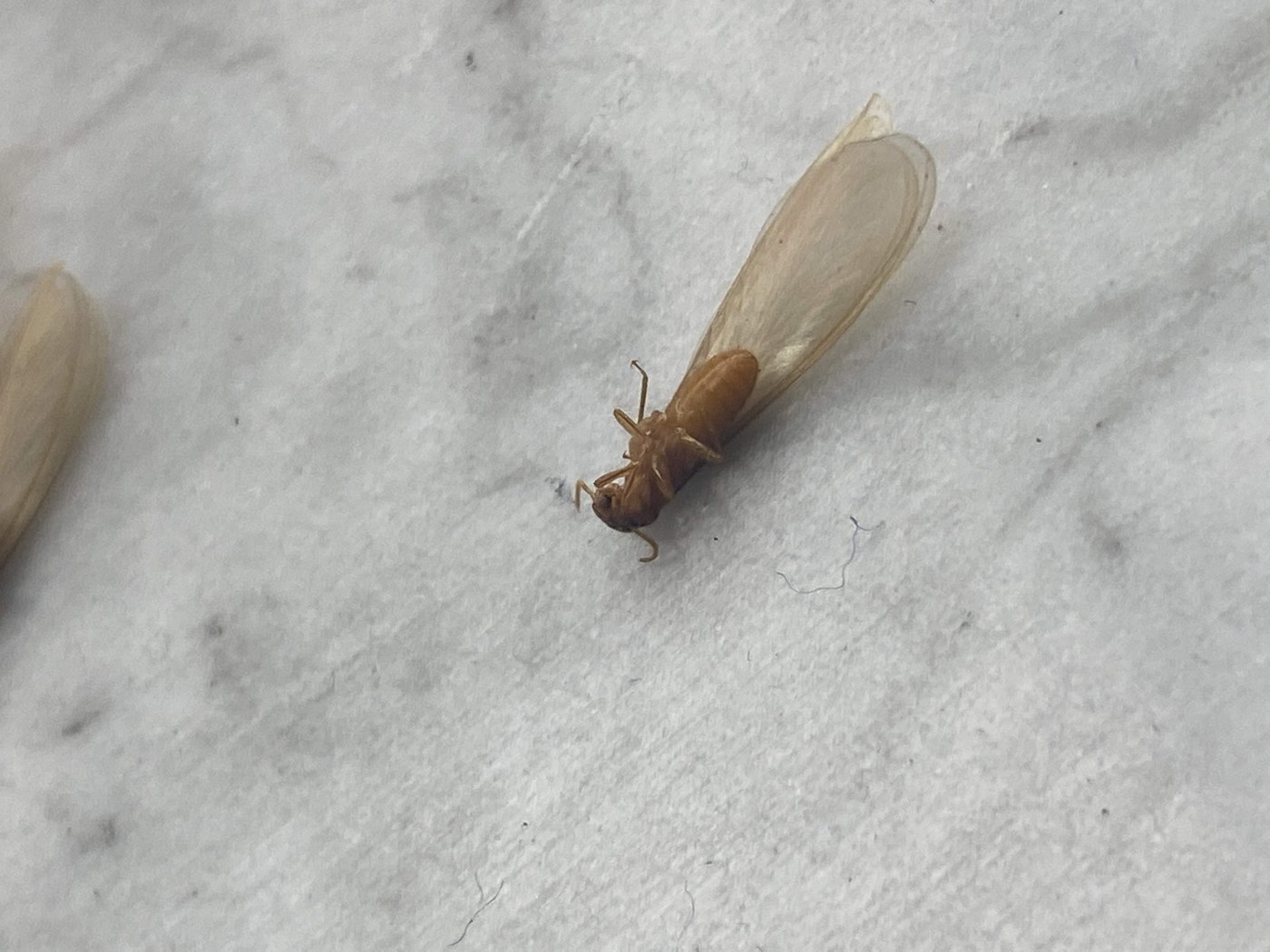
Formosan Subterranean Termite
Coptotermes formosanus
A pale, aggressive subterranean termite native to East Asia that builds enormous colonies and can construct large above-ground carton nests in trees, walls, and structures.
- Size
- Workers about 0.5 in (12-14 mm); soldiers similar
- Habitat
- Soil-associated colonies in warm, humid regions; structures and trees
- Danger
- Nuisance pest
Spotted a bug like this?
Identify any bug or insect from a photo, free.
Overview
The Formosan subterranean termite is an introduced species native to southern China and Taiwan that has become established in the southeastern United States, Hawaii, and other warm regions worldwide through human transport. It is notable for forming exceptionally large colonies, sometimes numbering in the millions of individuals, and for its ability to build carton nests, moisture-retaining structures made of soil, wood fragments, and saliva, both underground and in above-ground locations such as tree cavities and building voids.
Because of its large colony sizes and rapid foraging capability, the Formosan subterranean termite is considered one of the more aggressive wood-feeding termite species where it has become established, though ecologically it functions the same as other subterranean termites, as a decomposer of cellulose material.
How to Identify
- Workers are pale cream-colored, soft-bodied, and similar in general appearance to other subterranean termite workers, roughly 0.5 inch (12-14 mm)
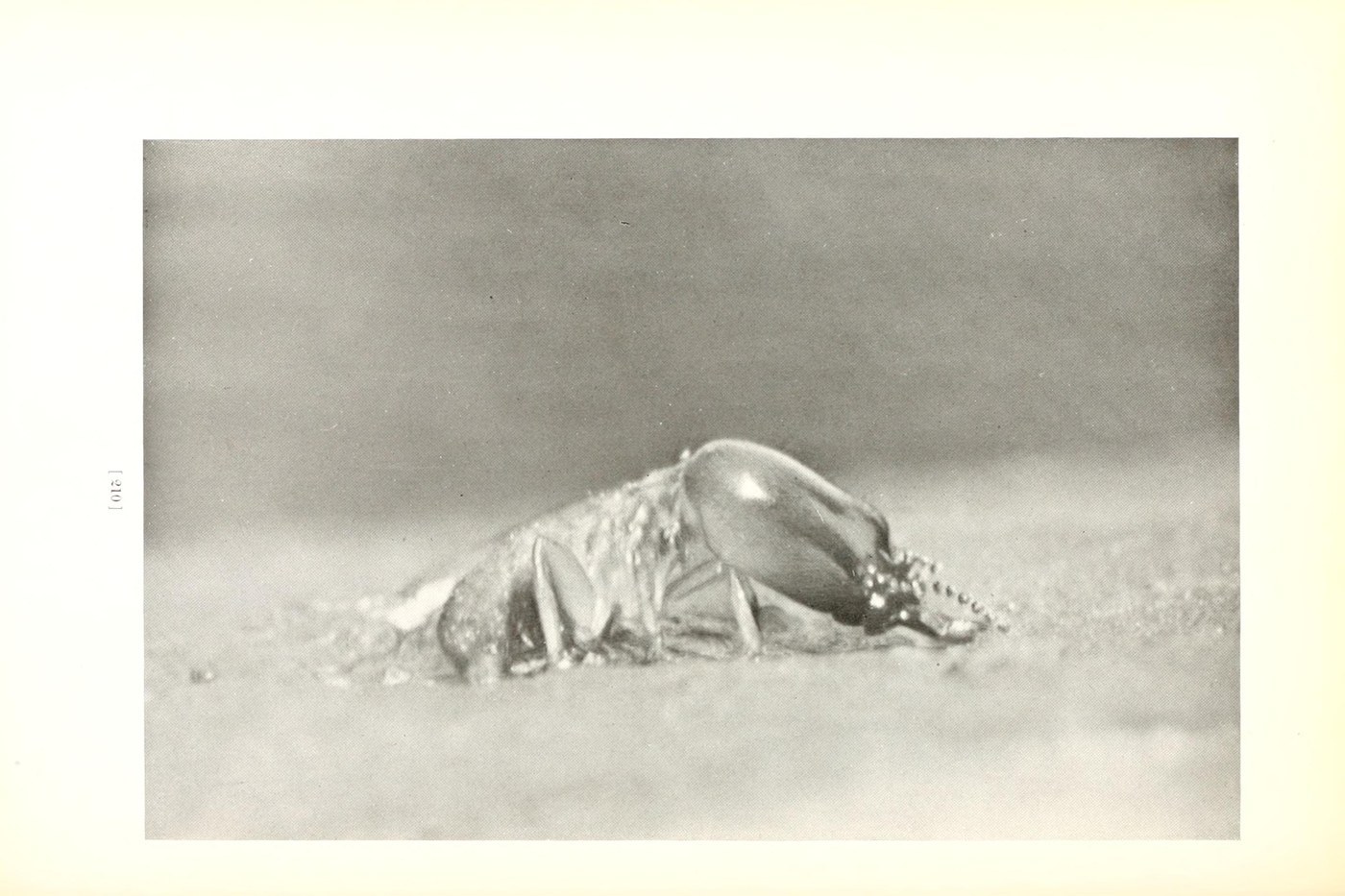
- Soldiers have an oval, orange-brown head (rounder than the rectangular head of eastern subterranean termite soldiers) with a fontanelle (pore) that exudes a defensive fluid, and long mandibles
- Winged reproductives (swarmers) are yellowish-brown with two pairs of equal-length, hairy wings
- Straight, bead-like antennae and a thick waist distinguish termites from ants, as in other termite species
- Large above-ground carton nests, made of chewed wood, soil, and saliva, are a distinguishing sign of this species when found in wall voids or tree hollows
- Swarms tend to be very large and are strongly attracted to lights at night
Habitat & Range
This species requires warm, humid climates and is established primarily in the southeastern United States (from Texas to the Carolinas), Hawaii, and other subtropical to tropical regions worldwide, having spread from its native range in East Asia. Colonies live underground in soil but can also establish satellite colonies above ground within structures or trees where sufficient moisture is available, reducing their dependence on direct soil contact compared to some other subterranean termites. Swarming activity typically occurs on warm, humid evenings, often around lights, during a defined swarming season in spring or early summer depending on region.
Behavior & Diet
Formosan subterranean termites feed on cellulose in wood and other plant material, foraging extensively through underground tunnel networks that can extend a considerable distance from the central colony. Their ability to build moisture-retaining carton nests allows some colonies to persist above ground, in tree cavities or building structures, without needing constant direct soil contact, a trait less common in other subterranean termite species. Within the colony, workers forage and maintain the nest, soldiers defend against threats such as ants using both their mandibles and a defensive fluid released from a head pore, and reproductives are responsible for colony founding and growth. As with other subterranean termites, this species functions ecologically as a decomposer of dead wood and cellulose, though its large colony sizes and adaptability make it a significant nuisance pest in the regions where it has become established.
Life Cycle
New colonies are founded by a mated pair of winged alates following a nighttime swarming flight, after which the pair sheds its wings and begins a small nest in soil, wood, or another suitable cavity. The colony grows through the production of worker and soldier offspring via incomplete metamorphosis, with nymphs developing gradually into the different castes needed by the colony. Formosan subterranean termite colonies can grow unusually large and persist for many years, periodically producing large swarms of winged reproductives, typically in spring or early summer on warm, humid nights, to disperse and found new colonies.
Frequently asked questions
How is the Formosan subterranean termite different from native subterranean termites?
It tends to form much larger colonies, can build above-ground carton nests that reduce its dependence on soil contact, and its soldiers have a rounder head compared to the more rectangular-headed soldiers of species like the eastern subterranean termite.
Where did the Formosan subterranean termite originate?
It is native to southern China and Taiwan and has since spread to warm regions worldwide, including the southeastern United States and Hawaii, through human transport of infested materials.
What is a carton nest?
It is a nest structure built by termites from a mixture of soil, chewed wood, and saliva that helps retain moisture, allowing some Formosan subterranean termite colonies to live above ground in trees or structures.
When do Formosan subterranean termites swarm?
Swarming generally occurs on warm, humid nights in spring or early summer, with winged reproductives often strongly attracted to artificial lights.
Formosan Subterranean Termite guides
In-depth guides for identifying, understanding, and living alongside Formosan Subterranean Termite.
Other bugs you may enjoy
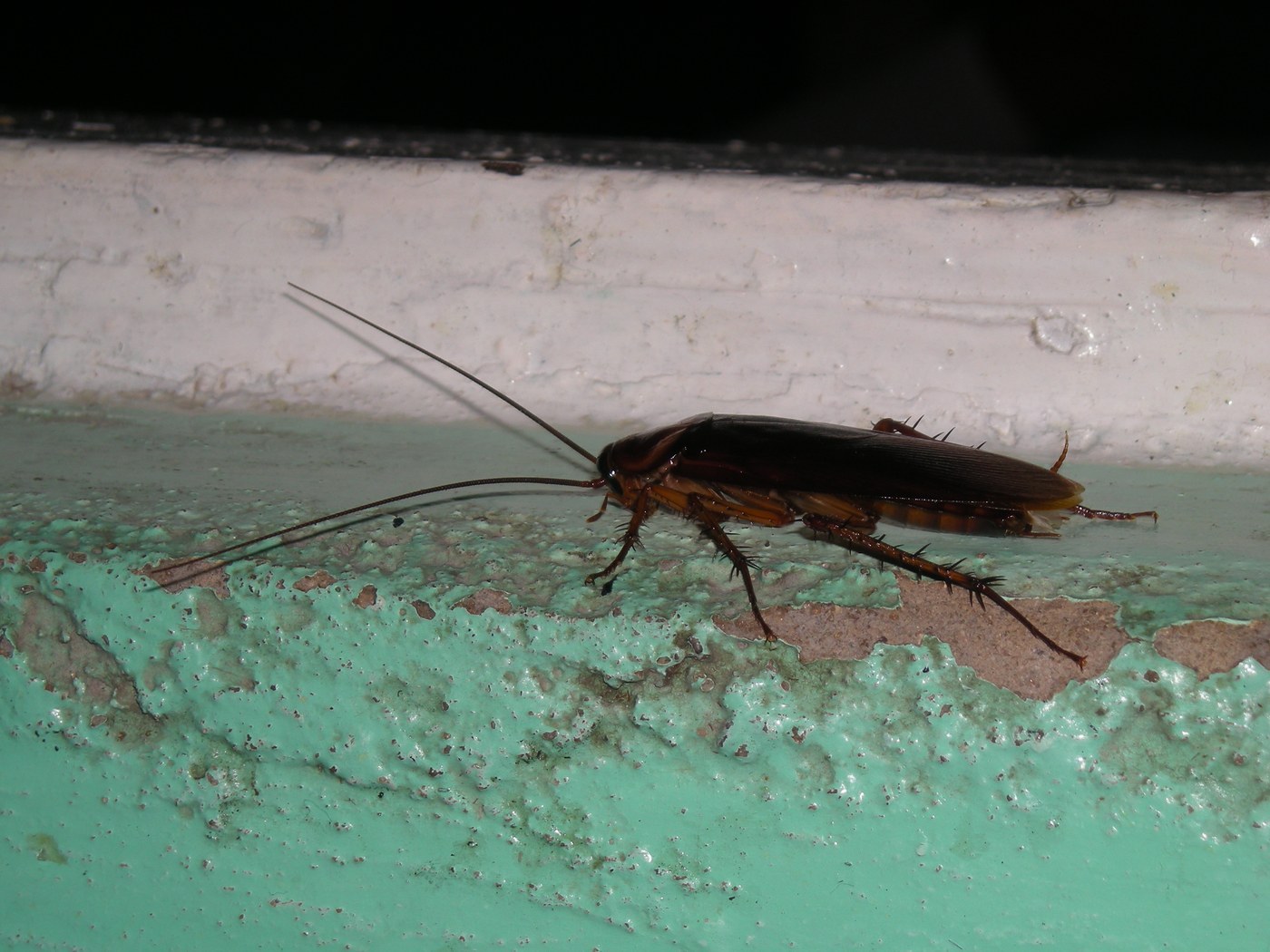
American Cockroach
Warm, humid environments such as basements, sewers, drains, and tropical outdoor settings
Thrips
Flowers, foliage, gardens, greenhouses, crop fields
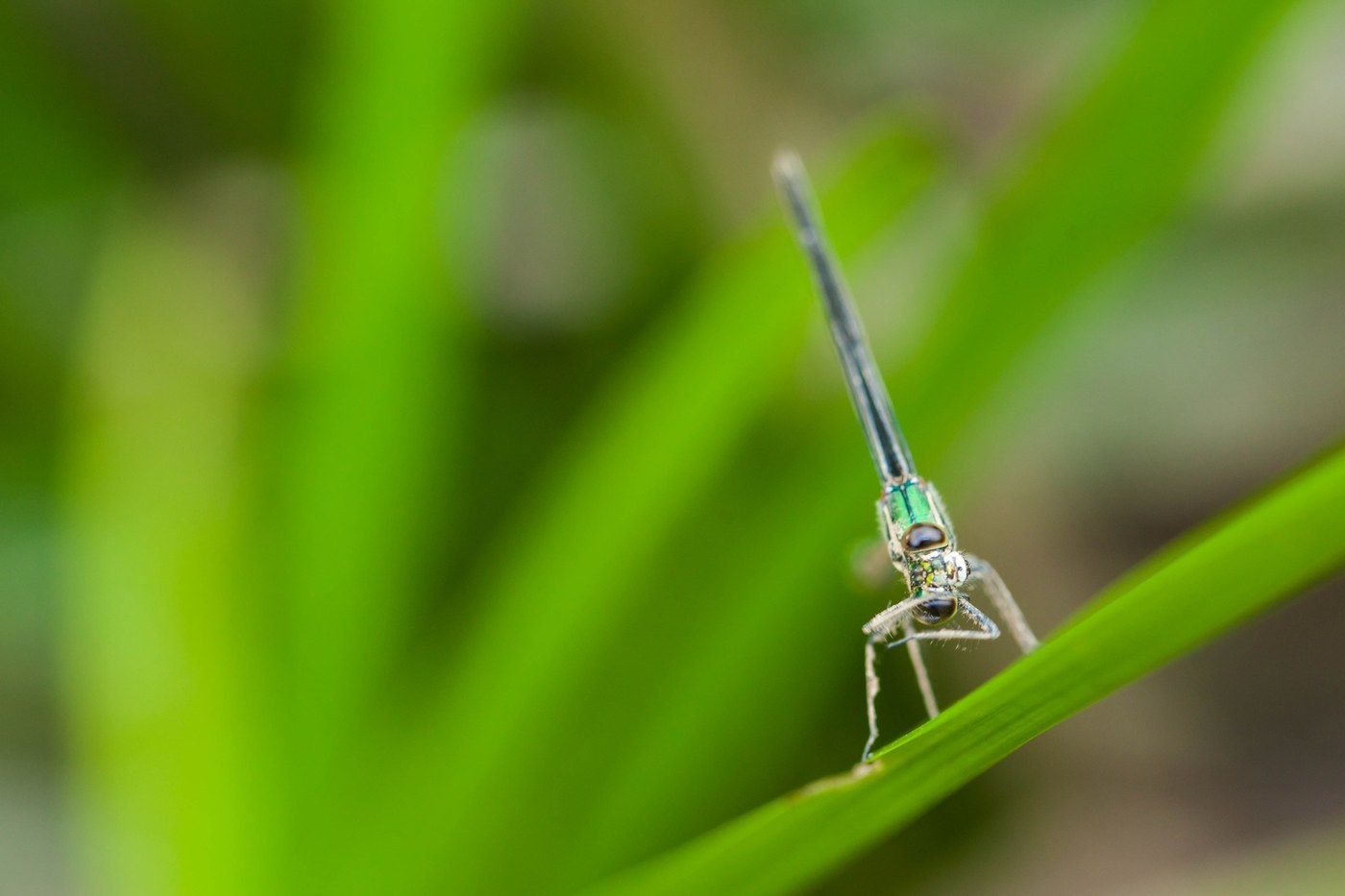
American Rubyspot
Sunny rivers and streams with moderate current
Springtail
Moist soil, leaf litter, decaying organic matter, and damp indoor areas
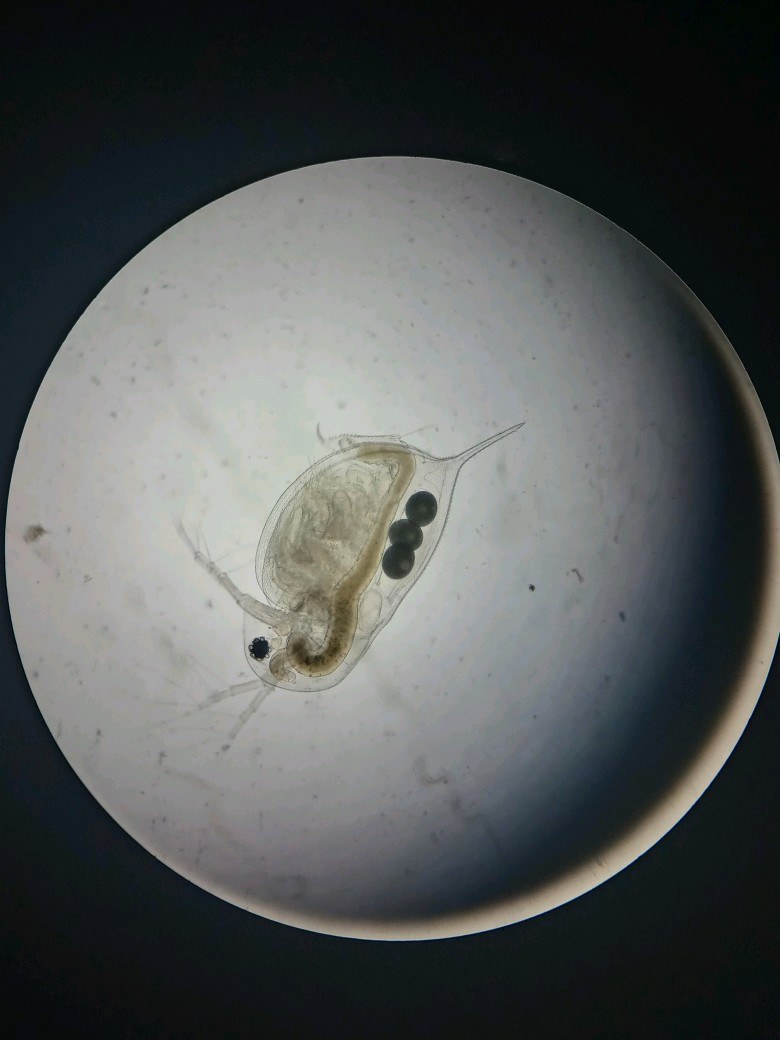
Water Flea
Ponds, lakes, and slow streams as free-floating plankton
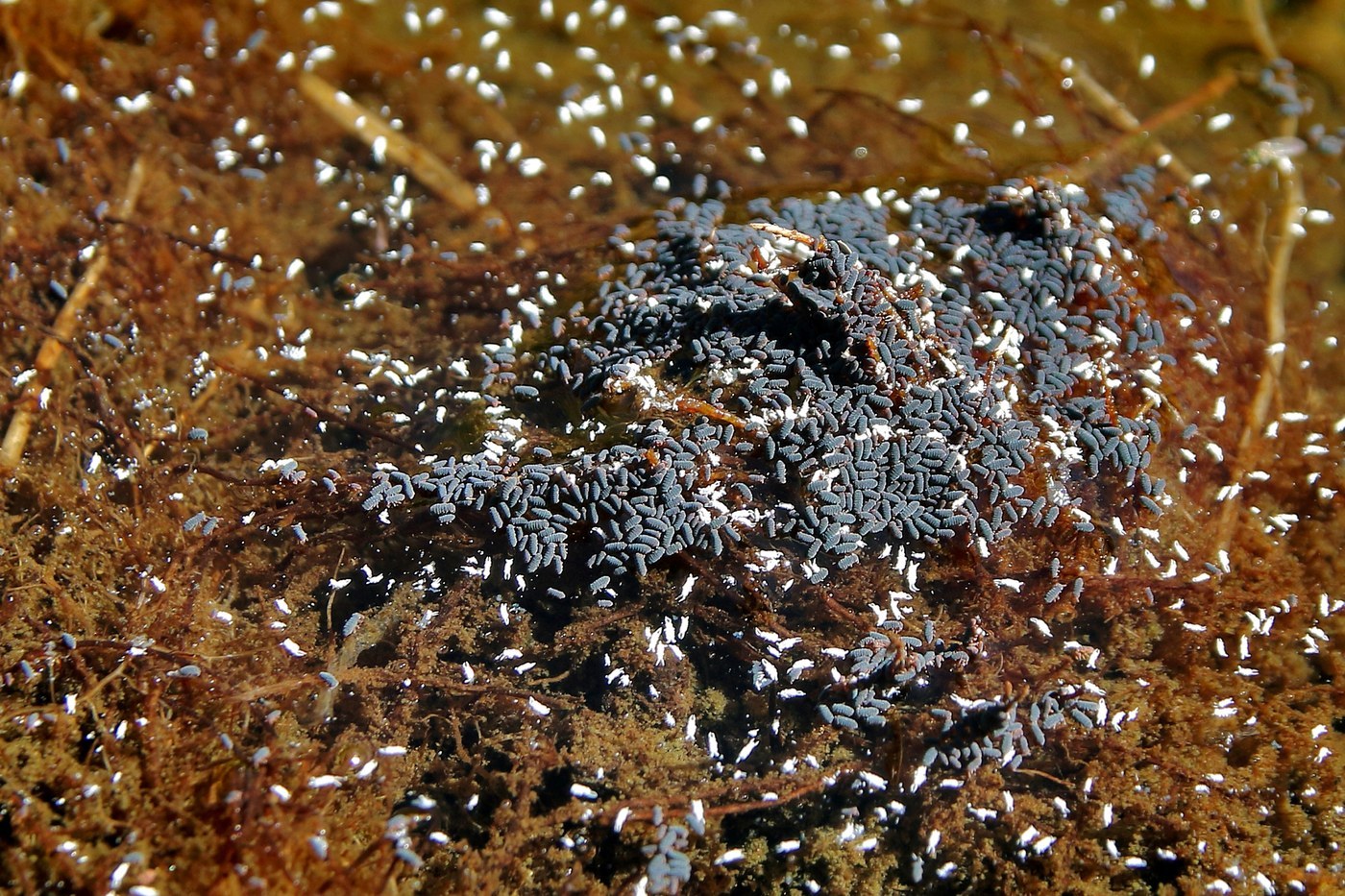
Water Springtail
Surface film of ponds, puddles, and slow ditches
Slug
Gardens, damp soil, leaf litter, greenhouses
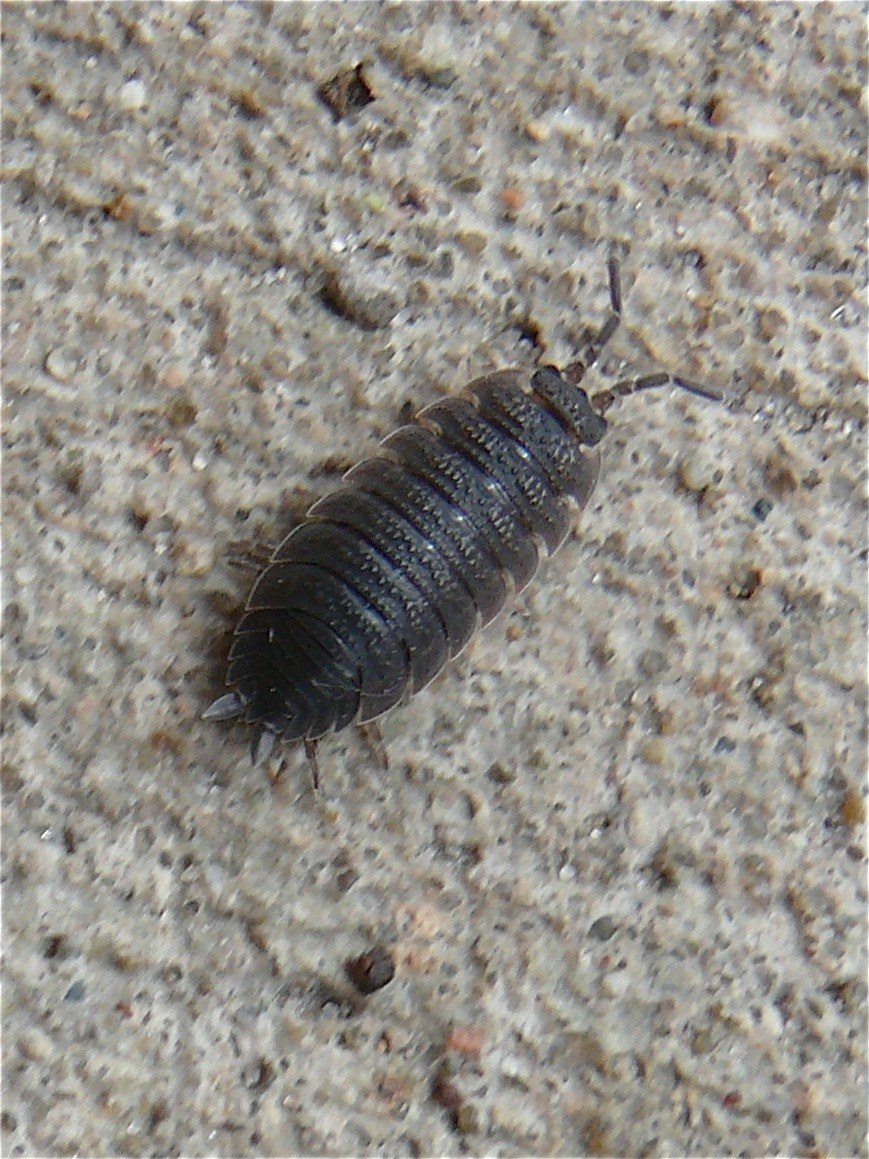
Sowbug
Leaf litter, under rocks/logs, damp garden soil, basements
Pill Bug
Damp soil, leaf litter, under rocks and logs, garden beds
Termite
Soil, decaying wood, tree stumps, and wooden structures
Termite Swarmer
Emerges from underground or wood-nesting colonies, often near structures and moist soil
Silverfish
Damp basements, bathrooms, closets, and dark indoor crevices