
Funnel Weaver Spider
Agelenidae spp.
Nearly invisible until dew or morning frost outlines it in silver, the funnel weaver's sheet-and-tunnel web is a familiar sight across lawns and gardens, with its owner watching from the safety of a silken tube.
- Size
- Body 0.4-0.8 in (10-20 mm)
- Habitat
- Grass, shrubs, foundation walls, and woodpiles across temperate regions worldwide
- Danger
- Harmless
Spotted a bug like this?
Identify any bug or insect from a photo, free.
Overview
Funnel weaver spiders belong to the family Agelenidae, a large group found throughout temperate regions of North America, Europe, and Asia. The name comes from the distinctive funnel-shaped retreat woven into one corner of a flat, non-sticky sheet web, where the spider waits, hidden, for vibrations signaling that an insect has landed on the sheet. In North America, the genus Agelenopsis, commonly called grass spiders, is the most frequently encountered group, often spotted covering lawns and shrubs with silk after a heavy dew.
Funnel weavers are unrelated to the Australian funnel-web spiders, despite the similar common name; they belong to entirely different families. Confusion between the two groups is common simply because both build funnel-shaped retreats, but agelenid funnel weavers are a separate group found worldwide in gardens and grasslands.
These spiders are active garden predators, and the sheer number of webs that can appear on a lawn after rain is often a sign of a thriving population of small insects being kept in check.
How to Identify
- Brownish to grayish body with two dark longitudinal stripes running down the front section (cephalothorax)
- Elongated, tapering abdomen, sometimes with faint chevron or herringbone markings
- Long legs and long, prominent spinnerets at the rear of the abdomen used to lay silk quickly
- Builds a flat, horizontal sheet web with a narrow funnel-shaped retreat at one edge, rather than a sticky orb
- Extremely fast when running across the web surface toward prey or a retreat
- Not related to the Australian Sydney funnel-web spider, which belongs to a different, unrelated family
Habitat & Range
Funnel weavers are common in lawns, meadows, gardens, and low shrubs, as well as around building foundations, woodpiles, and rock walls. Their webs are especially noticeable in late summer and early fall, when dew or light frost highlights the silk sheets across grass in the early morning. They are found throughout temperate North America, Europe, and Asia, generally favoring open, sunlit ground-level vegetation.
Behavior & Diet
Funnel weavers build a broad, flat sheet of silk with a tubular retreat leading down into vegetation or a crevice. Unlike sticky orb webs, the sheet is not adhesive; instead, its dense weave and the spider's speed are what secure a catch. When an insect lands on the sheet, the spider dashes out from the funnel at high speed, bites to subdue it, and drags it back into the retreat to feed. These spiders are shy and quick to retreat into their funnel at the first sign of disturbance rather than confronting anything larger than typical prey. As predators of grasshoppers, flies, beetles, and other small arthropods, they play a useful role in controlling insect numbers in gardens and grasslands.
Life Cycle
Females lay eggs in a silk-wrapped sac tucked into a sheltered crevice near the web, often in late summer or fall, with spiderlings emerging the following spring. Spiderlings disperse and begin building their own small sheet webs, molting repeatedly over the warmer months as they grow. Many species complete one generation per year, with adults most conspicuous in late summer before mating and dying off as cold weather arrives, while eggs or young spiders overwinter to begin the cycle again.
Frequently asked questions
Is the funnel weaver spider the same as the Sydney funnel-web spider?
No, despite the similar name, funnel weavers belong to a completely different, unrelated family and are found worldwide, not just in Australia.
Why do funnel weaver webs suddenly appear all over the lawn?
Their flat sheet webs become visible when dew or light frost coats the silk, often making populations that were always present suddenly obvious.
Do funnel weaver spiders spin sticky webs?
No, their sheet webs are not sticky; the spider relies on speed to rush out and catch insects that land on the surface.
What do funnel weaver spiders eat?
They prey on small ground and flying insects such as flies, beetles, and grasshoppers that wander onto their sheet web.
Funnel Weaver Spider guides
In-depth guides for identifying, understanding, and living alongside Funnel Weaver Spider.
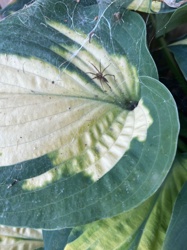
Funnel Weaver Spider identified by the community
Real finds identified with Bug Identifier.
Other bugs you may enjoy
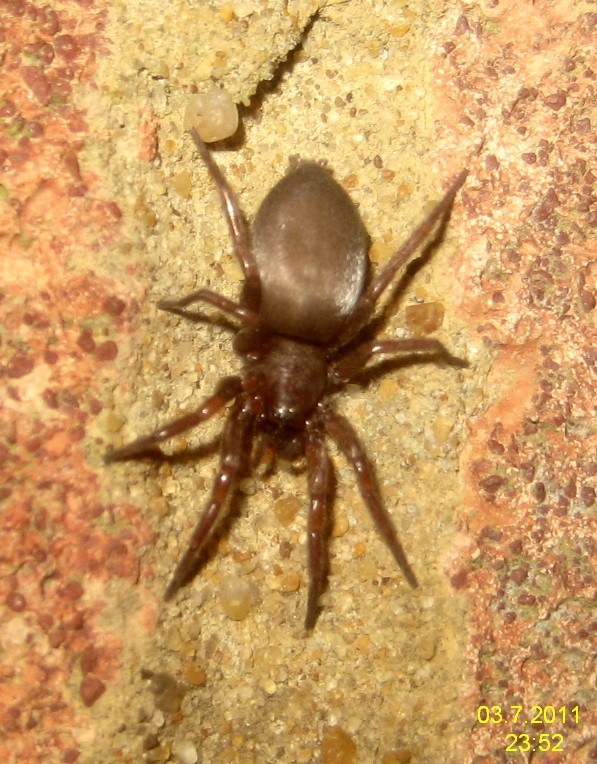
Woodlouse Spider
Damp leaf litter, under logs, stones, and mulch
Wolf Spider
Gardens, grasslands, forests, leaf litter, ground burrows
Wandering Spider
Tropical and subtropical forest floor, foliage, and banana plants
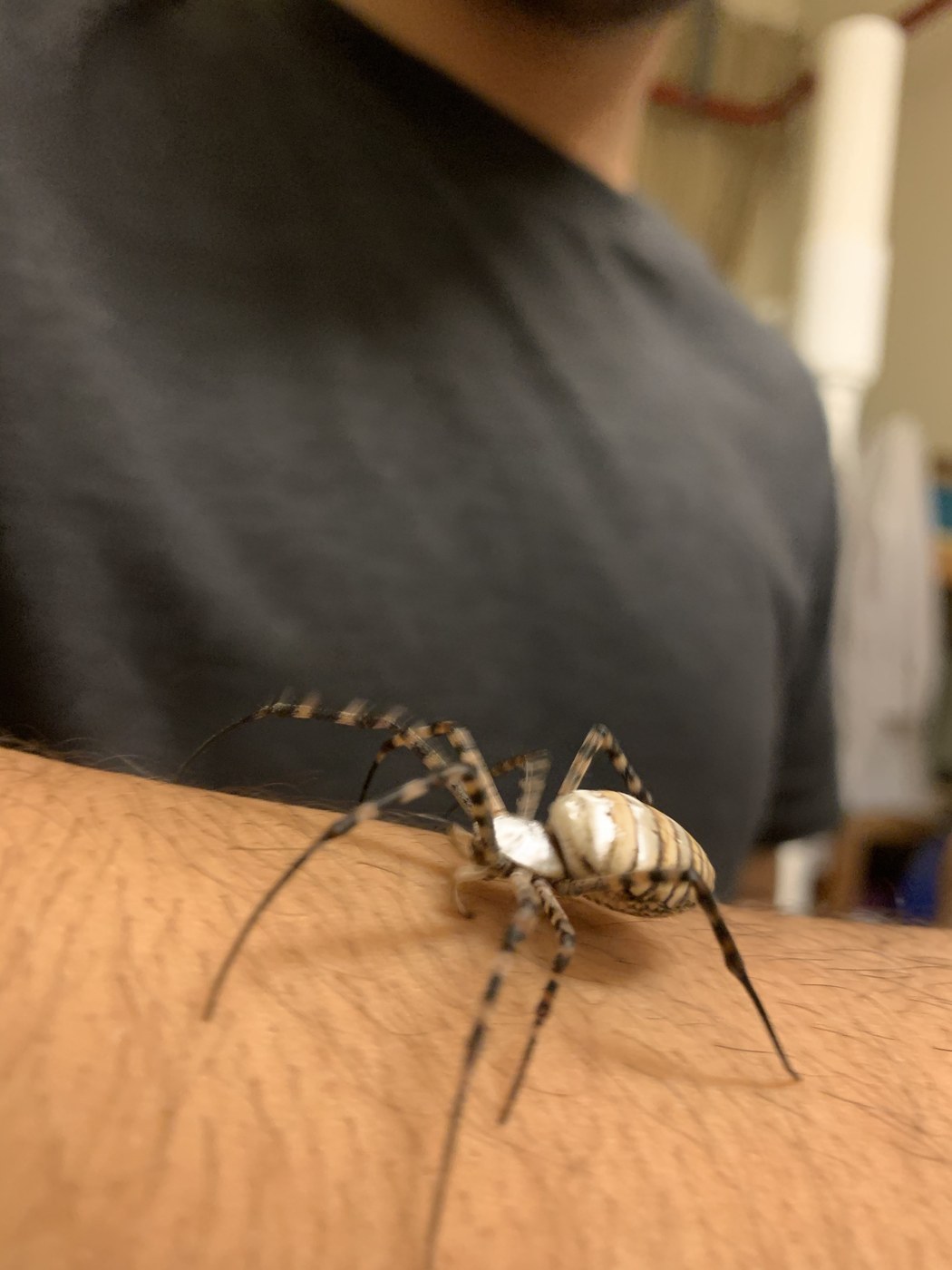
Banded Garden Spider
Tall grass, meadows, and gardens with open sunny vegetation
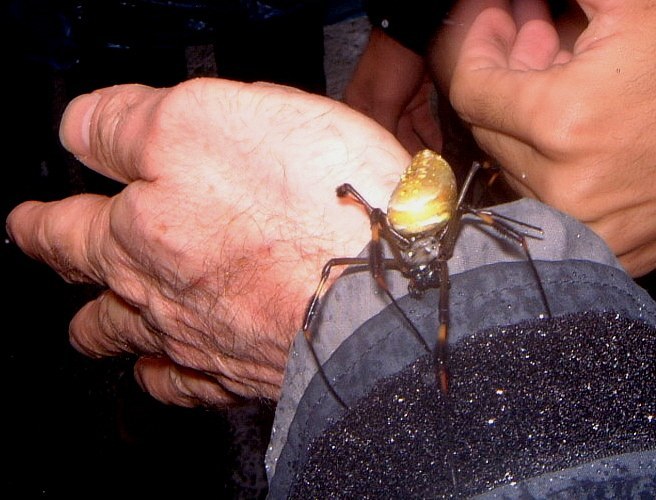
Banana Spider
Wooded trails, forest edges, and gardens across the southeastern U.S. and the American tropics
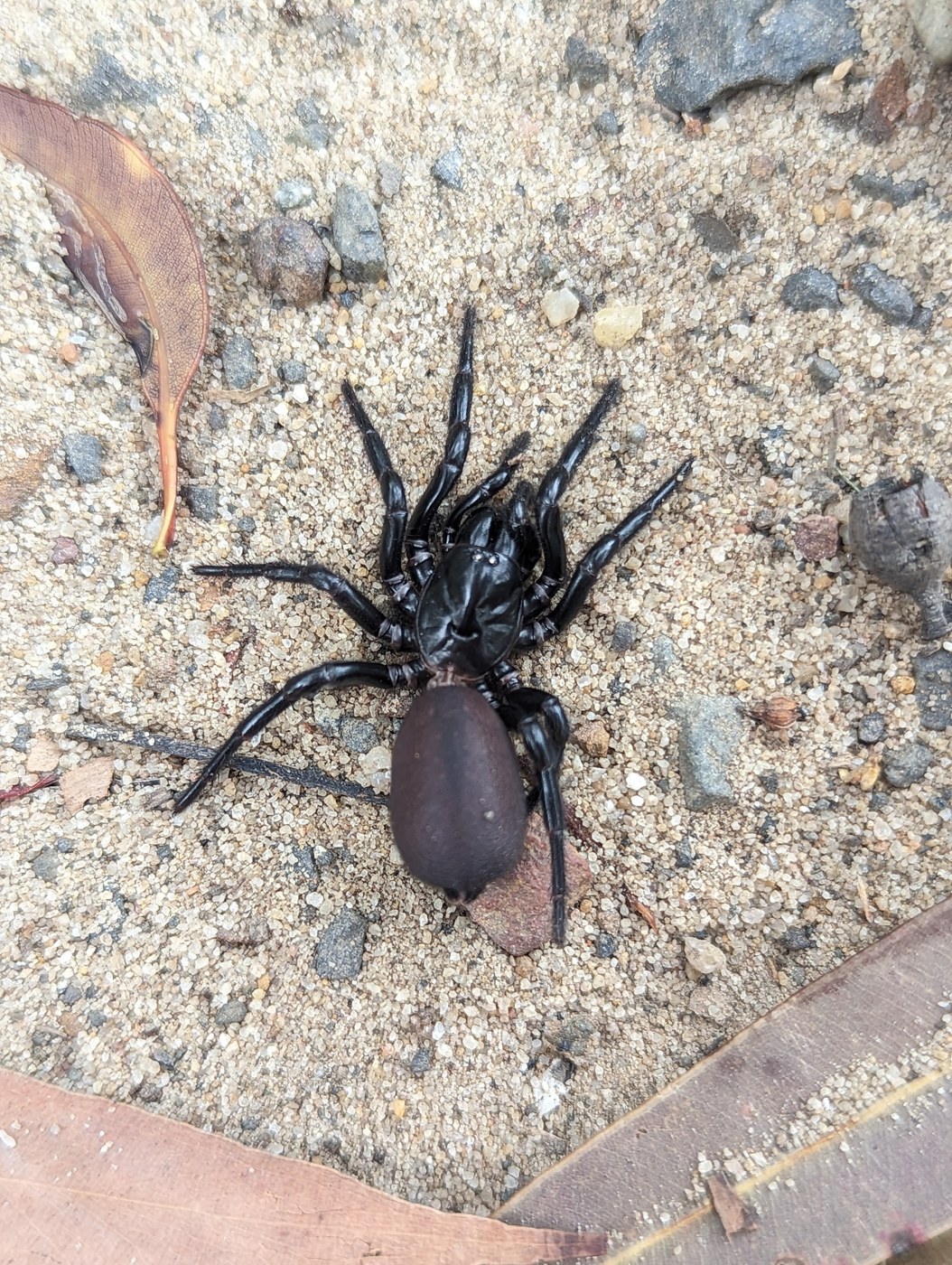
Sydney Funnel-web Spider
Burrows in moist soil, gardens, and forested gullies around the Sydney basin of eastern Australia
Trapdoor Spider
Self-dug silk-lined burrows with a camouflaged door, in dry, well-drained soil worldwide
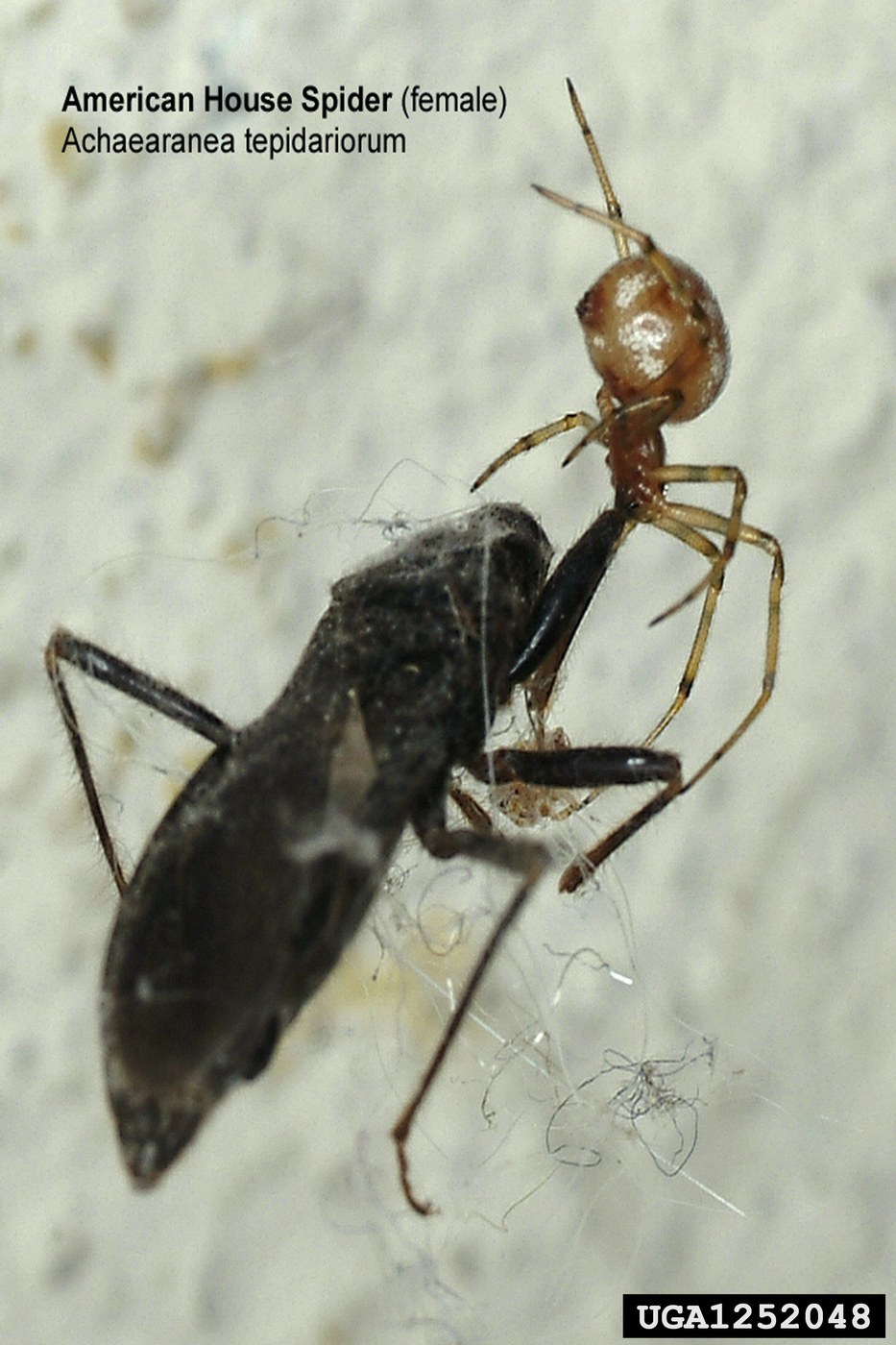
American House Spider
Corners, basements, garages, and outbuildings worldwide
Tube Web Spider
Wall crevices, bark, rockeries, and masonry
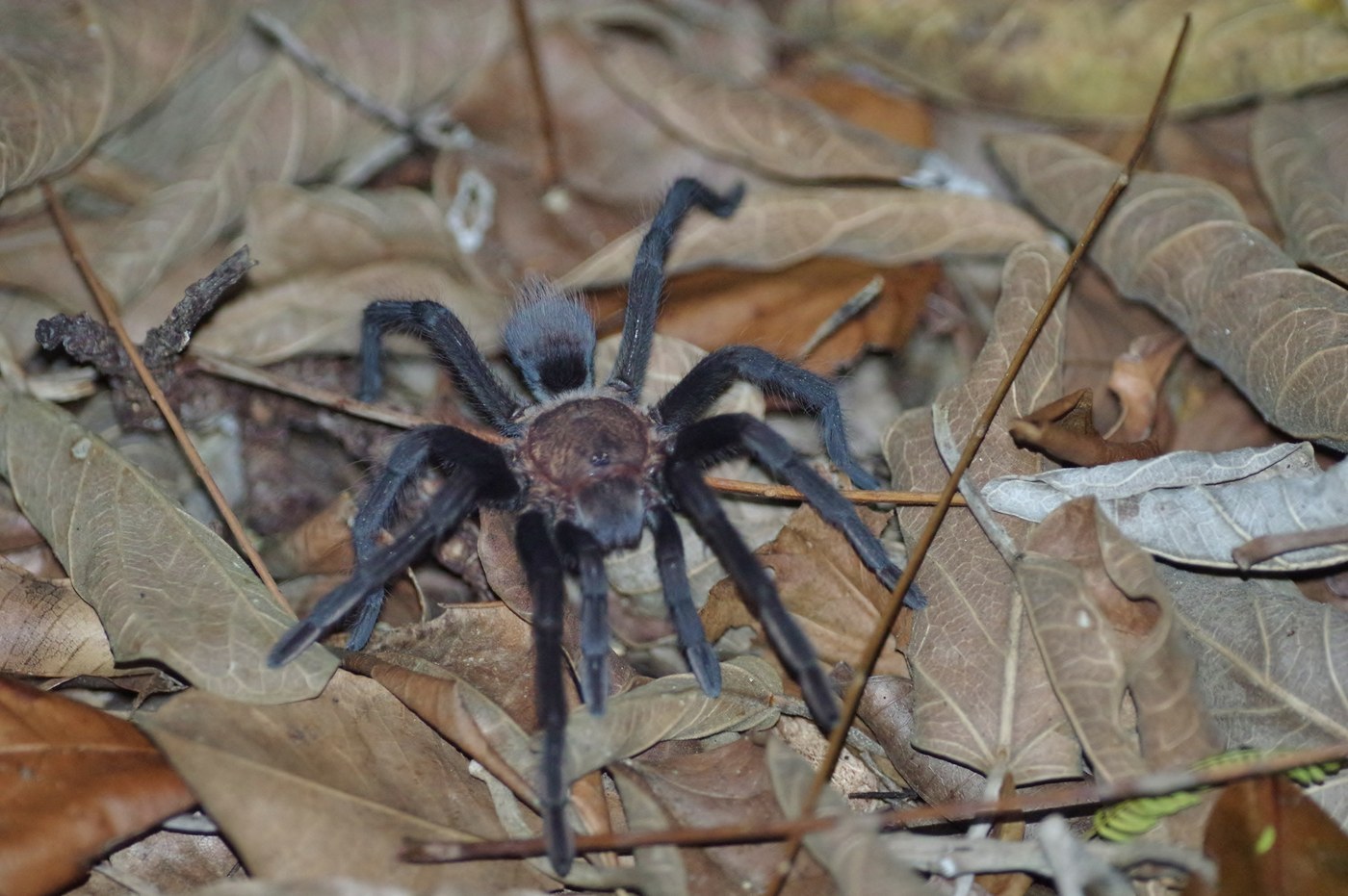
Tarantula
Burrows, rock crevices, and tree hollows in deserts, grasslands, and tropical forests worldwide
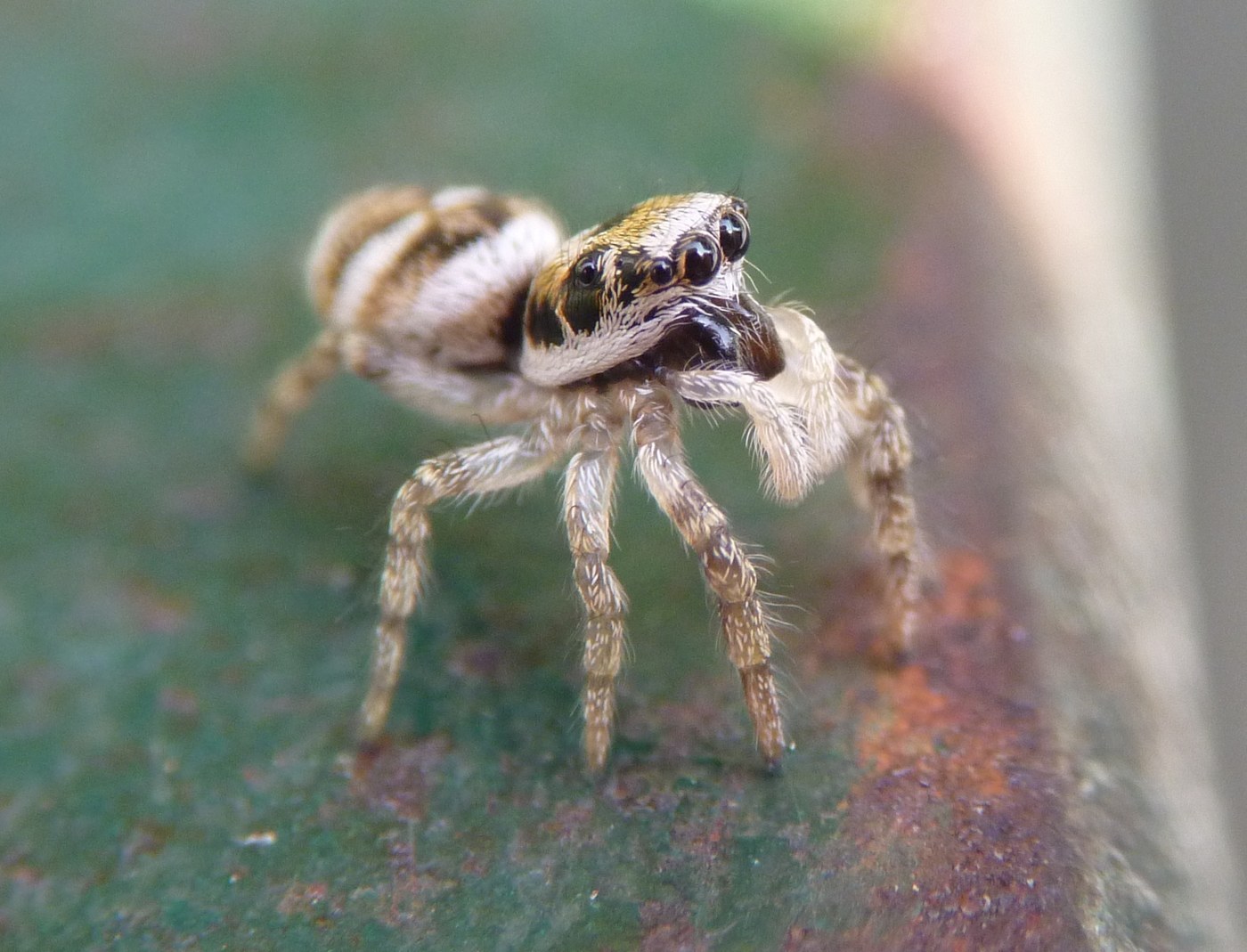
Zebra Jumping Spider
Sunny walls, fences, tree bark, and building exteriors
Wall Spider
Cracks and crevices on exterior and interior walls