
Garden Spider
Argiope aurantia
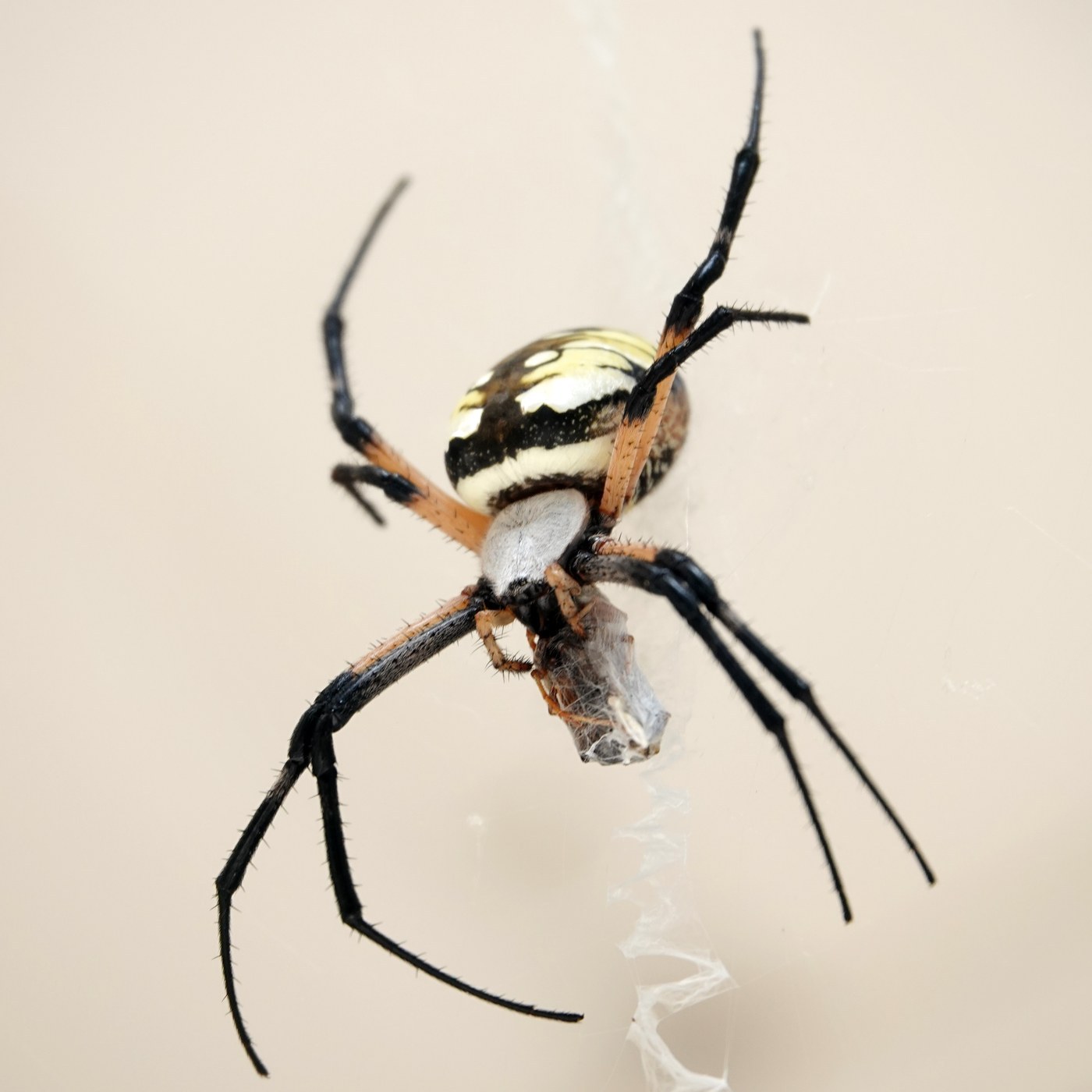
A large, strikingly patterned orb weaver with a black-and-yellow abdomen and a bold zigzag band of silk woven into the center of its web, making it one of the most recognizable garden spiders.
- Size
- Females 19–28 mm body; males 5–9 mm
- Habitat
- Gardens, meadows, tall grass, and sunny sheltered spots with plenty of flying insects
- Danger
- Mildly venomous
Spotted a bug like this?
Identify any bug or insect from a photo, free.
Overview
The garden spider, most often referring to the black-and-yellow garden spider, is a large member of the orb weaver family Araneidae, notable for its bold black and yellow (or orange) patterning and its habit of weaving a conspicuous zigzag silk structure, called a stabilimentum, into the hub of its web. Females are considerably larger and more vividly marked than the small, drab males.
It is a common and highly visible garden inhabitant across much of its range, often noticed in late summer when females reach full size and their large webs, sometimes over a meter across, become prominent among tall grasses and garden plants. The species' size and bold coloration make it one of the more recognizable spiders to the general public.
Ecologically, the garden spider is an effective predator of flying insects in open, sunny habitats, helping regulate populations of grasshoppers, flies, wasps, and other insects that blunder into its web, and it in turn provides food for birds and other predators.
How to Identify
- Large, oval abdomen with a bold pattern of black and bright yellow (sometimes orange) markings arranged in a symmetrical pattern; females measure roughly 19–28 mm in body length.
- Legs are long, banded black with yellow or orange segments, and held in the characteristic zigzag orb-weaver resting posture.
- Builds a large, vertical orb web, typically anchored among tall vegetation, featuring a distinctive thick zigzag band of silk (stabilimentum) running through the center.
- Males are much smaller, plainer brown, and rarely seen away from a female's web during mating season.
- Lookalikes: other Argiope species with similar black-and-yellow or silvery patterning, and general orb weavers, distinguished by the specific bold color pattern and prominent web zigzag of this species.
Habitat & Range
Garden spiders are found across much of North America, favoring sunny, open habitats such as gardens, meadows, roadsides, and tall grass or shrubby field edges with abundant flying insect activity. They are most conspicuous in late summer and early fall when females reach maximum size.
Webs are typically built at a fixed site chosen for good insect traffic and anchored between sturdy plant stems, fence posts, or similar supports, often remaining in the same general location for the spider's active season.
Behavior & Diet
Like other orb weavers, the garden spider builds a large, sticky spiral web to intercept flying insects and rests head-down at the hub, often on top of its zigzag stabilimentum, waiting for prey. When an insect strikes the web, the spider quickly rushes out, subdues it, and wraps it in silk before feeding.
It feeds on a broad range of flying and jumping insects including grasshoppers, flies, bees, wasps, and moths, making it a significant predator in open, sunny habitats. The function of the zigzag stabilimentum is debated among researchers, with hypotheses including web visibility to prevent bird collisions or a role in attracting prey.
Life Cycle
In autumn, females produce one or more large, papery brown egg sacs attached to vegetation or a sheltered structure, containing hundreds of eggs that overwinter in place. Spiderlings hatch the following spring and disperse, sometimes by ballooning on silk threads carried by the wind, then grow through a series of molts as they mature.
This species is generally univoltine (one generation per year) in temperate regions, with spiderlings maturing over the summer and reaching full adult size by late summer or early fall, after which adults typically die with the onset of cold weather, leaving the next generation to overwinter as eggs.
Frequently asked questions
Why does the web have a zigzag pattern in the middle?
This thick band of silk, called a stabilimentum, is a hallmark of this species' web and is thought to serve functions such as making the web more visible or influencing prey capture, though its exact purpose is debated.
Why are garden spiders so much bigger in late summer?
Females grow throughout the season and reach their largest size by late summer and early fall, just before laying eggs, which is when they become most noticeable.
Are the males the same size as the females?
No, males are much smaller and plainer brown, often only a fraction of the female's size, and are rarely noticed away from her web.
Is this the same as an orb weaver spider?
The garden spider is a specific, brightly patterned type of orb weaver; 'orb weaver' is the broader family term covering many different species with varied appearances and web styles.
Garden Spider guides
In-depth guides for identifying, understanding, and living alongside Garden Spider.
Other bugs you may enjoy
Woodlouse Spider
Damp leaf litter, under logs, stones, and mulch
Wolf Spider
Gardens, grasslands, forests, leaf litter, ground burrows
Wandering Spider
Tropical and subtropical forest floor, foliage, and banana plants
Banded Garden Spider
Tall grass, meadows, and gardens with open sunny vegetation
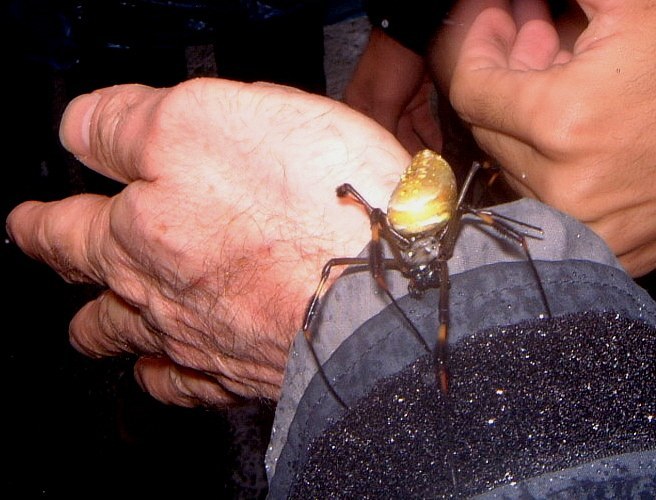
Banana Spider
Wooded trails, forest edges, and gardens across the southeastern U.S. and the American tropics
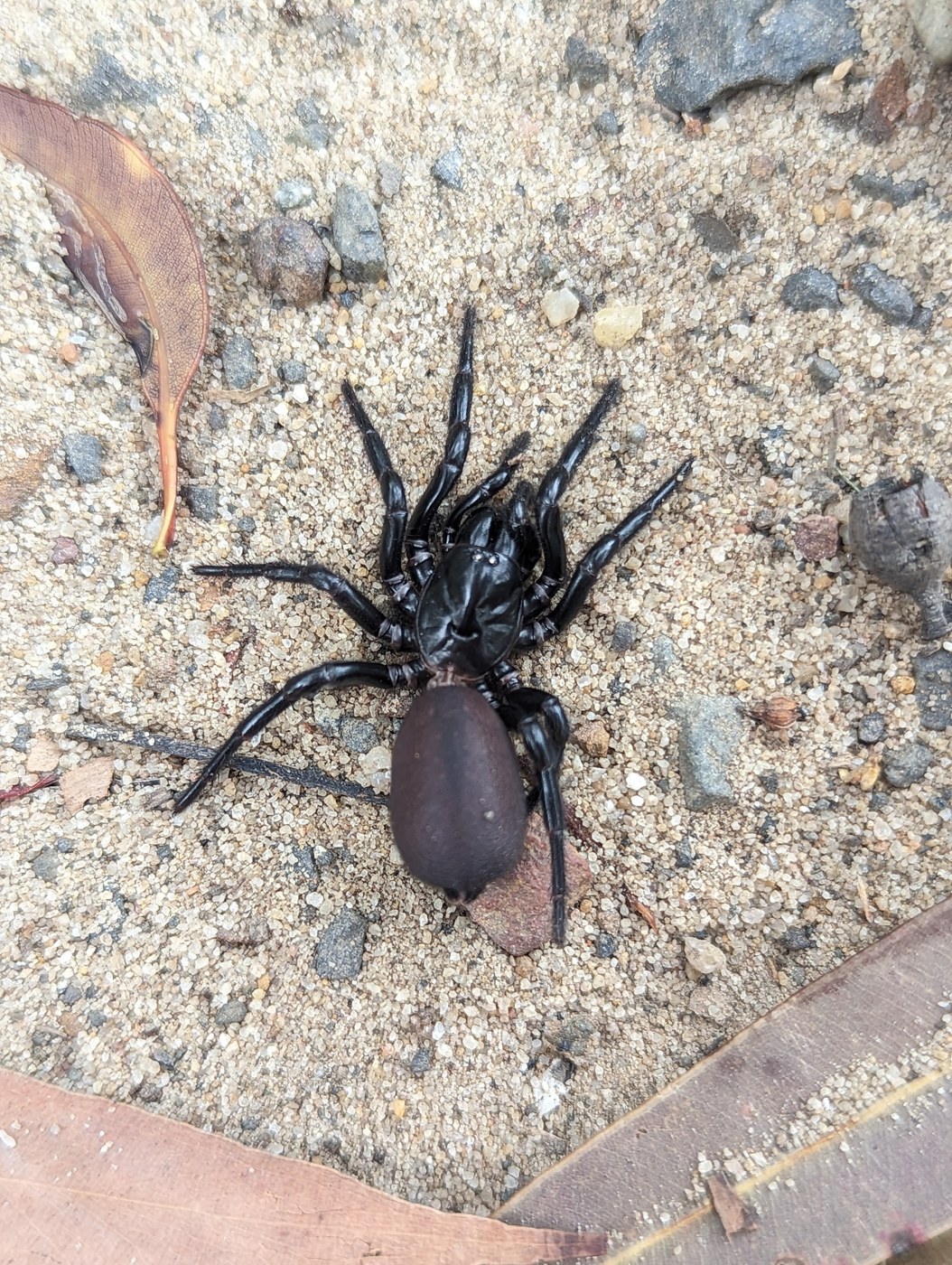
Sydney Funnel-web Spider
Burrows in moist soil, gardens, and forested gullies around the Sydney basin of eastern Australia
Trapdoor Spider
Self-dug silk-lined burrows with a camouflaged door, in dry, well-drained soil worldwide
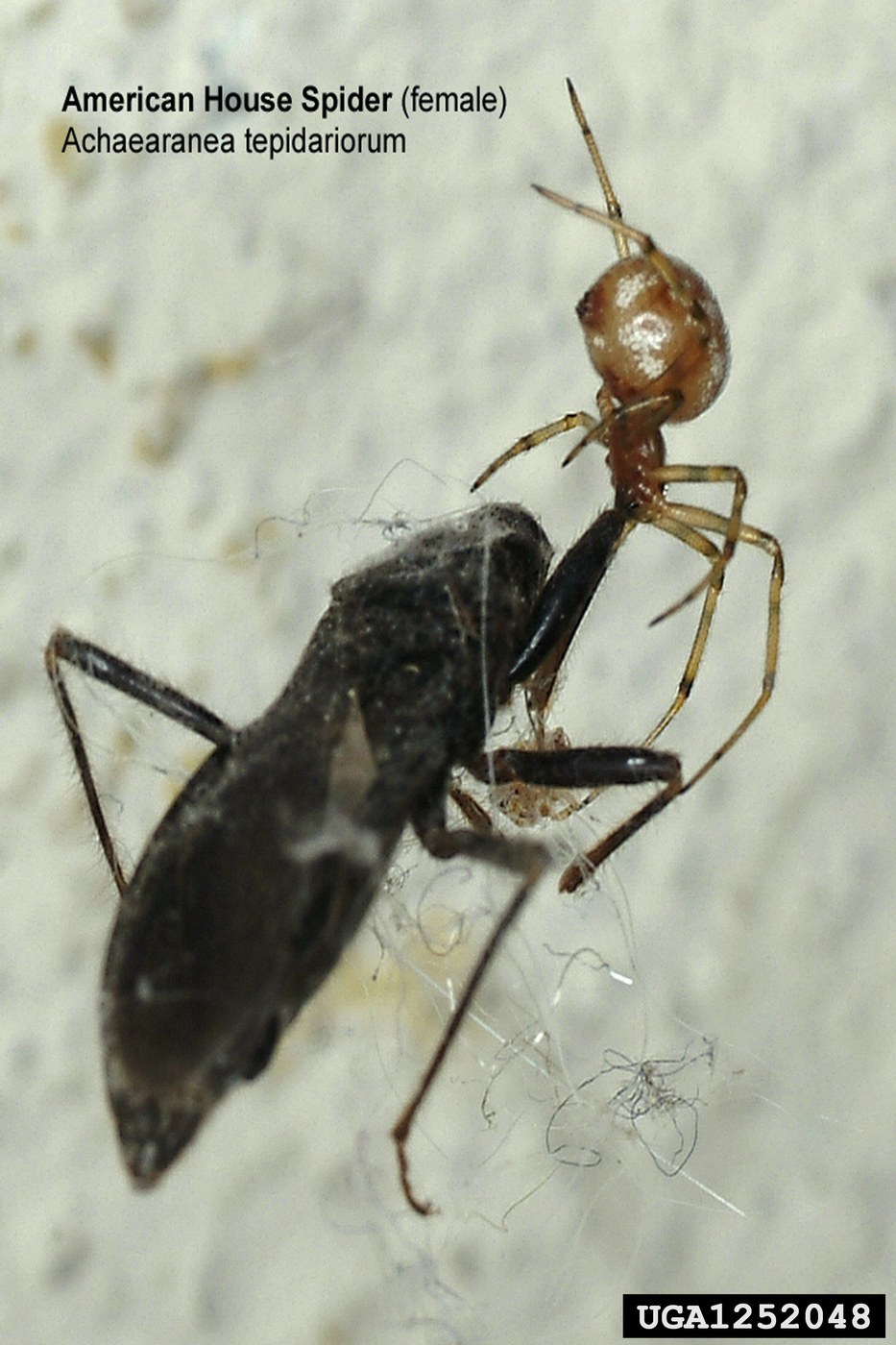
American House Spider
Corners, basements, garages, and outbuildings worldwide
Tube Web Spider
Wall crevices, bark, rockeries, and masonry
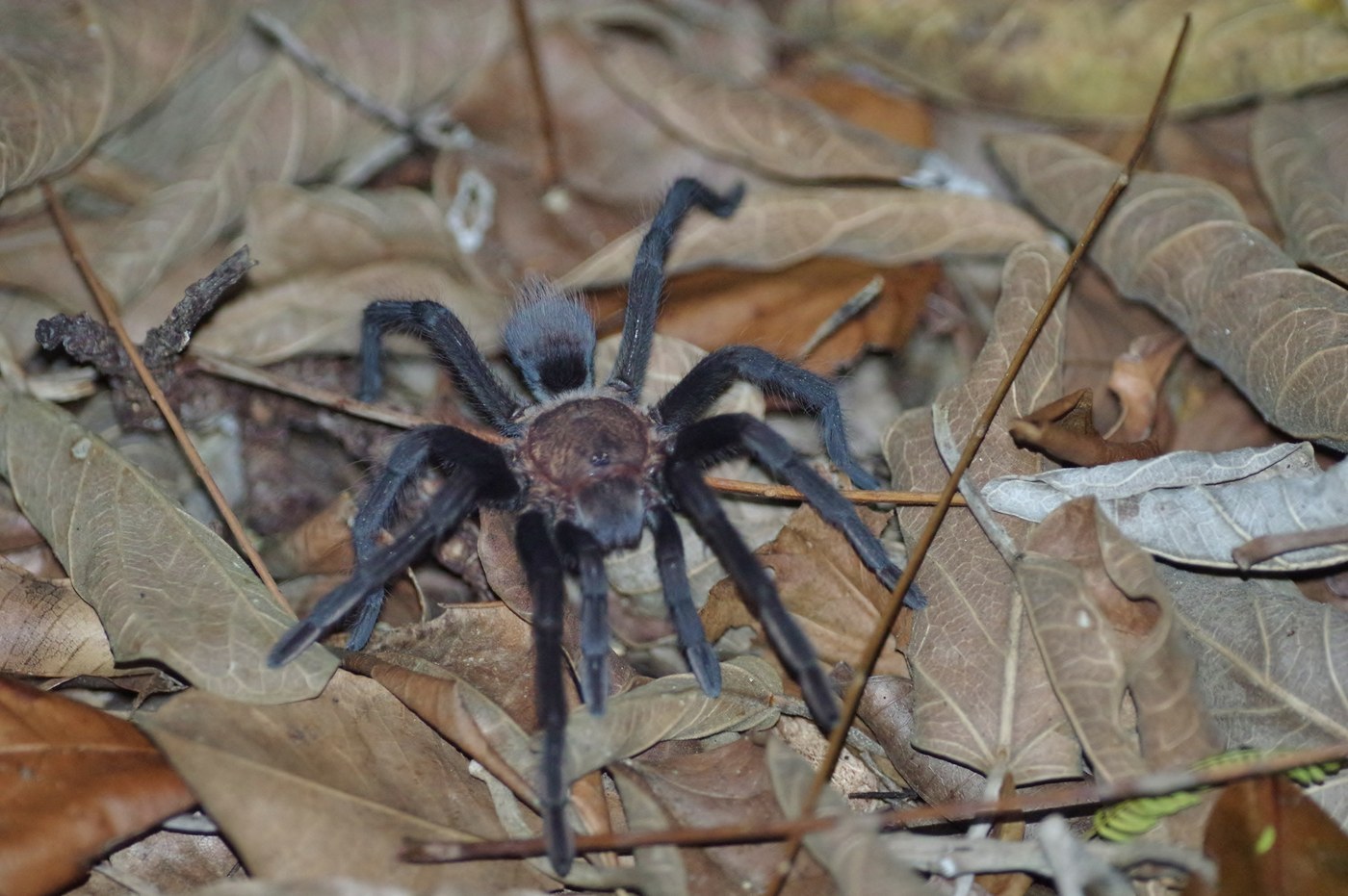
Tarantula
Burrows, rock crevices, and tree hollows in deserts, grasslands, and tropical forests worldwide
Zebra Jumping Spider
Sunny walls, fences, tree bark, and building exteriors
Wall Spider
Cracks and crevices on exterior and interior walls