
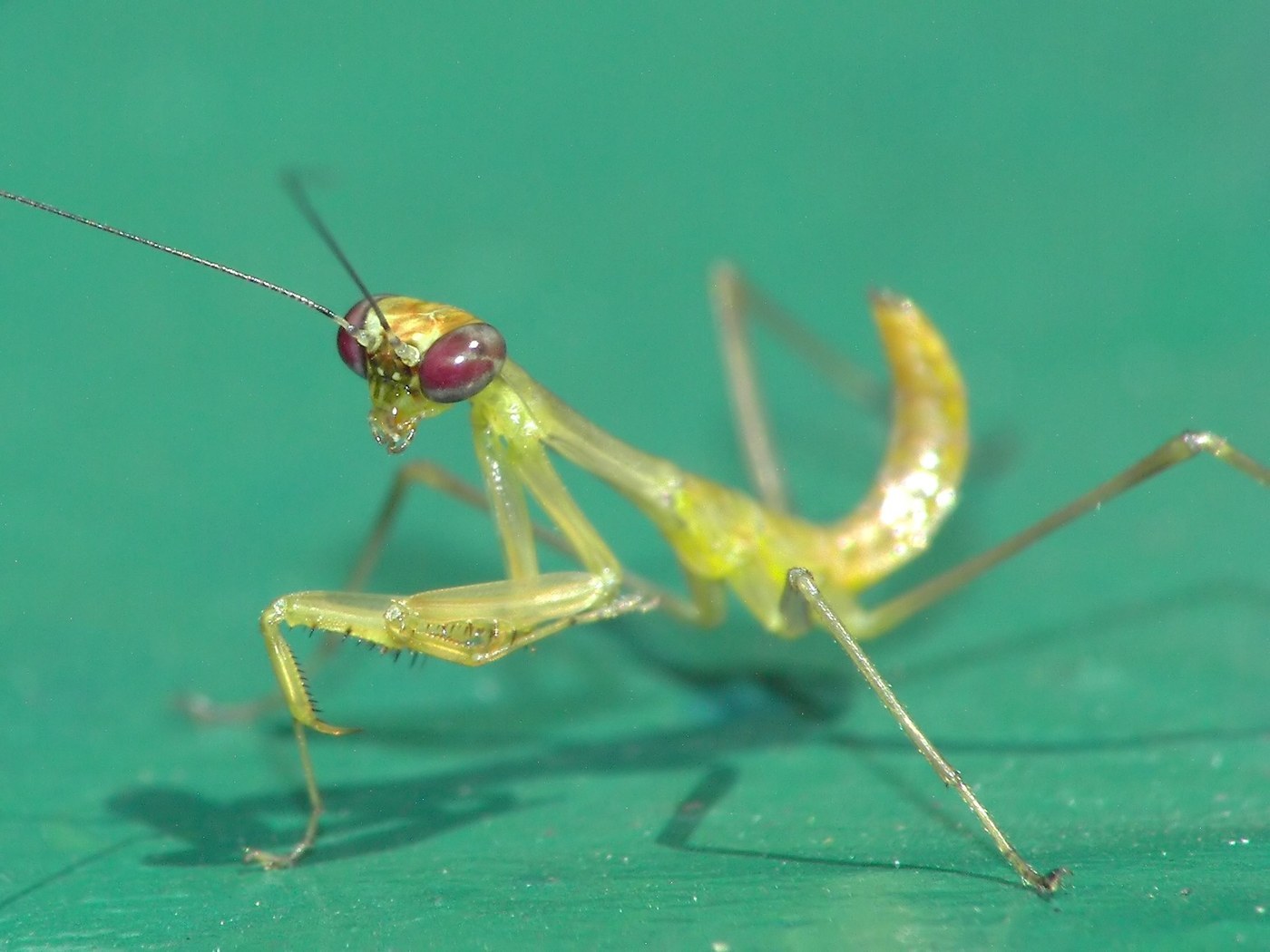
Giant Asian Mantis
Hierodula membranacea
A bulky, leaf-green predator that sits patiently among foliage, its powerful spined forelegs poised to snatch any insect that strays too close.
- Size
- 3-4 in (7.5-10 cm) long
- Habitat
- gardens, shrubs, and forest edges throughout South and Southeast Asia
- Danger
- Harmless
Spotted a bug like this?
Identify any bug or insect from a photo, free.
Overview
The giant Asian mantis is one of the largest and most commonly encountered mantis species across South and Southeast Asia, recognized for its substantial size, sturdy build, and typically vivid green coloration that allows it to blend seamlessly into foliage. It belongs to the genus Hierodula, a group of robust mantises found throughout tropical and subtropical Asia and often kept in captivity due to their impressive size and relatively calm temperament.
The body is broad and heavily built compared to many slender mantis species, with a wide thorax and abdomen that give females in particular a stout, powerful appearance. Coloration is usually a solid leaf green, though brown color variants also occur, and the wings, when present, are typically edged or tinged with a pale color along the leading margin. Like other mantises, it possesses large, mobile compound eyes and a flexible neck that allows it to turn its head to track movement with unusual precision for an insect.
As an ambush predator, the giant Asian mantis relies on camouflage and patience, remaining still among leaves and stems until prey, typically other insects, comes within range of its spined raptorial front legs. It is a generalist predator with a healthy appetite, playing a role in controlling insect populations within the gardens, farmland edges, and forest margins where it lives.
How to Identify
- Large, robust body, among the biggest mantis species commonly encountered, 3-4 in (7.5-10 cm) long
- Predominantly leaf-green coloration, occasionally brown color forms
- Broad thorax and abdomen giving a stout, heavy-bodied appearance, especially in females
- Wings, when present, often edged with a pale stripe along the front margin
- Large, triangular head with prominent compound eyes and a highly mobile neck
- Spined, raptorial front legs held folded in the characteristic "praying" posture at rest
Habitat & Range
This species is widespread across South and Southeast Asia, occurring in gardens, agricultural field edges, shrublands, and the margins of tropical and subtropical forests. It tolerates a range of humid climates and is commonly found on broad-leaved plants and shrubs where its green coloration provides effective camouflage. It is active year-round in warm tropical regions, with population peaks typically during warmer, wetter months.
Behavior & Diet
The giant Asian mantis is a sit-and-wait ambush predator that relies on its green camouflage to remain undetected among foliage while waiting for insect prey to approach. It uses its excellent binocular vision and mobile head to track movement before striking rapidly with its spined front legs to seize prey, which it then consumes while holding it firmly. This species is a generalist predator, feeding on a wide range of insects and other small arthropods, and can be cannibalistic, particularly during mating when females sometimes consume males. Its predatory habits make it a natural check on insect populations in the gardens and field margins it inhabits.
Life Cycle
The giant Asian mantis undergoes incomplete metamorphosis, progressing through egg, nymph, and adult stages without a pupal phase. Females produce a large, frothy ootheca that hardens around a cluster of eggs, typically attached to a branch, stem, or other secure surface. Nymphs hatch simultaneously in large numbers and immediately disperse to avoid cannibalism by siblings, resembling small, wingless versions of the adult. They pass through numerous molts over several months, developing wings only at the final molt, with a lifespan from hatching to adult death typically spanning under a year in the wild.
Frequently asked questions
How big does the giant Asian mantis get?
It is one of the larger mantis species, typically reaching 3-4 in (7.5-10 cm) in length, with females generally larger than males.
What does the giant Asian mantis eat?
It is a generalist predator that feeds on a wide variety of insects and other small arthropods it ambushes from foliage.
Where is the giant Asian mantis found?
It occurs throughout South and Southeast Asia in gardens, shrublands, farmland edges, and forest margins.
How does the giant Asian mantis avoid predators?
Its solid green coloring blends closely with leaves, allowing it to remain motionless and undetected by predators and prey alike.
Giant Asian Mantis guides
In-depth guides for identifying, understanding, and living alongside Giant Asian Mantis.
Other bugs you may enjoy
Walking Stick Insect
Trees, shrubs and leaf litter in forests, woodlands and gardens
African Mantis
grasslands, shrubs, and gardens across sub-Saharan Africa
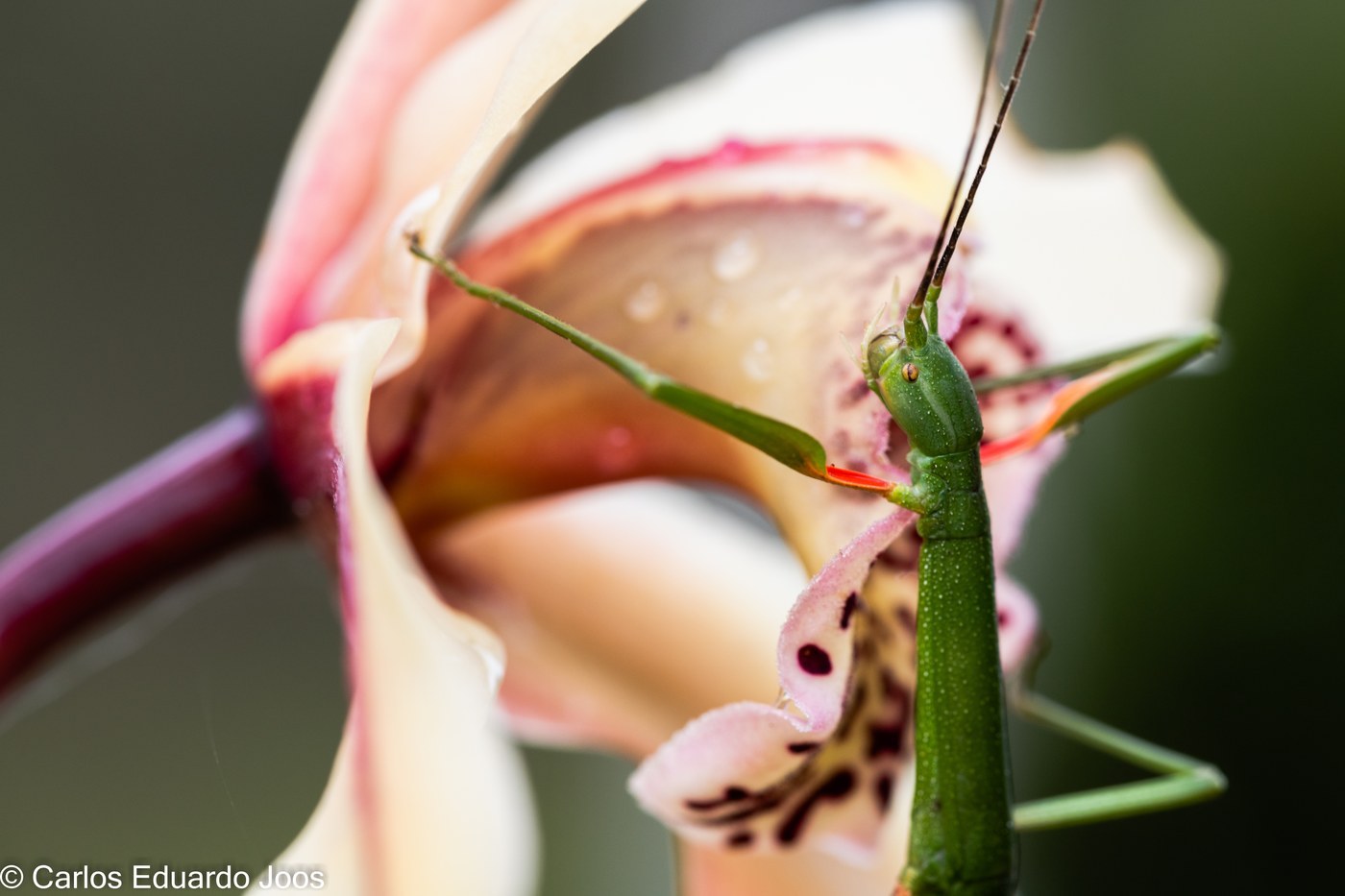
Walking Stick
Deciduous woodlands, forest edges, and shrubby vegetation
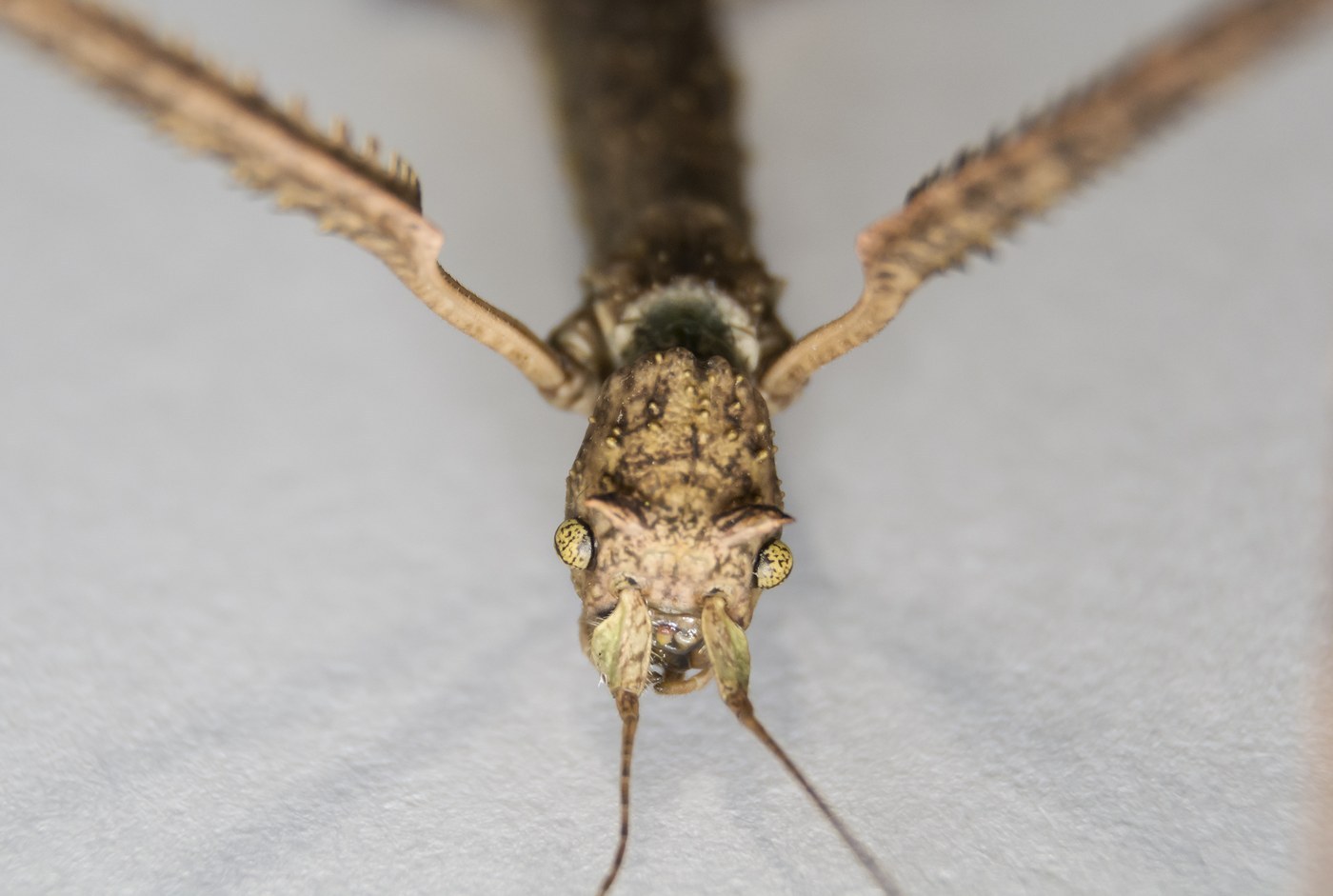
Vietnamese Walking Stick
tropical forests of Vietnam; widely kept in captivity worldwide
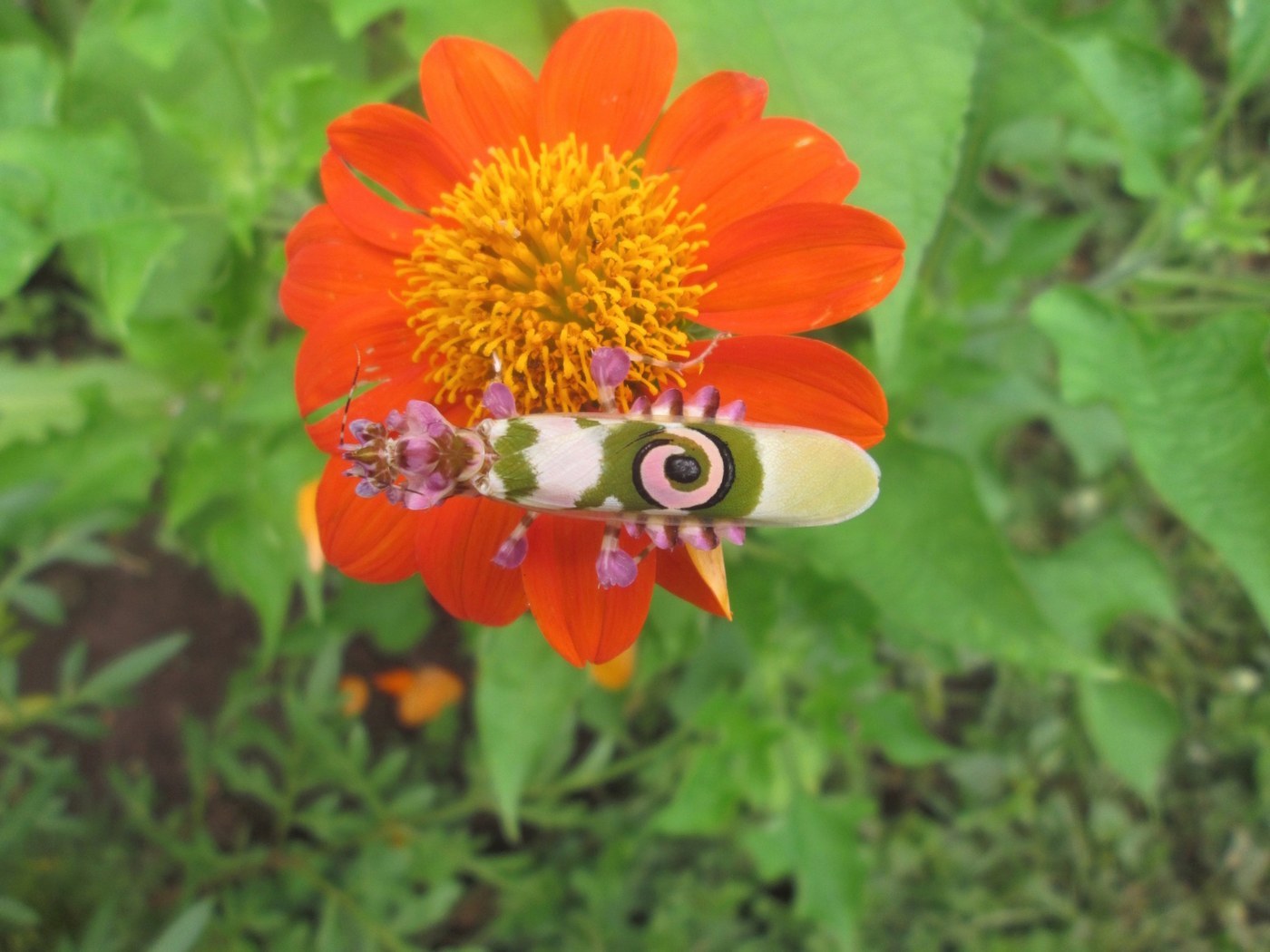
Spiny Flower Mantis
African savanna and woodland shrubs and flowering plants
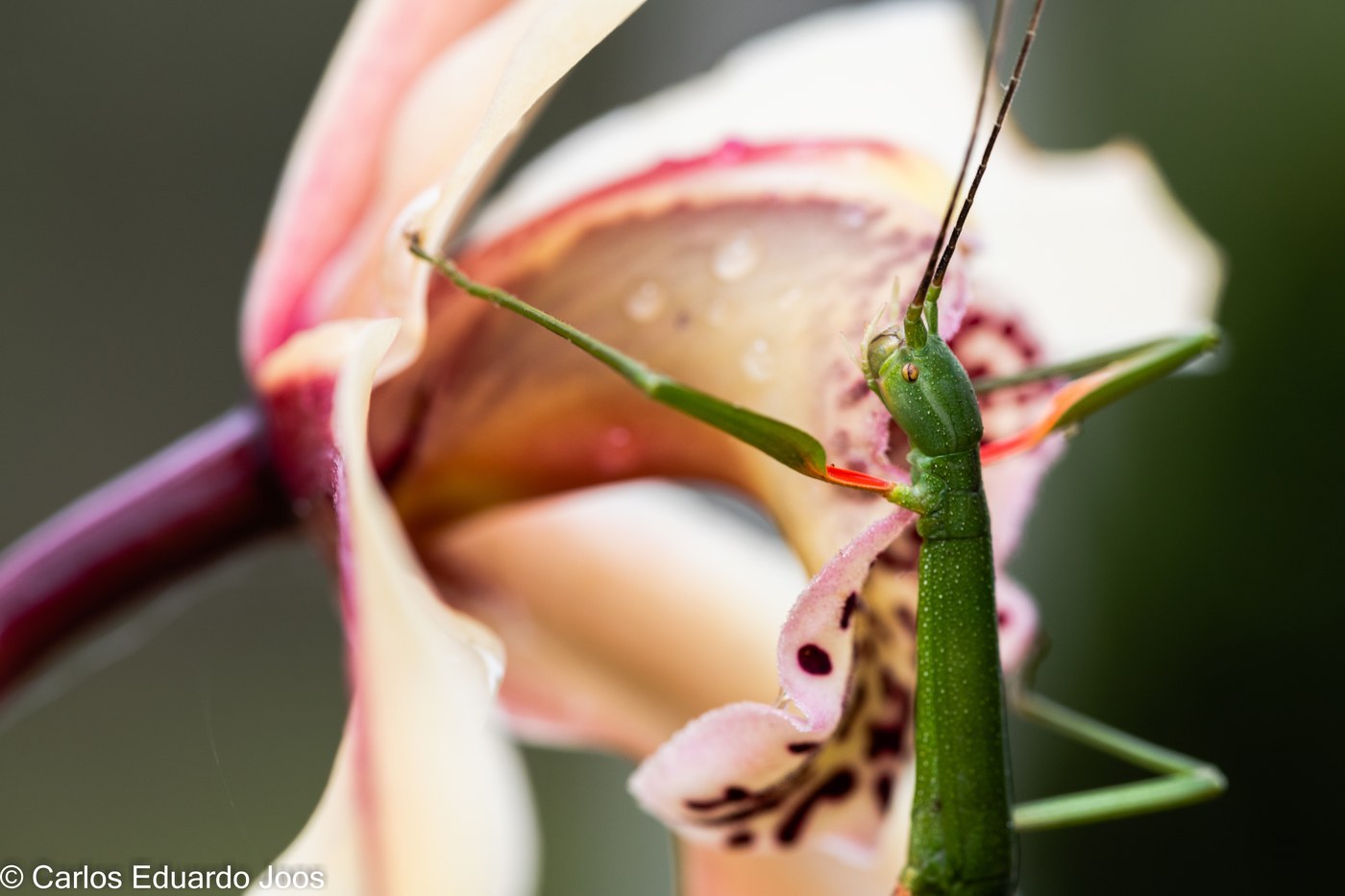
Northern Walkingstick
deciduous forests and woodland edges of the eastern and central United States and southern Canada
Praying Mantis
Gardens, meadows, shrubs, and tall grass
Orchid Mantis
tropical rainforests and flowering shrubs of Southeast Asia
Goliath Stick Insect
Tropical and subtropical eucalypt forests and woodland canopy
Giant Prickly Stick Insect
eucalyptus forests and shrubland of eastern Australia and New Guinea
Javanese Leaf Insect
Tropical lowland and montane forest foliage
Giant Walking Stick
Deciduous woodlands, forest edges, and shrubby thickets