
Golden Silk Orb-Weaver Spider
Genus Trichonephila (formerly Nephila)
Famous for spinning enormous webs of shimmering golden silk, the golden silk orb-weaver is a large, long-legged spider of warm climates. Females dwarf the tiny males and hang head-down in their sprawling snares.
- Size
- Female body up to 5 cm; males tiny
- Habitat
- Warm forests, gardens, and woodland edges
- Danger
- Bites
Spotted a bug like this?
Identify any bug or insect from a photo, free.
Overview
Golden silk orb-weavers, now placed in the genus Trichonephila (long known as Nephila), are large orb-weaving spiders celebrated for the golden color of their silk. The pigment gives the web a yellow shimmer in sunlight, and the silk is among the strongest natural fibers known.
These spiders occur throughout the warmer parts of the world, including the southeastern United States, Central and South America, Africa, Asia, and Australia. Females are strikingly large, with long banded legs and elongated bodies, while males are tiny by comparison and often live at the edge of the female's web.
The webs are large, semi-permanent orbs, sometimes over a meter across, with characteristic yellow silk and a zone of tangled threads. Golden silk orb-weavers are patient sit-and-wait predators that capture flying insects in these durable snares.
How to Identify
Look for these features:
- Large female with an elongated body up to about 5 cm, and much smaller males
- Long legs with dark and yellowish bands and tufts of hair near the joints
- Silvery or yellowish cephalothorax and a patterned, cylindrical abdomen
- Distinctive golden-yellow silk in a large orb web
- Female typically hanging head-down at the web hub
Lookalikes include other large orb-weavers, but the golden silk and pronounced size difference between sexes are key.
Habitat & Range
Golden silk orb-weavers live in warm temperate and tropical regions worldwide, including the American Southeast, Central and South America, sub-Saharan Africa, southern Asia, and Australia. They build webs in sunny gaps between trees, along woodland edges, in gardens, and across trails, where flying insects are abundant. They are most conspicuous in late summer and autumn.
Behavior & Diet
These spiders are sit-and-wait predators that capture flying insects such as flies, bees, moths, and even small dragonflies in their strong golden webs. They wrap prey in silk and feed at leisure. Females may leave old prey remains and small kleptoparasitic spiders in the web. As predators of flying insects, they help regulate insect populations.
Life Cycle
Golden silk orb-weavers undergo simple development typical of spiders. Females produce egg sacs containing hundreds of eggs, often hidden on nearby vegetation. Spiderlings hatch and disperse, sometimes by ballooning on silk threads. They molt repeatedly as they grow, with females taking longer to mature into the large adults. In warm climates activity peaks in the warmer half of the year, with adults dying back in cooler seasons.
Frequently asked questions
Why is the silk golden?
The silk contains natural yellow pigments that give the web a golden shimmer and may attract or camouflage against certain insects.
Why are females so much bigger than males?
Extreme size difference is typical of these spiders; large females produce many eggs while tiny males live at the web edge.
Is the web strong?
Yes. Golden silk is among the strongest natural fibers and the large webs can capture sizable flying insects.
Does it bite people?
It can bite in defense if handled, but it is not aggressive and prefers to stay in its web.
Golden Silk Orb-Weaver Spider guides
In-depth guides for identifying, understanding, and living alongside Golden Silk Orb-Weaver Spider.
Golden Silk Orb-Weaver Spider identified by the community
Real finds identified with Bug Identifier.
Other bugs you may enjoy
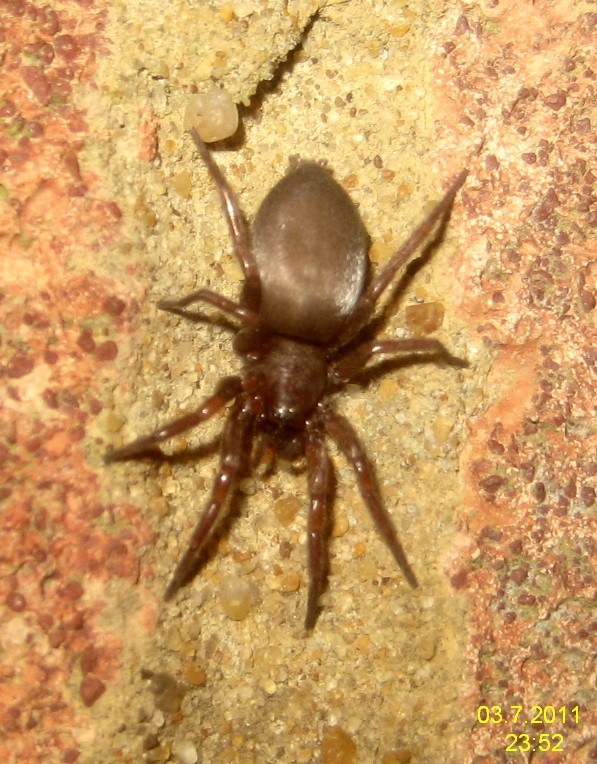
Woodlouse Spider
Damp leaf litter, under logs, stones, and mulch
Wolf Spider
Gardens, grasslands, forests, leaf litter, ground burrows
Wandering Spider
Tropical and subtropical forest floor, foliage, and banana plants
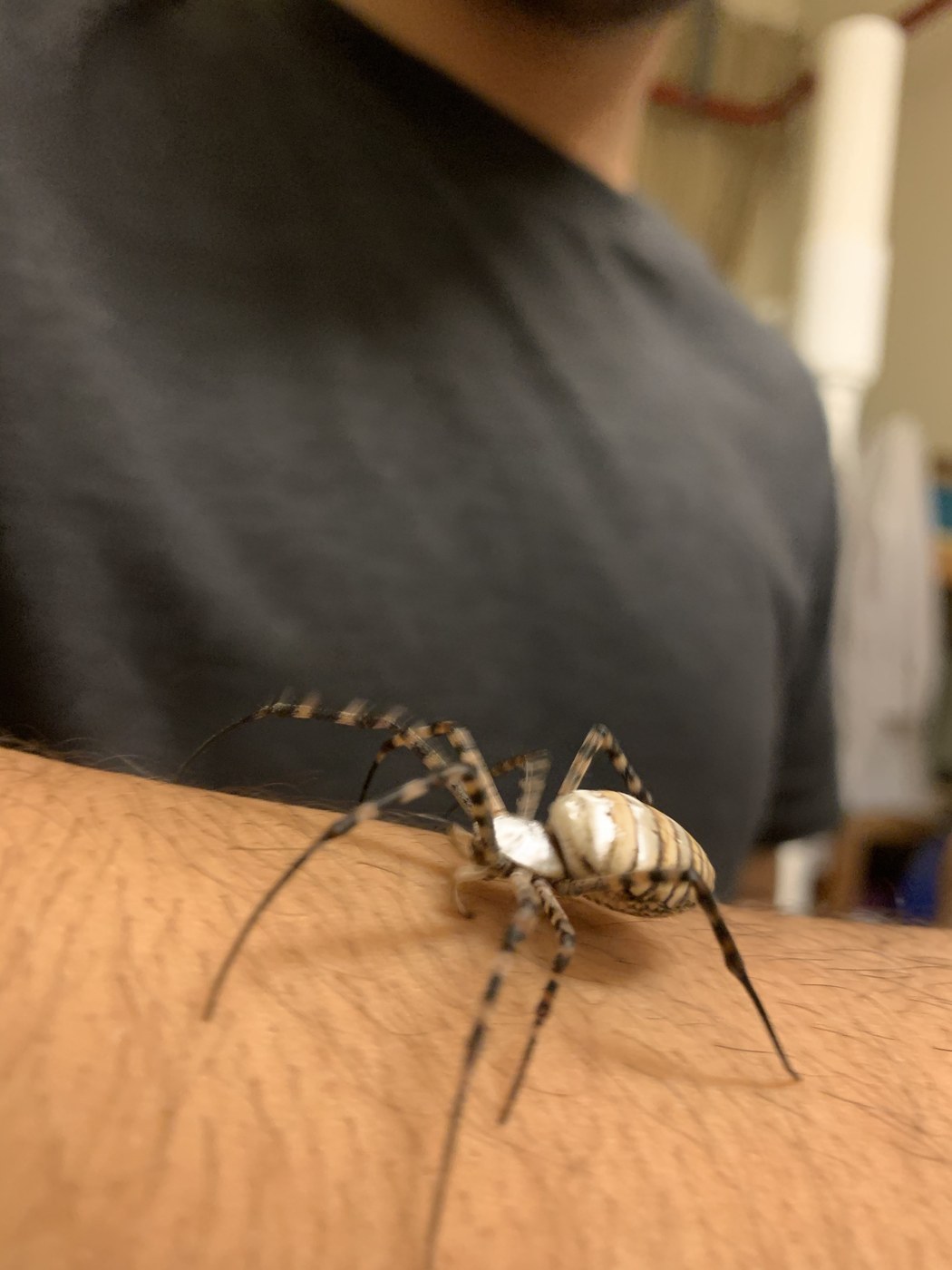
Banded Garden Spider
Tall grass, meadows, and gardens with open sunny vegetation
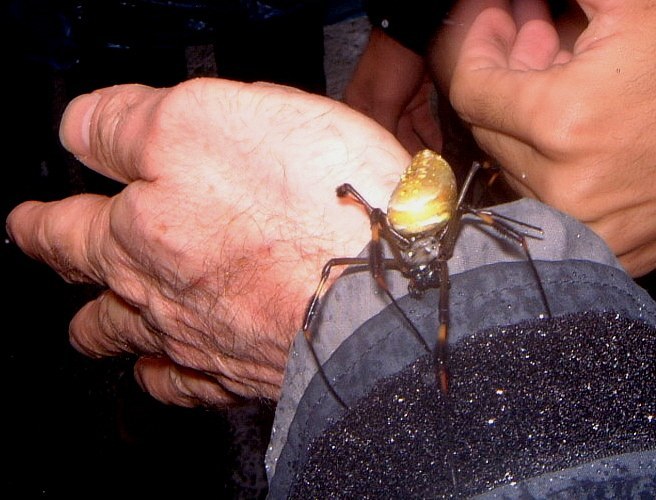
Banana Spider
Wooded trails, forest edges, and gardens across the southeastern U.S. and the American tropics
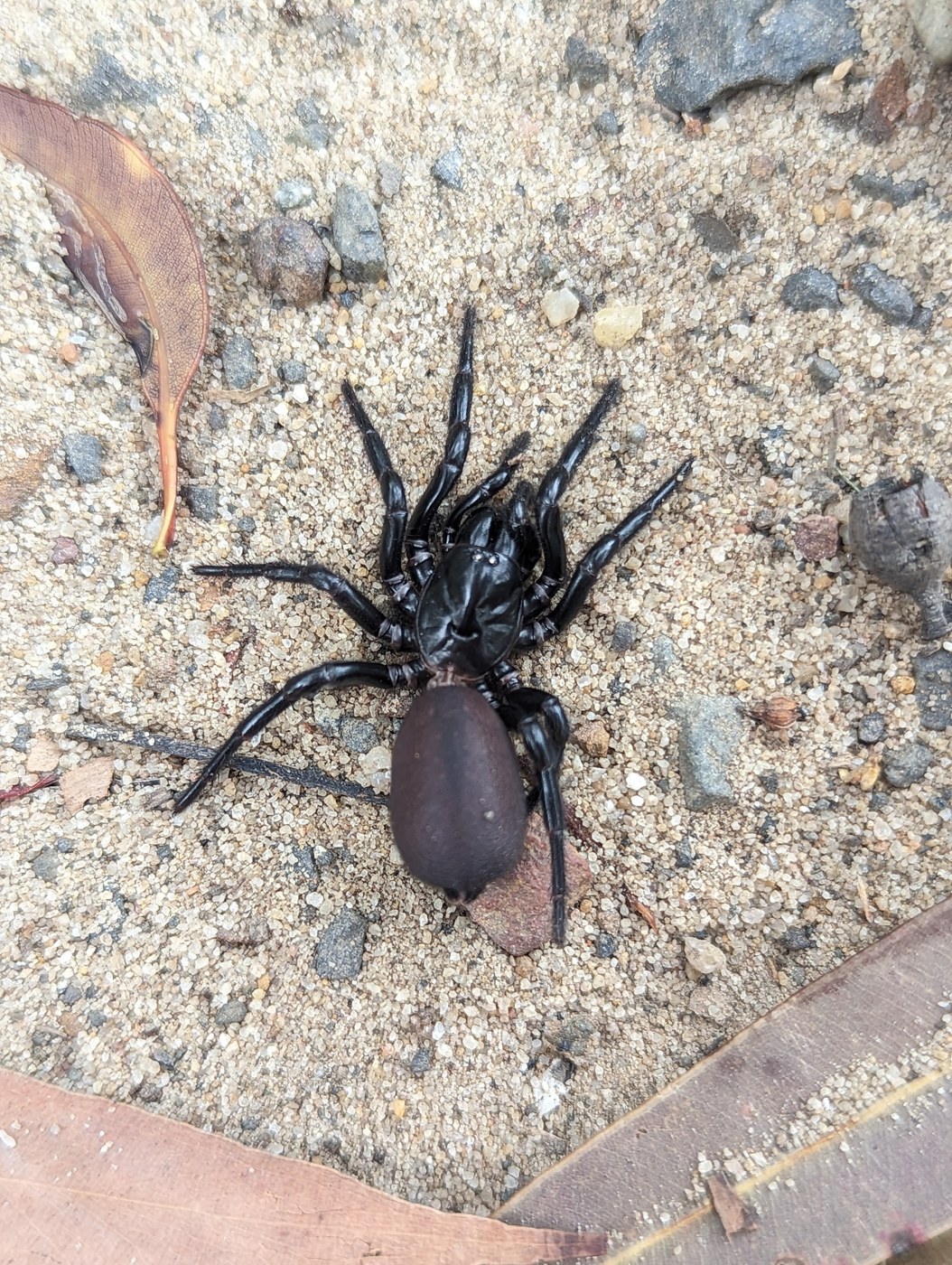
Sydney Funnel-web Spider
Burrows in moist soil, gardens, and forested gullies around the Sydney basin of eastern Australia
Trapdoor Spider
Self-dug silk-lined burrows with a camouflaged door, in dry, well-drained soil worldwide
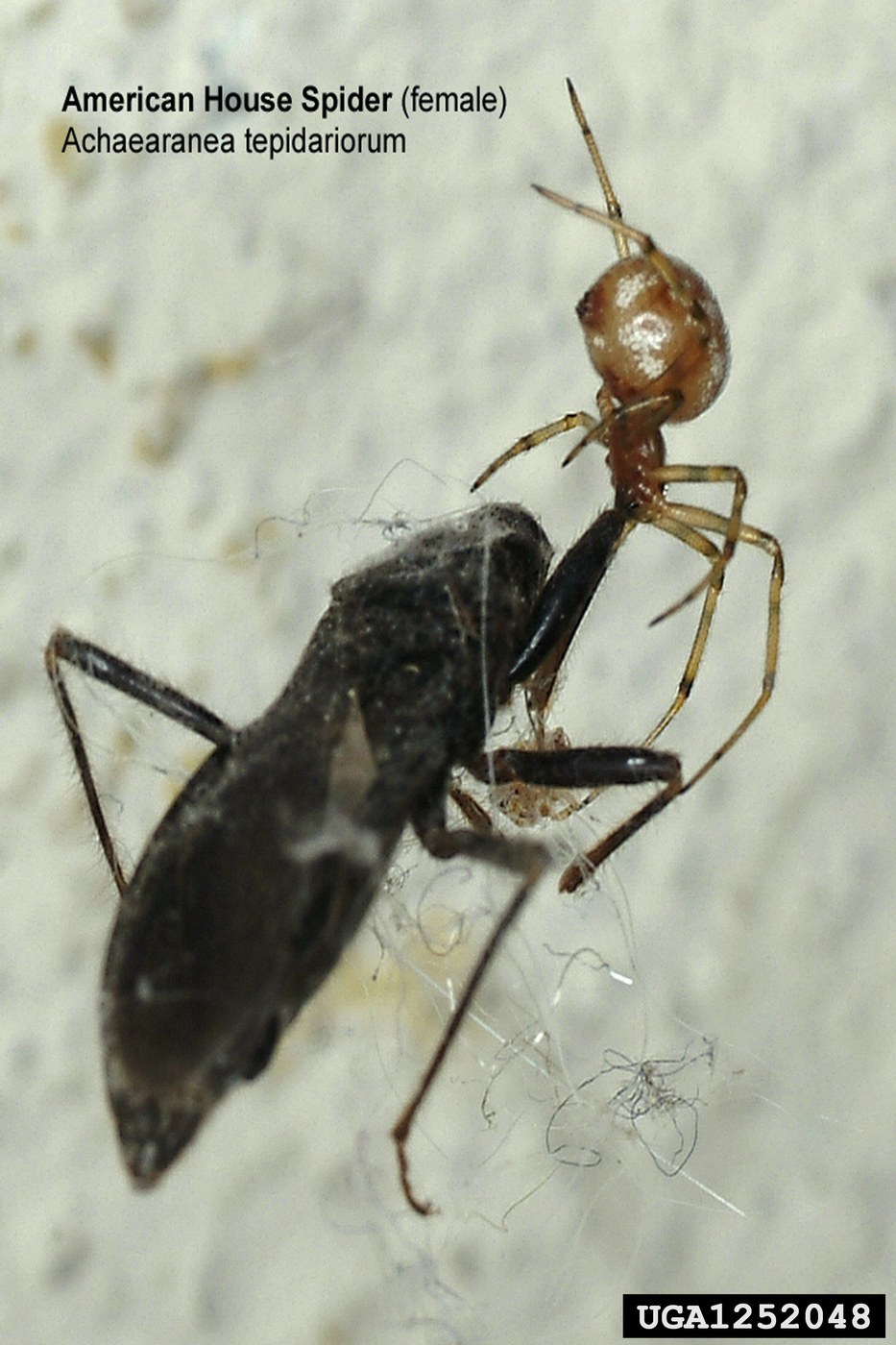
American House Spider
Corners, basements, garages, and outbuildings worldwide
Tube Web Spider
Wall crevices, bark, rockeries, and masonry
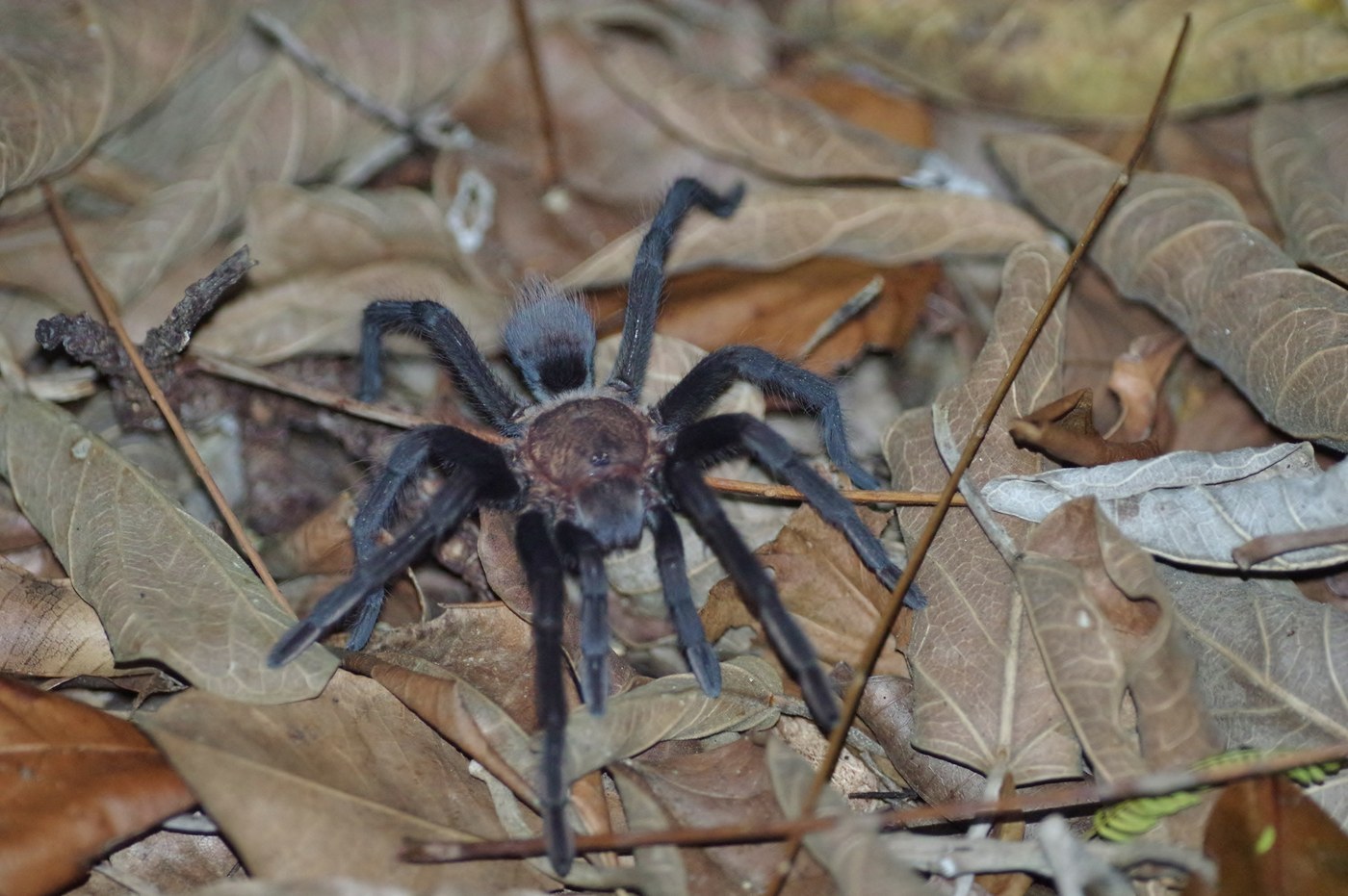
Tarantula
Burrows, rock crevices, and tree hollows in deserts, grasslands, and tropical forests worldwide
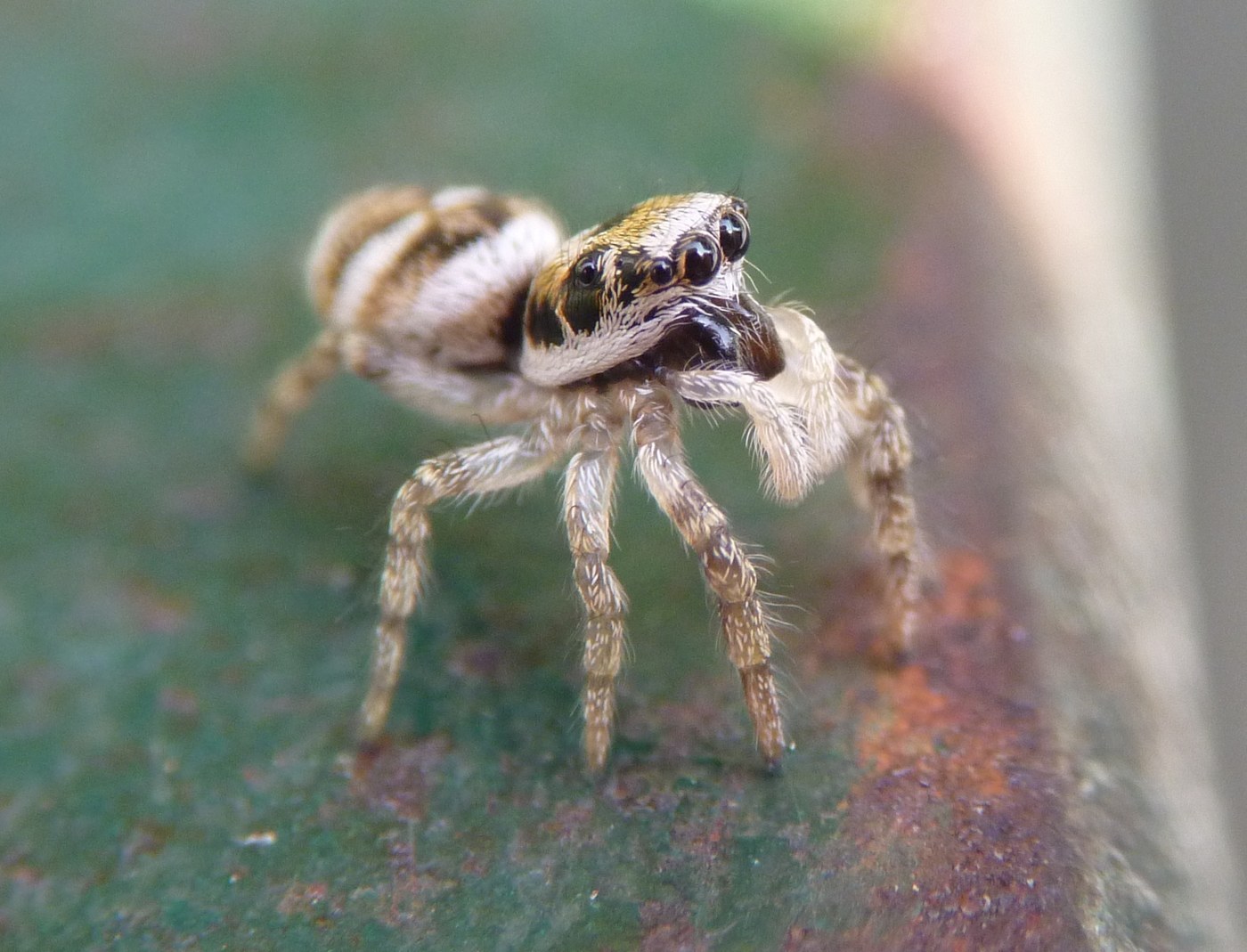
Zebra Jumping Spider
Sunny walls, fences, tree bark, and building exteriors
Wall Spider
Cracks and crevices on exterior and interior walls