
Golden Tortoise Beetle
Charidotella sexpunctata
A tiny, dome-shaped beetle famous for its brilliant, mirror-like gold sheen, which it can dial down to a dull orange or spotted reddish tone within minutes when disturbed or handled.
- Size
- 5–7 mm
- Habitat
- Morning glory and sweet potato patches in gardens, fields, and roadsides
- Danger
- Harmless
Spotted a bug like this?
Identify any bug or insect from a photo, free.
Overview
The golden tortoise beetle is a small leaf beetle in the subfamily Cassidinae (tortoise beetles), best known among insect enthusiasts for its extraordinary metallic gold appearance, one of the most striking natural colors in the insect world. This effect comes not from pigment but from microscopic structural layers in the cuticle that reflect light like a thin film of liquid.
What makes the species particularly notable is its ability to actively change color: by shifting fluid within these cuticle layers, the beetle can turn from shining gold to a matte reddish-orange with black spots within a few minutes, typically in response to handling, mating activity, or stress. This reversible color change is a rare and well-studied phenomenon among beetles.
Like other tortoise beetles, it belongs to the leaf beetle family (Chrysomelidae) and feeds on plants in the morning glory family, making it a familiar sight to home gardeners who grow sweet potatoes or ornamental morning glories.
How to Identify
- Adult: 5–7 mm, oval and strongly domed with the classic tortoise beetle shield shape that conceals the head and legs from above.
- Signature coloring is a brilliant, liquid-looking metallic gold, though stressed or mating individuals often shift to a dull orange-red with a scattering of black spots.
- Elytra and pronotum are translucent at the edges, adding to the glassy, jewel-like appearance.
- Lookalikes: other tortoise beetles can appear greenish or bronze, but the true metallic gold sheen combined with the ability to change color is unique to this species among common North American cassidines.
Habitat & Range
Widely distributed across North America wherever morning glory, bindweed, and sweet potato vines grow, including gardens, farm fields, roadsides, and waste ground. Adults are most often seen in late spring through summer, resting or feeding on the upper surfaces of host plant leaves in sunny conditions.
Behavior & Diet
Adults and larvae feed on the leaves of morning glory and sweet potato vines, chewing small rounded holes. The color-changing ability is thought to serve as a form of communication or stress response rather than pure camouflage, since the shift happens over minutes rather than instantly. Larvae, like other tortoise beetles, carry a shield of shed skin and excrement on a forked tail to discourage predators and parasitic wasps. Adults tend to sit motionless on leaves in sunlight, relying on their shell and reflective surface for protection.
Life Cycle
Females lay small clusters of eggs on the underside of host leaves in the morning glory family. Larvae hatch, build their protective fecal shield, and feed on leaf tissue for a few weeks while passing through several molts. Pupation occurs on the leaf surface, and adults emerge shortly after. The species can produce multiple generations per year in warmer climates, overwintering as adults in plant debris or leaf litter.
Frequently asked questions
Why does the golden tortoise beetle change color?
It can shift fluid within microscopic layers of its cuticle, changing from a shiny metallic gold to a dull spotted orange-red, usually in response to disturbance or mating activity.
Is the gold color from pigment?
No, the color comes from structural interference in the cuticle rather than pigment, similar to how a soap bubble or oil slick produces shifting colors.
What does it eat?
It feeds on the leaves of morning glory, bindweed, and sweet potato vines.
How long does the color change take?
The shift from gold to matte orange-red typically occurs over a few minutes rather than instantly.
Golden Tortoise Beetle guides
In-depth guides for identifying, understanding, and living alongside Golden Tortoise Beetle.
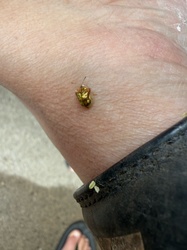
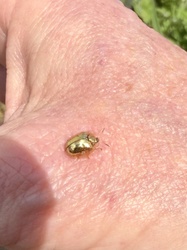
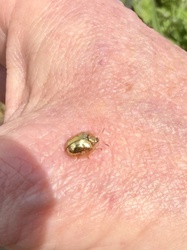
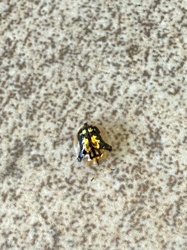
Golden Tortoise Beetle identified by the community
Real finds identified with Bug Identifier.
Other bugs you may enjoy
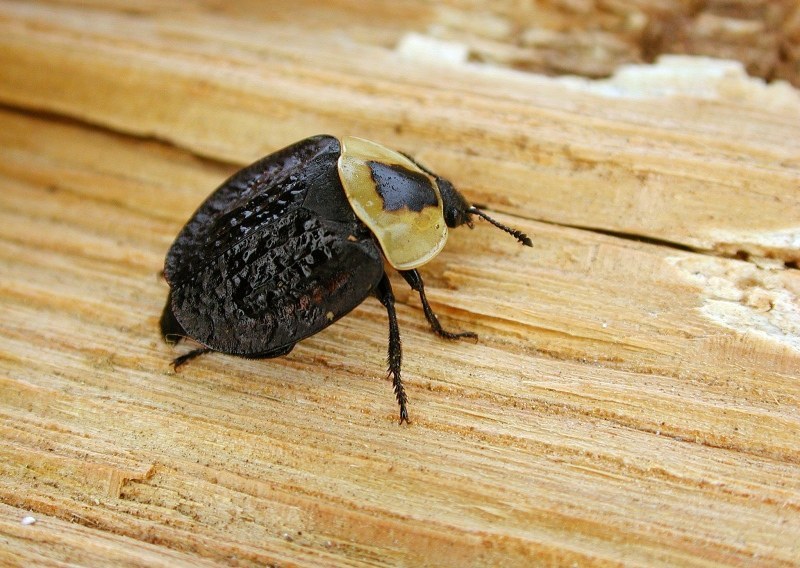
American Carrion Beetle
Forests, fields, and roadsides across North America, near decaying animal carcasses
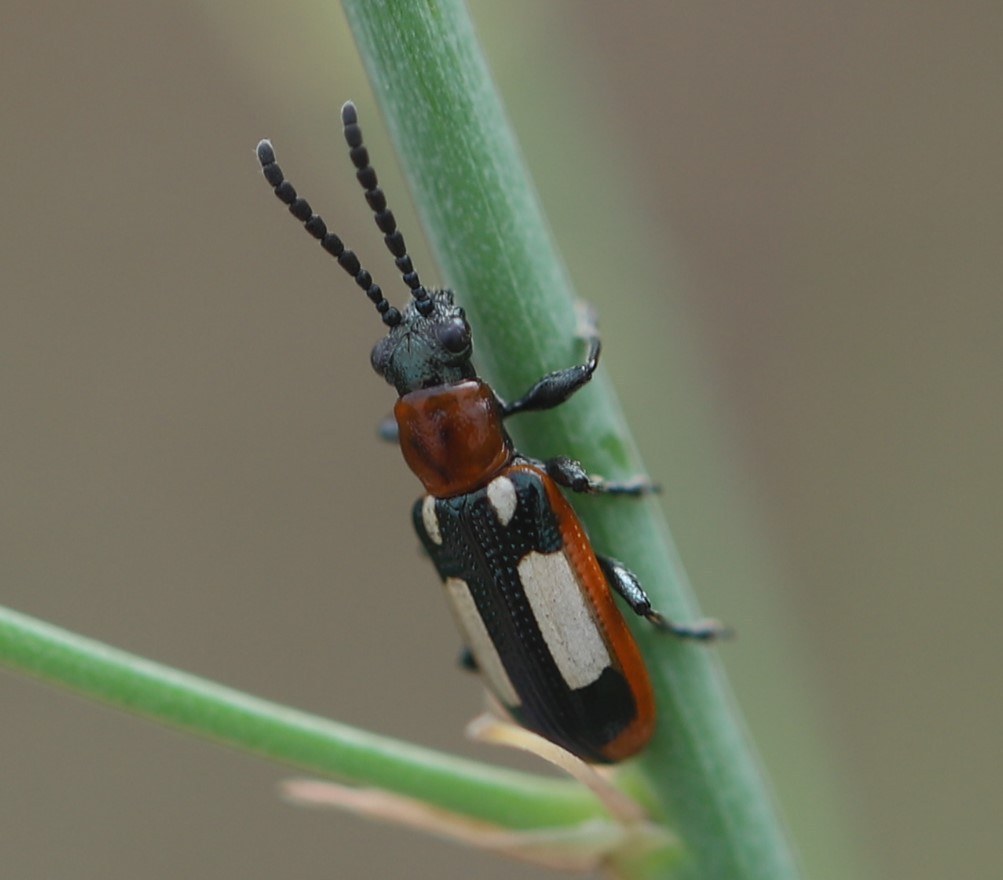
Asparagus Beetle
Asparagus patches, gardens, and farm fields
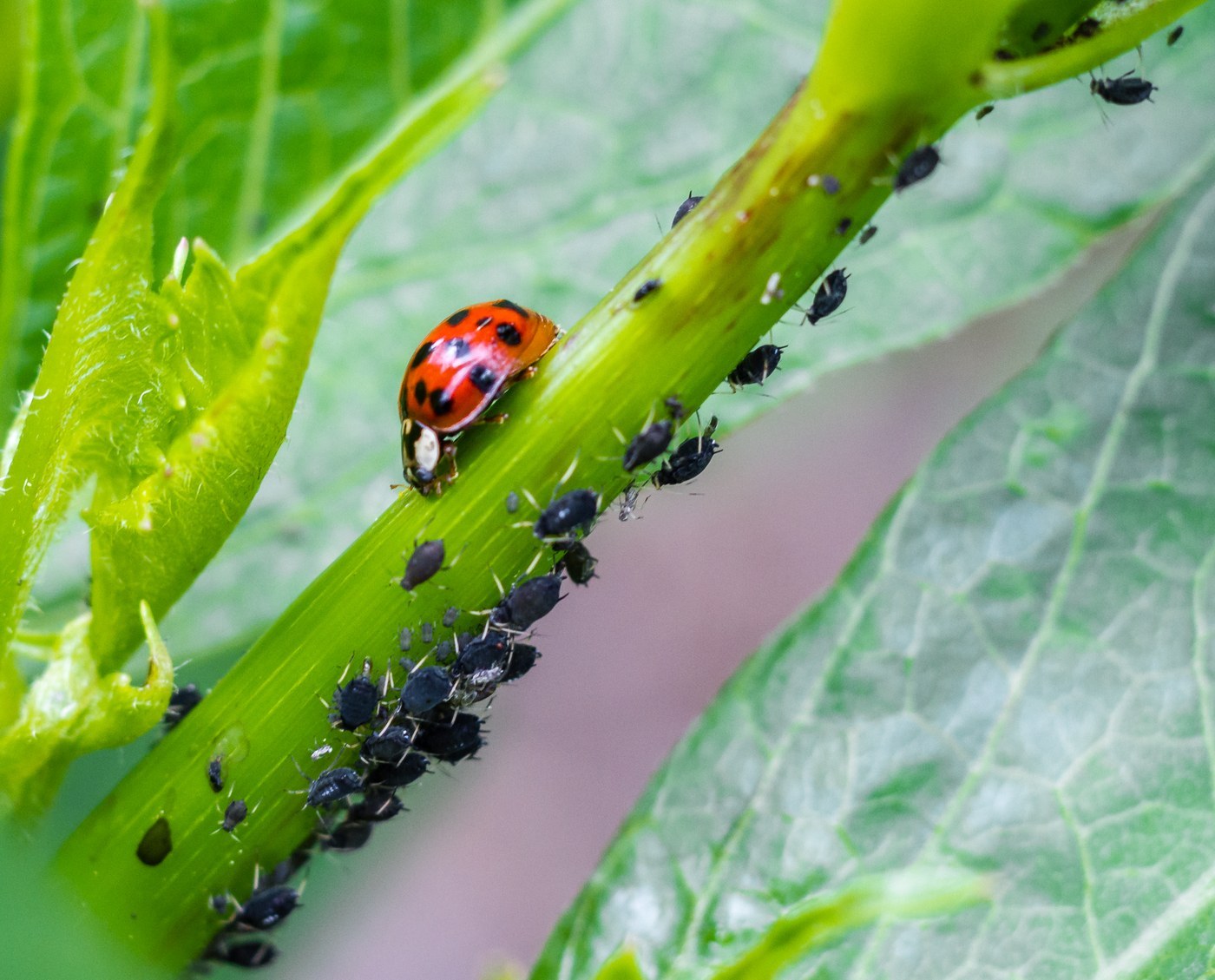
Asian Lady Beetle
Gardens, crop fields, woodlands, buildings
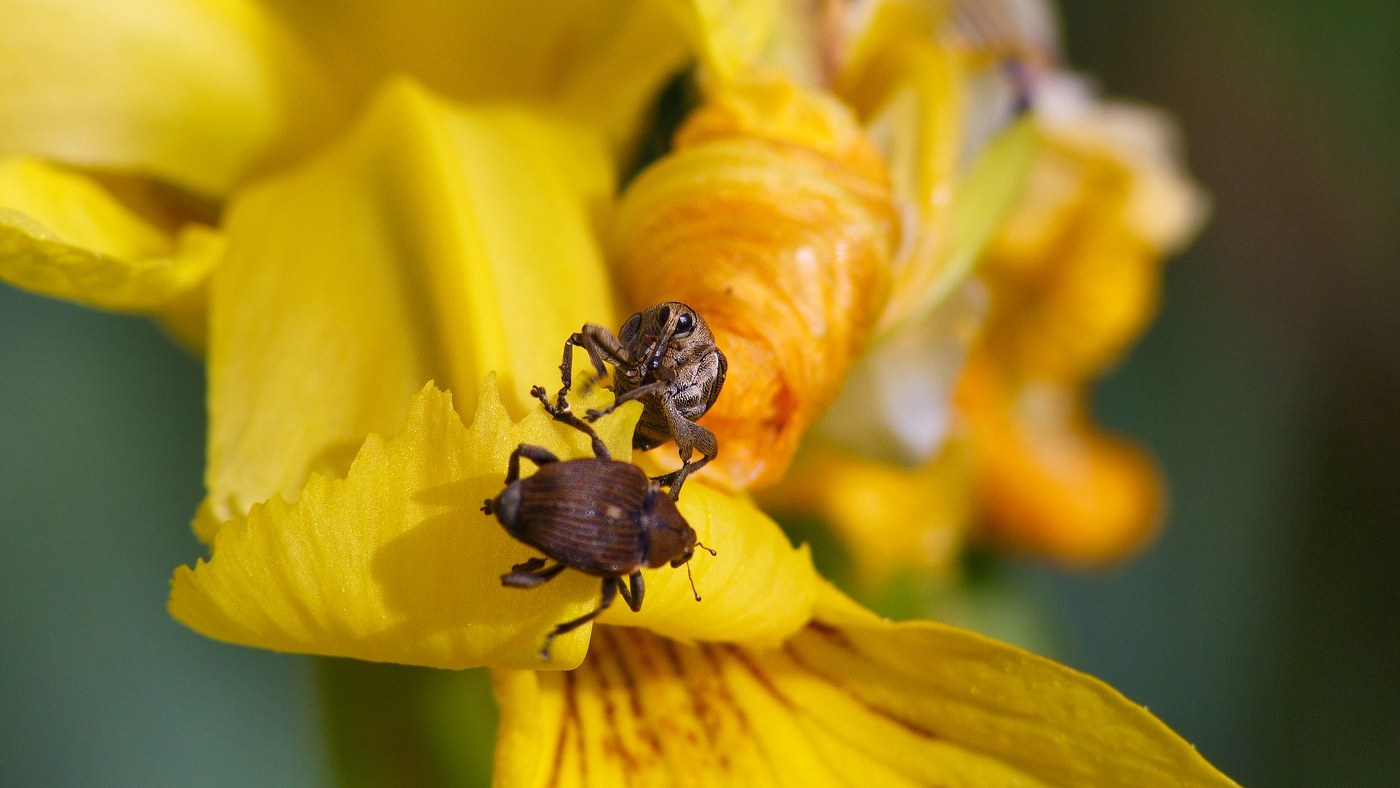
Acorn Weevil
Oak woodlands and forests, on and beneath oak trees
Wireworm
Soil of grasslands, gardens, and cultivated fields worldwide
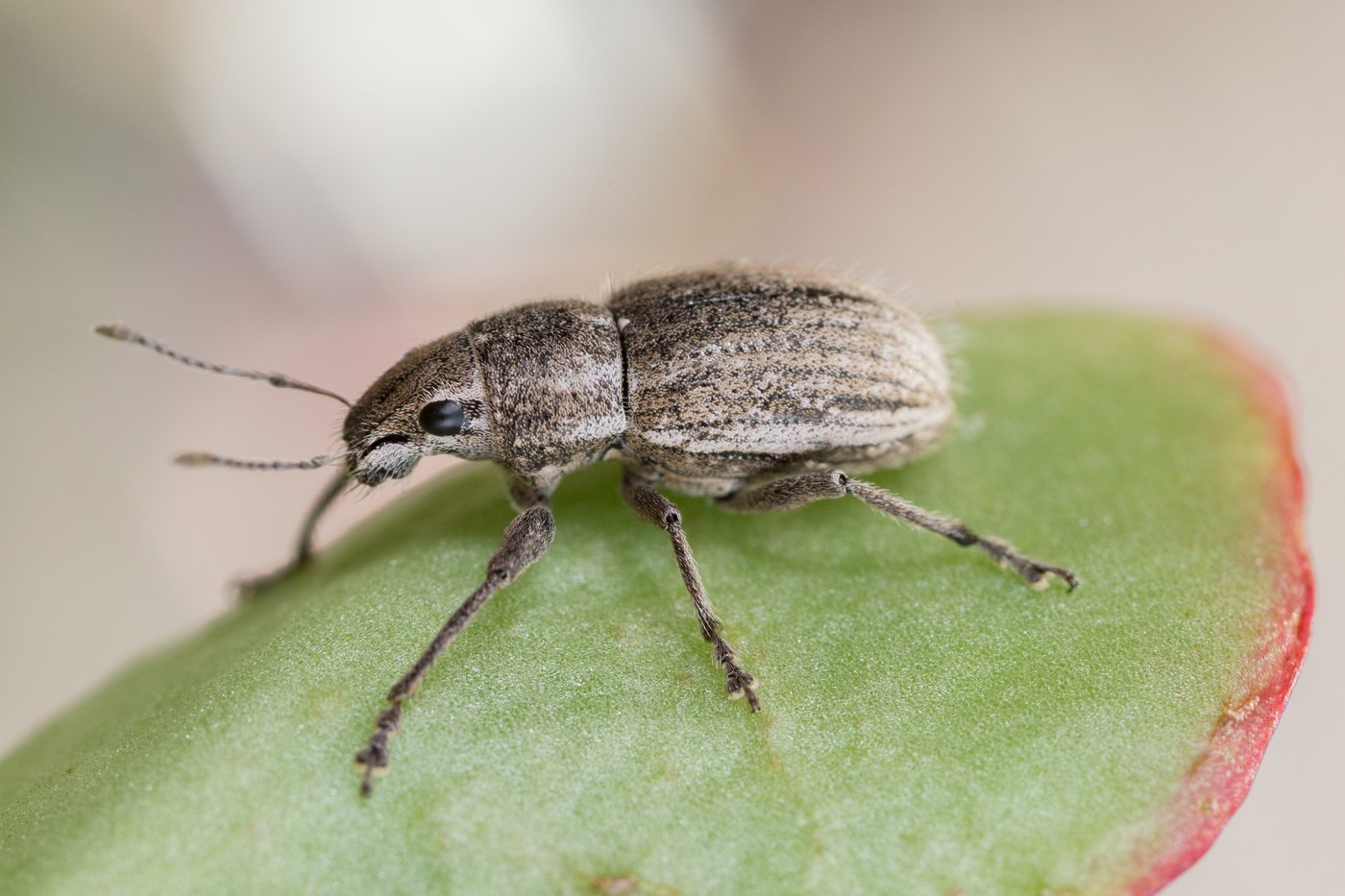
Whitefringed Beetle
Pastures, row crops, lawns, disturbed soils
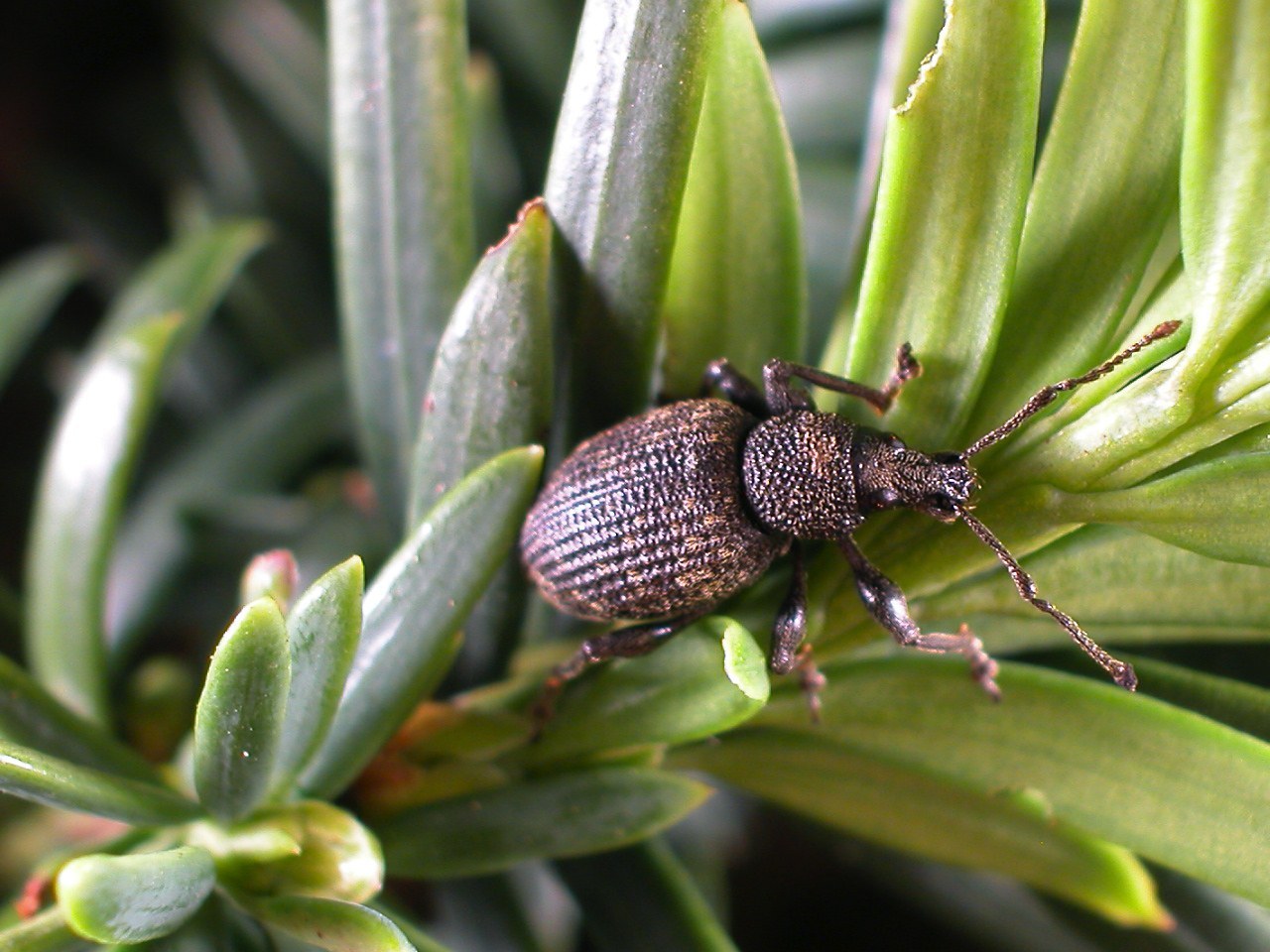
Vine Weevil
Gardens, nurseries, greenhouses, and container plantings
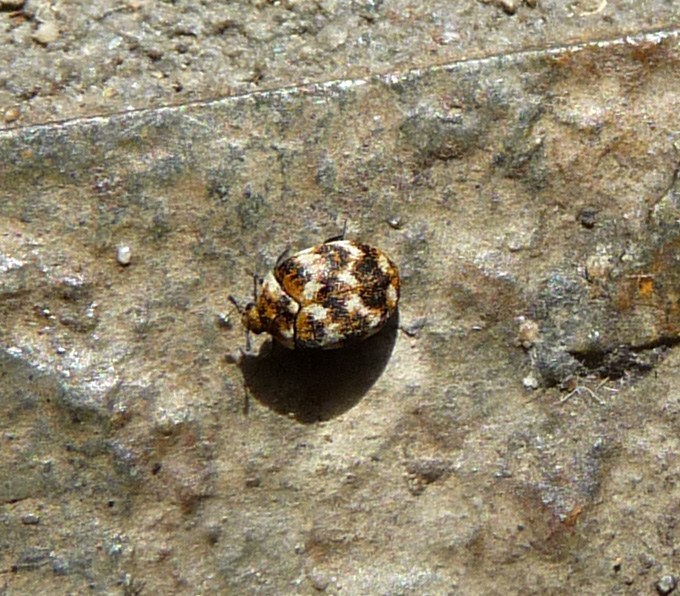
Varied Carpet Beetle
Homes, nests of birds and mammals, and flowers outdoors
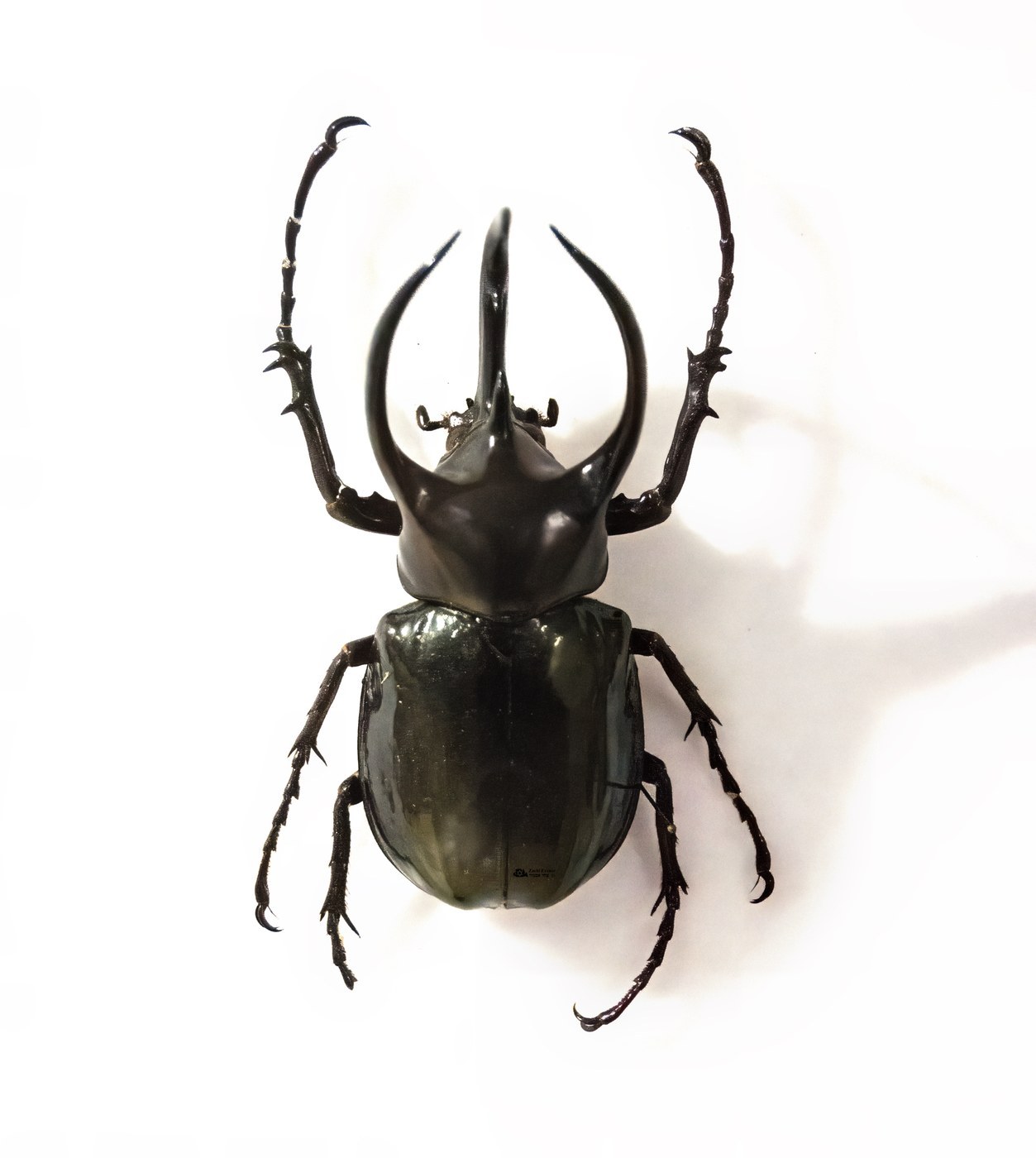
Atlas Beetle
Tropical forests of Southeast Asia
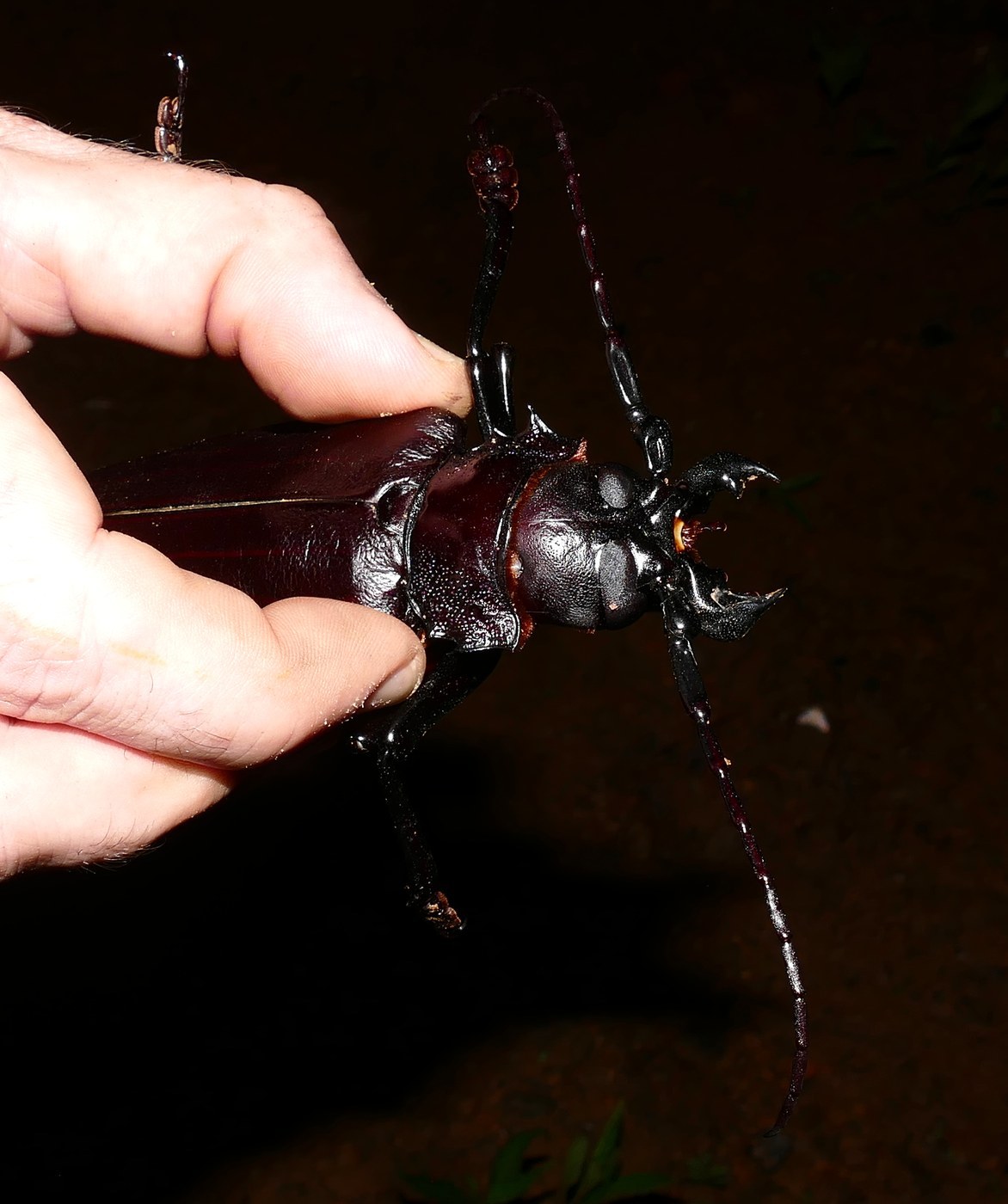
Titan Beetle
Amazon rainforest of South America
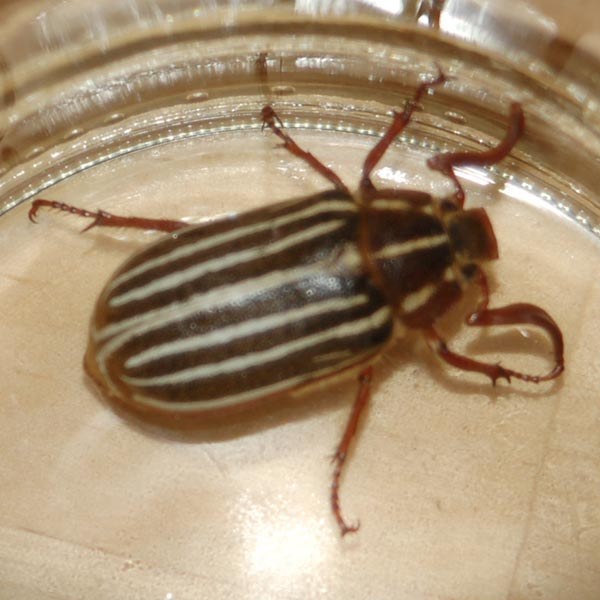
Ten-lined June Beetle
Sandy soils, pine forests, and orchards of western North America
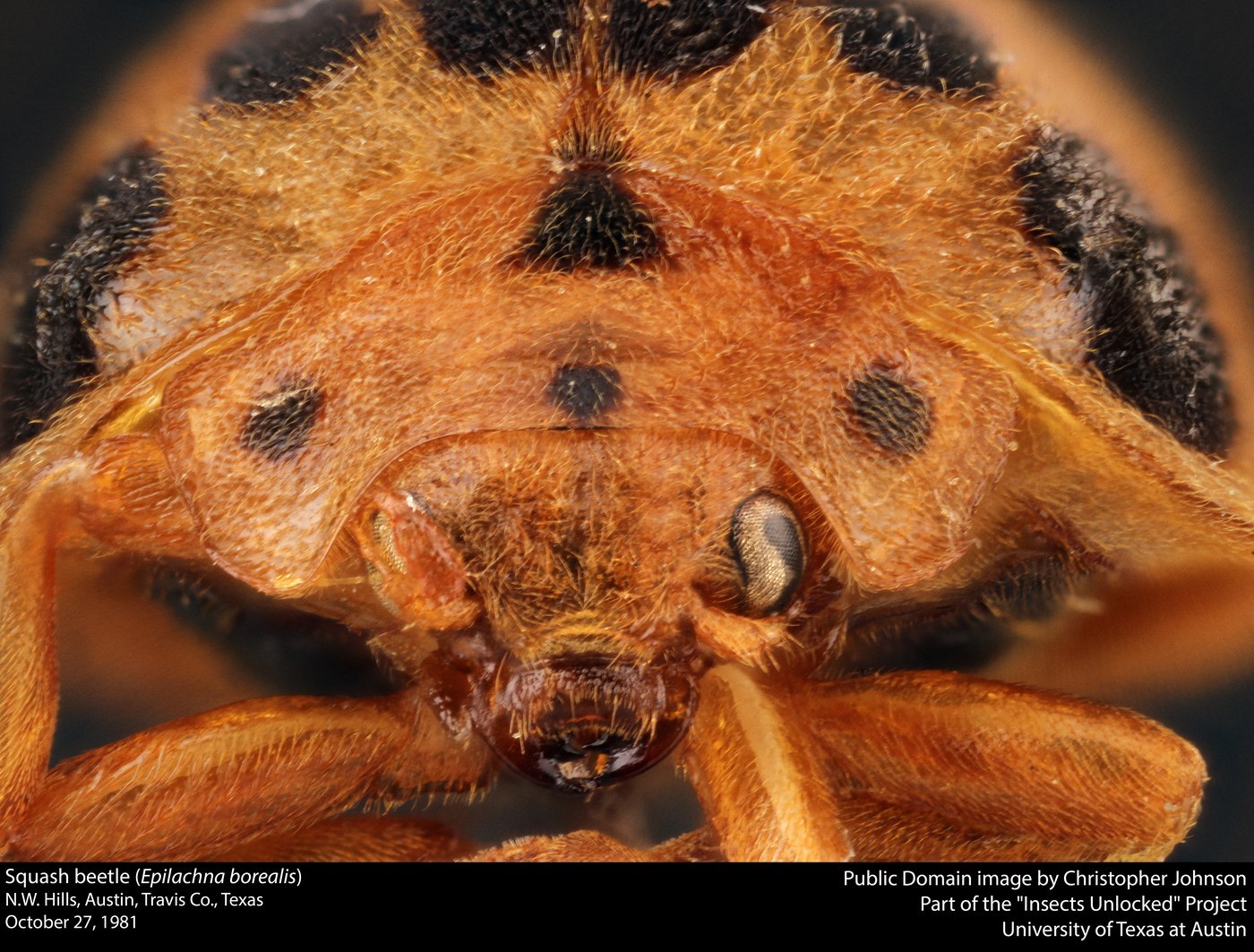
Squash Beetle
Vegetable gardens and fields growing squash, pumpkin, and other cucurbits