
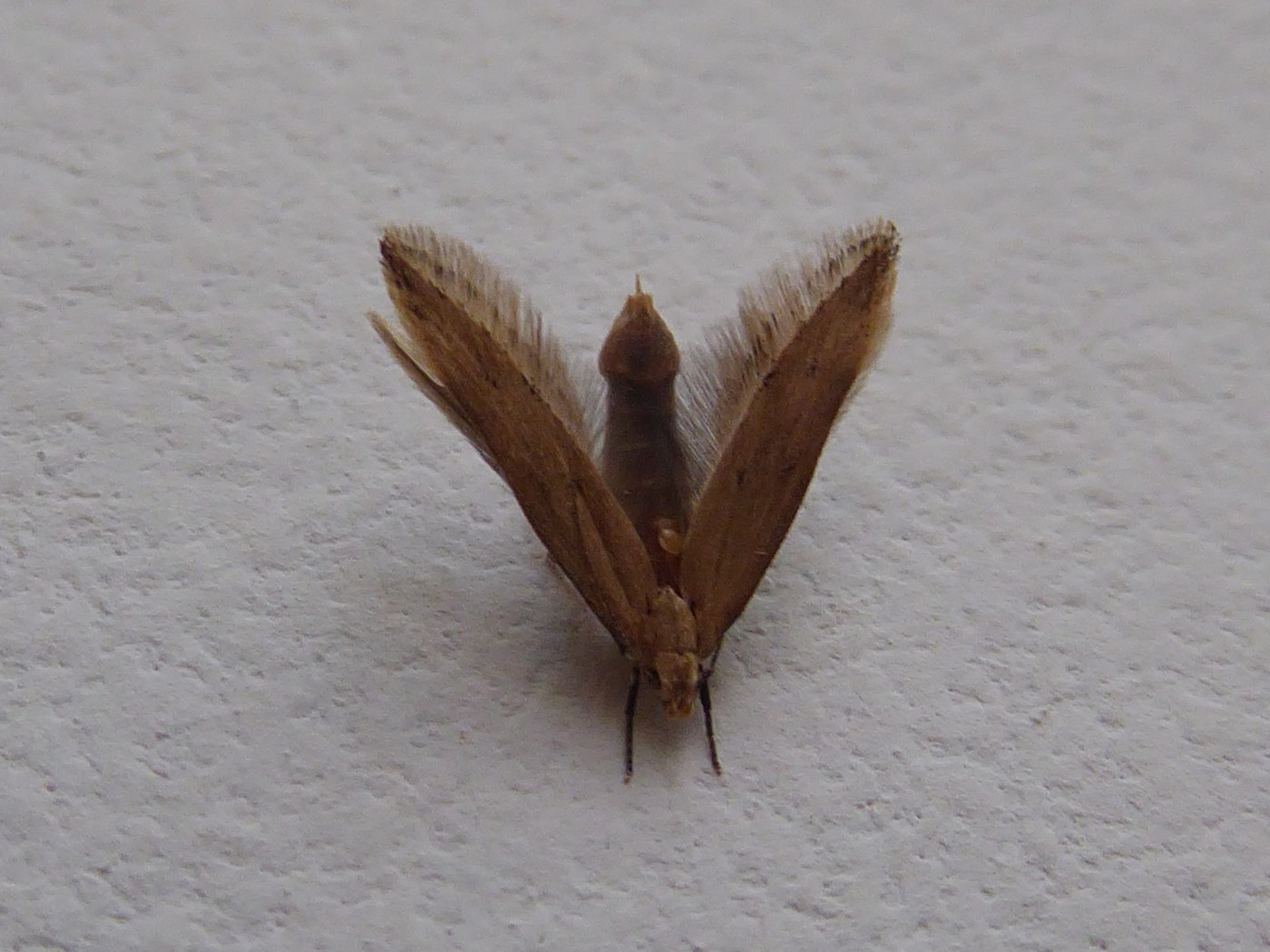
Grain Moth
Sitotroga cerealella
A tiny buff-colored moth whose larvae tunnel invisibly inside individual kernels of stored grain, hollowing them out from within.
- Size
- 1/3–1/2 in (8–12 mm) wingspan
- Habitat
- Stored grain, granaries, silos, and grain-based food products
- Danger
- Nuisance pest
Spotted a bug like this?
Identify any bug or insect from a photo, free.
Overview
The grain moth, best known by its common name the Angoumois grain moth, is one of the most widespread pests of stored cereal grain in the world. Unlike many stored-product moths that feed on grain dust and broken kernels, its larva develops entirely inside a single intact kernel of corn, wheat, rice, or other cereal, making early infestations difficult to detect from the outside.
Adults are small, delicate moths that are weak fliers and tend to stay close to the grain mass where they emerged, though they can disperse into storage facilities and homes. Infestations tend to build up in warm, poorly ventilated grain storage and can spread rapidly under favorable temperature and humidity conditions.
Because the larval feeding is concealed within kernels, damage is often first noticed as small round exit holes in grain or as a buildup of fine kernel dust, along with adult moths fluttering near stored grain containers.
How to Identify
- Forewings narrow, pale buff to yellowish-brown, sometimes with faint darker speckling
- Hindwings pointed at the tip with a distinctive fringe of long hairs
- Wingspan roughly 1/3–1/2 in (8–12 mm)
- Adults hold wings tent-like over the body at rest
- Larva is a small, whitish caterpillar that develops and pupates entirely inside a single grain kernel
- A round exit hole with a thin flap left by the emerging moth is a telltale sign in infested kernels
Habitat & Range
Found wherever cereal grain is grown, harvested, or stored, including farm bins, commercial silos, mills, and household pantries. It is established nearly worldwide in grain-growing regions, with heaviest activity in warm climates and during warm storage seasons, since development slows considerably in cool temperatures.
Behavior & Diet
Adult females lay eggs on or near grain kernels; newly hatched larvae bore directly into a kernel and feed concealed inside, consuming the starchy interior as they grow. A fully grown larva pupates within the hollowed kernel and the adult moth chews a small round exit hole to emerge. Adults do not feed and live only a short time, focusing on mating and egg-laying near new grain.
Life Cycle
Development is complete metamorphosis: egg, several larval instars feeding inside a single kernel, pupa formed within the same kernel, and a short-lived adult moth. Under warm conditions a generation can be completed in about a month, allowing several overlapping generations per year in heated storage, while cooler temperatures slow or halt development.
Frequently asked questions
Why is grain infested by this moth hard to detect at first?
The larva feeds and develops entirely inside a single intact kernel, so an infested kernel can look normal from the outside until the adult moth chews its way out, leaving a small round exit hole.
Does the adult grain moth eat stored grain?
No, adults do not feed at all; all of the feeding damage is done by the larval stage while it develops inside a kernel.
What grains does this species attack?
It commonly develops in corn, wheat, rice, sorghum, and other cereal grains, favoring whole intact kernels over processed grain products.
How fast can grain moth populations grow in storage?
In warm conditions a generation can be completed in roughly a month, so populations can build up quickly with multiple overlapping generations across a storage season.
Grain Moth guides
In-depth guides for identifying, understanding, and living alongside Grain Moth.
Other bugs you may enjoy
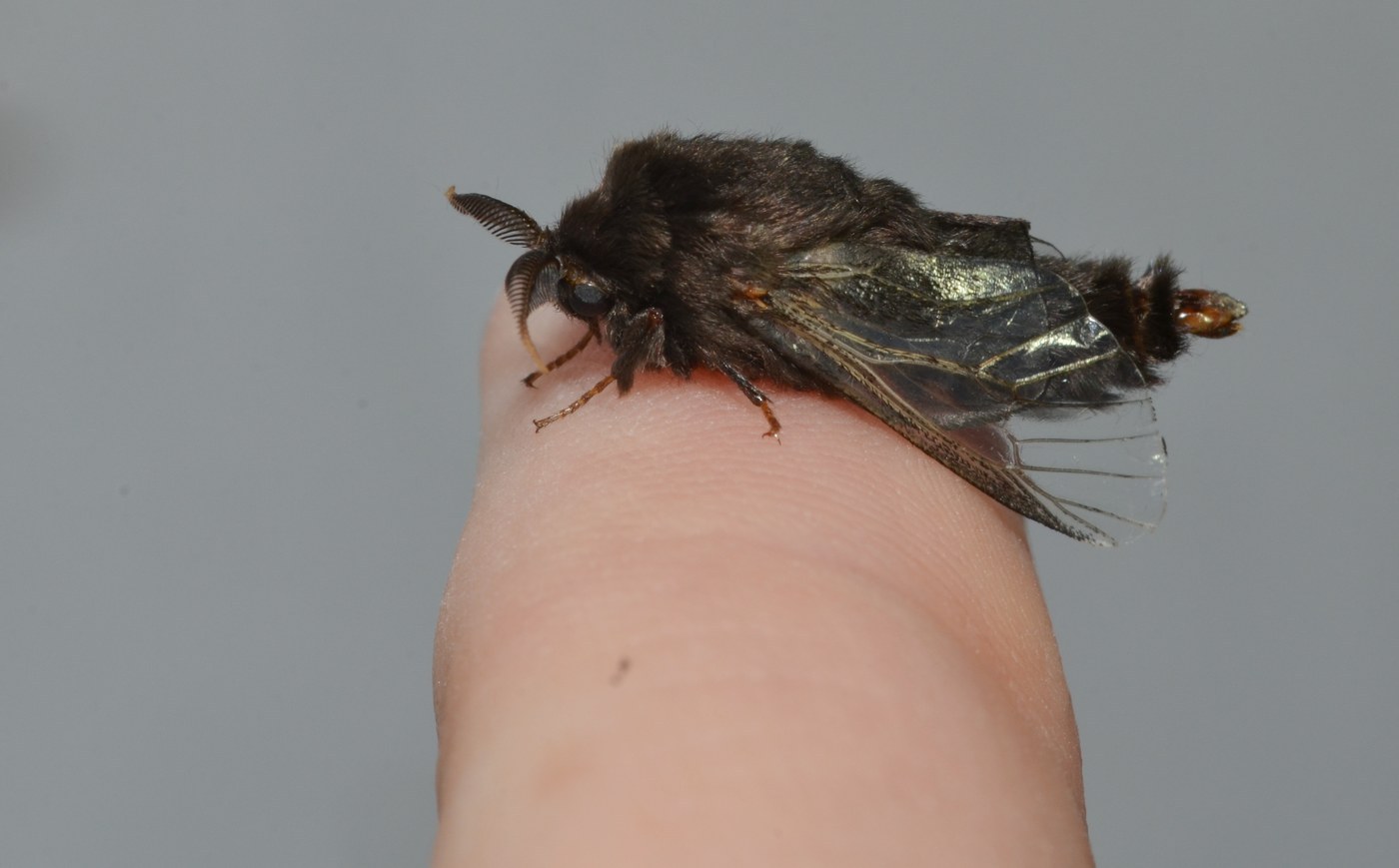
Bagworm Moth
Coniferous and deciduous trees, shrubs, hedges
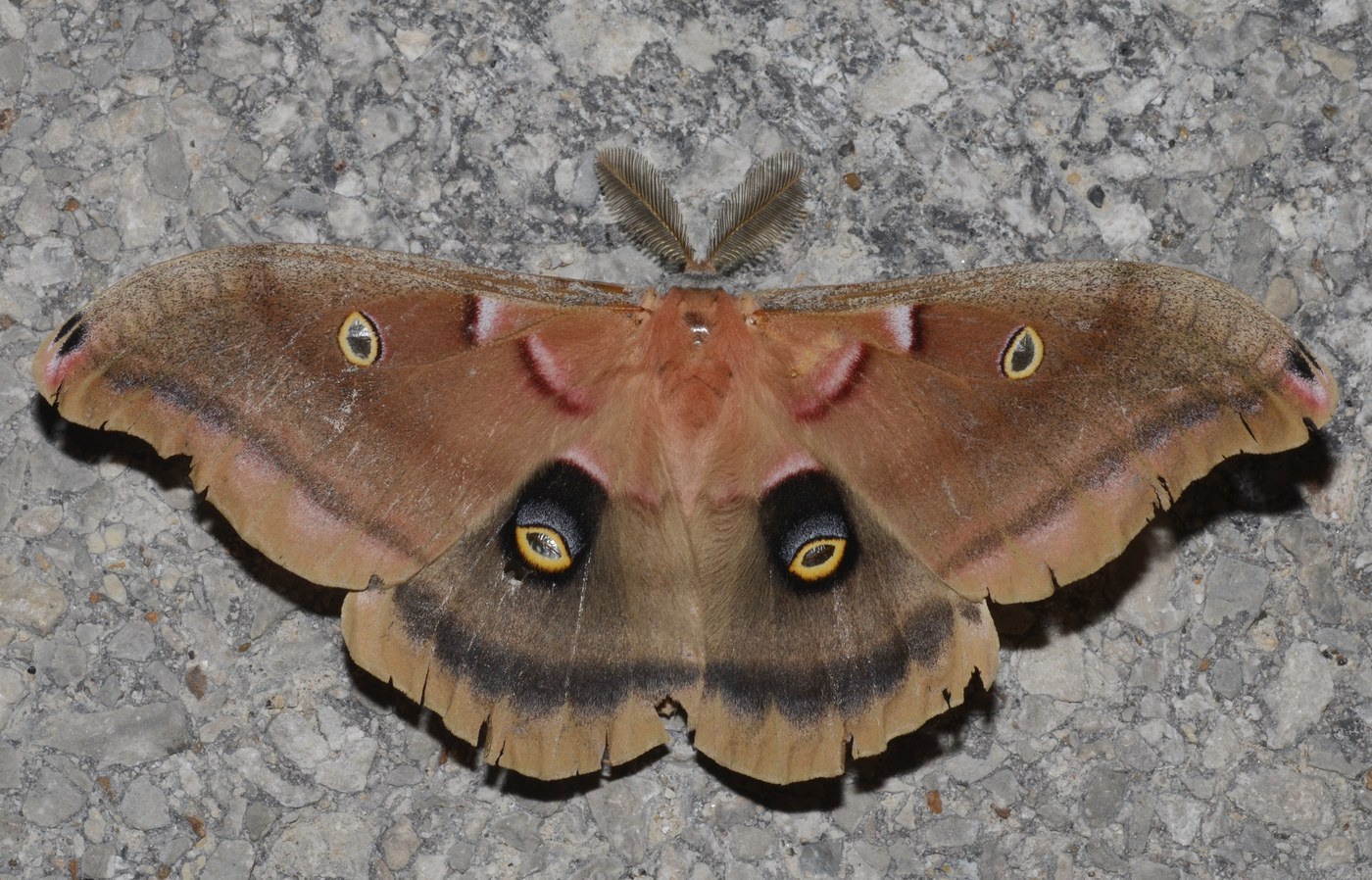
Antheraea Silkmoth
Deciduous forests, woodland edges, orchards
Ailanthus Silkmoth (Cynthia Moth)
Urban parks, wastelands, and woodland edges with tree-of-heaven; native to Asia, introduced in North America and Europe
Winter Moth
Deciduous woodland, orchards, gardens, hedgerows
Webbing Clothes Moth
Dark closets, storage areas, and animal nests worldwide
Tussock Moth
Deciduous forests, parks, gardens
Wax Moth
Beehives, apiaries, stored beeswax and comb
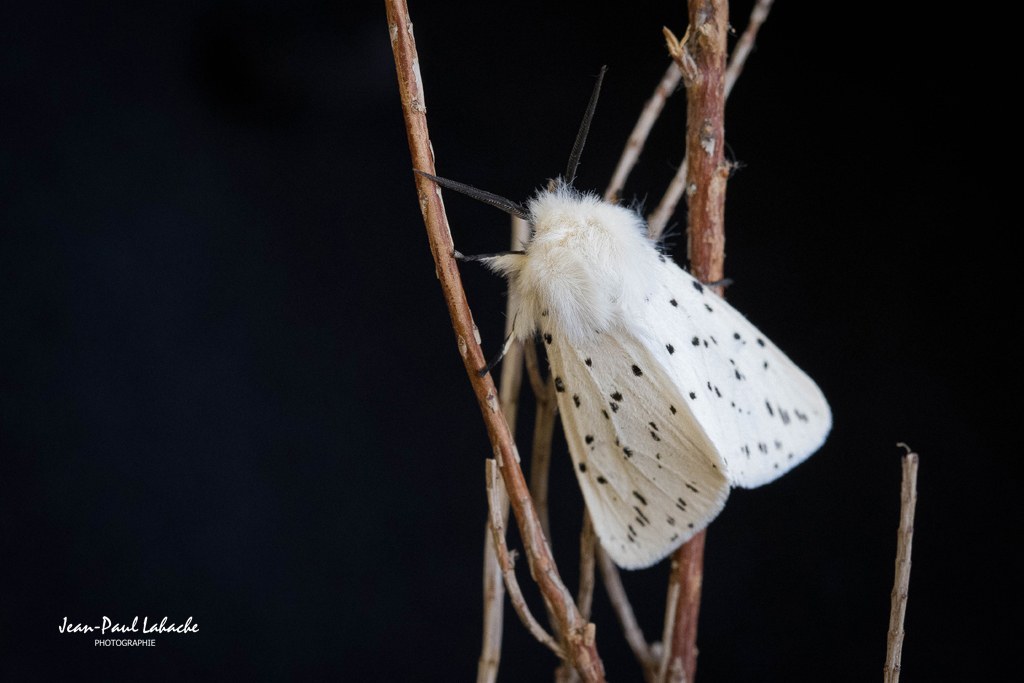
White Ermine Moth
Gardens, meadows, hedgerows
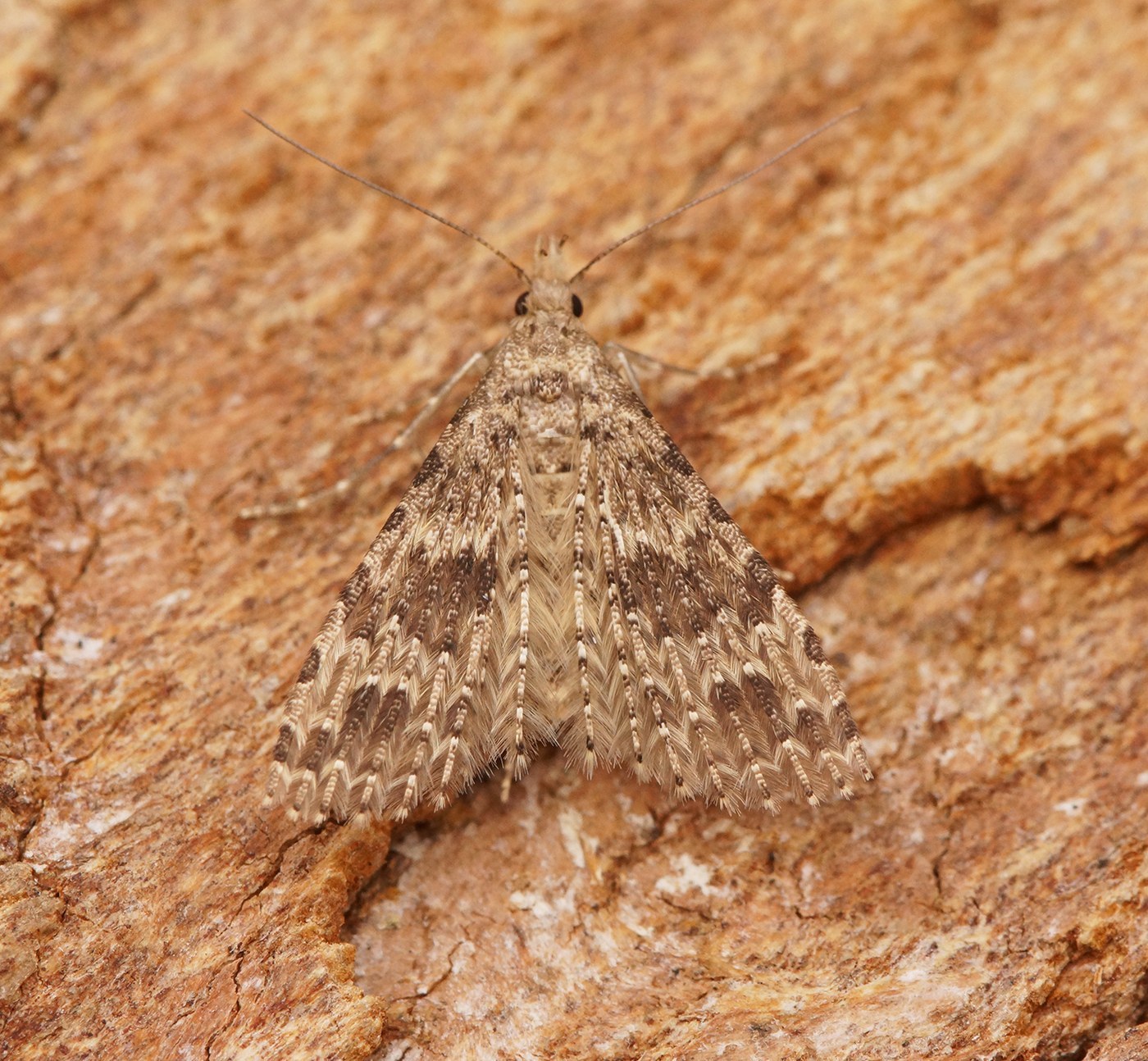
Twenty-plume Moth
Gardens, hedgerows, near honeysuckle
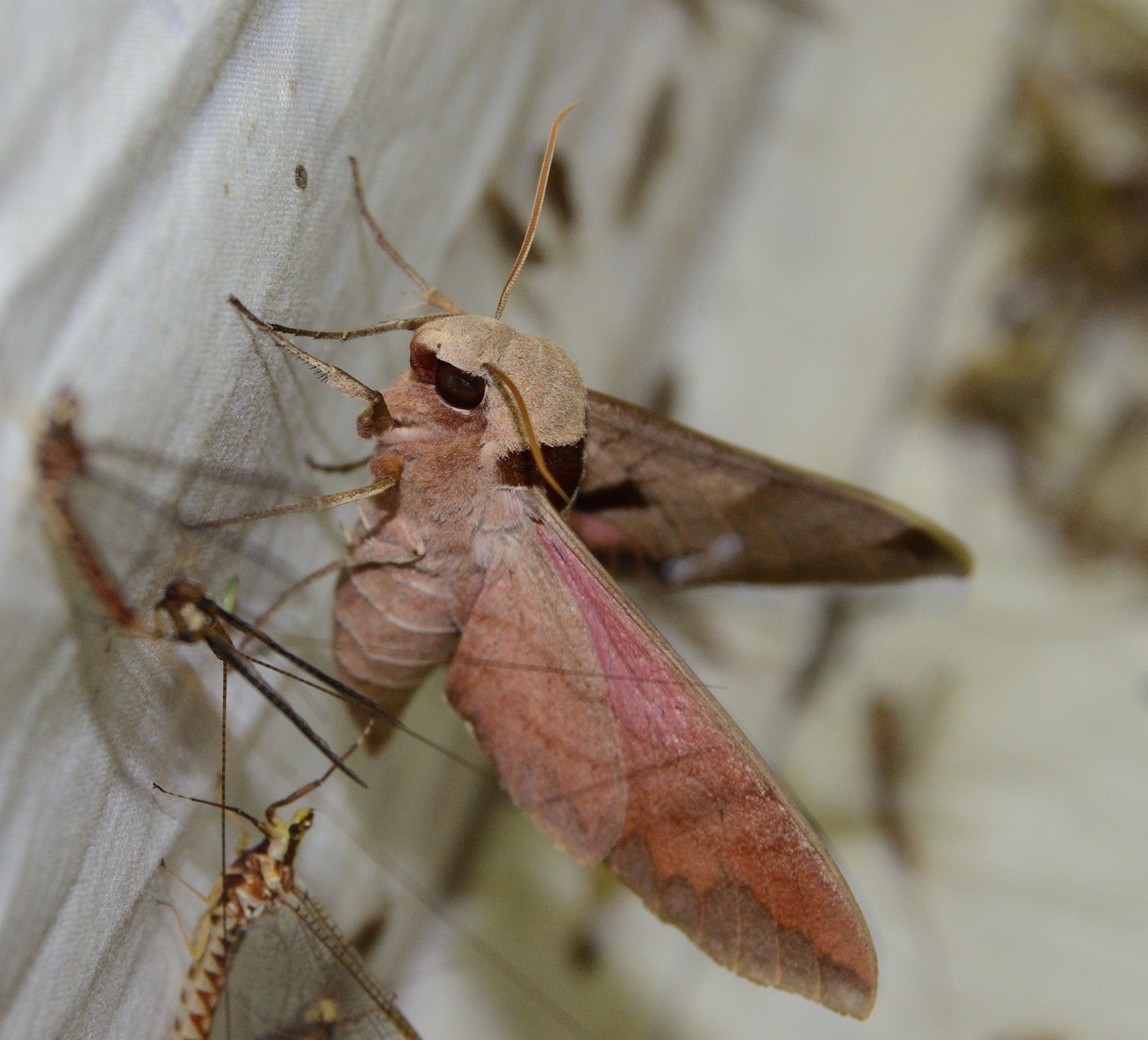
Achemon Sphinx Moth
Vineyards, woodland edges, gardens with wild grape
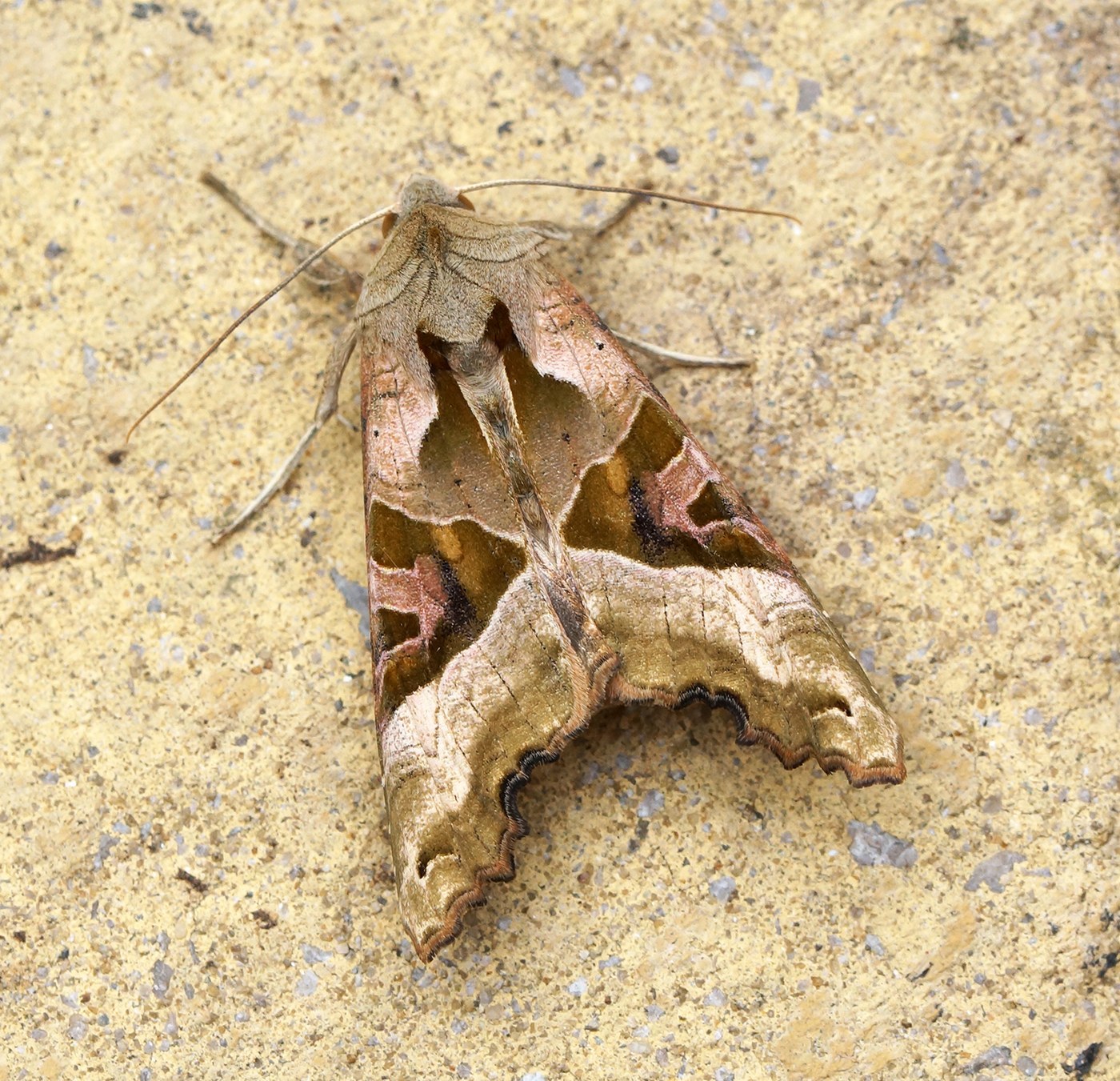
Angle Shades Moth
Gardens, hedgerows, woodland edges, urban parks
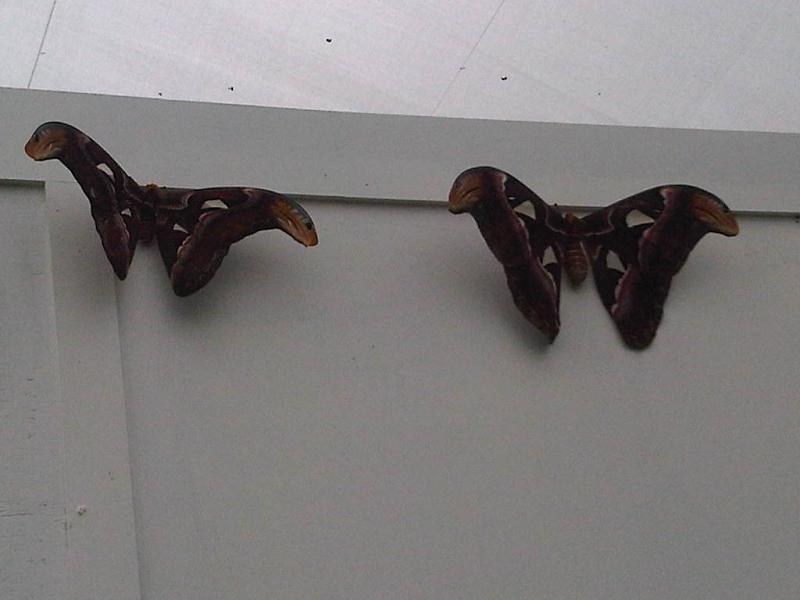
Atlas Moth
Tropical and subtropical lowland forests of Southeast Asia