
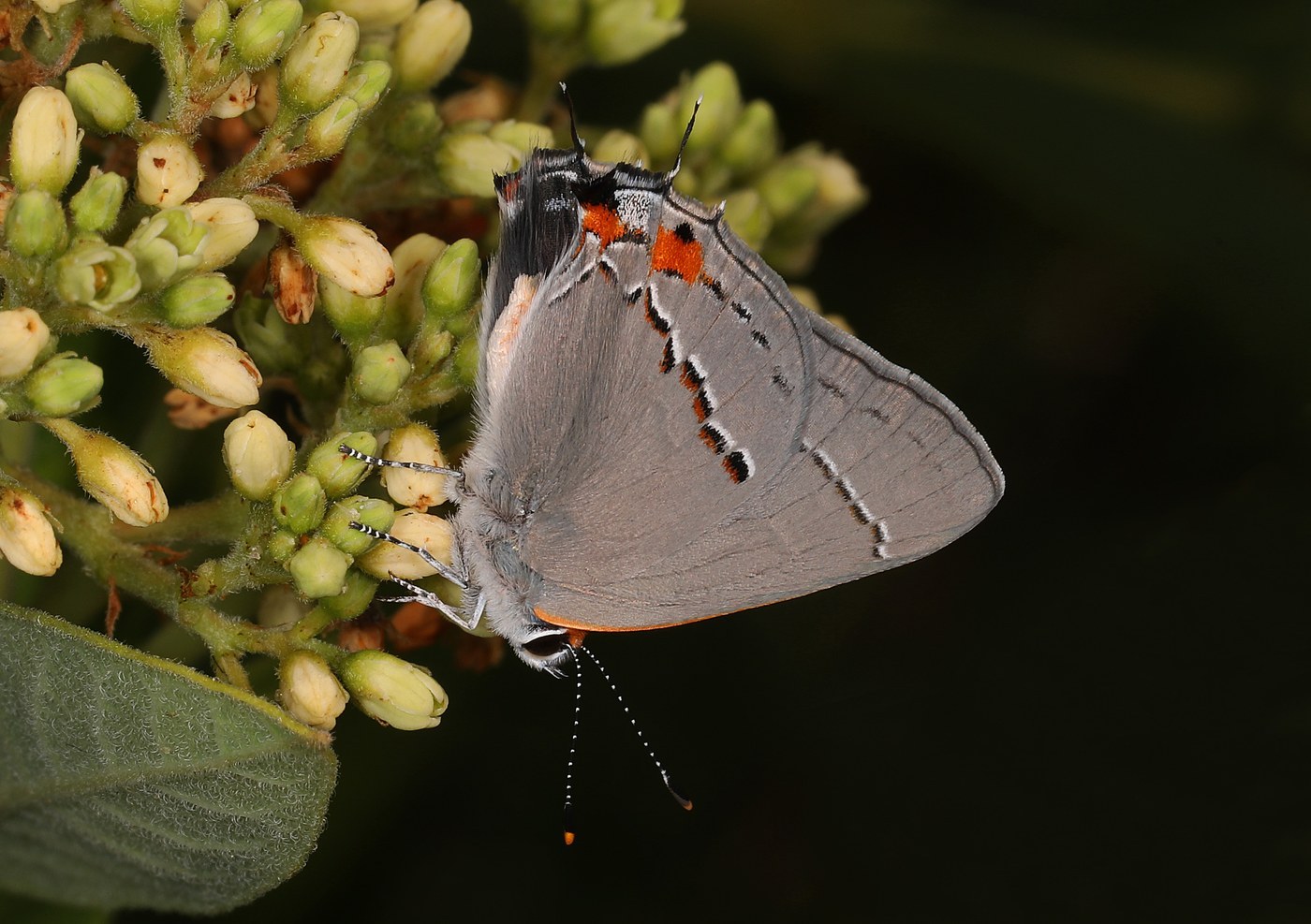
Gray Hairstreak
Strymon melinus
A small slate-gray butterfly with thin white lines, an orange-capped black spot near the hindwing tail, and one of the broadest host-plant ranges of any North American butterfly, making it a familiar visitor to gardens and fields alike.
- Size
- 1.0–1.4 in wingspan
- Habitat
- Gardens, fields, vacant lots, and disturbed open ground nearly continent-wide
- Danger
- Harmless
Spotted a bug like this?
Identify any bug or insect from a photo, free.
Overview
The Gray Hairstreak is a small member of the gossamer-wing family (Lycaenidae), a group known for its metallic or richly patterned wings and, in many species, delicate tail-like extensions on the hindwing. It is among the most widely distributed hairstreaks in North America, found from coast to coast and well into Central America.
Unlike many hairstreaks that specialize on a single tree or shrub, the Gray Hairstreak caterpillar is remarkably generalist, feeding on a wide variety of plants across many families. This flexibility has helped the species thrive in disturbed, cultivated, and urban landscapes where more specialized butterflies struggle.
Its recognizable tail-and-eyespot combination near the hindwing margin is a classic example of a false-head decoy pattern common throughout the hairstreak group.
How to Identify
- Upperside is uniform slate gray with a thin white postmedian line crossing both wings.
- Underside is pale gray with a similar thin white-and-black line, and a bright orange-capped black spot sits near the base of a pair of thin, thread-like tails on the hindwing.
- The tail-and-spot combination mimics a false head, thought to misdirect predator attacks away from the true head.
- Small, compact wings held closed at rest, often rubbed together in a characteristic hairstreak motion.
- Lookalikes: other small gray-brown hairstreaks lack the vivid orange-and-black "false head" spot combined with thin white lining, which is distinctive to this species.
Habitat & Range
Found nearly throughout the continental United States, southern Canada, Mexico, and into Central America, making it one of the most widespread hairstreaks on the continent. It thrives in open, disturbed habitats including gardens, agricultural fields, vacant lots, roadsides, and scrubby open ground. Adults are active from spring through fall in most regions, with year-round activity possible in the warmest parts of its range.
Behavior & Diet
Adults are fast, erratic fliers that perch on low vegetation with wings closed, periodically rubbing the hindwings together to move the false-head tails, a motion believed to draw predator attention away from the vulnerable true head. They nectar at a wide variety of small flowers. Caterpillars are notably polyphagous, feeding on flowers, buds, and fruits of plants across many families including mallows, legumes, and mints, and are sometimes considered a minor pest of bean and cotton flowers. The species provides food for birds and predatory insects throughout its life stages.
Life Cycle
Eggs are laid singly on flower buds of a wide variety of host plants. Caterpillars are slug-shaped and green or pinkish, blending with flower and fruit tissue as they feed, often boring into seed pods or flower heads. Pupation occurs in a smooth, rounded chrysalis near the ground. Multiple generations occur per year across most of the range, and the species overwinters as a chrysalis in colder regions.
Frequently asked questions
What is the purpose of the orange spot and tails near the hindwing?
This false-head pattern is thought to misdirect predator attacks toward the wing margin instead of the true head, giving the butterfly a better chance of escaping with only minor wing damage.
Why is this hairstreak seen so much more often than others?
Its caterpillars feed on an unusually broad range of host plants across many families, allowing it to thrive in gardens, farmland, and disturbed habitats where specialist hairstreaks cannot.
How big does it get?
It is a small butterfly, typically about one to one and a quarter inches across the wings.
Does it fly year-round?
In the warmest parts of its range it can be seen nearly year-round, while in cooler regions it produces multiple generations from spring through fall and overwinters as a chrysalis.
Gray Hairstreak guides
In-depth guides for identifying, understanding, and living alongside Gray Hairstreak.
Other bugs you may enjoy
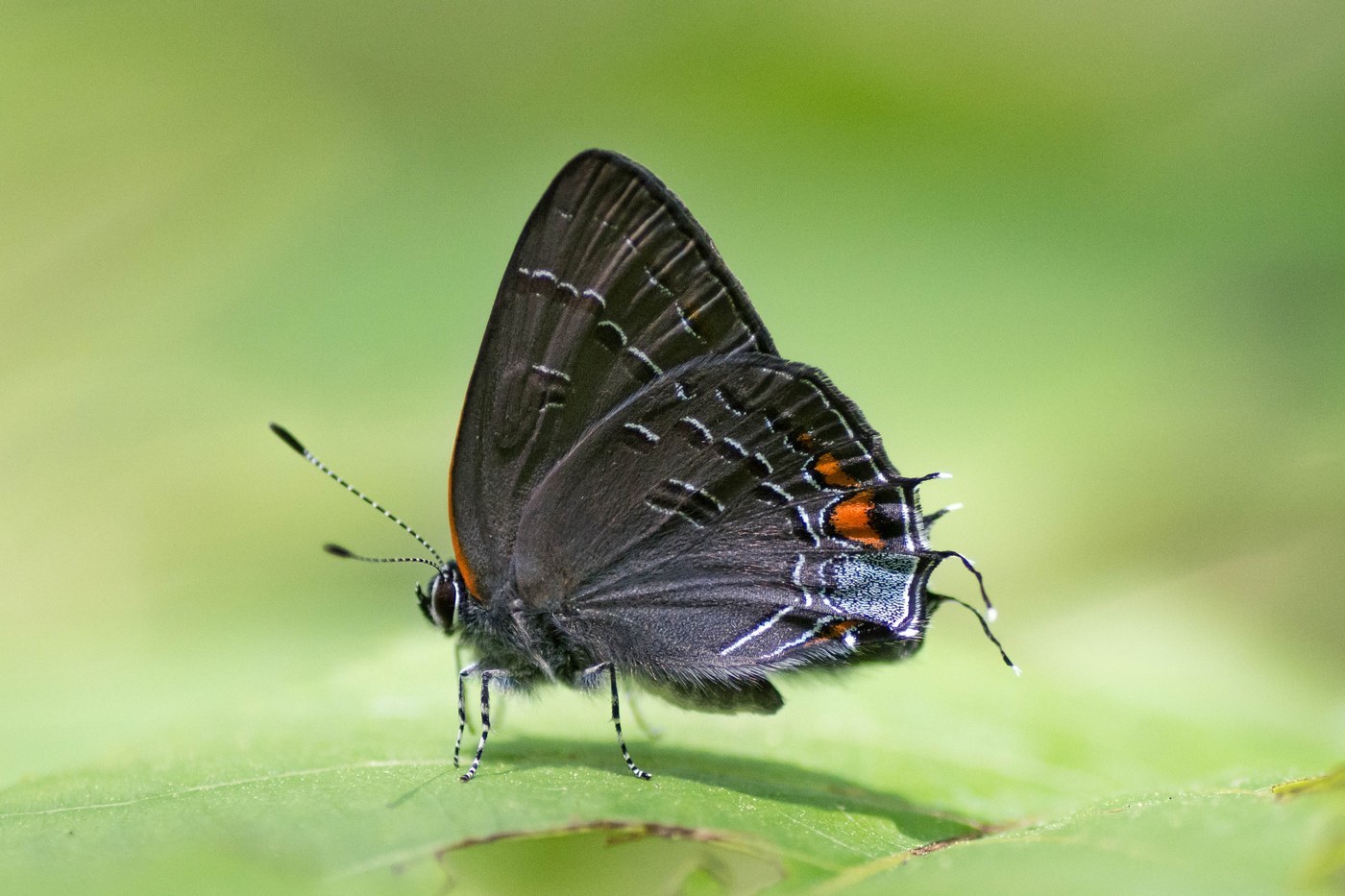
Banded Hairstreak
Deciduous woodlands and edges with oaks and hickories
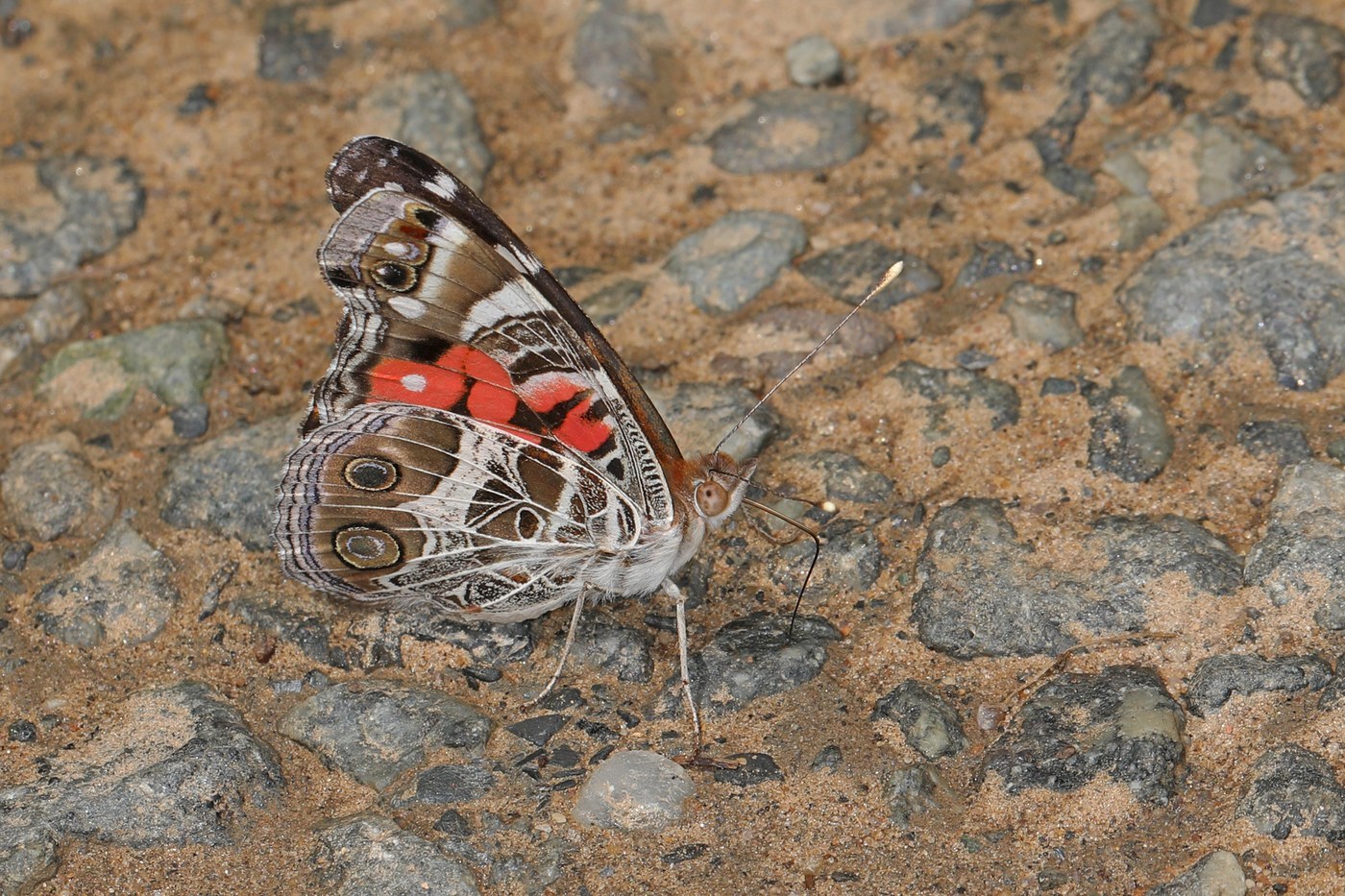
American Lady
Open fields, meadows, gardens, roadsides
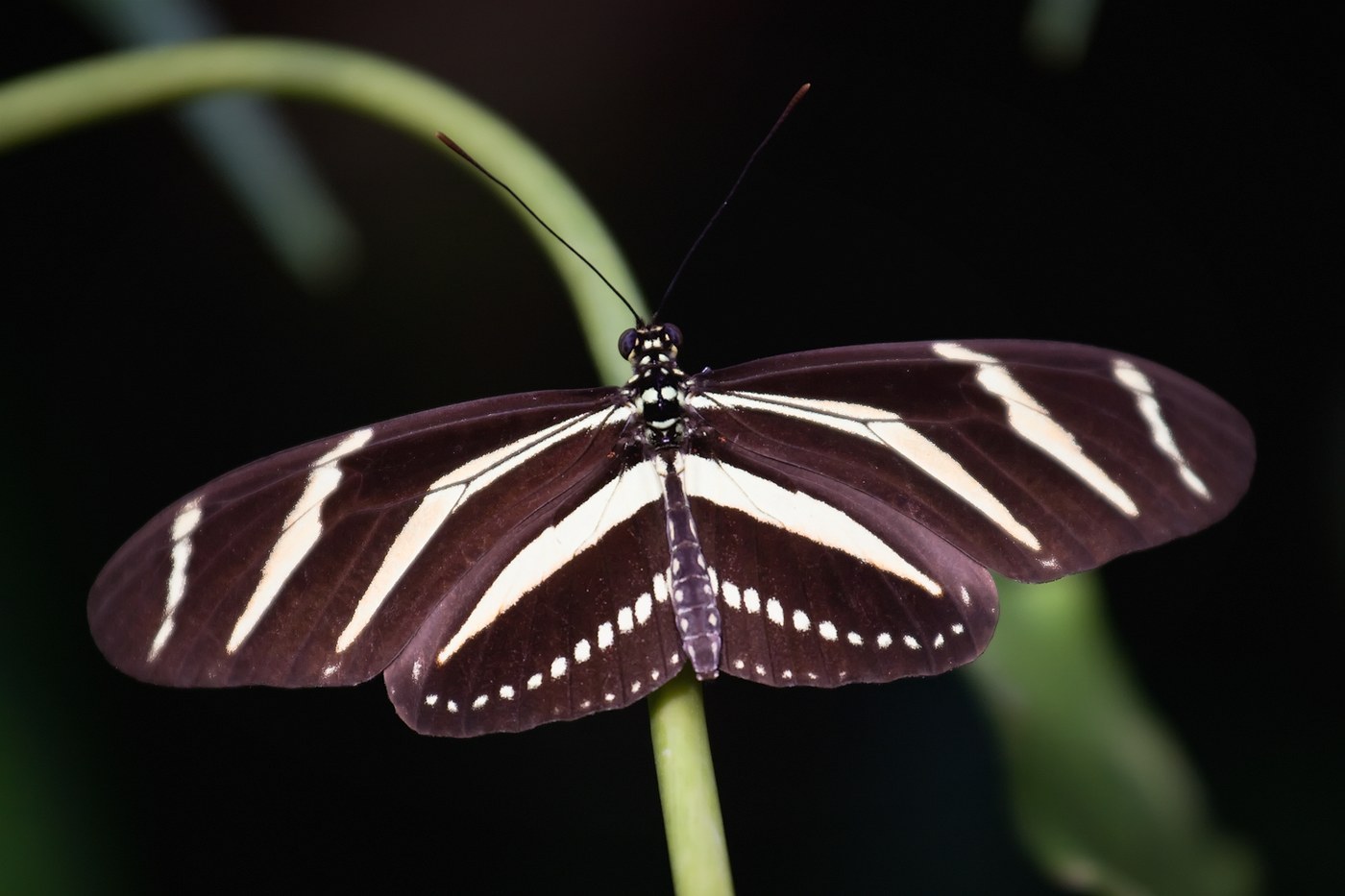
Zebra Longwing
Tropical hammocks, gardens, forest edges
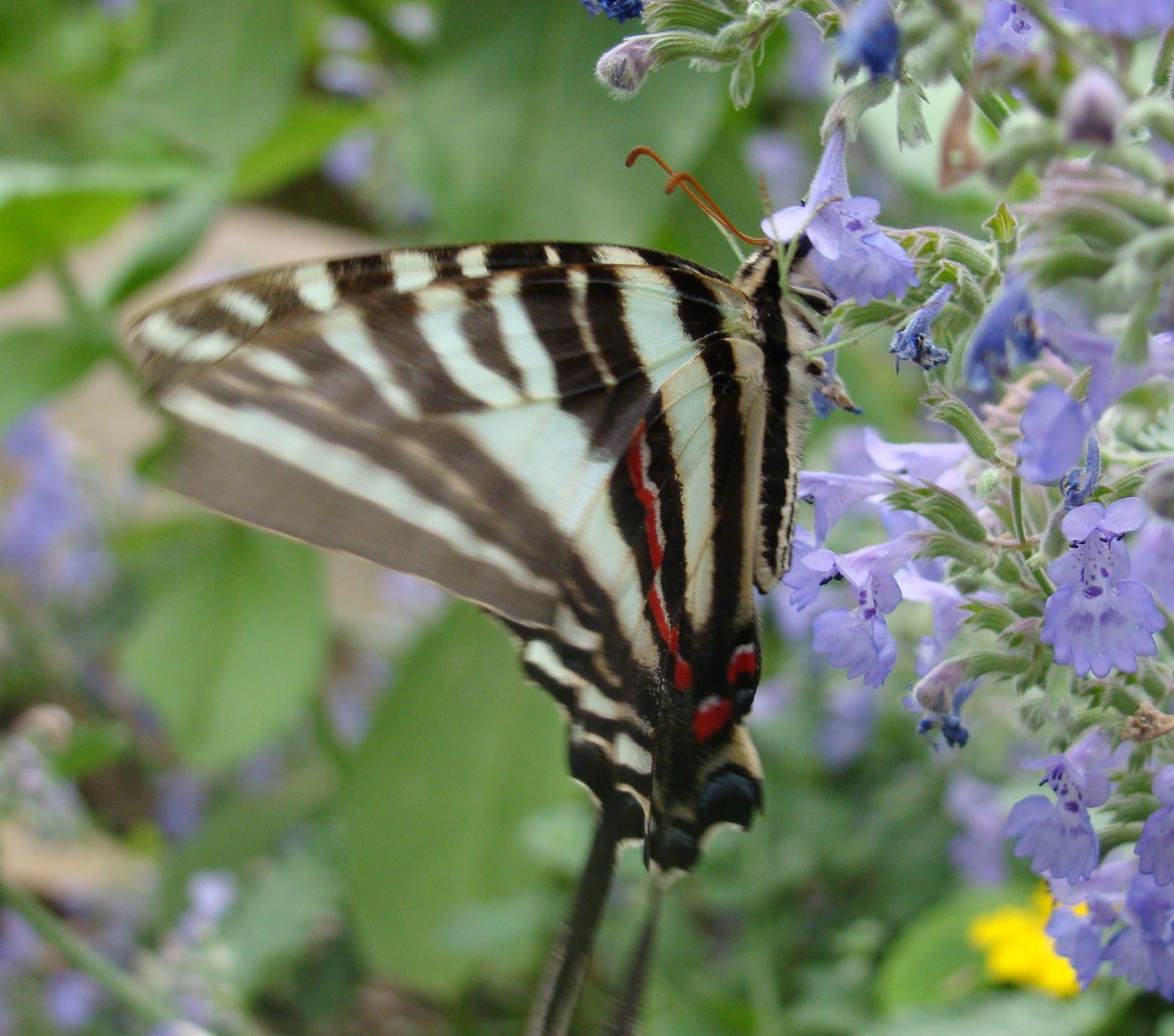
Zebra Swallowtail
Woodlands, floodplains, forest edges near pawpaw
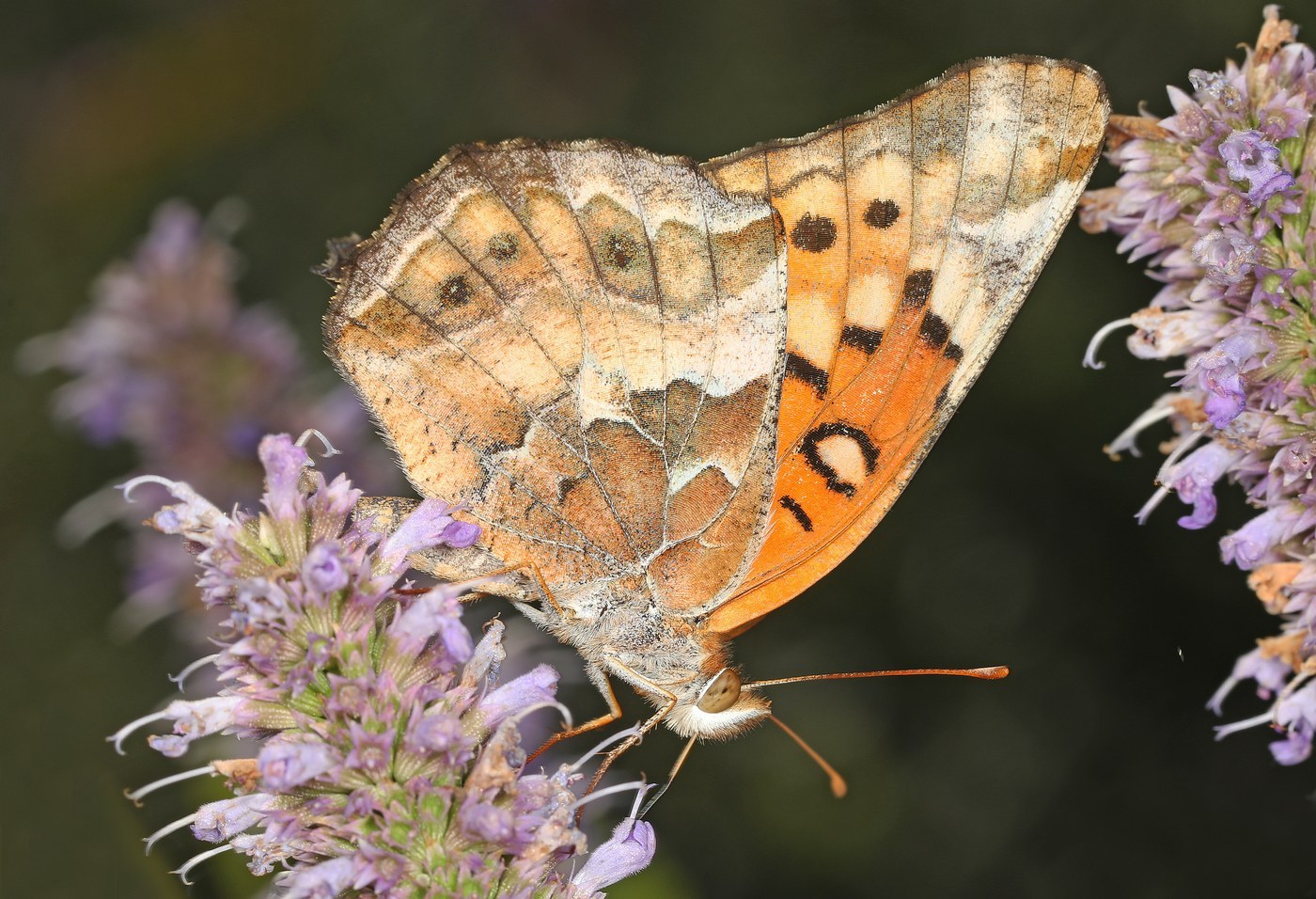
Variegated Fritillary
Open fields, prairies, roadsides, and disturbed ground across most of the United States
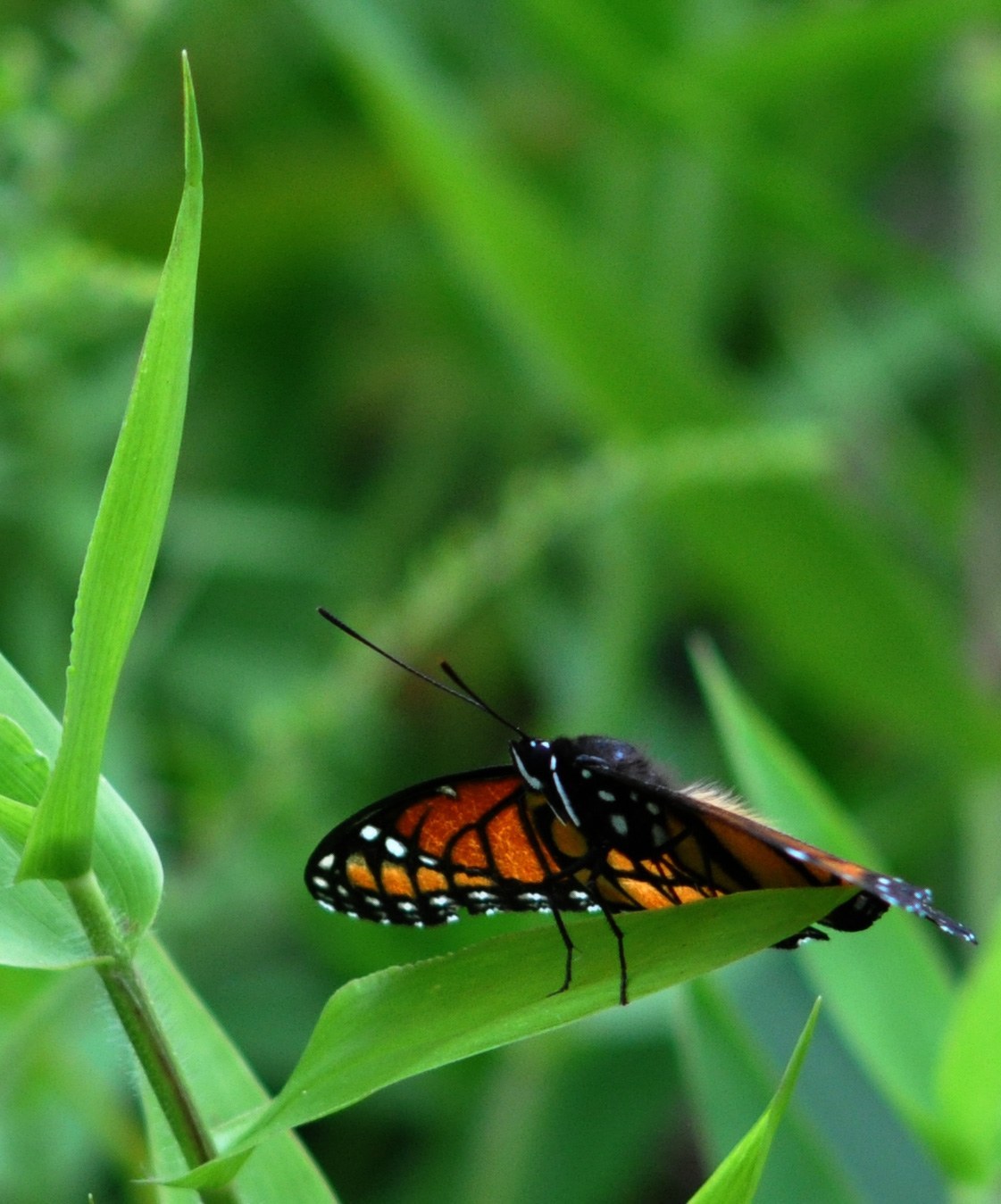
Viceroy Butterfly
Wetlands, meadows, riverbanks, willow thickets (North America)
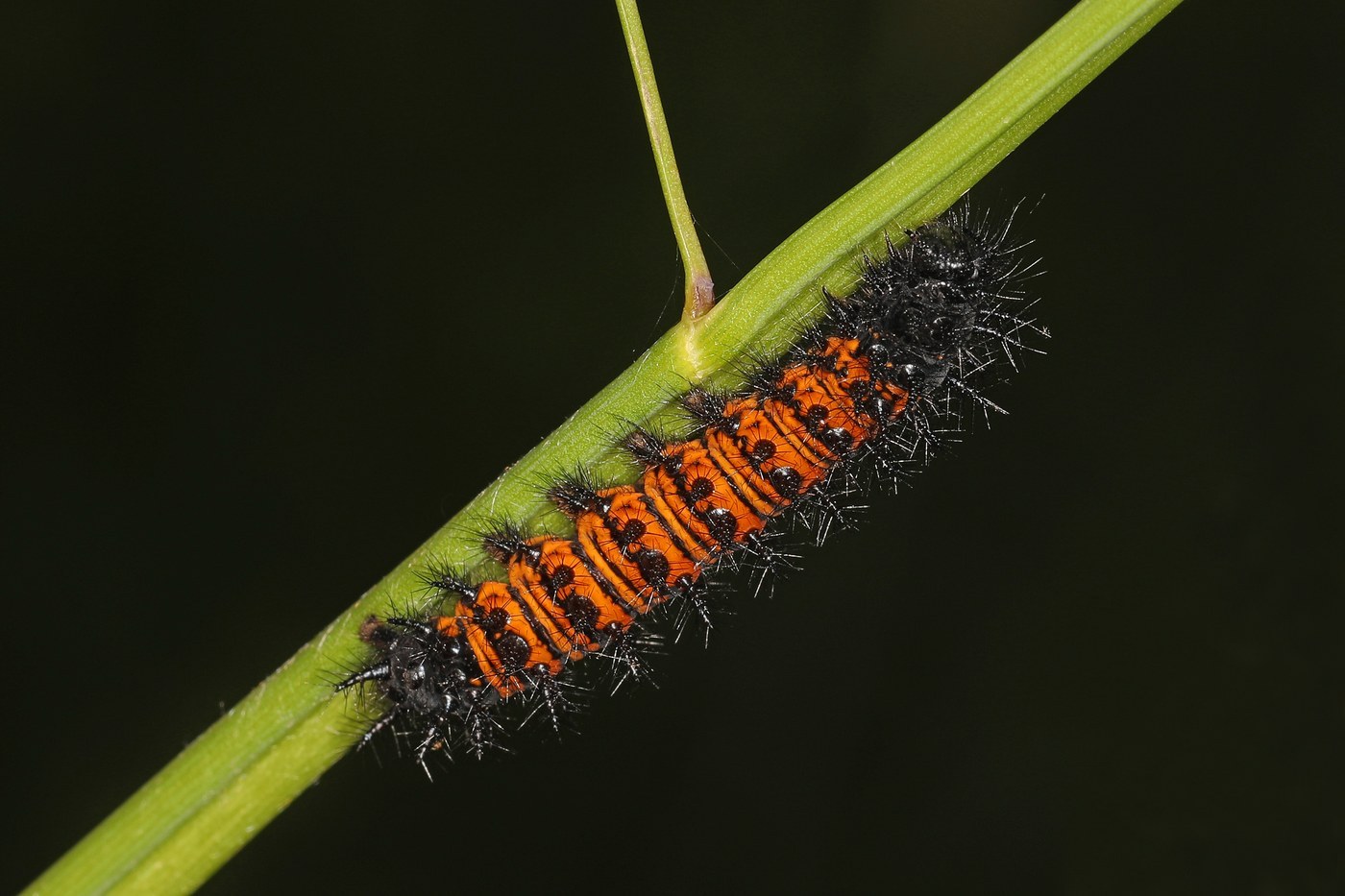
Baltimore Checkerspot
Wet meadows, bogs, and marshy fields in the northeastern and Appalachian US
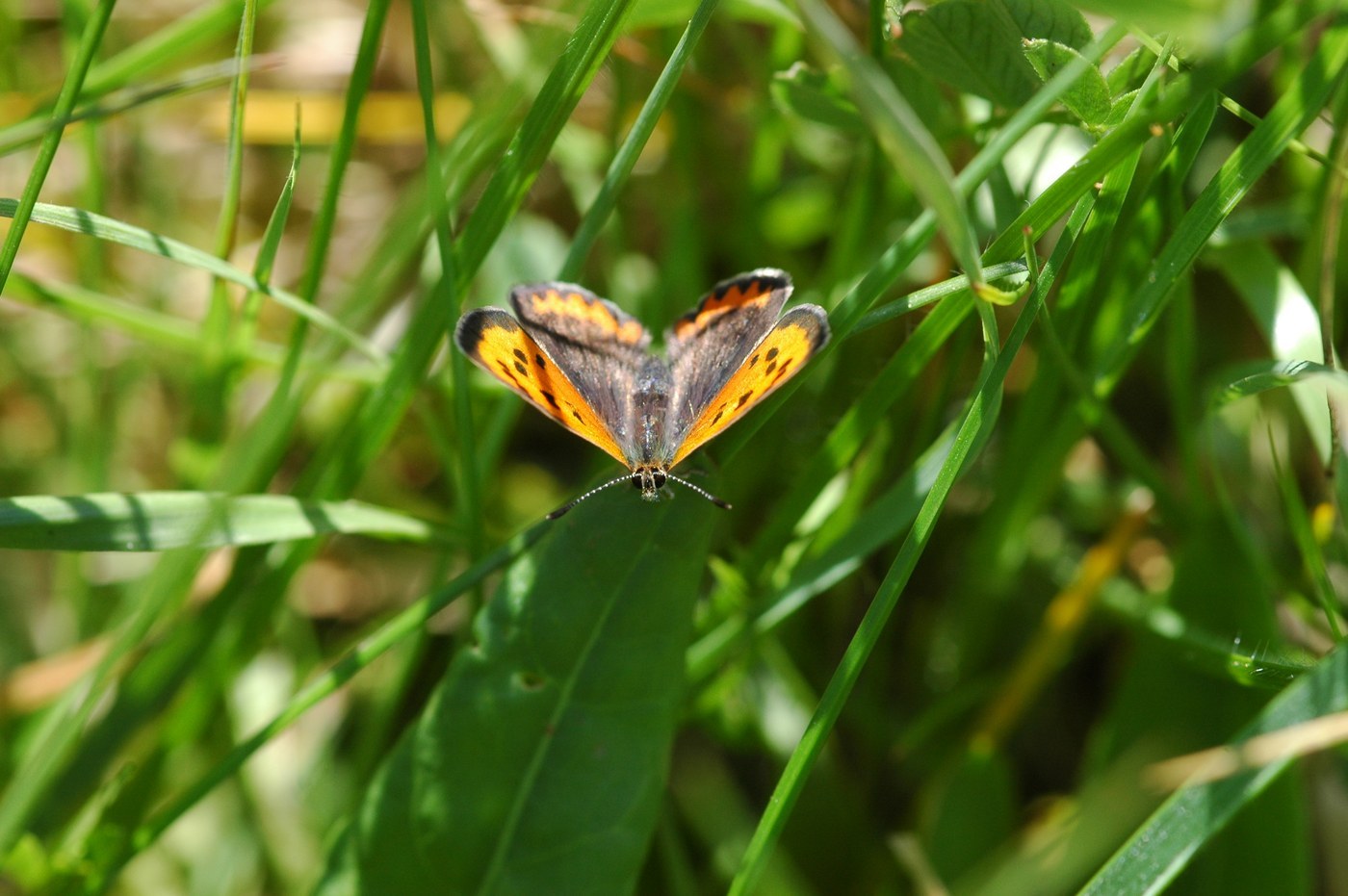
American Copper
Old fields, roadsides, and disturbed open ground with sorrel or dock
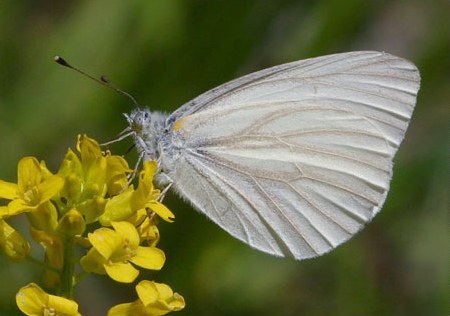
West Virginia White
Rich deciduous forest floors, especially near seeps and streams
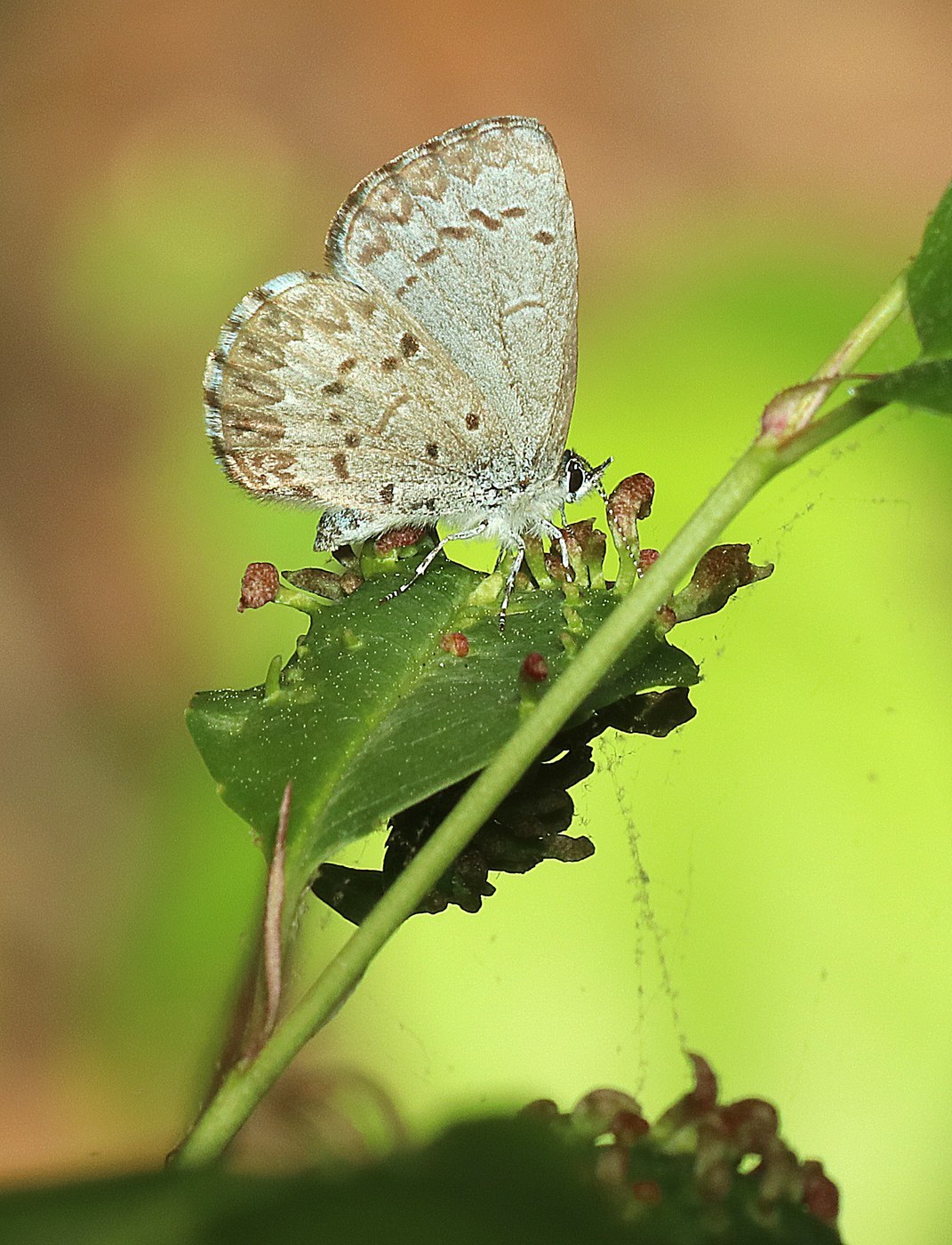
Spring Azure
Woodland edges, gardens, shrubby clearings
Red Admiral
Gardens, woodland edges, parks, meadows
Sleepy Orange
Open woodland, fields, roadsides, and disturbed ground