
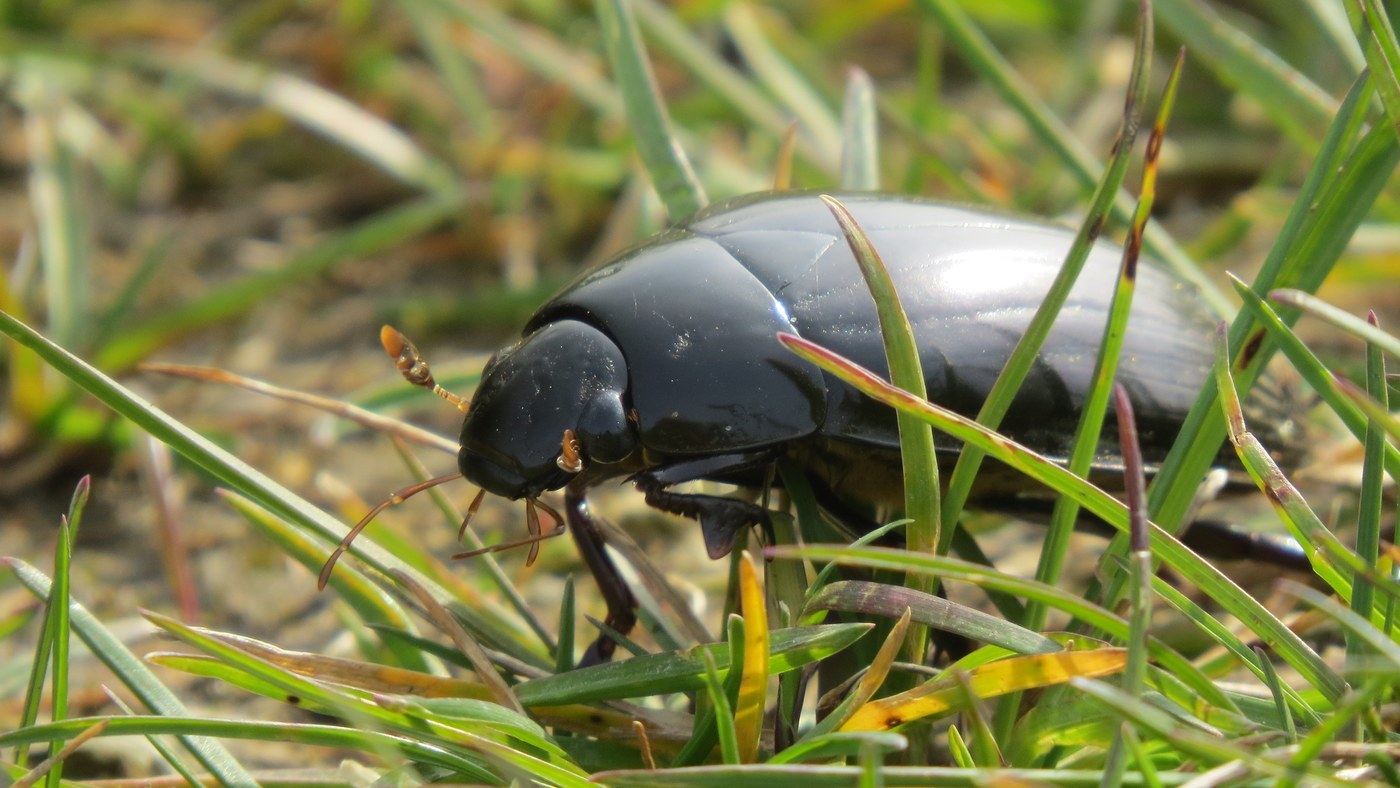
Great Silver Water Beetle
Hydrophilus piceus
One of the largest beetles in Europe, the great silver water beetle is a glossy jet-black giant that rows through weedy ponds carrying a silvery film of air trapped beneath its body.
- Size
- 3.7-5 cm (1.5-2 in), one of the largest aquatic beetles
- Habitat
- Still, vegetated ponds, ditches, and slow canals
- Danger
- Bites
Spotted a bug like this?
Identify any bug or insect from a photo, free.
Overview
The great silver water beetle is the largest aquatic beetle found in Europe, named for the silvery sheen created by a thin layer of air it carries against its underside while submerged. It belongs to the family Hydrophilidae, the water scavenger beetles, and is easily recognized by its bulky, smoothly domed, shiny black body and comparatively short, clubbed antennae used for gathering air at the surface rather than for swimming.
Unlike the streamlined, fast-swimming predaceous diving beetles it is sometimes confused with, the great silver water beetle is a relatively slow, deliberate swimmer that alternates its legs rather than kicking them together. Adults are largely plant-feeders, grazing on aquatic vegetation and algae, while the larvae are active predators that hunt snails and other small invertebrates. The species has declined across parts of its range due to loss of unpolluted, well-vegetated wetlands, making it a species of conservation interest in some countries.
How to Identify
- Very large for a water beetle, often exceeding 4-5 cm in length
- Uniformly glossy black, smoothly rounded body with a keel-like ridge on the underside
- Short, clubbed antennae (unlike the long, thread-like antennae of true water striders) used to collect air rather than sense surroundings
- Legs move alternately when swimming, giving a slower, rowing motion compared to the synchronized kicks of diving beetles (Dytiscidae)
- Carries a visible silvery bubble of air on the underside and antennae when submerged, giving rise to its common name
Habitat & Range
This beetle favors still or slow-moving freshwater with abundant submerged and emergent vegetation, including ponds, ditches, fens, and quiet canal stretches across much of Europe and parts of Asia. It is most active from spring through autumn and often overwinters as an adult in mud or vegetation at the water's edge.
Behavior & Diet
Adults are largely herbivorous, feeding on decaying plant material and algae, while occasionally scavenging. The predatory larvae feed heavily on freshwater snails, using elongated mandibles to extract the soft body from the shell. Adults periodically surface to renew their air supply, breaking the surface film with an antenna, and can also fly between water bodies at night. As both grazers and predators depending on life stage, the species plays a role in controlling algae and snail populations within its ponds.
Life Cycle
Females construct a distinctive silken egg case, often equipped with a protruding mast-like extension, which they attach to floating vegetation or leaves and fill with dozens of eggs. The larvae that hatch are elongated, predatory, and undergo several instars while hunting snails and other invertebrates underwater. When fully grown, the larva leaves the water to pupate in damp soil or debris along the shoreline, emerging afterward as the familiar glossy black adult, which can live for more than a year and overwinters on land or in mud.
Frequently asked questions
Why is it called the great silver water beetle?
It carries a thin, silvery layer of trapped air against its underside and antennae while swimming, which gives the beetle a shimmering silver appearance underwater.
Does the great silver water beetle bite?
It has strong mandibles and can give a nip if handled, though this beetle is not aggressive and normally only defends itself when picked up.
What do great silver water beetle larvae eat?
The larvae are active predators that feed mainly on freshwater snails, extracting the soft body from the shell with their elongated jaws.
How is it different from a diving beetle?
It swims with an alternating leg motion rather than the synchronized kick of true diving beetles, and adults feed mostly on plant material rather than hunting live prey.
Great Silver Water Beetle guides
In-depth guides for identifying, understanding, and living alongside Great Silver Water Beetle.
Other bugs you may enjoy
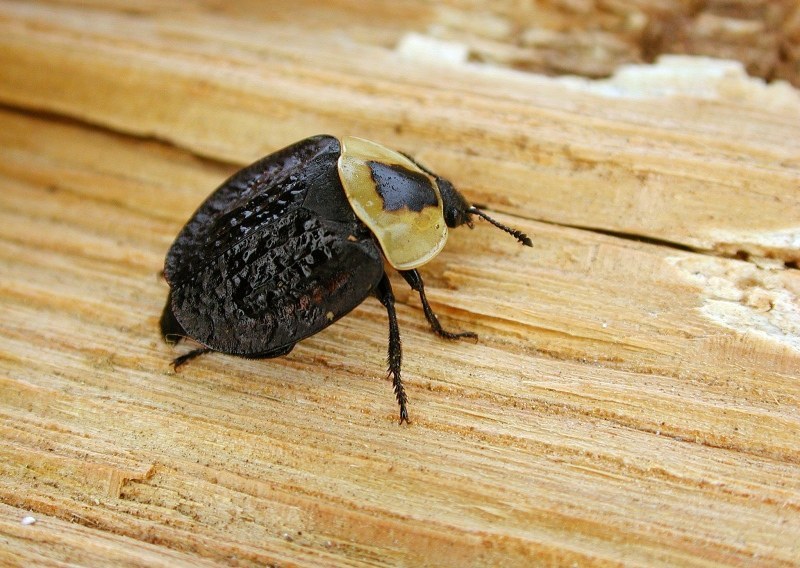
American Carrion Beetle
Forests, fields, and roadsides across North America, near decaying animal carcasses
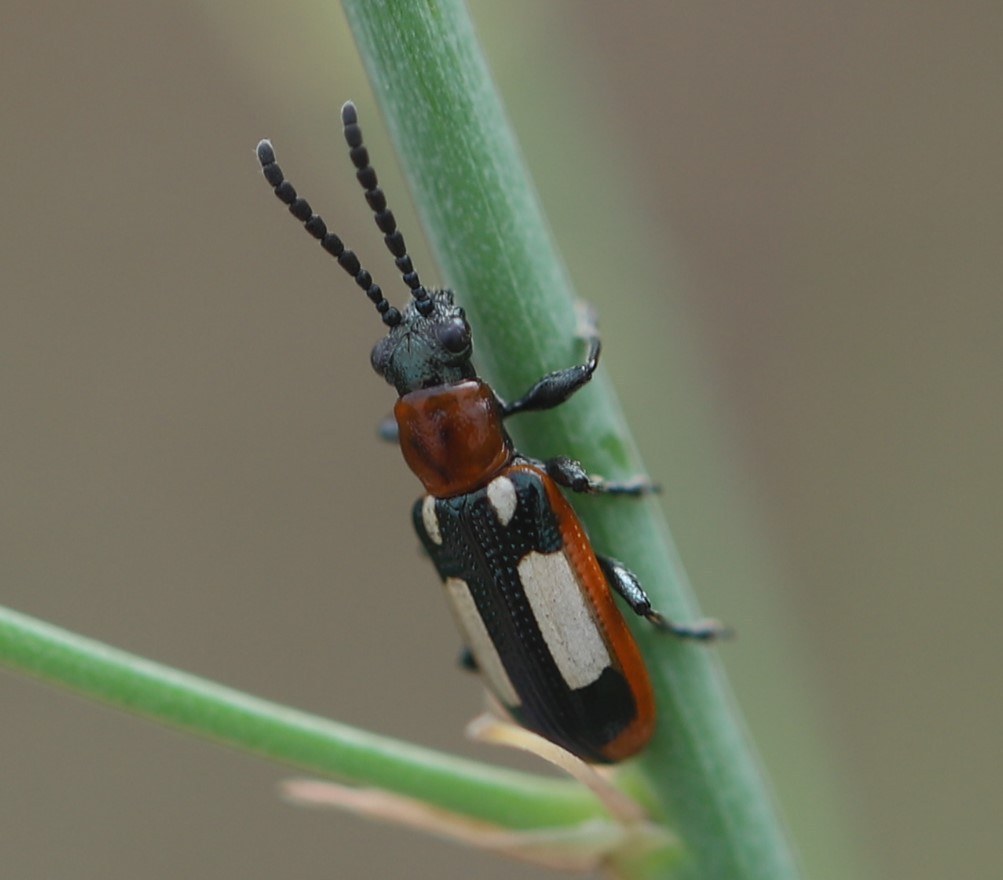
Asparagus Beetle
Asparagus patches, gardens, and farm fields
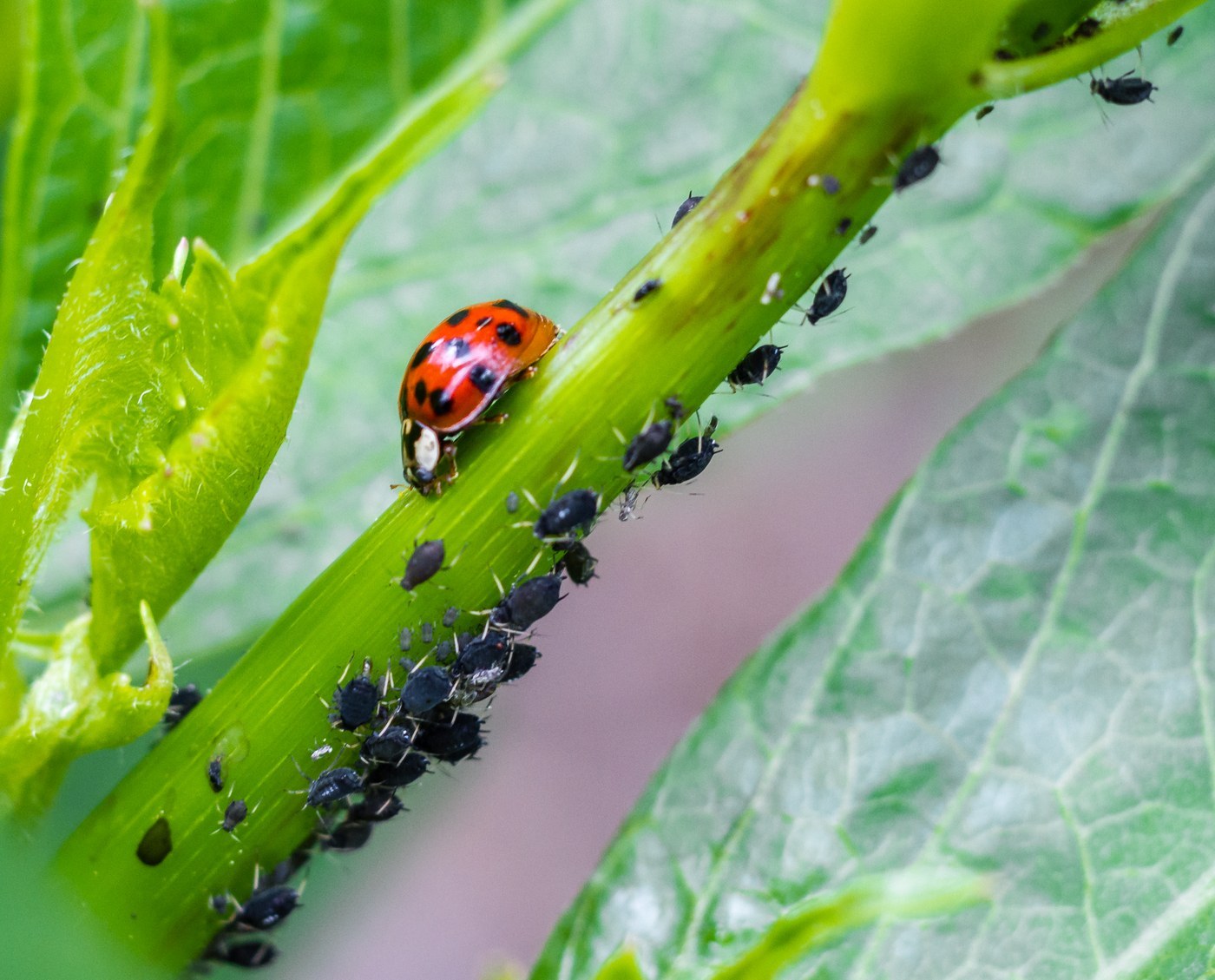
Asian Lady Beetle
Gardens, crop fields, woodlands, buildings
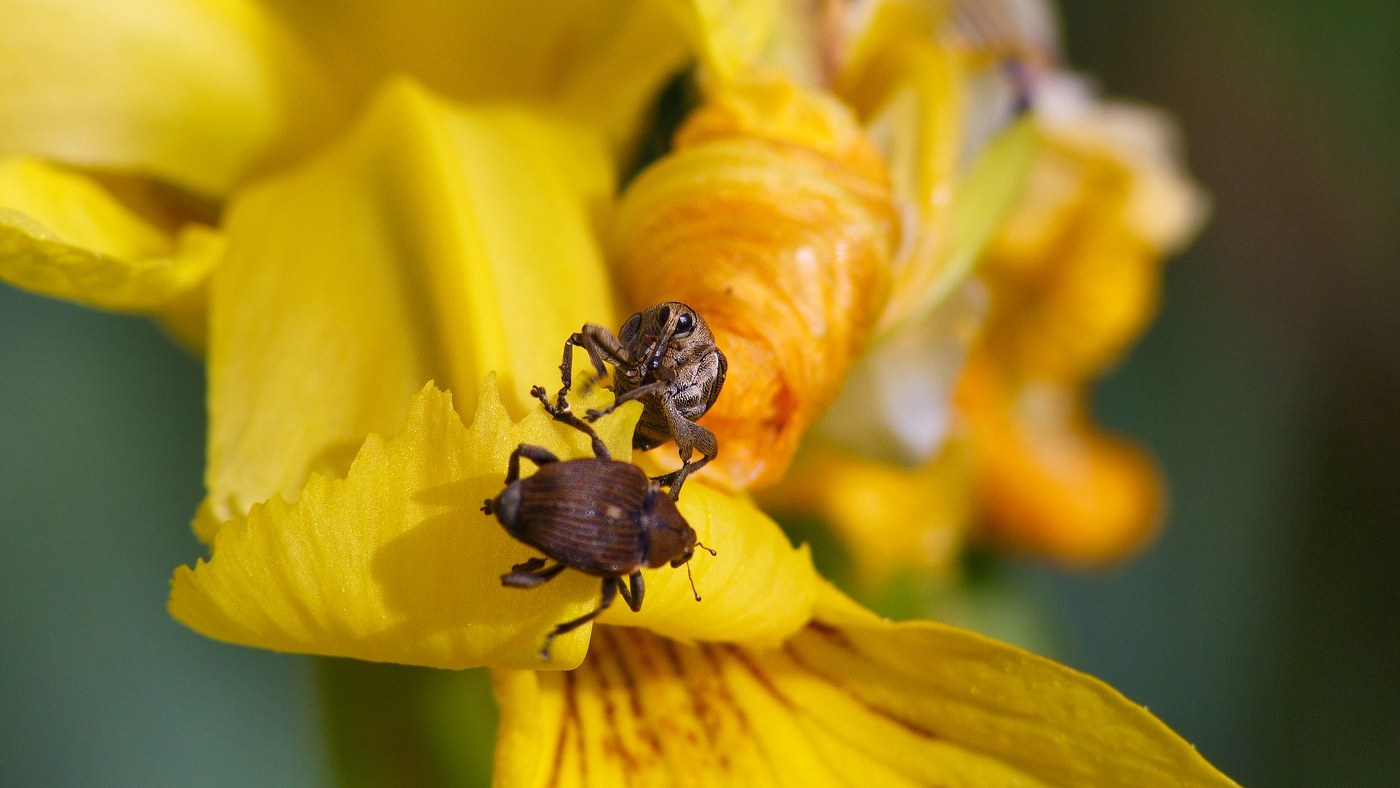
Acorn Weevil
Oak woodlands and forests, on and beneath oak trees
Wireworm
Soil of grasslands, gardens, and cultivated fields worldwide
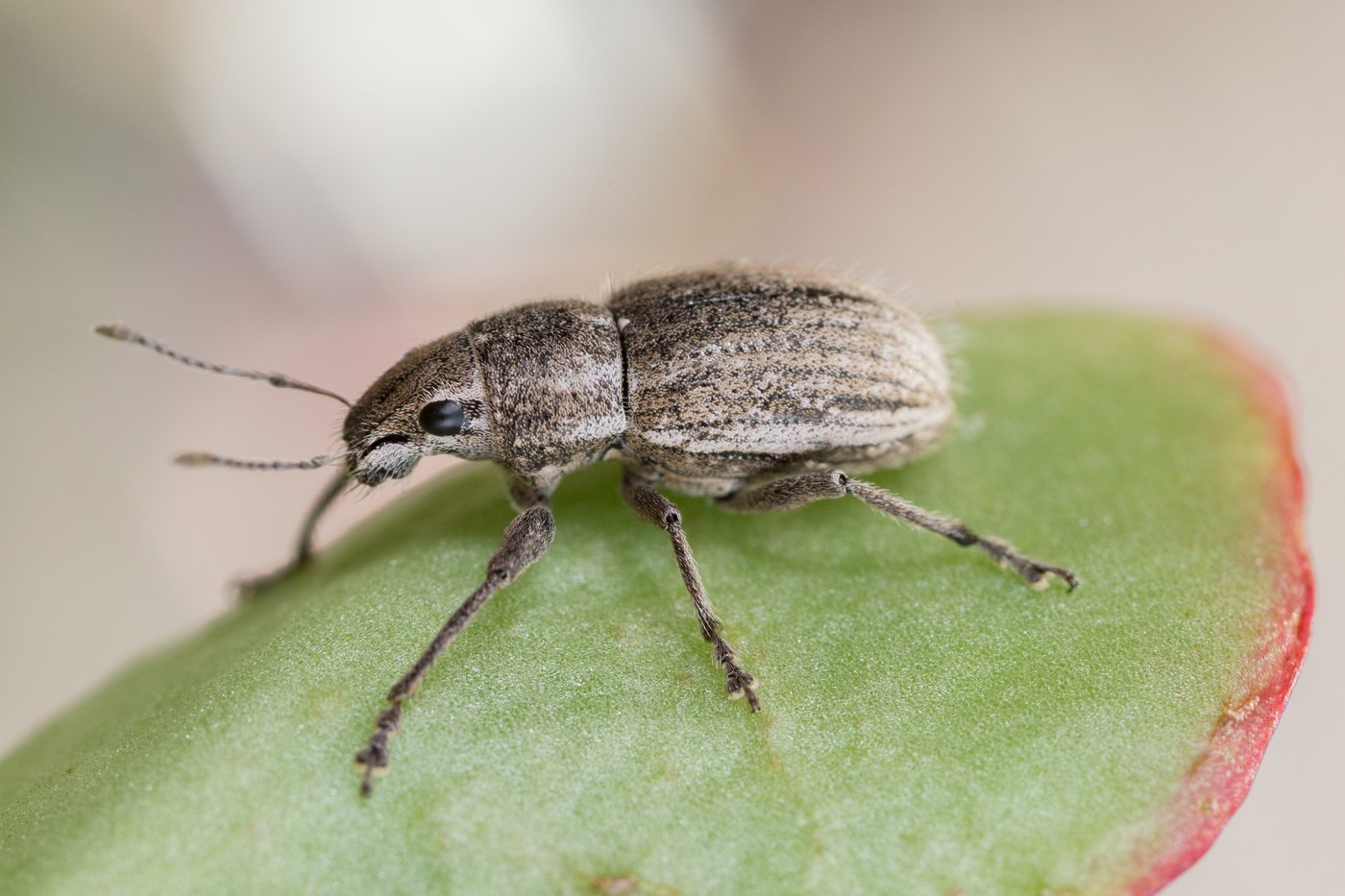
Whitefringed Beetle
Pastures, row crops, lawns, disturbed soils
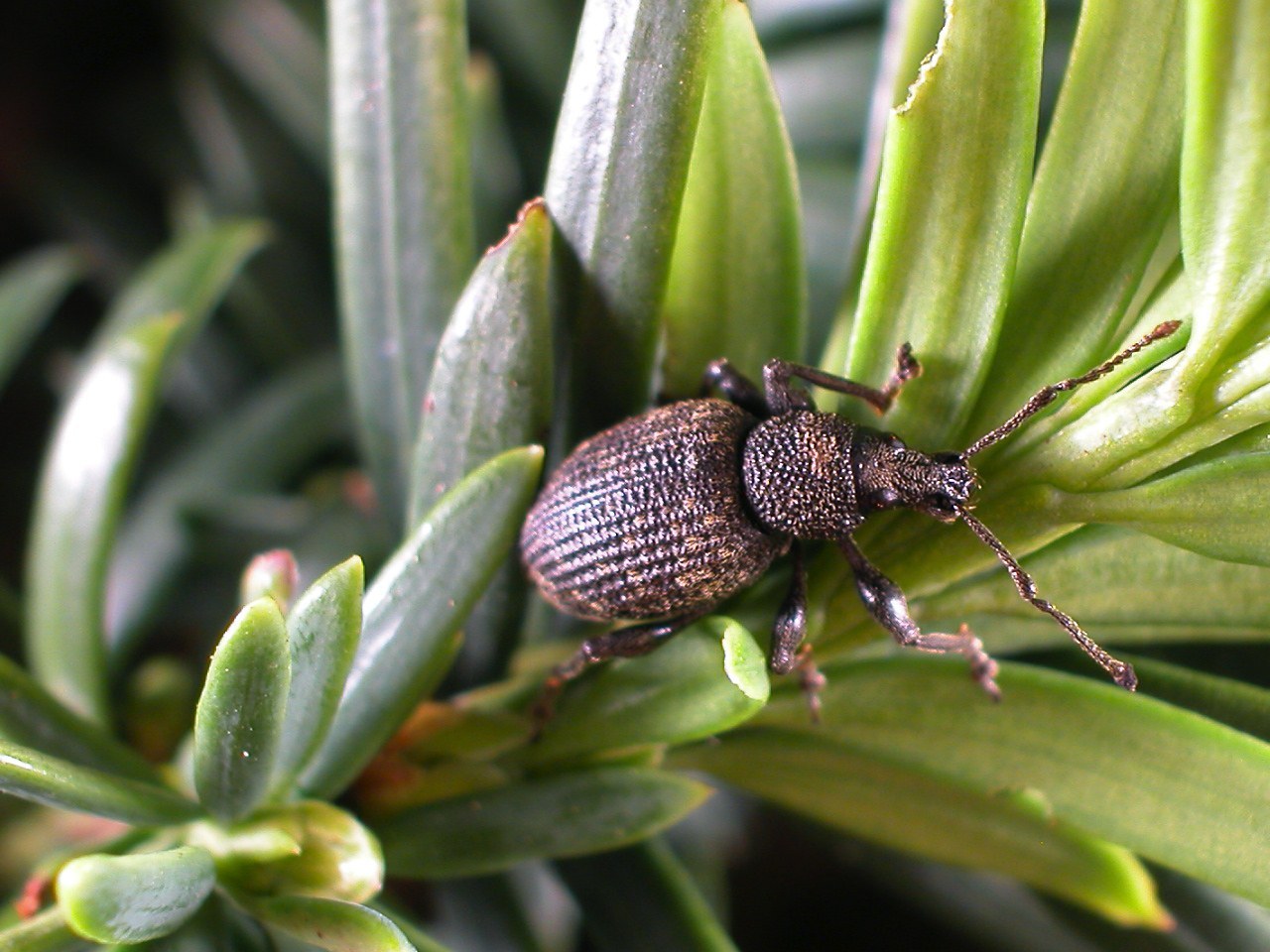
Vine Weevil
Gardens, nurseries, greenhouses, and container plantings
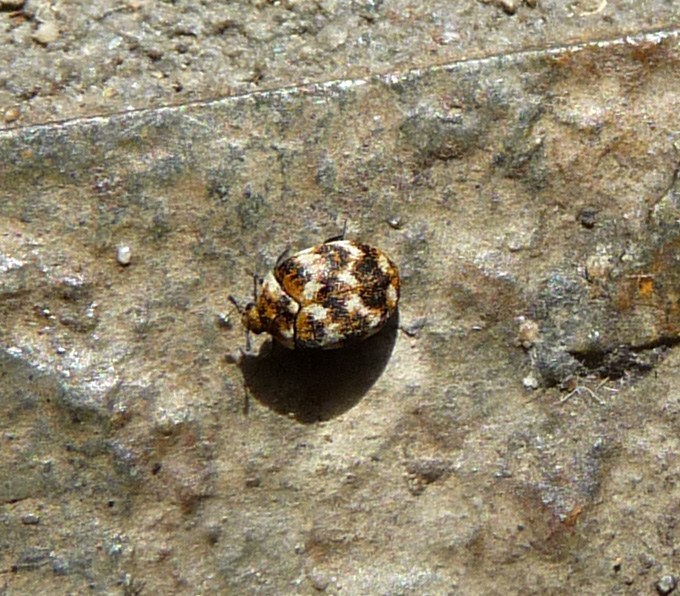
Varied Carpet Beetle
Homes, nests of birds and mammals, and flowers outdoors
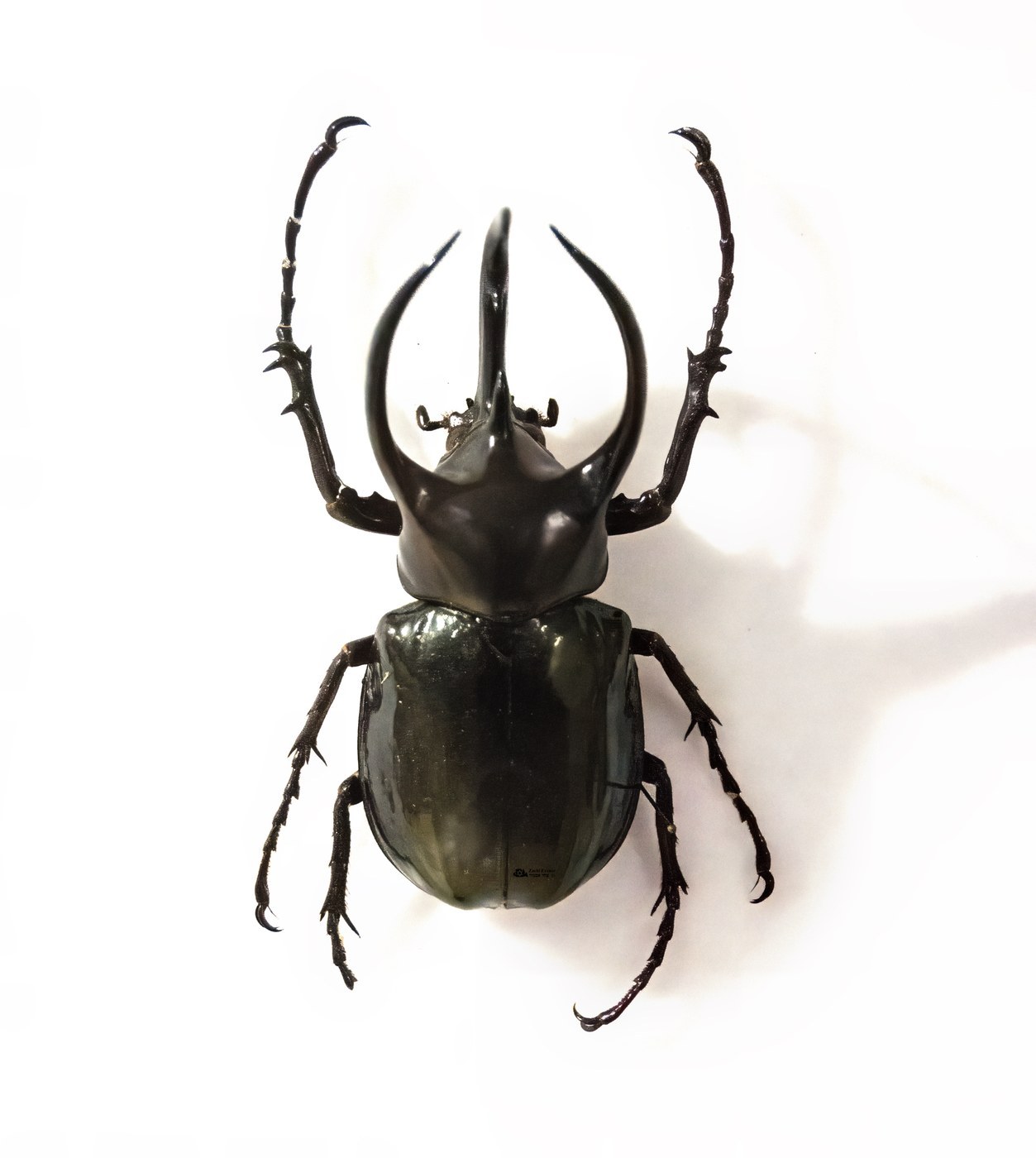
Atlas Beetle
Tropical forests of Southeast Asia
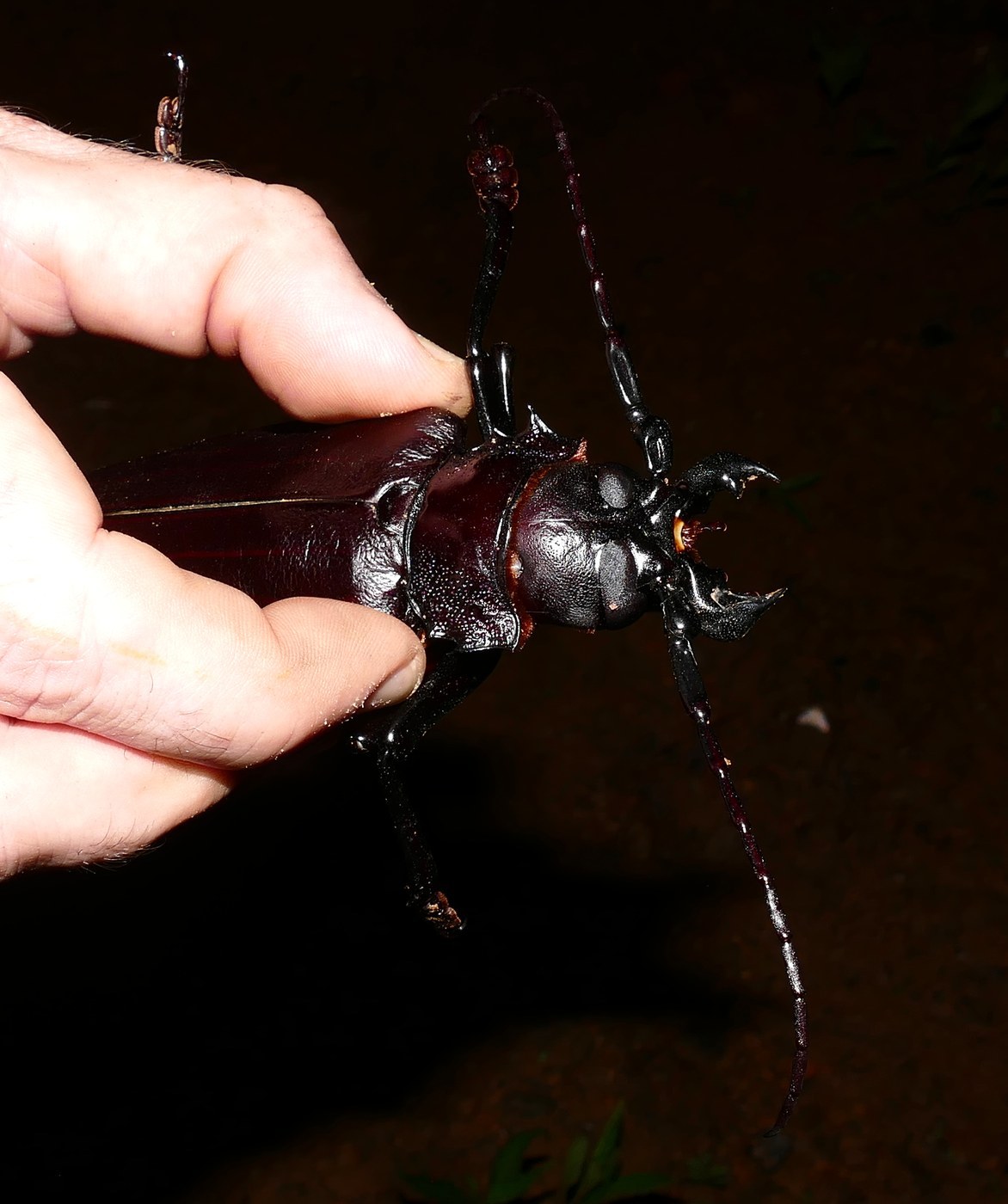
Titan Beetle
Amazon rainforest of South America
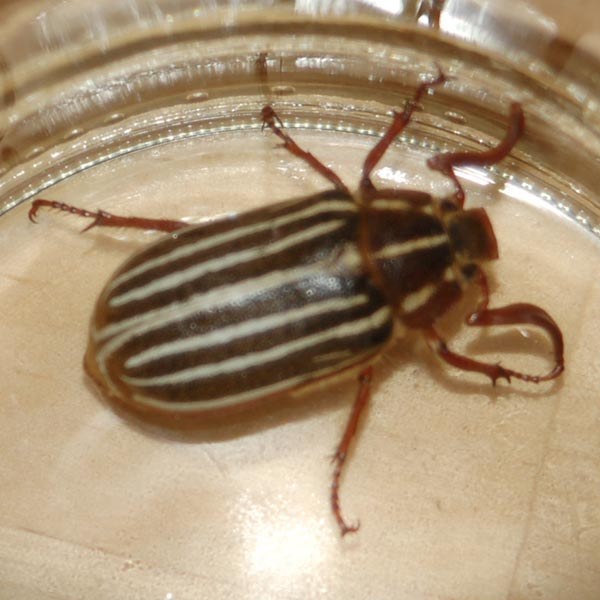
Ten-lined June Beetle
Sandy soils, pine forests, and orchards of western North America
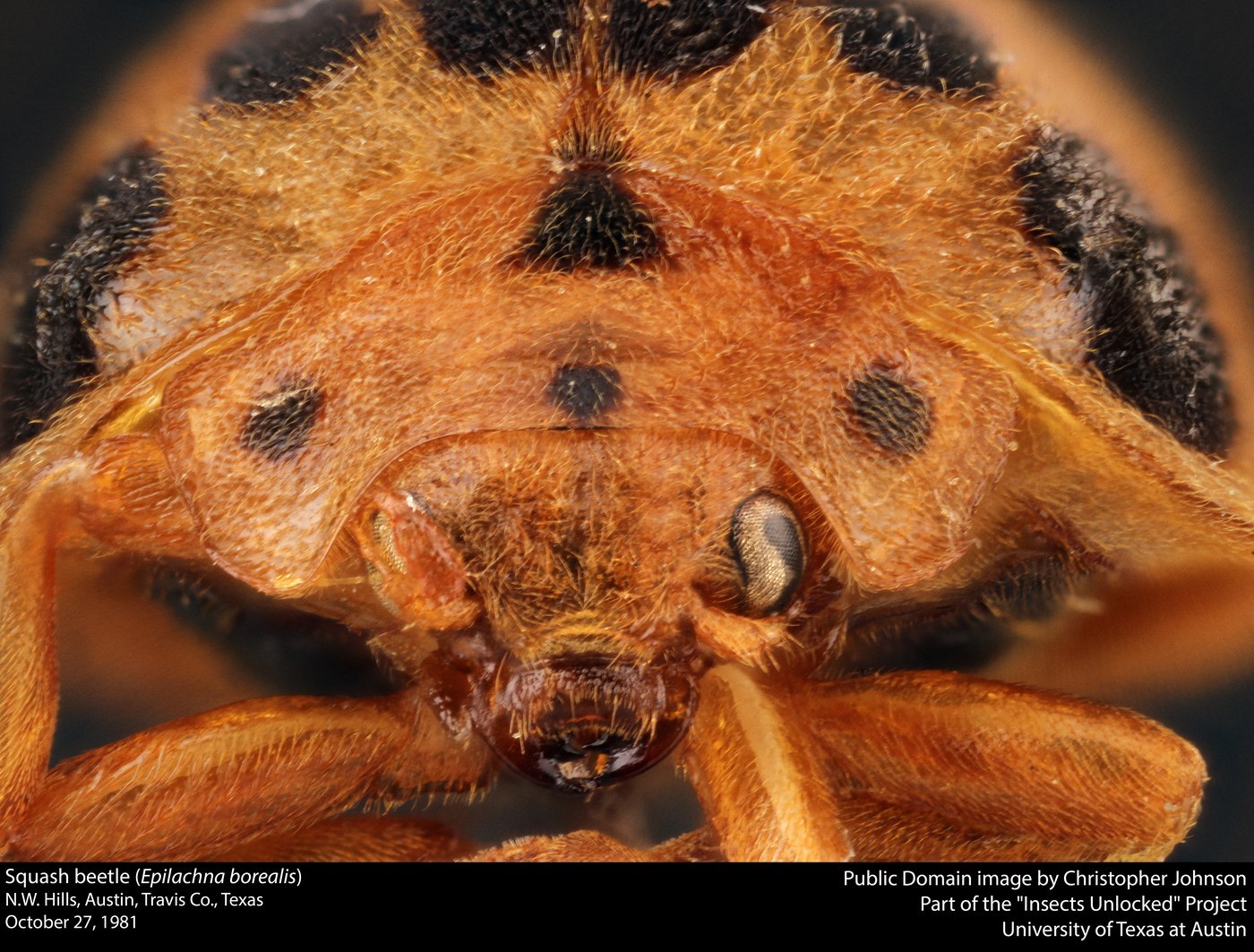
Squash Beetle
Vegetable gardens and fields growing squash, pumpkin, and other cucurbits