
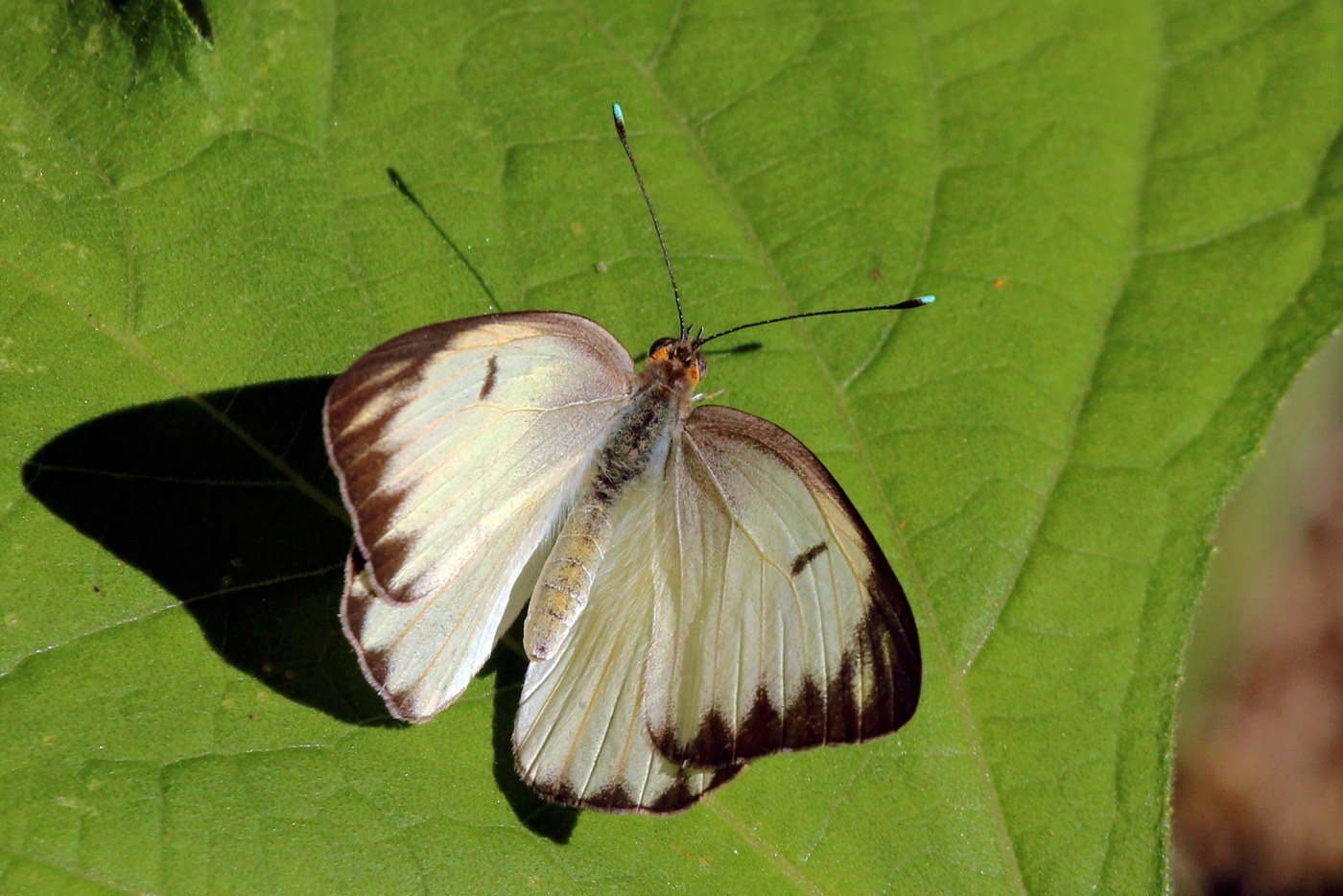
Great Southern White
Ascia monuste
A crisp white butterfly with contrasting black-and-white checkered wingtips, often seen in large numbers along coastal habitats and open fields of the southern United States.
- Size
- 1.75–2.5 in wingspan
- Habitat
- Coastal areas, beaches, gardens, and open disturbed ground
- Danger
- Harmless
Spotted a bug like this?
Identify any bug or insect from a photo, free.
Overview
The Great Southern White is a striking, mostly white butterfly in the family Pieridae, particularly associated with coastal habitats in the southeastern United States, the Caribbean, and along the Gulf and Atlantic coasts into South America. It is well known for its occasional mass migratory movements, in which large numbers of individuals travel along coastlines in a single direction, a phenomenon that has fascinated naturalists for generations.
As a member of the genus Ascia, it displays sexual dimorphism and seasonal color forms, with some individuals showing gray-washed wings, particularly in the migratory or dry-season form. It is closely tied to coastal and disturbed habitats where its mustard-family and caper-family host plants establish.
The species is a familiar sight on beaches, dunes, and coastal scrub, where its bright white wings stand out clearly against sand and green vegetation.
How to Identify
- Medium-large white butterfly with a bold black-and-white checkered pattern at the forewing tip and along the outer margin.
- Some individuals, especially migratory-form females, show a gray-brown wash over portions of the wings rather than pure white.
- Body is white to pale gray, and the antennae club is distinctively tipped in turquoise-blue.
- Underside is mostly white to pale yellow-green, with subtler markings than the upperside.
- Distinguished from the Checkered White by its typically larger size, coastal habitat association, and more solid black wingtip patterning.
Habitat & Range
Great Southern Whites are found along coastal areas of the southeastern United States, the Gulf Coast, Caribbean, and into Central and South America, favoring beaches, dunes, coastal scrub, and adjacent open or disturbed habitats where mustard-family and caper-family host plants grow. Adults are active nearly year-round in the warmest parts of their range, with periodic large-scale migratory flights recorded moving along coastlines, particularly in Florida.
Behavior & Diet
Adults fly with a moderate, somewhat fluttering pattern and are known for occasional mass migratory movements, when large numbers travel steadily along a coastline over days. They visit a variety of flowers for nectar, including composites and coastal wildflowers. Caterpillars feed on plants in the mustard and caper families, including saltwort and related coastal species, and can occur in high densities on host plants during population booms that sometimes precede migratory flights.
Life Cycle
Eggs are laid in clusters on the leaves of mustard-family or caper-family host plants. Caterpillars are yellow-green with darker longitudinal stripes and fine hairs, feeding gregariously at first before dispersing, and can build up in large numbers on favored host plants. Pupation occurs in an angular, elongated chrysalis attached to a stem or nearby structure. The species breeds continuously in warm coastal climates with multiple generations per year, and population surges are thought to trigger its notable mass migratory flights.
Frequently asked questions
Why does the Great Southern White sometimes appear in huge numbers?
Population booms on host plants can trigger mass migratory flights, during which large numbers of individuals move steadily along coastlines over several days.
How do I tell it apart from the Checkered White?
The Great Southern White is generally larger, more strongly associated with coastal habitats, and shows a bolder, more solid black-and-white wingtip pattern; its antennae clubs are tipped with turquoise-blue.
What plants do the caterpillars eat?
They feed on plants in the mustard and caper families, including coastal species such as saltwort.
Where is the best place to see one?
Coastal beaches, dunes, and scrub habitats along the Gulf and southern Atlantic coasts are prime locations for this species.
Great Southern White guides
In-depth guides for identifying, understanding, and living alongside Great Southern White.
Other bugs you may enjoy
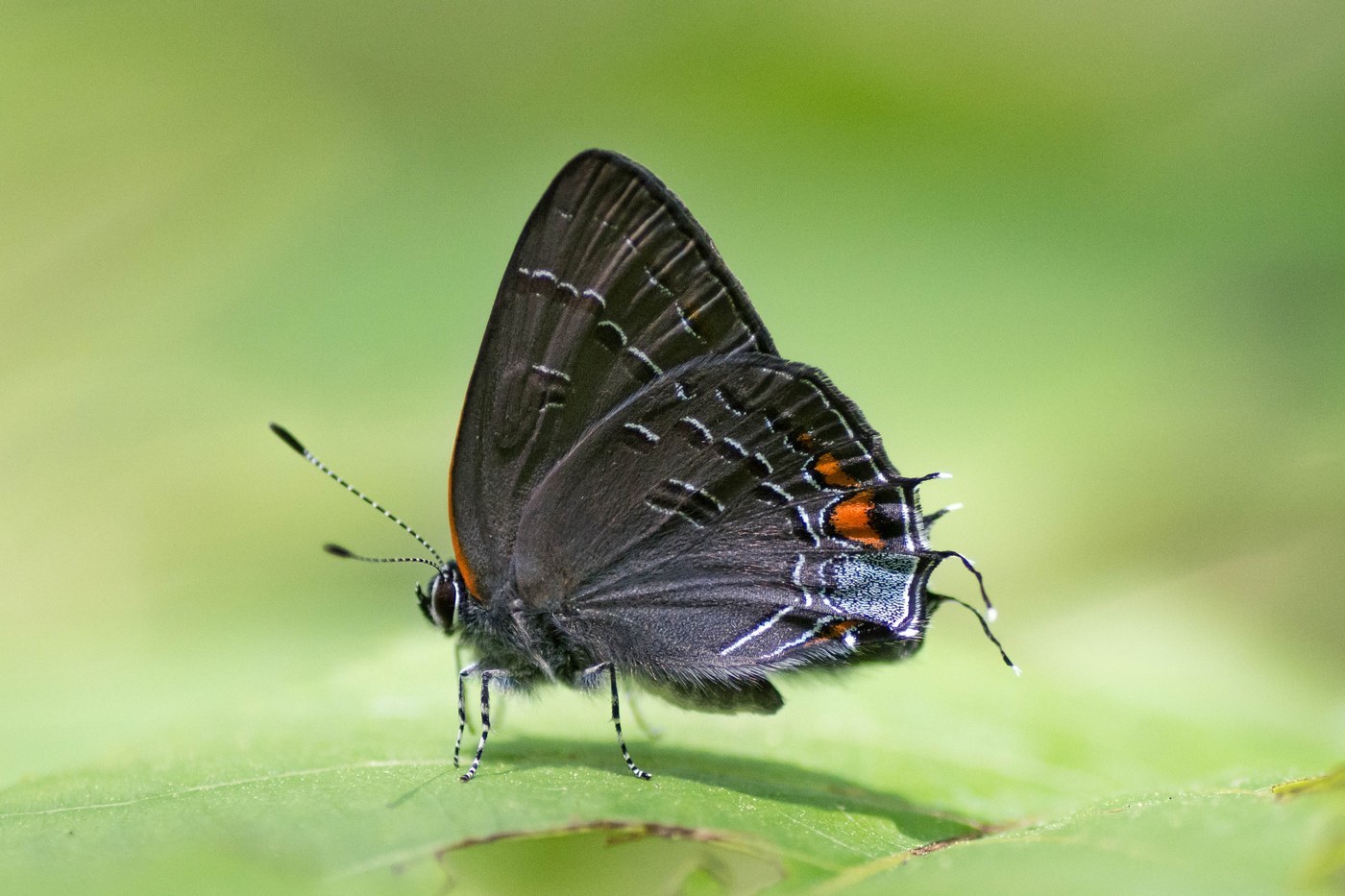
Banded Hairstreak
Deciduous woodlands and edges with oaks and hickories
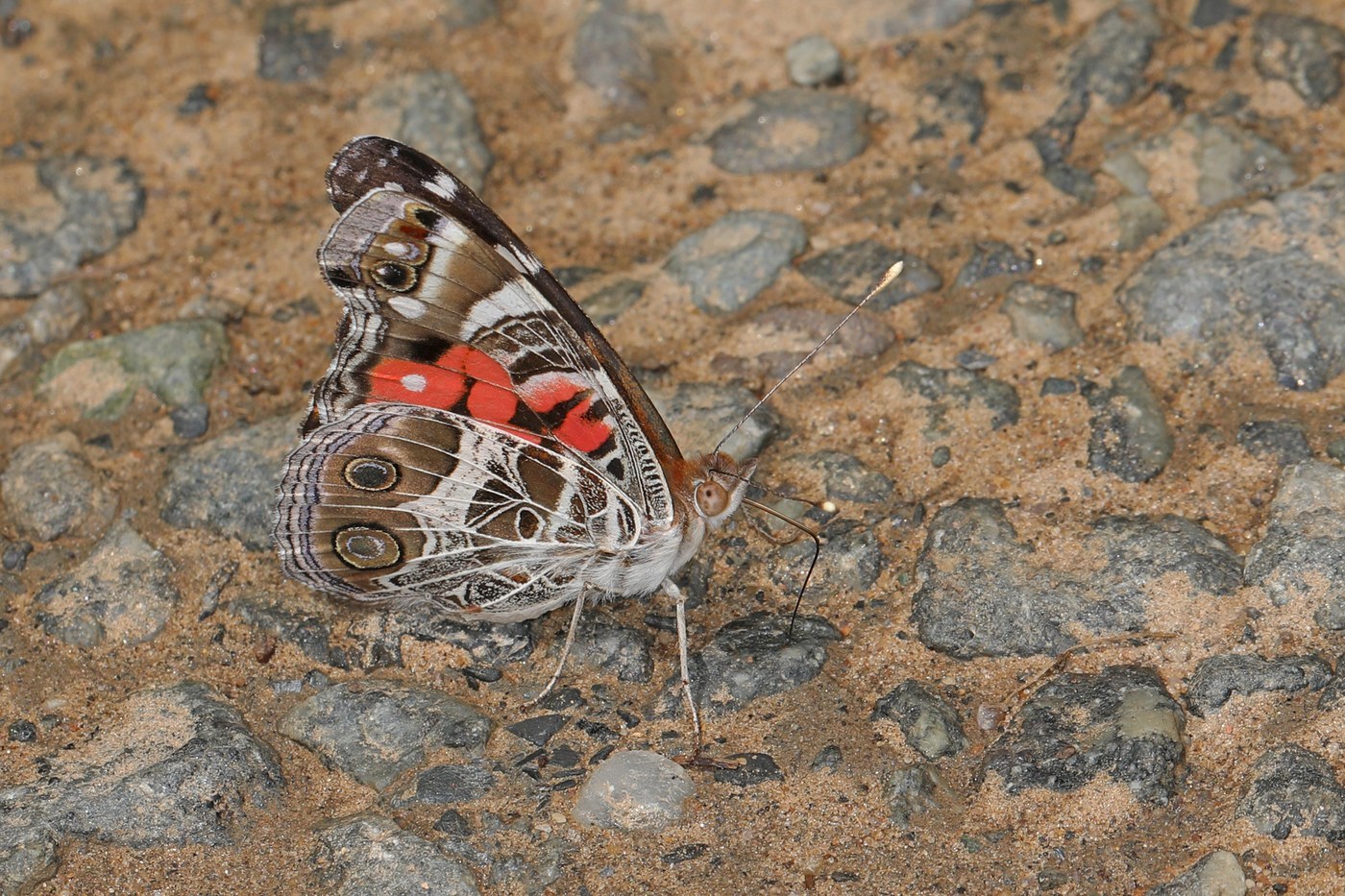
American Lady
Open fields, meadows, gardens, roadsides
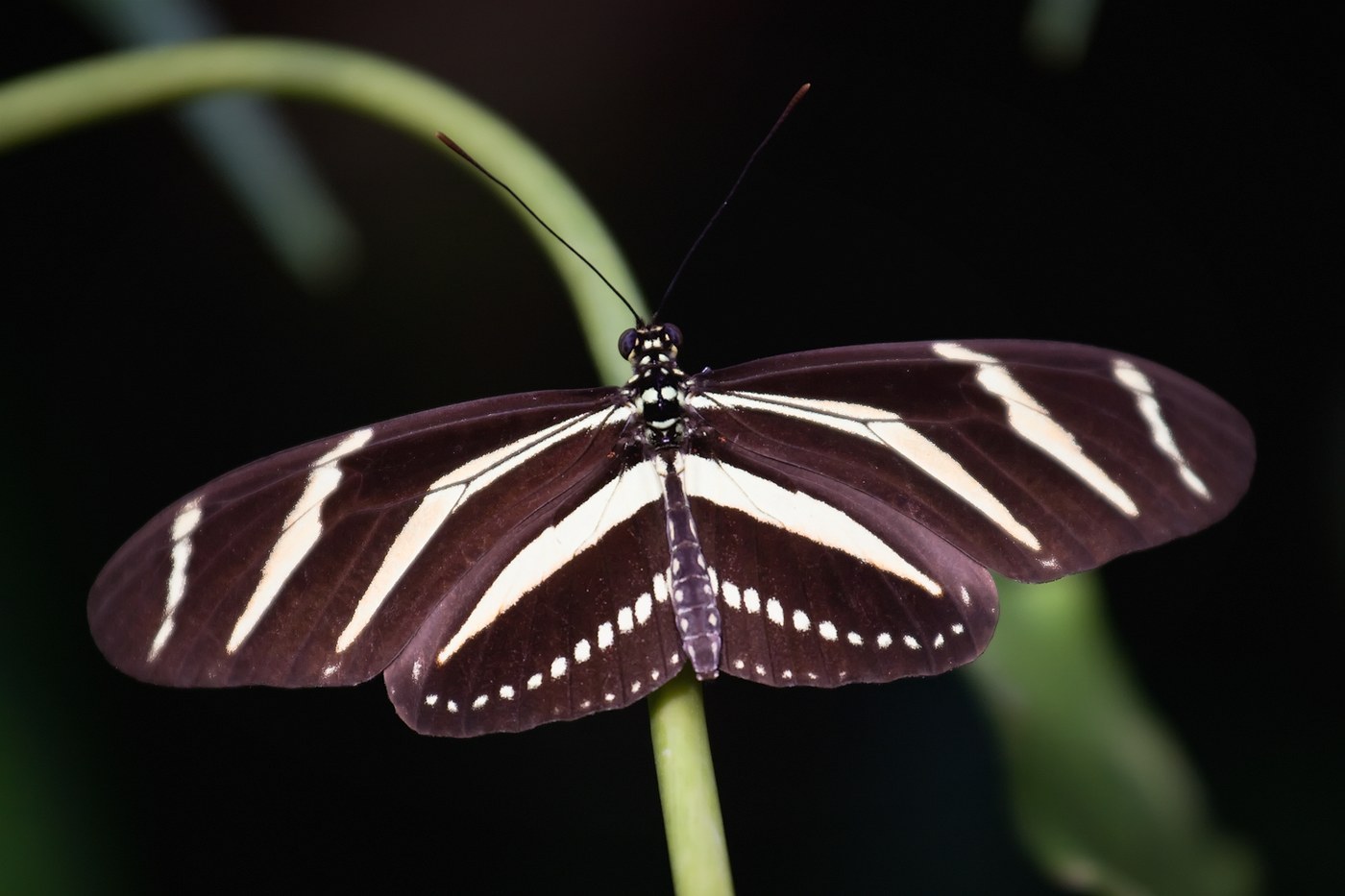
Zebra Longwing
Tropical hammocks, gardens, forest edges
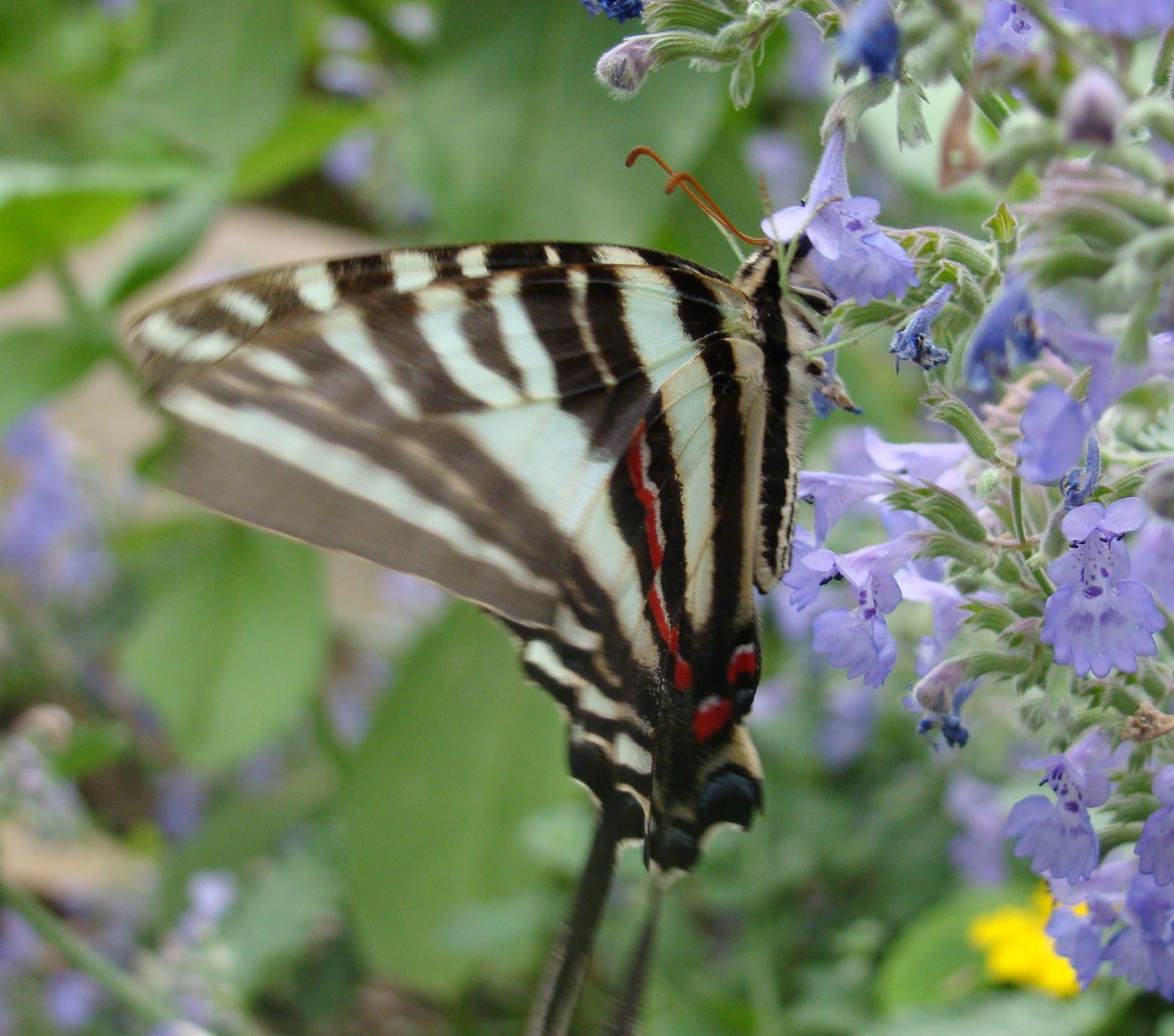
Zebra Swallowtail
Woodlands, floodplains, forest edges near pawpaw
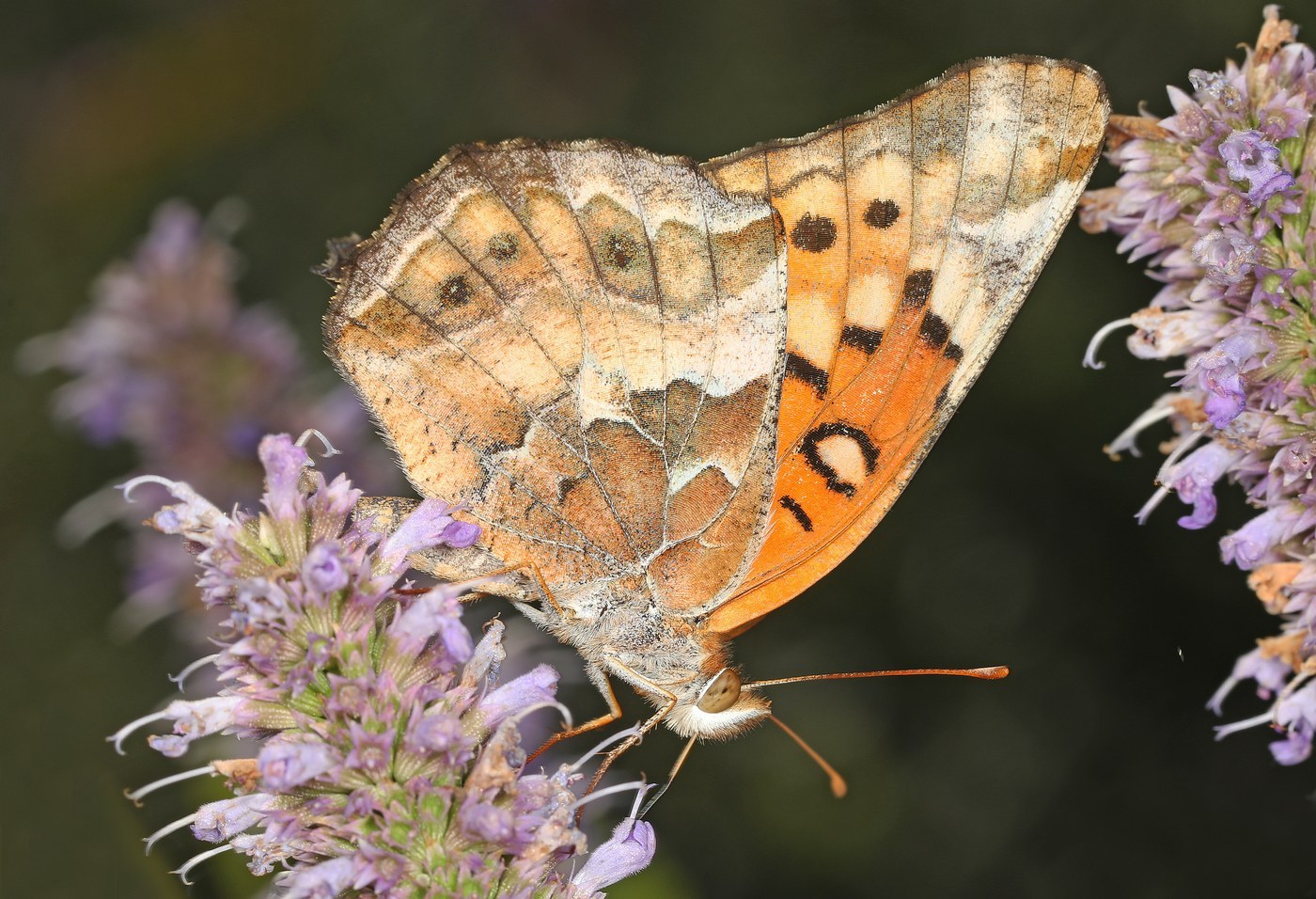
Variegated Fritillary
Open fields, prairies, roadsides, and disturbed ground across most of the United States
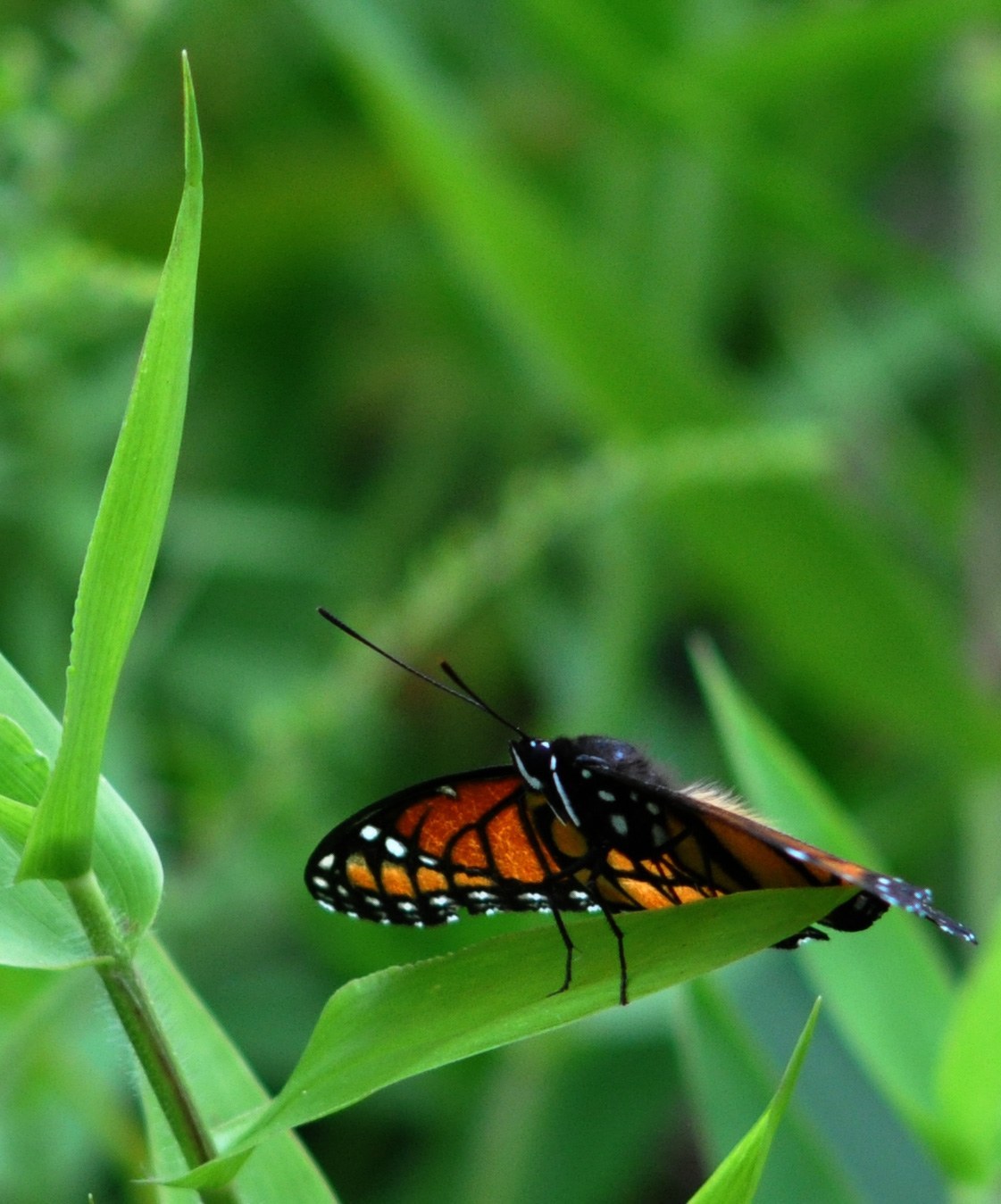
Viceroy Butterfly
Wetlands, meadows, riverbanks, willow thickets (North America)
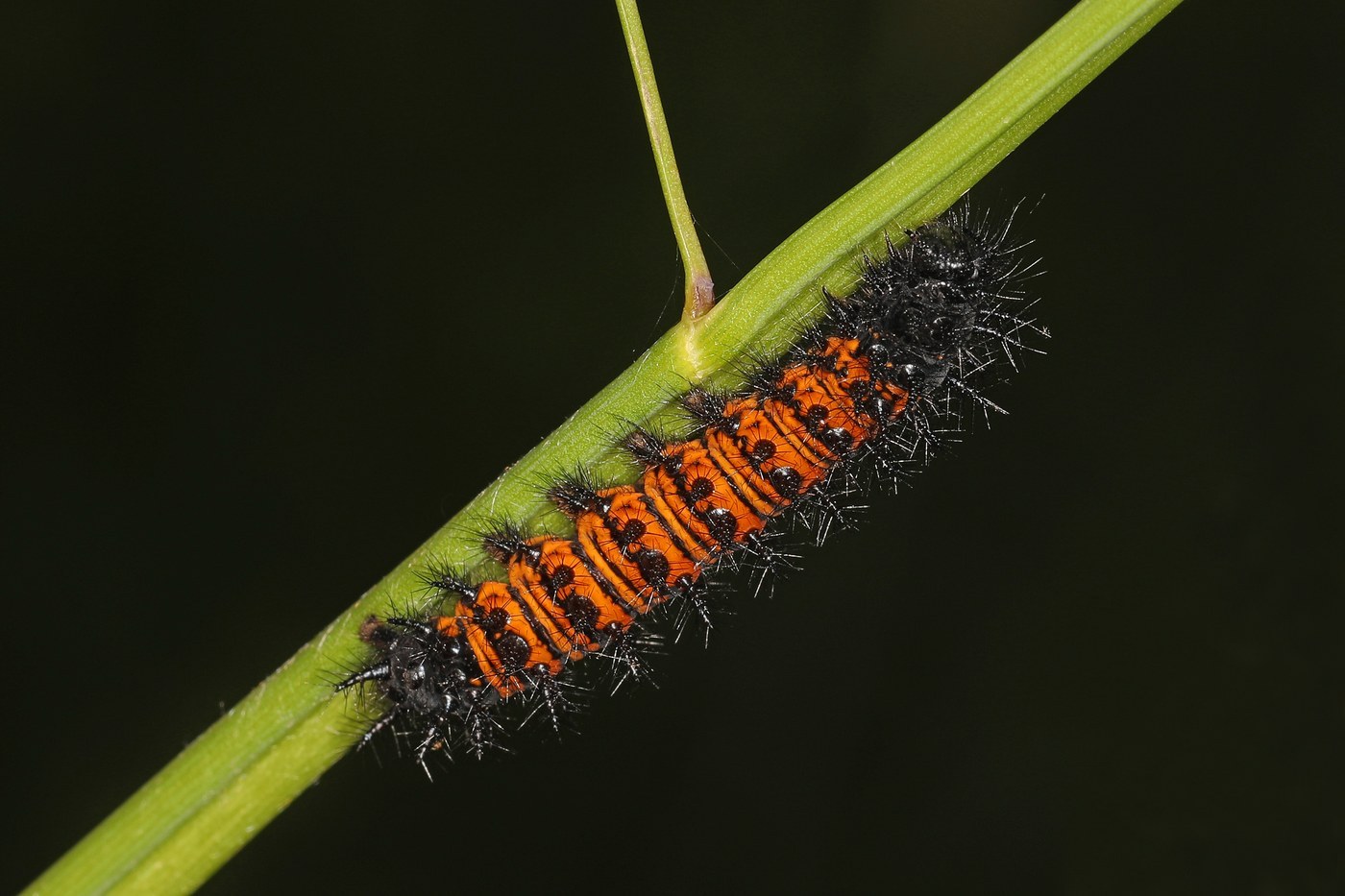
Baltimore Checkerspot
Wet meadows, bogs, and marshy fields in the northeastern and Appalachian US
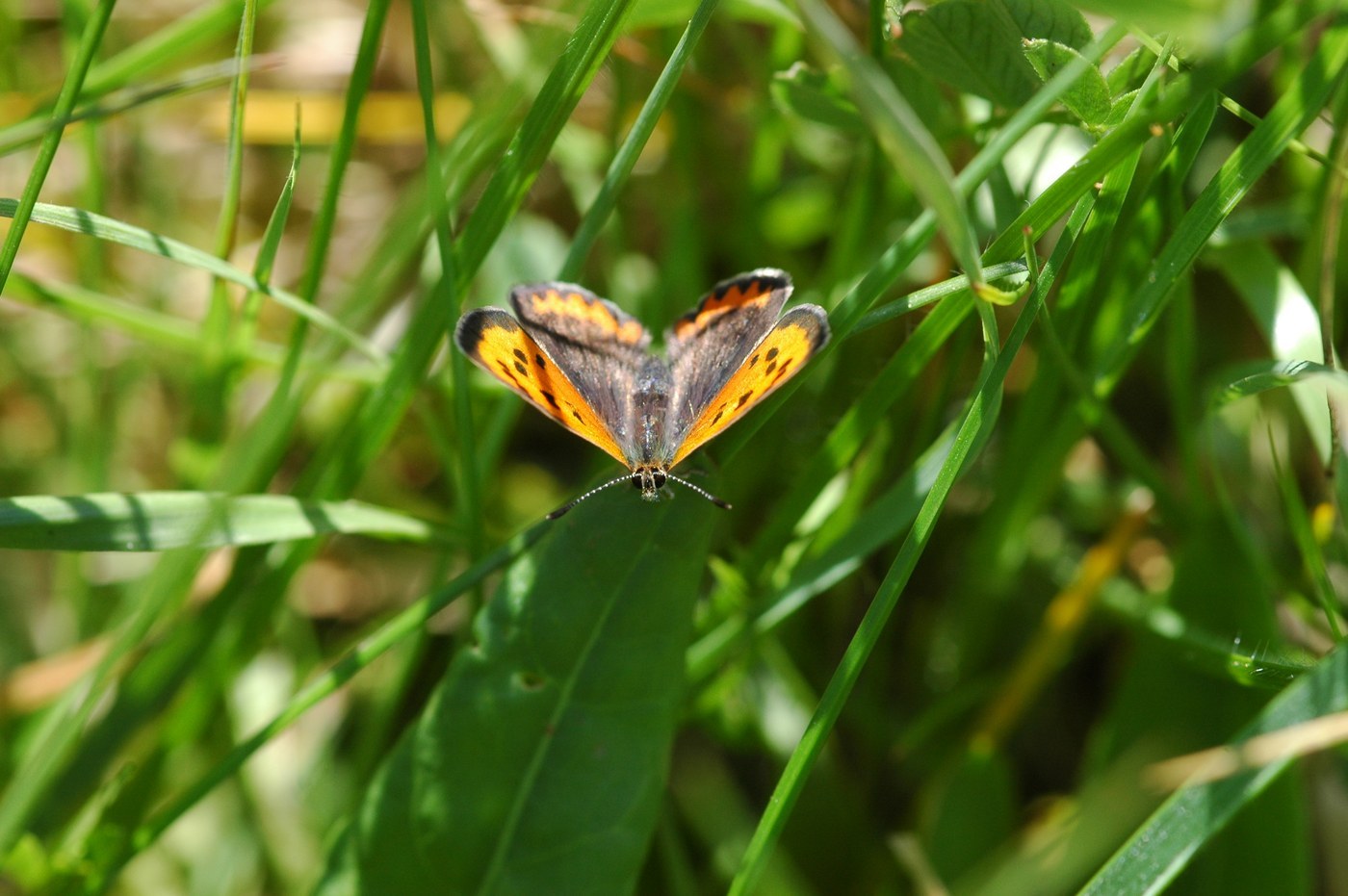
American Copper
Old fields, roadsides, and disturbed open ground with sorrel or dock
West Virginia White
Rich deciduous forest floors, especially near seeps and streams
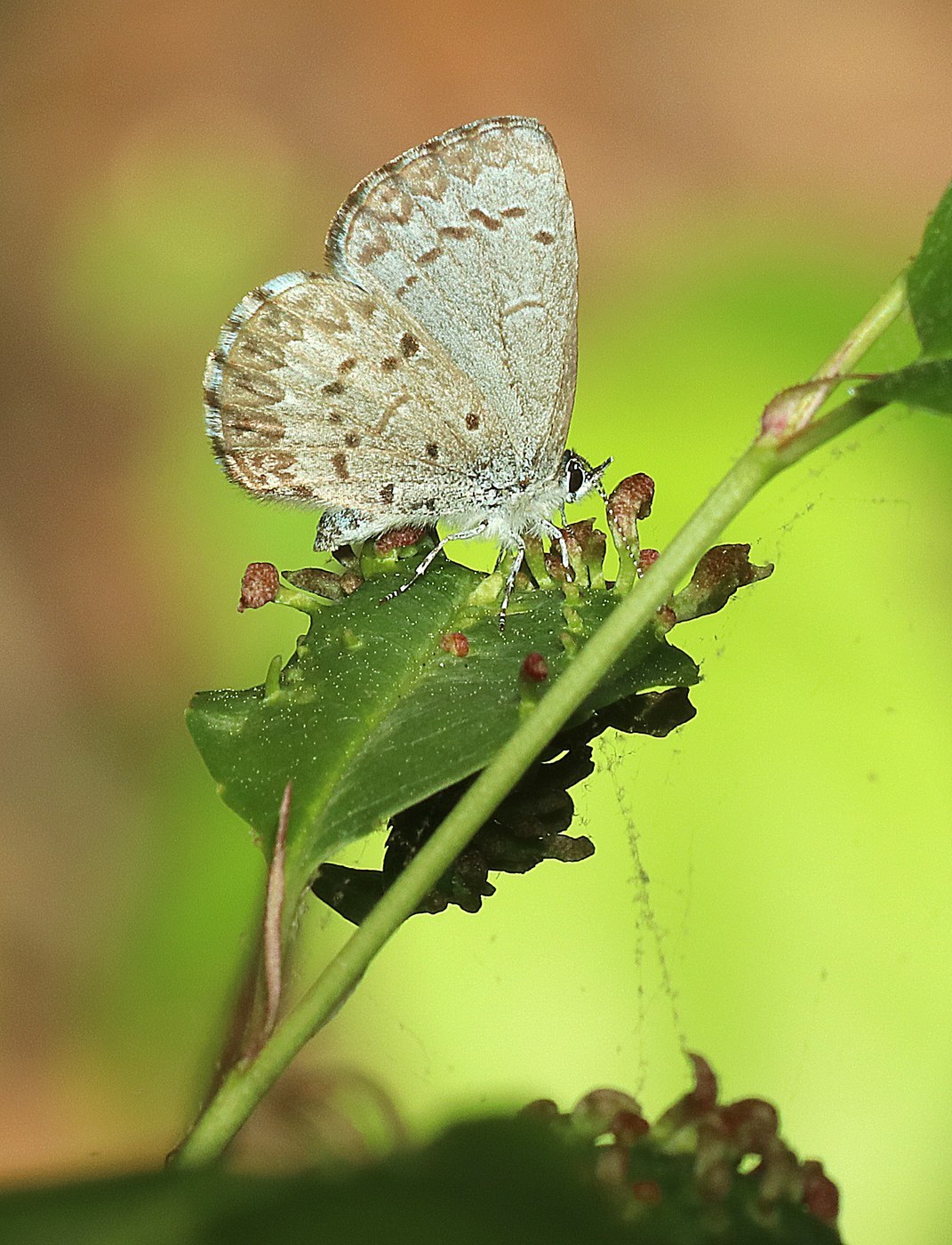
Spring Azure
Woodland edges, gardens, shrubby clearings
Red Admiral
Gardens, woodland edges, parks, meadows
Sleepy Orange
Open woodland, fields, roadsides, and disturbed ground