
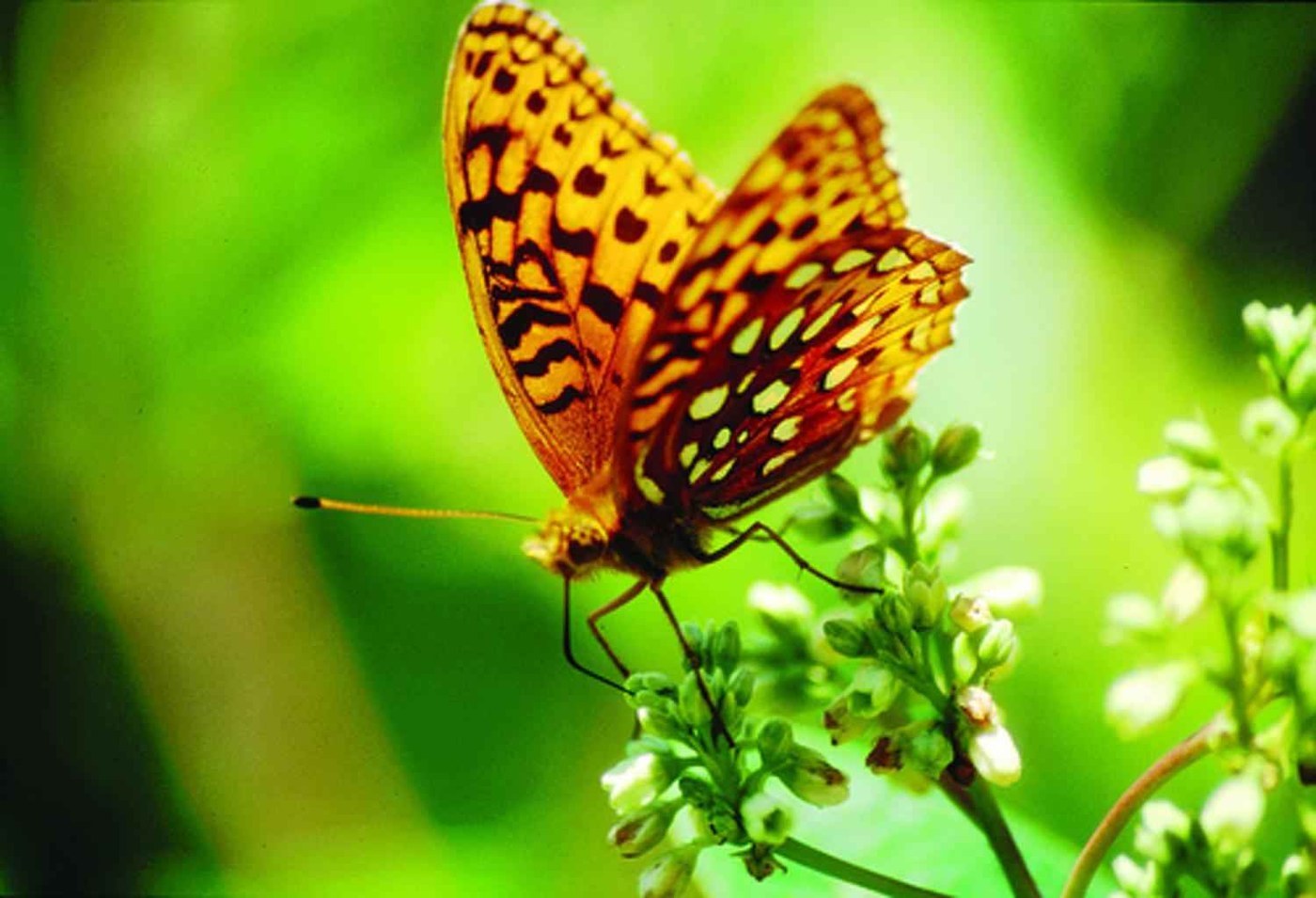
Great Spangled Fritillary
Speyeria cybele
A large, robust orange butterfly with bold black markings above and a striking array of large silvery spangles on a tawny-brown underside, closely tied to woodland violets.
- Size
- 2.5–3.9 in wingspan
- Habitat
- Meadows, woodland edges, prairies, damp fields
- Danger
- Harmless
Spotted a bug like this?
Identify any bug or insect from a photo, free.
Overview
The Great Spangled Fritillary is one of the largest and most widespread of the true fritillaries in genus Speyeria, a group within the brushfoot family Nymphalidae known for their tawny-orange coloring and metallic-spotted undersides. It ranges across much of the northern and eastern United States and southern Canada, favoring open meadows and woodland margins.
As a "greater fritillary," it is notable for its large size relative to the smaller "lesser fritillaries" of genus Boloria, and for an intriguing life-history quirk: females lay eggs in late summer near (but not on) violet plants, and the newly hatched caterpillars overwinter without feeding, resuming development only when fresh violet leaves emerge the following spring.
The species is an important nectar visitor for late-summer wildflowers such as milkweed, thistle, and coneflower, making it a conspicuous and valued pollinator of prairie and meadow plant communities.
How to Identify
- Upperside is bright fulvous orange with heavy black spotting, streaking, and a dark-bordered thorax and wing base.
- Underside forewing is orange-brown while the hindwing is rich brown to olive with numerous large, bright silvery-white spangles arranged in rows.
- A broad, pale buff-yellow band typically runs along the outer edge of the underside hindwing, useful for separating it from similar Speyeria species.
- Large size and heavily marked upperside distinguish it from lesser fritillaries; close relatives such as the Aphrodite Fritillary are best separated by subtle differences in the underside band width and spangle arrangement.
Habitat & Range
Widespread across the northeastern, midwestern, and parts of the western United States and southern Canada, generally avoiding the deep South and arid Southwest. It favors open meadows, prairies, pastures, woodland clearings, and roadside edges near patches of native violets.
Adults fly in a single generation from early summer through early fall, with peak activity in mid- to late summer when nectar plants like milkweeds and thistles are in bloom.
Behavior & Diet
Adults are strong, fast fliers that nectar extensively on a range of wildflowers, particularly composites and milkweeds, and males patrol open areas searching for newly emerged females. The species is univoltine, meaning only one generation is produced per year, with a long adult flight period extending across summer.
Caterpillars feed exclusively on native violet species at night, hiding in leaf litter by day, and play a role as specialist herbivores tightly linked to violet population health, while adults serve as significant pollinators of late-season prairie and meadow flora.
Life Cycle
Females lay eggs singly in late summer on leaf litter or plant stems near violets rather than directly on the host leaves. Eggs hatch within a few weeks, but the tiny first-instar caterpillars do not feed; instead they overwinter dormant in the leaf litter.
In spring, caterpillars emerge and begin feeding on fresh violet foliage at night, passing through several instars before pupating in a simple suspended chrysalis. The species completes one generation per year (univoltine) via complete metamorphosis, with the unfed first instar caterpillar serving as the overwintering stage.
Frequently asked questions
Why do females lay eggs away from the host plant?
Violets die back in winter, so females lay eggs on nearby leaf litter or stems in late summer; the hatchling caterpillars then overwinter dormant and locate fresh violet growth the following spring.
How many generations does it produce per year?
Just one — it is univoltine, with a single extended adult flight period in summer.
How is it told apart from similar fritillaries?
Its large size, heavy black upperside markings, and the width and placement of the pale band on the underside hindwing help separate it from closely related Speyeria species like the Aphrodite Fritillary.
What do the caterpillars eat?
Exclusively native violet (Viola) species, feeding at night and hiding by day.
Great Spangled Fritillary guides
In-depth guides for identifying, understanding, and living alongside Great Spangled Fritillary.
Other bugs you may enjoy
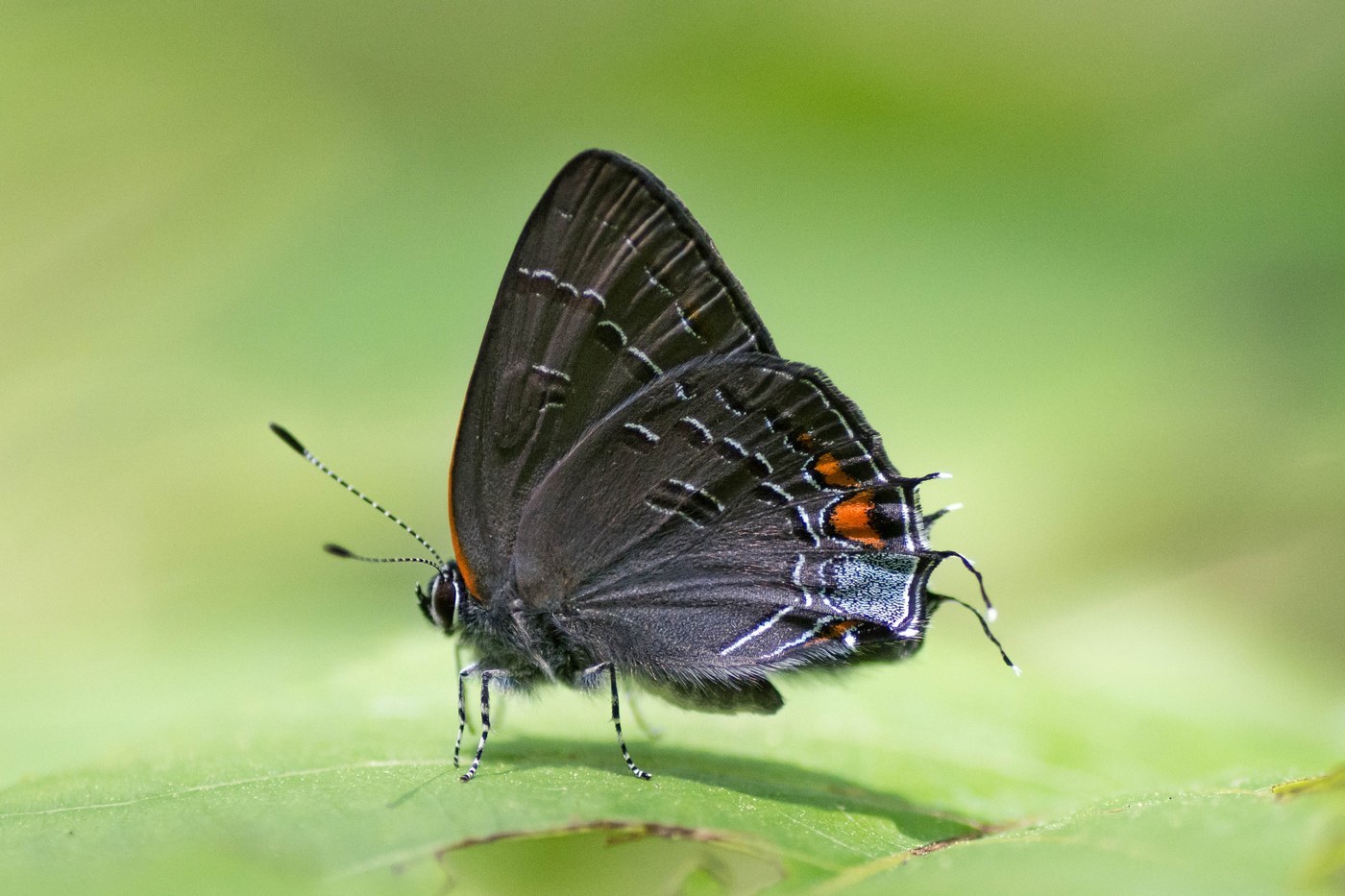
Banded Hairstreak
Deciduous woodlands and edges with oaks and hickories
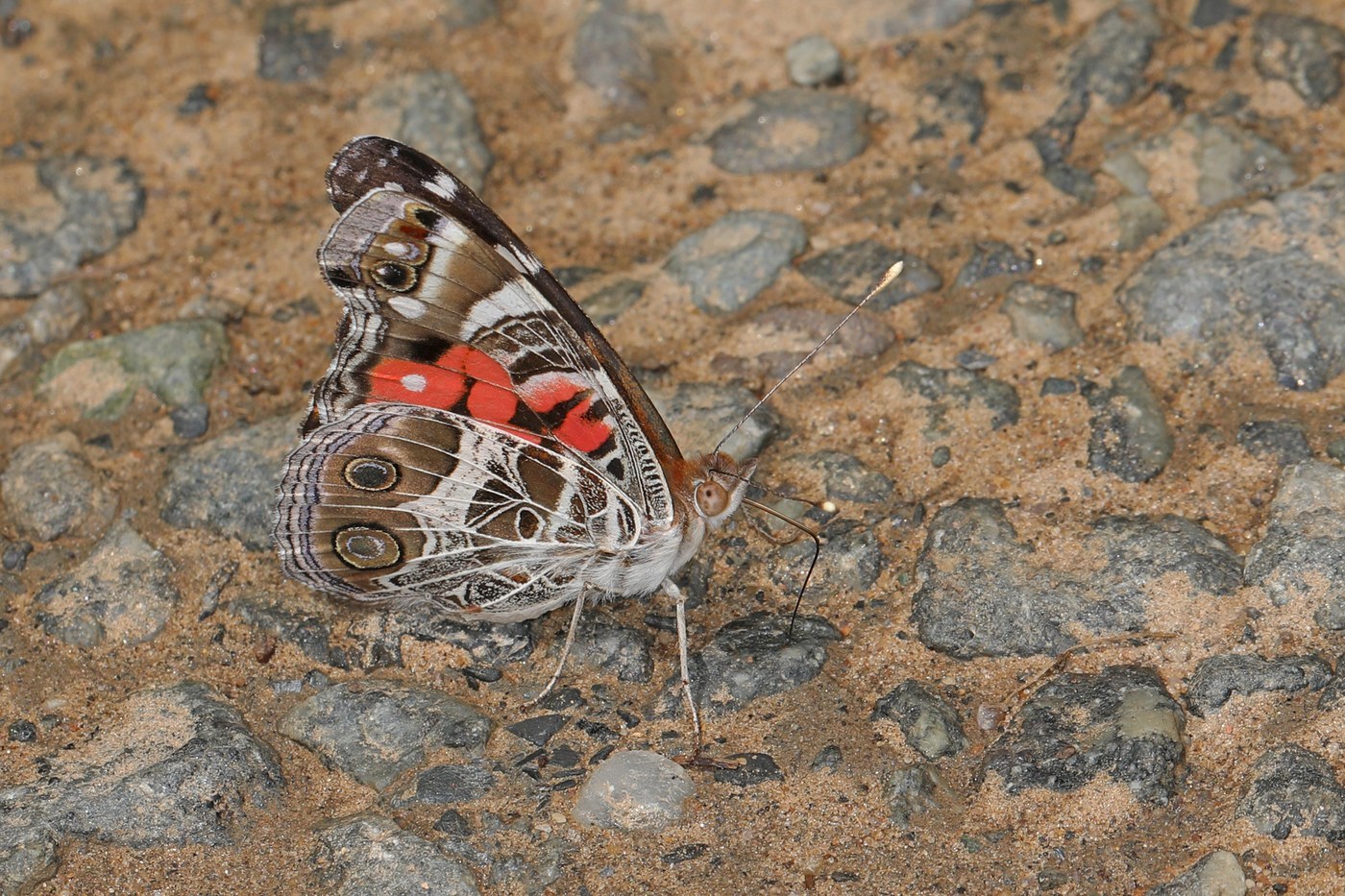
American Lady
Open fields, meadows, gardens, roadsides
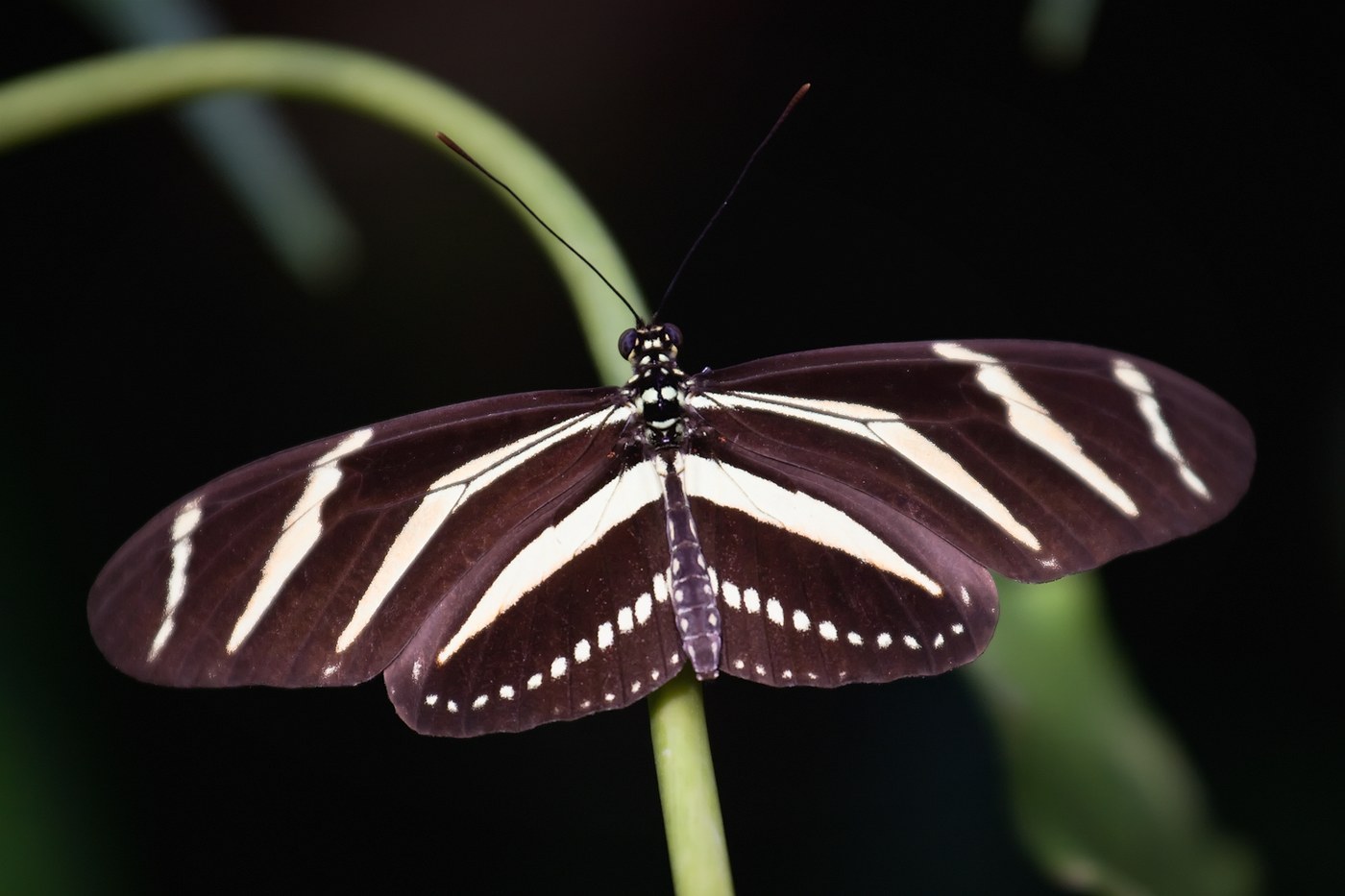
Zebra Longwing
Tropical hammocks, gardens, forest edges
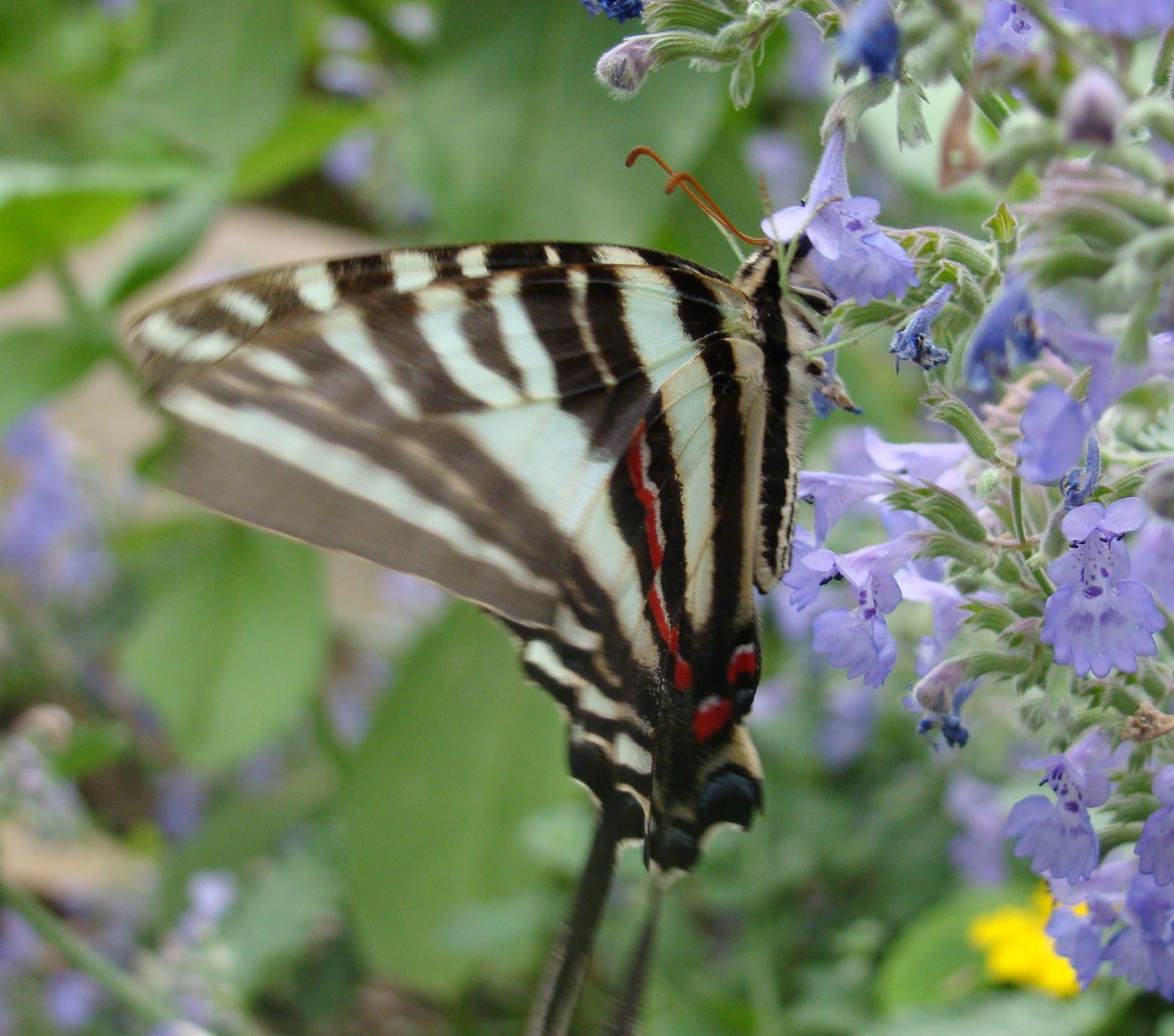
Zebra Swallowtail
Woodlands, floodplains, forest edges near pawpaw
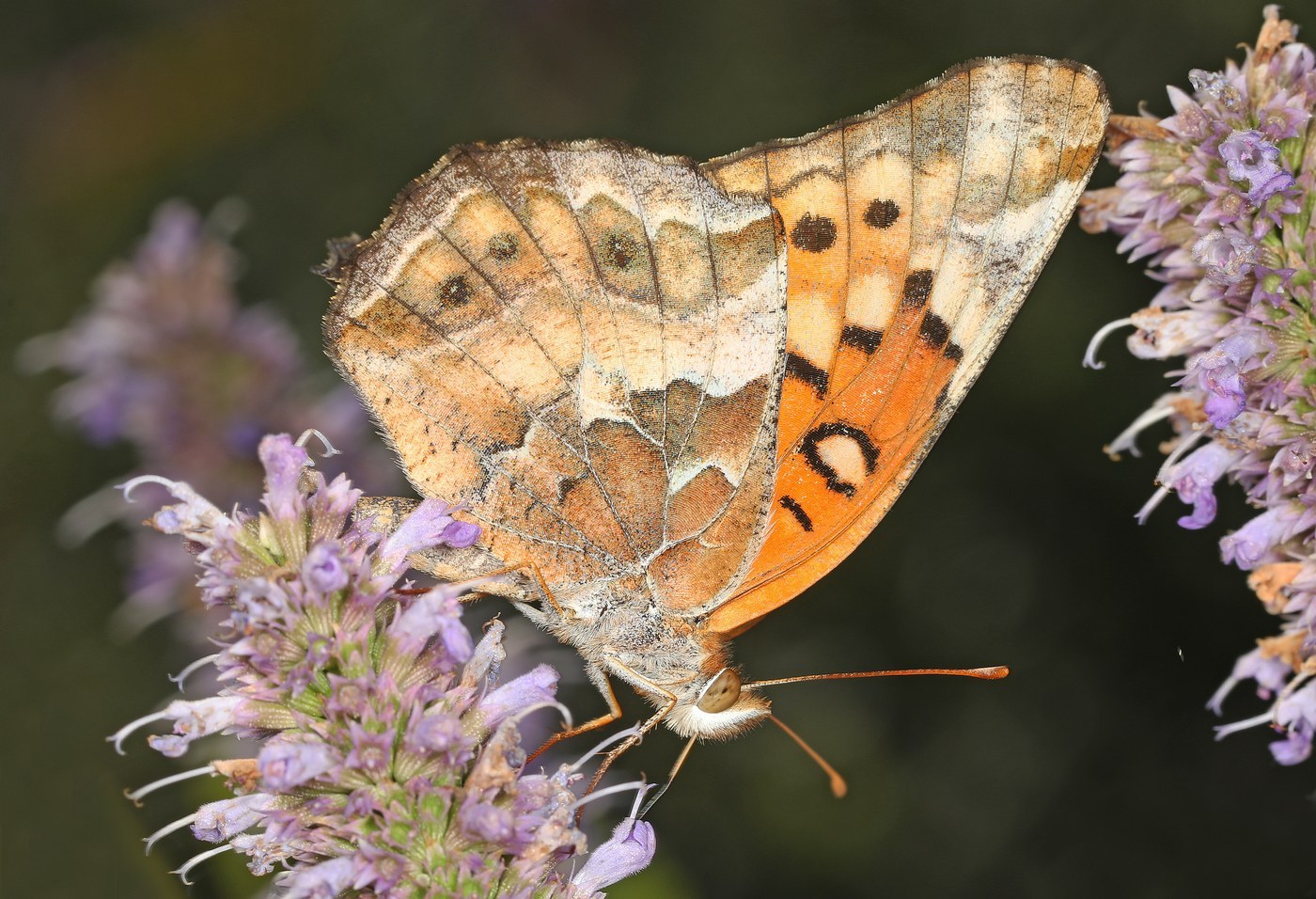
Variegated Fritillary
Open fields, prairies, roadsides, and disturbed ground across most of the United States
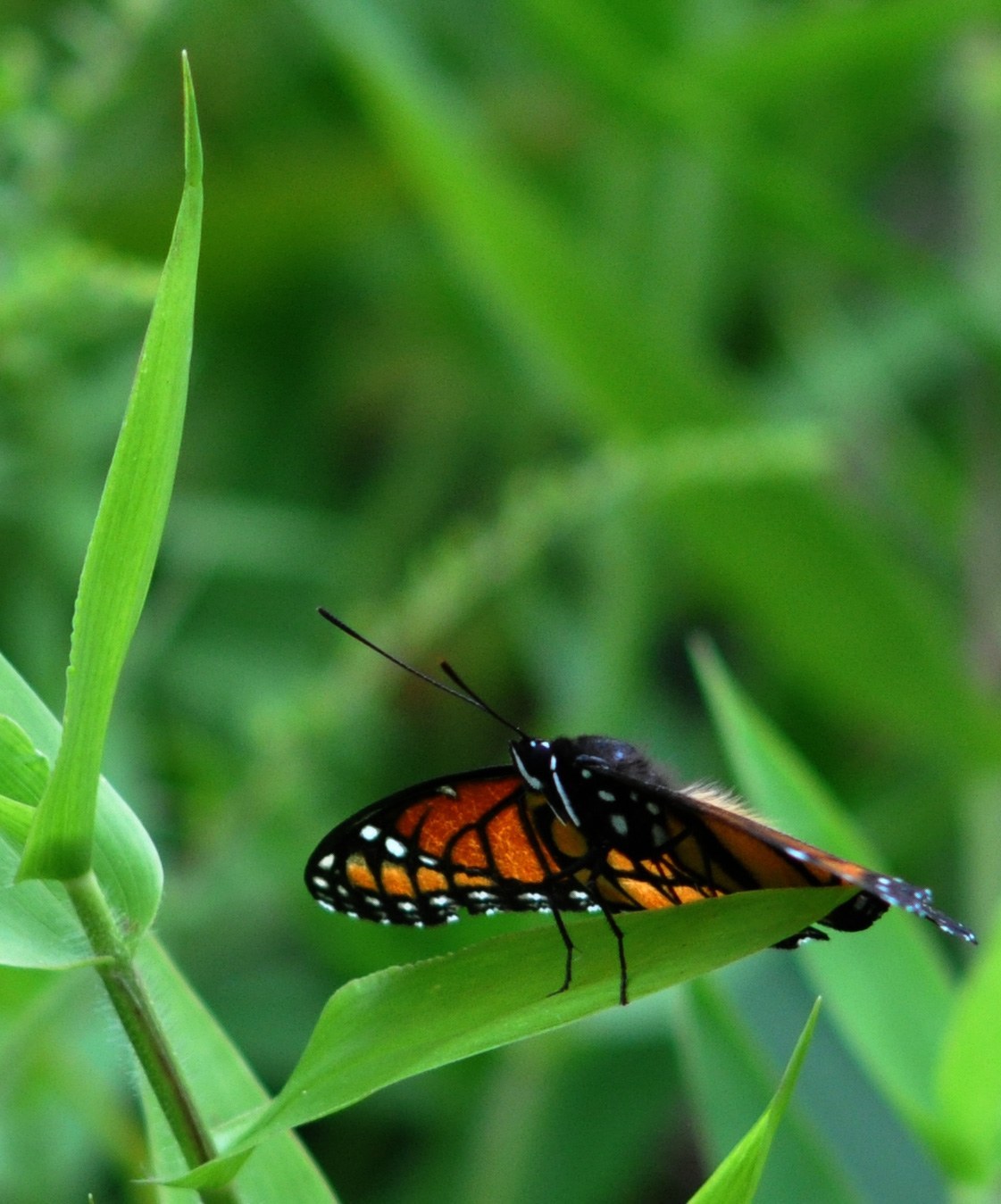
Viceroy Butterfly
Wetlands, meadows, riverbanks, willow thickets (North America)
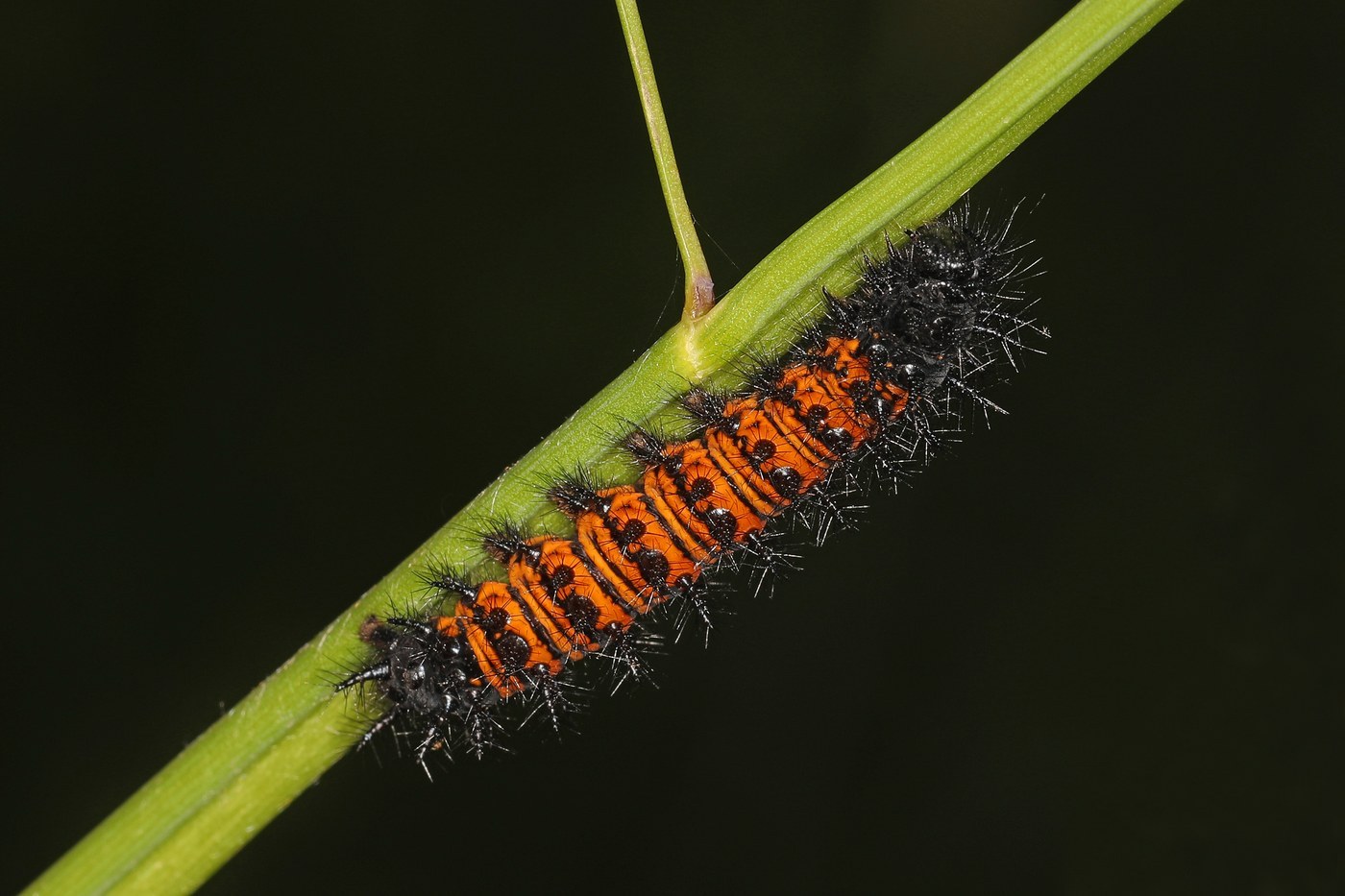
Baltimore Checkerspot
Wet meadows, bogs, and marshy fields in the northeastern and Appalachian US
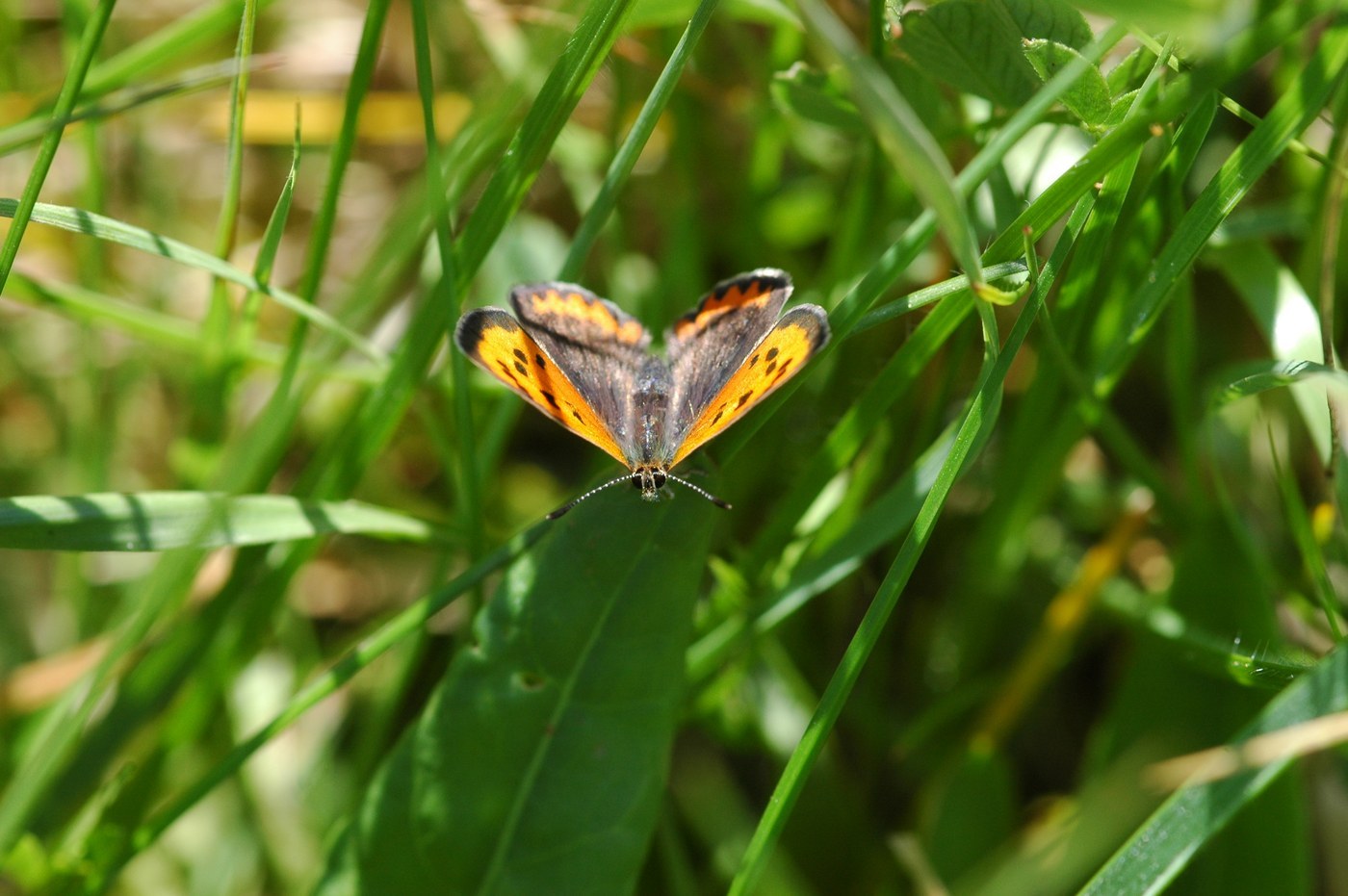
American Copper
Old fields, roadsides, and disturbed open ground with sorrel or dock
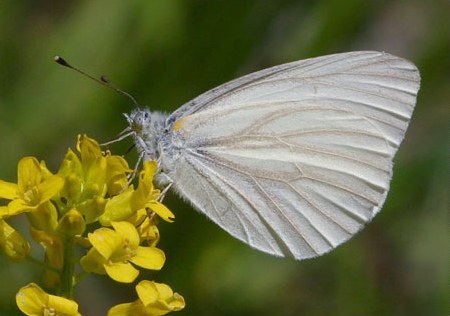
West Virginia White
Rich deciduous forest floors, especially near seeps and streams
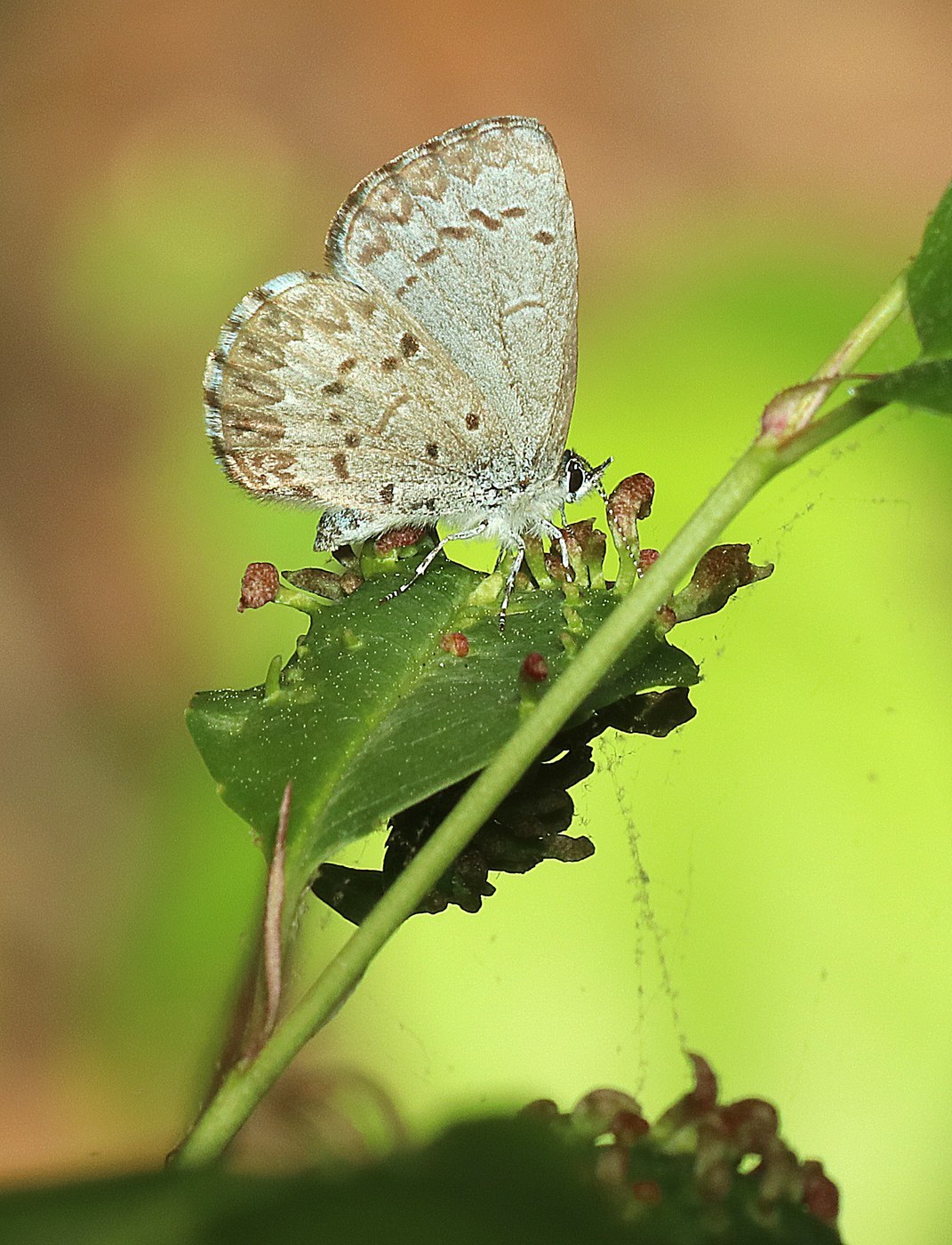
Spring Azure
Woodland edges, gardens, shrubby clearings
Red Admiral
Gardens, woodland edges, parks, meadows
Sleepy Orange
Open woodland, fields, roadsides, and disturbed ground