
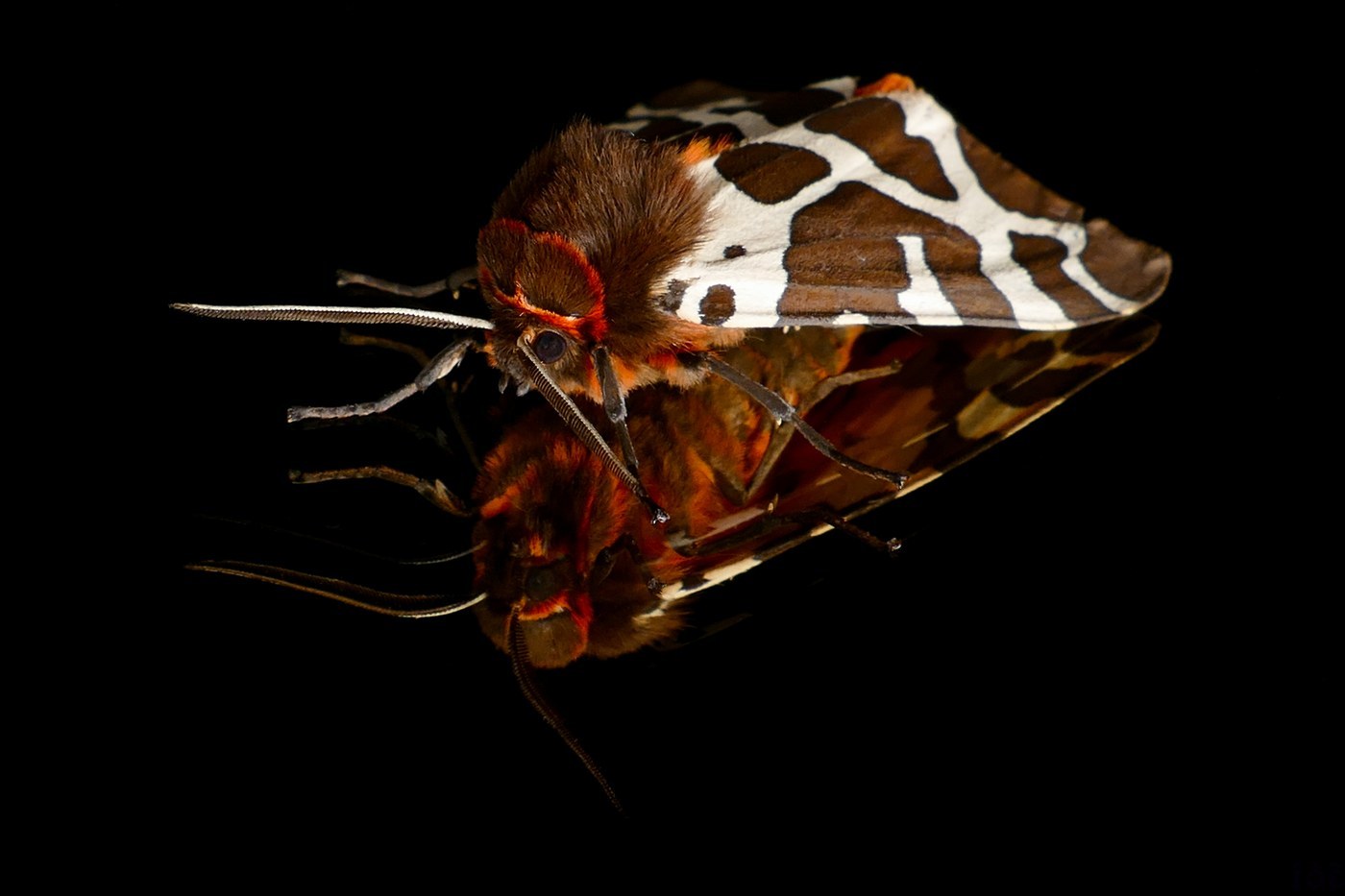
Great Tiger Moth
Arctia caja
A boldly patterned tiger moth with chocolate-brown and cream lace-like markings on the forewings and vivid orange hindwings spotted with blue-black, one of the most visually striking moths in temperate gardens.
- Size
- 45–65 mm wingspan
- Habitat
- Gardens, meadows, hedgerows, waste ground
- Danger
- Harmless
Spotted a bug like this?
Identify any bug or insect from a photo, free.
Overview
The Great Tiger Moth, more widely known as the Garden Tiger Moth, is a member of the tiger moth subfamily Arctiinae within the broader family Erebidae. It is renowned for its dramatic two-tone wing pattern, combining an intricate cream-and-brown maze-like forewing with brilliant orange-red hindwings dotted with dark blue-black spots.
The species is notable as one of the most recognizable and photographed moths in its range, both for its striking coloration and for its equally distinctive, densely hairy caterpillar known colloquially as the "woolly bear." It has long served as an introductory species for people learning about moths due to its size and unmistakable pattern.
Ecologically it is a generalist feeder found across a wide range of open and semi-open habitats, and it has been the subject of long-term population monitoring in parts of its range due to noted regional declines, making it of interest in discussions of moth conservation and biodiversity trends.
How to Identify
- Forewings display an intricate cream and dark chocolate-brown pattern resembling a maze or lace design, no two individuals identical.
- Hindwings are bright orange to red-orange with bold blue-black spots and blotches, normally hidden beneath the forewings at rest.
- Body is stout and covered in dense hair-like scales, colored to match the forewing pattern.
- Antennae are feathery (bipectinate) in males, more thread-like in females.
- The caterpillar is very hairy, covered in long ginger-brown and black bristles, giving it the "woolly bear" nickname.
- Lookalikes include other tiger moths, but the specific maze-like forewing pattern combined with spotted orange hindwings is distinctive to this species.
Habitat & Range
Found across much of Europe, temperate Asia, and North America, inhabiting gardens, meadows, hedgerows, moorland edges, and waste ground with abundant low vegetation. Adults fly mainly at night during summer, typically from June to August, and are occasionally seen at rest in daylight on foliage or fences, while caterpillars are conspicuous crossing open ground, particularly paths and lawns, in spring.
Behavior & Diet
Adults are primarily nocturnal, flying at night and coming readily to lights, while by day they may be found resting on vegetation, occasionally flashing the bright hindwings if disturbed as a startle display to deter predators. The caterpillars are active by day as well as night, often seen wandering in the open, and feed on a very wide range of low-growing herbaceous plants and shrubs, making them highly generalist feeders. Both the vivid adult coloration and the bristly larval covering are thought to function as warning signals to potential predators, a common strategy among tiger moths.
Life Cycle
Females lay clusters of eggs on host-plant foliage in summer. The hairy caterpillars feed through late summer and often overwinter while still partially grown, resuming feeding and growth the following spring before pupating in a loose silken cocoon spun among leaf litter or low vegetation. There is typically a single generation per year, with adults emerging in early to midsummer after overwintering as a larva.
Frequently asked questions
Is the Great Tiger Moth the same as the Garden Tiger Moth?
Yes, "Great Tiger Moth" is a regional common name for the same species widely known as the Garden Tiger Moth, Arctia caja.
Why does it show orange wings when disturbed?
The bright orange hindwings are normally hidden beneath the patterned forewings and are flashed suddenly as a startle display when the moth is disturbed.
What does the caterpillar look like?
The caterpillar is densely covered in long ginger-brown and black hair-like bristles, earning it the nickname "woolly bear."
When would I see one?
Adults are most often seen in summer, from June to August, while the hairy caterpillars are commonly spotted crossing open ground in spring.
Great Tiger Moth guides
In-depth guides for identifying, understanding, and living alongside Great Tiger Moth.
Other bugs you may enjoy
Bagworm Moth
Coniferous and deciduous trees, shrubs, hedges
Antheraea Silkmoth
Deciduous forests, woodland edges, orchards
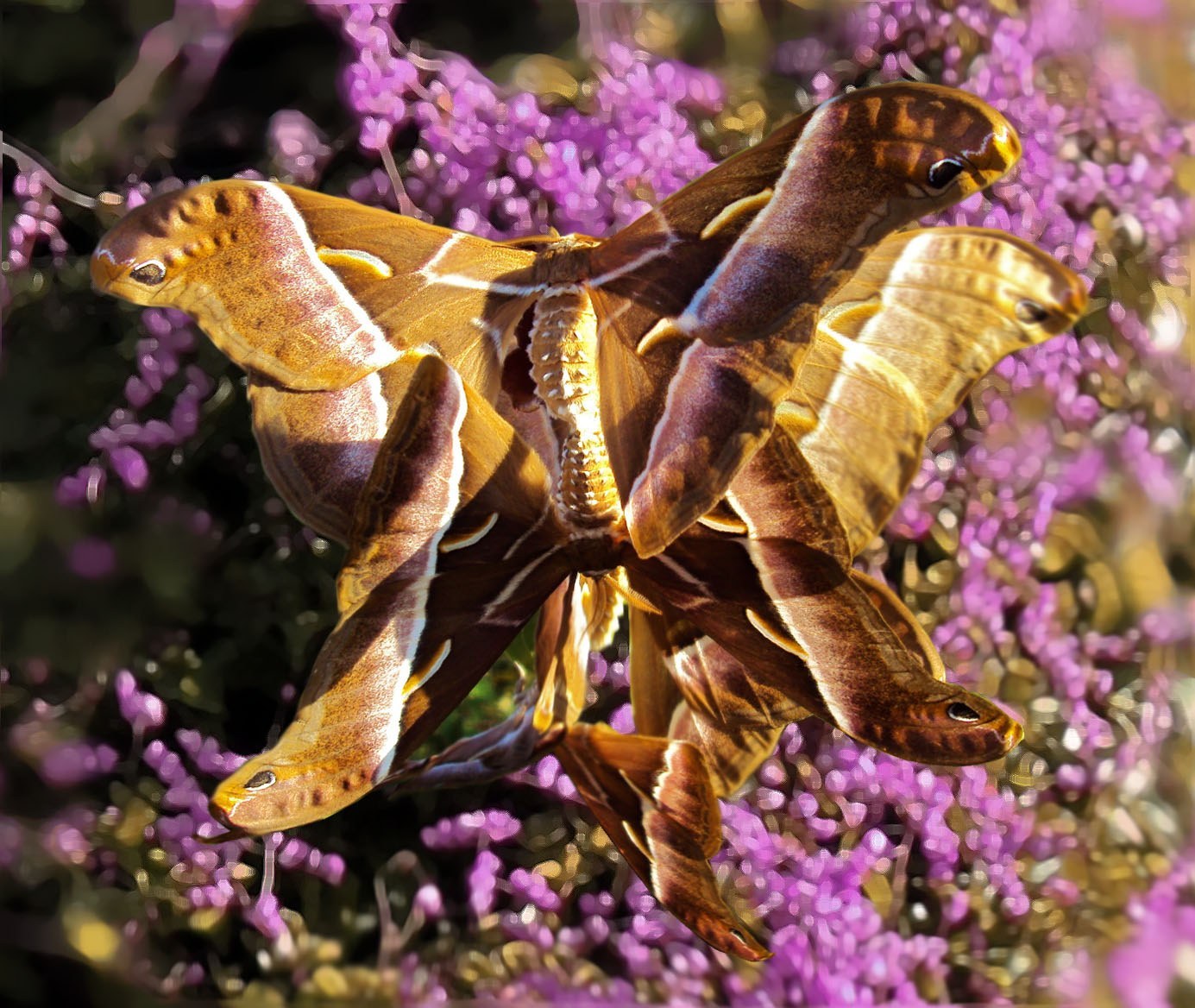
Ailanthus Silkmoth (Cynthia Moth)
Urban parks, wastelands, and woodland edges with tree-of-heaven; native to Asia, introduced in North America and Europe
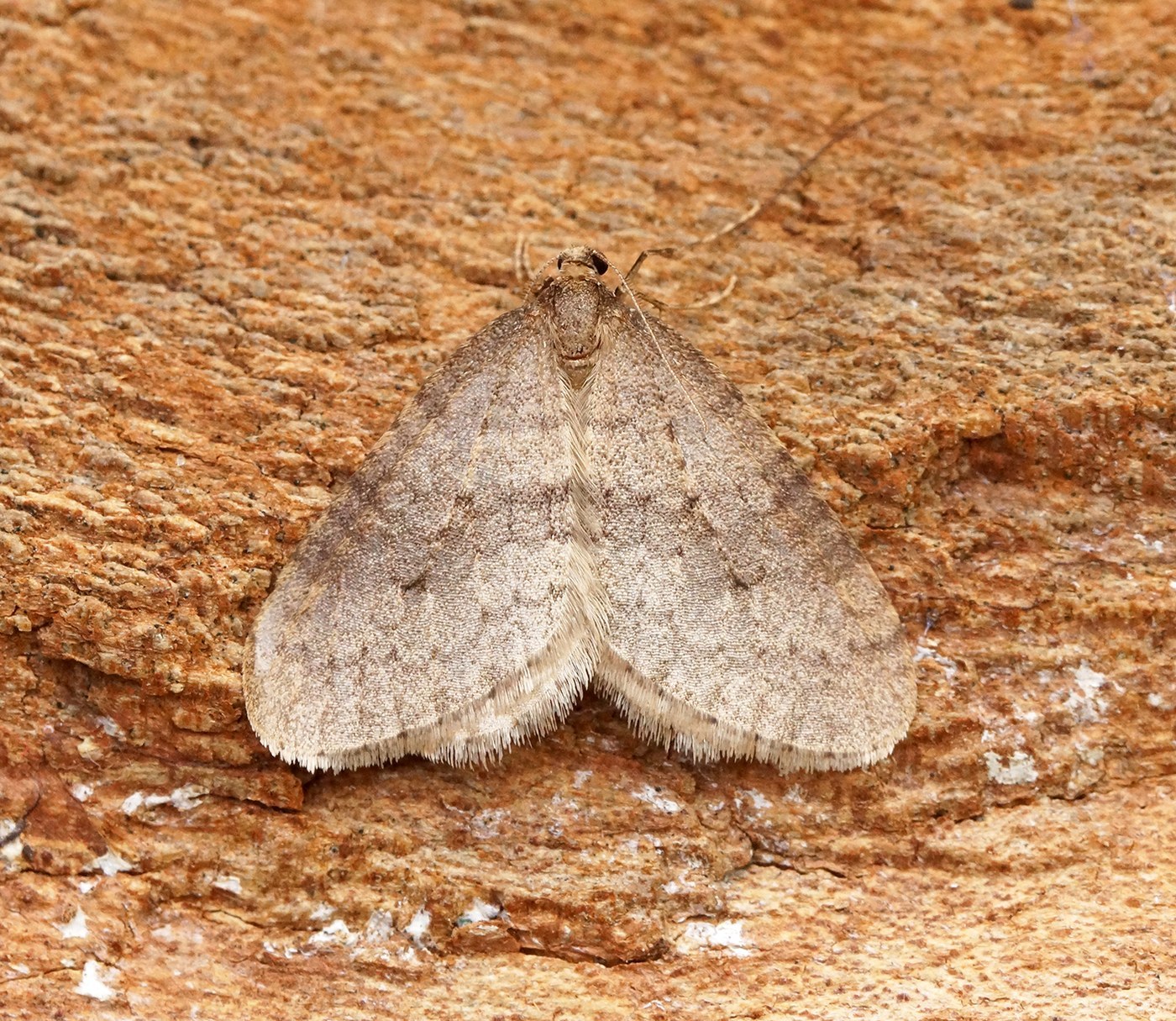
Winter Moth
Deciduous woodland, orchards, gardens, hedgerows
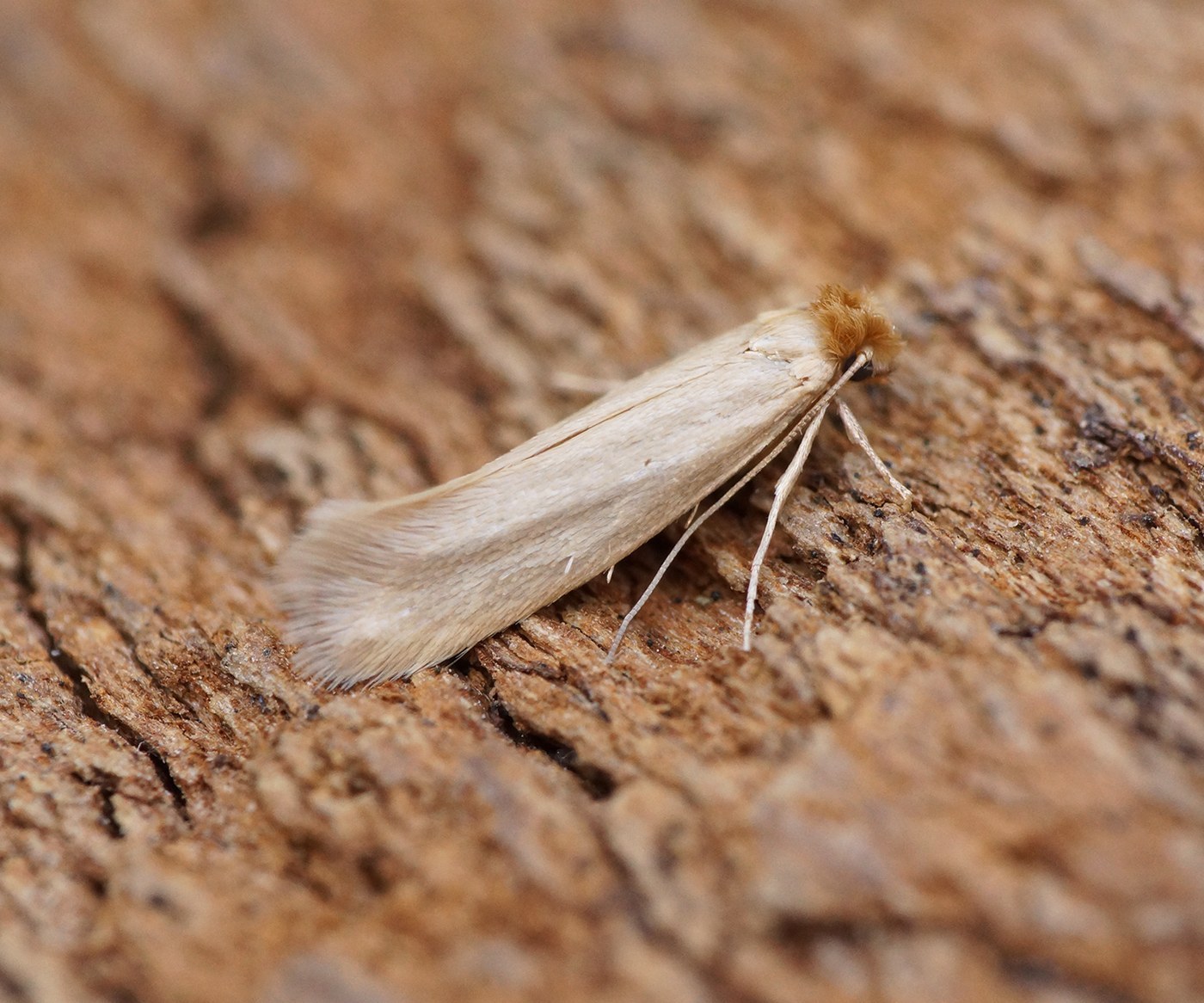
Webbing Clothes Moth
Dark closets, storage areas, and animal nests worldwide
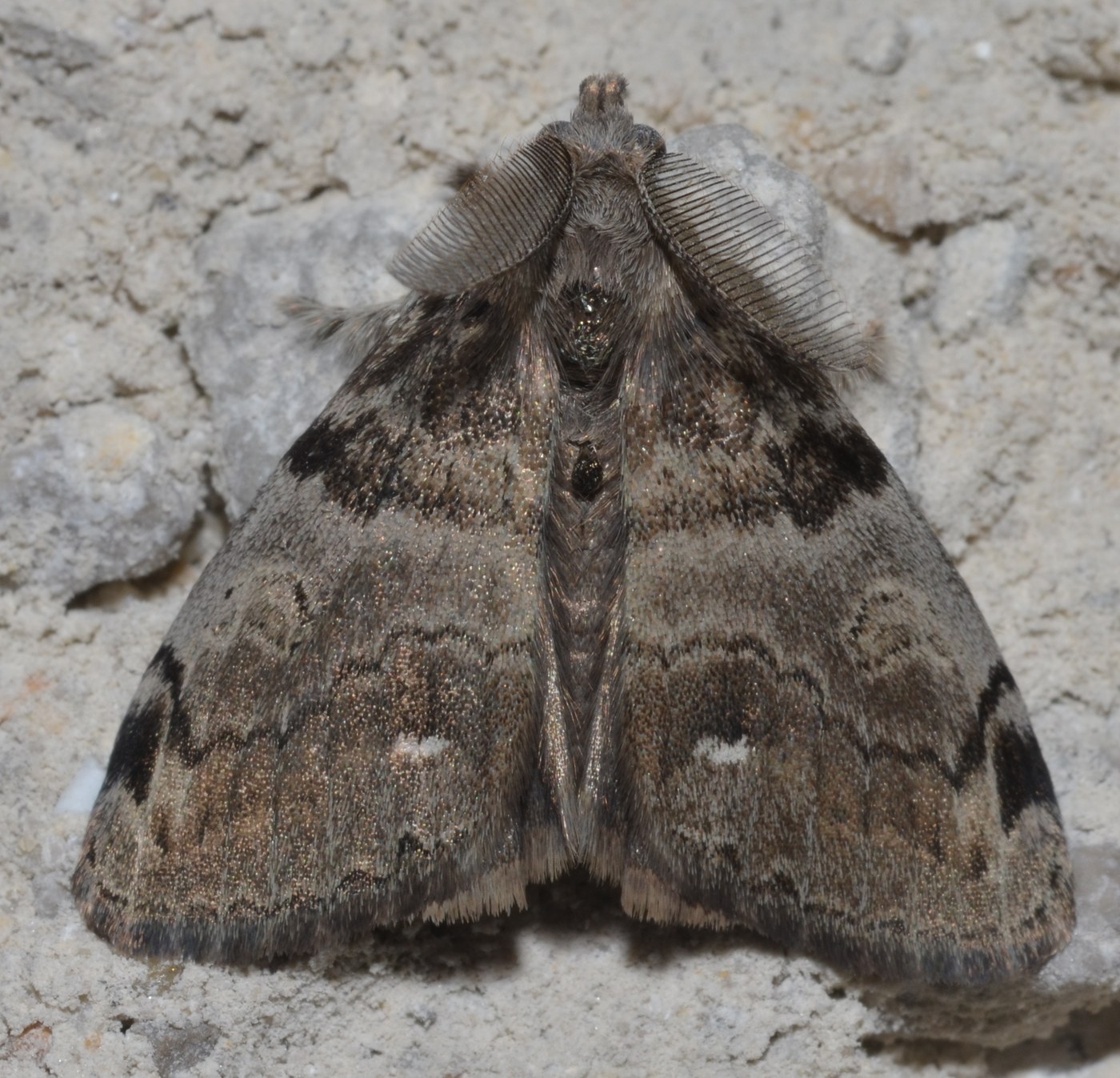
Tussock Moth
Deciduous forests, parks, gardens
Wax Moth
Beehives, apiaries, stored beeswax and comb
White Ermine Moth
Gardens, meadows, hedgerows
Twenty-plume Moth
Gardens, hedgerows, near honeysuckle
Achemon Sphinx Moth
Vineyards, woodland edges, gardens with wild grape
Angle Shades Moth
Gardens, hedgerows, woodland edges, urban parks
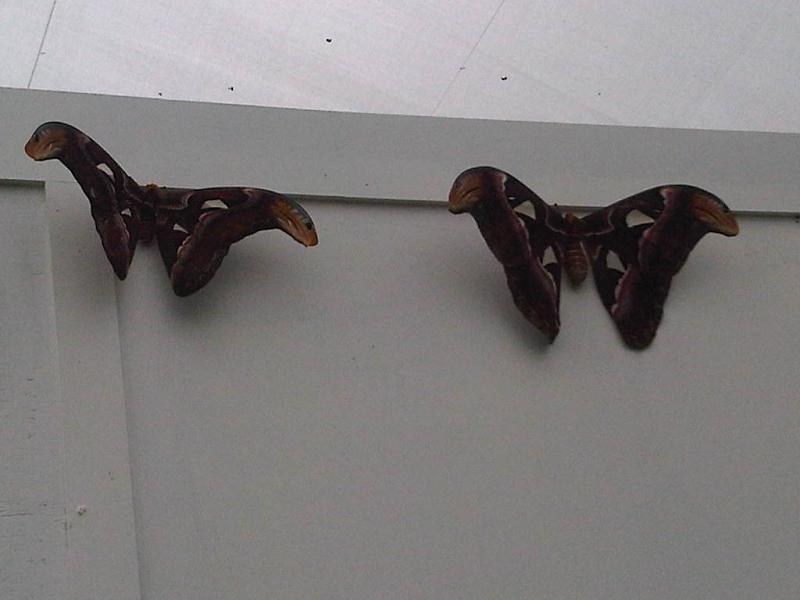
Atlas Moth
Tropical and subtropical lowland forests of Southeast Asia