
Green Darner Dragonfly
Anax junius
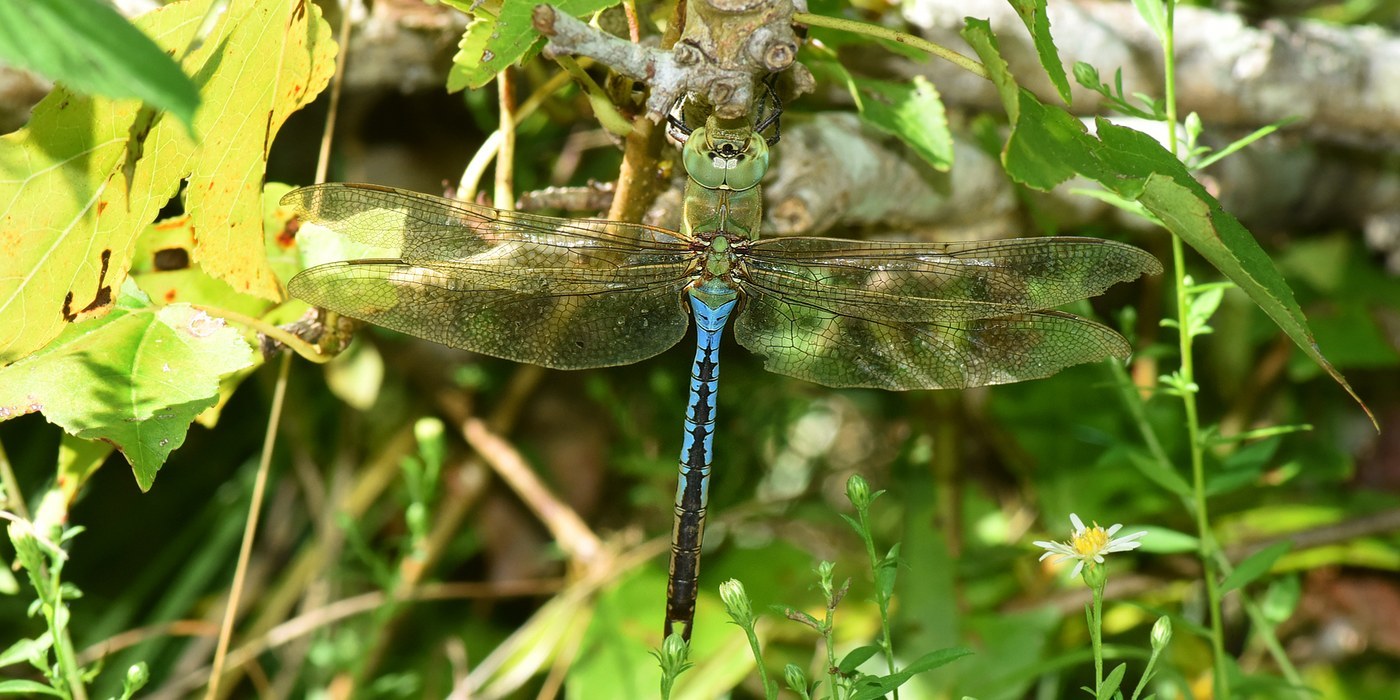
One of the largest and most widespread dragonflies in North America, its green thorax and target-marked face make it unmistakable as it patrols open water on powerful wings.
- Size
- 7–8 cm (2.8–3.1 in) long, wingspan up to 11 cm
- Habitat
- ponds, lakes, marshes, and slow streams across nearly all of North America
- Danger
- Harmless
Spotted a bug like this?
Identify any bug or insect from a photo, free.
Overview
The green darner is one of the largest and most familiar dragonflies in North America, easily recognized by its bright green thorax and long, strongly built abdomen. It is found across nearly the entire continent, from Canada south into Central America, and even reaches some Pacific islands.
The species is especially notable for undertaking a well-documented, multi-generational migration: northern populations fly south in the fall, and their offspring, developed from eggs laid along the way, migrate back north the following spring, a phenomenon studied extensively by dragonfly researchers.
How to Identify
- Large dragonfly, body length 7–8 cm with a wingspan up to about 11 cm
- Bright green thorax
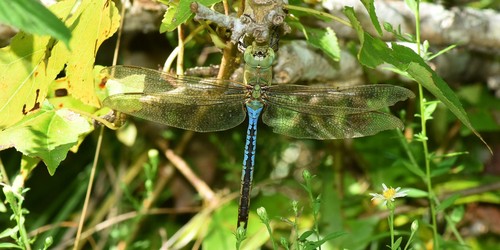
- Males show a blue abdomen with a dark dorsal stripe; females and immatures often have a brownish or reddish abdomen
- A distinctive circular or bullseye-shaped mark on top of the face (frons)
- Clear wings with fine venation; the green thorax combined with the bullseye facial mark separates it from other large darners
Habitat & Range
Found around ponds, lakes, marshes, and slow-moving streams across nearly all of North America, from southern Canada to Central America, with migratory individuals also turning up well offshore and on Pacific islands.
Behavior & Diet
A powerful, fast-flying aerial predator that hawks mosquitoes, midges, and other small flying insects on the wing. Males patrol and defend territories over open water while searching for mates. The species is one of the few dragonflies known to perform true multi-generational migrations, with distinct migratory and resident (overwintering as a nymph) life histories occurring in different populations.
Life Cycle
Eggs are laid directly into aquatic vegetation. The aquatic nymphs, called naiads, are voracious predators of other invertebrates and sometimes small fish or tadpoles, living underwater from several months to over a year depending on climate. After many molts, nymphs climb out of the water to emerge as winged adults; in migratory populations, southward-flying adults lay eggs whose offspring emerge and migrate north the following spring.
Frequently asked questions
Is the green darner the same as the common green darner?
Yes, both names refer to the same species, Anax junius.
Does it really migrate?
Yes, it is one of the few dragonfly species known to complete a long-distance, multi-generational migration each year.
What does it eat?
As an adult it hunts flying insects such as mosquitoes and midges; as an aquatic nymph it preys on other invertebrates and small aquatic animals.
How can I tell males from females?
Males typically show a blue abdomen with a dark stripe, while females and immature individuals are more often brown or reddish.
Green Darner Dragonfly guides
In-depth guides for identifying, understanding, and living alongside Green Darner Dragonfly.
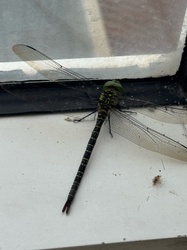
Green Darner Dragonfly identified by the community
Real finds identified with Bug Identifier.
Other bugs you may enjoy
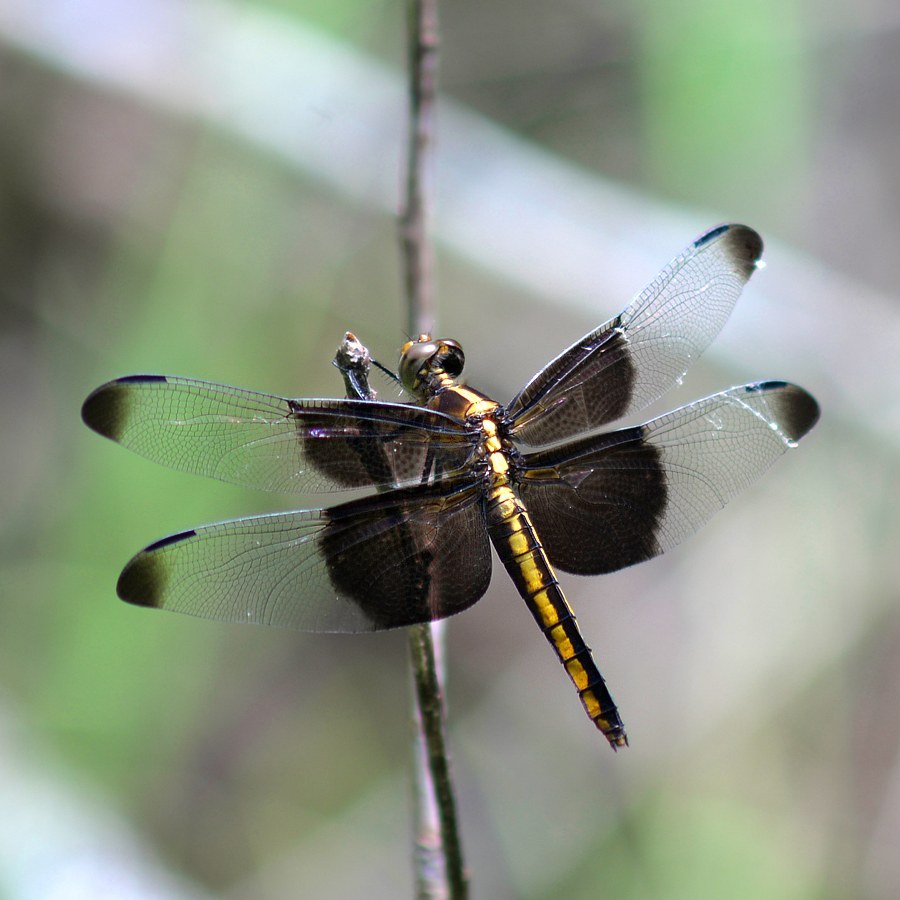
Widow Skimmer
ponds, lakes, and slow-moving streams with open shoreline vegetation across much of the United States
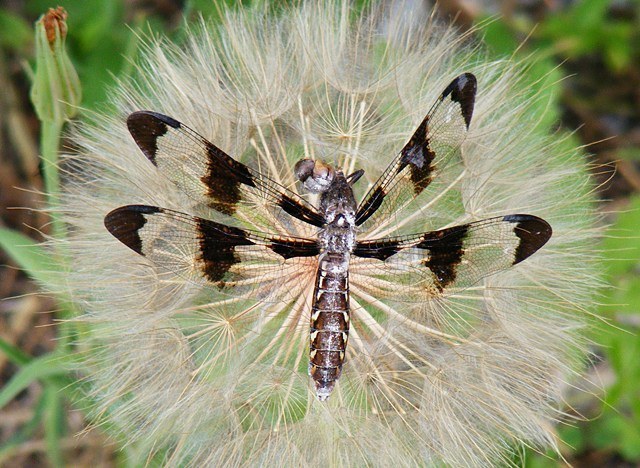
Twelve-spotted Skimmer
Ponds, lakes, and slow streams with open, sunny shorelines
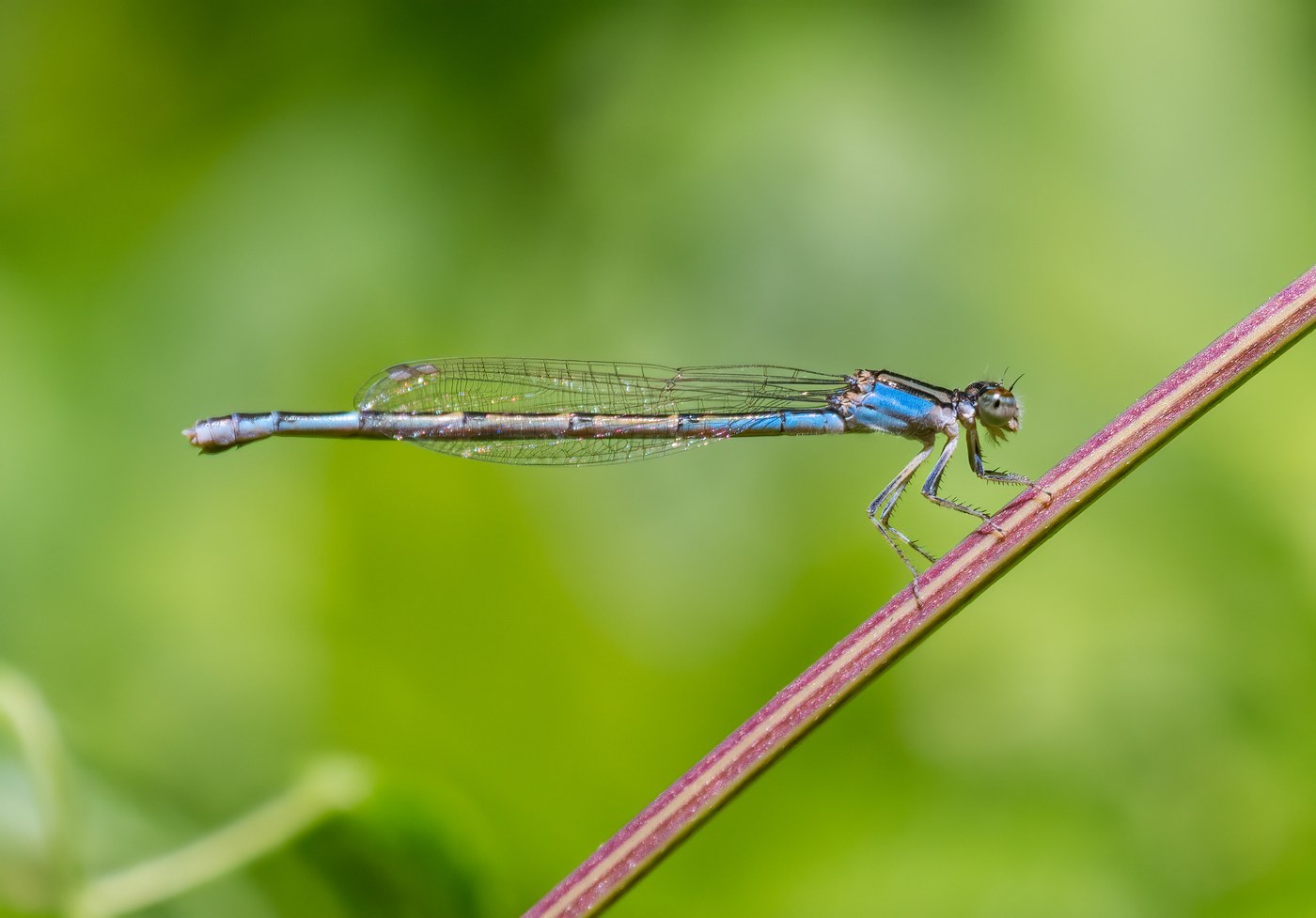
Azure Bluet
ponds, lakes, and slow streams with abundant aquatic vegetation
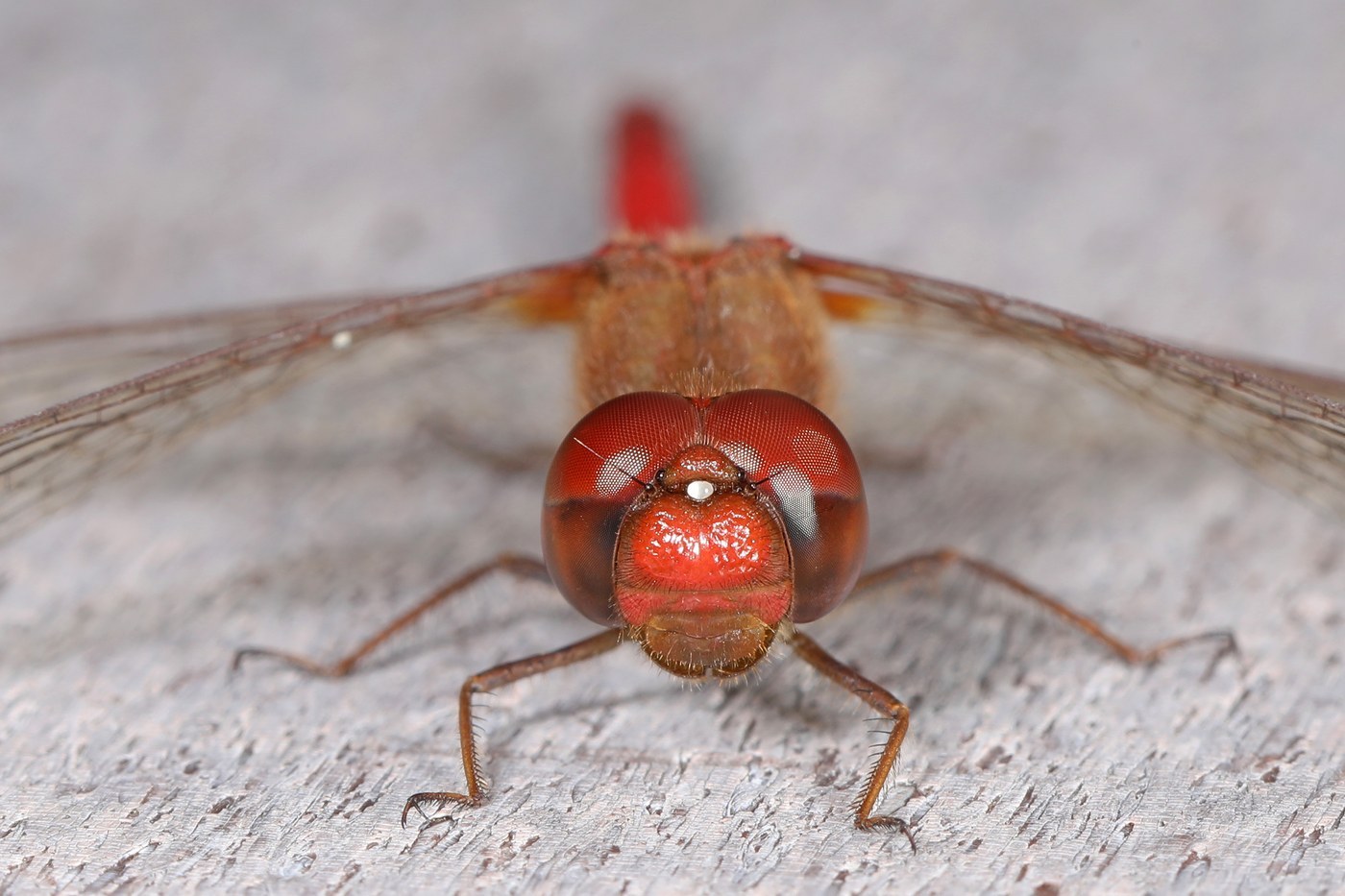
Autumn Meadowhawk
Ponds, marshes, and slow streams, often lingering into late fall
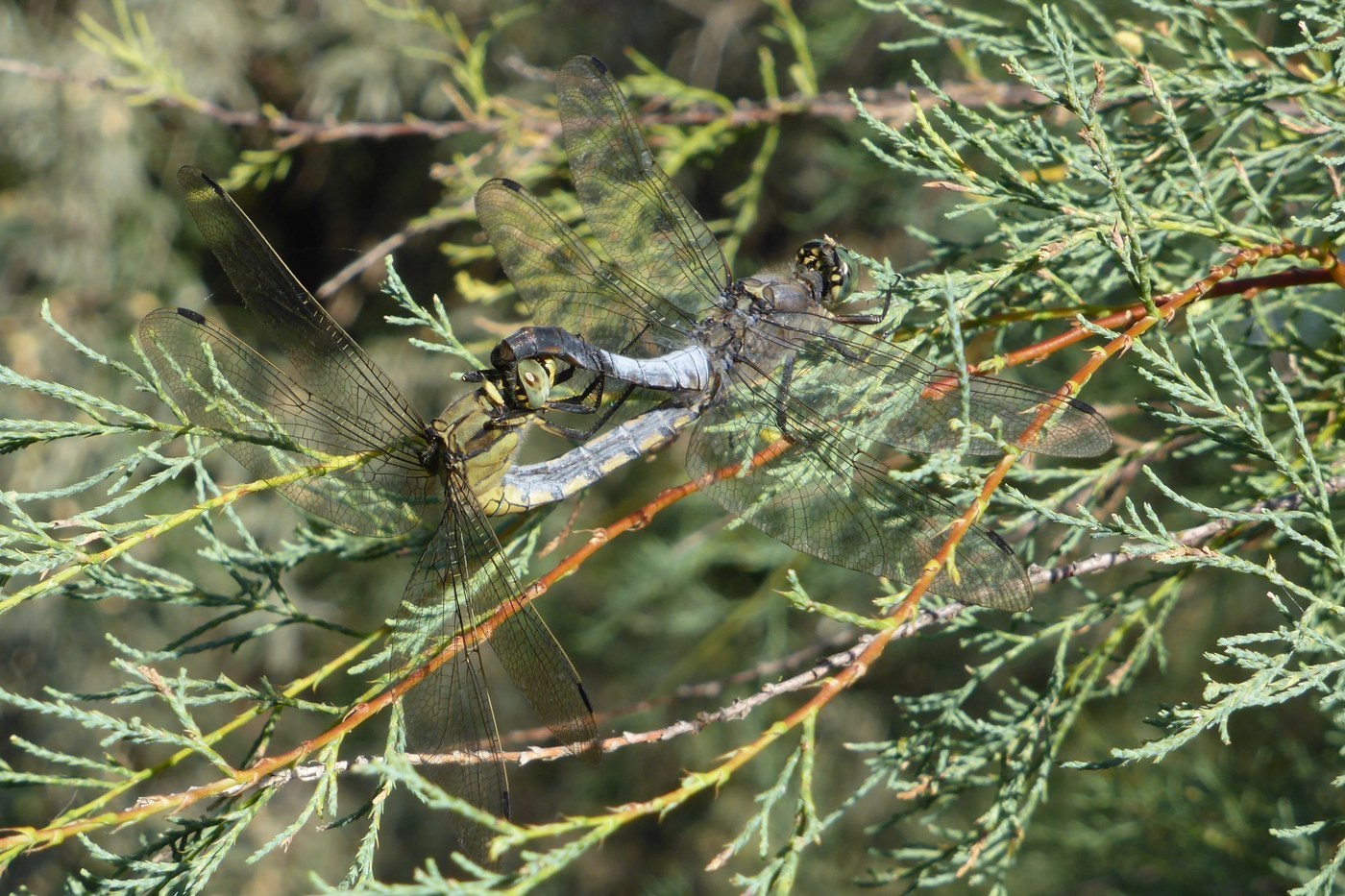
Spangled Skimmer
Ponds, lakes, and marshes with open sunny shorelines
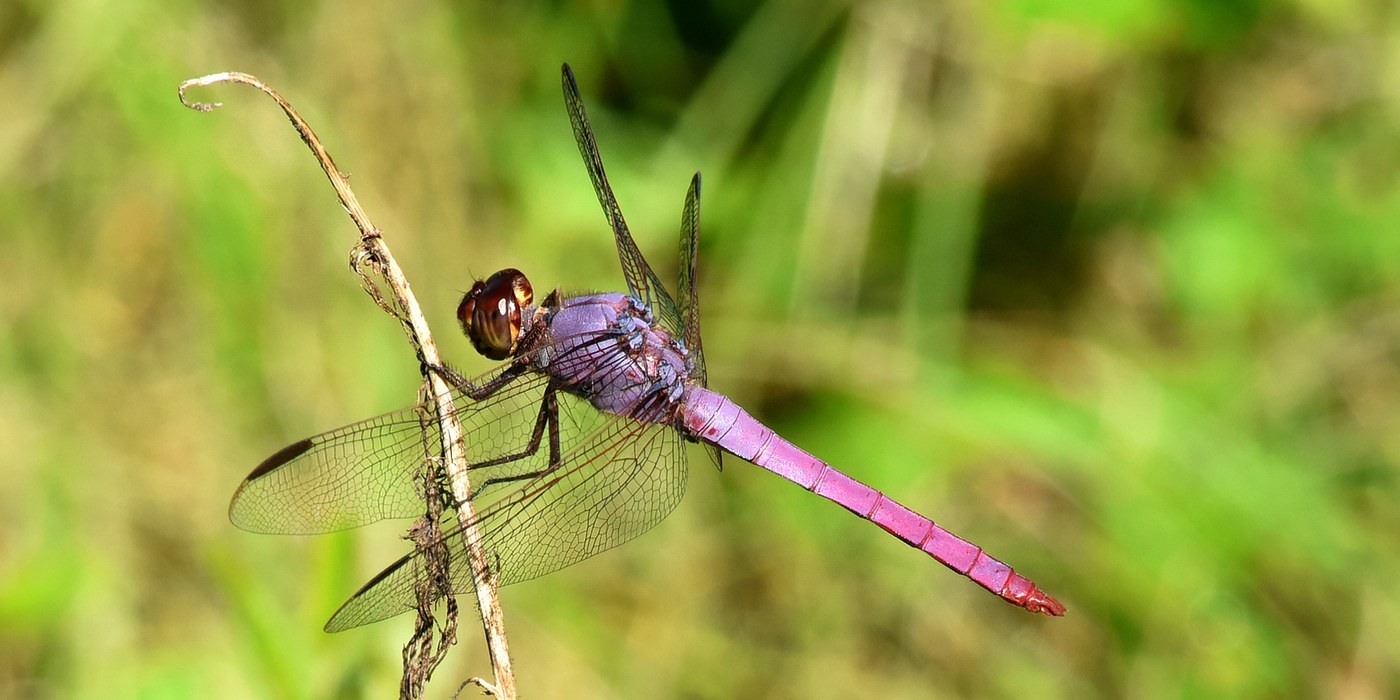
Roseate Skimmer
Ponds, ditches, and canals across the southern United States
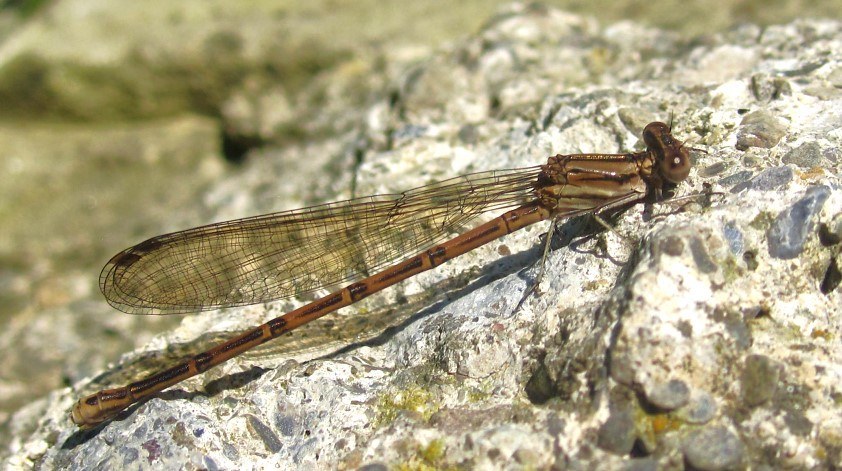
Variable Dancer
streams, rivers, and pond margins, especially in wooded or partly shaded settings
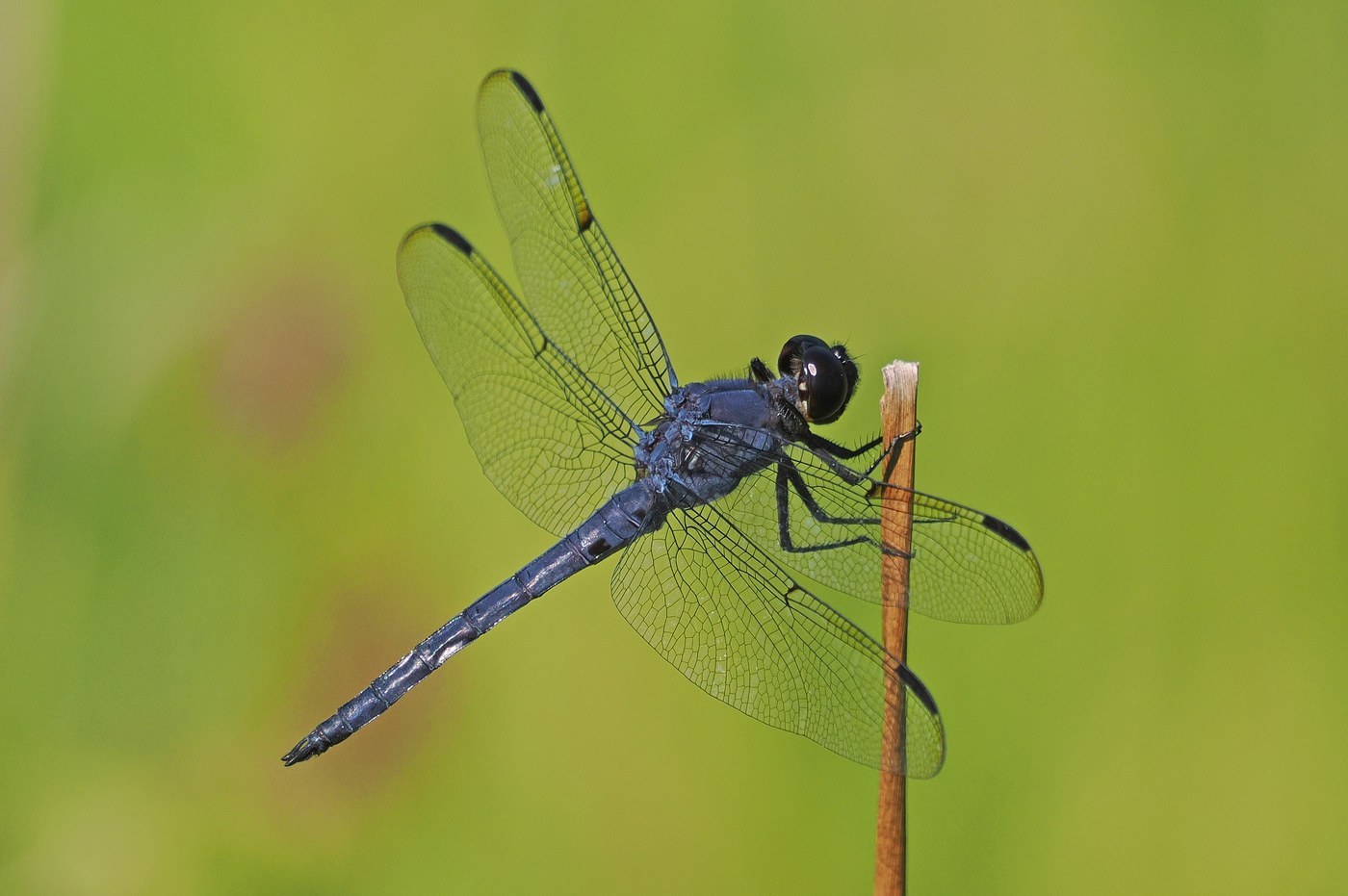
Slaty Skimmer
Still or slow-moving ponds, lakes, and marshes with open shoreline
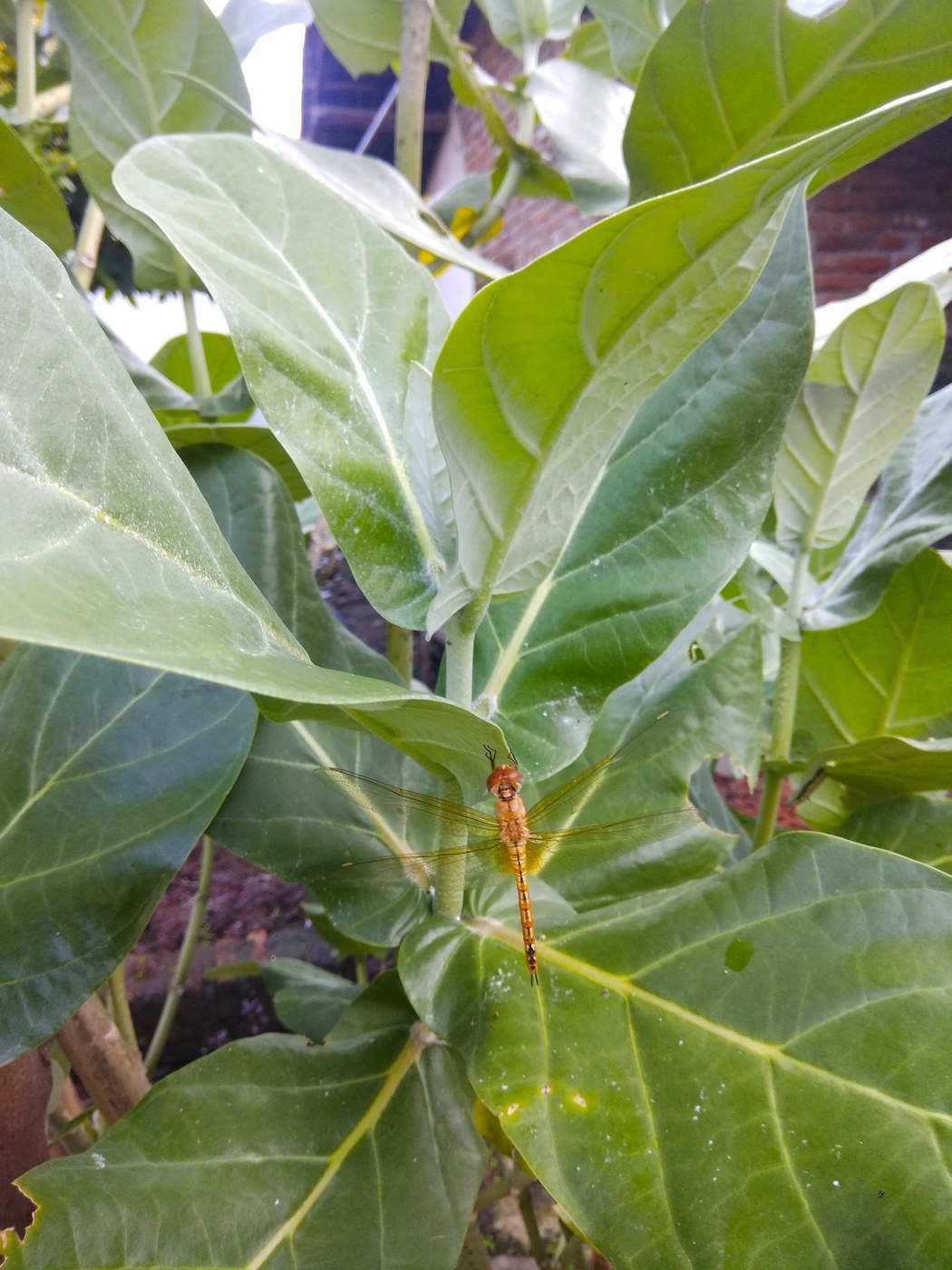
Wandering Glider
Temporary pools, open fields, and coastlines nearly worldwide
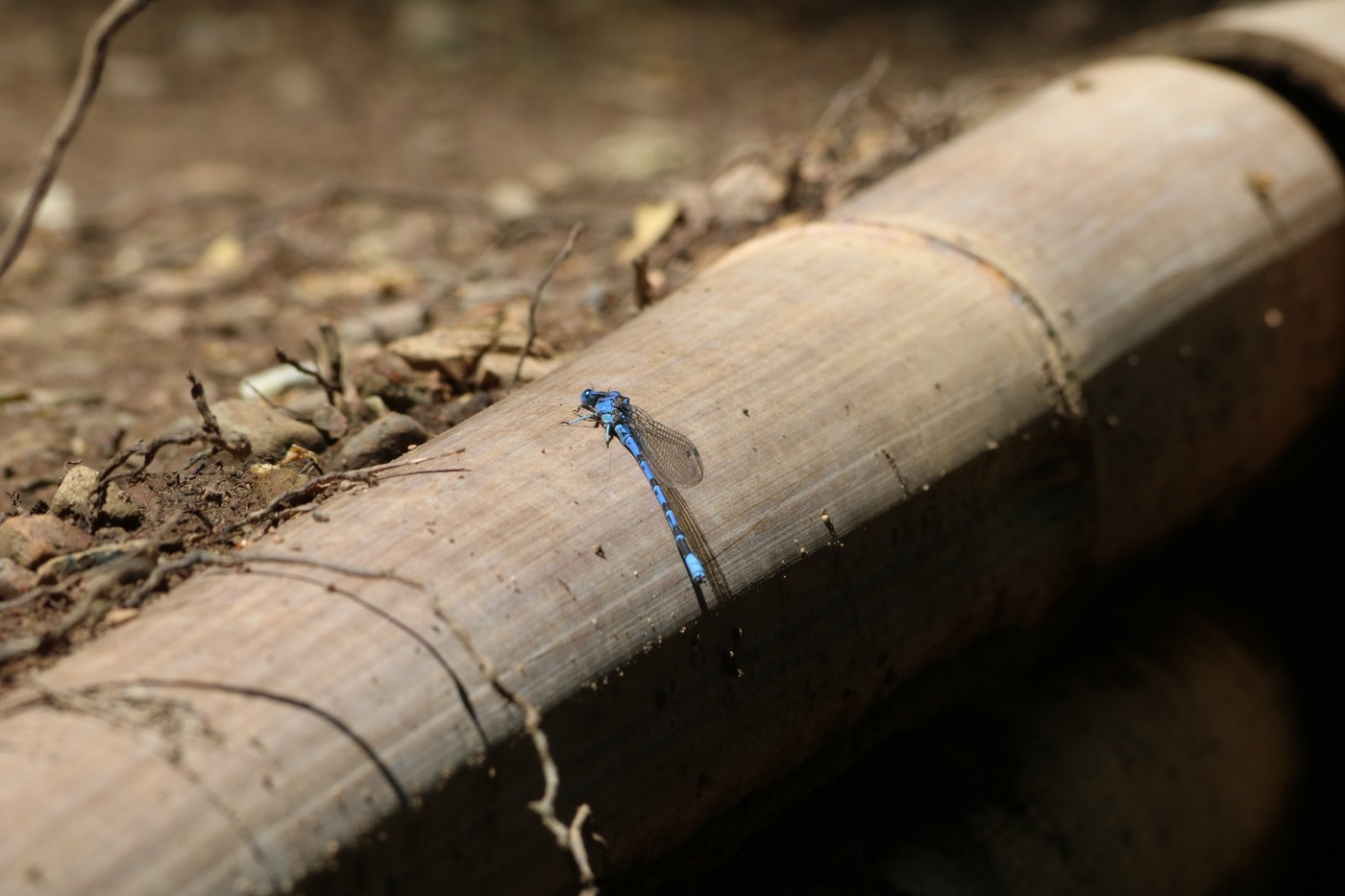
Vivid Dancer
rocky streams, seeps, and spring-fed creeks, often near thermal or warm springs
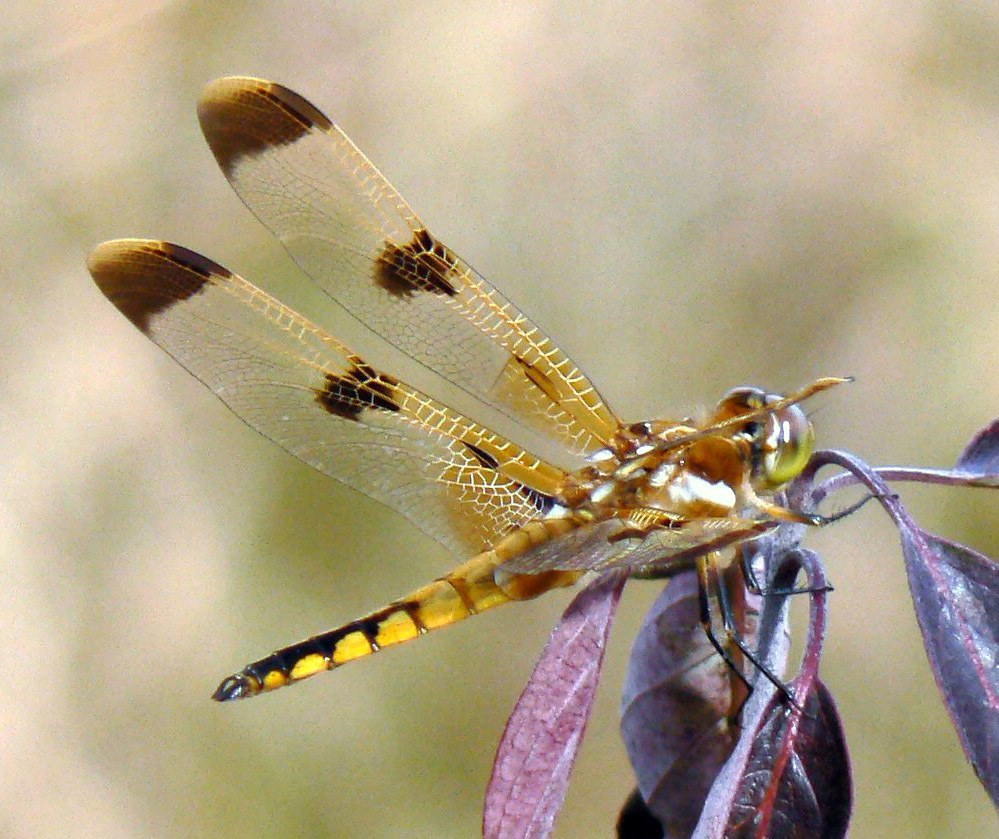
Painted Skimmer
Ponds, marshes, and slow-moving vegetated waters, including temporary pools
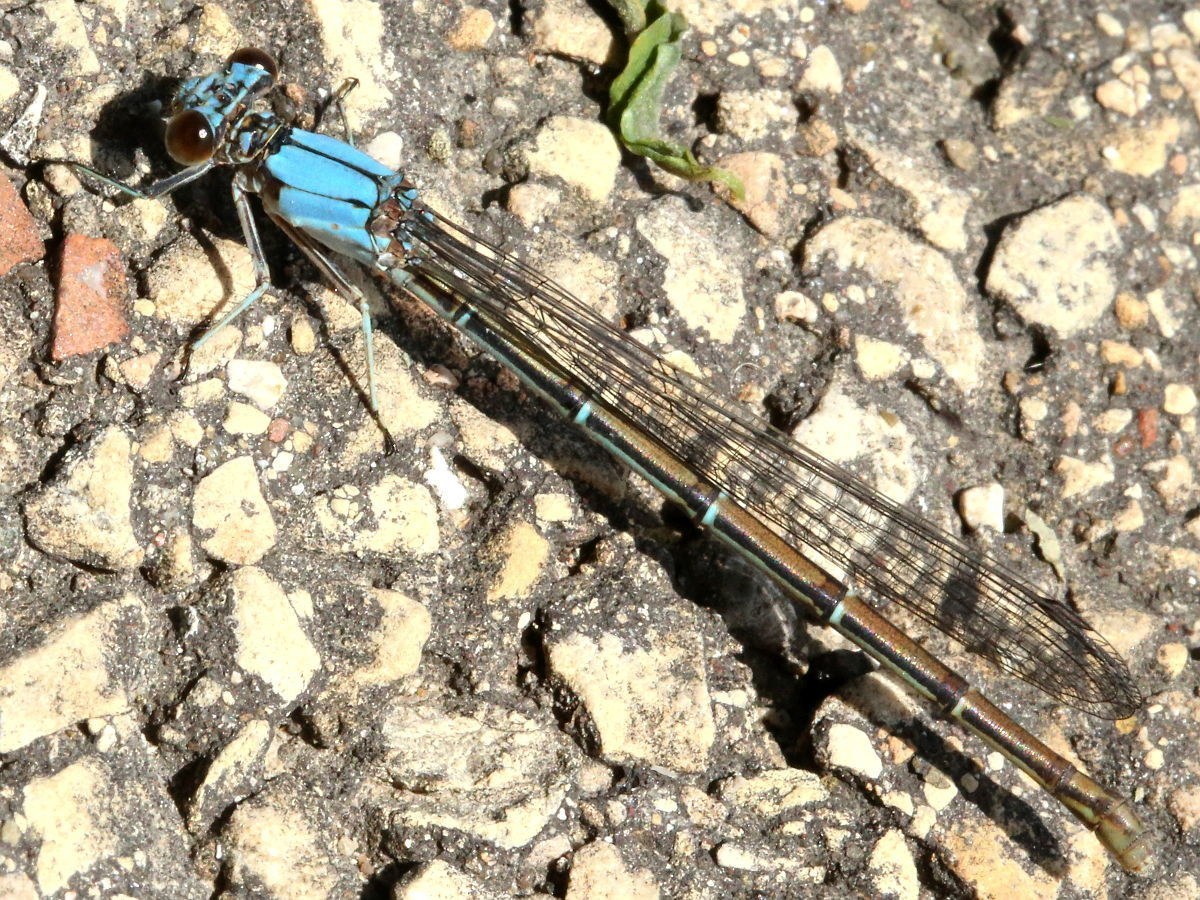
Powdered Dancer
rocky and gravelly rivers, streams, and lake shorelines