
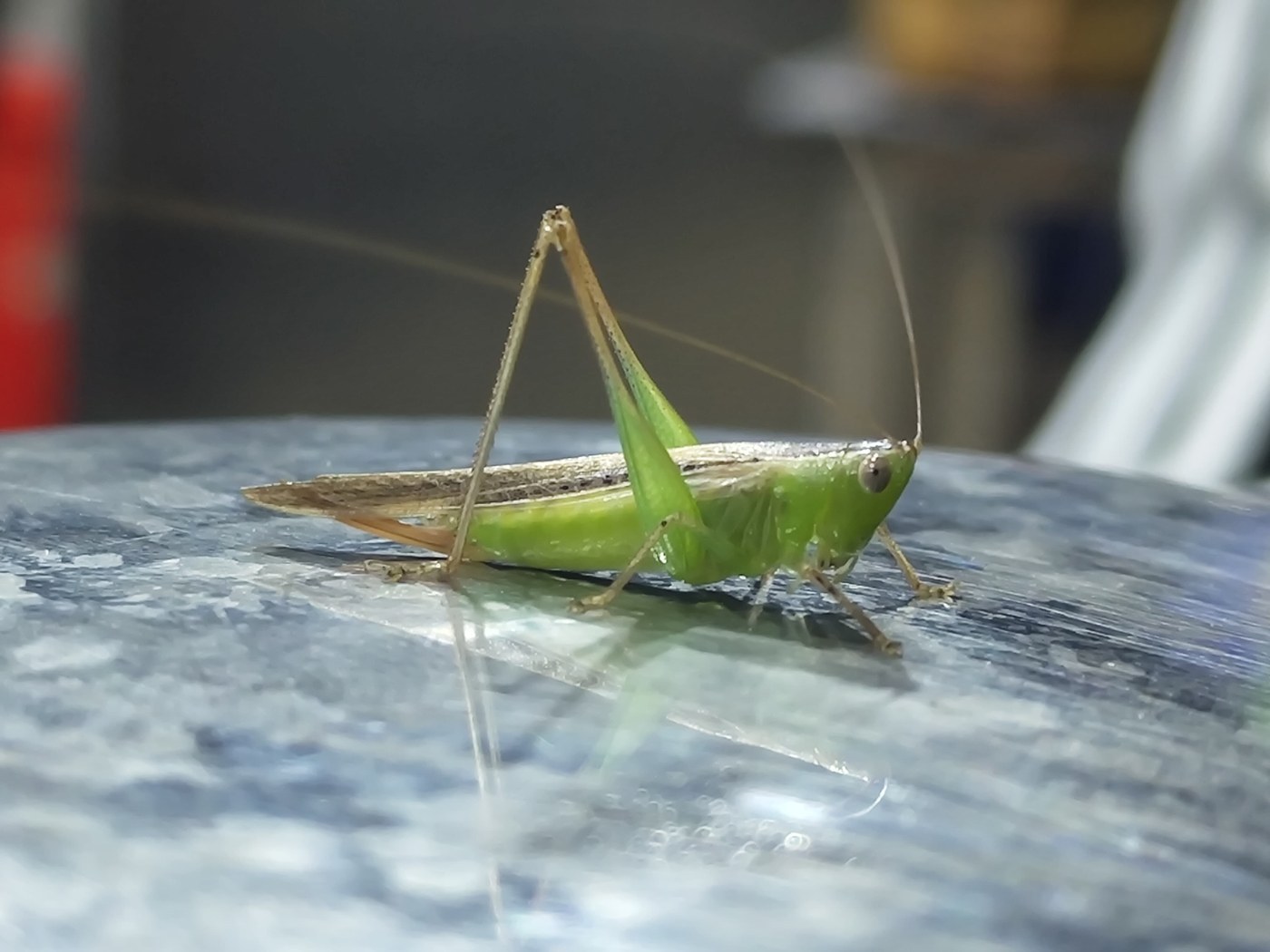
Green Grasshopper
Omocestus viridulus
A bright grass-green grasshopper with a rasping, sustained song, the common green grasshopper is one of the most familiar sounds of a European summer meadow.
- Size
- 1.4–2.3 cm (0.6–0.9 in) long
- Habitat
- Damp meadows, grasslands, and pastures across Europe
- Danger
- Harmless
Spotted a bug like this?
Identify any bug or insect from a photo, free.
Overview
The common green grasshopper is a small, short-horned grasshopper widespread across much of Europe, ranging from lowland meadows to upland pastures. It is one of the earliest grasshopper species to mature each summer and is often among the first grasshopper songs heard in a season. Despite the common name "green grasshopper," individuals can show some variation in ground color, though bright green remains the most typical and recognizable form.
This species favors moister grassland than many of its relatives, often found in damp meadows, hay fields, and grassy verges where vegetation stays lush through the growing season. It is a familiar and ecologically important herbivore in these habitats, providing food for birds and other predators while grazing lightly on a variety of grasses.
Because it is common, widespread, and easy to hear, the green grasshopper is frequently used as an indicator species in grassland conservation surveys, with its presence or absence reflecting the condition of unimproved or lightly managed pasture.
How to Identify
- Bright grass-green body, sometimes with brownish or purplish tinges along the back.
- Long, straight-sided pronotum without strong keels.
- Forewings do not fully cover the abdomen in females; males have slightly longer wings.
- Hind legs are proportionally robust for jumping, often washed with yellow-green.
- Males produce a long, sustained, hissing or churring song by rubbing a hind leg against the forewing.
- Distinguished from similar green grasshoppers by song structure and the shape of the pronotum's side keels.
Habitat & Range
This species is found across most of Europe, from Britain and Scandinavia south into the Mediterranean fringe and east into parts of Asia, generally favoring damp, unimproved grassland, hay meadows, and grassy field margins. Adults are active from early to late summer, often appearing earlier in the season than many other grasshopper species.
Behavior & Diet
Green grasshoppers are diurnal herbivores, feeding on a range of grasses and occasionally other low-growing plants. Males sing to attract females, producing a distinctive sustained buzzing or hissing call by stridulation. Both sexes bask in sunny patches to regulate body temperature and retreat into dense vegetation during cooler or wetter weather. As abundant grassland insects, they serve as an important food source for birds, spiders, and other predators.
Life Cycle
Eggs are laid in soil or amongst grass tussocks in late summer and overwinter, hatching the following spring. Nymphs pass through several instars of incomplete metamorphosis, resembling smaller wingless versions of adults, before maturing by early to midsummer. There is typically a single generation per year across most of the species' range.
Frequently asked questions
How can I tell a green grasshopper from a cricket?
Grasshoppers like this species have short antennae, while crickets have long, thread-like antennae often longer than the body.
When are green grasshoppers most active?
Adults are typically active from early summer through late summer, singing on warm, sunny days.
What do green grasshoppers eat?
They feed on a variety of grasses and other low-growing meadow plants.
Why do male green grasshoppers sing?
Males stridulate, rubbing a hind leg against the forewing, to produce a song that attracts females.
Green Grasshopper guides
In-depth guides for identifying, understanding, and living alongside Green Grasshopper.
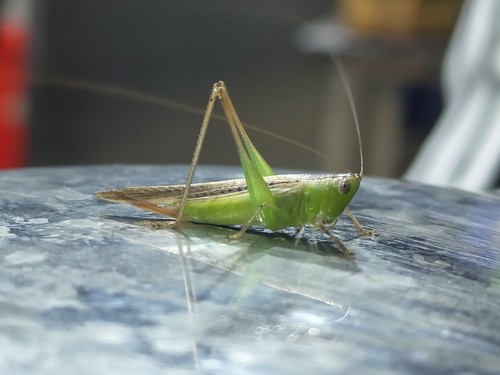
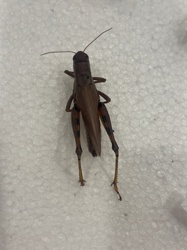
Green Grasshopper identified by the community
Real finds identified with Bug Identifier.

Other bugs you may enjoy
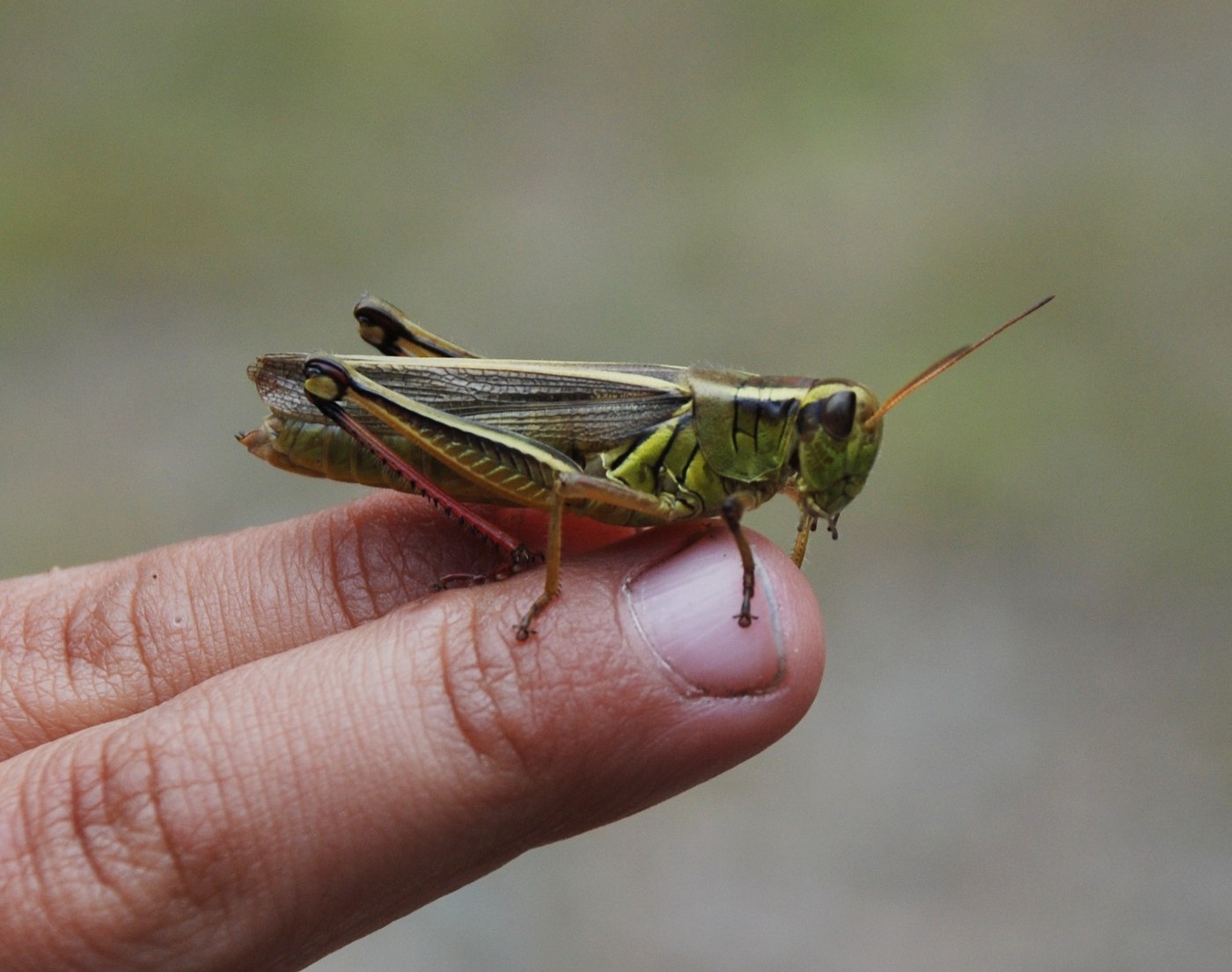
Two-striped Grasshopper
Meadows, pastures, riverbanks, and agricultural fields across North America
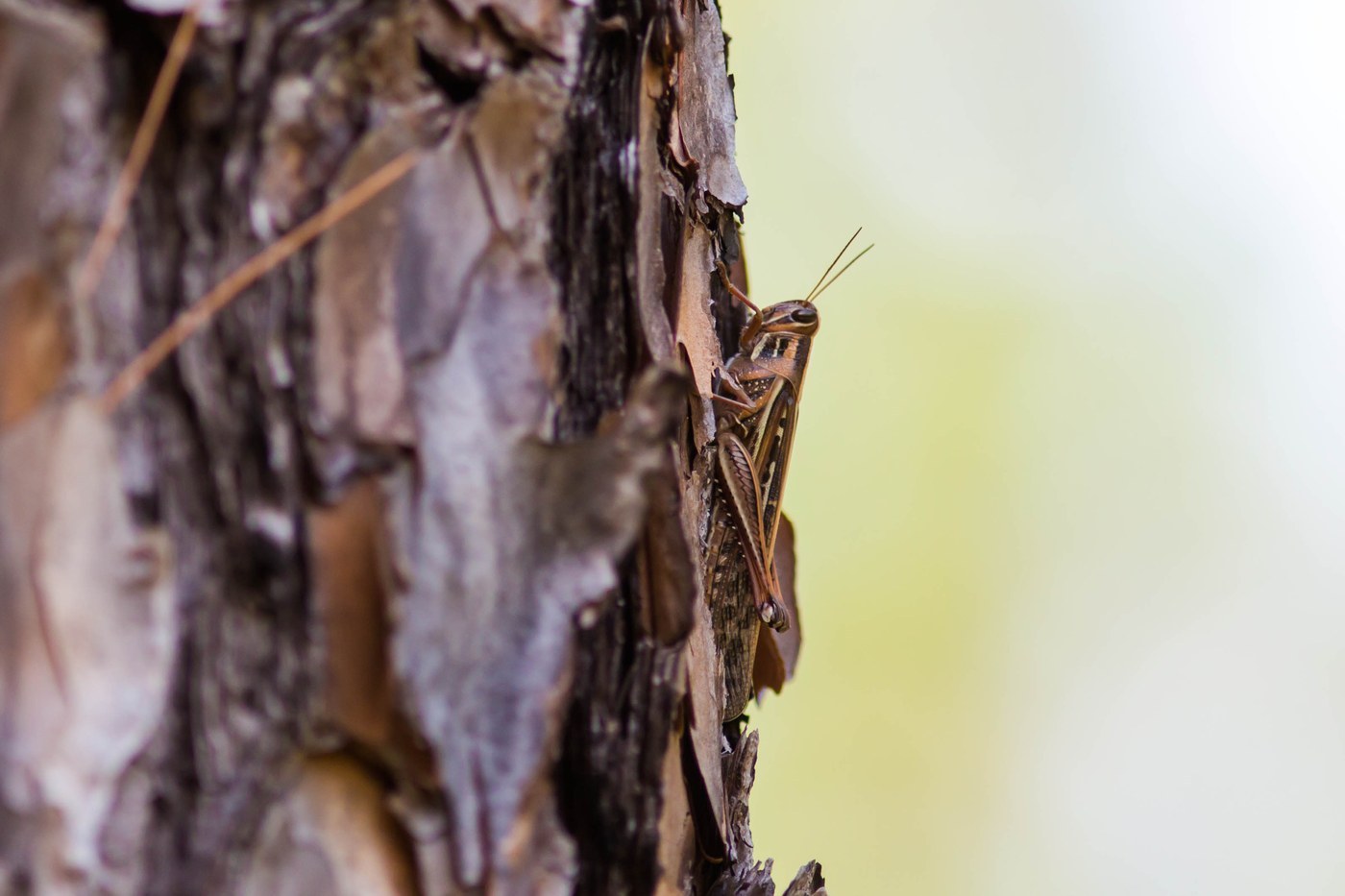
American Grasshopper
Woodland edges, citrus groves, gardens, and open fields across the southern and southeastern United States
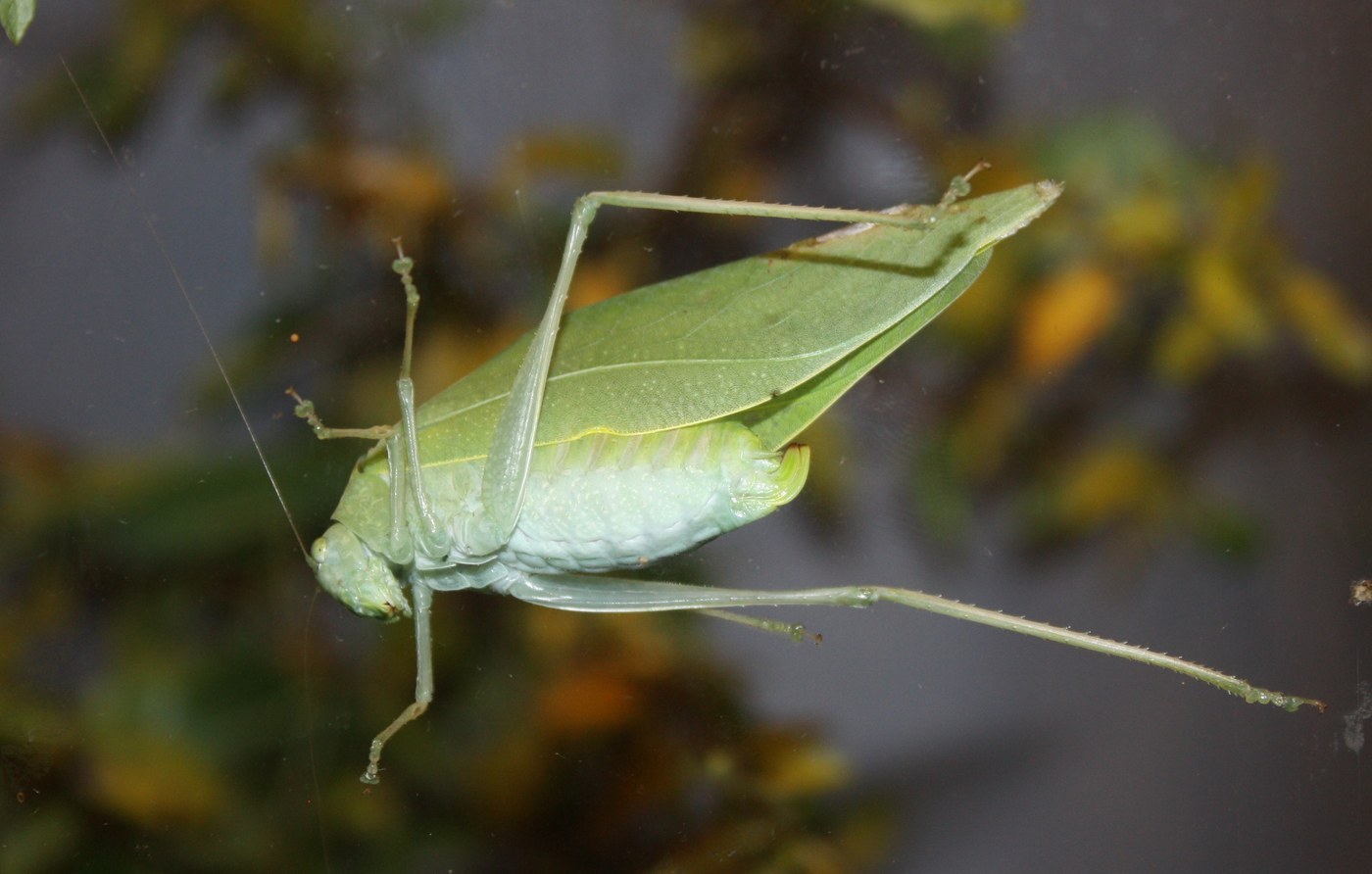
Angular-winged Katydid
deciduous trees, shrubs, and hedgerows across eastern and central North America
Spur-throated Grasshopper
grasslands, meadows, croplands, and roadsides across North America
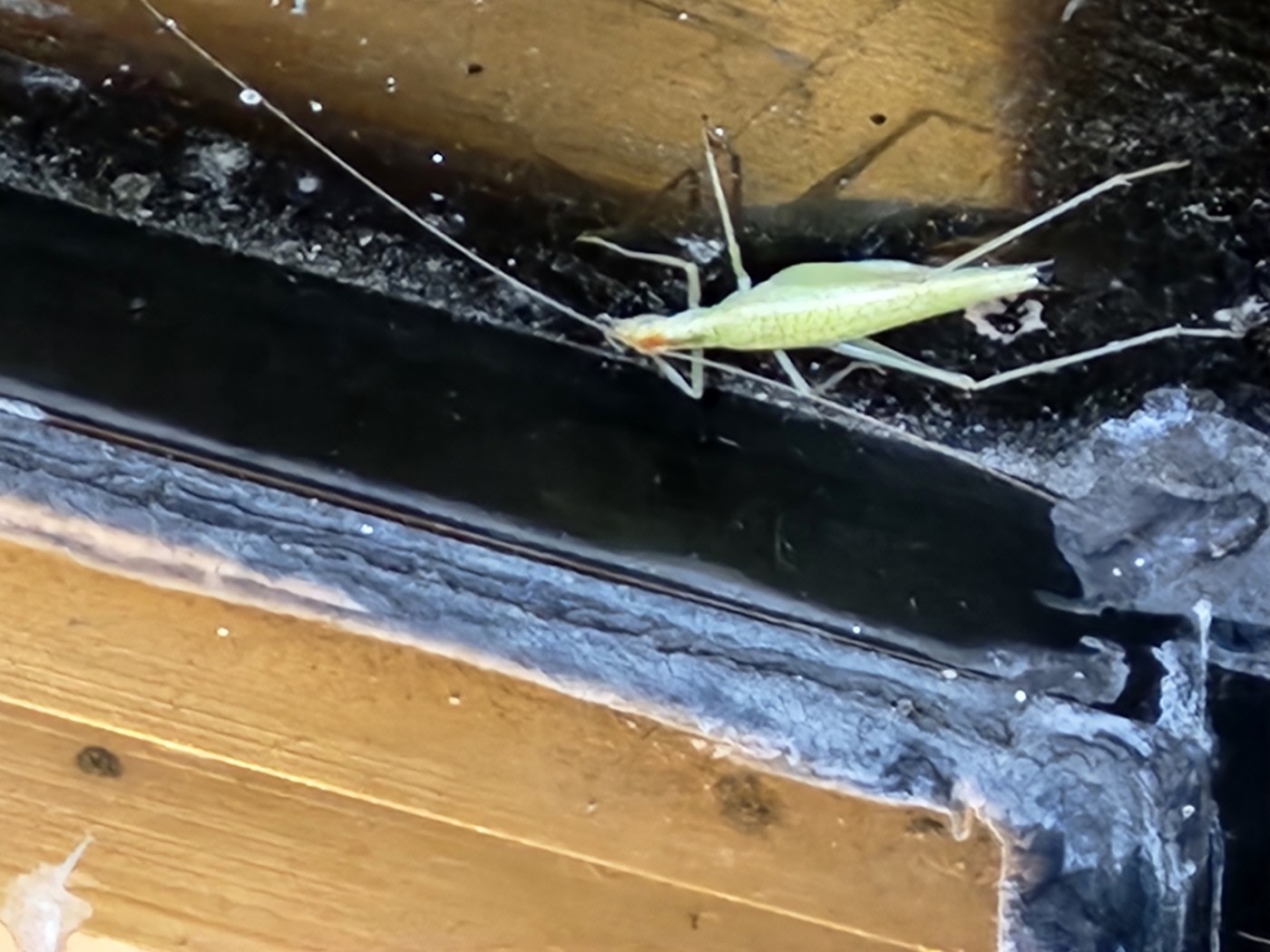
Snowy Tree Cricket
Shrubs, trees, and tall vegetation across North America
Rocky Mountain Locust
historically open grasslands and river valleys of the Rocky Mountains and Great Plains (now believed extinct)
Spotted Camel Cricket
damp caves, crawl spaces, basements, leaf litter, and rotting logs in eastern North America
Pygmy Grasshopper
damp soil, mud, and low vegetation near ponds, streams, and marshes
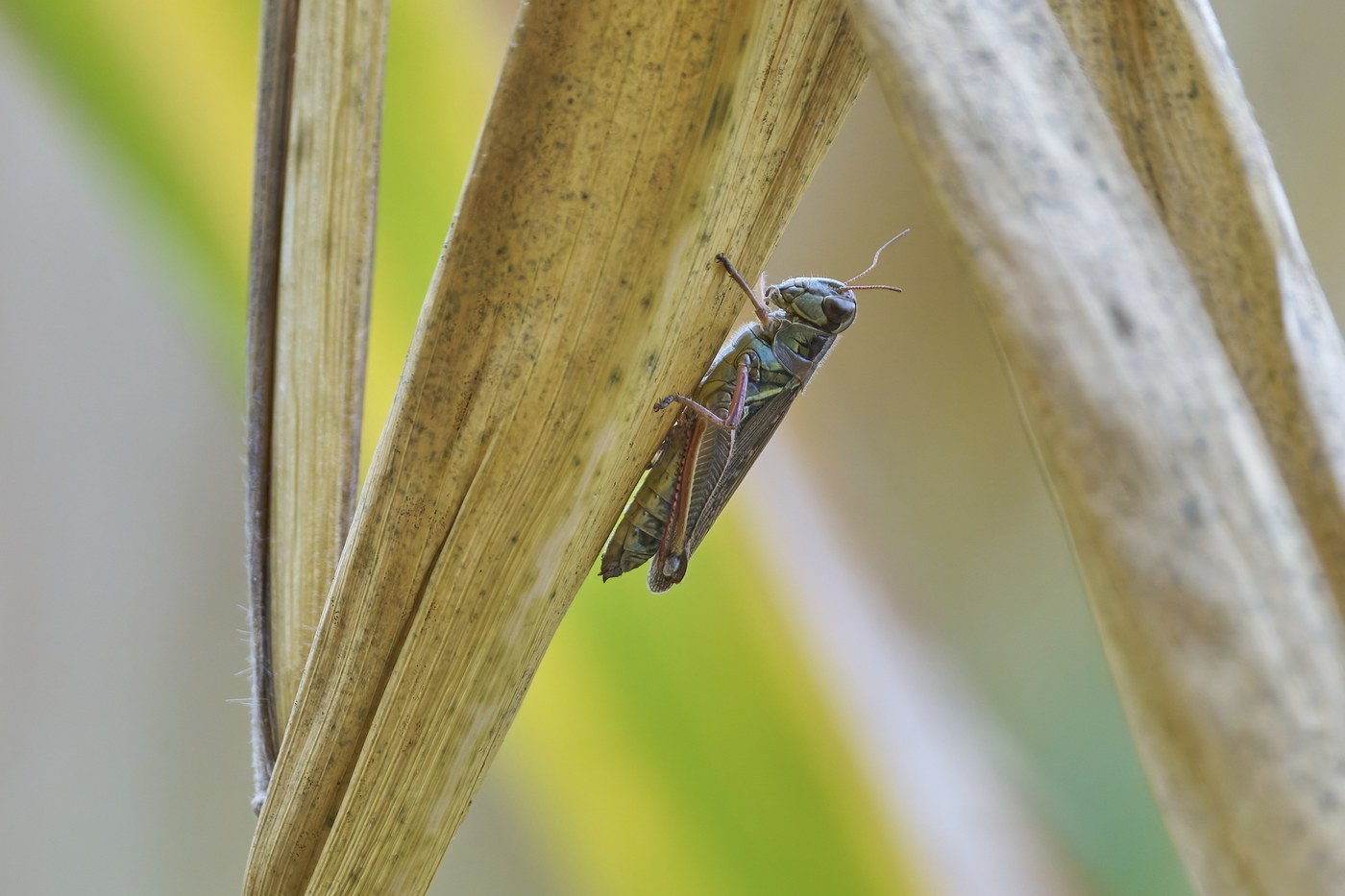
Red-legged Grasshopper
Meadows, pastures, field edges, and gardens across North America
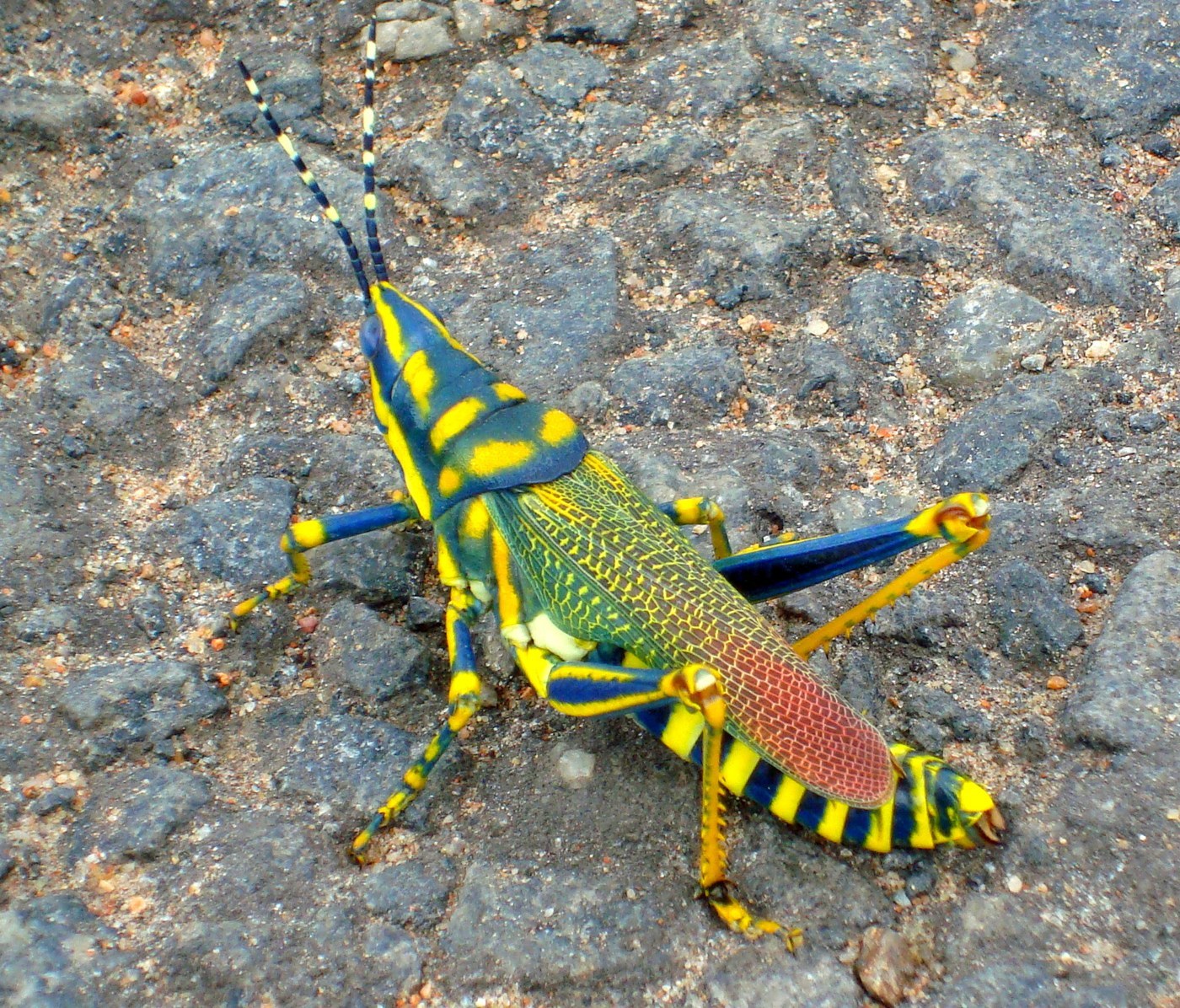
Painted Grasshopper
arid scrub, wastelands, and gardens of the Indian subcontinent, especially near milkweed plants
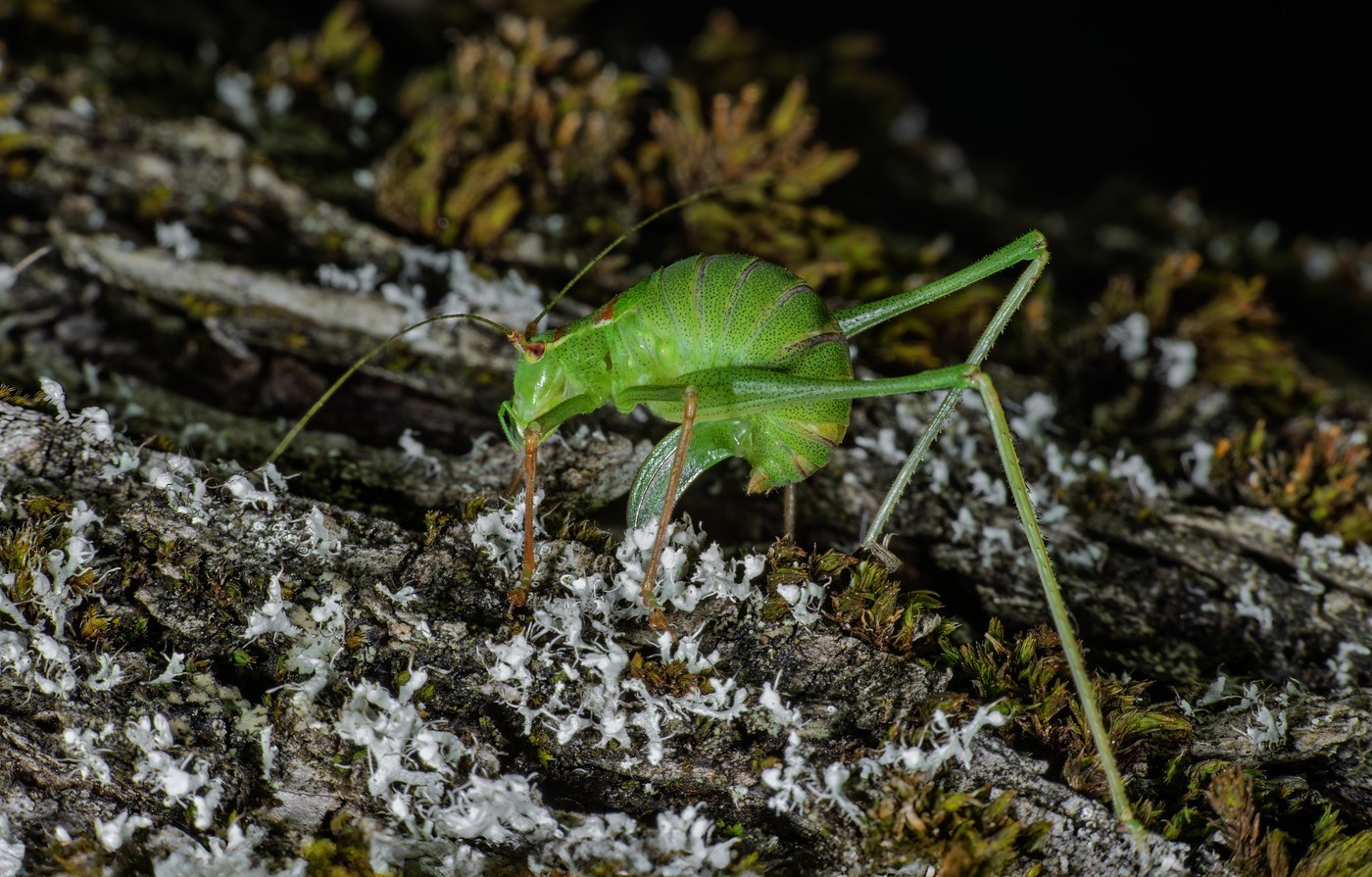
Speckled Bush Cricket
Brambles, hedgerows, nettles, and shrubby vegetation
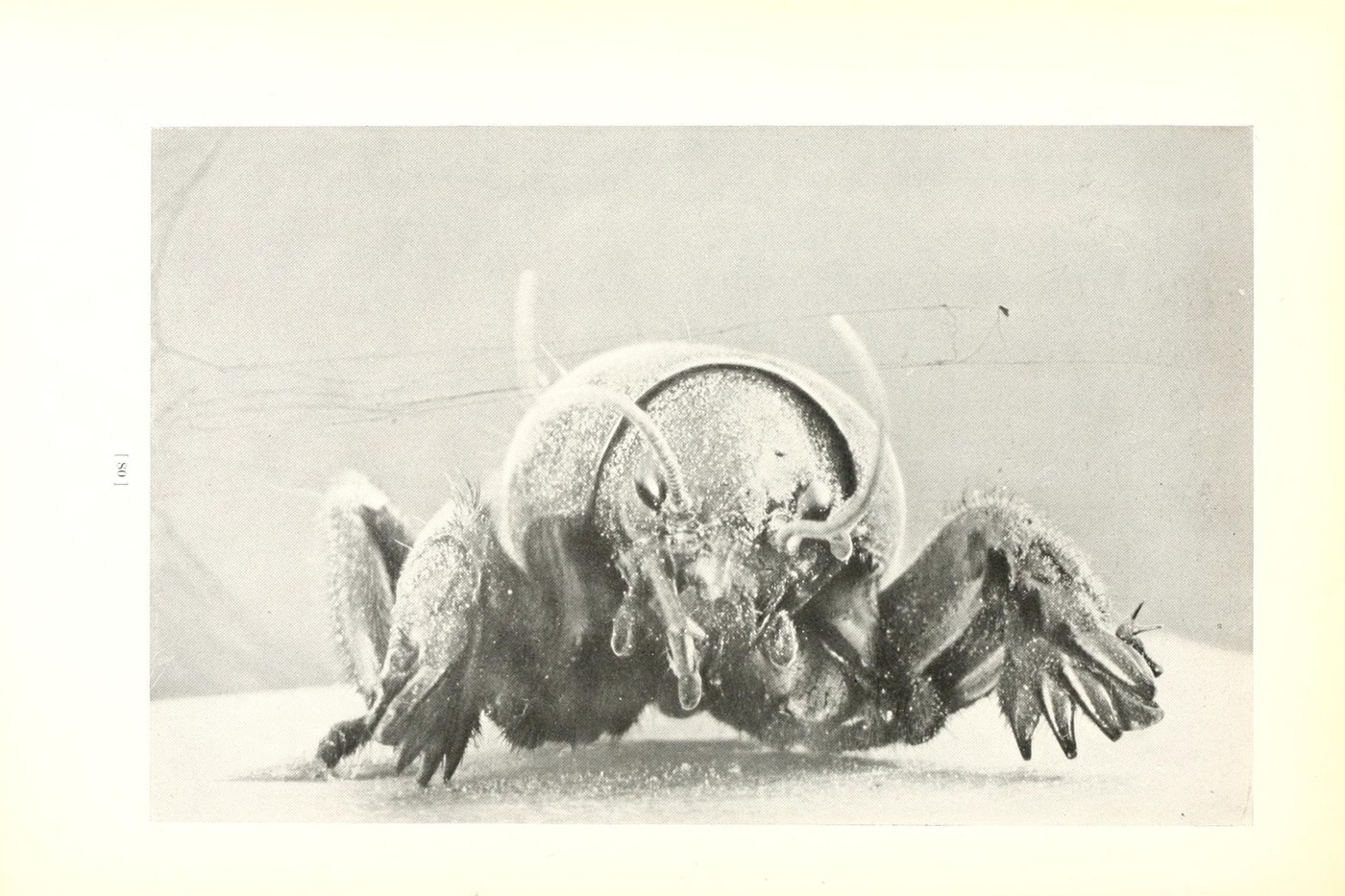
Northern Mole Cricket
wet soil, pond margins, and marshy ground across eastern and central North America