
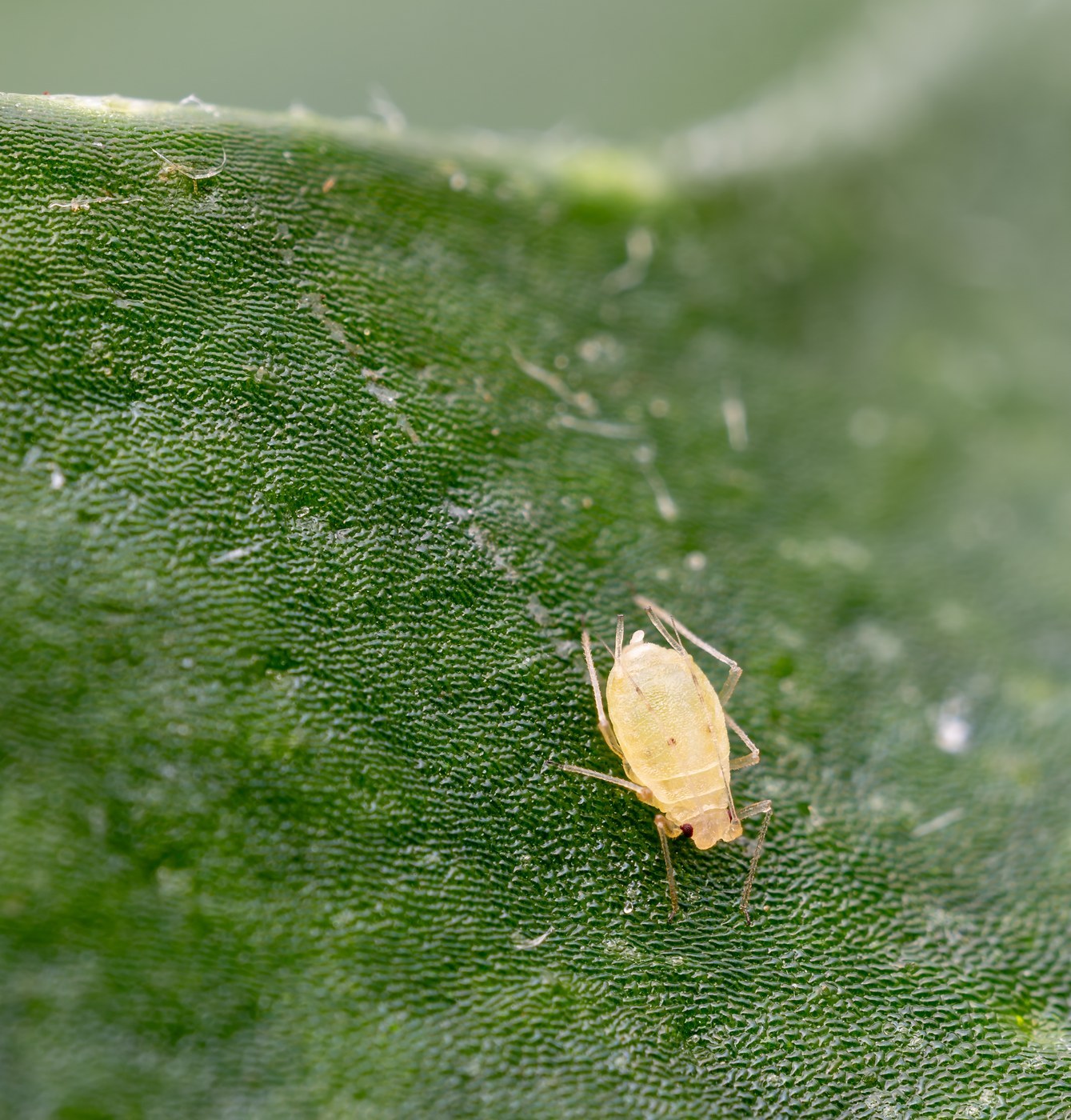
Green Peach Aphid
Myzus persicae
A small, pale yellow-green aphid with an exceptionally broad host range, recognized as one of the most widespread and adaptable aphid species found on garden vegetables, ornamentals, and stone fruit trees.
- Size
- 1.2–2.3 mm
- Habitat
- Wide range of herbaceous plants, vegetable crops, greenhouses, and peach trees
- Danger
- Harmless
Spotted a bug like this?
Identify any bug or insect from a photo, free.
Overview
The green peach aphid is a sap-feeding true bug in the family Aphididae, notable for having one of the widest host ranges of any aphid species, feeding on hundreds of plants across dozens of plant families. Its adaptability and rapid reproductive rate have made it one of the most extensively studied aphids in agricultural entomology.
Like many aphids with two-host life cycles, it can overwinter on peach and related stone fruit trees, where it lays eggs on bark, before migrating in spring to a vast array of herbaceous summer hosts, including many vegetable crops, ornamentals, and wild plants. In milder climates or protected environments such as greenhouses, it can persist on herbaceous hosts year-round without needing the woody winter host.
Beyond its role as a common sap feeder, the green peach aphid is ecologically significant as a vector capable of transmitting numerous plant viruses between host plants, a factor that has made it a focus of extensive agricultural research, though its identification here is limited strictly to physical appearance and general biology.
How to Identify
- Small, soft-bodied aphid about 1.2–2.3 mm long, typically pale yellow-green to green, though pink or reddish forms can occur, especially in cooler seasons.
- Body shape is pear-shaped and somewhat elongated compared to some other aphid species, with long, slender legs and antennae.
- Cornicles (the paired tubular structures on the rear of the abdomen) are relatively long, slender, and pale, tapering slightly toward the tip.
- Winged forms have a dark head and thorax with a pale green abdomen bearing a dark dorsal patch, while wingless forms are uniformly pale green.
- Distinguished from other common green aphids by its slender cornicles, wide host plant range, and the presence of a distinct dark abdominal patch on winged individuals.
Habitat & Range
Green peach aphids have a nearly worldwide distribution in temperate and subtropical regions, occurring wherever suitable host plants are found, including outdoor gardens, agricultural fields, greenhouses, and ornamental plantings.
In regions with cold winters, populations often overwinter as eggs on peach and other Prunus species before migrating to a huge range of herbaceous summer hosts, including many vegetable and ornamental plants. In warmer climates and in greenhouse environments, the species can reproduce continuously on herbaceous hosts without a woody overwintering host.
Behavior & Diet
This aphid feeds by inserting slender mouthparts into plant tissue to withdraw sap, often forming colonies on the undersides of leaves and along stems of a wide variety of plants. Its broad host range and rapid asexual reproduction allow populations to build quickly under favorable conditions.
As with other aphids, it excretes honeydew that can attract tending ants and support sooty mold growth, and it serves as prey for numerous predatory insects such as lady beetles, lacewings, and syrphid fly larvae, as well as a host for parasitic wasps. Its movement between many plant species also makes it ecologically significant in plant-insect interaction networks.
Life Cycle
In regions with cold winters, green peach aphids can follow a host-alternating cycle, with eggs overwintering on peach or related Prunus bark, hatching in spring to produce wingless females that reproduce asexually on the woody host before migrating to herbaceous summer hosts. In warmer climates and greenhouses, the species often bypasses the woody host entirely, reproducing continuously through asexual generations.
Development is by incomplete metamorphosis, with nymphs resembling small, wingless versions of adults. Numerous overlapping generations can occur within a single growing season due to the short generation time, with winged forms produced periodically to colonize new host plants, and a return migration to woody hosts in autumn in temperate regions to lay overwintering eggs.
Frequently asked questions
Why is this aphid called the green peach aphid if it's on my vegetables?
The name reflects its ability to overwinter on peach and related trees in cold climates, but it has an unusually broad host range and commonly colonizes a wide variety of vegetables and ornamentals during the growing season.
How can I tell a green peach aphid from other green aphids?
Look for its slender, pale, tapering cornicles and, on winged individuals, a distinct dark patch on an otherwise pale green abdomen, along with its tendency to be found on an unusually wide variety of host plants.
Does the green peach aphid only feed on peach trees?
No, it is known for feeding on hundreds of different plant species across many families, including numerous vegetable crops and ornamentals, in addition to peach and related stone fruit trees.
How fast can green peach aphid populations grow?
Because females reproduce asexually and give birth to live young, colonies can expand rapidly under favorable conditions, with many overlapping generations possible in a single growing season.
Green Peach Aphid guides
In-depth guides for identifying, understanding, and living alongside Green Peach Aphid.
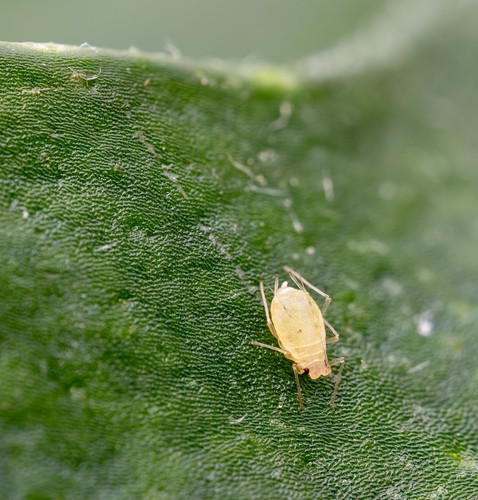
Green Peach Aphid identified by the community
Real finds identified with Bug Identifier.
Other bugs you may enjoy
Bagrada Bug
Arid gardens, crucifer fields, desert-adjacent croplands
Assassin Bug
Gardens, meadows, and vegetation worldwide
Water Boatman Bug
Ponds, lakes, and slow-moving freshwater
Water Stick Insect
Still and slow-moving water with dense submerged vegetation
Rough Stink Bug
Tree bark, woodlands, orchards, and shrubby vegetation
Stink Bug
Gardens, crop fields, and woodlands across temperate and subtropical regions
Squash Bug
Vegetable gardens and farm fields growing squash, pumpkin, and other cucurbits
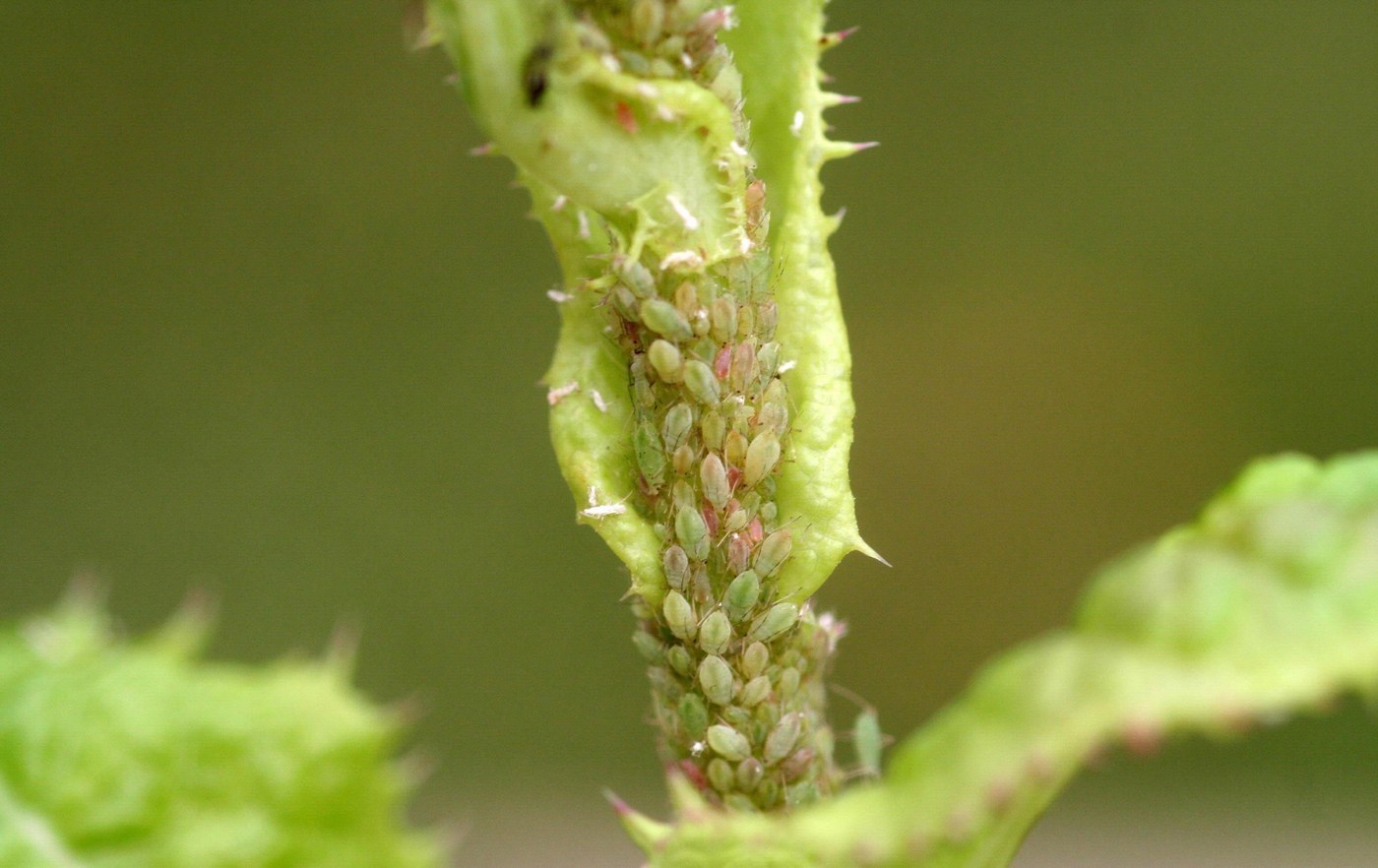
Aphid
On stems, leaves, and buds of a very wide range of host plants
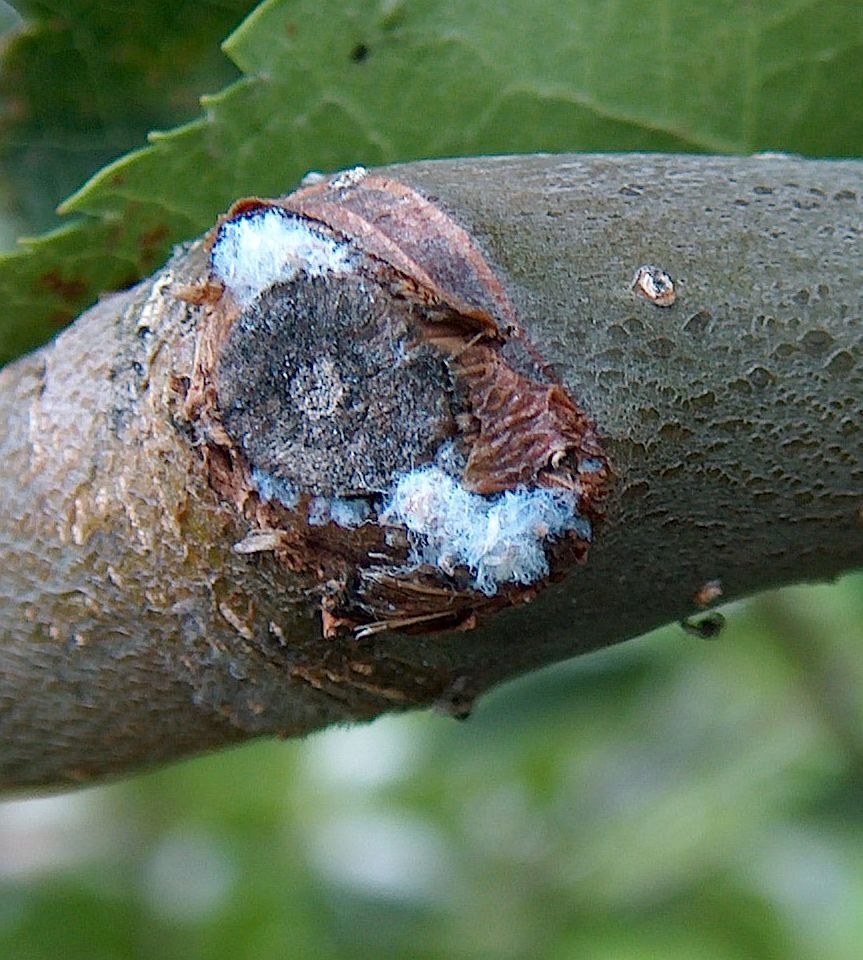
Woolly Aphid
Bark crevices, root collars, and twigs of apple, elm, and alder trees
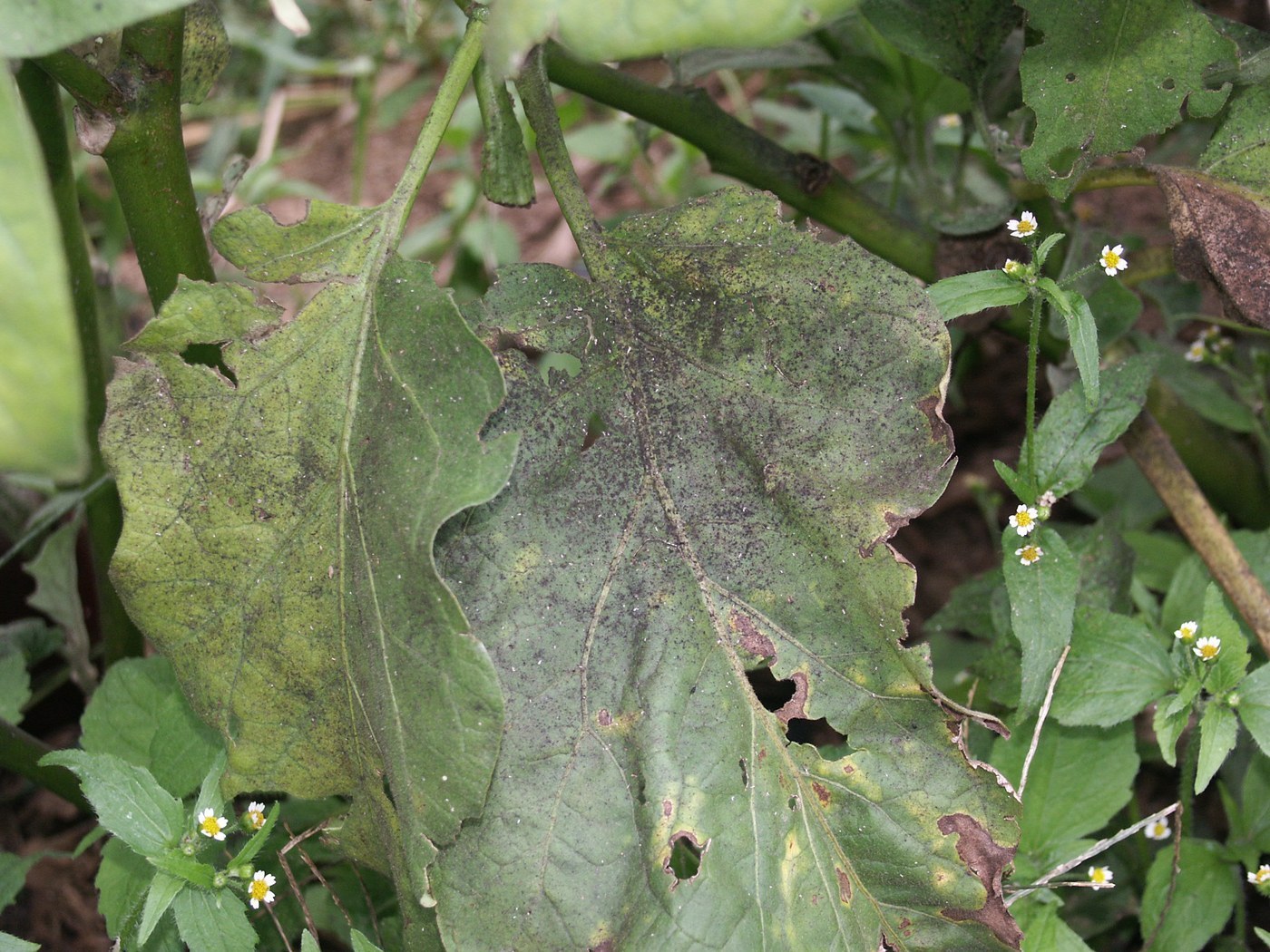
Whitefly
Greenhouses, gardens, and undersides of leaves on host plants
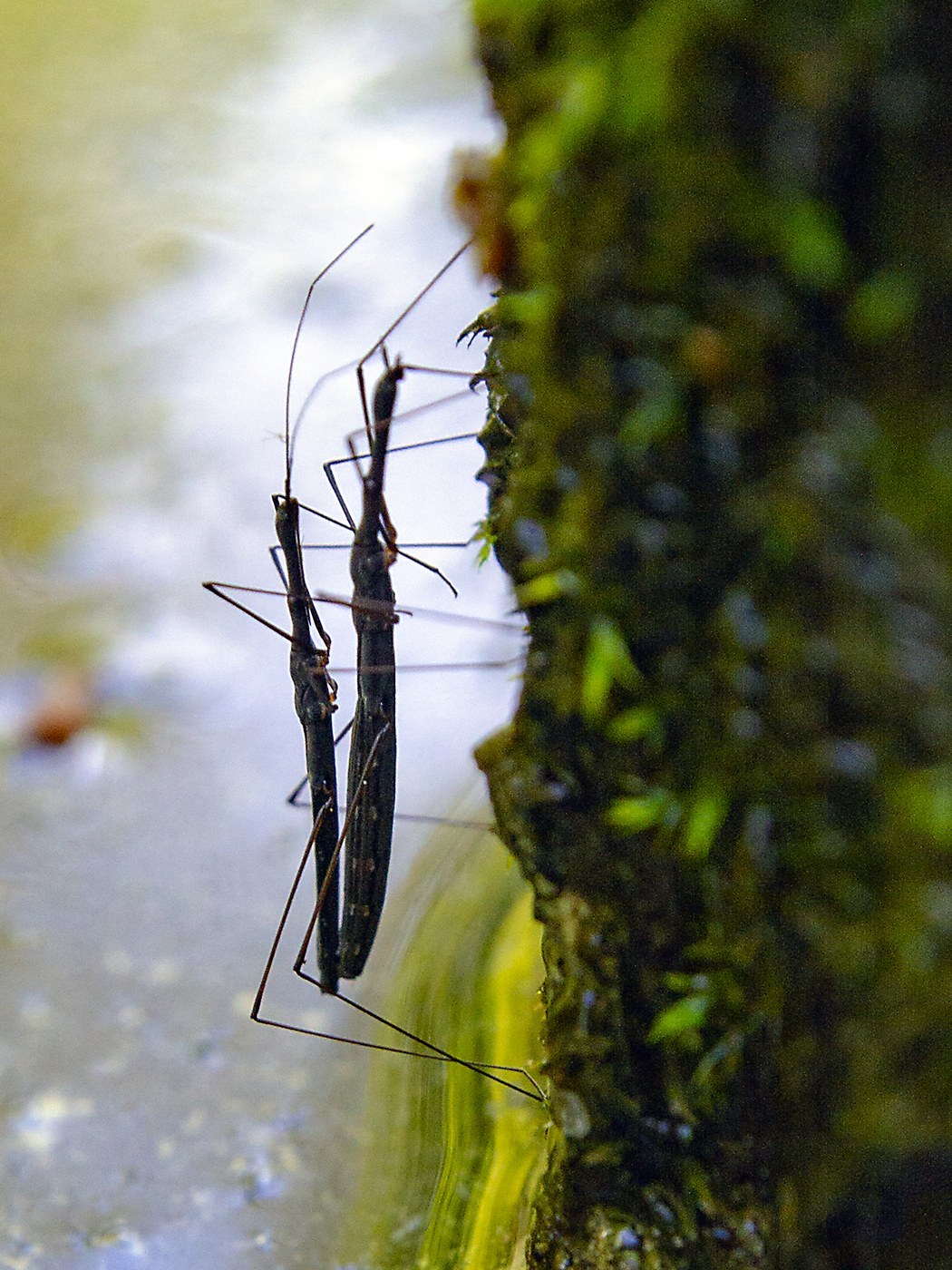
Water Measurer
Quiet edges of ponds, marshes, and slow streams
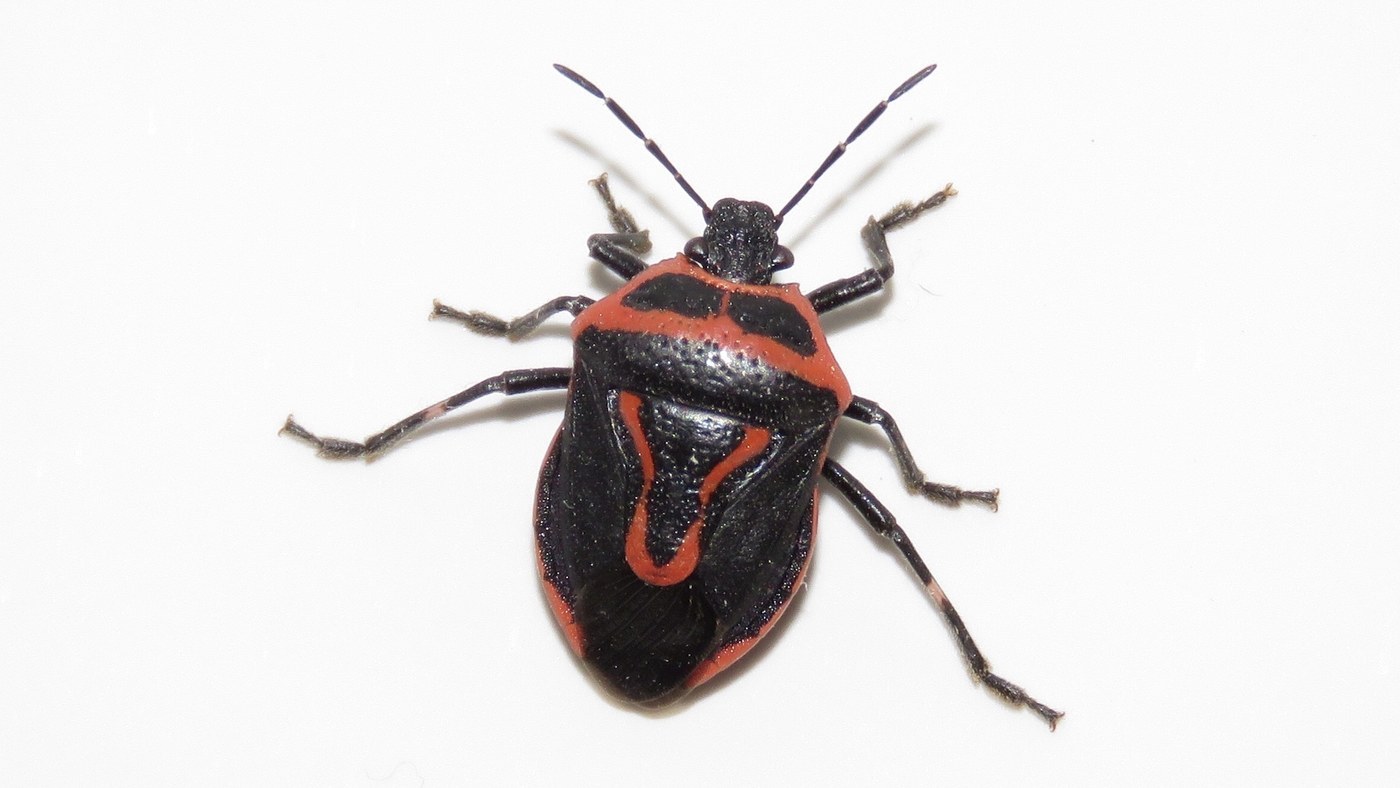
Two-Spotted Stink Bug
Gardens and fields with potato and nightshade-family plants