
Grub Worm
Phyllophaga spp.
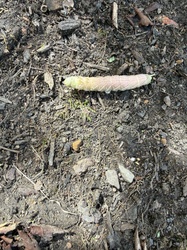
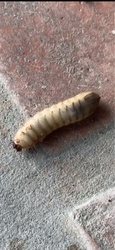
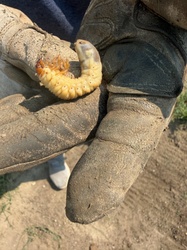
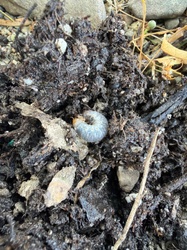
A plump, C-shaped, creamy-white larva with a distinct brown head, living underground where it feeds on grass and plant roots before eventually maturing into a scarab beetle.
- Size
- 15–35 mm
- Habitat
- Turf, lawns, and garden soil, feeding on grass and plant roots
- Danger
- Nuisance pest
Spotted a bug like this?
Identify any bug or insect from a photo, free.
Overview
Grub worms, more precisely called white grubs, are the larval stage of various beetles in the family Scarabaeidae (scarab beetles), with May beetles and June beetles of the genus Phyllophaga among the most familiar producers of grubs in lawns and gardens across North America. "Grub worm" is a colloquial name rather than a single species, applying broadly to the soil-dwelling larvae of numerous scarab beetle species.
These larvae share a highly recognizable body plan: a soft, plump, creamy-white to grayish body that curls into a tight C-shape, a distinctly hardened, darker brown head capsule, and three pairs of short legs near the front of the body. They live entirely underground, out of sight, feeding on the roots of grasses and other plants, which is why their presence is often first noticed through patches of damaged turf rather than by seeing the grub itself.
Ecologically, white grubs are an important food source for various birds, mammals, and other predators that dig them out of soil, and after completing their root-feeding larval stage, they transform into adult scarab beetles that take on entirely different, above-ground lives as foliage feeders or pollen visitors depending on species.
How to Identify
- Plump, soft-bodied larva that curls into a tight C-shape, with a wrinkled, creamy-white to grayish-white body.
- Distinct, hardened, brown to reddish-brown head capsule with visible chewing mandibles.
- Three pairs of short, jointed legs clustered near the front of the body; no legs toward the rear.
- Body length roughly 15–35 mm depending on species and instar.
- Lookalikes: cutworms and other caterpillar larvae can superficially resemble grubs when curled, but true grubs have the characteristic C-shape, hardened head, and short legs confined to the thorax, without the caterpillar's additional rear prolegs.
Habitat & Range
Grub worms are found throughout temperate regions wherever their parent scarab beetles occur, especially in lawns, turf, pastures, and garden soil with grass or other root systems to feed on. They live entirely below the soil surface, moving deeper during cold winter months and closer to the surface in warmer weather when feeding activity is highest.
Behavior & Diet
Grubs feed underground on the roots of grasses and other plants, chewing through root tissue as they move through the upper soil layers, which can loosen turf and create patches of stressed or dying grass when populations are dense. They are largely inactive and hidden from view, surfacing only if soil is disturbed or dug up, and serve as an important food source for birds, skunks, and other animals that forage for them in soil.
Life Cycle
Grub worms develop through complete metamorphosis. Adult scarab beetles lay eggs in soil during summer; the resulting larvae pass through three instars over one to several years depending on species, feeding on roots and moving deeper into soil to overwinter. In spring, mature larvae pupate in an earthen cell, emerging as adult beetles to complete the cycle, with many species requiring one to three years total from egg to adult.
Frequently asked questions
What kind of beetle does a grub worm turn into?
Grub worms are the larvae of scarab beetles, commonly May beetles or June beetles in the genus Phyllophaga, along with related scarab species.
How is a grub worm different from a caterpillar?
A grub has a hardened brown head, a distinctive C-shaped curl, and only three pairs of short legs near the front of its body, while caterpillars typically have additional fleshy prolegs along the rear body segments.
Why are patches of lawn sometimes associated with grubs?
Because grubs feed underground on grass roots, dense populations can loosen turf and stress the grass above, which is often the first visible sign of their presence.
How long does a grub stay underground before becoming a beetle?
Depending on the species, grubs may spend anywhere from about one to three years developing underground before pupating and emerging as adult beetles.
Grub Worm guides
In-depth guides for identifying, understanding, and living alongside Grub Worm.
Grub Worm identified by the community
Real finds identified with Bug Identifier.
Other bugs you may enjoy
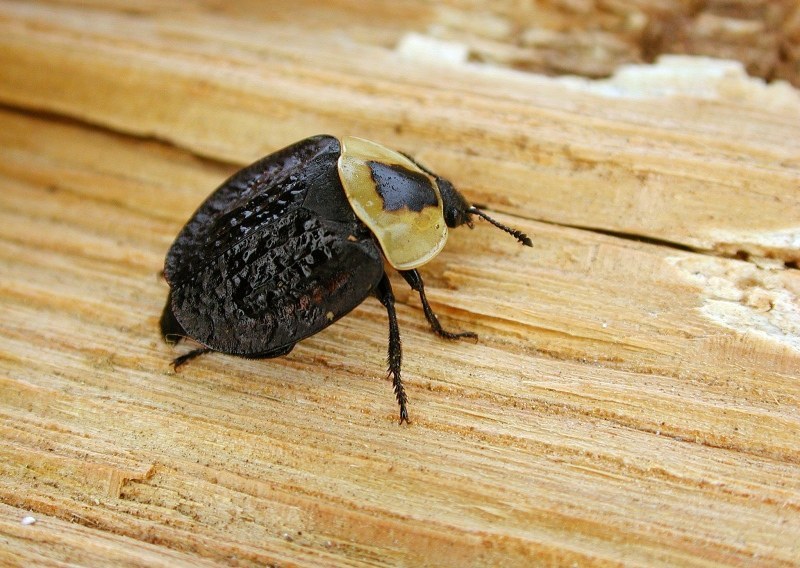
American Carrion Beetle
Forests, fields, and roadsides across North America, near decaying animal carcasses
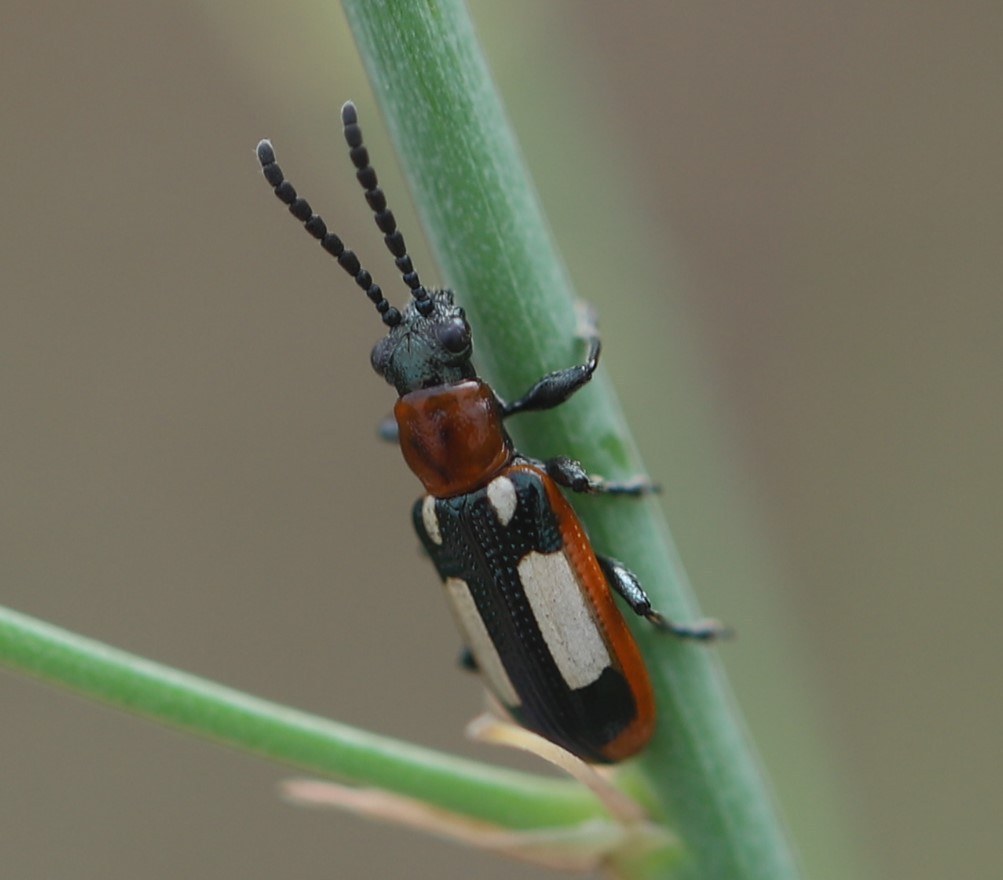
Asparagus Beetle
Asparagus patches, gardens, and farm fields
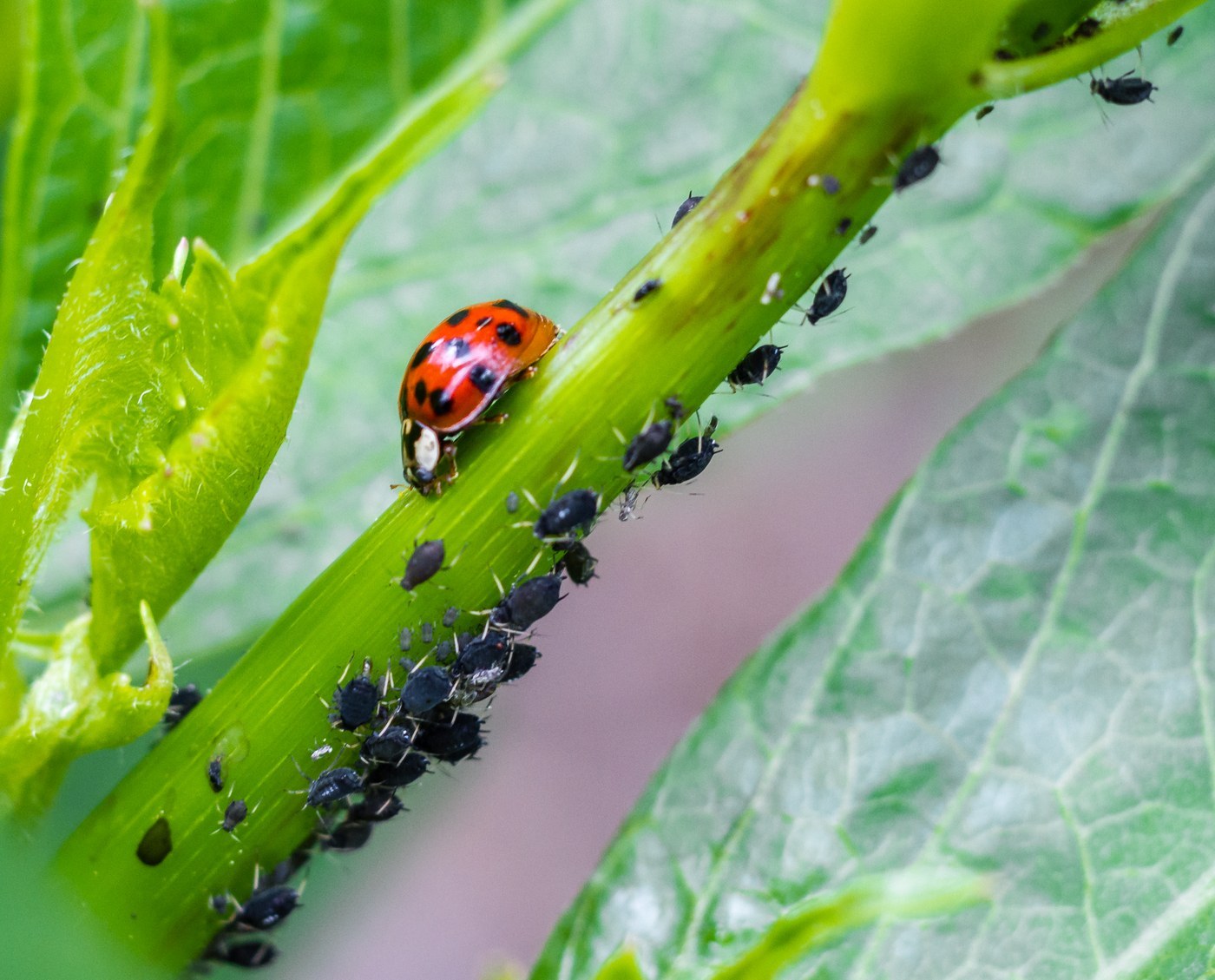
Asian Lady Beetle
Gardens, crop fields, woodlands, buildings
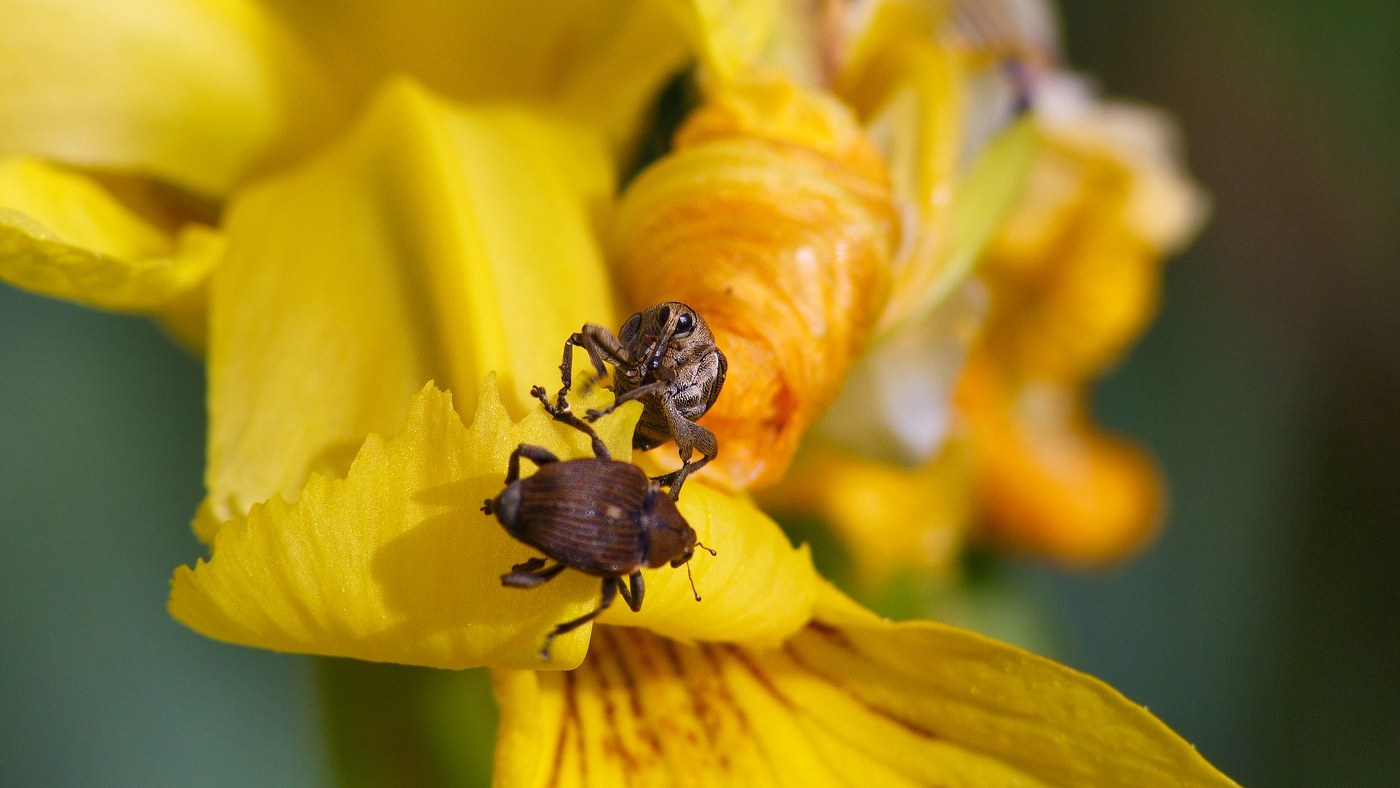
Acorn Weevil
Oak woodlands and forests, on and beneath oak trees
Wireworm
Soil of grasslands, gardens, and cultivated fields worldwide
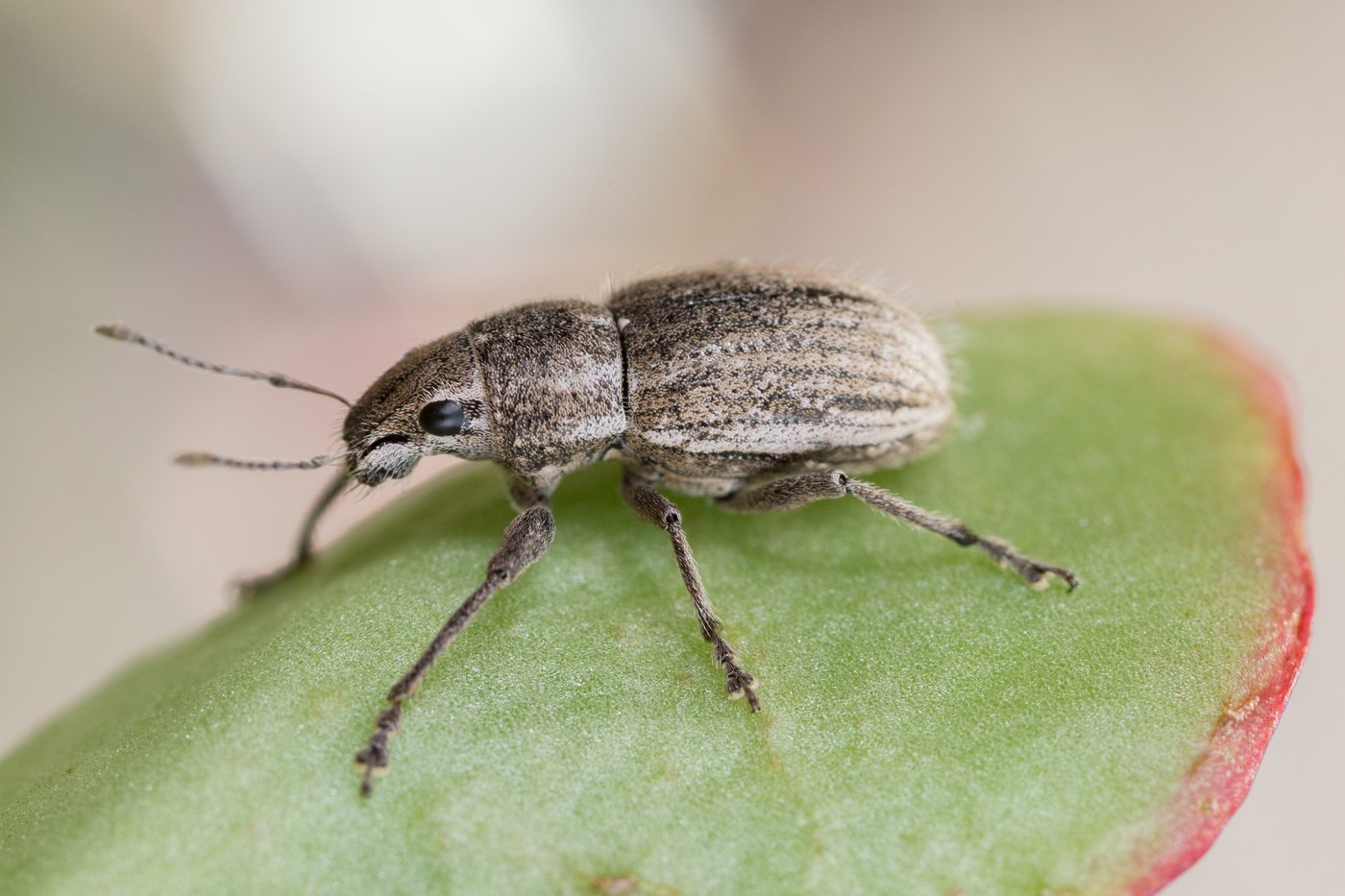
Whitefringed Beetle
Pastures, row crops, lawns, disturbed soils
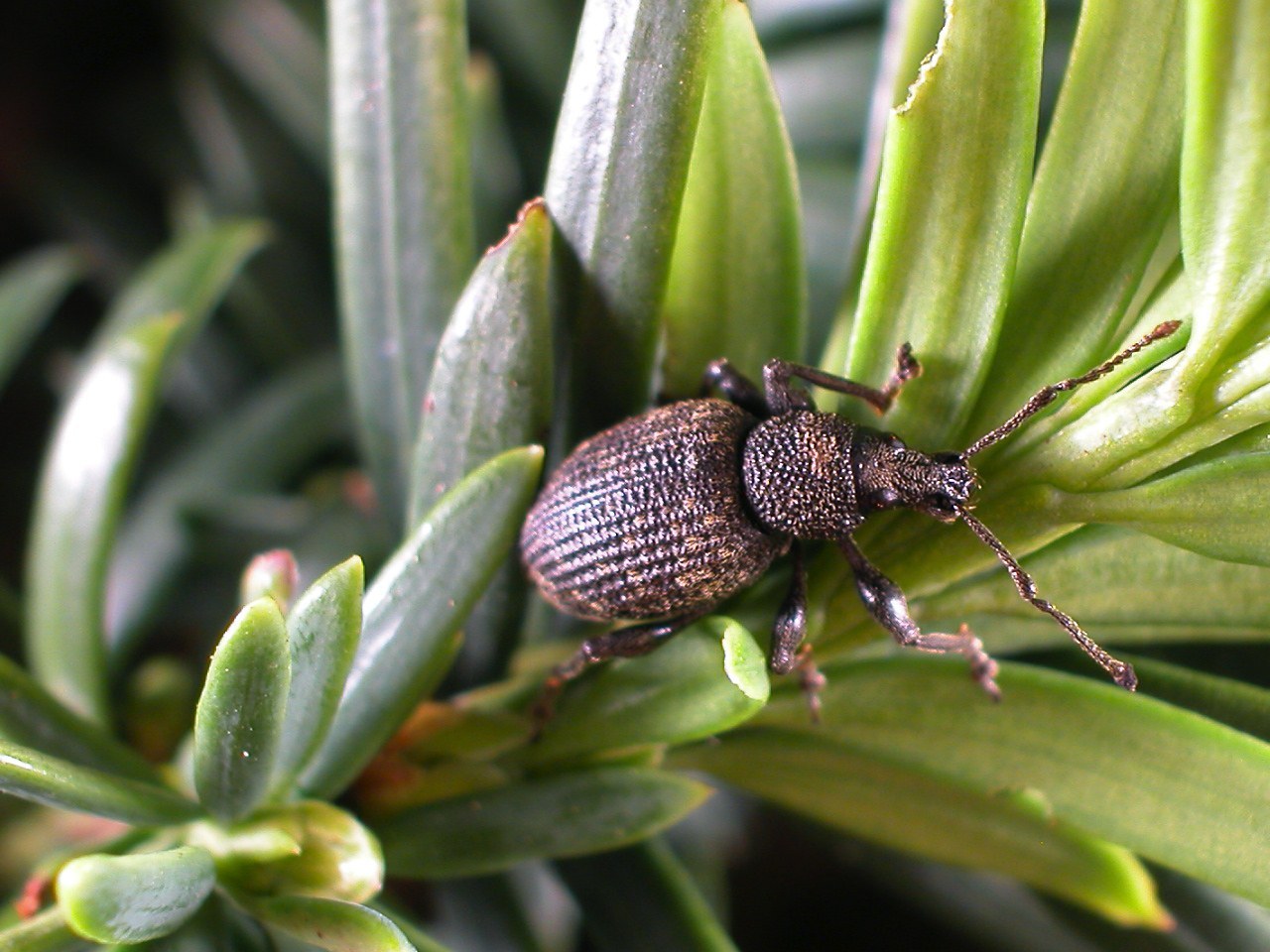
Vine Weevil
Gardens, nurseries, greenhouses, and container plantings
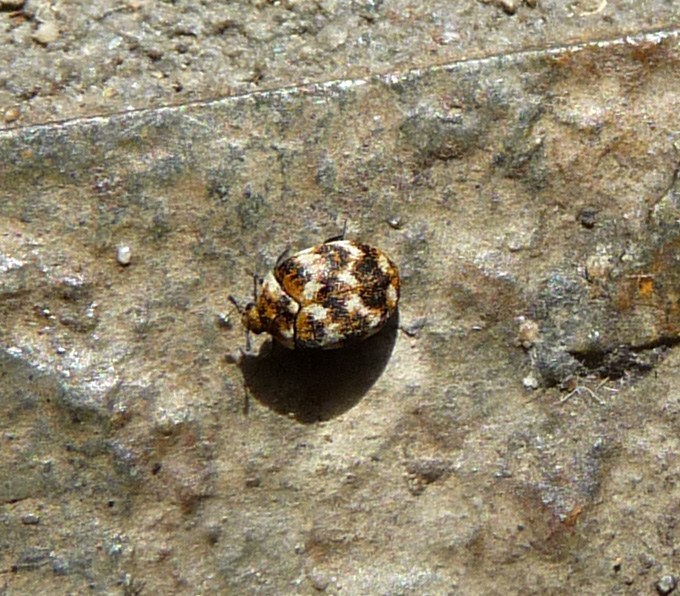
Varied Carpet Beetle
Homes, nests of birds and mammals, and flowers outdoors
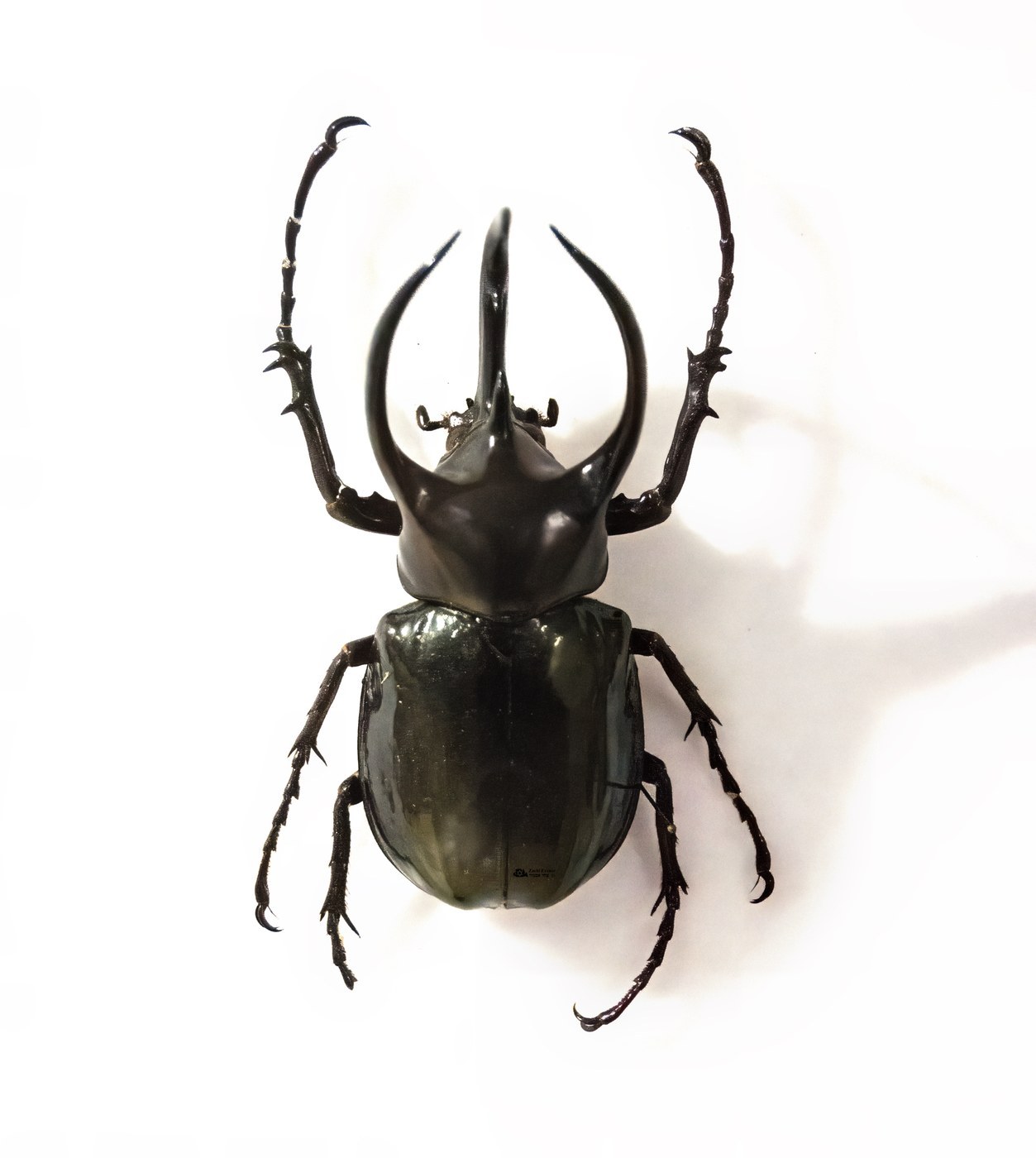
Atlas Beetle
Tropical forests of Southeast Asia
Titan Beetle
Amazon rainforest of South America
Ten-lined June Beetle
Sandy soils, pine forests, and orchards of western North America
Squash Beetle
Vegetable gardens and fields growing squash, pumpkin, and other cucurbits