
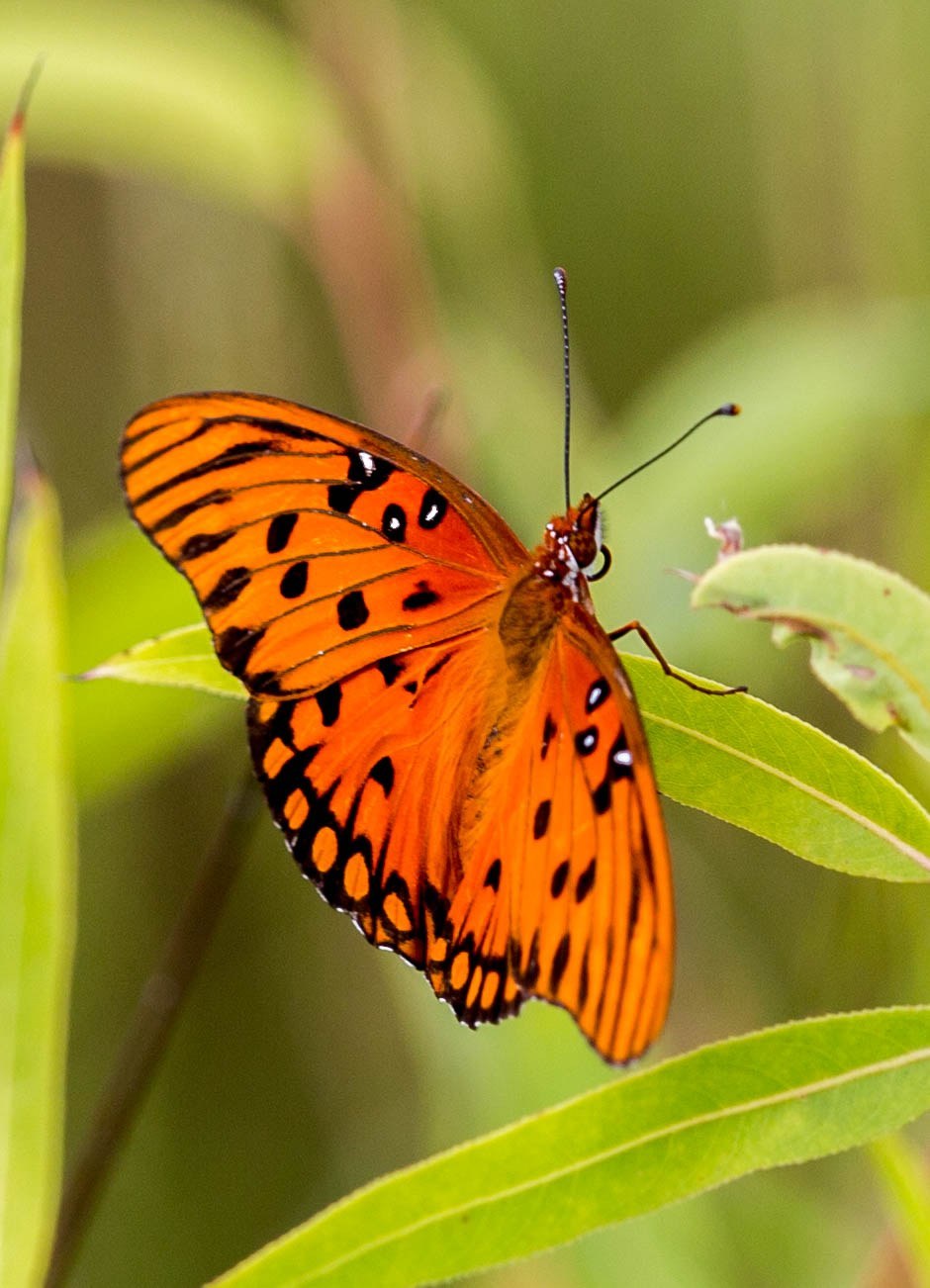
Gulf Fritillary
Agraulis vanillae
A vivid orange, long-winged butterfly whose underside gleams with brilliant metallic silver spangles, closely tied to passionflower vines throughout the warmer parts of the Americas.
- Size
- 2.5–3.75 in wingspan
- Habitat
- Gardens, open fields, roadsides, coastal areas
- Danger
- Harmless
Spotted a bug like this?
Identify any bug or insect from a photo, free.
Overview
The Gulf Fritillary belongs to the longwing subfamily Heliconiinae within Nymphalidae, making it a closer relative of the tropical Heliconius longwings than of the true fritillaries in genus Speyeria, despite sharing the common name. Its elongated forewings and bright orange coloration make it instantly recognizable across gardens and open habitats in the southern United States, Mexico, Central America, and South America.
The species is best known for the dazzling patches of iridescent silver on its underwings, a feature shared with several other Heliconiinae and thought to aid in reflecting heat or signaling unpalatability to predators after the caterpillars sequester toxins from their passionflower host plants.
Because it breeds continuously wherever passionflower vines grow, the Gulf Fritillary is a familiar and beloved garden butterfly, frequently attracted to butterfly gardens planted specifically with Passiflora species.
How to Identify
- Upperside is bright burnt-orange with scattered black spots and streaks, elongated forewings, and black-bordered wing margins.
- Underside is mottled tan and brown patterned with large, bright metallic-silver spangles, especially dense on the hindwing.
- Wings are notably long and narrow compared to most brushfoot butterflies, giving a distinctive slim silhouette in flight.
- Distinguished from true fritillaries (Speyeria and Boloria) by its elongated wing shape and silver (rather than pale cream) underside spangles, and from Julia and Zebra Longwings by its orange color pattern and spotting versus their solid orange or striped patterns.
Habitat & Range
Resident from the southern United States (Gulf Coast states, Florida, Texas, California) through Mexico, Central America, and much of South America; strays north into more temperate regions during summer.
Adults favor open sunny habitats including gardens, fields, roadsides, and coastal scrub wherever passionflower vines are established, and are active year-round in frost-free areas.
Behavior & Diet
Adults are strong, gliding fliers that visit a wide variety of nectar flowers, including lantana and composite blooms, while females spend considerable time searching for passionflower vines on which to lay eggs. Caterpillars feed exclusively on Passiflora foliage, sequestering cyanogenic compounds from the plant that are thought to make later life stages distasteful to predators.
The bright orange coloration combined with erratic flight is believed to function as a warning signal to predators. The species plays a role as both a pollinator of garden and wild flowers and a specialist herbivore that can, in some settings, defoliate ornamental passionflower vines when caterpillar densities are high.
Life Cycle
Females lay small yellow, ridged eggs singly on the leaves, stems, or tendrils of passionflower vines. Caterpillars are bright orange with rows of black branching spines and feed voraciously on Passiflora leaves through five instars.
The chrysalis is mottled brown and shaped to resemble a curled dead leaf, suspended by a silk girdle. In frost-free climates the species breeds continuously with multiple overlapping generations per year and undergoes complete metamorphosis; in cooler areas it recolonizes seasonally from southern populations rather than overwintering locally.
Frequently asked questions
Is the Gulf Fritillary a true fritillary?
Not technically — it belongs to the longwing subfamily Heliconiinae rather than the true fritillary genus Speyeria, though it shares the common name due to superficial resemblance.
What plant does it need to breed?
Passionflower vines (Passiflora species) are the exclusive host plant for its caterpillars.
How can I recognize it in flight?
Look for elongated bright orange wings with black spotting above and dazzling silver patches on the underside when it lands.
Does it overwinter locally in cooler climates?
In frost-free southern regions it breeds year-round, while in cooler areas populations typically recolonize each year rather than overwintering.
Gulf Fritillary guides
In-depth guides for identifying, understanding, and living alongside Gulf Fritillary.
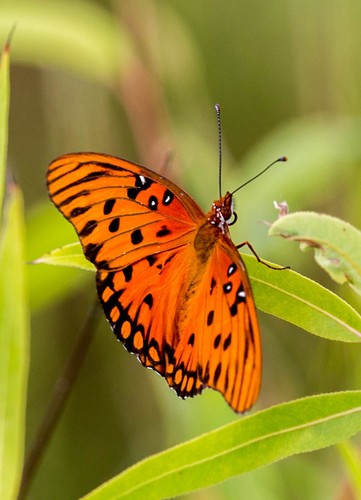
Gulf Fritillary identified by the community
Real finds identified with Bug Identifier.
Other bugs you may enjoy
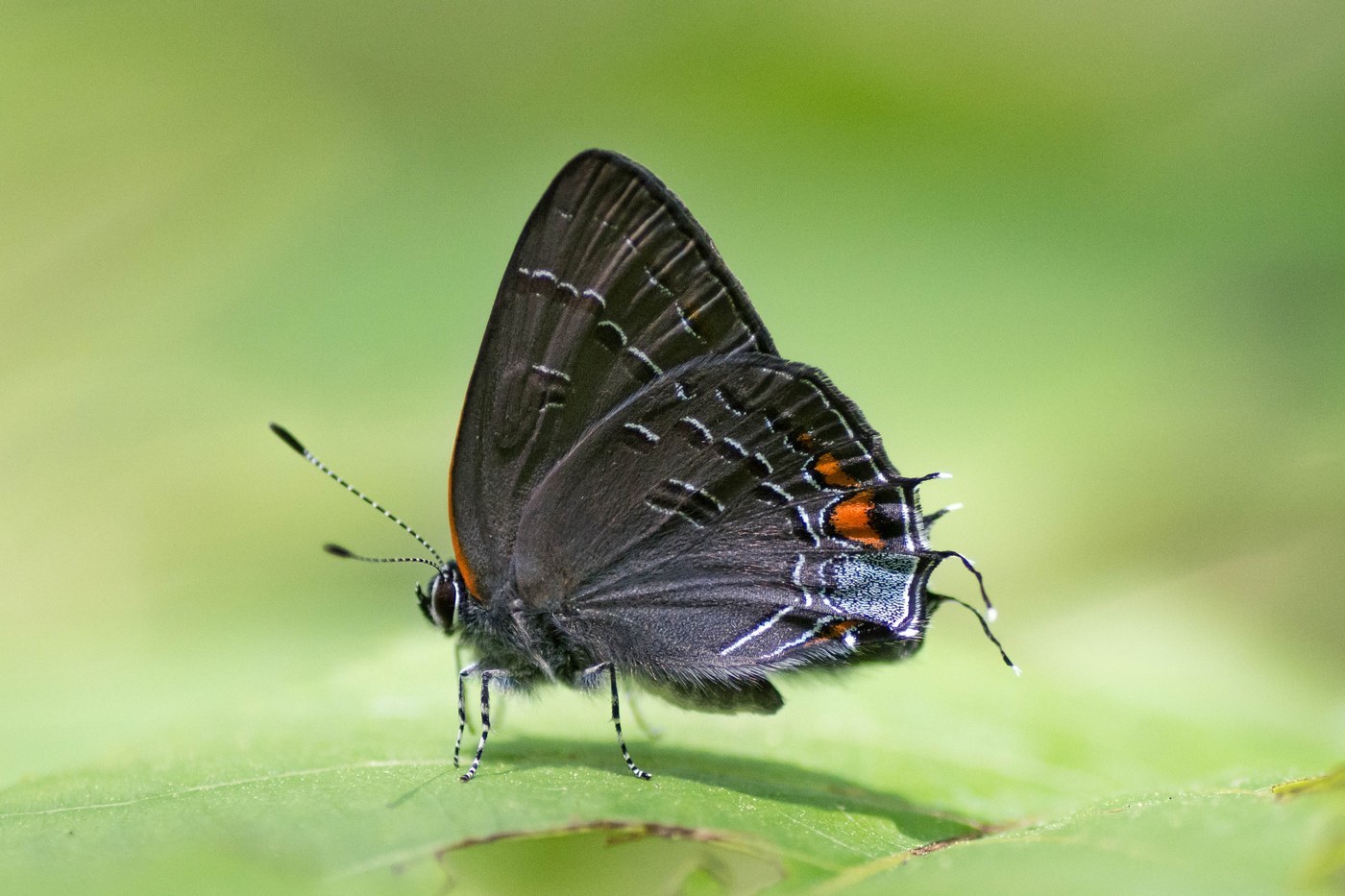
Banded Hairstreak
Deciduous woodlands and edges with oaks and hickories
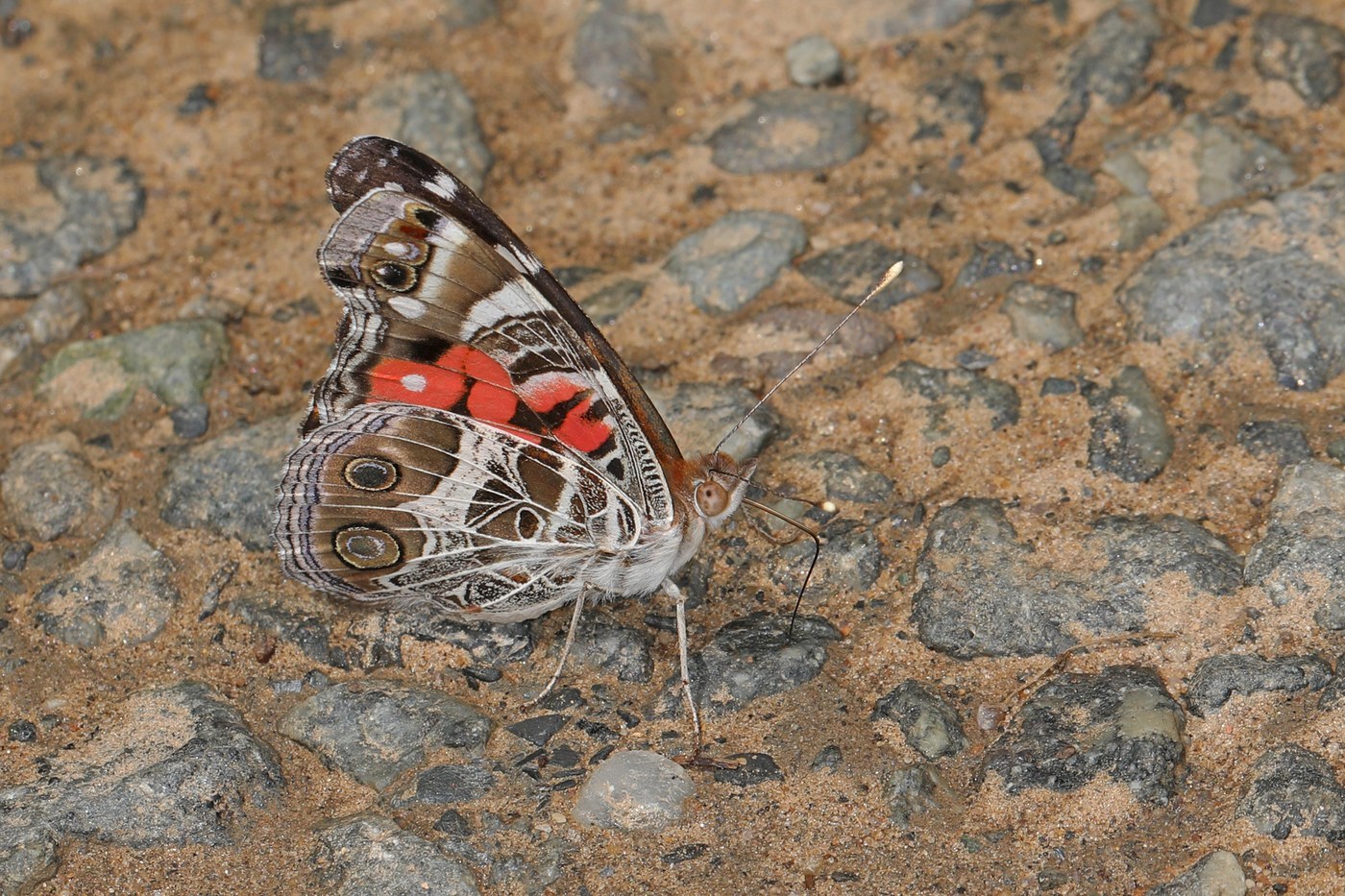
American Lady
Open fields, meadows, gardens, roadsides
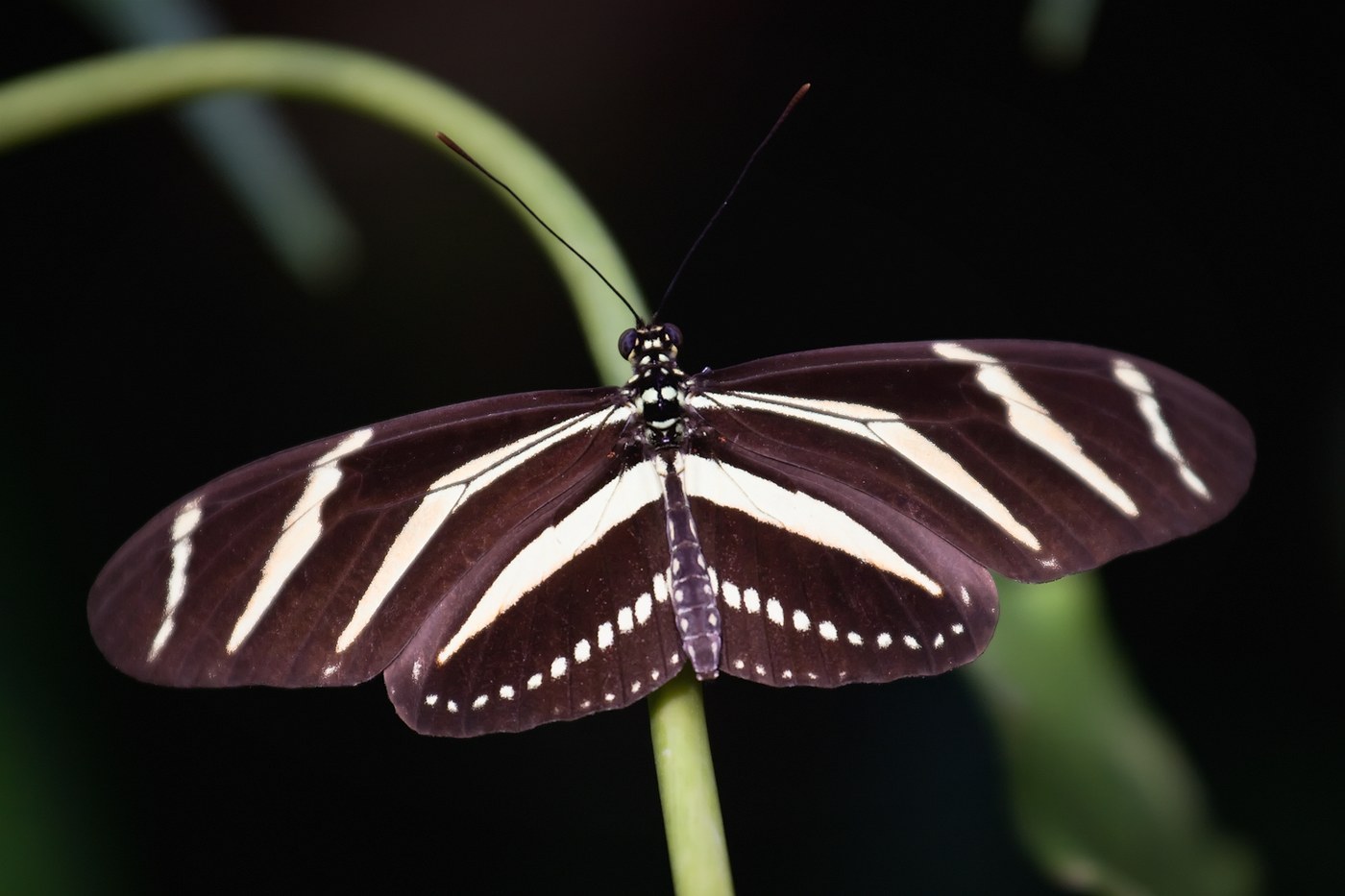
Zebra Longwing
Tropical hammocks, gardens, forest edges
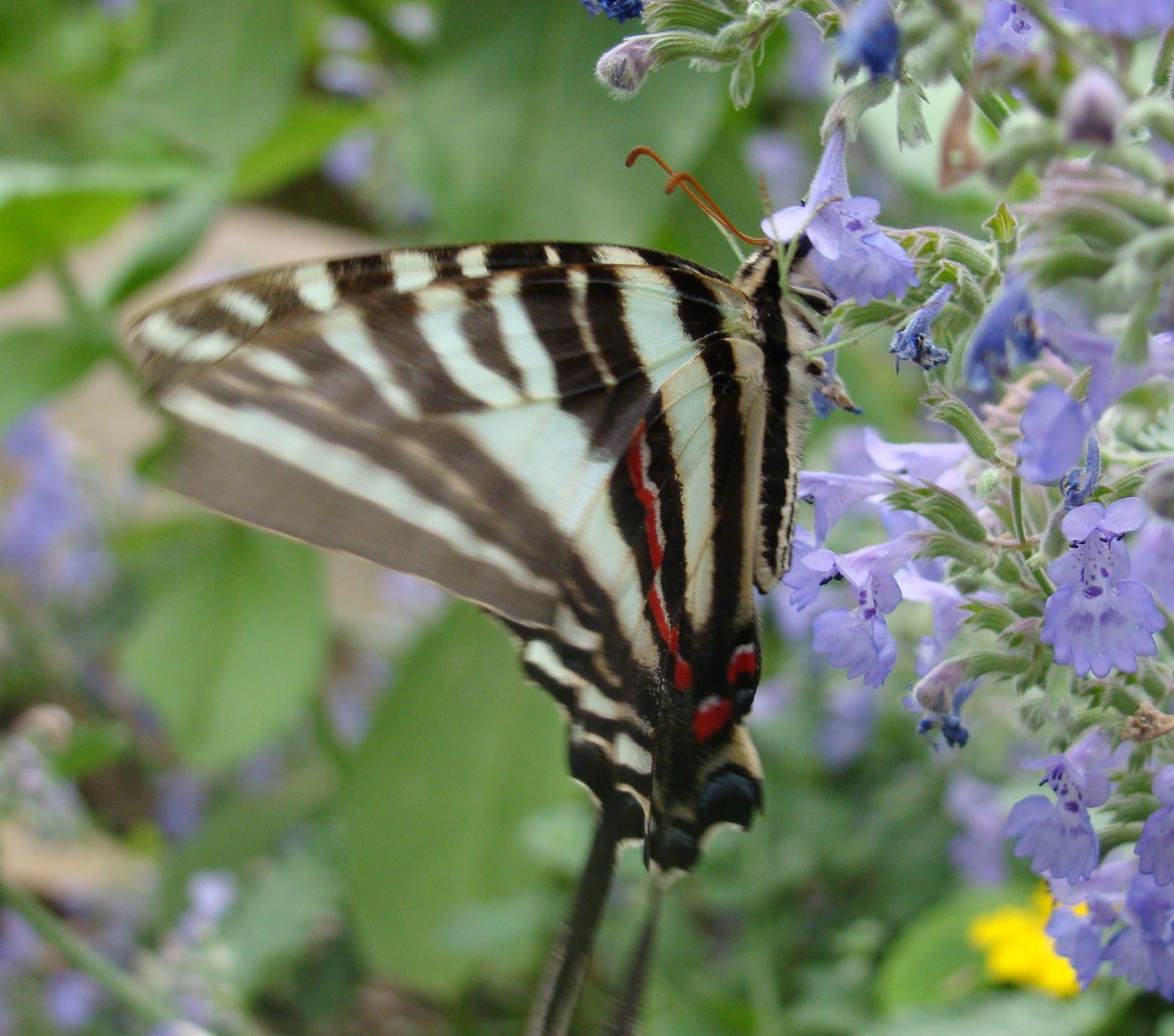
Zebra Swallowtail
Woodlands, floodplains, forest edges near pawpaw
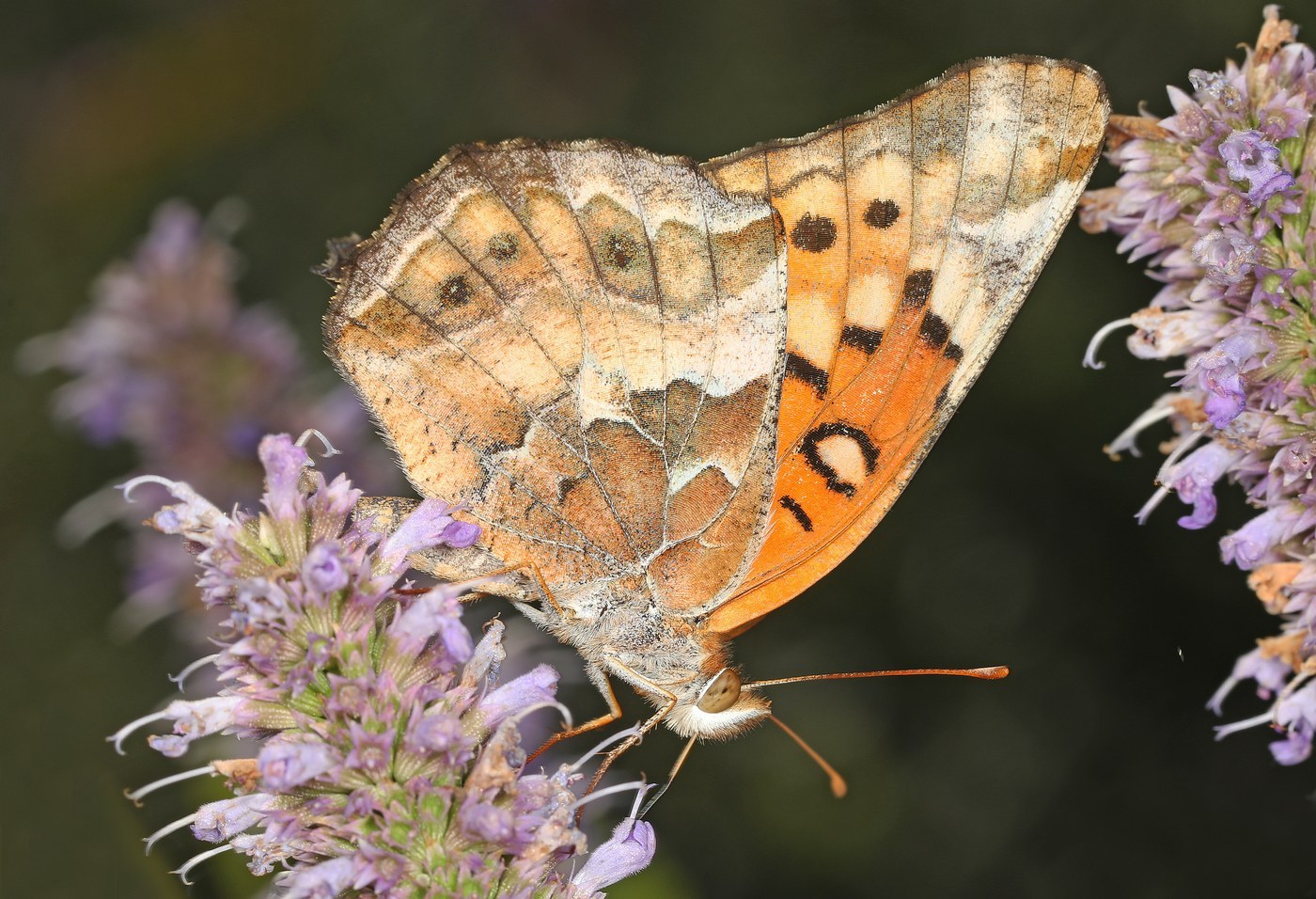
Variegated Fritillary
Open fields, prairies, roadsides, and disturbed ground across most of the United States
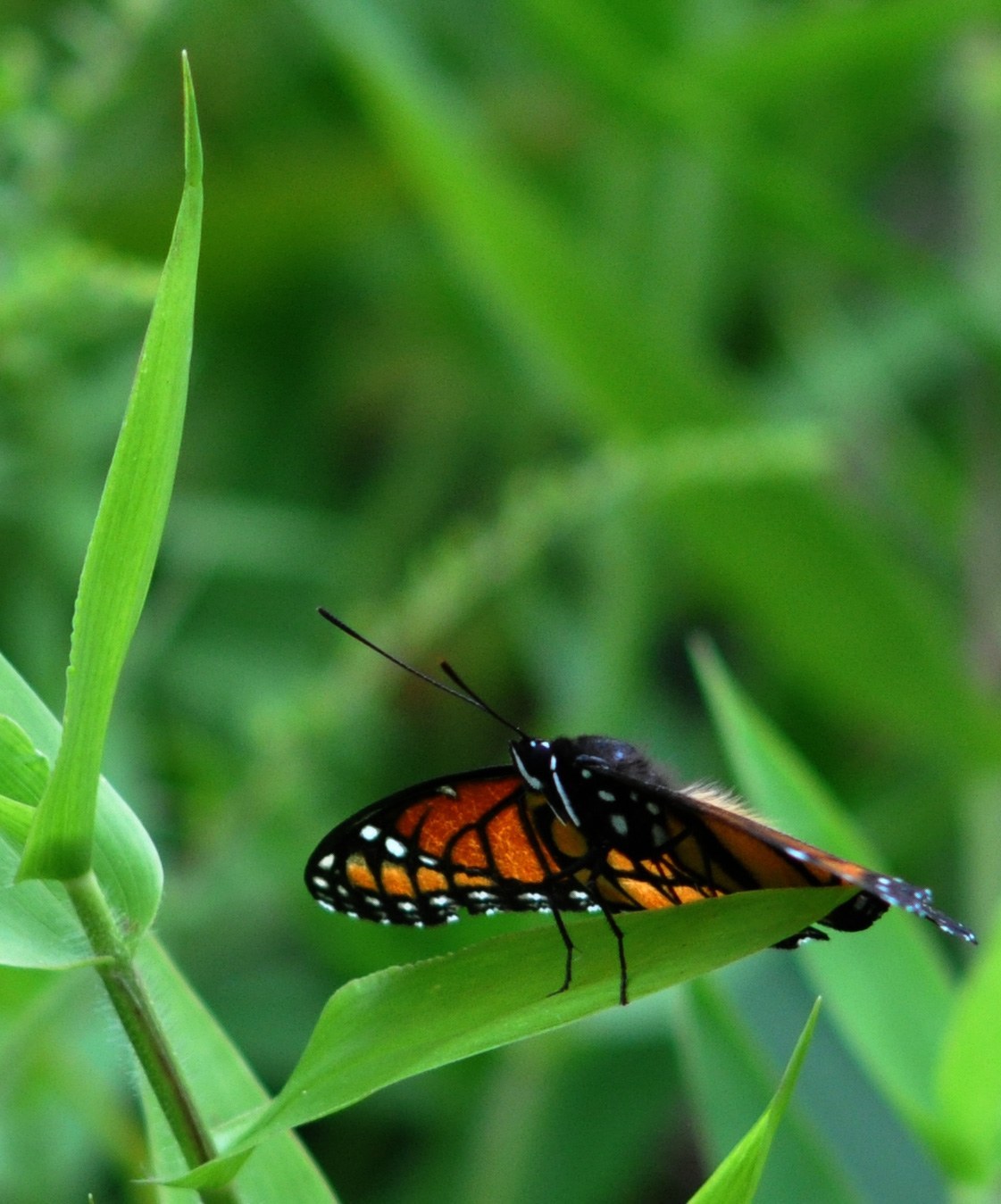
Viceroy Butterfly
Wetlands, meadows, riverbanks, willow thickets (North America)
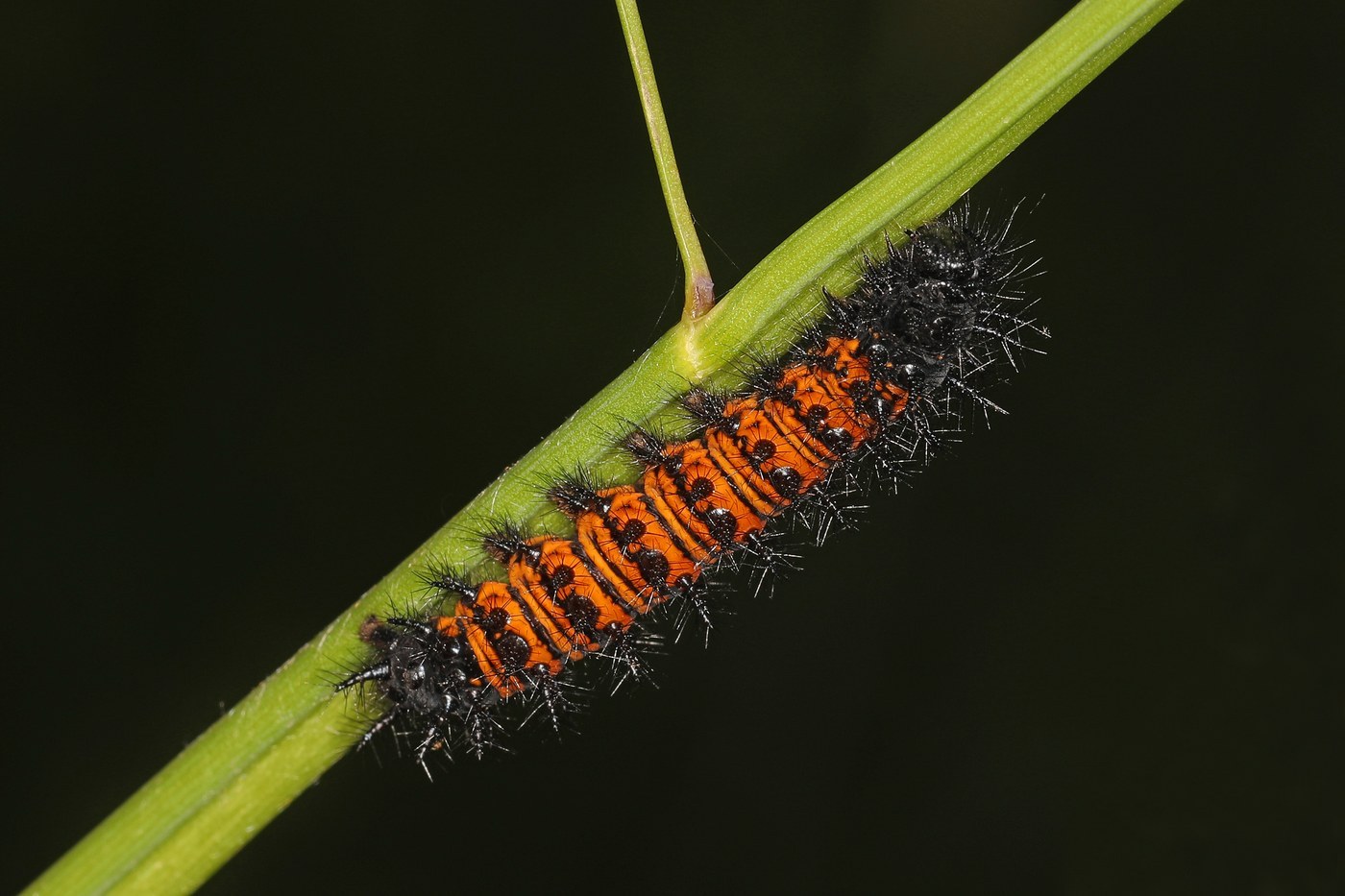
Baltimore Checkerspot
Wet meadows, bogs, and marshy fields in the northeastern and Appalachian US
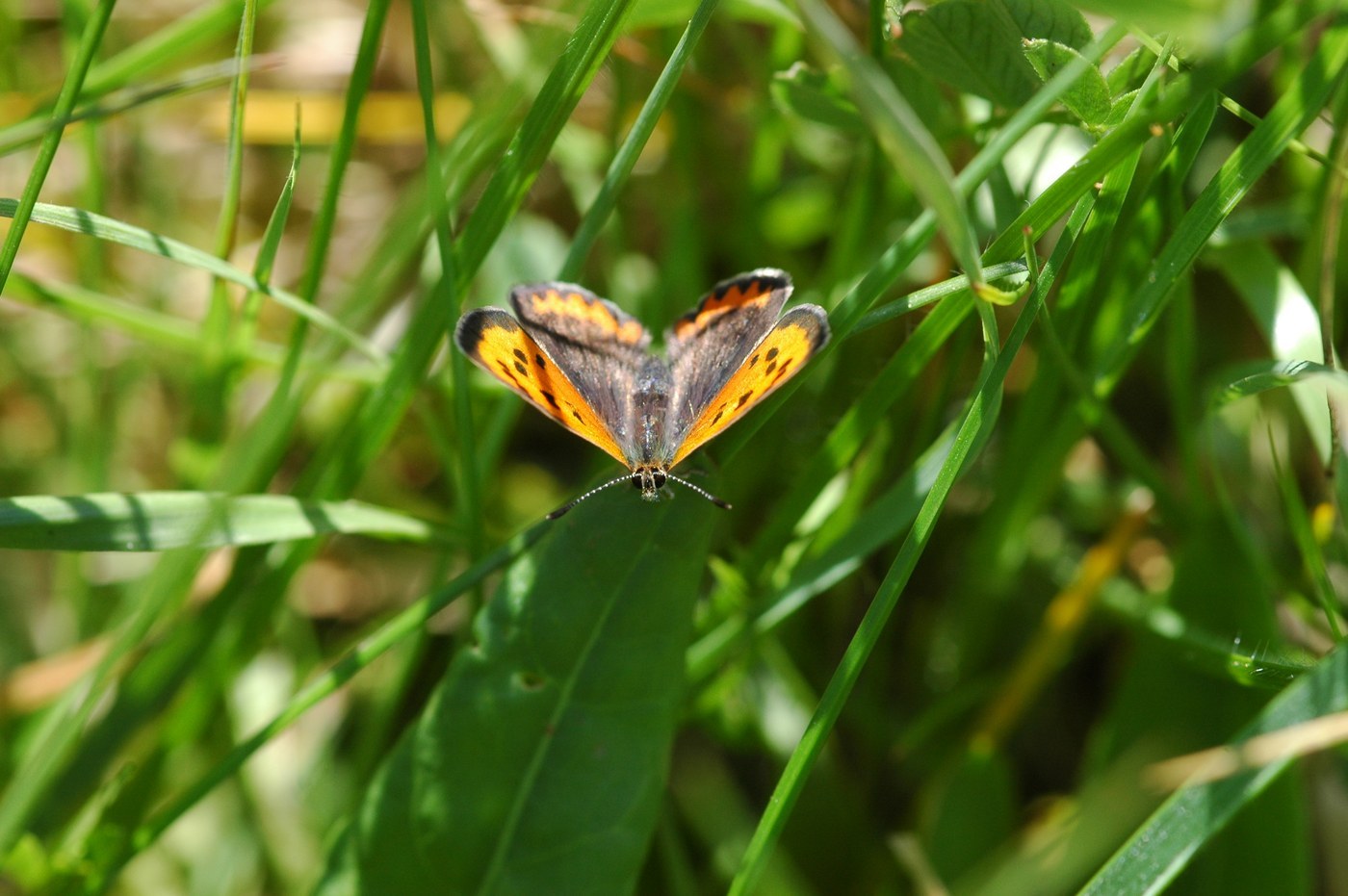
American Copper
Old fields, roadsides, and disturbed open ground with sorrel or dock
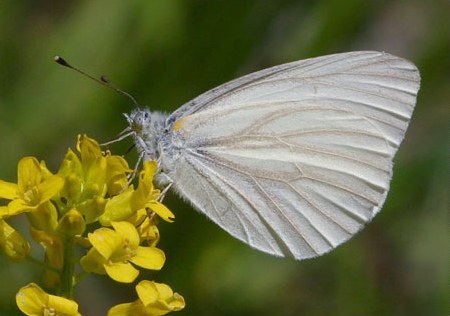
West Virginia White
Rich deciduous forest floors, especially near seeps and streams
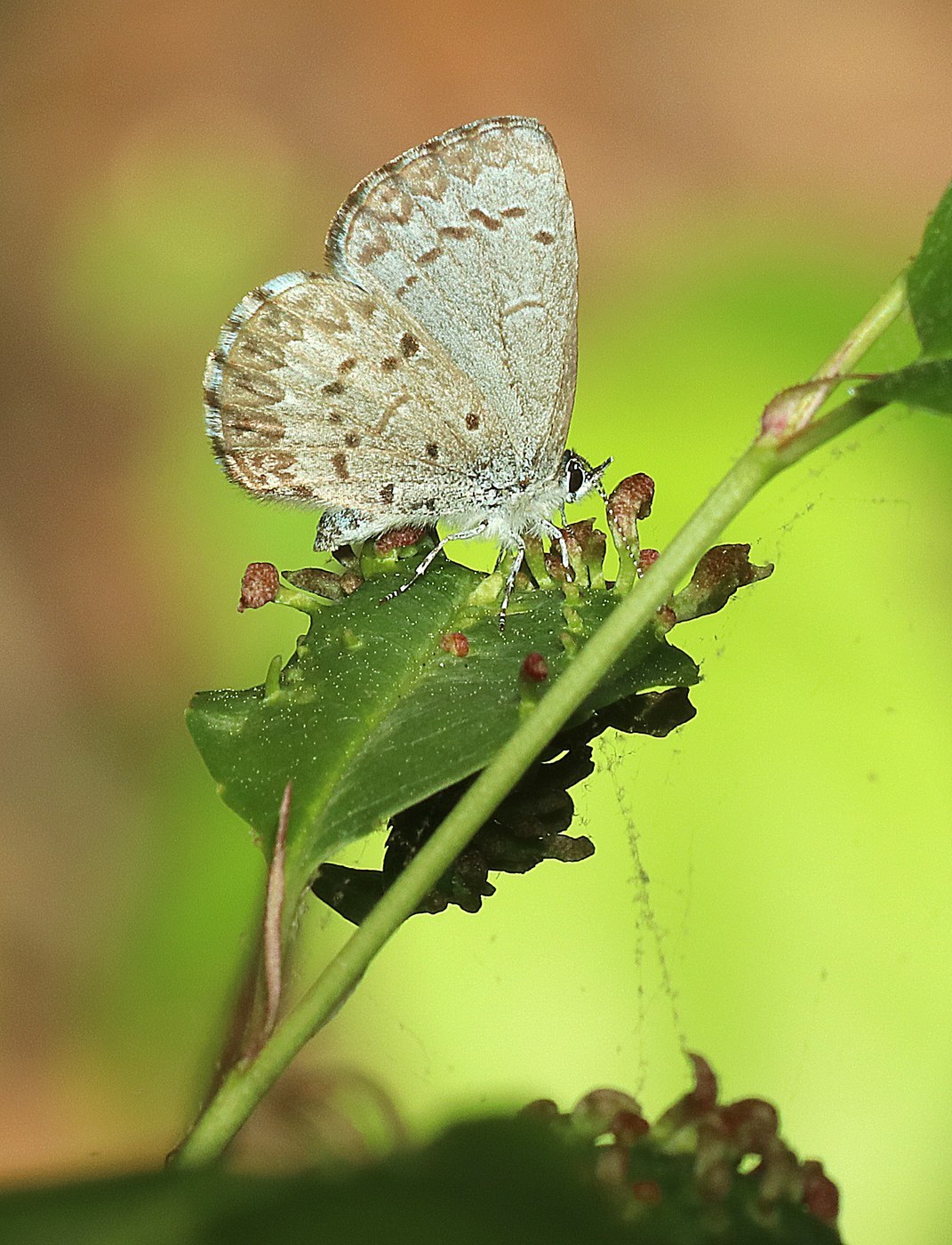
Spring Azure
Woodland edges, gardens, shrubby clearings
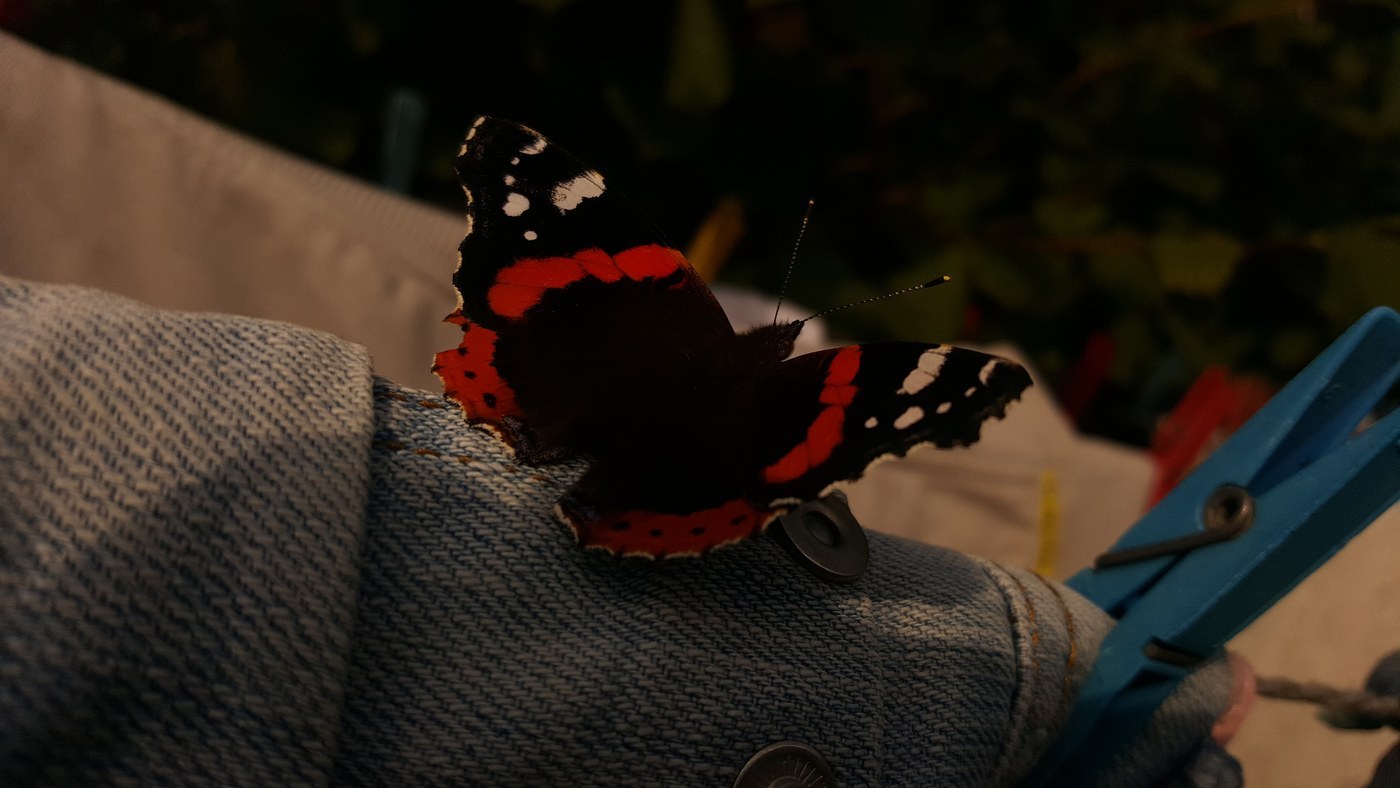
Red Admiral
Gardens, woodland edges, parks, meadows
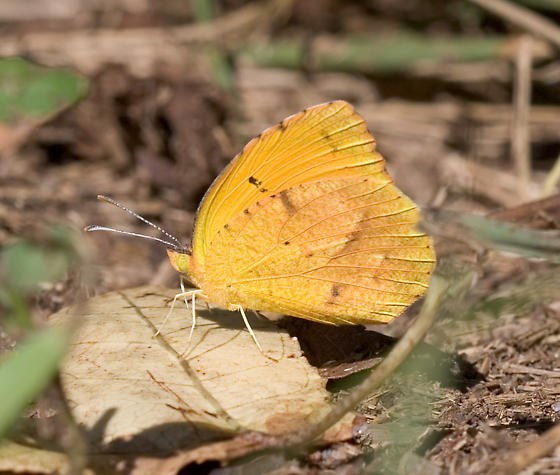
Sleepy Orange
Open woodland, fields, roadsides, and disturbed ground