
Gulf Fritillary Caterpillar
Agraulis vanillae
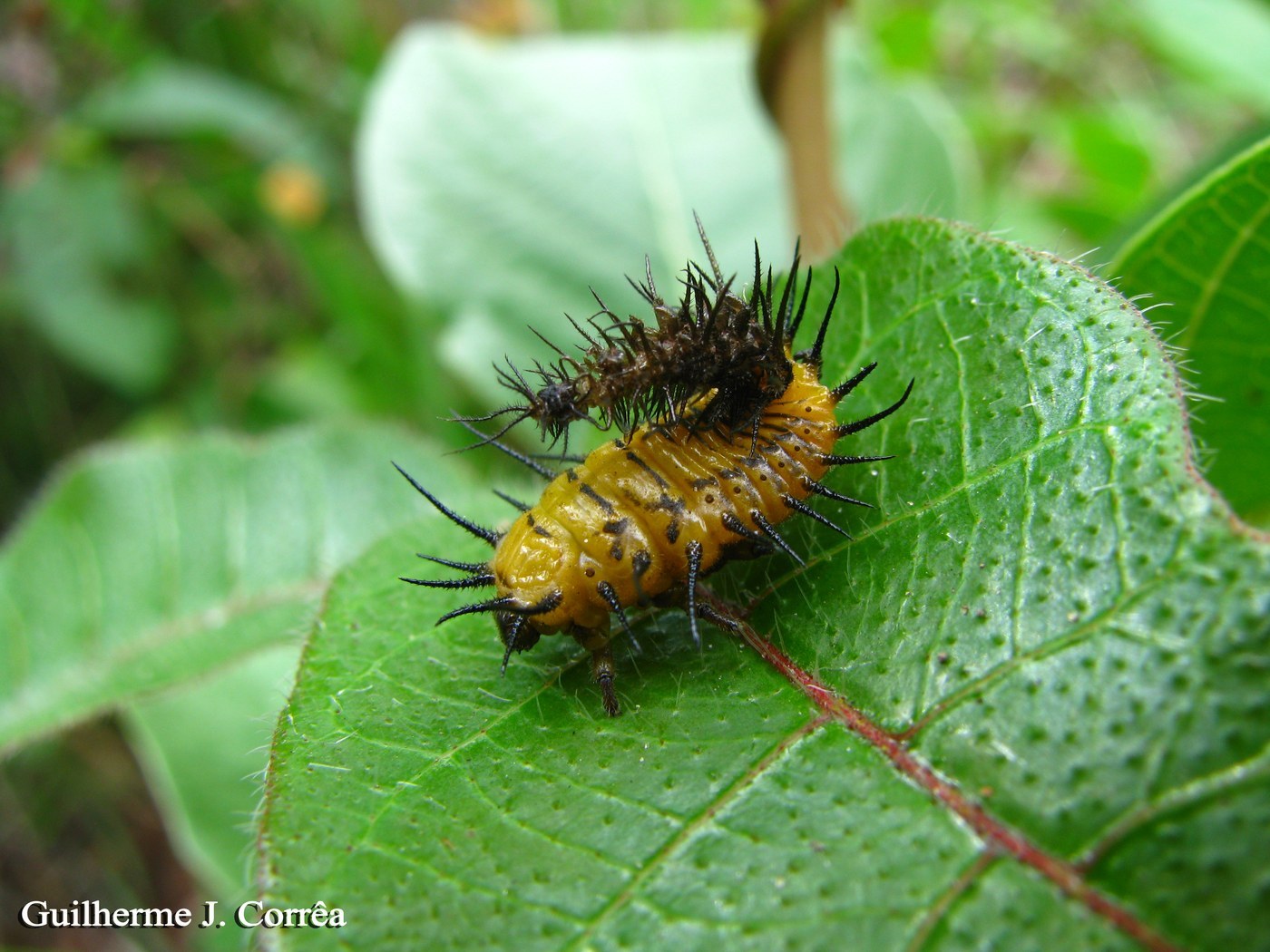
A vivid burnt-orange caterpillar bristling with rows of branched black spines that specializes almost exclusively on passionflower vines.
- Size
- About 1.5-2 in (4-5 cm) long
- Habitat
- Gardens, fields, and thickets with passionflower vines
- Danger
- Harmless
Spotted a bug like this?
Identify any bug or insect from a photo, free.
Overview
The Gulf fritillary caterpillar is the larval stage of a brilliant orange butterfly common throughout the southern United States and into Central and South America. It is a passionflower specialist, feeding almost exclusively on vines in the genus Passiflora, which contain toxic compounds the caterpillar sequesters as a defense inherited into adulthood.
Gardeners who grow ornamental passionflower vines often encounter this caterpillar in large numbers, as females frequently lay many eggs on a single host plant.
How to Identify
- Body is bright orange to yellow-orange with fine black speckling
- Rows of long, branched black spines (scoli) run the length of the body, giving a bristly appearance
- Head is black with short spines
- Body is soft and glossy rather than fuzzy despite the spiny look
- Spines look sharp but are not rigid or hard
- Distinguished from the similar zebra longwing caterpillar (which is white with black spines) by its solid orange coloration
Habitat & Range
This species ranges across the southern United States, Mexico, Central America, and much of South America, and has also become established in parts of the world where passionflower has been introduced, including Hawaii and parts of Australia. Caterpillars are found wherever passionflower vines grow, in gardens, fence lines, thickets, and open woodland edges, active nearly year-round in frost-free areas.
Behavior & Diet
The caterpillar feeds exclusively on passionflower vine leaves and can strip a vine bare when populations are dense, making it a recognized garden pest of ornamental Passiflora. By feeding on a toxic host plant, it sequesters defensive compounds that make both the caterpillar and the resulting butterfly distasteful to many predators, a strategy advertised through its bright warning coloration. It contributes to local food webs as prey for insects and birds tolerant of its chemical defenses, and the adult is an important nectar pollinator.
Life Cycle
Females lay small yellow, ridged eggs singly on passionflower leaves, tendrils, or stems. The larva passes through five instars over about two weeks, growing rapidly on its host plant. The mature caterpillar forms a mottled brown chrysalis that resembles a dead curled leaf, suspended by a silk girdle from a stem or nearby structure. In warm climates the species breeds continuously with multiple overlapping generations per year, while in cooler areas it may not overwinter successfully and relies on recolonization.
Frequently asked questions
What does the Gulf fritillary caterpillar eat?
It feeds almost exclusively on passionflower vine leaves.
Why is the caterpillar bright orange?
The bold orange coloring, combined with toxins sequestered from its passionflower host, serves as a warning signal to potential predators.
Are the spines on the caterpillar sharp or stinging?
The spines look formidable but are soft and not equipped to sting; they mainly serve as a visual deterrent.
How can I tell it apart from a zebra longwing caterpillar?
Zebra longwing caterpillars are white with black spines, while Gulf fritillary caterpillars are solid orange with black spines.
Gulf Fritillary Caterpillar guides
In-depth guides for identifying, understanding, and living alongside Gulf Fritillary Caterpillar.
Other bugs you may enjoy
Bagworm
Trees and shrubs, especially conifers and ornamental landscaping
Armyworm
grasslands, pastures, and cereal crop fields
Zebra Longwing Caterpillar
Tropical and subtropical hammocks with passionflower vines
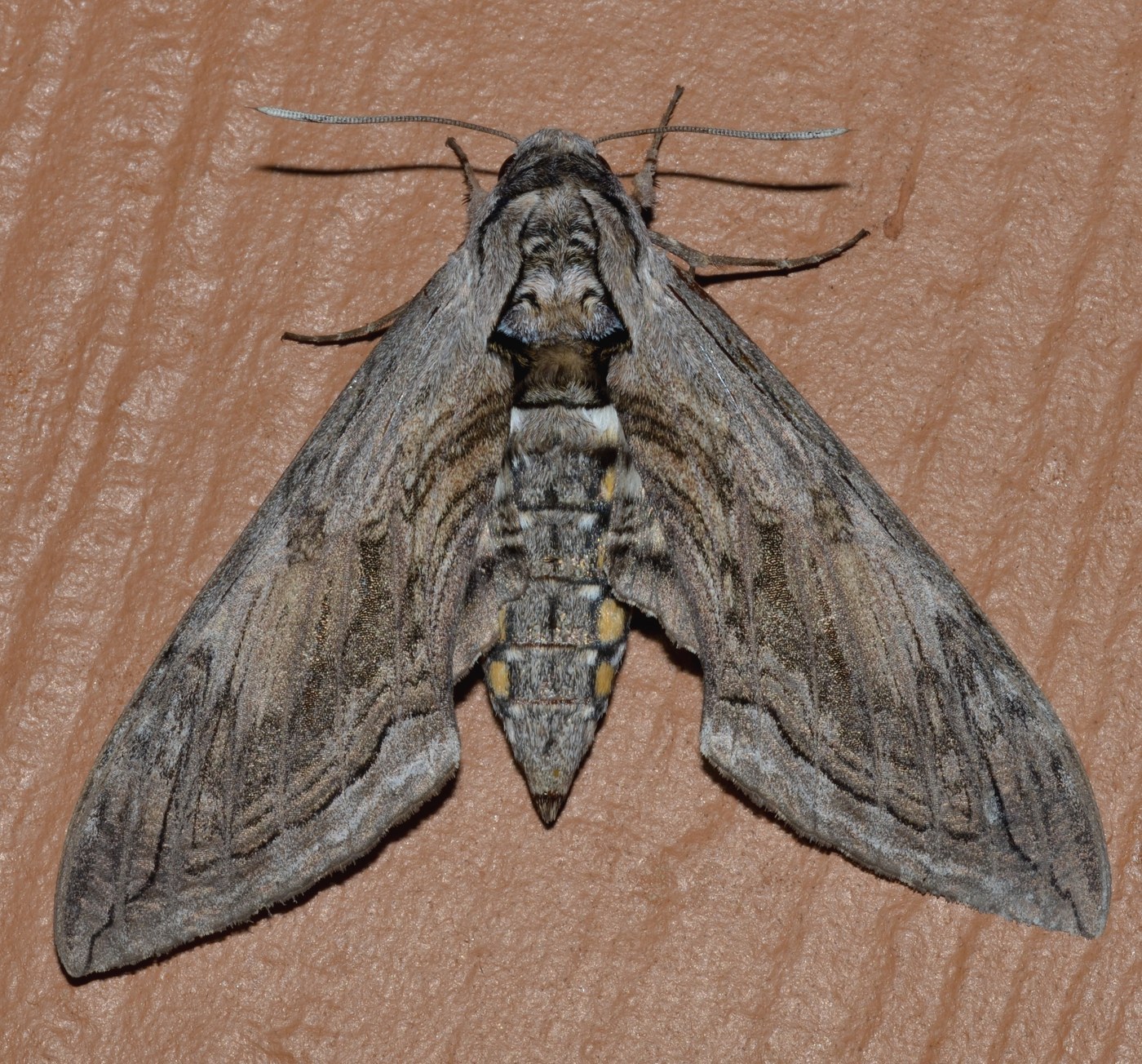
Tomato Hornworm
Gardens and fields with tomato, pepper, and other nightshade plants
Tent Caterpillar
Deciduous trees such as cherry, apple, and other rosaceous species
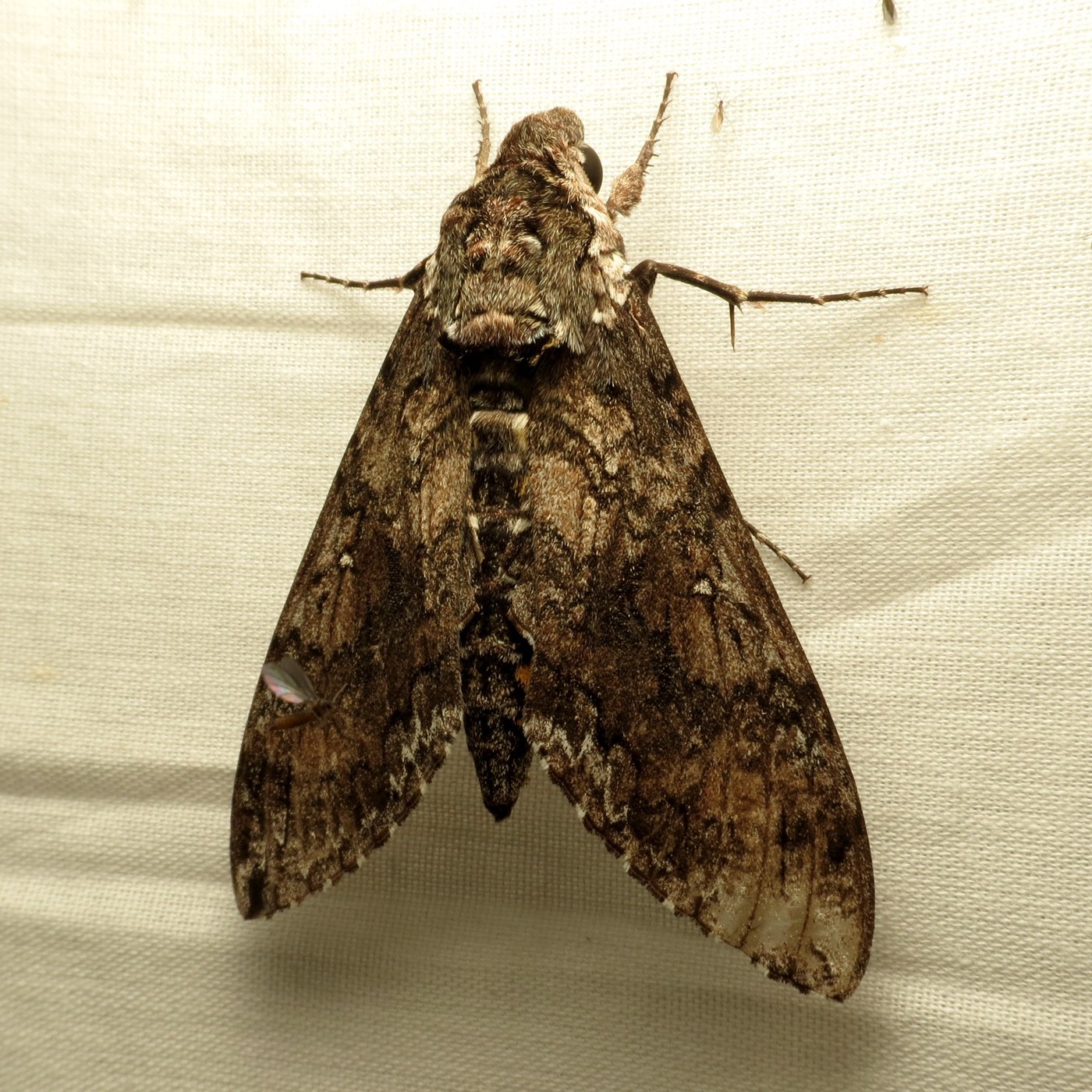
Tobacco Hornworm
tobacco, tomato, and pepper plants in gardens and fields
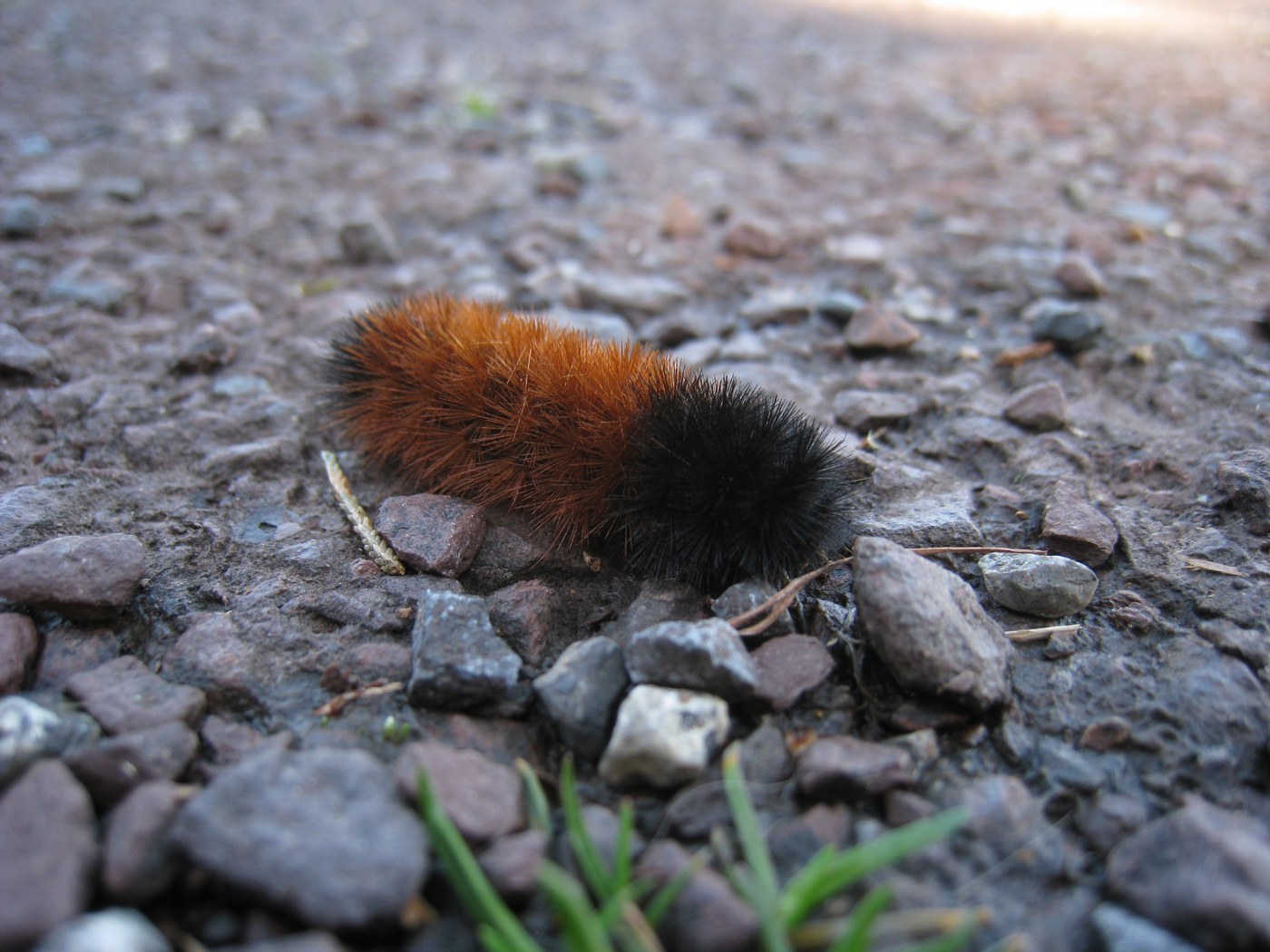
Woolly Bear Caterpillar
Gardens, meadows, roadsides, and woodland edges across North America
Sod Webworm
Turfgrass lawns, golf courses, pastures
Spiny Oak-slug Caterpillar
Deciduous forests and woodland edges with oak and other hardwoods
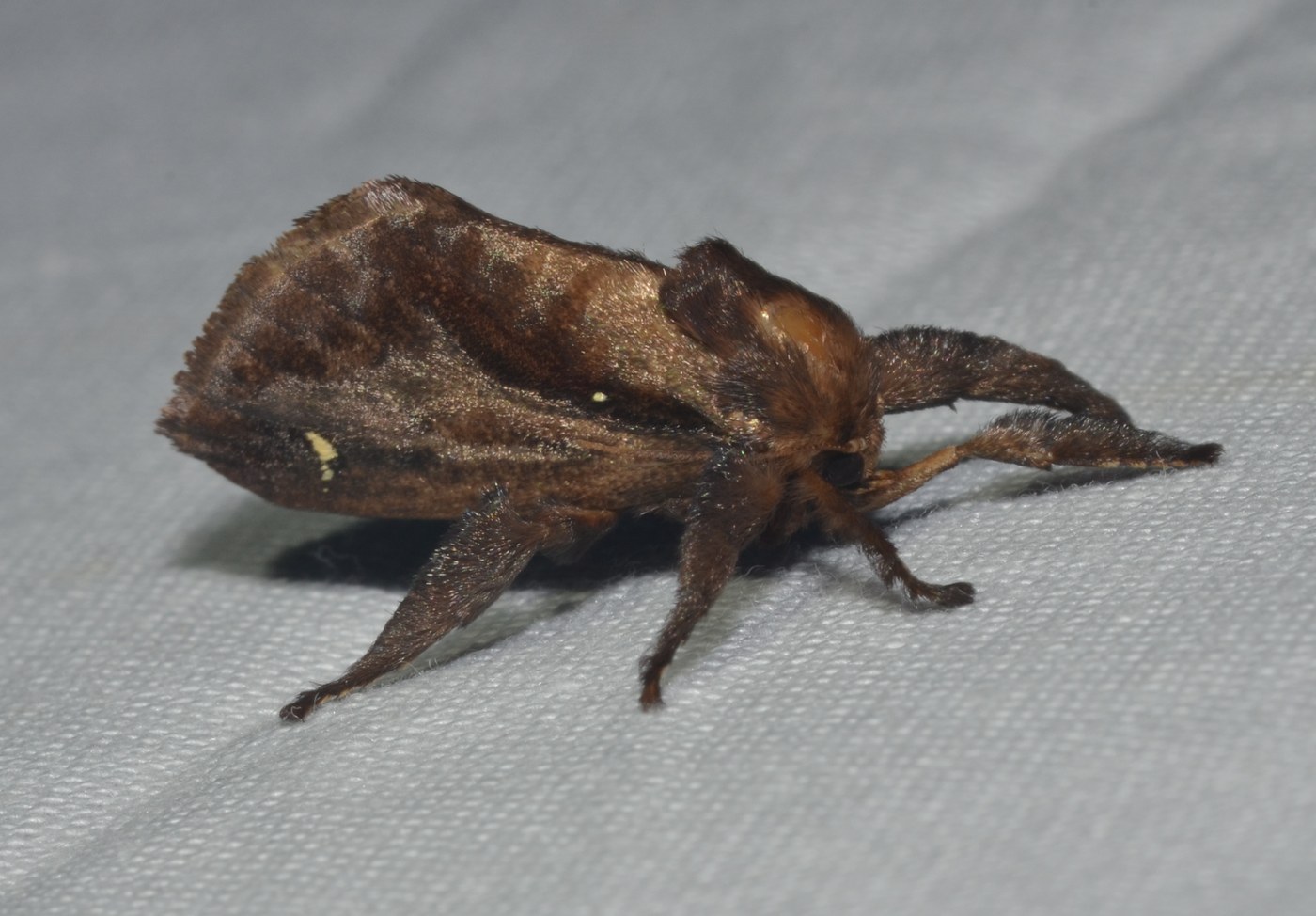
Saddleback Caterpillar
Deciduous trees and shrubs in eastern and southern North America
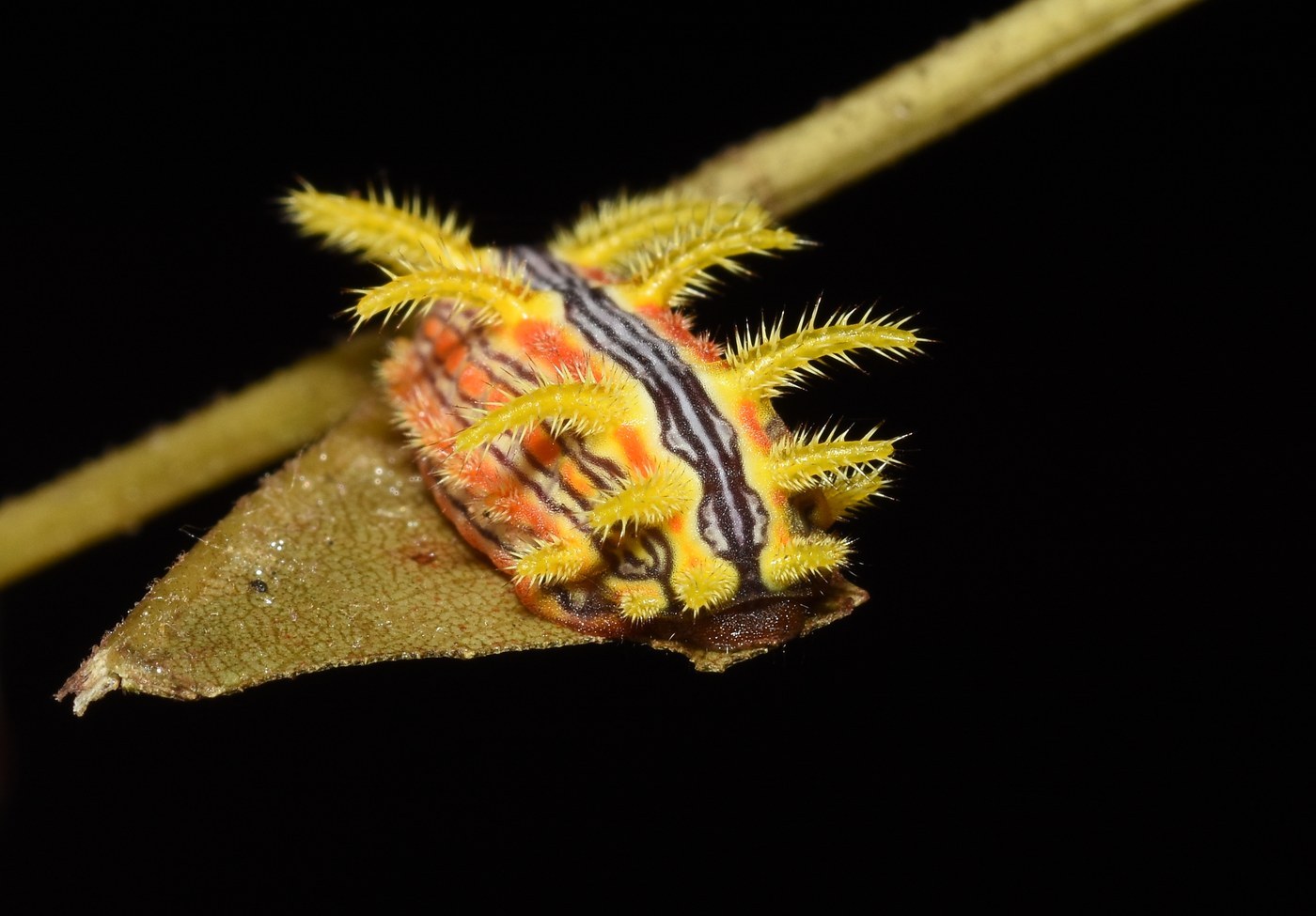
Stinging Rose Caterpillar
Gardens and woodlands with rose, dogwood, or oak
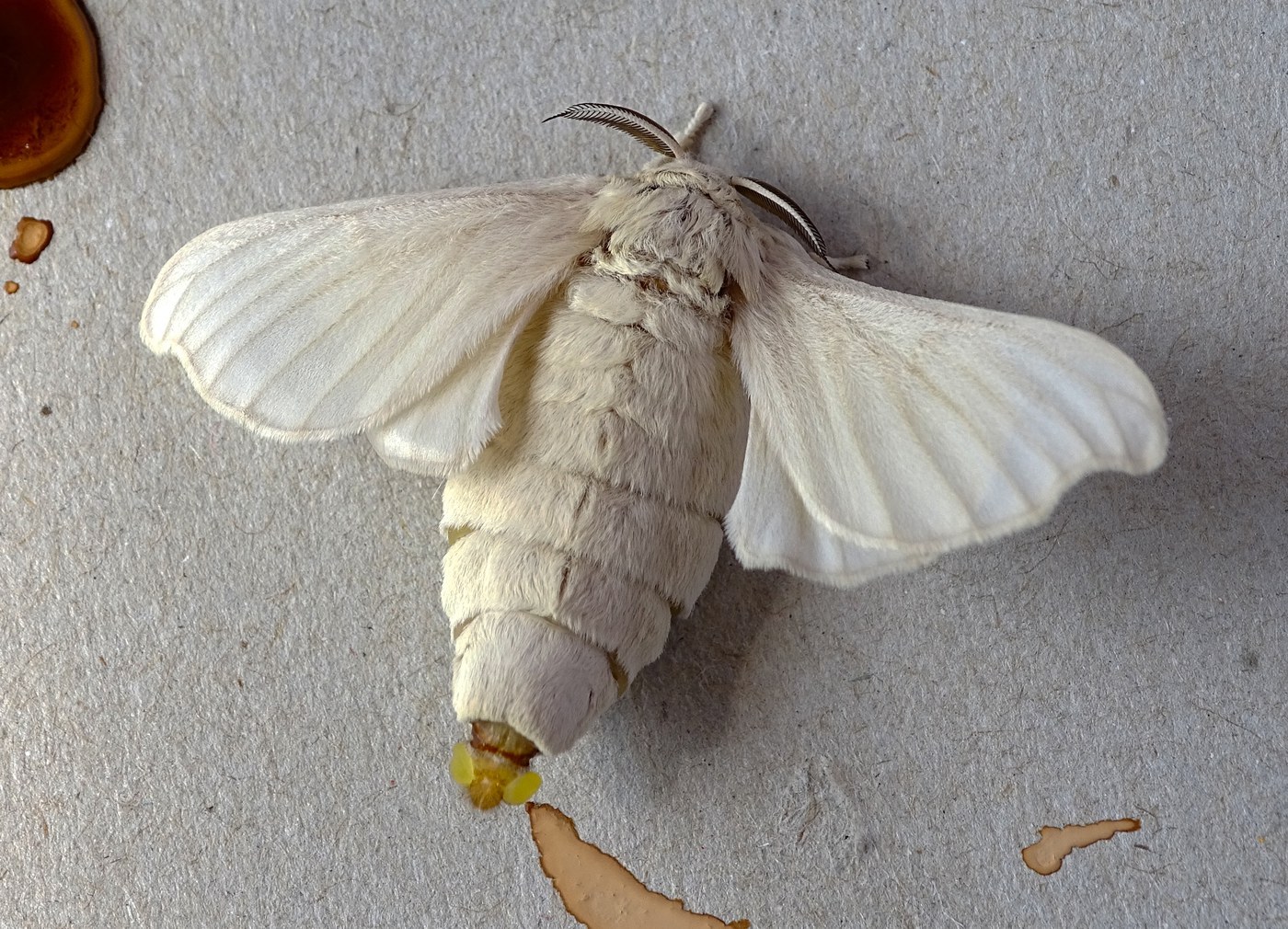
Silkworm
Reared exclusively in captivity on mulberry leaves; no independent wild population