
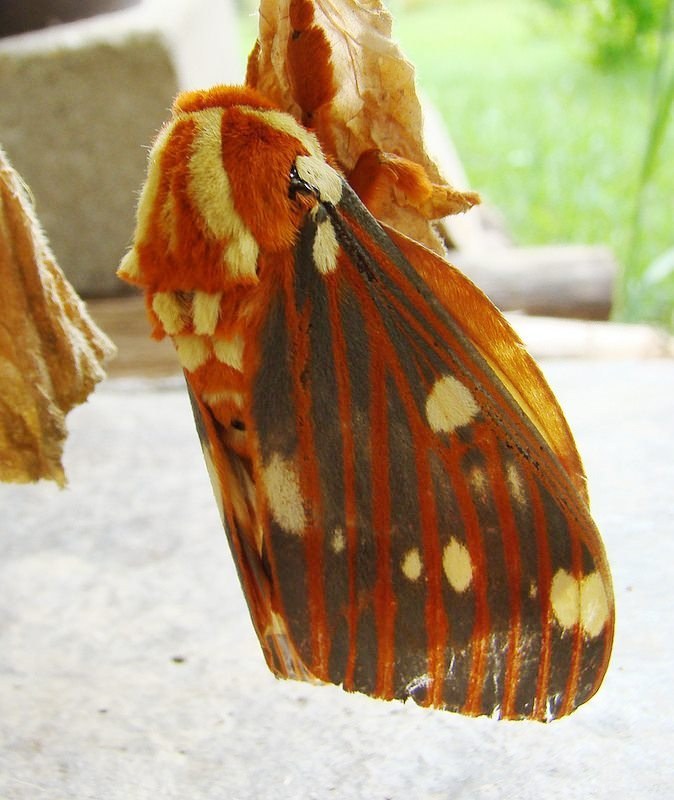
Hickory Horned Devil
Citheronia regalis
An enormous, blue-green caterpillar armed with long, curved orange-red horns tipped in black, giving it a fearsome dragon-like appearance despite being completely harmless.
- Size
- Up to 5-5.5 in (13-14 cm) long, among the largest caterpillars in North America
- Habitat
- Deciduous forests with hickory, walnut, or sweetgum trees
- Danger
- Harmless
Spotted a bug like this?
Identify any bug or insect from a photo, free.
Overview
The hickory horned devil is the larval stage of the regal moth, also called the royal walnut moth, and is widely regarded as one of the largest and most dramatic-looking caterpillars in North America. Its intimidating array of curved thoracic horns and sheer bulk make it an unforgettable sight, though the impressive appearance is purely for show.
Despite its size and fierce looks, this caterpillar is entirely without physical defenses beyond its intimidating posture, relying on its startling appearance to bluff potential predators away rather than any actual sting or bite.
How to Identify
- Body is blue-green to teal, thick and cylindrical, reaching up to 5-5.5 inches long in the final instar
- A set of long, curved orange-red horns tipped in black projects from the thorax just behind the head, resembling antlers
- Smaller black spines run in rows along the rest of the body
- Body surface has a granular or leathery texture
- Younger instars are much smaller and darker, lacking the full development of horns
- Unmistakable due to its combined size and horn arrangement; no other North American caterpillar closely resembles it
Habitat & Range
This species occurs throughout the eastern and southeastern United States, generally south of New England, in deciduous forests and wooded areas with suitable host trees. Caterpillars are found from summer through early fall feeding on the leaves of hickory, walnut, sumac, persimmon, sweetgum, and related trees.
Behavior & Diet
The caterpillar is a solitary leaf feeder that consumes large quantities of foliage from a range of hardwood trees as it grows to its enormous final size. Its primary defense is its startling appearance, including the curved horns and large body, which can deter predators through intimidation alone despite the horns being soft and non-functional as weapons. When mature, it leaves the tree and burrows into the soil to pupate, an unusual habit among giant silk moth caterpillars that typically spin cocoons above ground.
Life Cycle
Females lay eggs on the leaves of host trees, and larvae hatch to begin feeding, passing through five instars over roughly two months and growing dramatically in size with each molt. Unlike most large silk moth caterpillars, the mature hickory horned devil crawls down from the tree and burrows into loose soil to pupate rather than spinning a cocoon. It overwinters underground as a pupa, emerging as an adult regal moth the following summer, with typically one generation per year.
Frequently asked questions
Does the hickory horned devil sting or bite despite its scary look?
No, its horns are soft and non-functional as weapons; the size and horns are purely a bluff to startle predators.
What does the hickory horned devil turn into?
It becomes the regal moth, also known as the royal walnut moth, a large moth with a wingspan that can exceed five inches.
What trees does this caterpillar feed on?
It feeds on the leaves of hickory, walnut, sumac, persimmon, sweetgum, and several related hardwood trees.
Where does the caterpillar pupate?
Unlike most giant silk moth larvae, it burrows into the soil to pupate rather than spinning an above-ground cocoon.
Hickory Horned Devil guides
In-depth guides for identifying, understanding, and living alongside Hickory Horned Devil.
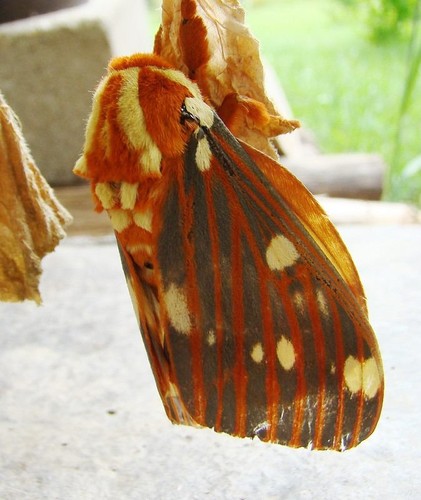
Hickory Horned Devil identified by the community
Real finds identified with Bug Identifier.
Other bugs you may enjoy
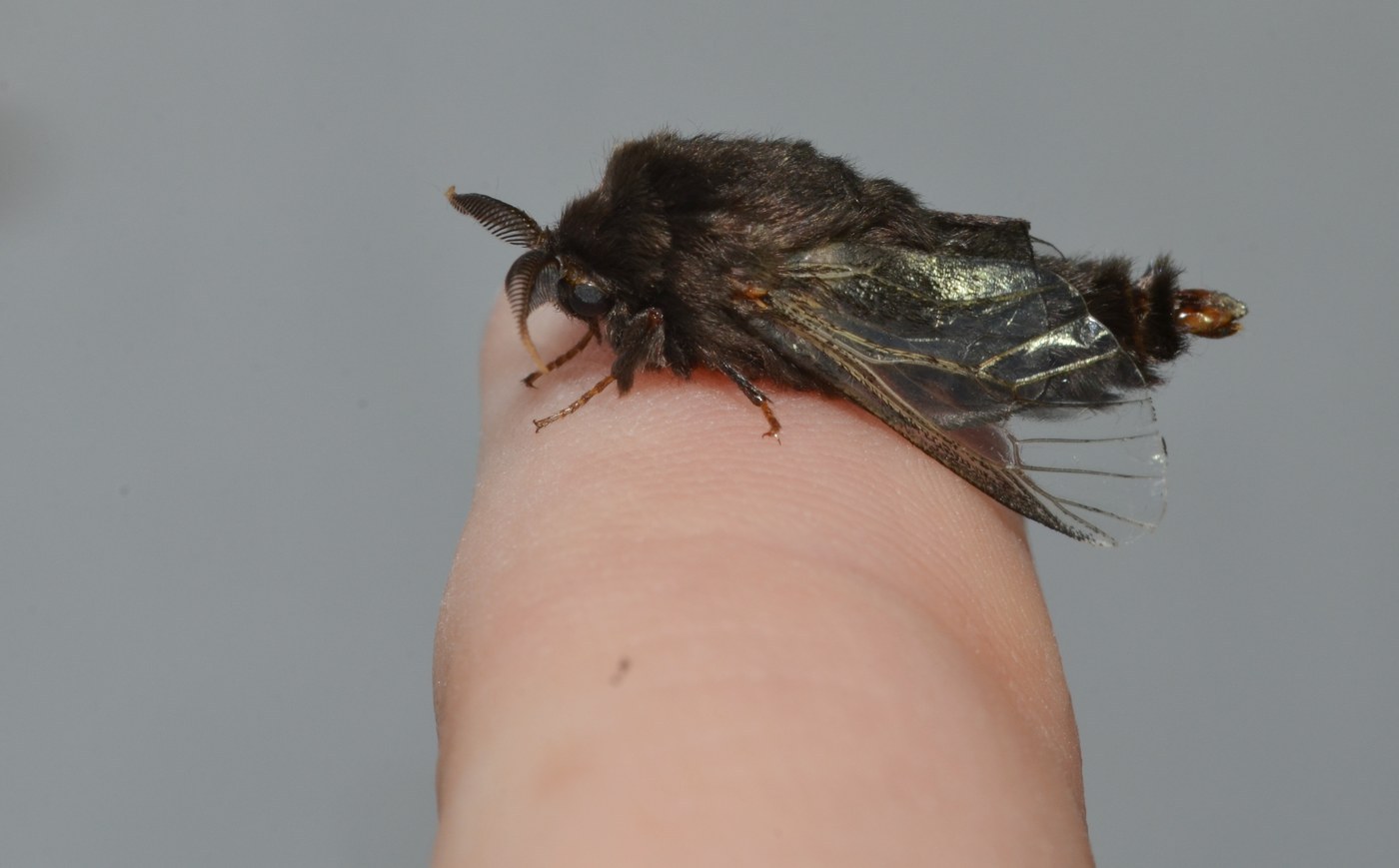
Bagworm
Trees and shrubs, especially conifers and ornamental landscaping
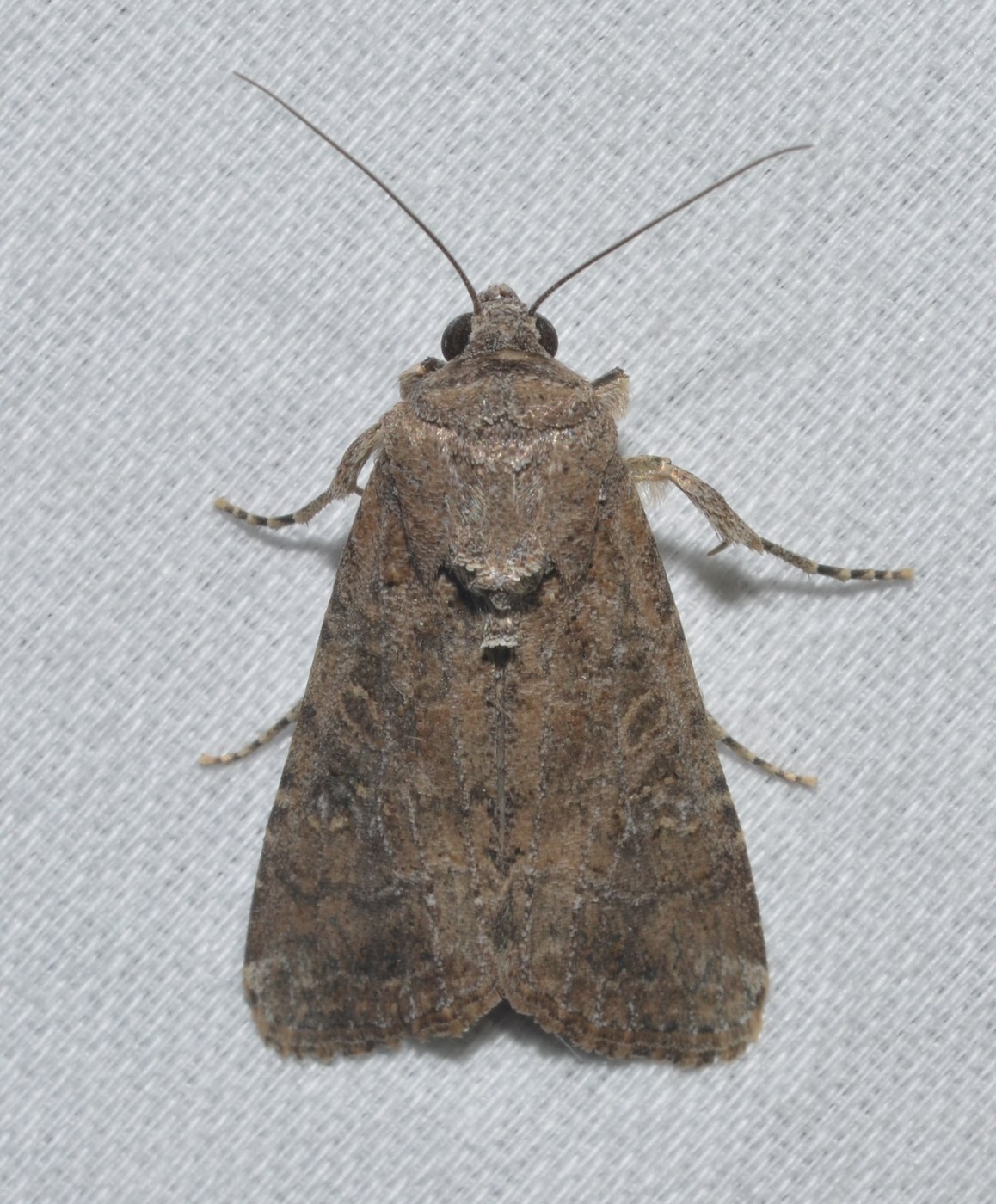
Armyworm
grasslands, pastures, and cereal crop fields
Zebra Longwing Caterpillar
Tropical and subtropical hammocks with passionflower vines
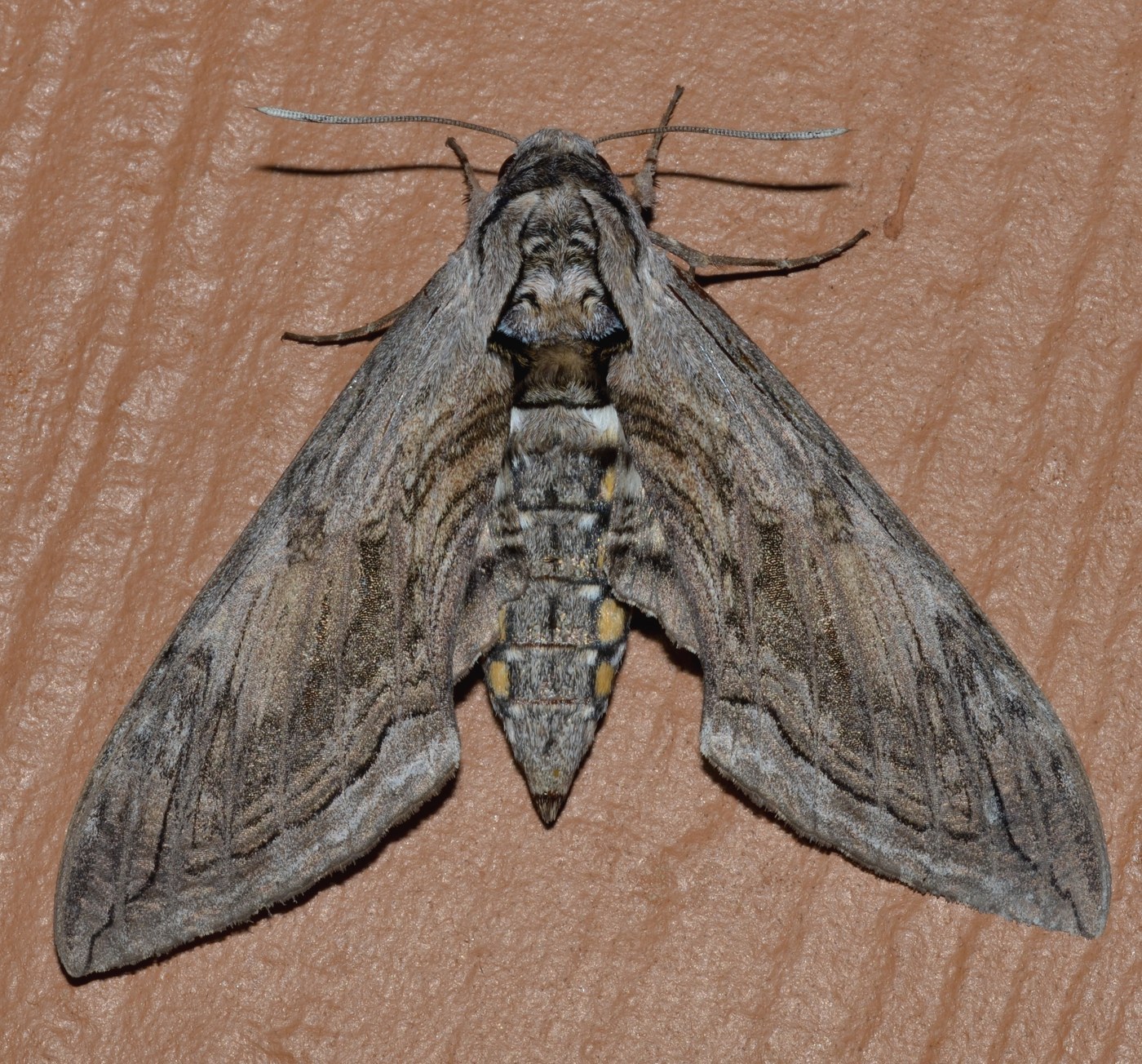
Tomato Hornworm
Gardens and fields with tomato, pepper, and other nightshade plants
Tent Caterpillar
Deciduous trees such as cherry, apple, and other rosaceous species
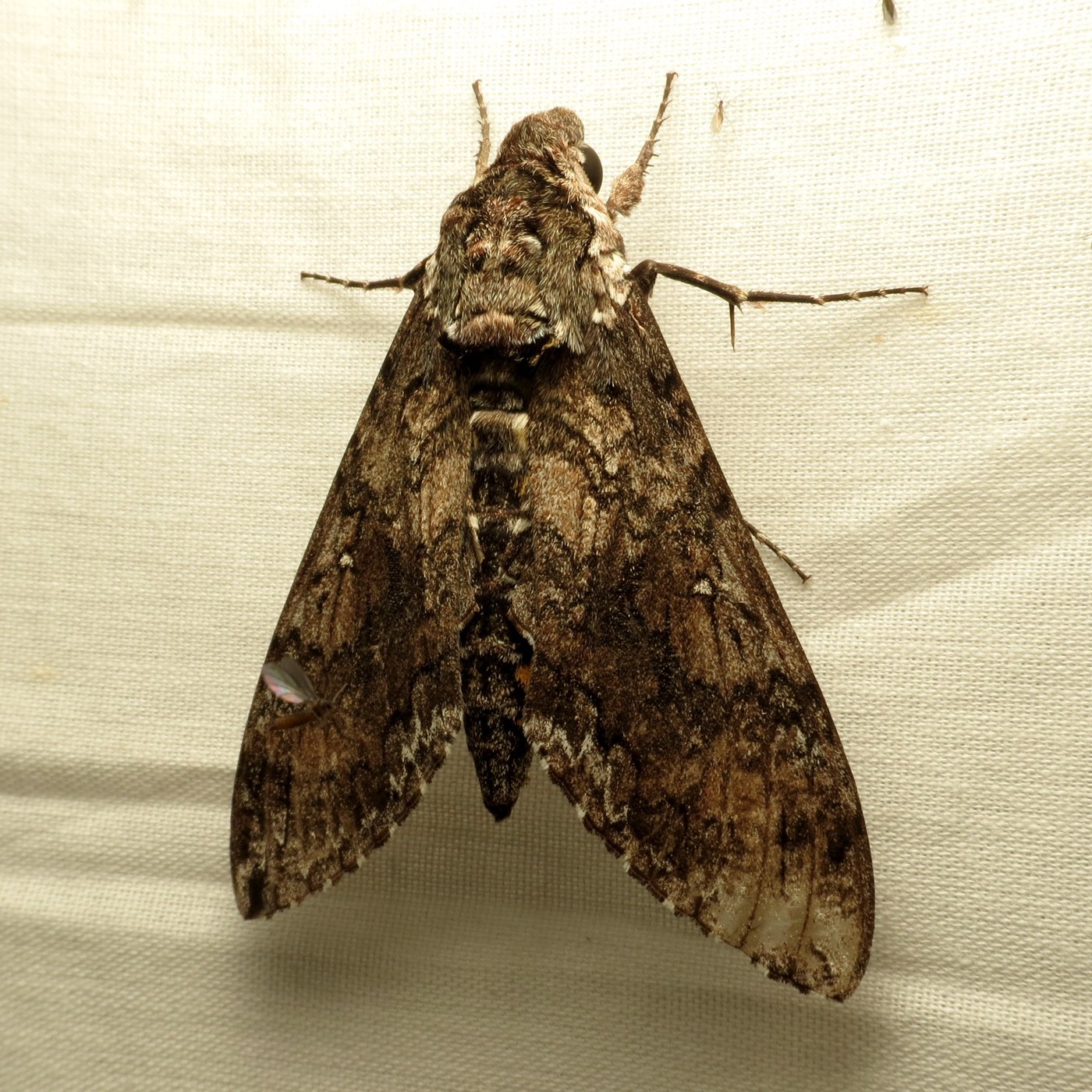
Tobacco Hornworm
tobacco, tomato, and pepper plants in gardens and fields
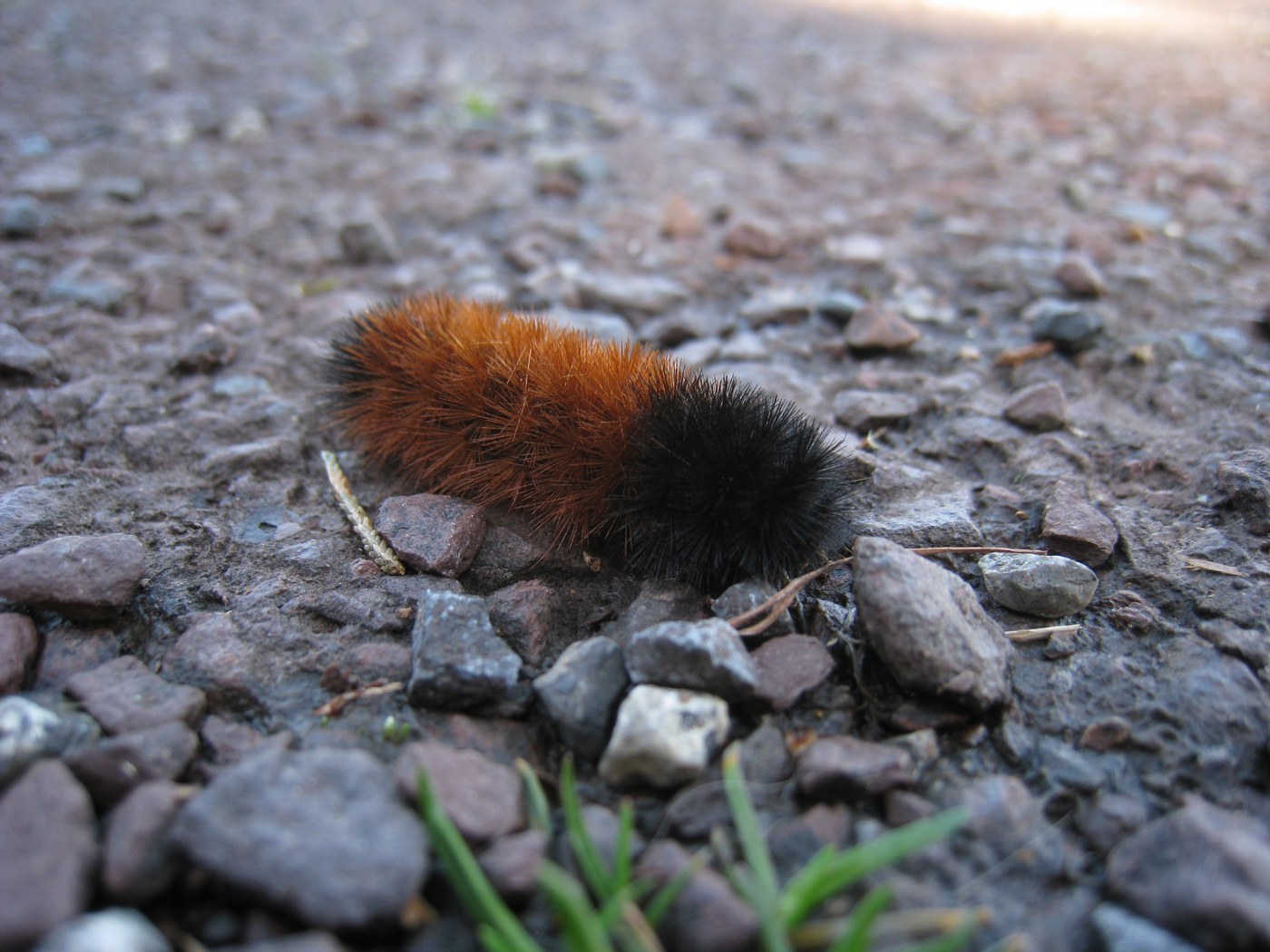
Woolly Bear Caterpillar
Gardens, meadows, roadsides, and woodland edges across North America
Sod Webworm
Turfgrass lawns, golf courses, pastures
Spiny Oak-slug Caterpillar
Deciduous forests and woodland edges with oak and other hardwoods
Saddleback Caterpillar
Deciduous trees and shrubs in eastern and southern North America
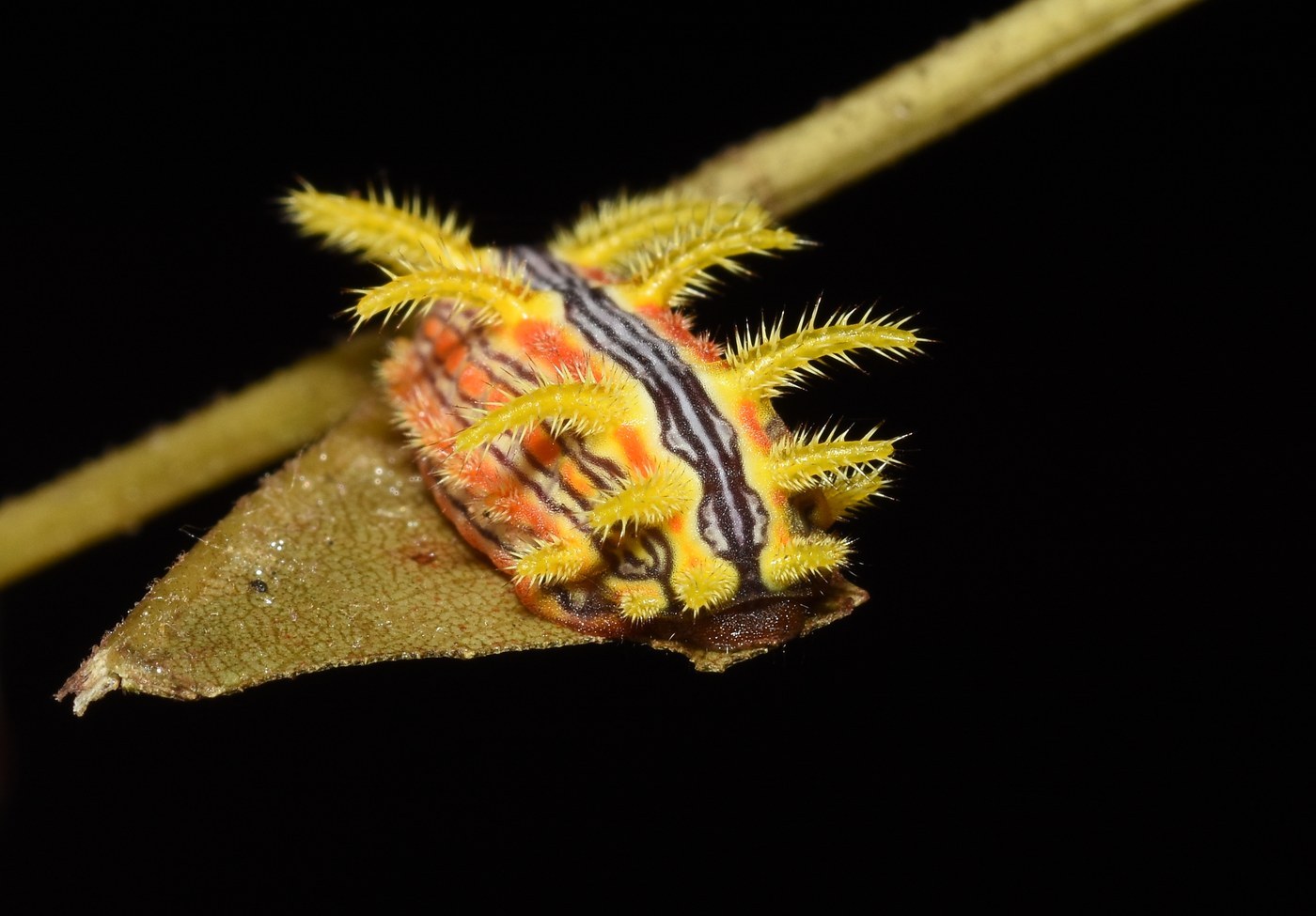
Stinging Rose Caterpillar
Gardens and woodlands with rose, dogwood, or oak
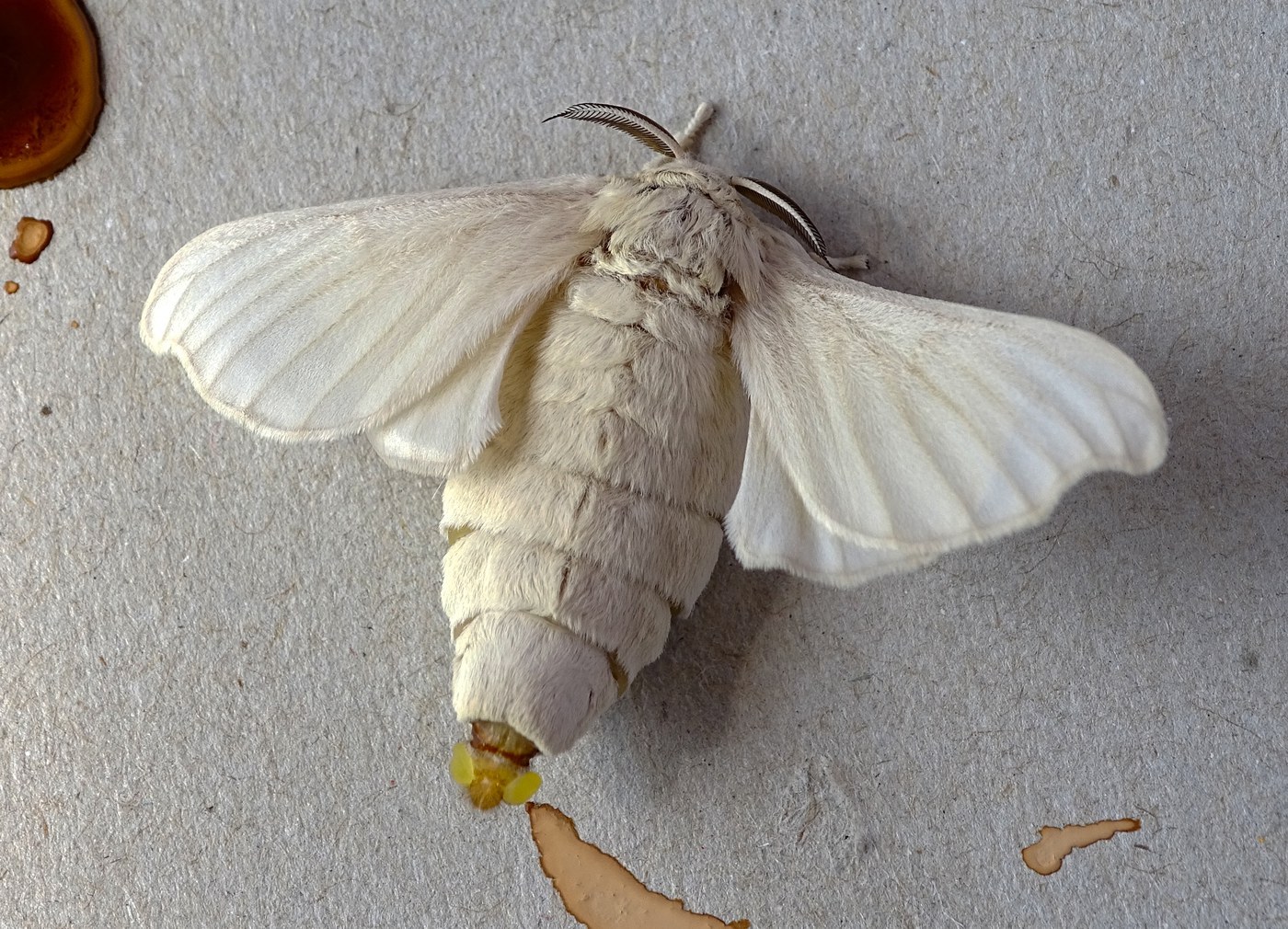
Silkworm
Reared exclusively in captivity on mulberry leaves; no independent wild population