
Hoverfly
Syrphidae (e.g., Episyrphus balteatus)
A slender, bee- or wasp-patterned fly known for its remarkable ability to hover motionless in midair before darting suddenly to a new flower.
- Size
- 6–15 mm
- Habitat
- Gardens, meadows, flowering plants, woodland edges
- Danger
- Harmless
Spotted a bug like this?
Identify any bug or insect from a photo, free.
Overview
Hoverflies, family Syrphidae, are a large and diverse group of true flies found throughout the world, with thousands of described species. Many hoverflies have evolved yellow-and-black or orange-and-black banding that closely mimics bees and wasps, a defensive strategy called Batesian mimicry that deters predators despite the flies having no ability to sting.
Hoverflies are among the most beneficial garden insects: adults are important pollinators, visiting a wide range of flowers for nectar and pollen, while the larvae of many species are voracious predators of aphids and other soft-bodied plant pests, making them valuable allies in natural pest regulation.
How to Identify
- Slender, often narrow-waisted body, 6–15 mm long, patterned in yellow, orange, or white bands on black.
- Large eyes that often meet at the top of the head in males.
- Single pair of clear wings, unlike bees and wasps which have two pairs.
- Signature hovering flight: capable of remaining nearly motionless in the air before darting quickly sideways.
- Lookalike: often mistaken for bees or wasps, but hoverflies have only one pair of wings, short stubby antennae, and no stinger.
Habitat & Range
Found worldwide, especially in temperate gardens, meadows, farmland, and woodland edges with abundant flowers. Adults are most active on warm, sunny days from spring through fall, frequently seen hovering near flower clusters or basking on foliage.
Behavior & Diet
Adult hoverflies feed on nectar and pollen, making them significant pollinators for many wildflowers and crops. Many species lay eggs near aphid colonies, and the resulting larvae are active predators that consume large numbers of aphids and other small, soft-bodied insects. Adults are agile fliers, capable of precise hovering, rapid forward bursts, and even backward flight.
Life Cycle
Hoverflies undergo complete metamorphosis. Eggs are laid singly or in small groups near prey colonies such as aphids; the resulting legless larvae feed voraciously for one to two weeks before pupating in a hardened case attached to a leaf or in soil. Multiple generations occur per year in warm climates, with some species overwintering as larvae or pupae.
Frequently asked questions
Can hoverflies sting like bees or wasps?
No, hoverflies have no stinger; their yellow-and-black pattern is a mimicry defense that only resembles stinging insects.
How do I tell a hoverfly from a bee?
Hoverflies have one pair of wings, large fly-like eyes, and short antennae, while bees have two pairs of wings and longer, elbowed antennae.
Why do hoverflies hover in place?
Their exceptional flight control lets them hold a fixed position in the air while scanning for flowers or mates before darting away.
Are hoverfly larvae helpful in a garden?
Yes, many hoverfly larvae actively prey on aphids and other small soft-bodied insects, helping to naturally limit their numbers.
Hoverfly guides
In-depth guides for identifying, understanding, and living alongside Hoverfly.
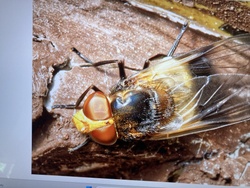
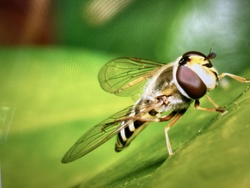
Hoverfly identified by the community
Real finds identified with Bug Identifier.
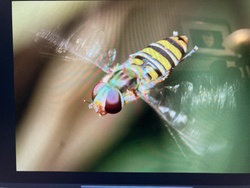
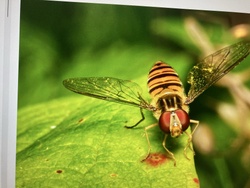
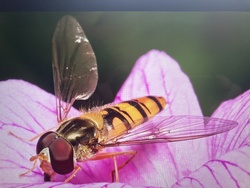
Other bugs you may enjoy
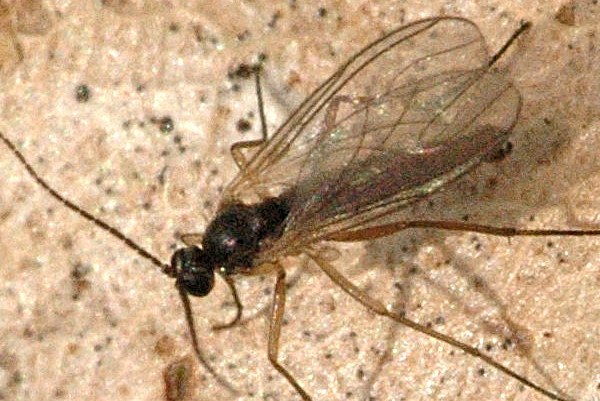
Aphid Midge
Gardens, greenhouses, and crops with aphids
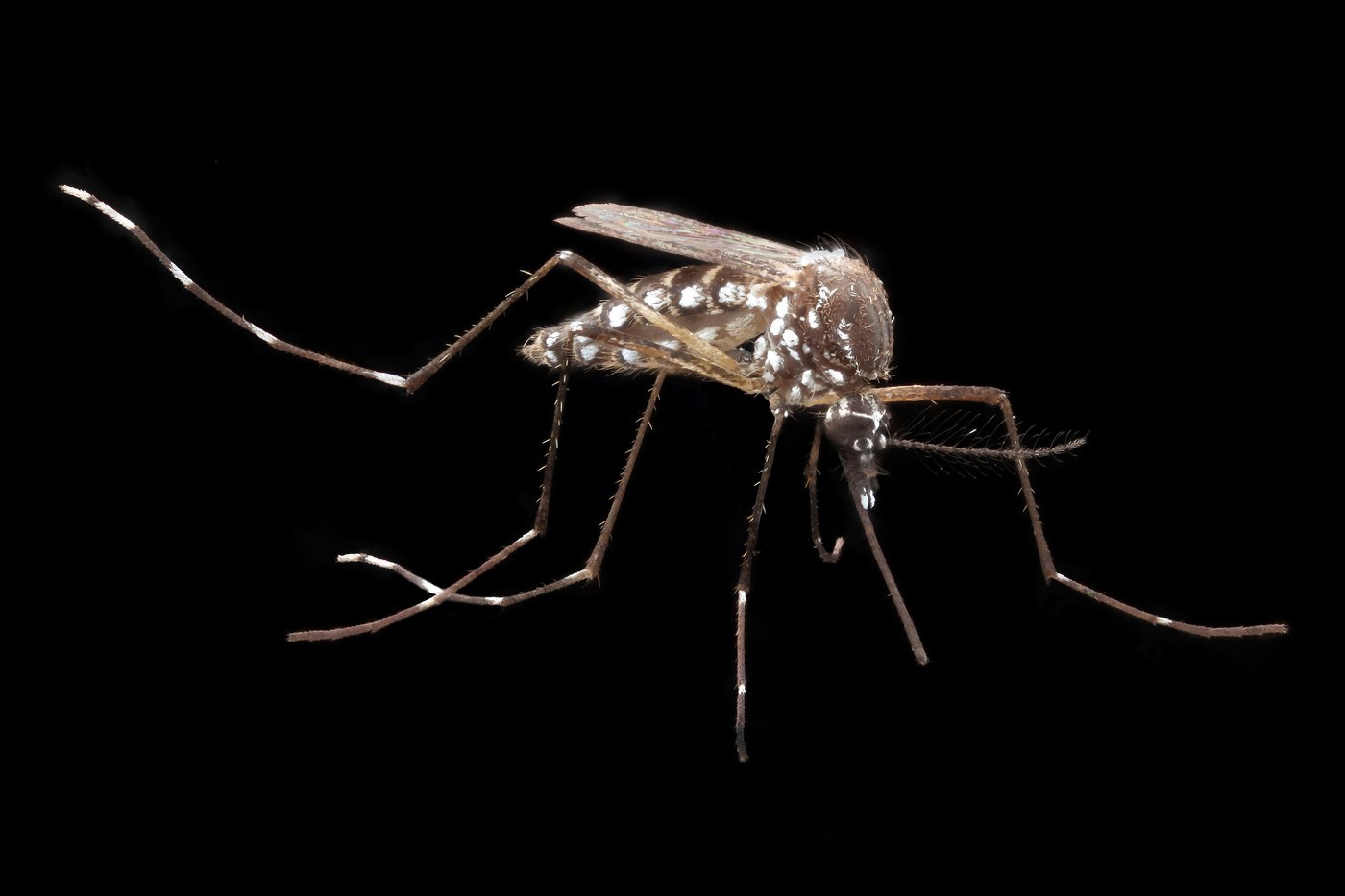
Yellow Fever Mosquito
Urban and peri-urban areas near small artificial water containers in tropical and subtropical regions worldwide
Root Maggot
Garden and field soil around the roots of cole crops and other vegetables
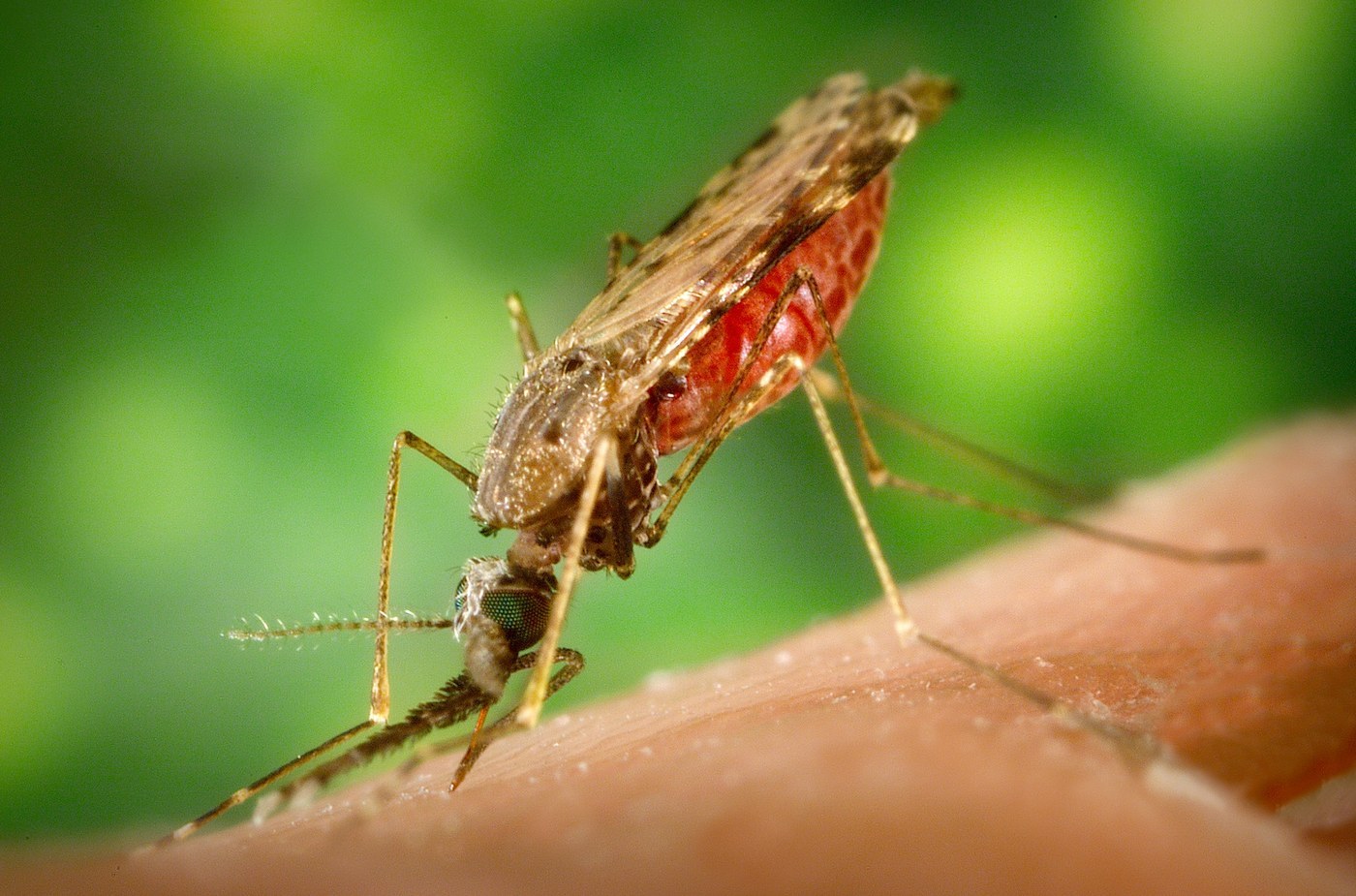
Anopheles Mosquito
Clean, still or slow-moving freshwater habitats such as marshes, ponds, and rice paddies
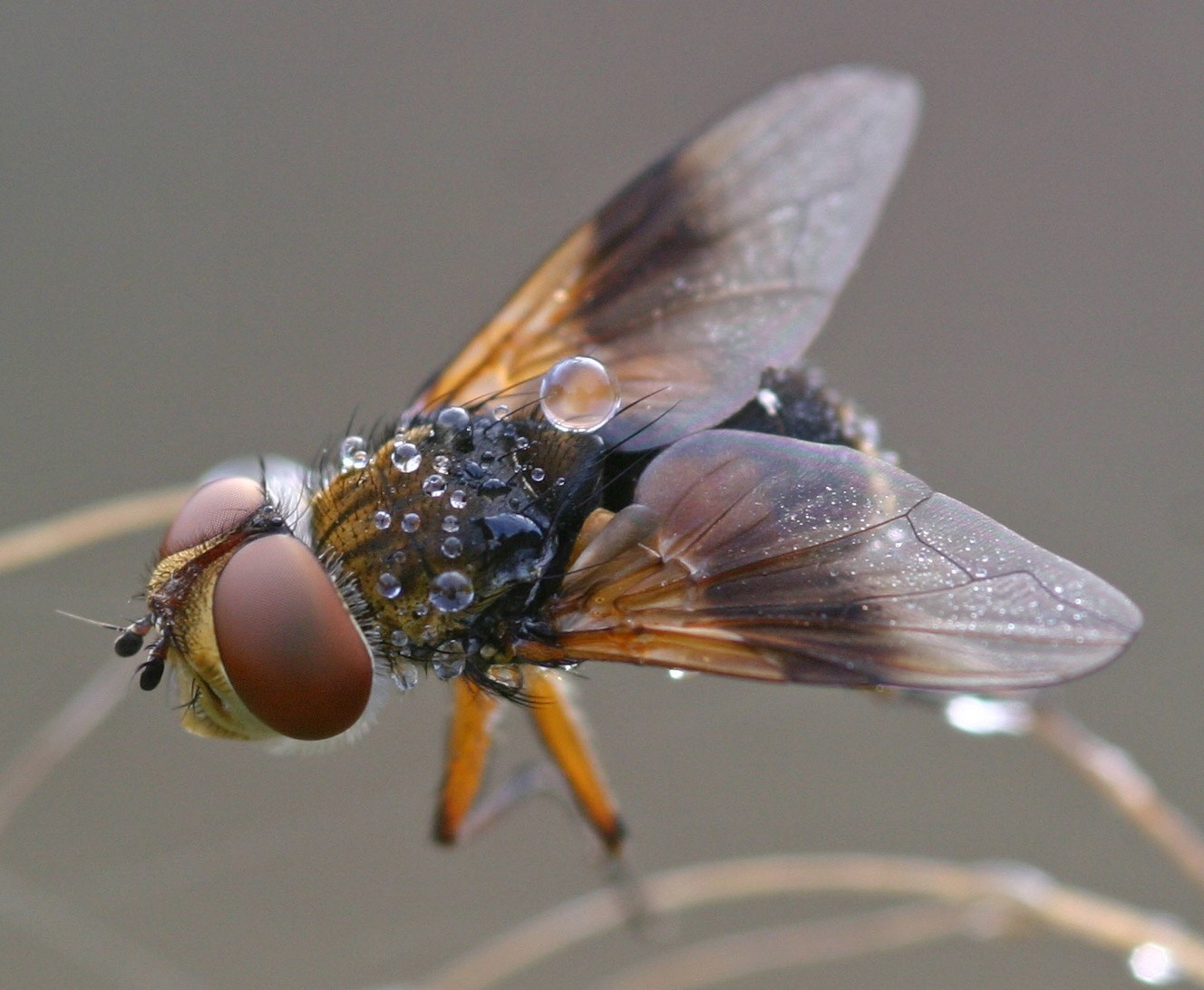
Tachinid Fly
Gardens, meadows, and woodlands wherever host caterpillars and other insects occur
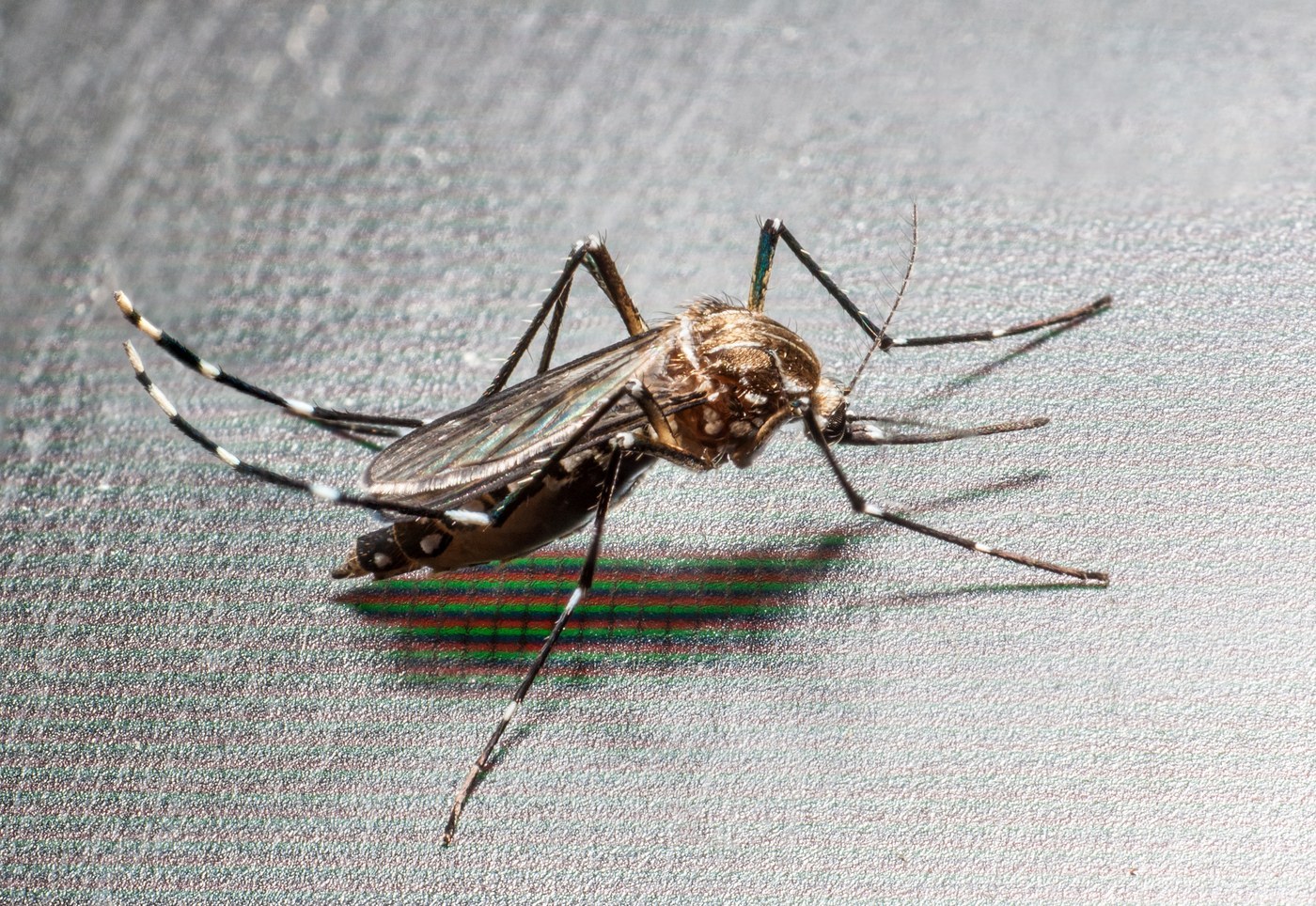
Asian Tiger Mosquito
Shaded urban and suburban areas near small water-holding containers, tires, and tree holes; native to Southeast Asia, now widespread
Tsetse Fly
Wooded savanna, riverine thickets, and forest edges across sub-Saharan Africa
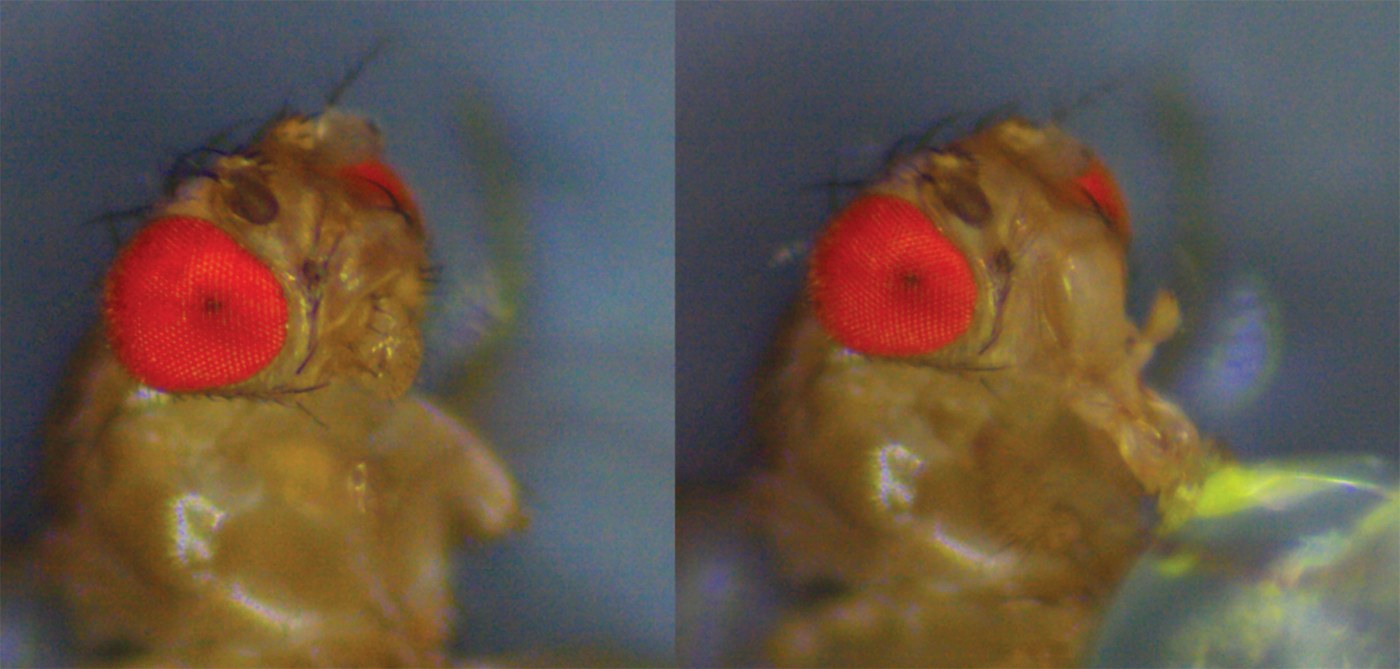
Vinegar Fly
Around overripe fruit, compost, and fermenting materials worldwide
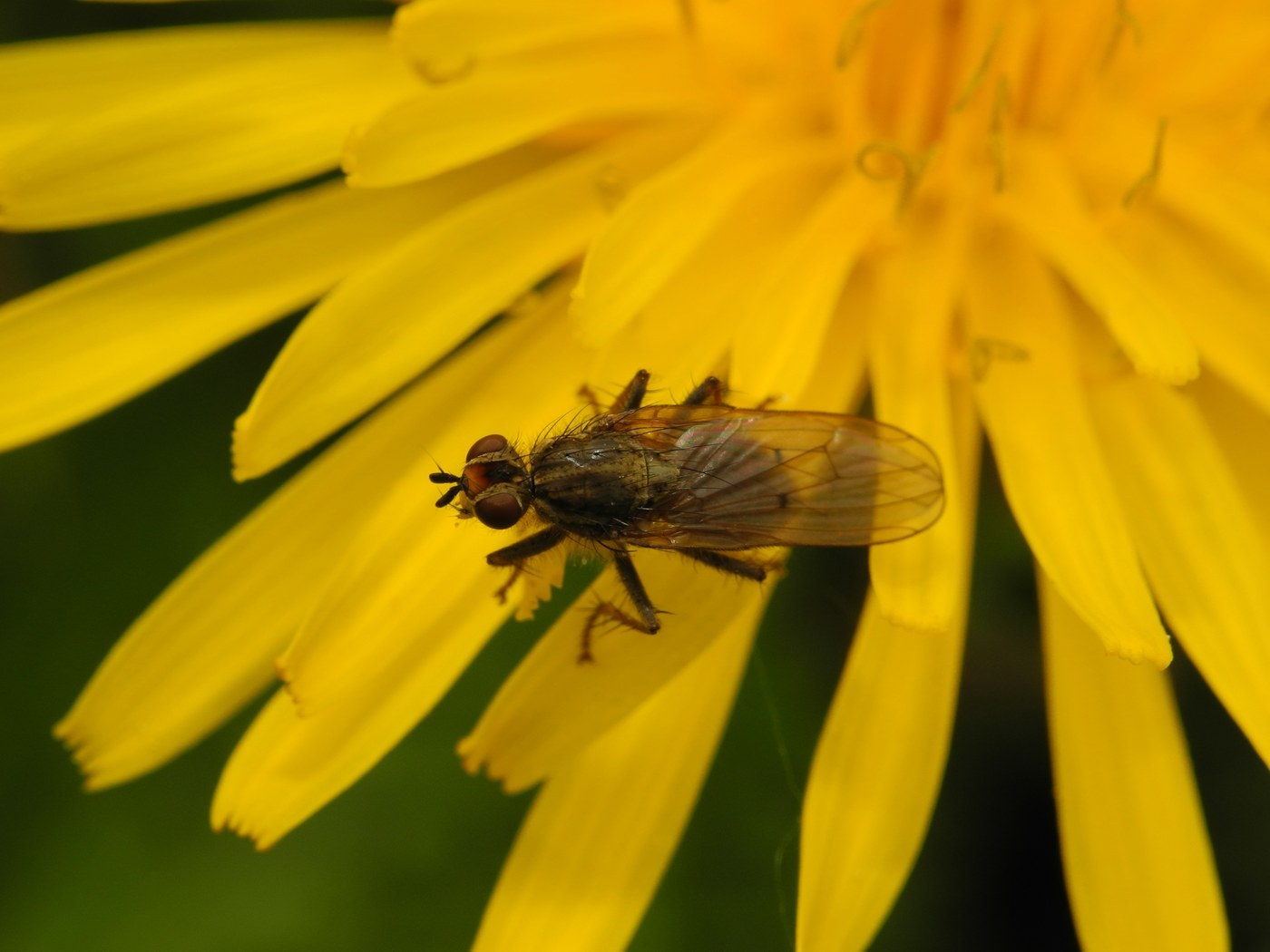
Yellow Dung Fly
Pastures and fields with fresh cattle dung
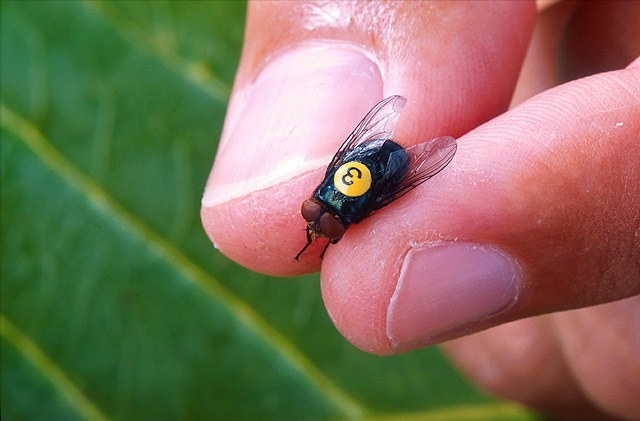
Screwworm Fly
Warm, humid lowlands of the Americas, especially near livestock and wildlife wounds
Soldier Fly
Wetland margins, decaying organic matter, and vegetation near water
Punkie
near marshes, mudflats, ponds, and other standing water