
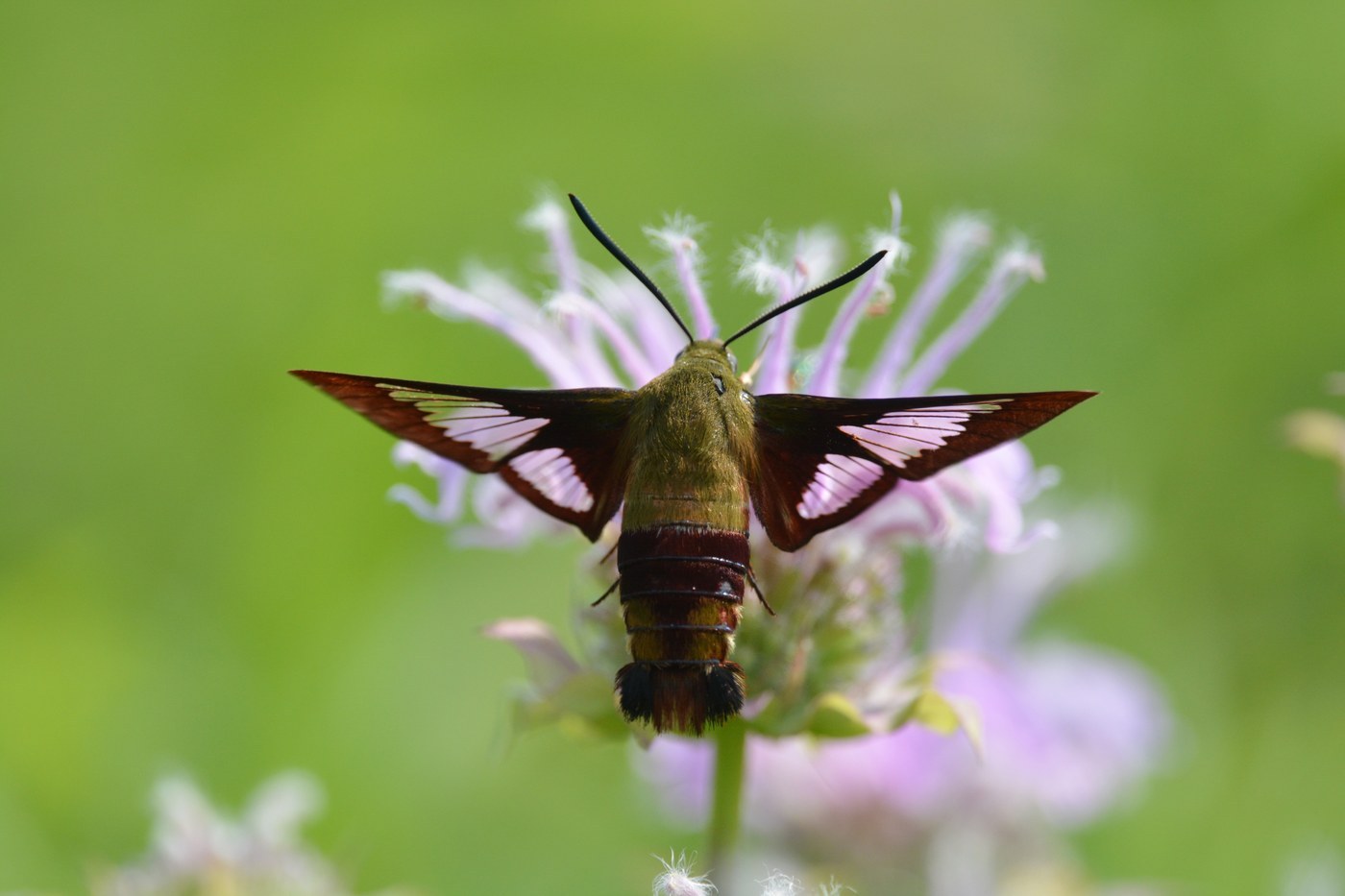
Hummingbird Clearwing Moth
Hemaris thysbe
A robust, olive-and-burgundy day-flying moth with mostly transparent wings that hovers at flowers exactly like a tiny hummingbird, unspooling a long proboscis to sip nectar.
- Size
- 1.5–2.2 in wingspan
- Habitat
- Gardens, meadows, woodland edges, forest clearings
- Danger
- Harmless
Spotted a bug like this?
Identify any bug or insect from a photo, free.
Overview
The hummingbird clearwing moth is a member of the sphinx moth family (Sphingidae), a group renowned for fast, controlled flight and the ability to hover in place while feeding. Unlike most moths, it is active by day, which combined with its stout, fuzzy body and rapid wingbeats leads many observers to mistake it for a small hummingbird or a large bee at first glance.
Its most distinctive feature is the clear, scale-free patches on its wings, which develop after the moth's first flight sheds the fine scales that cover a typical newly emerged moth wing. This transparency, paired with an olive-green thorax and a reddish-brown to burgundy banded abdomen, makes it one of the more recognizable and photographed moths in North America.
As a pollinator, it plays an ecological role similar to bees and hummingbirds, visiting a wide range of tubular garden and wildflower blooms and helping move pollen between them while it feeds in place without landing.
How to Identify
- Stout, spindle-shaped body with an olive-green back and a burgundy-to-rust banded abdomen ending in a fan-like tail tuft.
- Wings are largely transparent (clear-scaled) with a dark reddish-brown border, giving the 'clearwing' name.
- Flies rapidly with an audible hum, hovering directly in front of flowers while unrolling a long, thin proboscis to feed.
- Lookalikes include the snowberry clearwing moth, which is smaller and shows more black-and-yellow banding resembling a bumblebee; the hummingbird clearwing has a more uniformly olive-and-wine coloration.
Habitat & Range
Found across most of eastern and central North America, from southern Canada down through the eastern United States, in open sunny habitats such as gardens, meadows, old fields, and forest edges where nectar flowers are abundant. Adults are most active on warm, sunny days from late spring through summer, often visiting the same flower patches repeatedly during daylight hours, particularly midday.
Behavior & Diet
Adults feed exclusively on flower nectar, hovering in place with rapid wingbeats while probing blossoms with a long coiled proboscis, much like a hummingbird or large bee. This behavior makes it an effective pollinator of many native and garden plants, including bee balm, phlox, honeysuckle, and lilac. It has no chewing mouthparts as an adult and does not feed on foliage; larvae, by contrast, are leaf-feeding caterpillars that live on host plants such as honeysuckle, viburnum, and hawthorn.
Life Cycle
Eggs are laid singly on the underside of host plant leaves and hatch into green caterpillars bearing a short curved posterior horn, typical of sphinx moth larvae. The caterpillar feeds and molts through several instars before dropping to the ground to pupate in a loose cocoon among leaf litter. There are one to two generations per year depending on region, with the species overwintering as a pupa in the soil or litter layer before emerging as an adult moth the following spring.
Frequently asked questions
Is this actually a hummingbird?
No, it is a moth. The resemblance comes from its hovering flight, humming wingbeats, and long proboscis used to sip nectar like a hummingbird's bill.
Why are parts of its wings see-through?
The wing scales in those areas fall off during the moth's very first flight after emerging, leaving clear, membrane-only patches.
How is it different from the snowberry clearwing moth?
The snowberry clearwing shows bolder black-and-yellow banding resembling a bumblebee, while the hummingbird clearwing has a more olive-green and burgundy color scheme.
When and where is it most likely to be seen?
On sunny days in gardens or meadows during late spring and summer, typically hovering at nectar-rich flowers in daylight.
Hummingbird Clearwing Moth guides
In-depth guides for identifying, understanding, and living alongside Hummingbird Clearwing Moth.
Hummingbird Clearwing Moth identified by the community
Real finds identified with Bug Identifier.
Other bugs you may enjoy
Bagworm Moth
Coniferous and deciduous trees, shrubs, hedges
Antheraea Silkmoth
Deciduous forests, woodland edges, orchards
Ailanthus Silkmoth (Cynthia Moth)
Urban parks, wastelands, and woodland edges with tree-of-heaven; native to Asia, introduced in North America and Europe
Winter Moth
Deciduous woodland, orchards, gardens, hedgerows
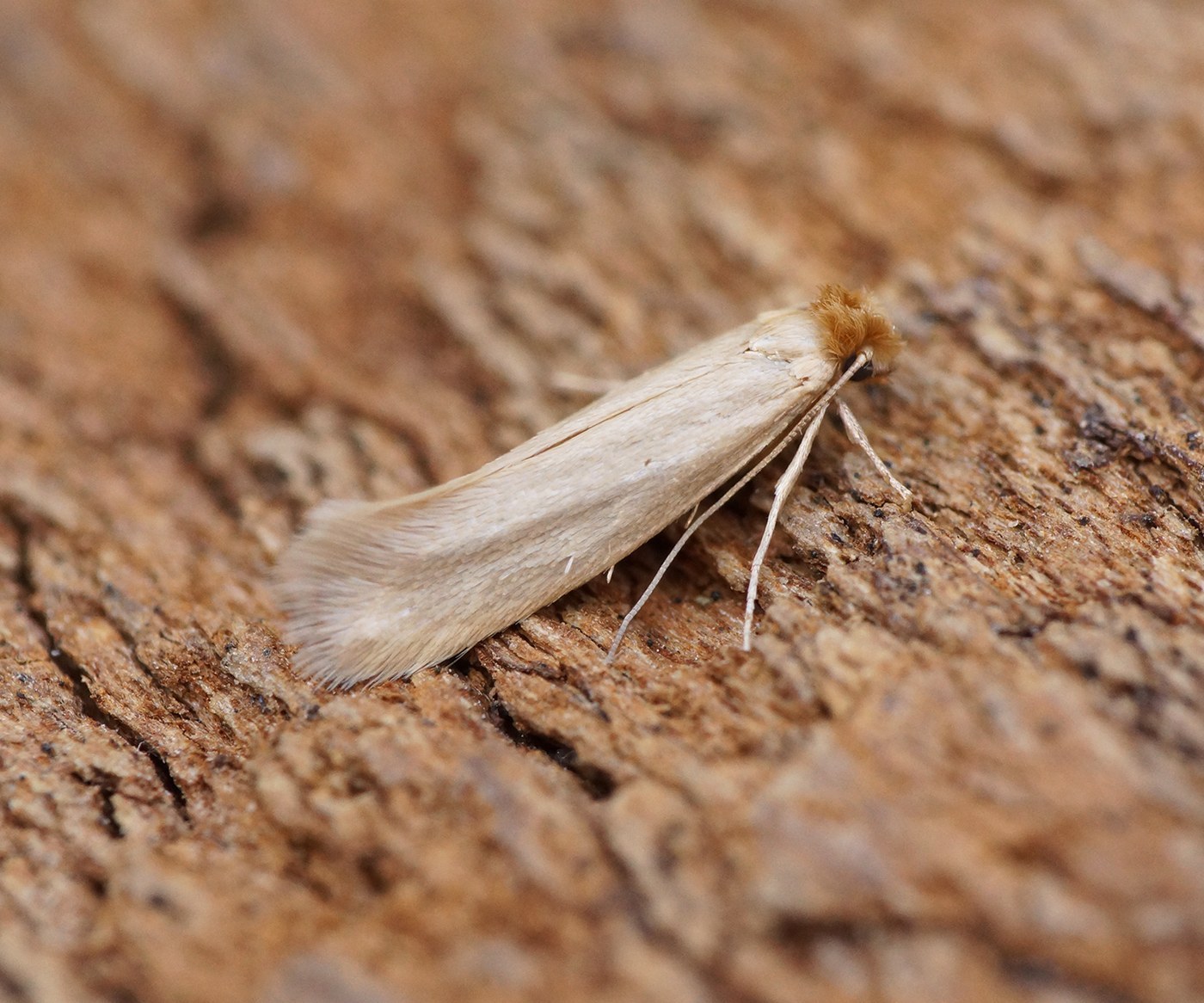
Webbing Clothes Moth
Dark closets, storage areas, and animal nests worldwide
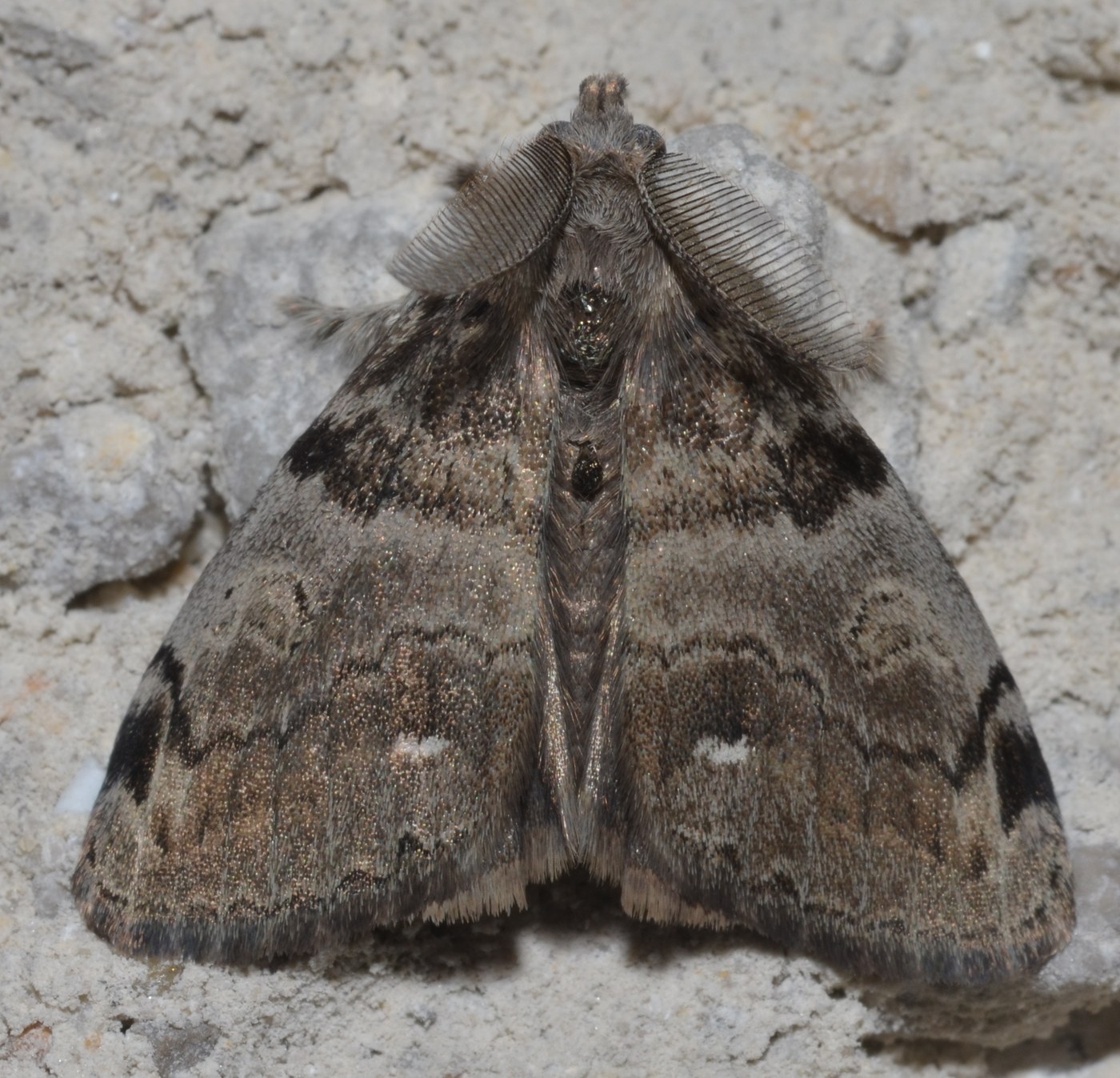
Tussock Moth
Deciduous forests, parks, gardens
Wax Moth
Beehives, apiaries, stored beeswax and comb
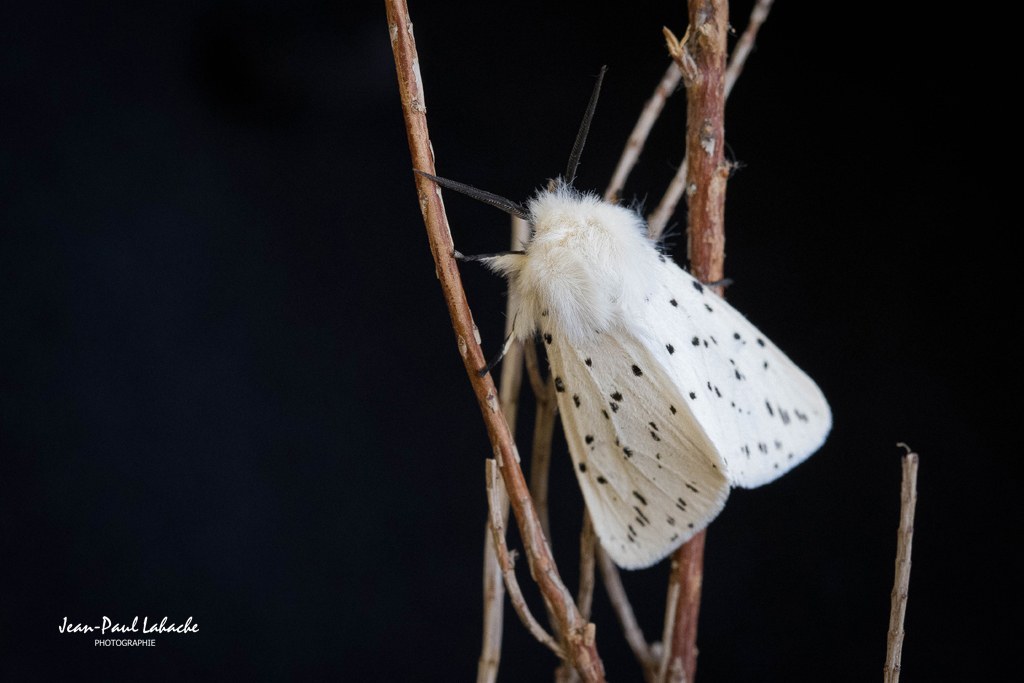
White Ermine Moth
Gardens, meadows, hedgerows
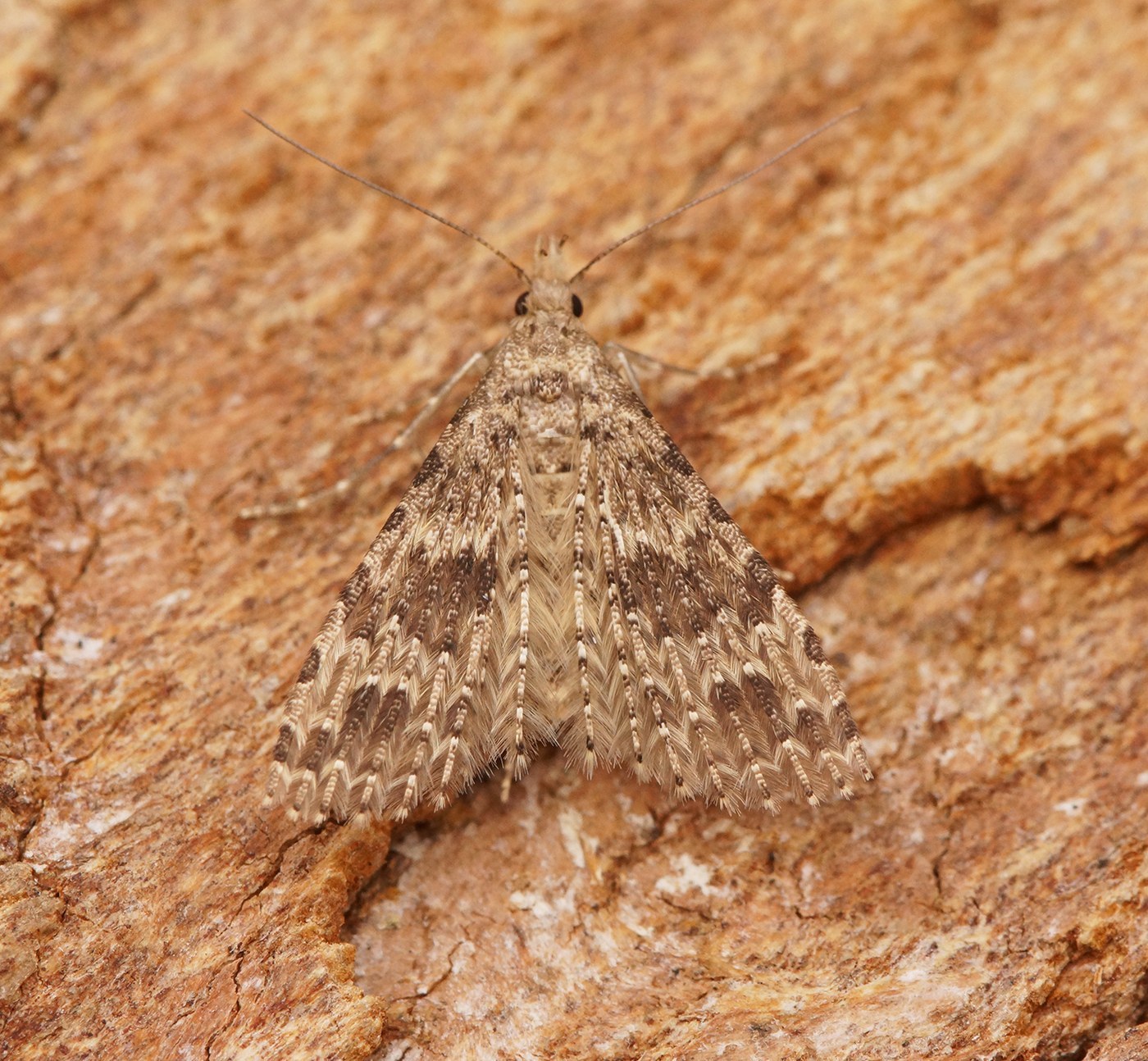
Twenty-plume Moth
Gardens, hedgerows, near honeysuckle
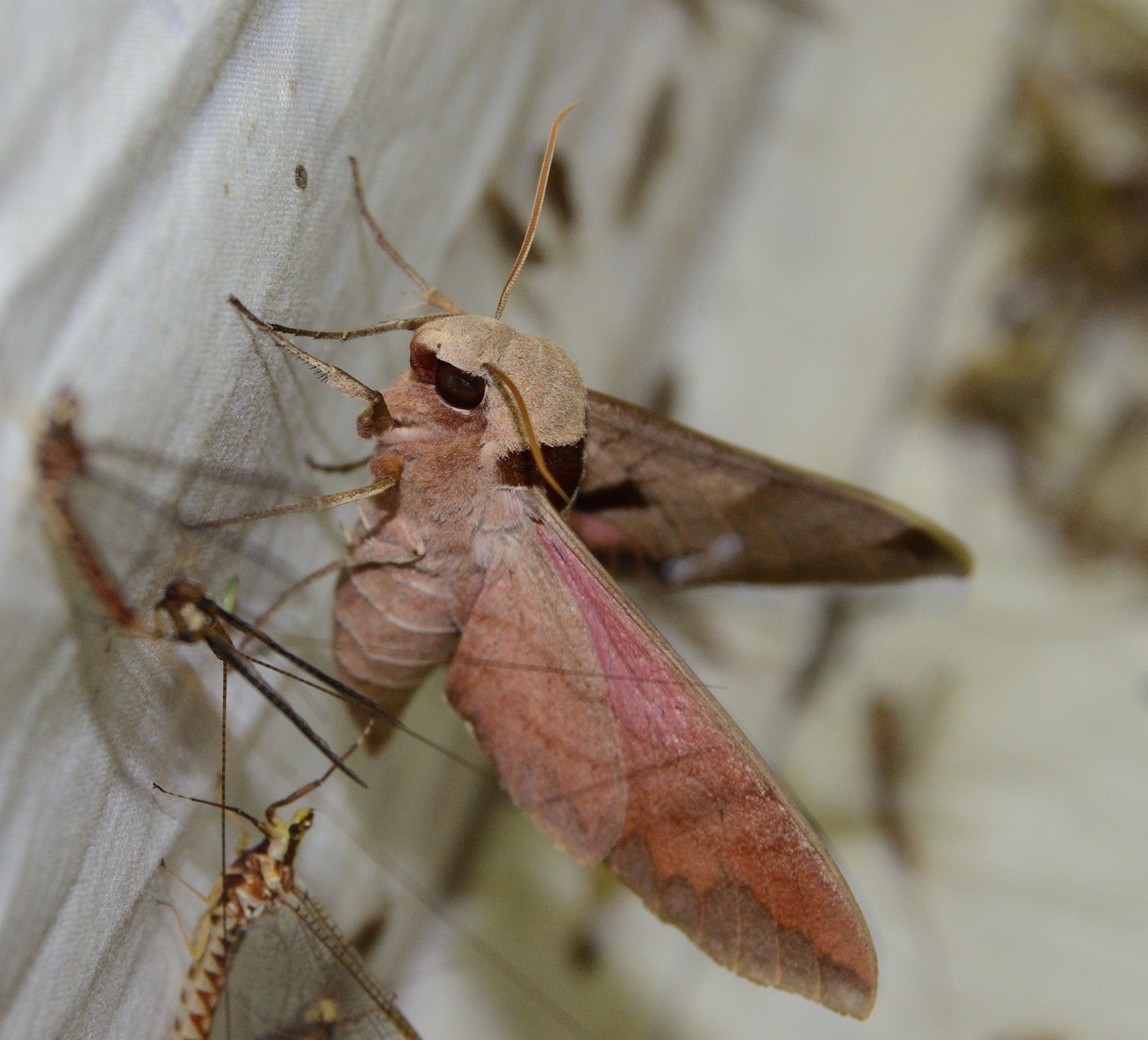
Achemon Sphinx Moth
Vineyards, woodland edges, gardens with wild grape
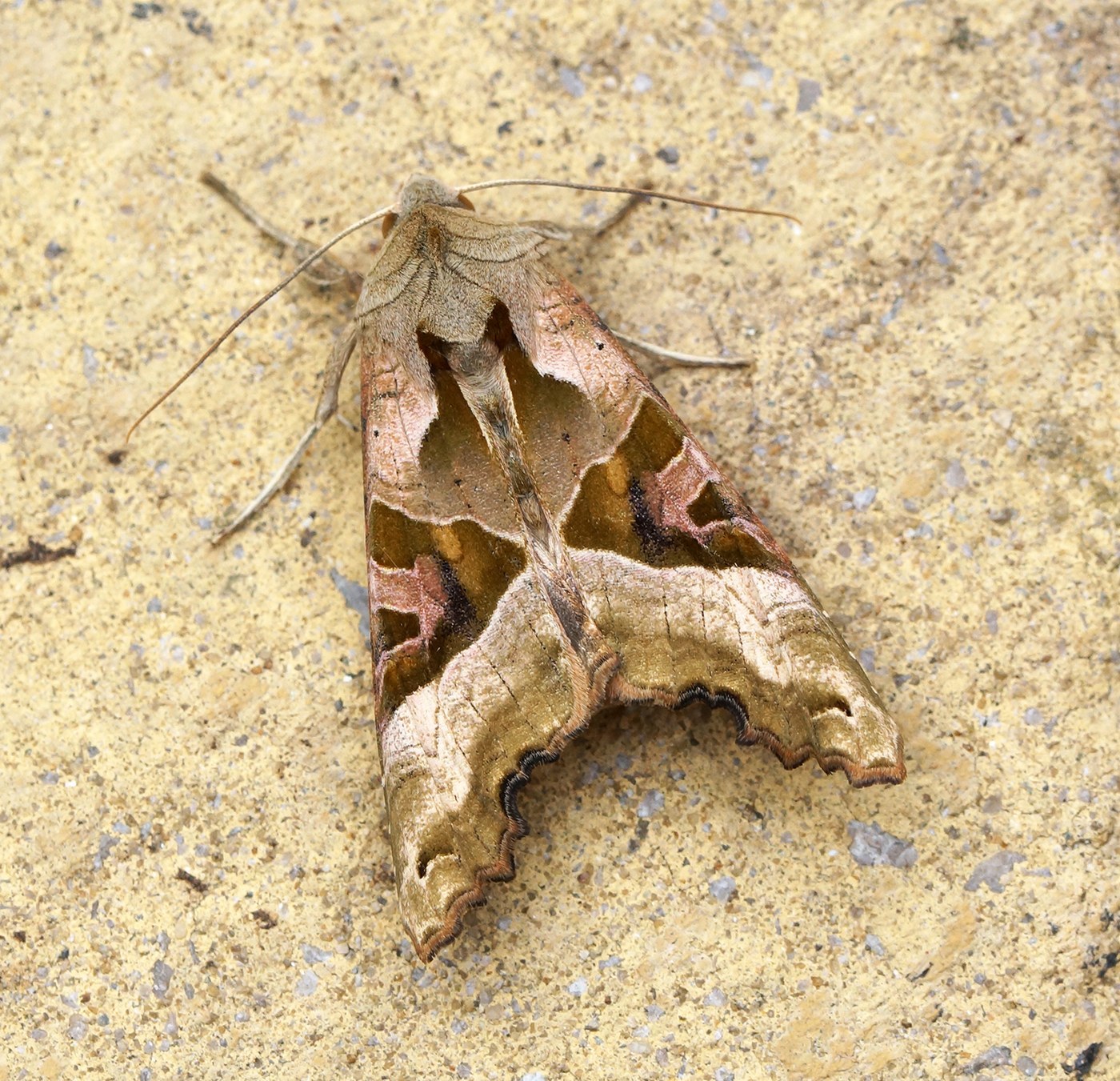
Angle Shades Moth
Gardens, hedgerows, woodland edges, urban parks
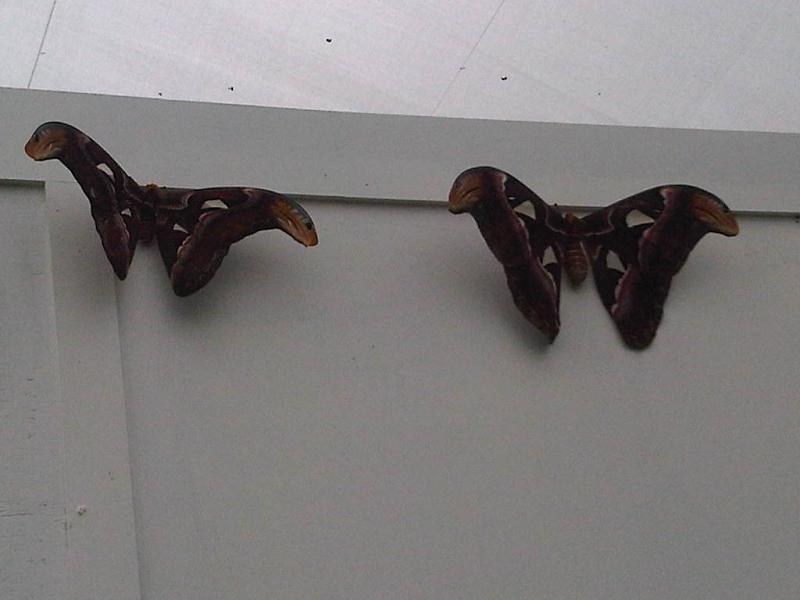
Atlas Moth
Tropical and subtropical lowland forests of Southeast Asia