
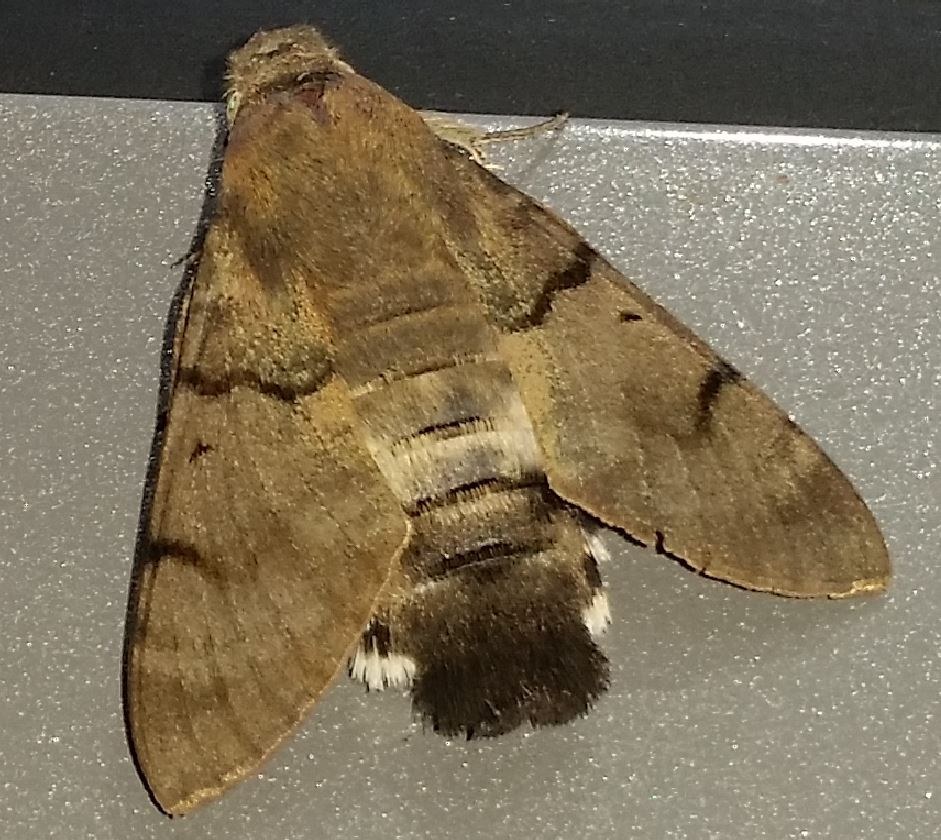
Hummingbird Hawk-Moth
Macroglossum stellatarum
A day-flying moth that hovers in front of flowers on blurring wings while unspooling a long proboscis to sip nectar, so closely mimicking a hummingbird in flight that it is frequently mistaken for one.
- Size
- 1.6–2.0 in wingspan
- Habitat
- Gardens, meadows, flowery hillsides across Europe, Asia, and North Africa
- Danger
- Harmless
Spotted a bug like this?
Identify any bug or insect from a photo, free.
Overview
The Hummingbird Hawk-Moth is a day-active member of the sphinx moth family Sphingidae, found across Europe, North Africa, and temperate Asia. Unlike most moths, it is strictly diurnal and is most active during sunny daylight hours, when it can be seen hovering with astonishing precision in front of tubular flowers.
Its hovering flight, produced by extremely rapid wingbeats, along with its stout, torpedo-shaped body and long proboscis, gives it a remarkable resemblance to a hummingbird, a convergent evolution of form despite the two groups being entirely unrelated (hummingbirds occur only in the Americas, so any 'hummingbird' seen in Europe, Africa, or Asia is almost certainly this moth).
The species is a strong migrant, with populations in northern Europe often built up seasonally by individuals moving north from the Mediterranean each year, sometimes reaching as far as Scandinavia in warm summers.
How to Identify
- Body is stout, torpedo-shaped, and mottled greyish-brown, tapering to a fan-like tail of black-and-white hairs that can be flared in flight.
- Forewings are narrow, mottled brown-grey, and blur when hovering; hindwings are bright orange, visible as a flash of color during flight.
- A very long, coiled proboscis is uncoiled to probe deep into tubular flowers while hovering, without landing.
- Flight is characterized by rapid hovering in front of flowers, much like a hummingbird, and it is active in bright daylight rather than at night.
- Similar-looking clearwing moths (genus Hemaris) in North America and Europe are smaller, have transparent wing patches, and lack the long trailing proboscis visible in flight.
Habitat & Range
Found across southern and central Europe, North Africa, and temperate Asia, the Hummingbird Hawk-Moth favors open, flower-rich habitats including gardens, meadows, hillsides, and coastal scrub. It is strongly migratory, with resident populations in warmer Mediterranean climates and seasonal immigrants reaching much further north into central and northern Europe each summer.
Adults are active on sunny days, especially in warm afternoons, and are frequently observed nectaring at garden flowers such as valerian, buddleia, and petunias.
Behavior & Diet
This moth feeds exclusively by hovering in front of flowers and inserting its long proboscis to draw nectar, never landing while feeding, much like a hummingbird. Its wingbeat rate is extremely fast, producing an audible hum and allowing precise, stationary hovering flight even in light wind.
Individuals show a notable ability to remember and revisit productive flower patches, and migratory adults can travel very long distances, sometimes covering hundreds of miles in a season as they expand north from Mediterranean source populations.
Life Cycle
Eggs are laid singly on the leaves of bedstraw (Galium) plants, the primary larval host. Caterpillars are green or brown with a curved horn at the tail end, typical of sphinx moth larvae, and feed on bedstraw foliage through several instars.
Pupation occurs in a loose cocoon among leaf litter or low vegetation. In warmer parts of its range, multiple generations can occur per year, while in northern areas the species is generally represented only by migrant adults that cannot survive the winter, with the population re-establishing from the south each year.
Frequently asked questions
Is this actually a hummingbird?
No, it is a moth; true hummingbirds are found only in the Americas, so a hovering 'hummingbird' seen in Europe, Africa, or Asia is this moth.
Why is it active during the day when most moths fly at night?
It is one of the relatively few strictly day-flying moth species, active especially on warm, sunny afternoons.
How can I tell it apart from a Hemaris clearwing moth?
This species has solid, mottled brown forewings rather than transparent wing patches, plus a visible long proboscis extended while hovering.
Why does it sometimes appear far north of its usual range?
It is a strong migrant, with individuals moving north from Mediterranean populations each summer, occasionally reaching as far as Scandinavia.
Hummingbird Hawk-Moth guides
In-depth guides for identifying, understanding, and living alongside Hummingbird Hawk-Moth.
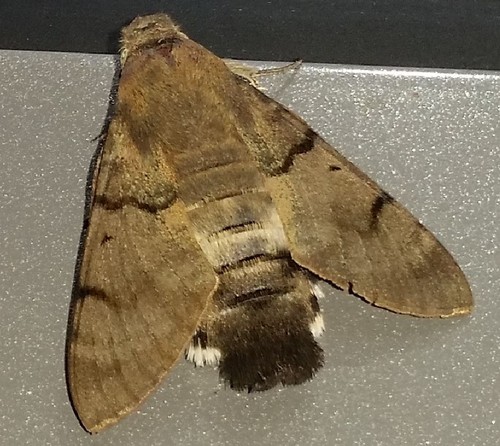
Hummingbird Hawk-Moth identified by the community
Real finds identified with Bug Identifier.
Other bugs you may enjoy
Bagworm Moth
Coniferous and deciduous trees, shrubs, hedges
Antheraea Silkmoth
Deciduous forests, woodland edges, orchards
Ailanthus Silkmoth (Cynthia Moth)
Urban parks, wastelands, and woodland edges with tree-of-heaven; native to Asia, introduced in North America and Europe
Winter Moth
Deciduous woodland, orchards, gardens, hedgerows
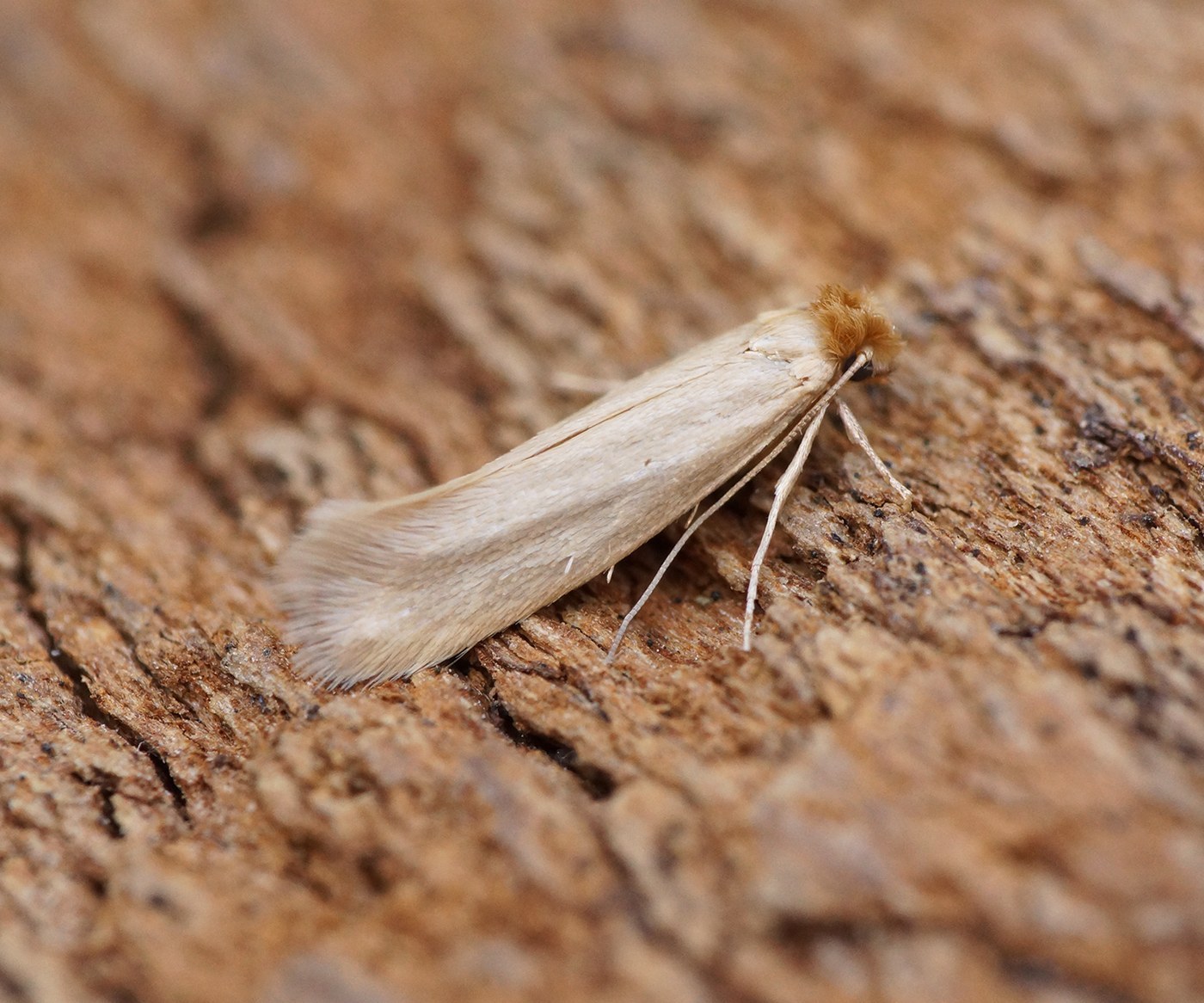
Webbing Clothes Moth
Dark closets, storage areas, and animal nests worldwide
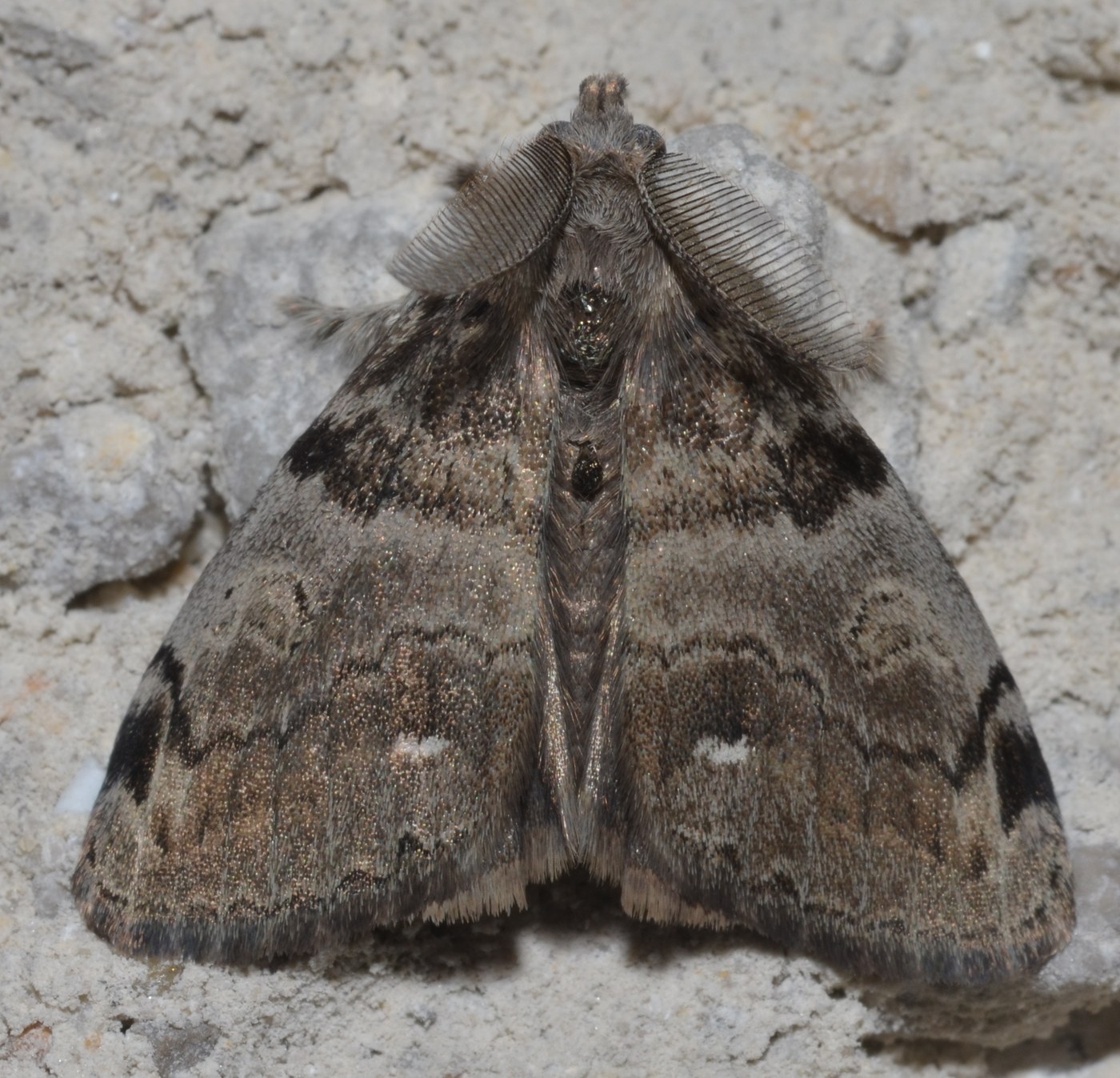
Tussock Moth
Deciduous forests, parks, gardens
Wax Moth
Beehives, apiaries, stored beeswax and comb
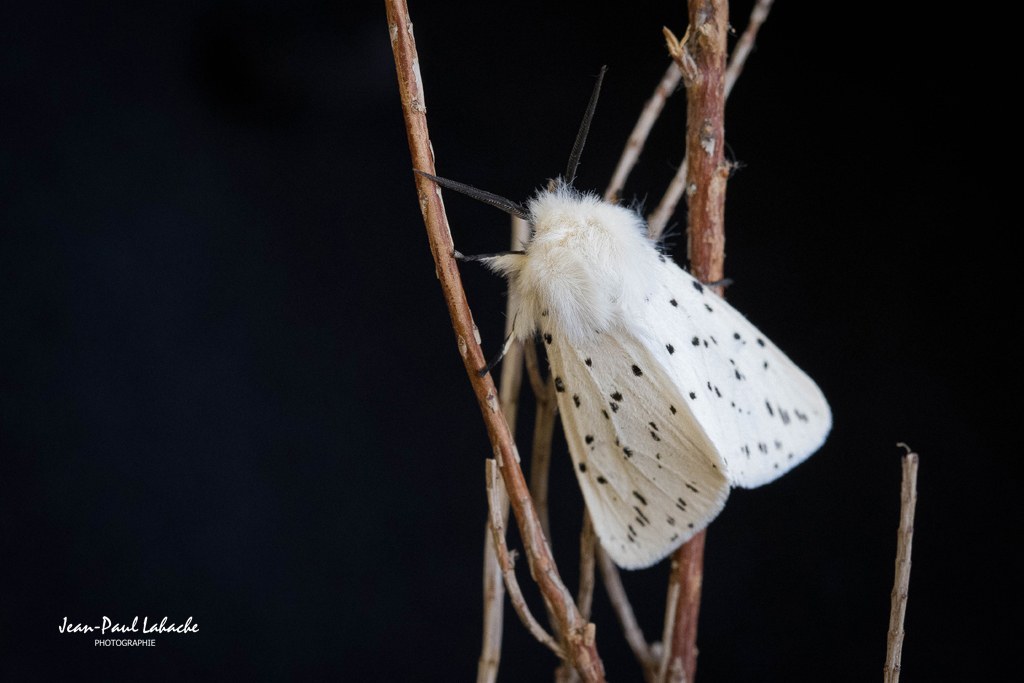
White Ermine Moth
Gardens, meadows, hedgerows
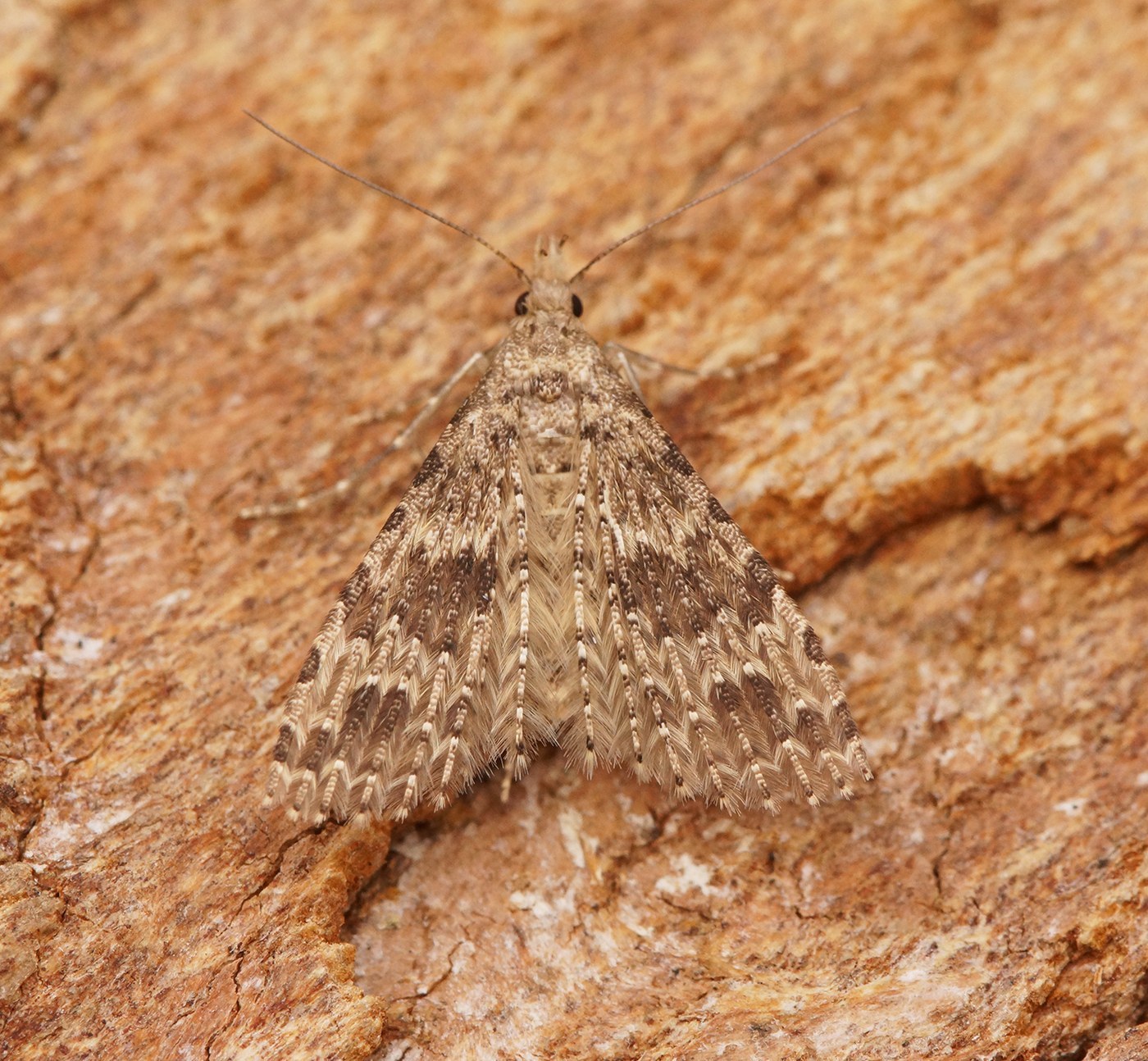
Twenty-plume Moth
Gardens, hedgerows, near honeysuckle
Achemon Sphinx Moth
Vineyards, woodland edges, gardens with wild grape
Angle Shades Moth
Gardens, hedgerows, woodland edges, urban parks
Atlas Moth
Tropical and subtropical lowland forests of Southeast Asia