
Io Moth
Automeris io
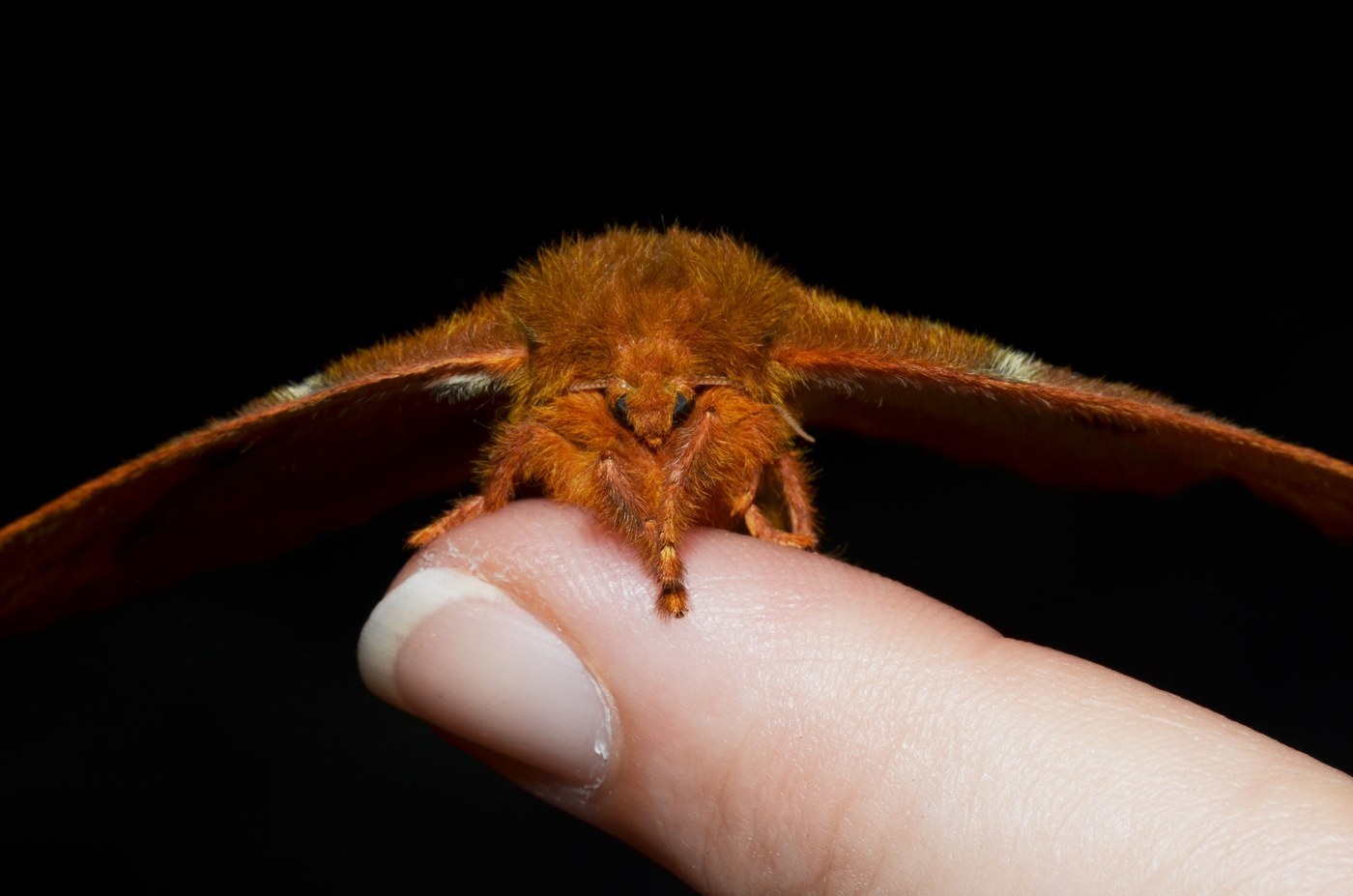
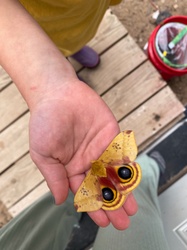
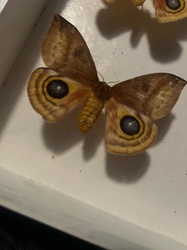
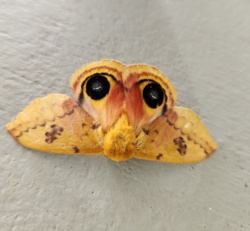
A striking yellow (male) or reddish-brown (female) silkmoth instantly recognizable by the large, dark eyespot ringed in blue and black on each hindwing, flashed suddenly to startle predators.
- Size
- 2–3.5 in wingspan
- Habitat
- Woodlands, forest edges, gardens across North America
- Danger
- Stings
Spotted a bug like this?
Identify any bug or insect from a photo, free.
Overview
The Io Moth is a medium-sized member of the giant silkmoth family Saturniidae, found across much of eastern and central North America. It is one of the most recognizable saturniid moths thanks to the enormous, false eye-like markings on its hindwings, which are concealed at rest and revealed suddenly when the moth is disturbed.
The species shows pronounced sexual dimorphism: males are bright yellow with a slimmer body, while females are larger and colored in shades of reddish-brown to purplish-brown, a difference striking enough that the two sexes are sometimes mistaken for different species by beginners.
Io Moth caterpillars are pale green with rows of branching, spine-covered tubercles and are gregarious when young, often seen feeding in groups along a branch before dispersing as they mature.
How to Identify
- Hindwings bear a single large, dark eyespot with a blue-black center and white highlight, ringed in yellow or pink, concealed beneath the forewings at rest.
- Males are bright yellow overall; females are larger and colored reddish-brown to purplish-brown, both with the same eyespot pattern.
- Forewings are relatively plain, mottled in the wing's base color with a fine dark line near the outer margin.
- When disturbed, the moth flicks its forewings forward to suddenly expose both hindwing eyespots, a startle display meant to deter predators.
- The caterpillar is pale green with a reddish-and-white side stripe and covered in clusters of branching spines.
Habitat & Range
Found across much of the eastern and central United States and into southern Canada, the Io Moth inhabits deciduous woodlands, forest edges, hedgerows, and suburban yards with a variety of host trees and shrubs. Adults are nocturnal and most often encountered at porch lights or other artificial light sources during the warmer months.
The species can produce one or two generations per year depending on latitude, with adults flying from late spring through summer.
Behavior & Diet
Adult Io Moths do not feed, as is typical for giant silkmoths, and focus their brief lives entirely on mating. Their signature defense is the sudden hindwing eyespot display, flashed when a resting moth is disturbed, intended to startle or confuse potential predators by mimicking the eyes of a larger animal.
Caterpillars feed gregariously in early instars, moving and resting together in tight clusters along host plant stems, before becoming more solitary as they near maturity. The caterpillar is covered in branching spines that can sting in defense, a defensive trait among Automeris species.
Life Cycle
Eggs are laid in clusters on the leaves of a wide range of host plants, including willow, maple, and roses, among many others. Caterpillars hatch and feed together in groups through early instars before dispersing, molting several times and developing their characteristic spine-covered tubercles.
Mature caterpillars spin a thin, papery cocoon, often among leaf litter at the base of the host plant, and pupate there through winter in northern populations. The species can be univoltine or bivoltine depending on climate, with adults emerging to mate and lay the next generation's eggs.
Frequently asked questions
Why do male and female Io Moths look so different?
The species shows strong sexual dimorphism, with bright yellow males and larger, reddish-brown to purple females, though both share the same eyespot pattern.
What is the purpose of the hindwing eyespots?
They are concealed at rest and suddenly revealed when disturbed, functioning as a startle display to deter predators.
Are the caterpillars different in appearance from the adults?
Yes, the caterpillar is pale green with branching, spine-covered tubercles and looks nothing like the winged adult moth.
Do Io Moth caterpillars have spines?
Yes, the caterpillar is covered in clusters of branching spines that can sting in defense, a common trait among Automeris caterpillars.
Io Moth guides
In-depth guides for identifying, understanding, and living alongside Io Moth.
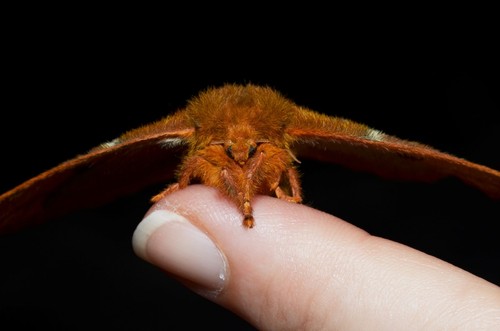
Io Moth identified by the community
Real finds identified with Bug Identifier.
Other bugs you may enjoy
Bagworm Moth
Coniferous and deciduous trees, shrubs, hedges
Antheraea Silkmoth
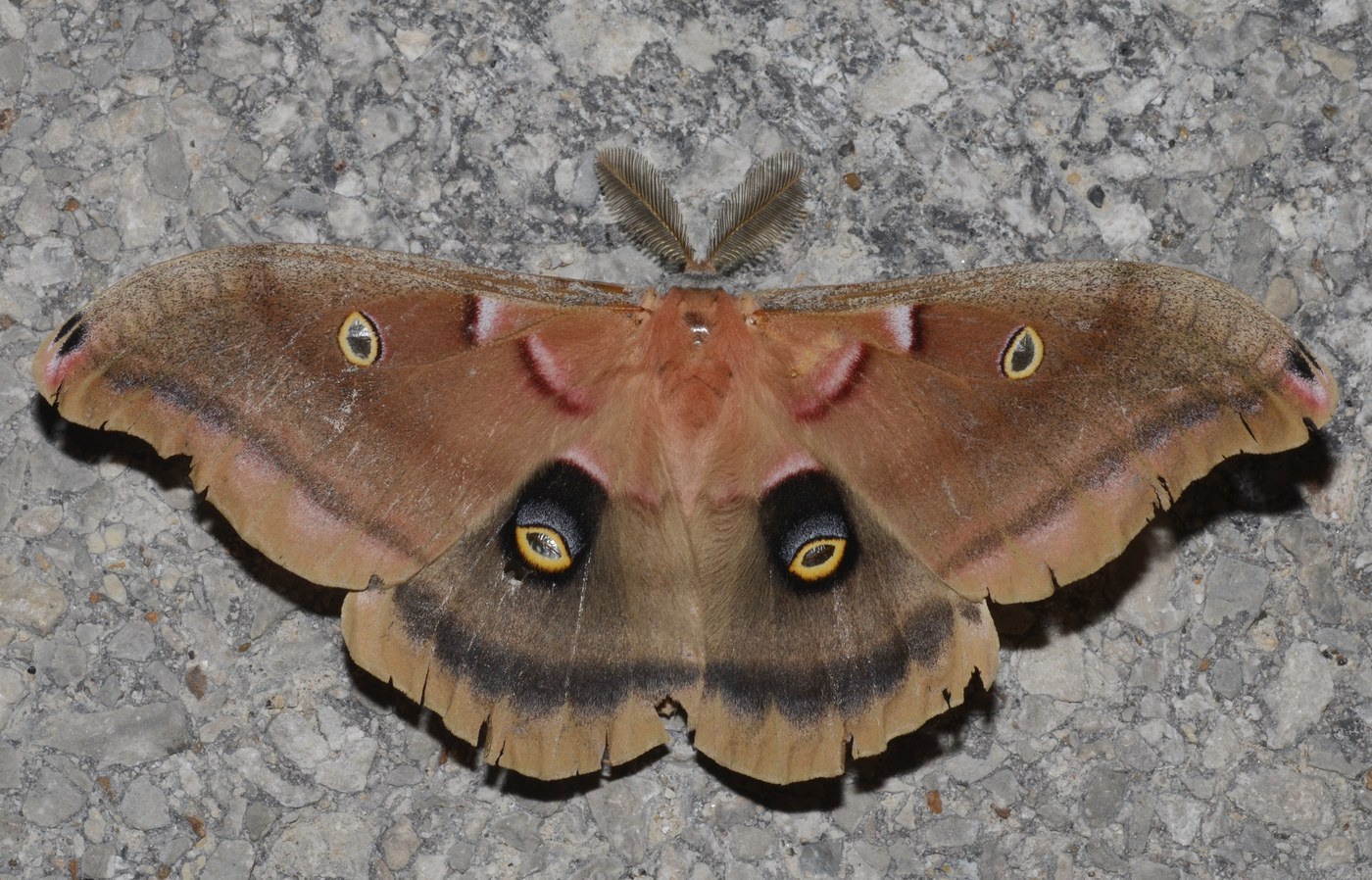
Deciduous forests, woodland edges, orchards
Ailanthus Silkmoth (Cynthia Moth)
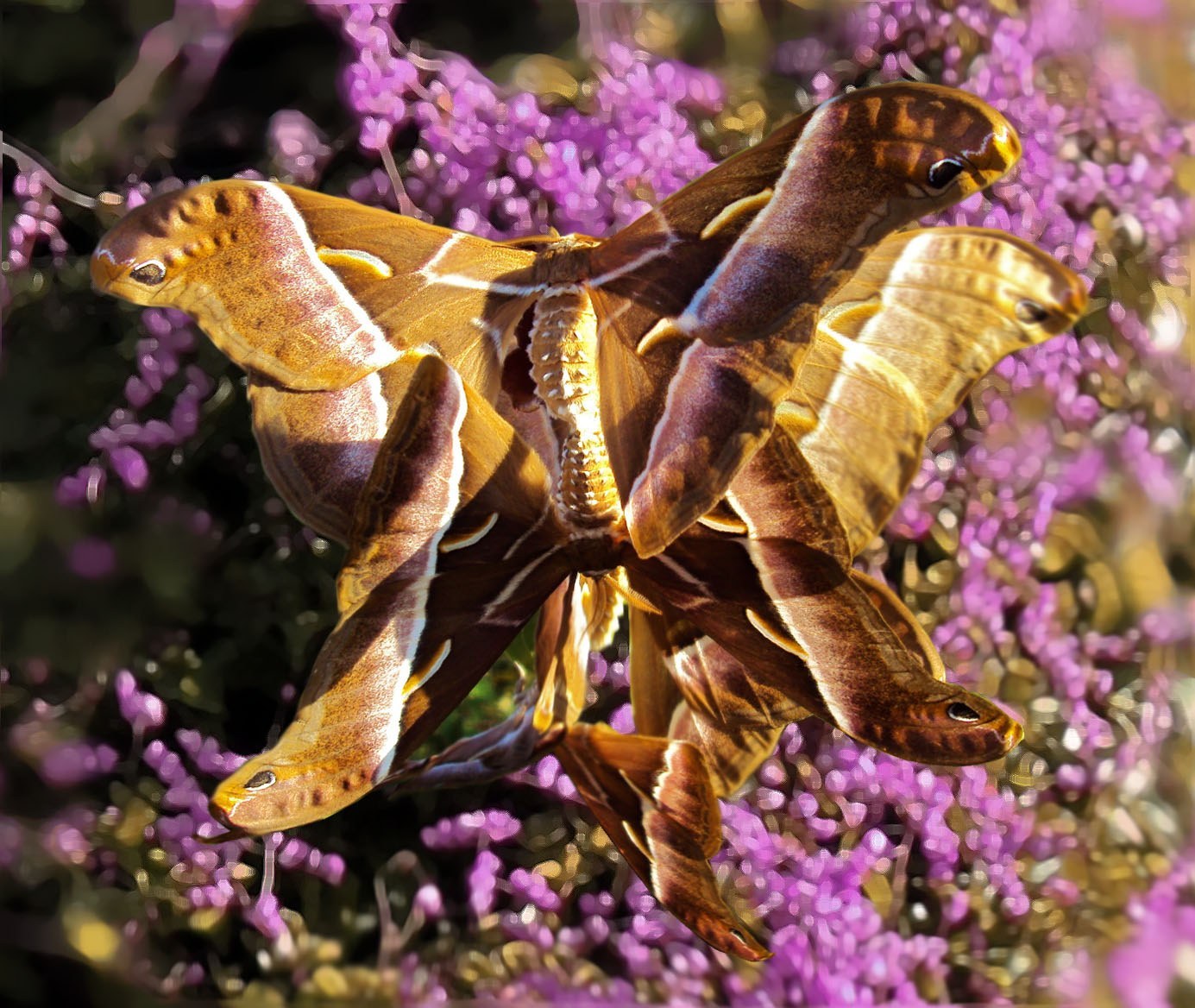
Urban parks, wastelands, and woodland edges with tree-of-heaven; native to Asia, introduced in North America and Europe
Winter Moth
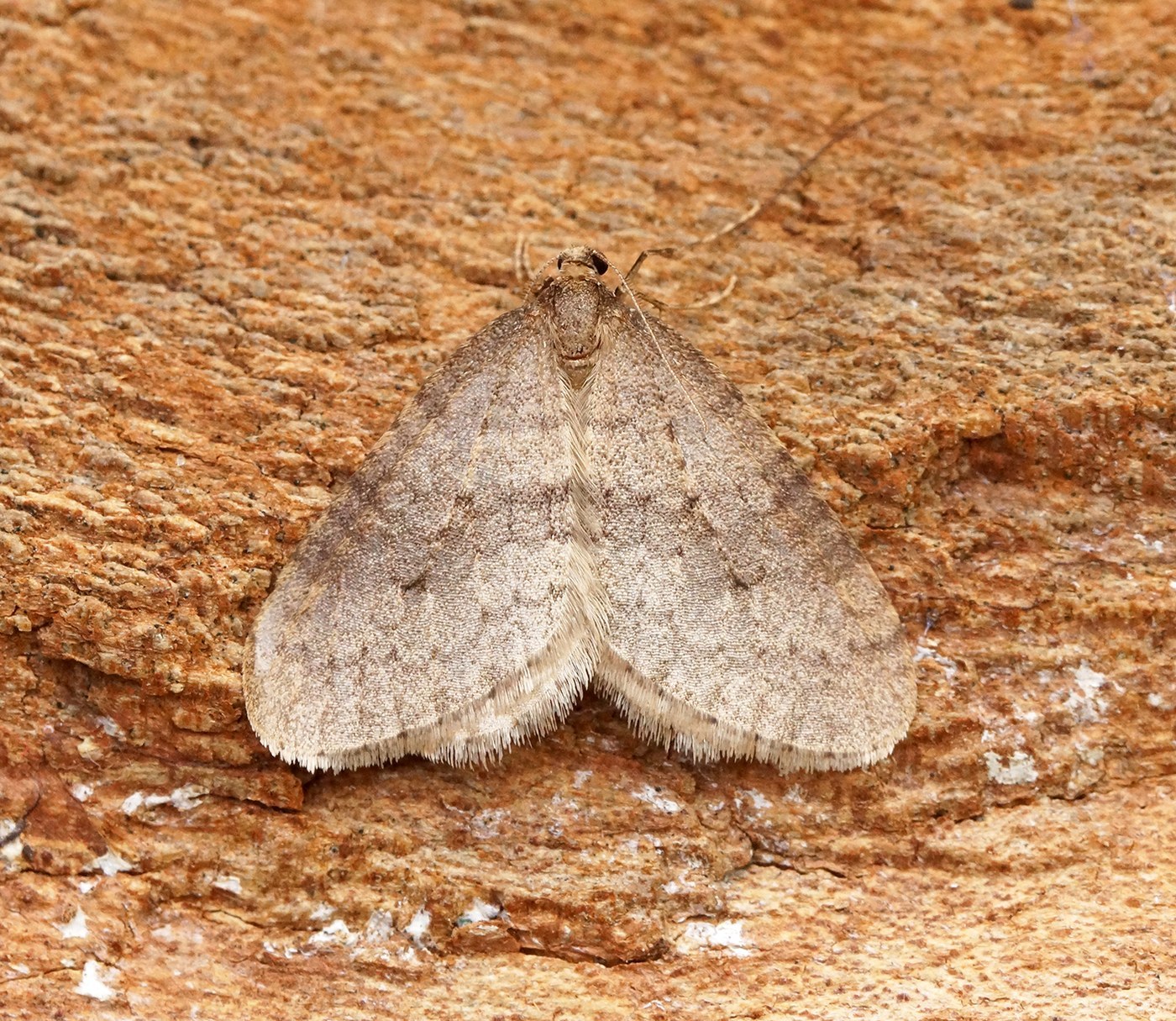
Deciduous woodland, orchards, gardens, hedgerows
Webbing Clothes Moth
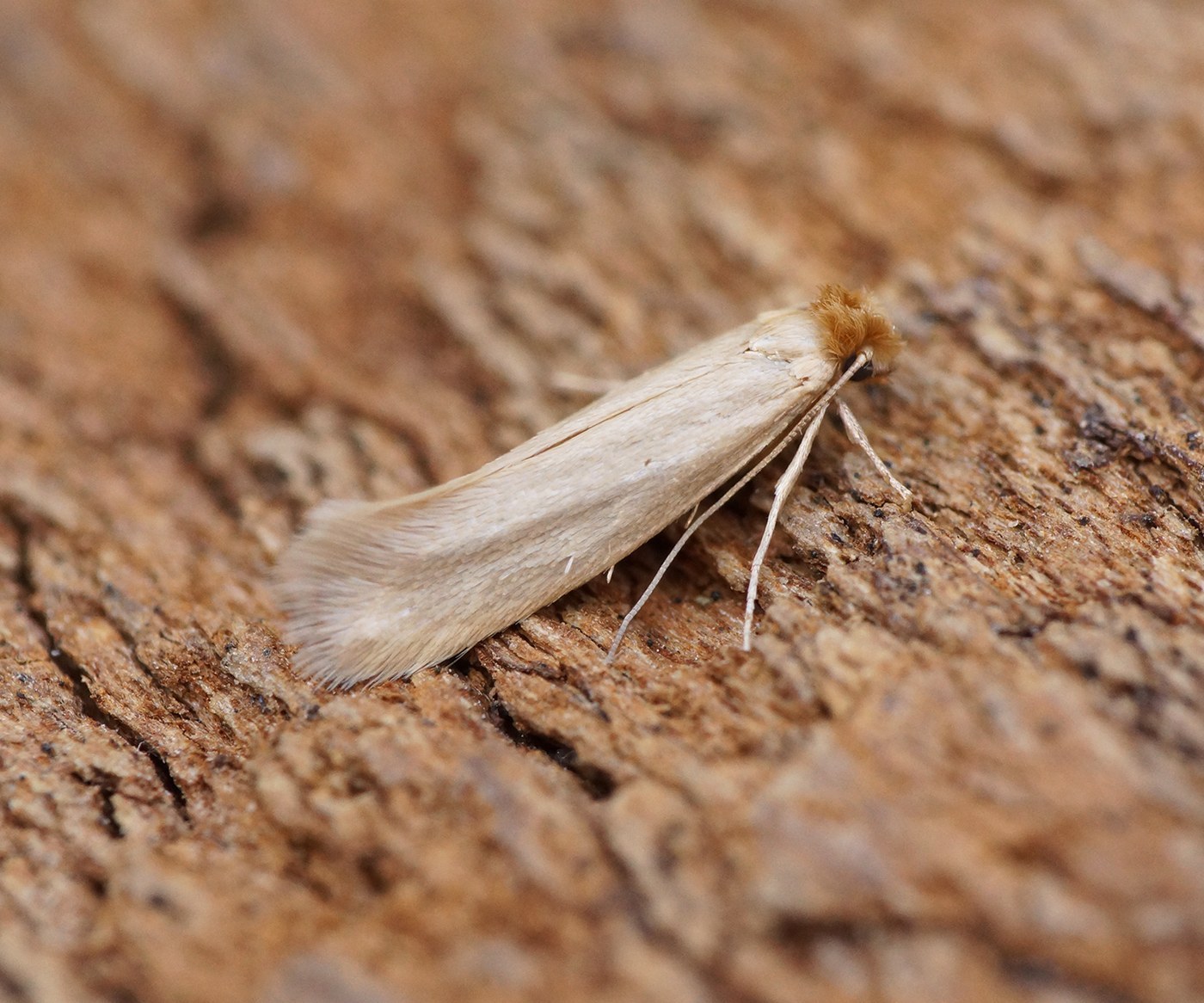
Dark closets, storage areas, and animal nests worldwide
Tussock Moth
Deciduous forests, parks, gardens
Wax Moth
Beehives, apiaries, stored beeswax and comb
White Ermine Moth
Gardens, meadows, hedgerows
Twenty-plume Moth
Gardens, hedgerows, near honeysuckle
Achemon Sphinx Moth
Vineyards, woodland edges, gardens with wild grape
Angle Shades Moth
Gardens, hedgerows, woodland edges, urban parks
Atlas Moth
Tropical and subtropical lowland forests of Southeast Asia