
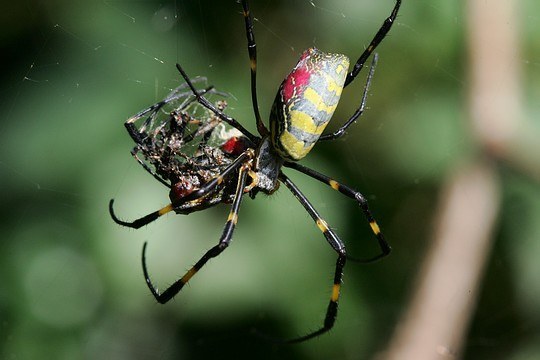
Jorō Spider
Trichonephila clavata
A large, strikingly colored East Asian orb weaver with yellow-and-blue-gray banding, now spreading rapidly across the southeastern United States and building enormous golden webs.
- Size
- 18-25 mm body length (females), legs span up to 75-100 mm
- Habitat
- Forest edges, power lines, and gardens with tall anchor points
- Danger
- Bites
Spotted a bug like this?
Identify any bug or insect from a photo, free.
Overview
The Jorō spider is a large, brightly patterned orb-weaving spider native to Japan, Korea, China, and Taiwan, named after a shapeshifting spider figure from Japanese folklore. Females are especially eye-catching, with a yellow, blue-gray, and red-banded abdomen and long, similarly banded legs, and they construct expansive, multi-layered golden-silk webs that can span several feet between trees, power lines, and buildings.
First detected in the state of Georgia in the United States around 2013, the Jorō spider has since spread rapidly across the southeastern U.S. and continues to expand its range, likely aided by accidental transport and its capacity for long-distance ballooning dispersal as spiderlings. Its rapid establishment has drawn significant public and scientific attention, both because of its large size and striking appearance and because of ongoing research into its ecological effects on native spider communities and insect populations.
Despite its size and bold coloring, the Jorō spider is a docile, non-aggressive orb weaver that behaves much like other large Nephila-relative spiders, remaining at the center of its web and reacting to disturbance by retreating or dropping rather than confronting.
How to Identify
- Large, elongated abdomen boldly patterned in yellow, blue-gray, and touches of red, with a distinct yellow-and-black striped pattern
- Long, thin legs banded in yellow and black/dark blue-gray
- Females are dramatically larger than the small, plain brown males
- Builds large, three-dimensional golden-hued orb webs with irregular scaffolding threads in addition to the main orb
- Similar in general form to other large golden orb weavers (Trichonephila/Nephila species), distinguished by its specific color pattern and East Asian to now-southeastern U.S. range
Habitat & Range
Jorō spiders build their large webs at forest edges, in tall trees, on power lines, between buildings, and in gardens with sufficiently tall anchor points for their expansive webs. Native to Japan, Korea, China, and Taiwan, the species has become established across much of Georgia and is expanding into neighboring southeastern U.S. states. Adults are most conspicuous from late summer through fall as females reach full size and their webs become large and heavily provisioned.
Behavior & Diet
This spider constructs a large, multi-layered golden orb web, often including irregular barrier threads in front of the main capture spiral, and remains at the hub to detect vibrations from trapped prey. Diet includes a wide variety of flying and jumping insects, including some larger prey such as wasps, stink bugs, and even occasional small vertebrates entangled in the web. Jorō spiders are solitary but often build webs in loose aggregations where prey and anchor points are abundant, and they tend to retreat or play dead when disturbed. Young spiderlings disperse over long distances through ballooning, riding silk threads on air currents, which has contributed to the species' rapid range expansion.
Life Cycle
Females lay a single large egg sac in fall, typically hidden in a silken mass tucked into bark crevices or structures, containing many hundreds of eggs, and adults die with the onset of cold weather. Eggs overwinter and spiderlings emerge in spring, dispersing widely via ballooning before settling to build their own small webs. Spiders grow through numerous molts over the summer, reaching full adult size and mating by late summer and fall, completing one generation per year.
Frequently asked questions
Does the Jorō spider bite?
It can bite in defense if handled, but it is a docile species that tends to retreat or drop from its web when disturbed.
Where did the Jorō spider come from?
It is native to Japan, Korea, China, and Taiwan, and was first found in the state of Georgia in the United States around 2013.
How did the Jorō spider spread so quickly across the southeastern U.S.?
Its spiderlings disperse over long distances by ballooning on silk threads carried by wind, aiding rapid natural range expansion in addition to accidental human transport.
How big does a Jorō spider get?
Females can reach a body length of roughly 18 to 25 millimeters with a leg span of up to about 75 to 100 millimeters, making them one of the larger orb weavers in their range.
Jorō Spider guides
In-depth guides for identifying, understanding, and living alongside Jorō Spider.
Other bugs you may enjoy
Woodlouse Spider
Damp leaf litter, under logs, stones, and mulch
Wolf Spider
Gardens, grasslands, forests, leaf litter, ground burrows
Wandering Spider
Tropical and subtropical forest floor, foliage, and banana plants
Banded Garden Spider
Tall grass, meadows, and gardens with open sunny vegetation
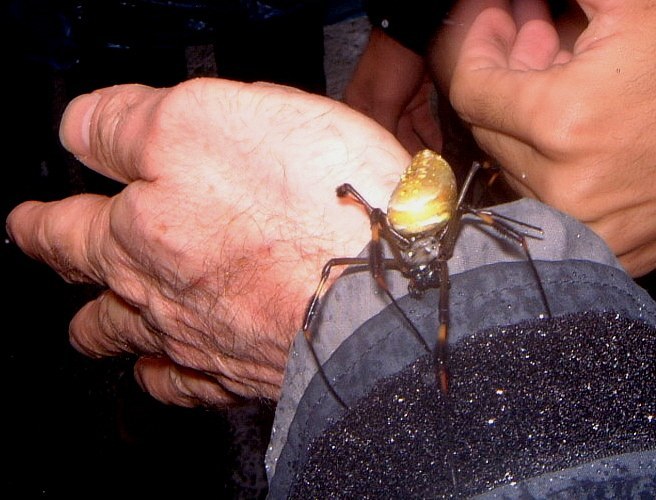
Banana Spider
Wooded trails, forest edges, and gardens across the southeastern U.S. and the American tropics
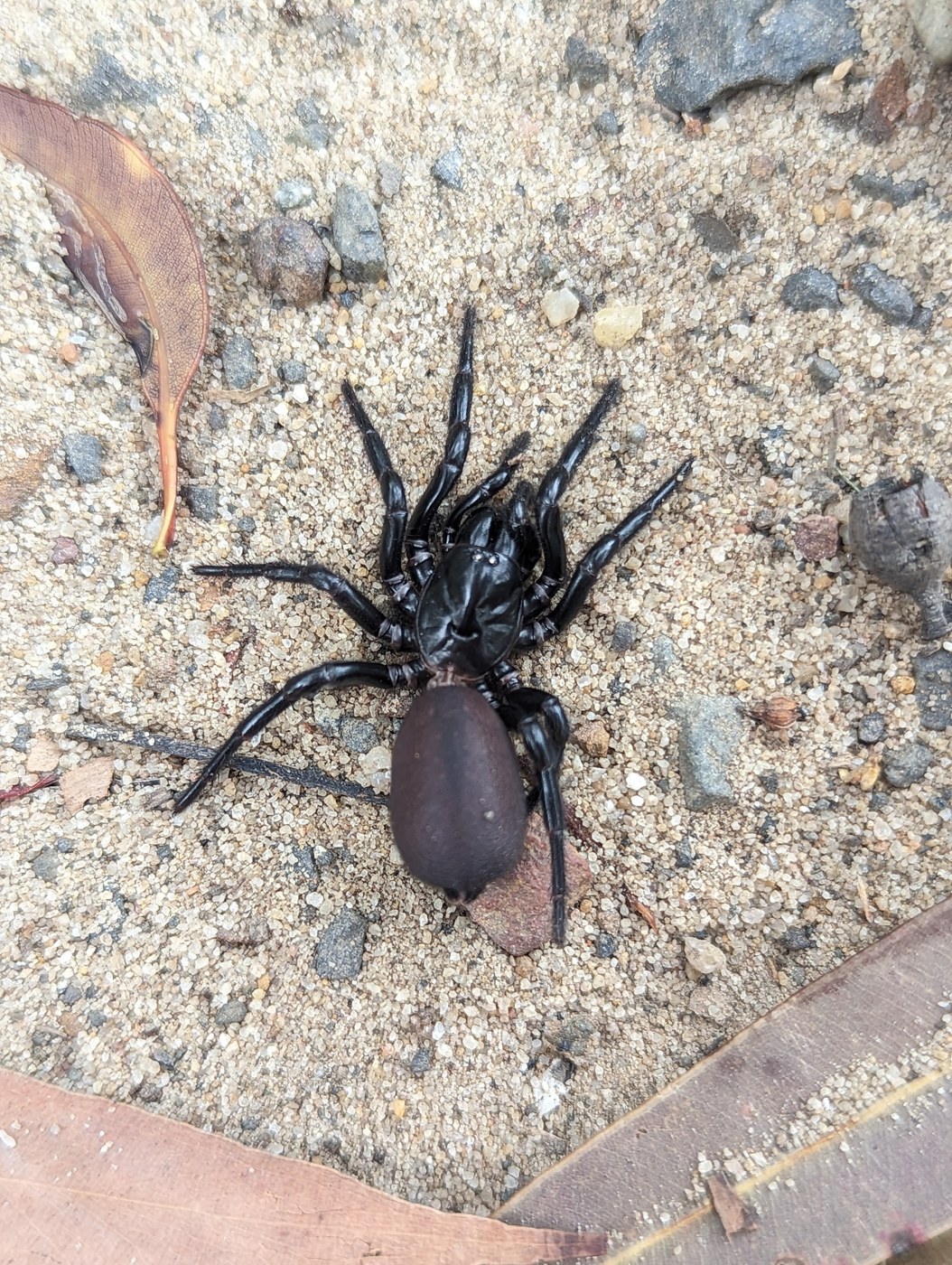
Sydney Funnel-web Spider
Burrows in moist soil, gardens, and forested gullies around the Sydney basin of eastern Australia
Trapdoor Spider
Self-dug silk-lined burrows with a camouflaged door, in dry, well-drained soil worldwide
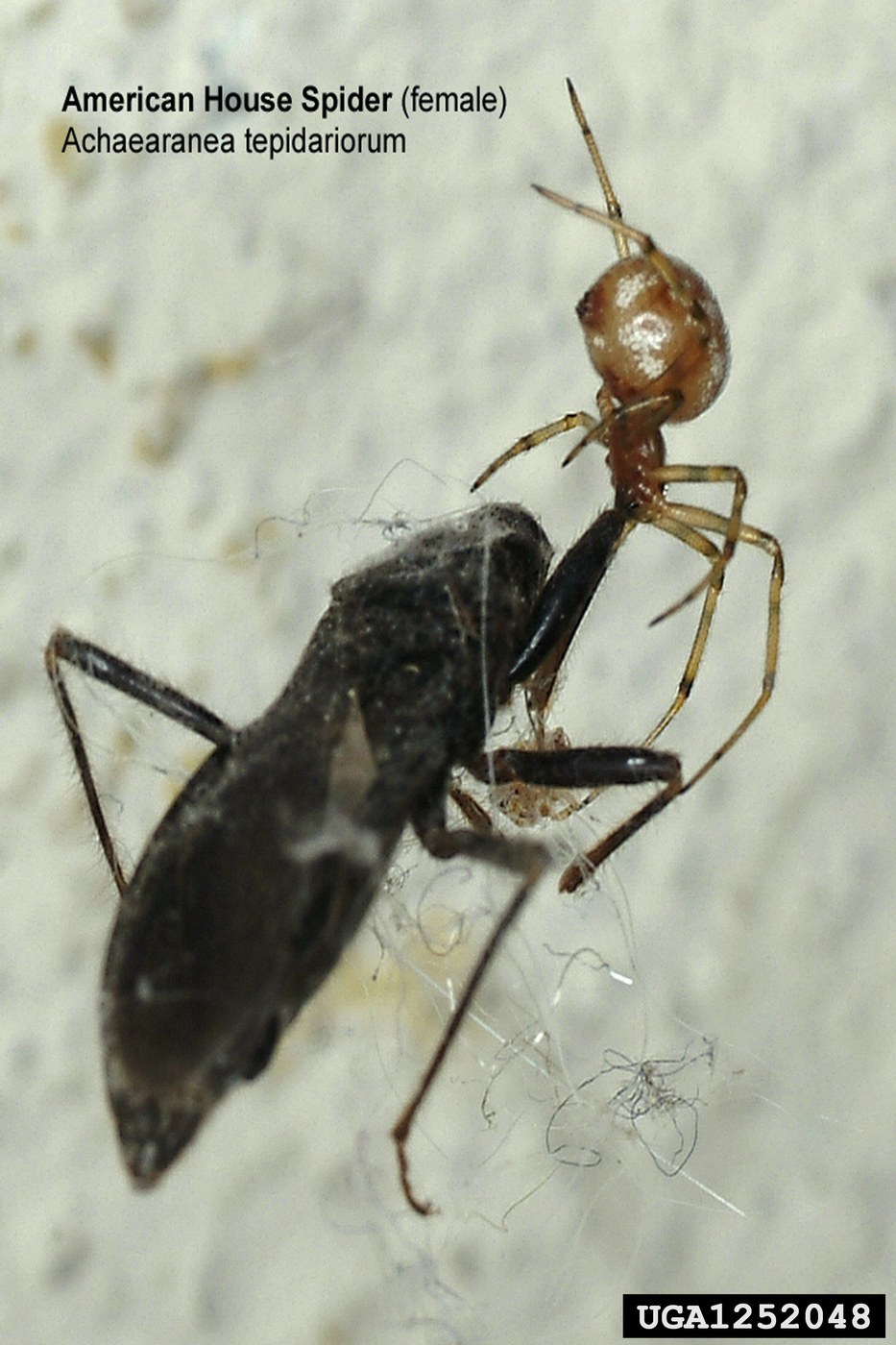
American House Spider
Corners, basements, garages, and outbuildings worldwide
Tube Web Spider
Wall crevices, bark, rockeries, and masonry
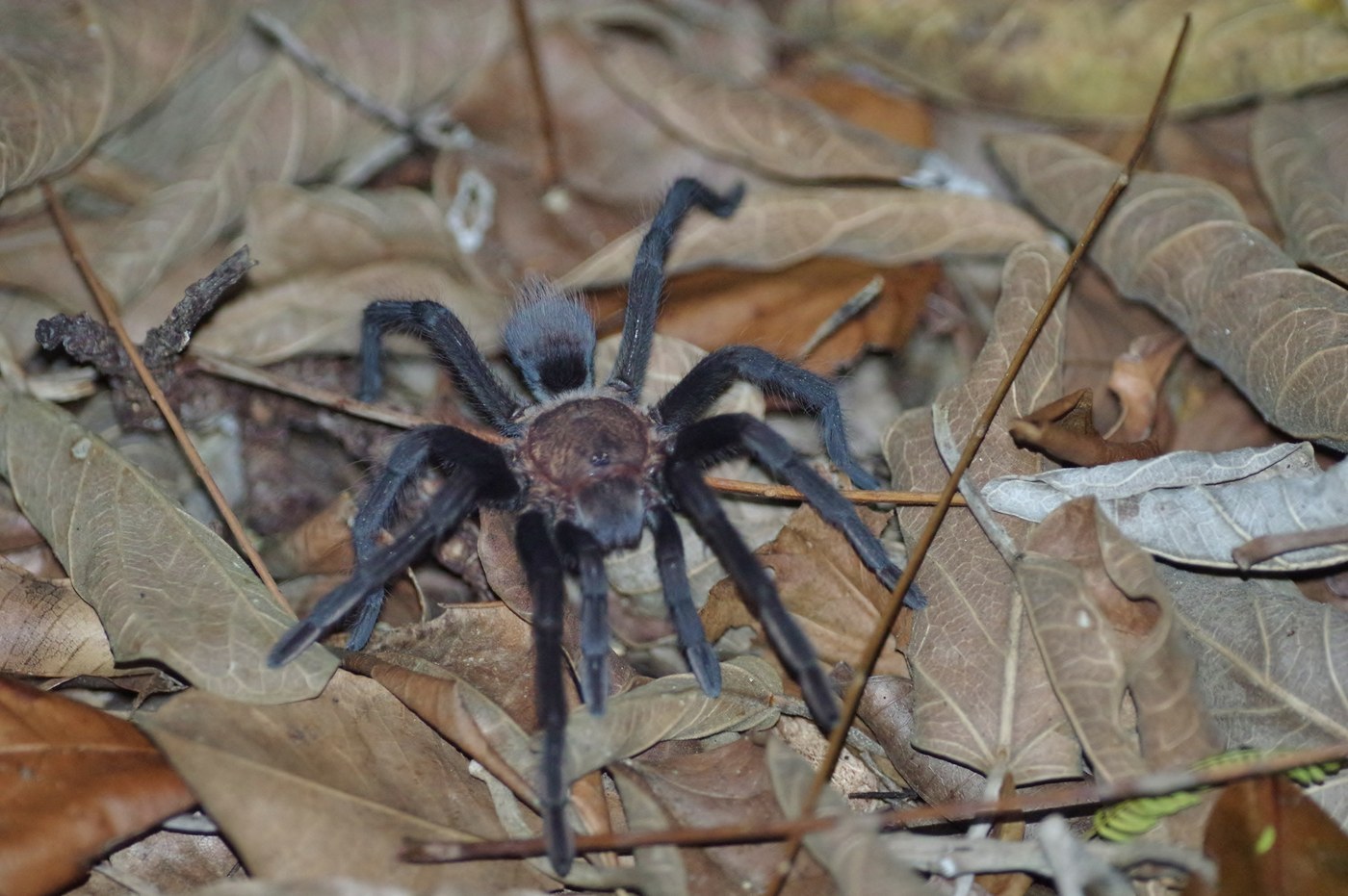
Tarantula
Burrows, rock crevices, and tree hollows in deserts, grasslands, and tropical forests worldwide
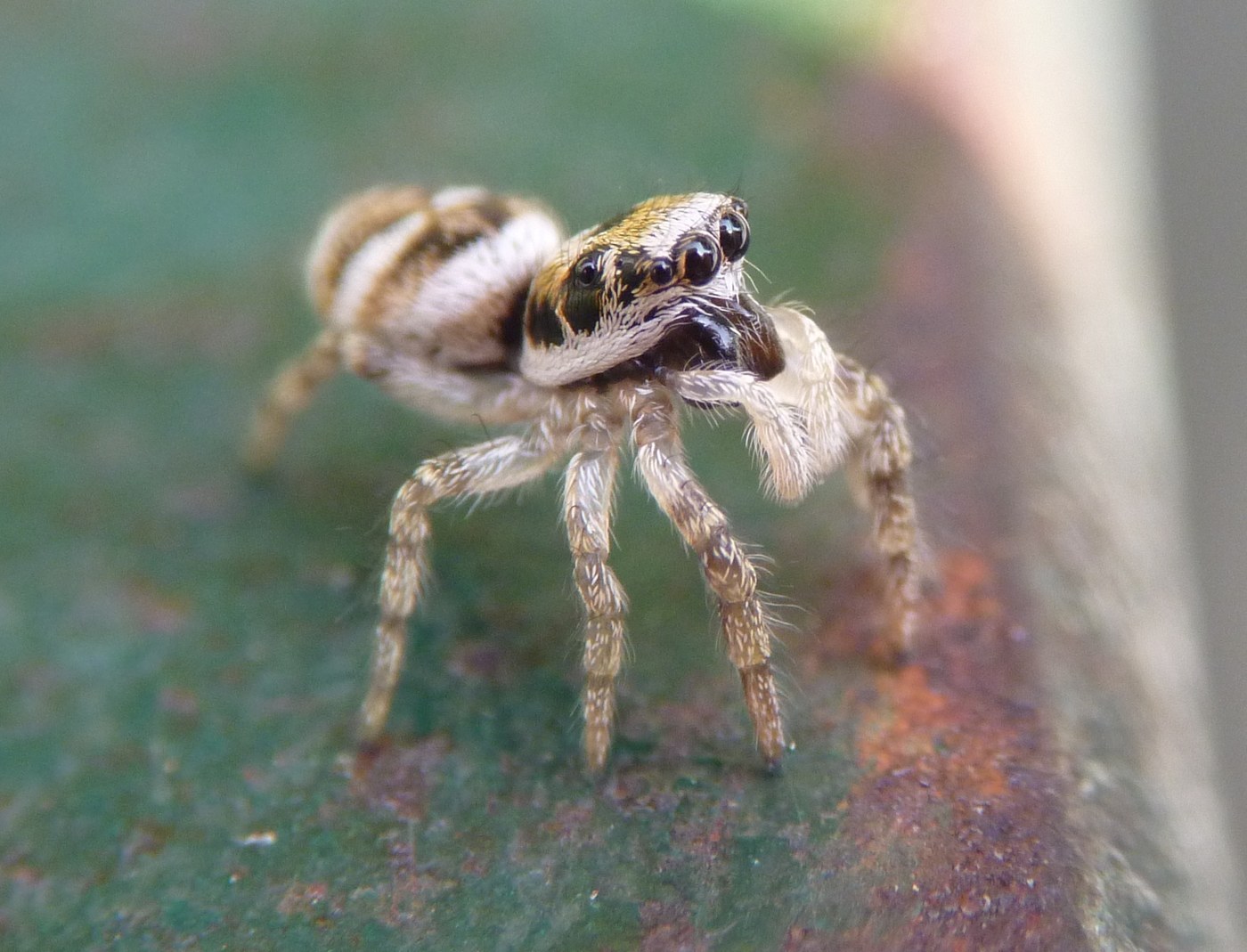
Zebra Jumping Spider
Sunny walls, fences, tree bark, and building exteriors
Wall Spider
Cracks and crevices on exterior and interior walls