
June Bug
Phyllophaga spp.
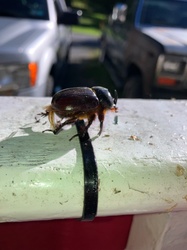
A chunky, reddish-brown to nearly black scarab beetle that bumbles noisily around porch lights on warm late-spring and early-summer evenings.
- Size
- 12–25 mm
- Habitat
- Lawns, gardens, and woodland edges; adults drawn to lights at night
- Danger
- Harmless
Spotted a bug like this?
Identify any bug or insect from a photo, free.
Overview
"June bug" or "May beetle" is the common name applied to more than 260 North American species in the genus Phyllophaga, family Scarabaeidae, order Coleoptera. They are large, robust, nocturnal scarabs that emerge in late spring, giving rise to their common name.
The group is notable for its clumsy, heavy flight and strong attraction to artificial lights, a behavior that makes June bugs one of the most familiar insects of warm-weather evenings across much of North America.
The larval stage — large white grubs living in soil — is ecologically and economically significant, feeding on the roots of grasses and other plants and serving as an important food source for burrowing and insectivorous animals.
How to Identify
- Oval, robust, glossy body, typically reddish-brown to nearly black
- Clubbed antennae and spiny legs adapted for digging
- Body length roughly 12–25 mm, noticeably larger and more uniform in color than the Japanese beetle
- Nocturnal and clumsy in flight, often colliding with windows, screens, and lights
- Distinguished from the Japanese beetle by its larger size, lack of metallic green coloring, and absence of white abdominal hair tufts
Habitat & Range
Found throughout North America. Adults emerge from the soil in late spring into early summer and are strictly nocturnal, resting in trees and shrubs by day. Larvae (white grubs) live in soil beneath lawns, pastures, and gardens, feeding on roots.
Behavior & Diet
Adults fly at night and are strongly attracted to artificial light sources, often bumping into windows or lights in an erratic, clumsy pattern. They feed on the foliage of trees and shrubs after dark. The underground larval stage feeds on grass and plant roots for one to several years depending on the species, and grubs are heavily preyed upon by skunks, moles, and ground-foraging birds.
Life Cycle
Complete metamorphosis. Eggs are laid in soil, and the grub stage may last one to three years depending on the species, with larvae overwintering below the frost line in colder regions. Pupation occurs in the soil, and adults emerge in late spring to early summer, giving most species a multi-year generation time.
Frequently asked questions
Is a June bug the same as a Japanese beetle?
No. Both are scarab beetles, but June bugs (Phyllophaga) are larger, uniformly brown to black, and nocturnal, while Japanese beetles are smaller, metallic green and copper, and active by day.
Why do June bugs fly into windows and lights?
They are strongly attracted to artificial light and are heavy, clumsy fliers that often collide with surfaces near light sources.
What do June bug larvae look like?
Large, C-shaped white grubs with a brown head, living in soil, similar in form to other scarab beetle grubs.
When do June bugs appear?
Mainly in late spring through early summer, and they are active only at night.
June Bug guides
In-depth guides for identifying, understanding, and living alongside June Bug.
June Bug identified by the community
Real finds identified with Bug Identifier.
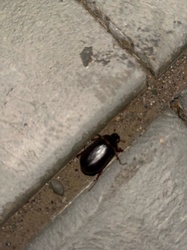
Other bugs you may enjoy
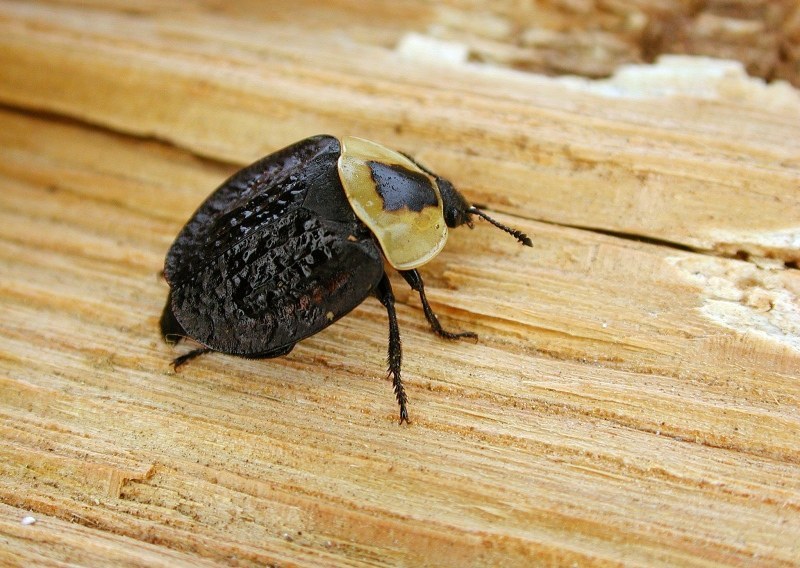
American Carrion Beetle
Forests, fields, and roadsides across North America, near decaying animal carcasses
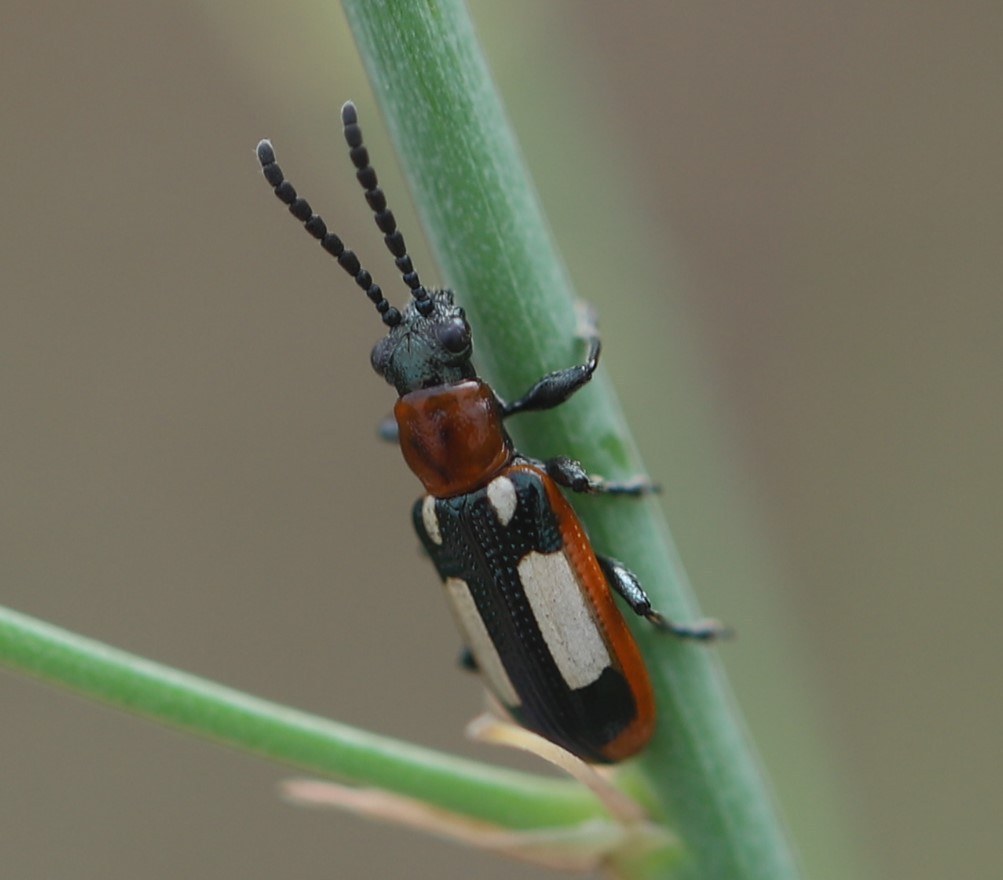
Asparagus Beetle
Asparagus patches, gardens, and farm fields
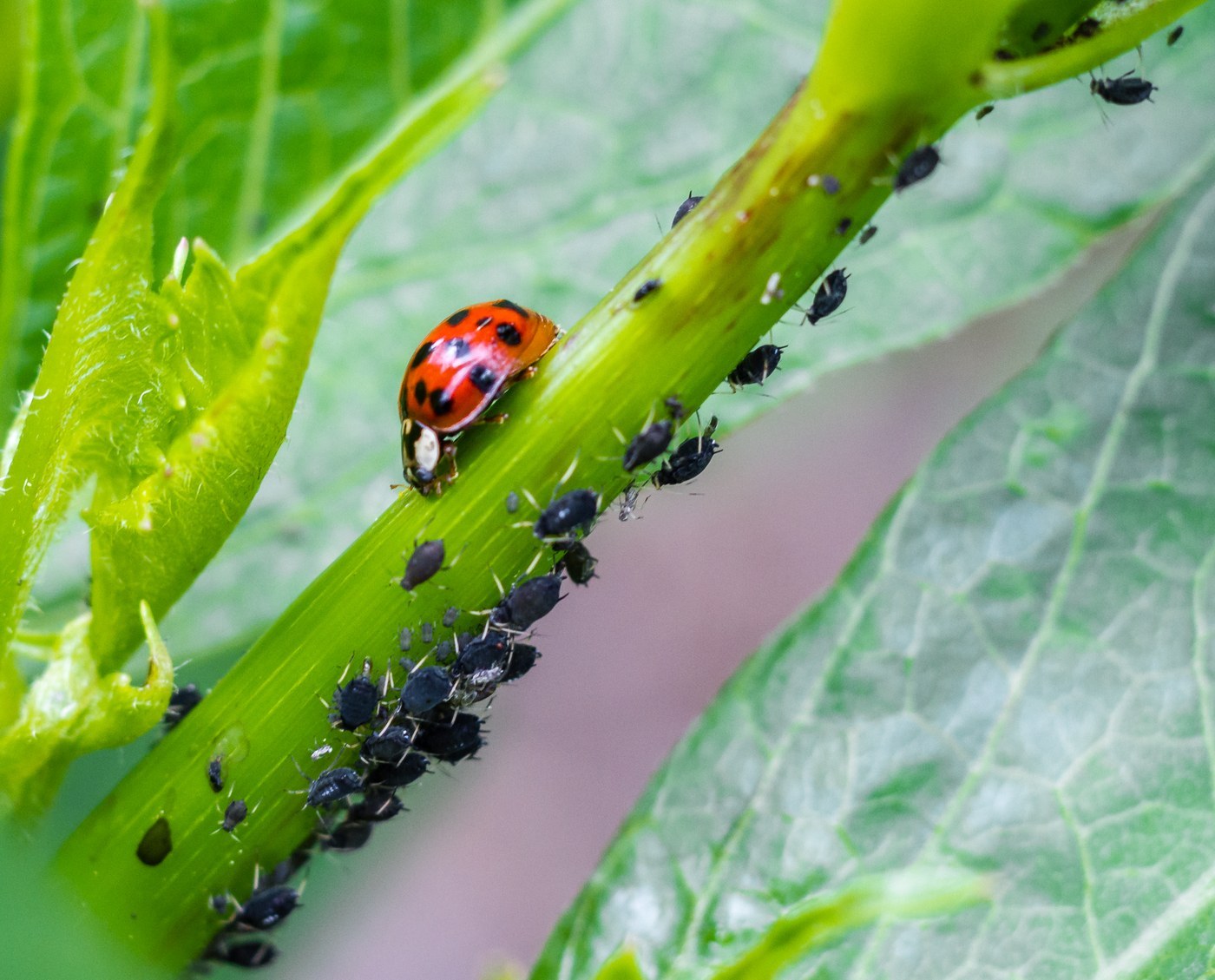
Asian Lady Beetle
Gardens, crop fields, woodlands, buildings
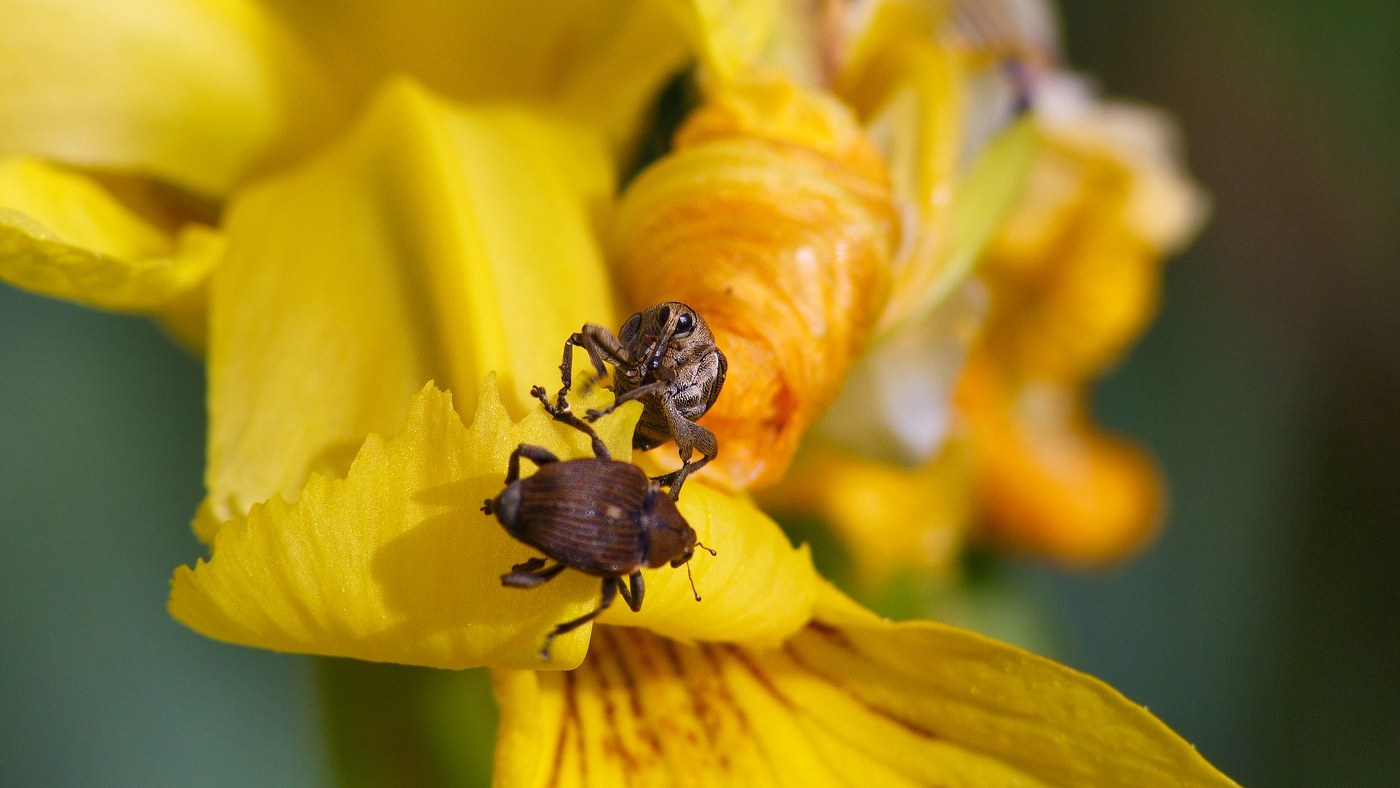
Acorn Weevil
Oak woodlands and forests, on and beneath oak trees
Wireworm
Soil of grasslands, gardens, and cultivated fields worldwide
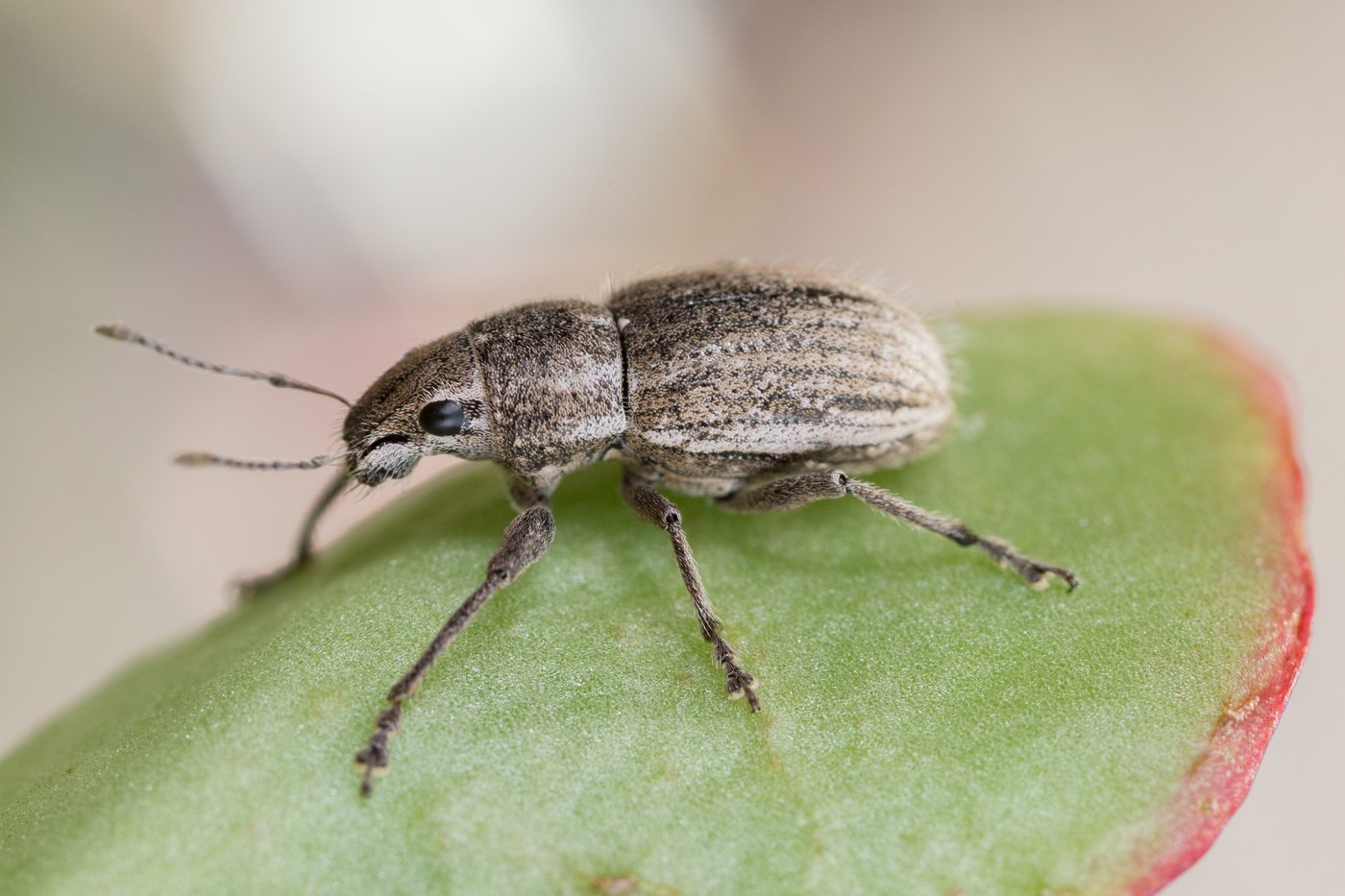
Whitefringed Beetle
Pastures, row crops, lawns, disturbed soils
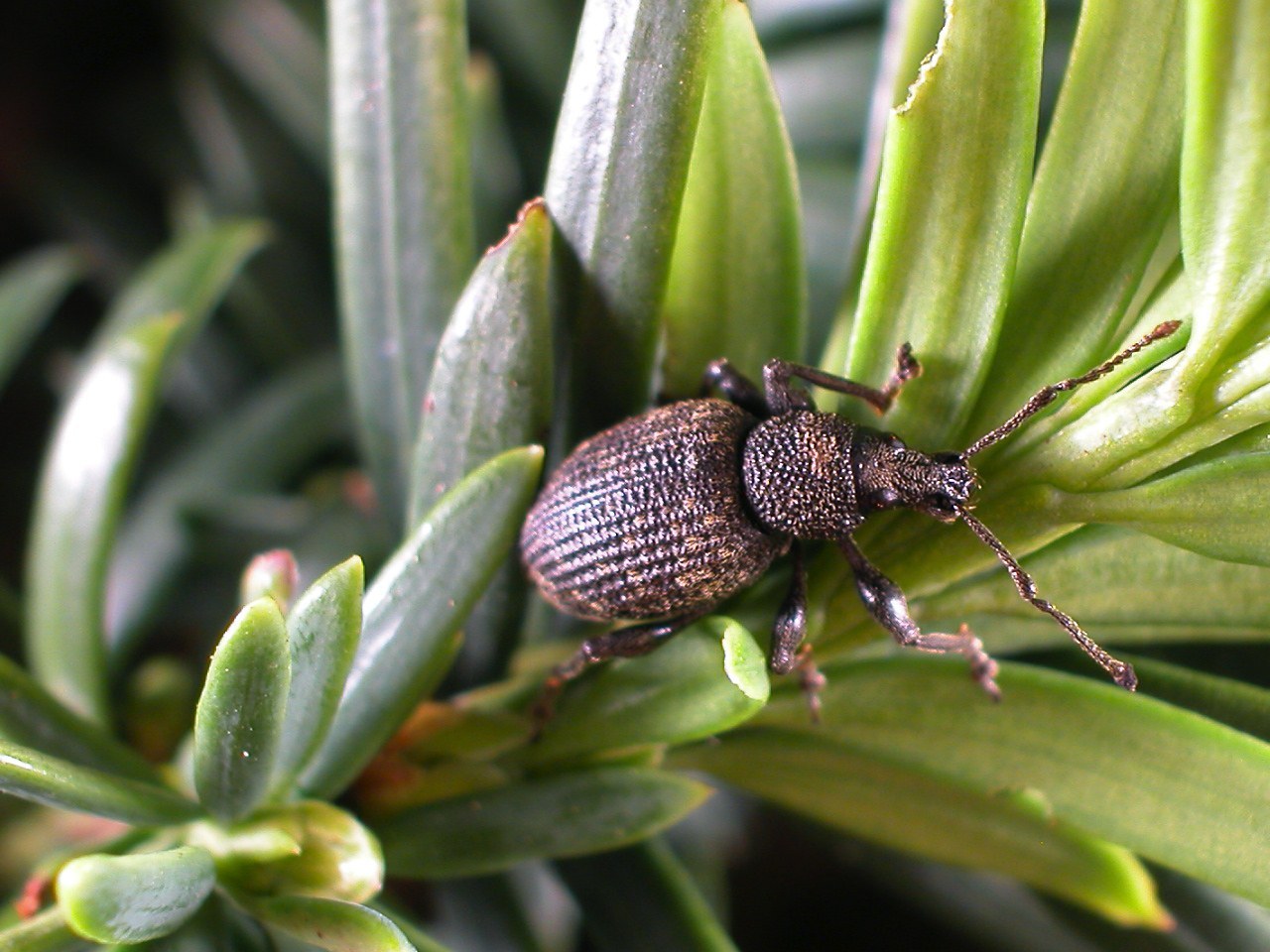
Vine Weevil
Gardens, nurseries, greenhouses, and container plantings
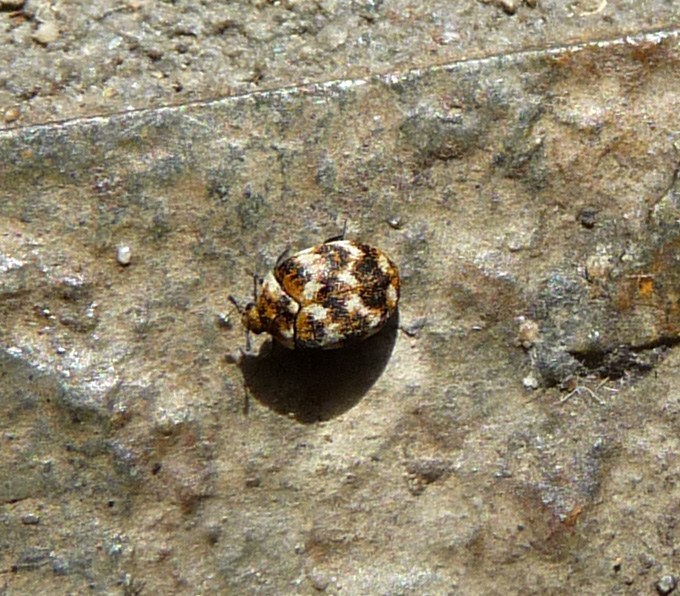
Varied Carpet Beetle
Homes, nests of birds and mammals, and flowers outdoors
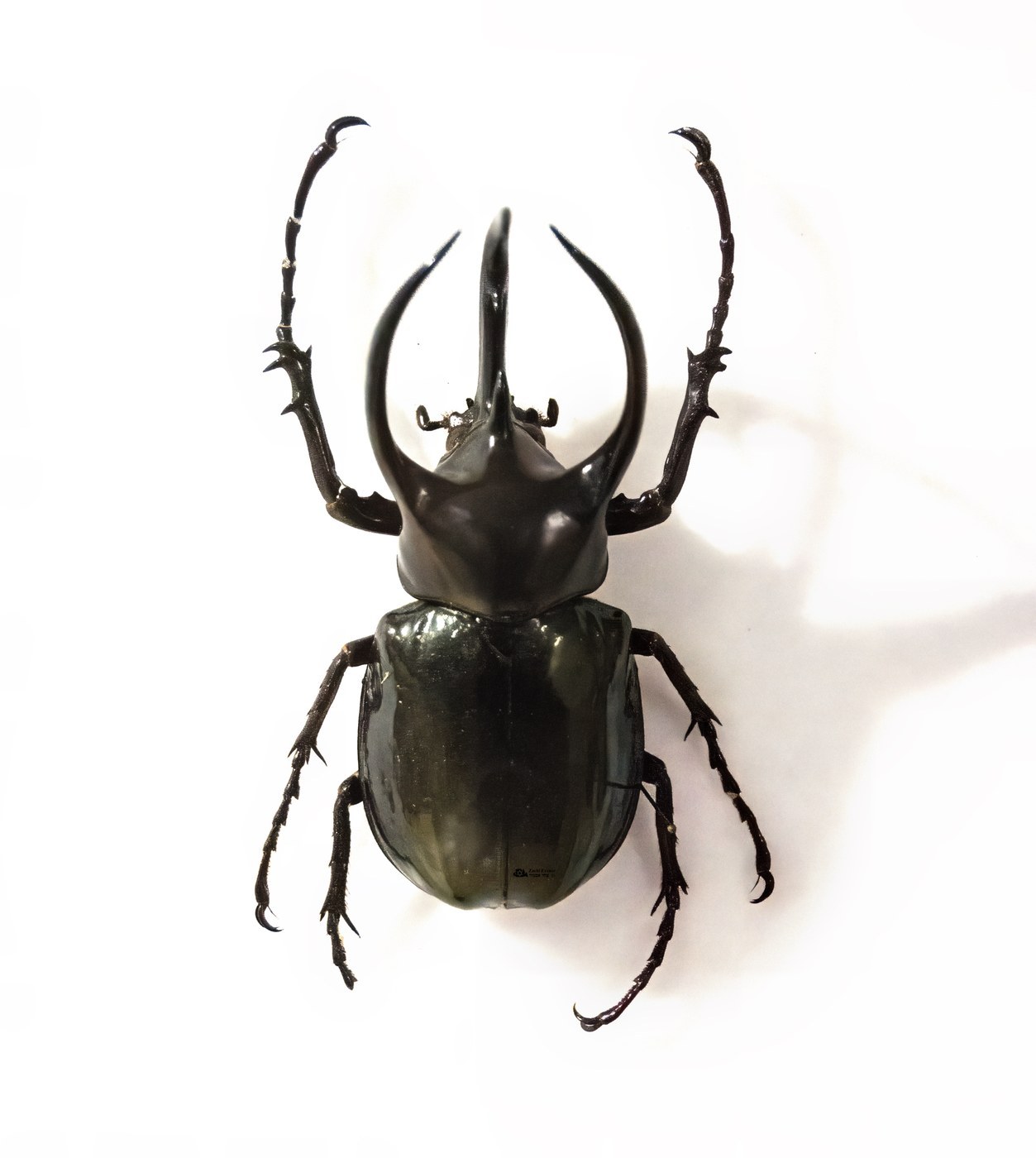
Atlas Beetle
Tropical forests of Southeast Asia
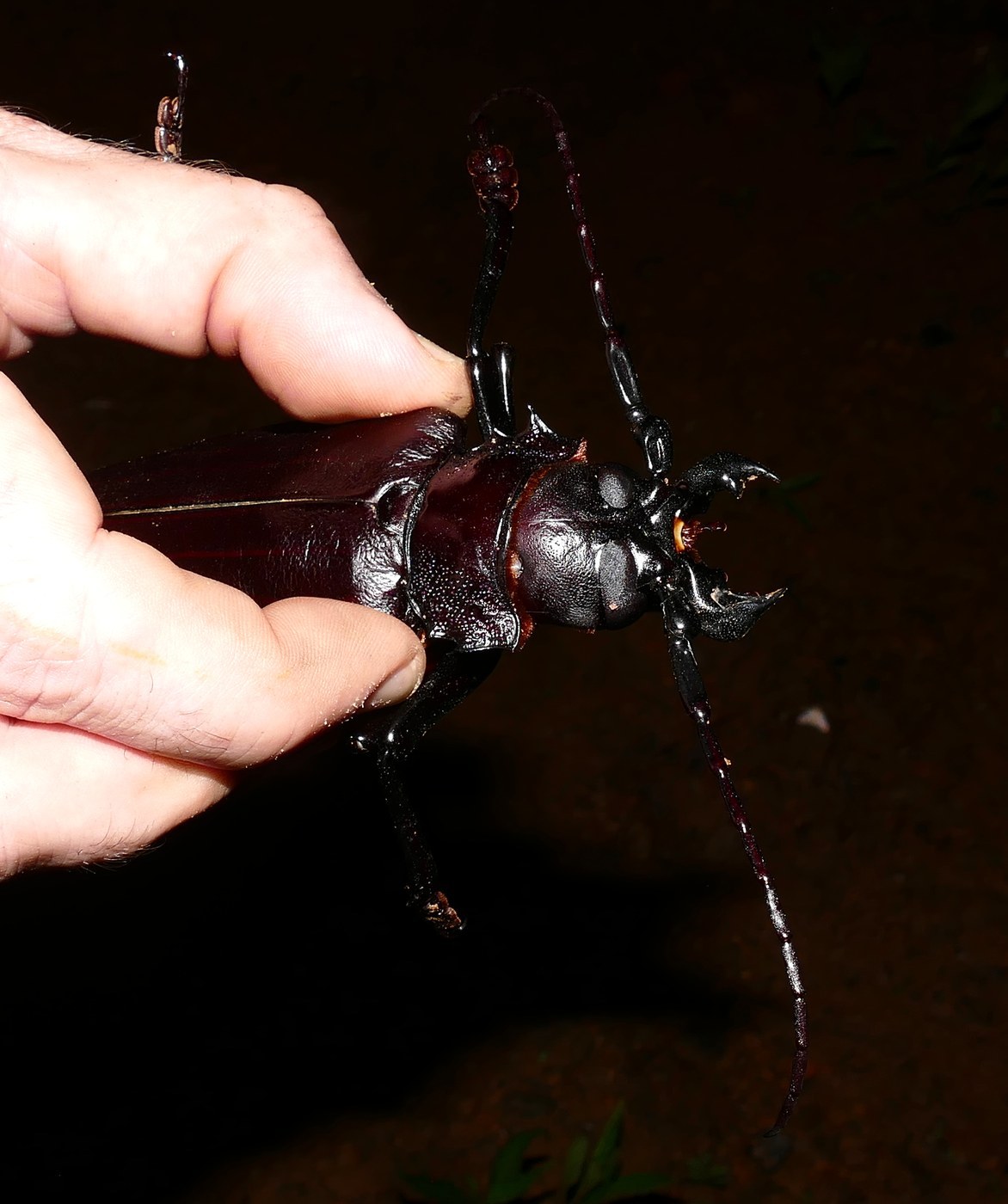
Titan Beetle
Amazon rainforest of South America
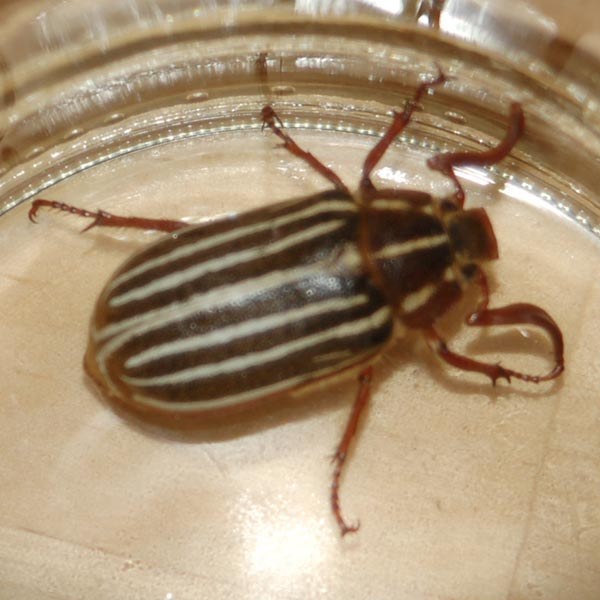
Ten-lined June Beetle
Sandy soils, pine forests, and orchards of western North America
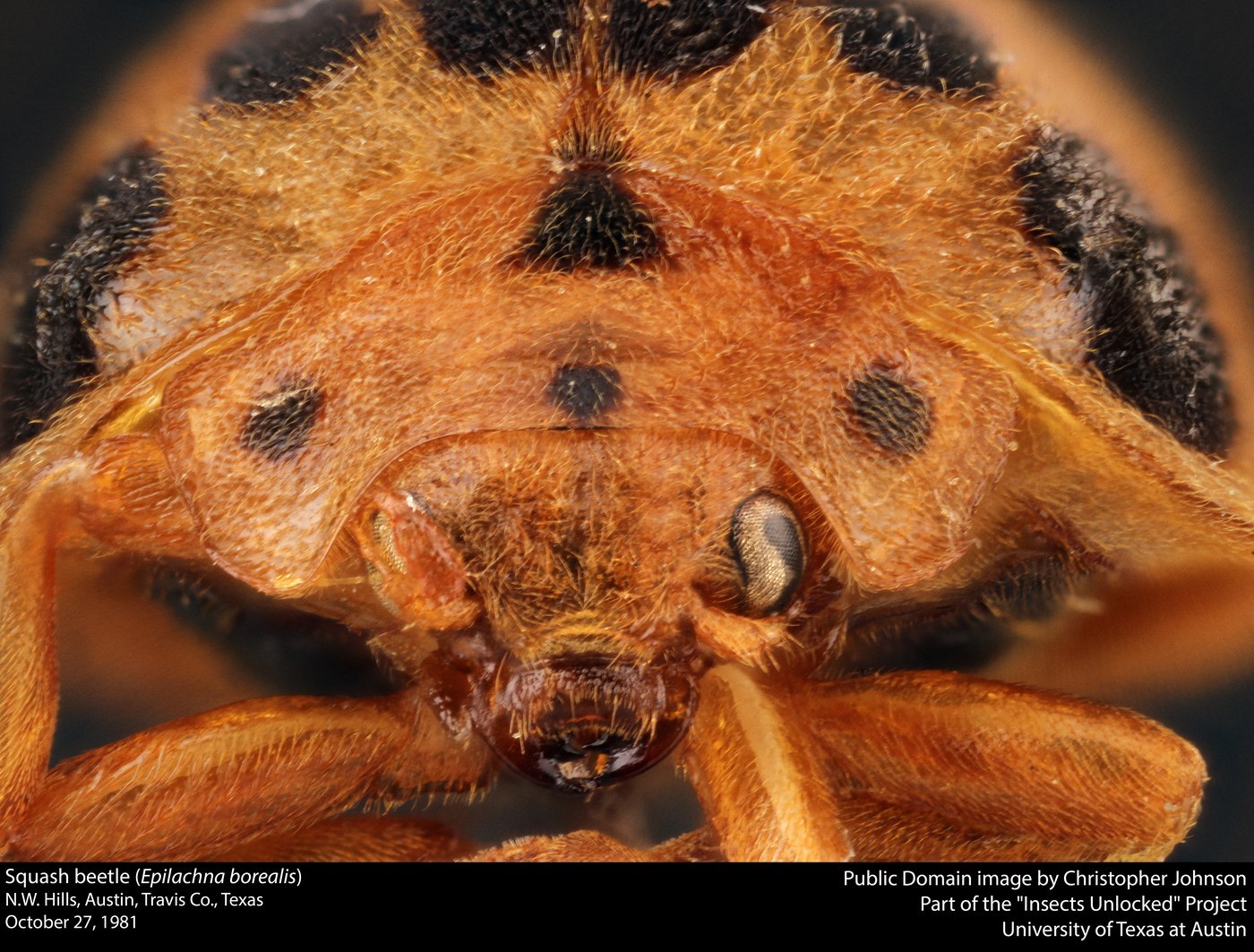
Squash Beetle
Vegetable gardens and fields growing squash, pumpkin, and other cucurbits