
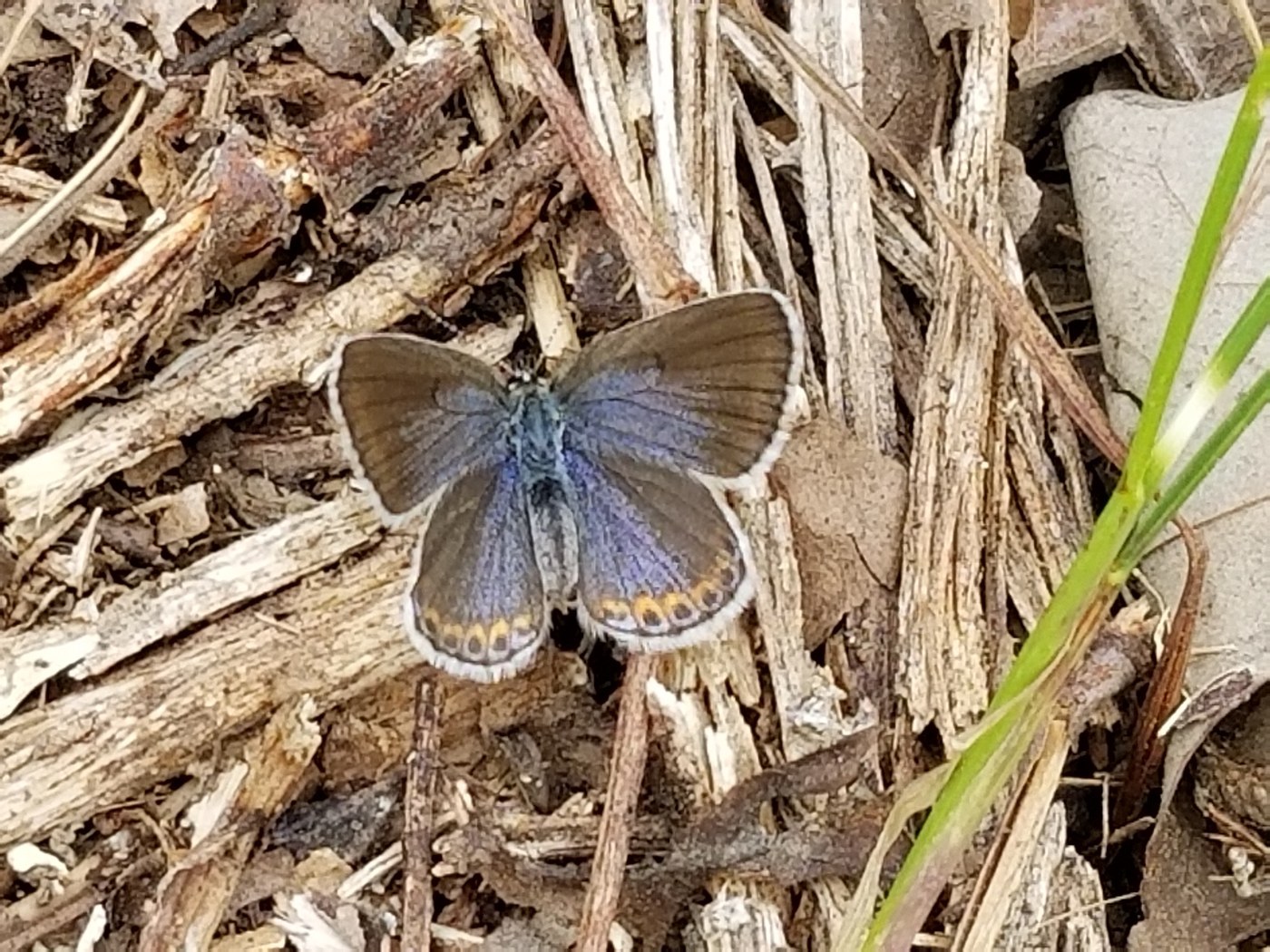
Karner Blue
Plebejus melissa samuelis
A tiny, silvery-blue butterfly dependent entirely on wild lupine and now known chiefly from a small number of protected sandy-soil habitats in the Great Lakes and Northeast.
- Size
- 0.9–1.1 in wingspan
- Habitat
- Oak savanna, pine barrens, sandy prairie with wild lupine
- Danger
- Harmless
Spotted a bug like this?
Identify any bug or insect from a photo, free.
Overview
The Karner Blue is a small butterfly in the family Lycaenidae (the gossamer-wing butterflies), recognized as a distinct subspecies of the Melissa Blue. It was first described from the pine barrens of Karner, New York, and historically occurred in a band of sandy, open habitat stretching from the upper Midwest through the Great Lakes region into the Northeast.
The subspecies has an unusually narrow ecological niche: its caterpillars feed exclusively on wild lupine (Lupinus perennis), and adults require open, sandy-soil habitats such as oak savanna and pine barrens where lupine and abundant nectar plants co-occur. Historic loss and fragmentation of this fire-dependent, open-canopy habitat type led to dramatic population declines across much of its former range.
Because of its host-plant specificity and habitat sensitivity, the Karner Blue has become a well-known conservation icon and a focal species for habitat restoration efforts involving prescribed fire and lupine plantings within remaining oak savanna and barrens ecosystems.
How to Identify
- Males are silvery blue above with a narrow dark wing border; females are brown above with a variable blue basal dusting and a band of orange crescents near the outer margin.
- Underside is pale gray with rows of small black spots ringed in white and a marginal band of orange crescents on both wings.
- Very small size, among the smallest butterflies in its range, with a delicate, low, fluttery flight close to lupine plants.
- Distinguished from other small blues by its close association with wild lupine and, on close inspection, subtle differences in orange-crescent banding and spot arrangement compared to related Plebejus and Celastrina species.
Habitat & Range
Historically ranged in a corridor from Minnesota and Wisconsin through the Great Lakes states into New York and New Hampshire, tracking sandy, open-canopy habitat with wild lupine; now restricted to a much smaller number of protected sites within that historic range, most notably in Wisconsin, Michigan, Indiana, New York, and New Hampshire.
Adults favor oak savanna, pine barrens, and sandy prairie openings maintained by periodic disturbance such as fire, flying in two broods per year, typically in late spring and midsummer.
Behavior & Diet
Adults nectar on a variety of open-habitat wildflowers alongside lupine, including bird's-foot violet, butterfly weed, and other prairie and barrens species, and males patrol low over lupine patches searching for females. Caterpillars feed exclusively on wild lupine leaves and flowers, making the subspecies entirely dependent on the continued presence of this single host plant.
Larvae are also known to form a mutualistic association with certain ants, which tend the caterpillars in exchange for a sugary secretion, a behavior common among gossamer-wing butterflies. The species' extreme habitat and host specificity make it a sensitive indicator of oak savanna and barrens ecosystem health.
Life Cycle
Eggs from the second summer brood are laid on or near lupine plants and overwinter through the fall and winter, hatching the following spring when lupine leaves emerge. Caterpillars are green and slug-shaped, feeding on lupine foliage and often tended by ants.
The first-brood adults emerge in late spring, mate, and produce a second brood that flies in midsummer; the second brood's eggs are the ones that overwinter. The species undergoes complete metamorphosis with two generations per year, and overwinters in the egg stage.
Frequently asked questions
Why is this butterfly tied so closely to one plant?
Its caterpillars feed exclusively on wild lupine (Lupinus perennis), so the subspecies can only persist where lupine grows in sufficient quantity within suitable open, sandy habitat.
How many broods does it have each year?
Two — a late-spring brood and a midsummer brood, with the eggs from the second brood overwintering until the following spring.
Where would I be likely to see one today?
Only within a limited number of protected oak savanna and pine barrens sites in the Great Lakes states and parts of the Northeast, where habitat restoration supports remaining populations.
Do the caterpillars have any relationship with ants?
Yes, they are often tended by certain ant species that receive a sugary secretion from the larvae in a mutualistic relationship common among gossamer-wing butterflies.
Karner Blue guides
In-depth guides for identifying, understanding, and living alongside Karner Blue.
Other bugs you may enjoy
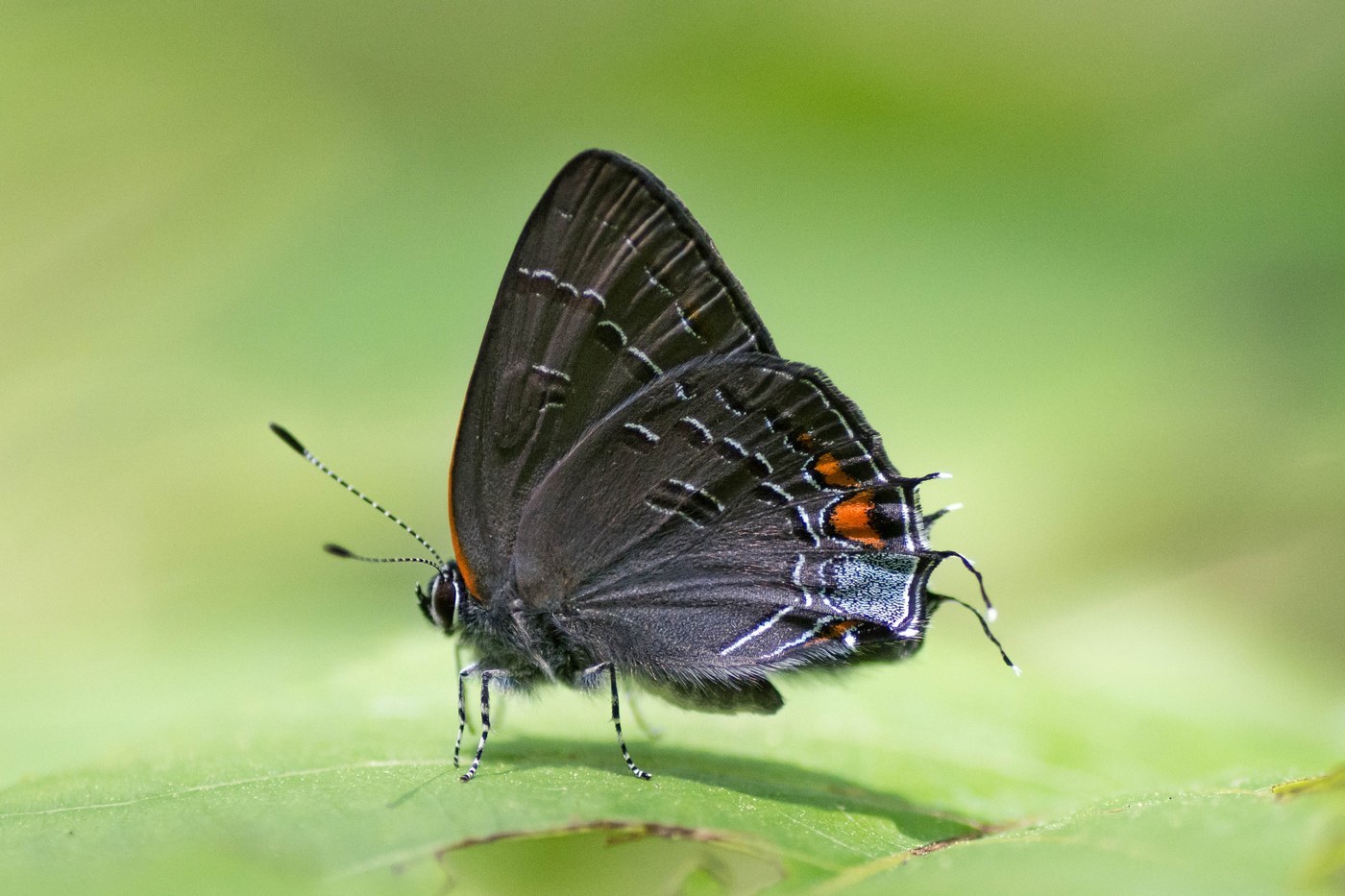
Banded Hairstreak
Deciduous woodlands and edges with oaks and hickories
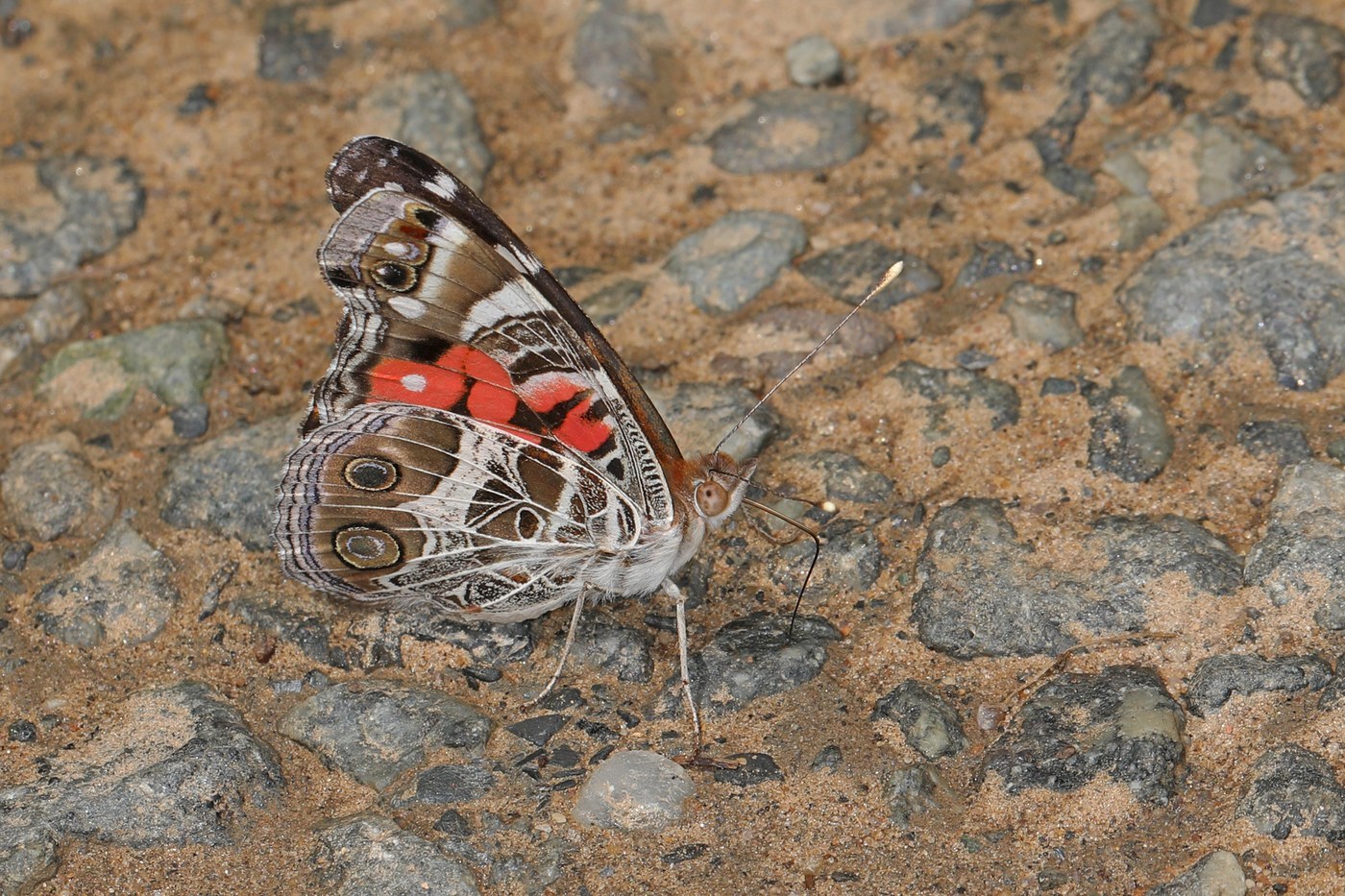
American Lady
Open fields, meadows, gardens, roadsides
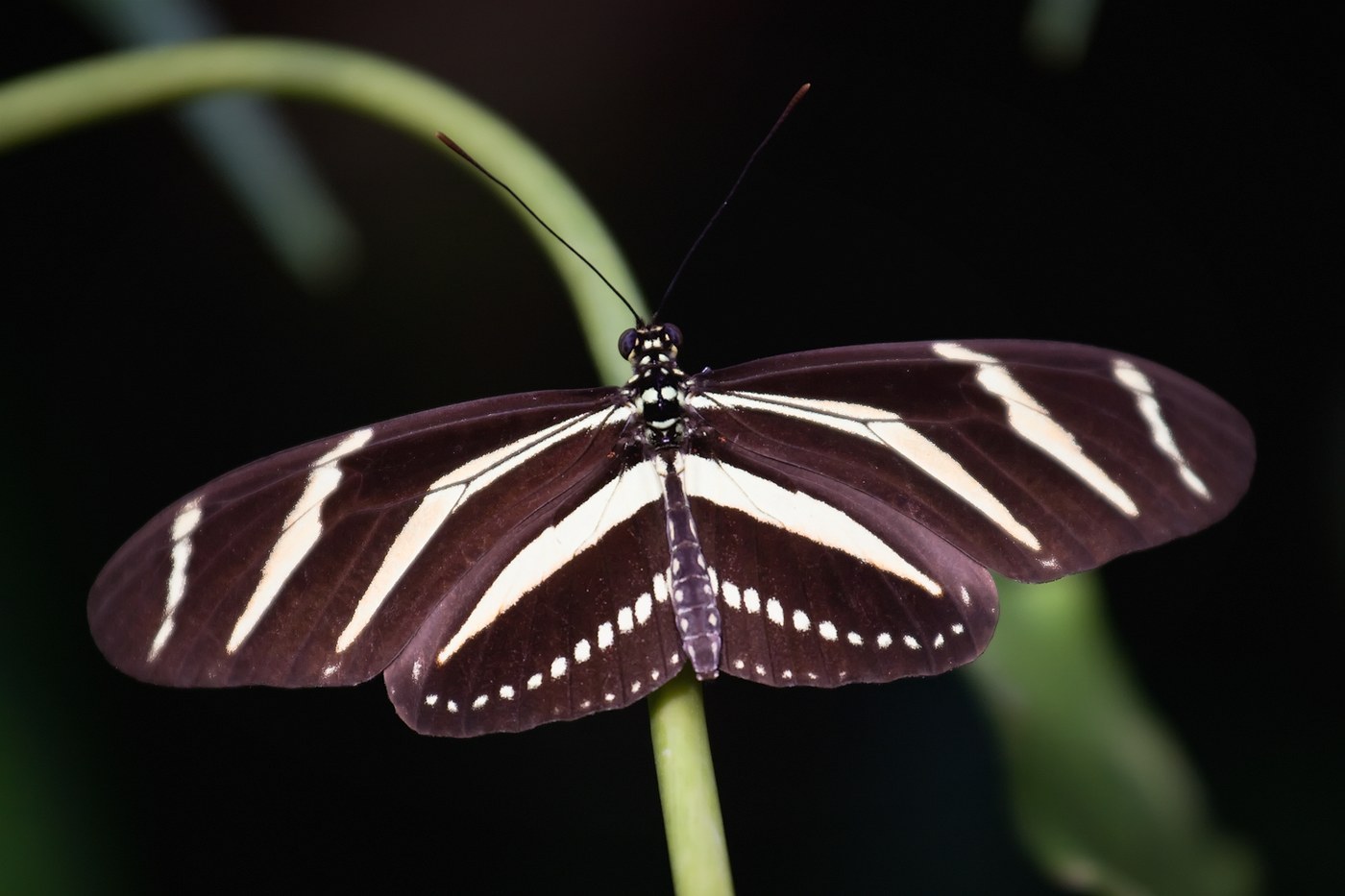
Zebra Longwing
Tropical hammocks, gardens, forest edges
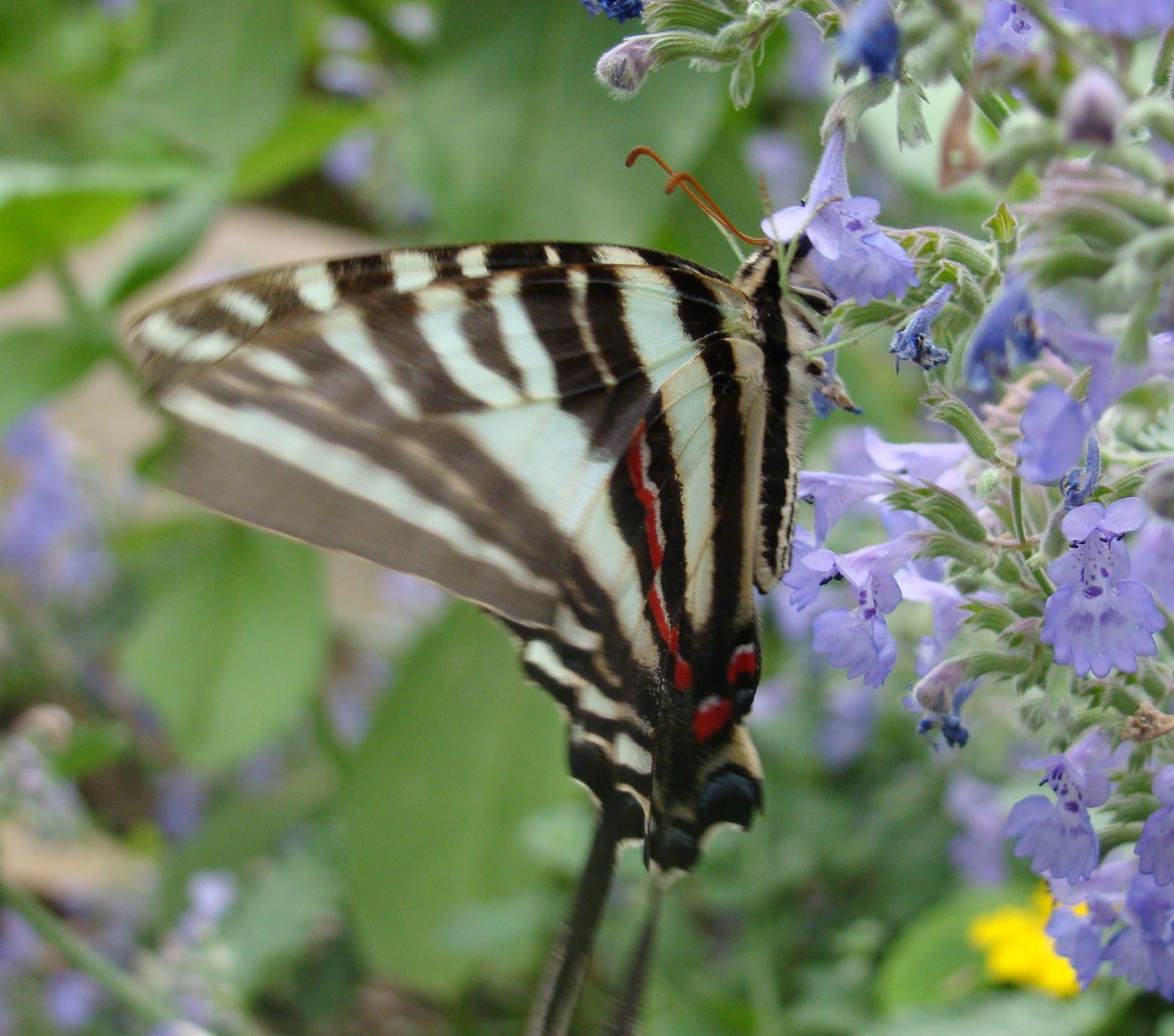
Zebra Swallowtail
Woodlands, floodplains, forest edges near pawpaw
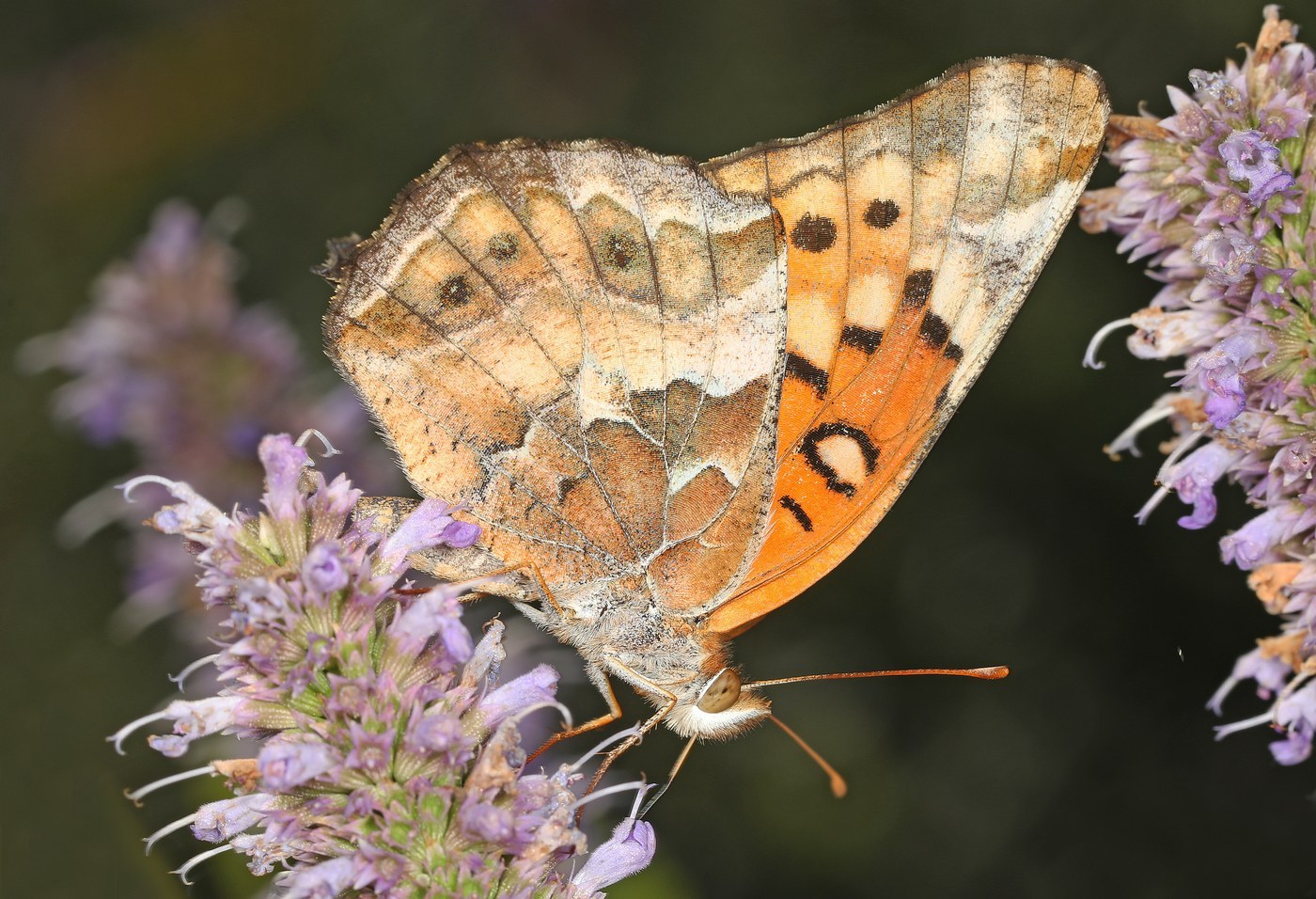
Variegated Fritillary
Open fields, prairies, roadsides, and disturbed ground across most of the United States
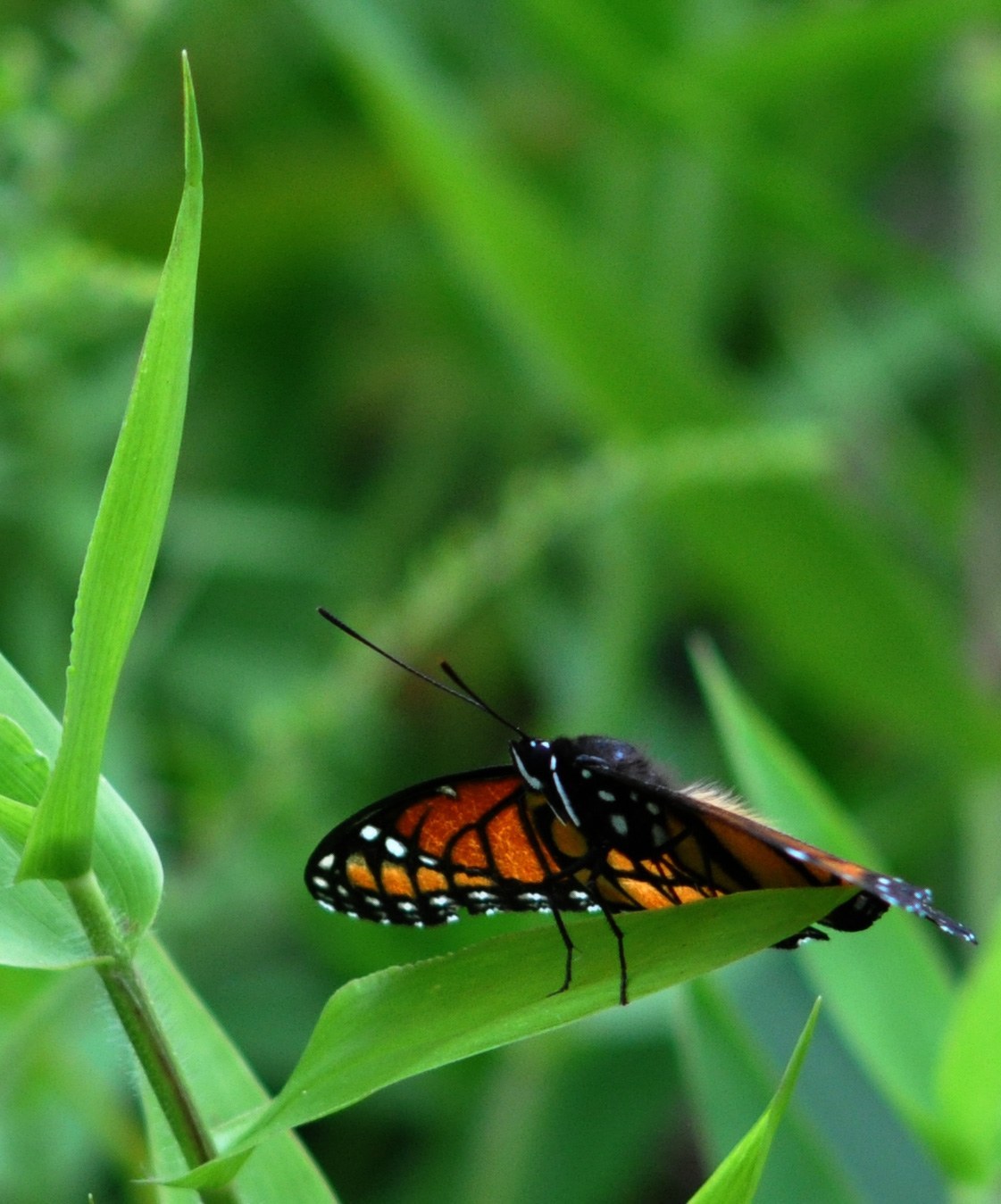
Viceroy Butterfly
Wetlands, meadows, riverbanks, willow thickets (North America)
Baltimore Checkerspot
Wet meadows, bogs, and marshy fields in the northeastern and Appalachian US
American Copper
Old fields, roadsides, and disturbed open ground with sorrel or dock
West Virginia White
Rich deciduous forest floors, especially near seeps and streams
Spring Azure
Woodland edges, gardens, shrubby clearings
Red Admiral
Gardens, woodland edges, parks, meadows
Sleepy Orange
Open woodland, fields, roadsides, and disturbed ground