
Katydid
Pterophylla camellifolia
A leaf-mimicking insect with broad, veined green wings shaped remarkably like foliage, best known for the loud, rhythmic 'katy-did, katy-didn't' chorus males produce on warm summer nights.
- Size
- 35–65 mm
- Habitat
- Deciduous trees, shrubs, and dense vegetation in woodlands and gardens
- Danger
- Harmless
Spotted a bug like this?
Identify any bug or insect from a photo, free.
Overview
The katydid is a member of the family Tettigoniidae, sometimes called long-horned grasshoppers or bush crickets, distinguished from true grasshoppers by their notably long, thread-like antennae. Numerous species of katydid occur across North America and worldwide, with the common true katydid being one of the most familiar due to its widespread, loud nighttime song heard through summer and early fall.
Adults have a broad, leaf-shaped body and wings, typically bright to deep green, closely resembling the leaves of the trees and shrubs they inhabit, an adaptation that provides effective camouflage from predators. Their wings are broad, heavily veined, and often mimic the venation pattern of real leaves down to fine detail.
Katydids are ecologically notable both as herbivores feeding on foliage and, in some species, as opportunistic predators of smaller insects, and their nighttime calling songs are a defining seasonal sound of many temperate forests and gardens during the warmer months.
How to Identify
- Adult body is elongated and laterally flattened, typically bright to deep green (occasionally pink or brown in rare individuals), with a leaf-like overall silhouette.
- Wings are broad and heavily veined, closely resembling actual leaves in shape, color, and vein pattern, providing strong camouflage against foliage.
- Antennae are extremely long and thread-like, often exceeding the length of the body, a key feature distinguishing katydids from short-horned true grasshoppers.
- Hind legs are long and adapted for jumping, though katydids rely more on camouflage and stillness than leaping to avoid predators.
- Males produce their calls by rubbing specialized structures on the bases of the forewings together (stridulation), producing the loud, rhythmic songs associated with the group.
Habitat & Range
Katydids are found throughout temperate and tropical regions worldwide, with many species common across North America, particularly in the eastern and central United States. They inhabit deciduous trees, shrubs, and dense vegetation in woodlands, forest edges, gardens, and parks, spending most of their time well camouflaged among leaves in the canopy or understory.
Adults are most active and vocal during the warm summer and early fall months, especially at night, when males produce their characteristic calling songs. Katydids favor tree and shrub foliage over open ground and are rarely seen during daylight hours due to both their camouflage and largely nocturnal activity pattern.
Behavior & Diet
Katydids are primarily herbivorous, feeding on the leaves of trees and shrubs, though some species will also opportunistically consume other insects or plant material such as flowers and fruit. They rely heavily on their leaf-like camouflage and stillness during the day to avoid predators, becoming more active as darkness falls.
Male katydids are well known for producing loud, rhythmic calling songs at night by rubbing specialized structures at the base of their forewings together, a behavior called stridulation, used to attract females and establish territory; the common true katydid's call is often rendered phonetically as 'katy-did, katy-didn't,' giving the group its common name. These nighttime choruses are a defining sound of summer evenings in many regions where katydids are abundant.
Life Cycle
Katydids undergo incomplete metamorphosis, developing through egg, nymph, and adult stages without a pupal phase. Females use a blade-like ovipositor to insert eggs into plant tissue, bark crevices, or soil, depending on species, typically in late summer or fall.
Eggs generally overwinter and hatch the following spring, giving rise to nymphs that resemble small, wingless versions of the adults. Nymphs pass through several molts over the summer, gradually developing wing pads and reaching full-winged adulthood by mid to late summer. Most temperate species produce a single generation per year, with adults calling and mating in late summer before dying off as colder weather arrives, leaving eggs to overwinter and continue the cycle.
Frequently asked questions
What is the difference between a katydid and a grasshopper?
Katydids have extremely long, thread-like antennae that often exceed body length, while true grasshoppers have much shorter, stouter antennae; katydids are also generally more leaf-like in shape and coloration.
Why is it called a katydid?
The name comes from the rhythmic, repetitive sound of the male's calling song, which many people phonetically describe as sounding like 'katy-did, katy-didn't.'
When are katydids most active?
They are primarily active and most vocal at night during the warm summer and early fall months, spending daylight hours largely still and camouflaged among foliage.
Do katydids fly?
Most katydids have wings and are technically capable of flight, but they generally prefer to rely on camouflage, stillness, and their jumping hind legs rather than sustained flying.
Katydid guides
In-depth guides for identifying, understanding, and living alongside Katydid.
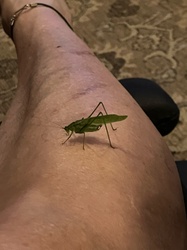
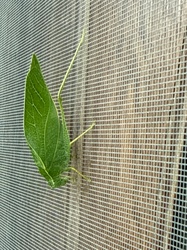
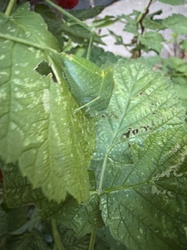
Katydid identified by the community
Real finds identified with Bug Identifier.
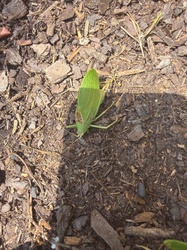
Other bugs you may enjoy
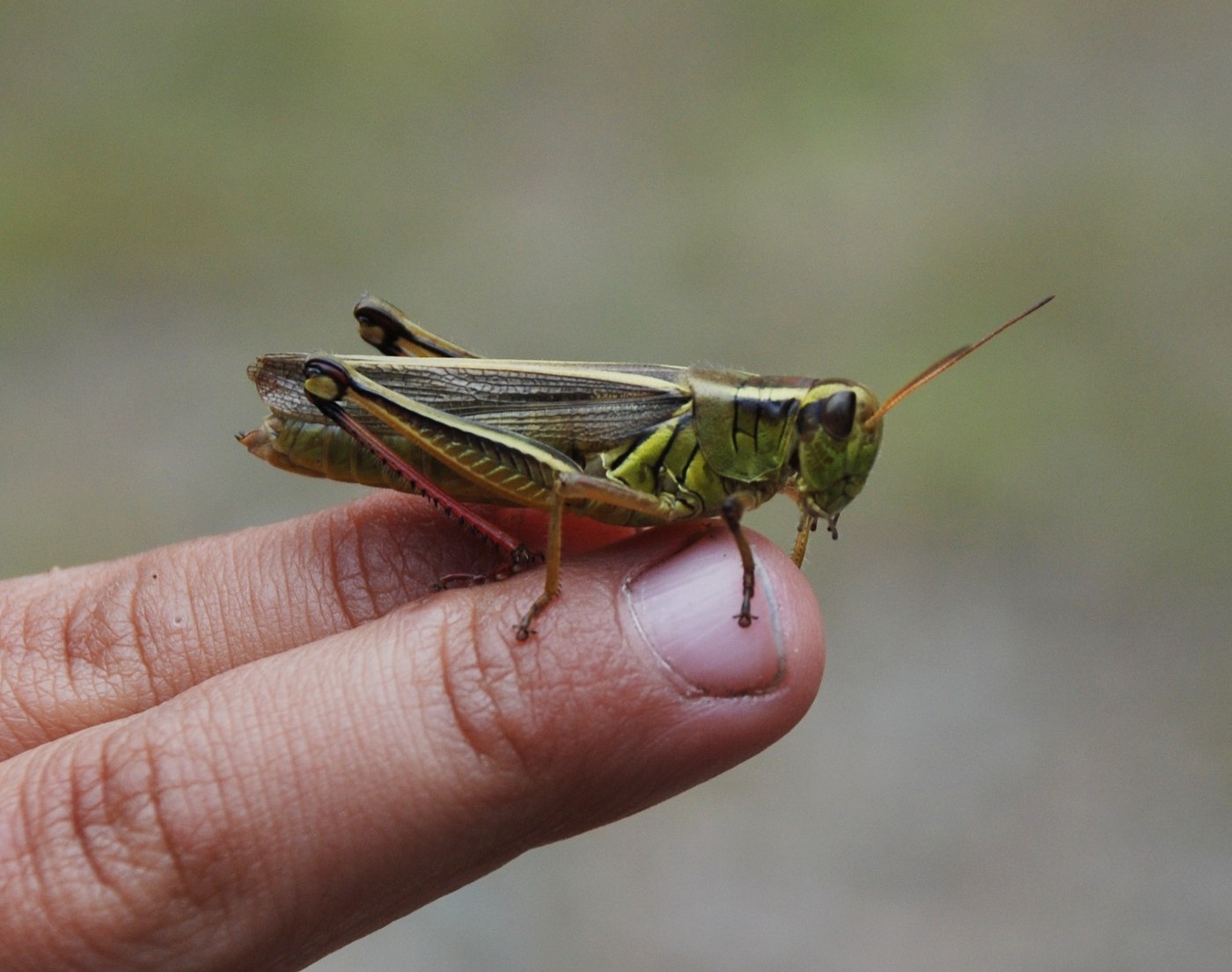
Two-striped Grasshopper
Meadows, pastures, riverbanks, and agricultural fields across North America
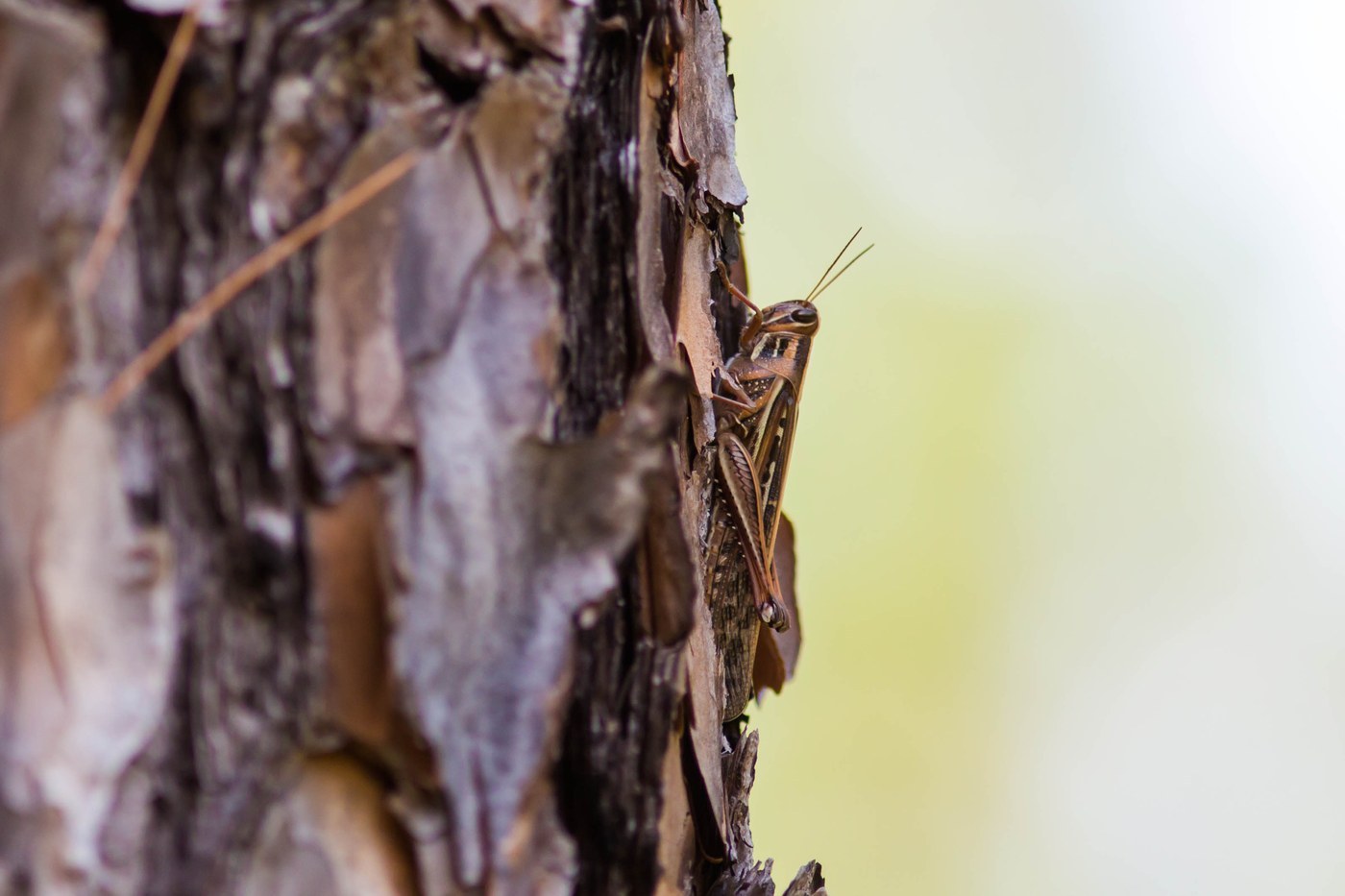
American Grasshopper
Woodland edges, citrus groves, gardens, and open fields across the southern and southeastern United States
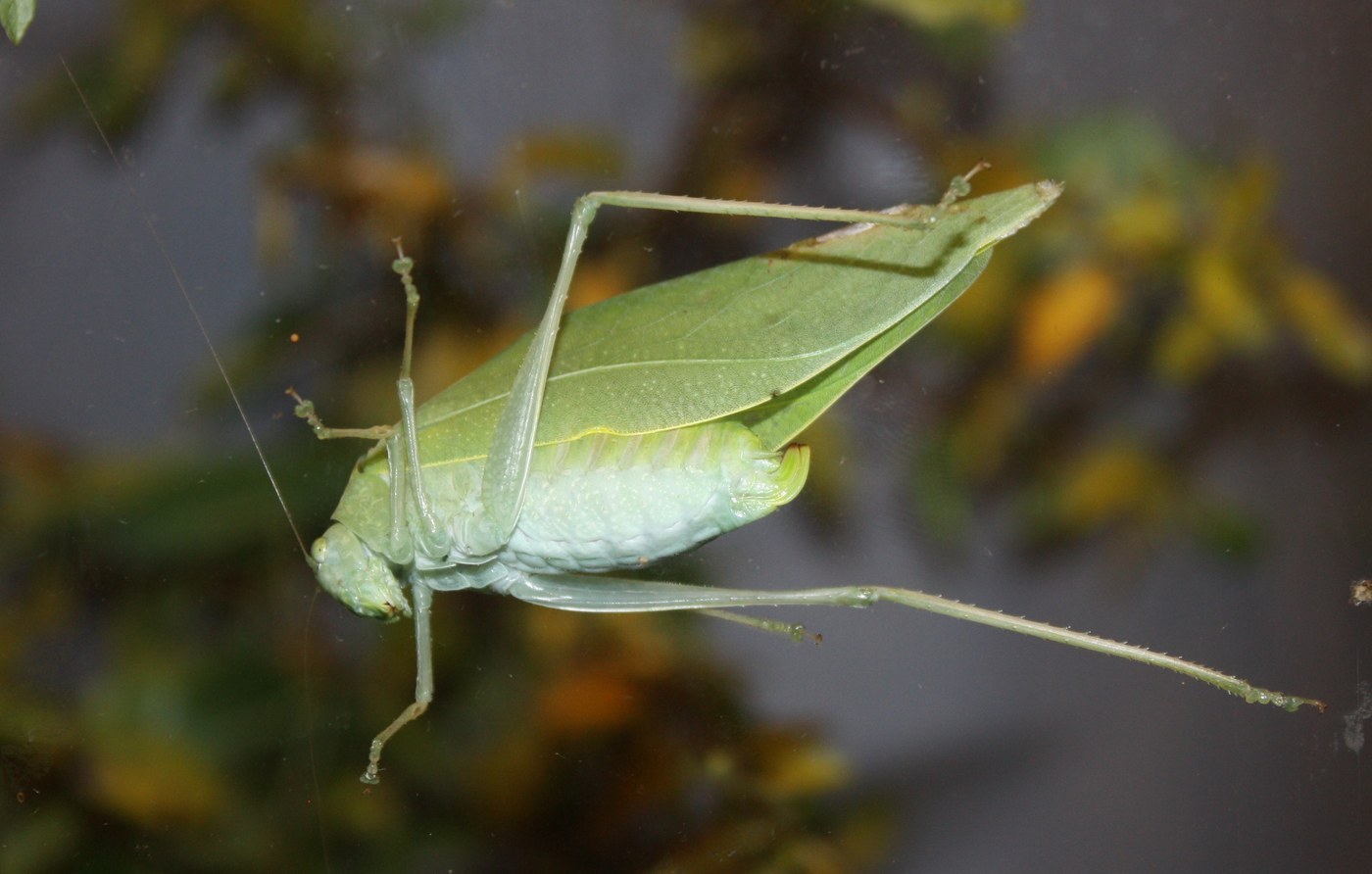
Angular-winged Katydid
deciduous trees, shrubs, and hedgerows across eastern and central North America
Spur-throated Grasshopper
grasslands, meadows, croplands, and roadsides across North America
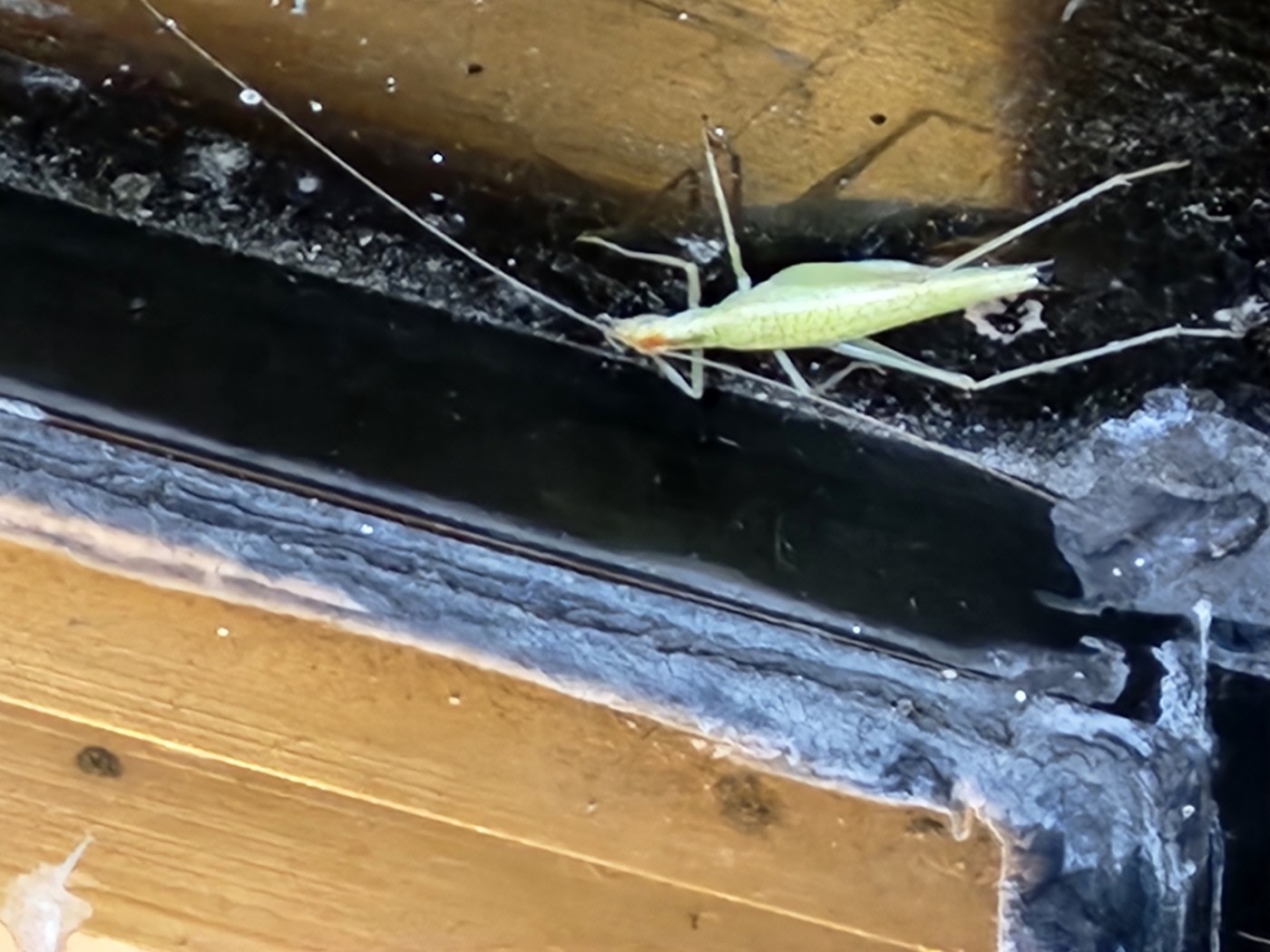
Snowy Tree Cricket
Shrubs, trees, and tall vegetation across North America
Rocky Mountain Locust
historically open grasslands and river valleys of the Rocky Mountains and Great Plains (now believed extinct)
Spotted Camel Cricket
damp caves, crawl spaces, basements, leaf litter, and rotting logs in eastern North America
Pygmy Grasshopper
damp soil, mud, and low vegetation near ponds, streams, and marshes
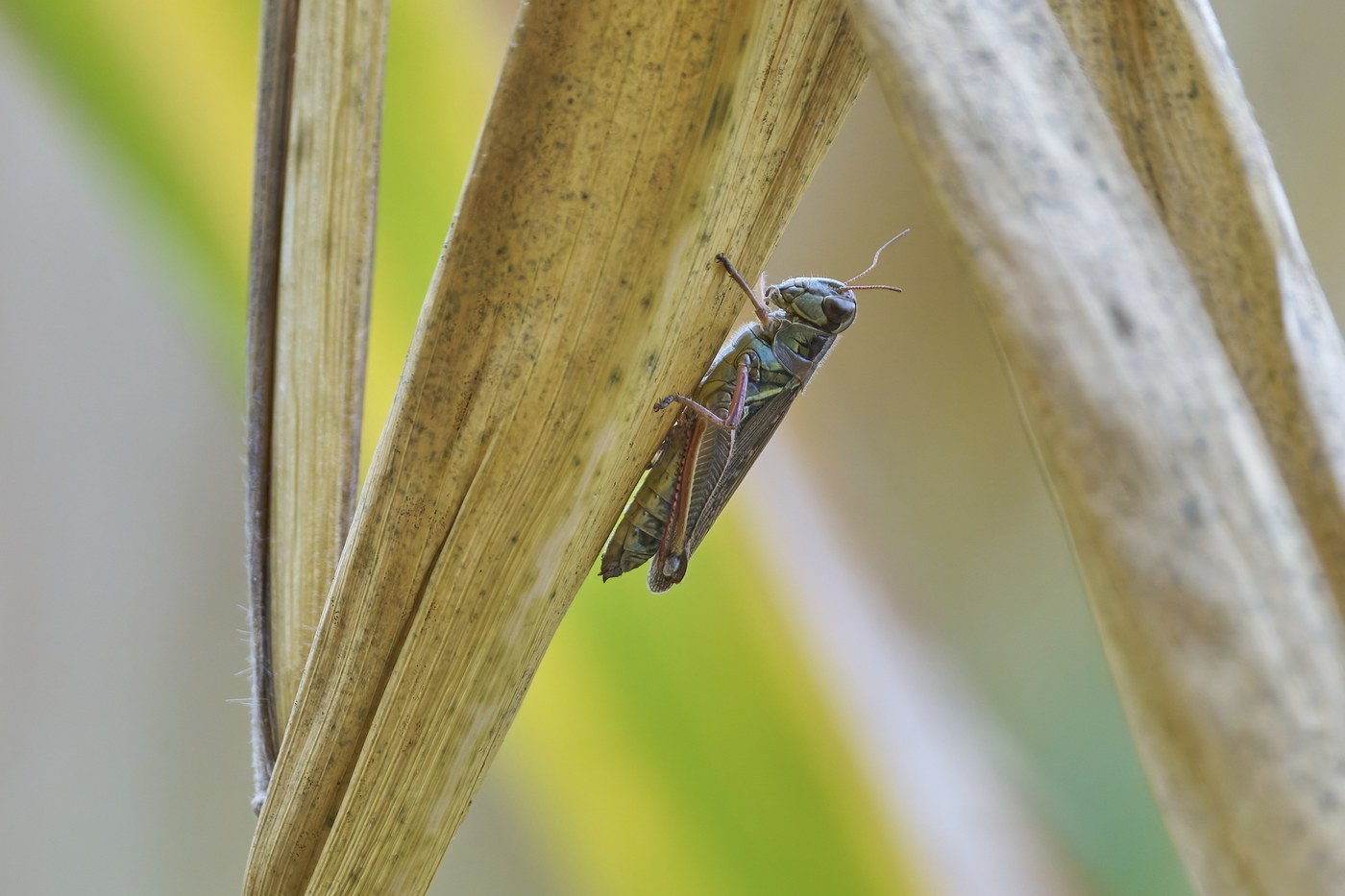
Red-legged Grasshopper
Meadows, pastures, field edges, and gardens across North America
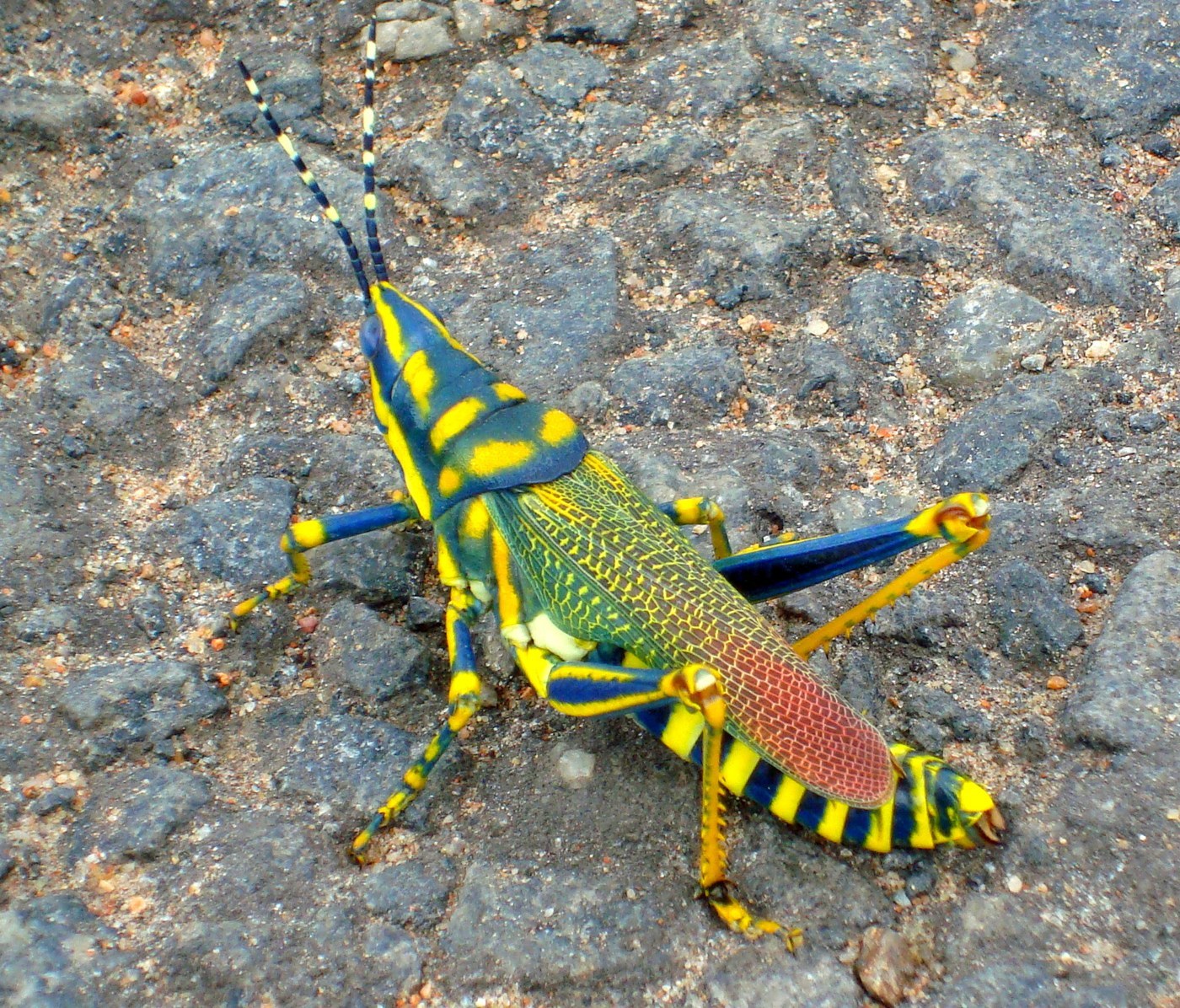
Painted Grasshopper
arid scrub, wastelands, and gardens of the Indian subcontinent, especially near milkweed plants
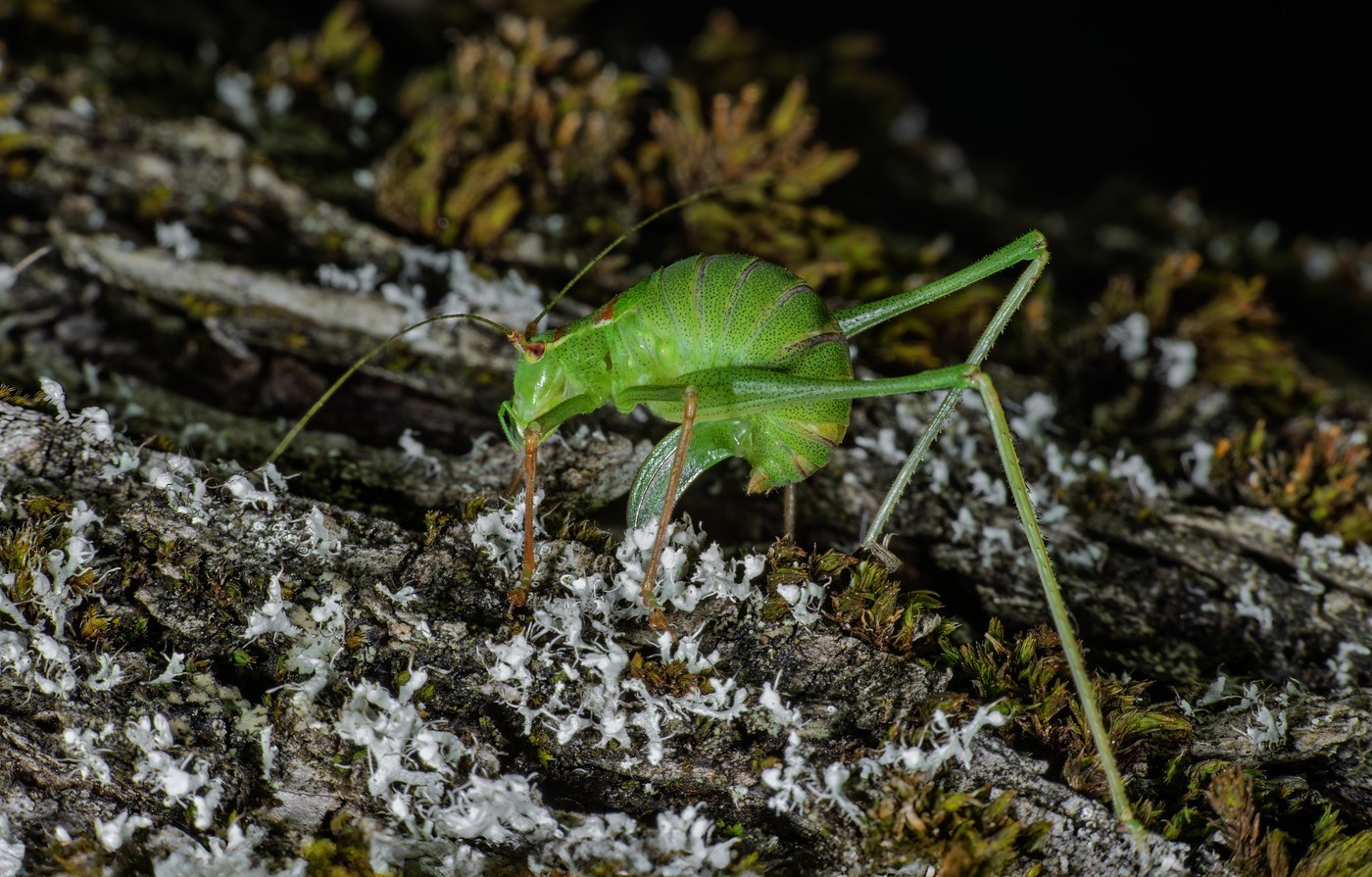
Speckled Bush Cricket
Brambles, hedgerows, nettles, and shrubby vegetation
Northern Mole Cricket
wet soil, pond margins, and marshy ground across eastern and central North America