
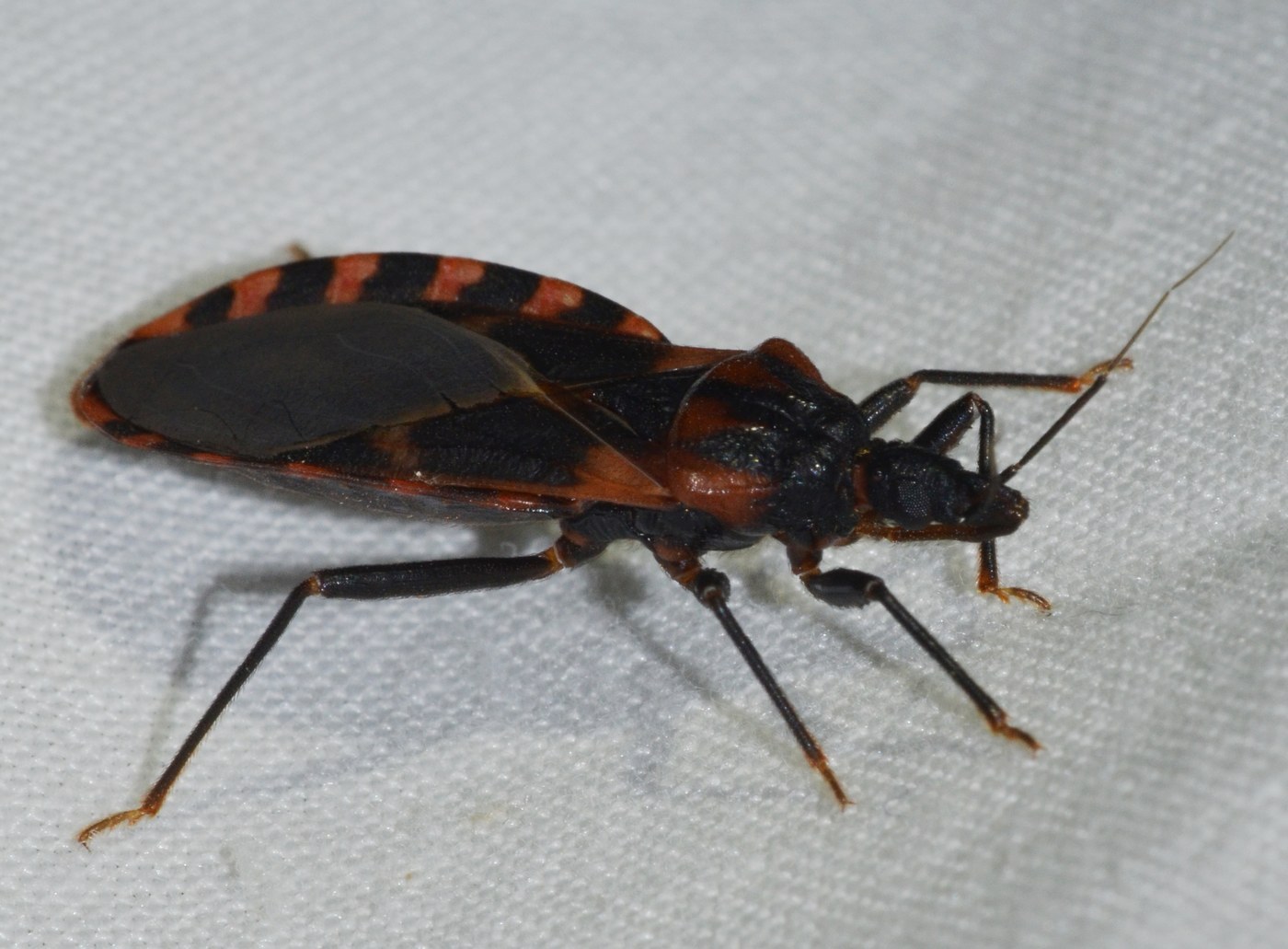
Kissing Bug
Triatoma sanguisuga
A dark, elongated true bug with a narrow, cone-shaped head and distinctive orange or red markings along the edges of its abdomen, most active at night.
- Size
- 15–25 mm
- Habitat
- Wooded and rural areas, animal burrows, occasionally structures
- Danger
- Bites
Spotted a bug like this?
Identify any bug or insect from a photo, free.
Overview
The Kissing Bug is a common name for members of the subfamily Triatominae, a group of true bugs within the family Reduviidae, the assassin bugs. It gets its name from its historical habit of feeding on hosts around the face, though it feeds on a wide variety of animals wherever it can access exposed skin.
This subfamily is distinguished from other assassin bugs by its blood-feeding habits at all life stages, a departure from most Reduviidae, which are predators of other insects. Its narrow, elongated head with a distinctly cone-shaped profile is a defining structural feature of the group.
Kissing bugs are nocturnal and are typically associated with the nests and burrows of wild animals, though they can occasionally be found near human dwellings, particularly in rural or wooded settings within their range.
How to Identify
- Elongated, oval body with a narrow, cone-shaped head extending forward from the thorax.
- Dark brown to black body with distinctive orange, red, or yellow banding along the outer edges of the abdomen.
- Long, thin, segmented antennae and legs.
- Wings folded flat over the back, extending to about the length of the abdomen.
- Lookalikes: can resemble other assassin bugs or wheel bugs but is set apart by the narrow cone-shaped head and abdominal edge banding; also confused with certain leaf-footed bugs, which lack the elongated head shape.
Habitat & Range
Found across the southern and central United States, Mexico, and Central and South America, kissing bugs are associated with wooded areas, rock piles, animal burrows, and outdoor structures such as chicken coops or dog houses. They are most active at night, particularly during warmer months, and may be drawn toward light sources after dark.
Behavior & Diet
Kissing bugs are nocturnal and feed on the blood of various vertebrate hosts, using their piercing mouthparts to draw a blood meal while the host is resting. They tend to hide by day in cracks, animal nests, or debris near a host's resting area, emerging at night to feed. If handled or disturbed, they can bite defensively; this is their primary means of self-defense alongside retreating to shelter.
Life Cycle
Kissing bugs undergo incomplete metamorphosis. Eggs are laid in sheltered locations near host habitats and hatch into nymphs that resemble smaller, wingless versions of the adult. Nymphs require a blood meal at each of several instars to molt and progress toward adulthood, a process that can take many months to over a year depending on temperature and food availability. Adults are winged and capable of dispersal flights, particularly at night, to locate new host habitats.
Frequently asked questions
Why is it called a kissing bug?
The name comes from its historical habit of feeding on hosts around the face while they sleep, though it can feed on any area of exposed skin.
How can I tell it apart from other assassin bugs?
Its narrow, cone-shaped head and the orange or red banding along the edges of its abdomen are the clearest distinguishing features.
Where are kissing bugs typically found?
In wooded or rural areas, often near animal burrows, rock piles, or outdoor animal shelters, particularly in warmer regions.
When are they most active?
They are primarily nocturnal, becoming active after dark, especially during warm months.
Kissing Bug guides
In-depth guides for identifying, understanding, and living alongside Kissing Bug.
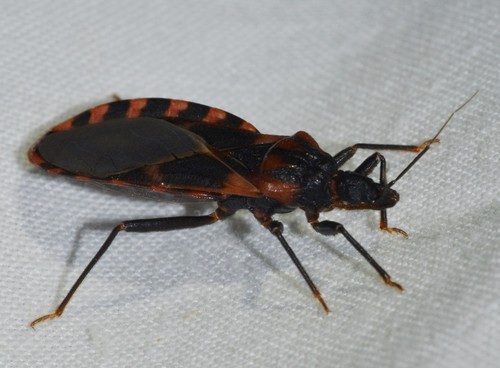
Kissing Bug identified by the community
Real finds identified with Bug Identifier.

Other bugs you may enjoy
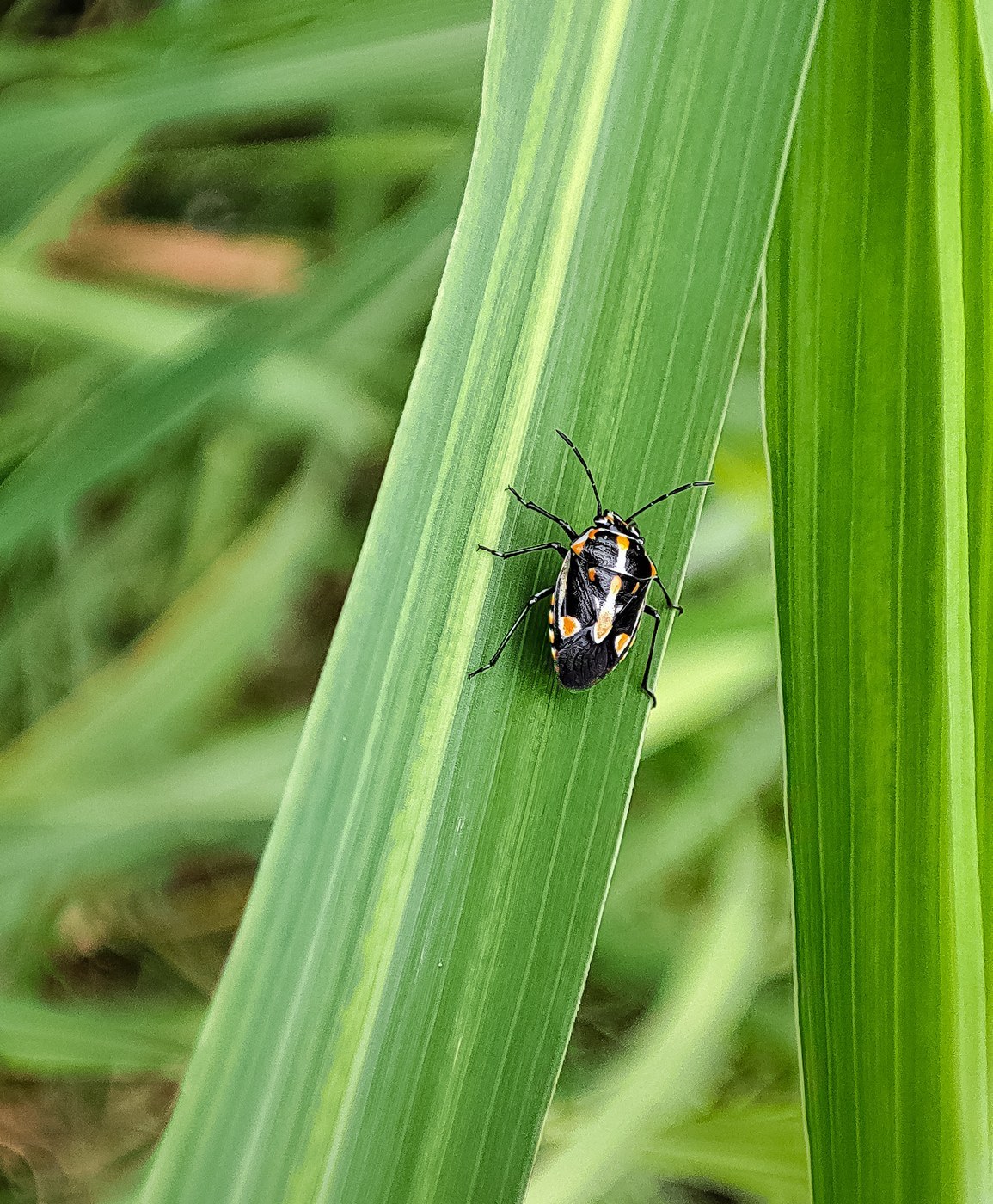
Bagrada Bug
Arid gardens, crucifer fields, desert-adjacent croplands
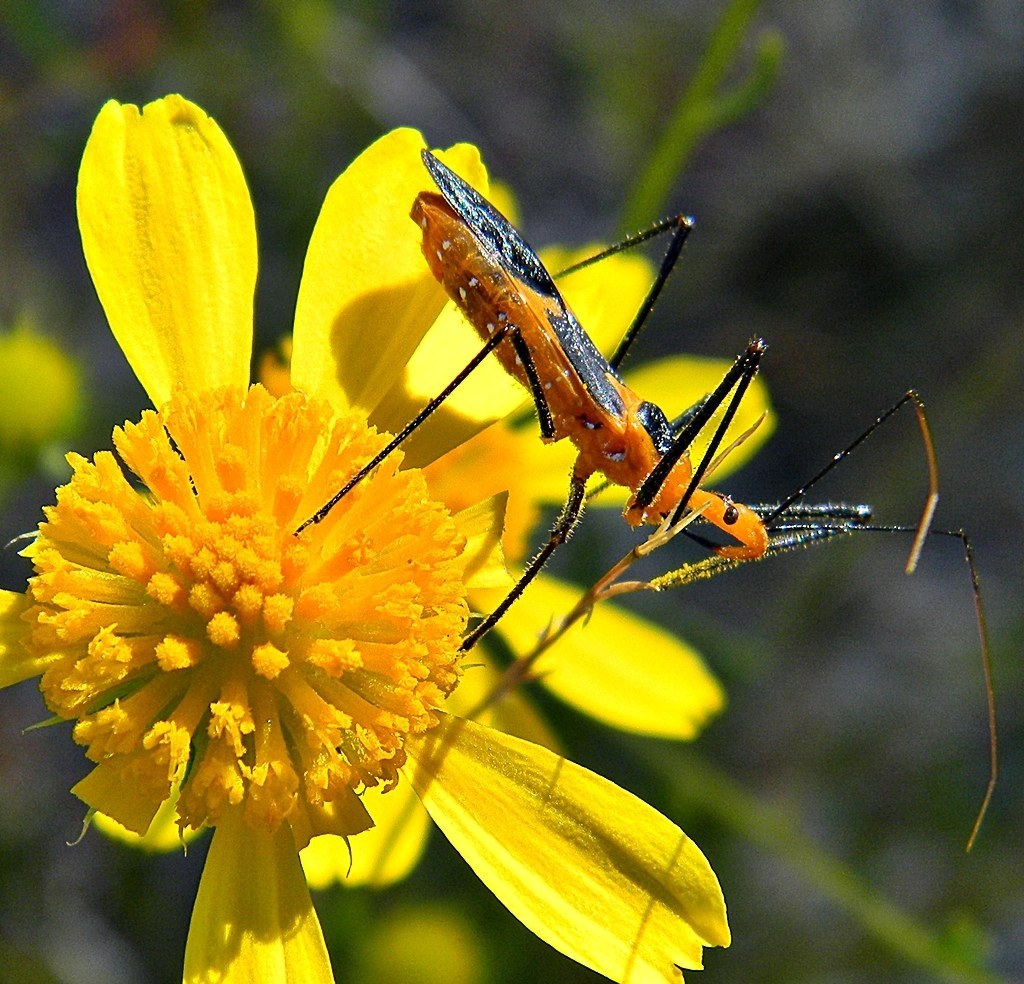
Assassin Bug
Gardens, meadows, and vegetation worldwide
Water Boatman Bug
Ponds, lakes, and slow-moving freshwater
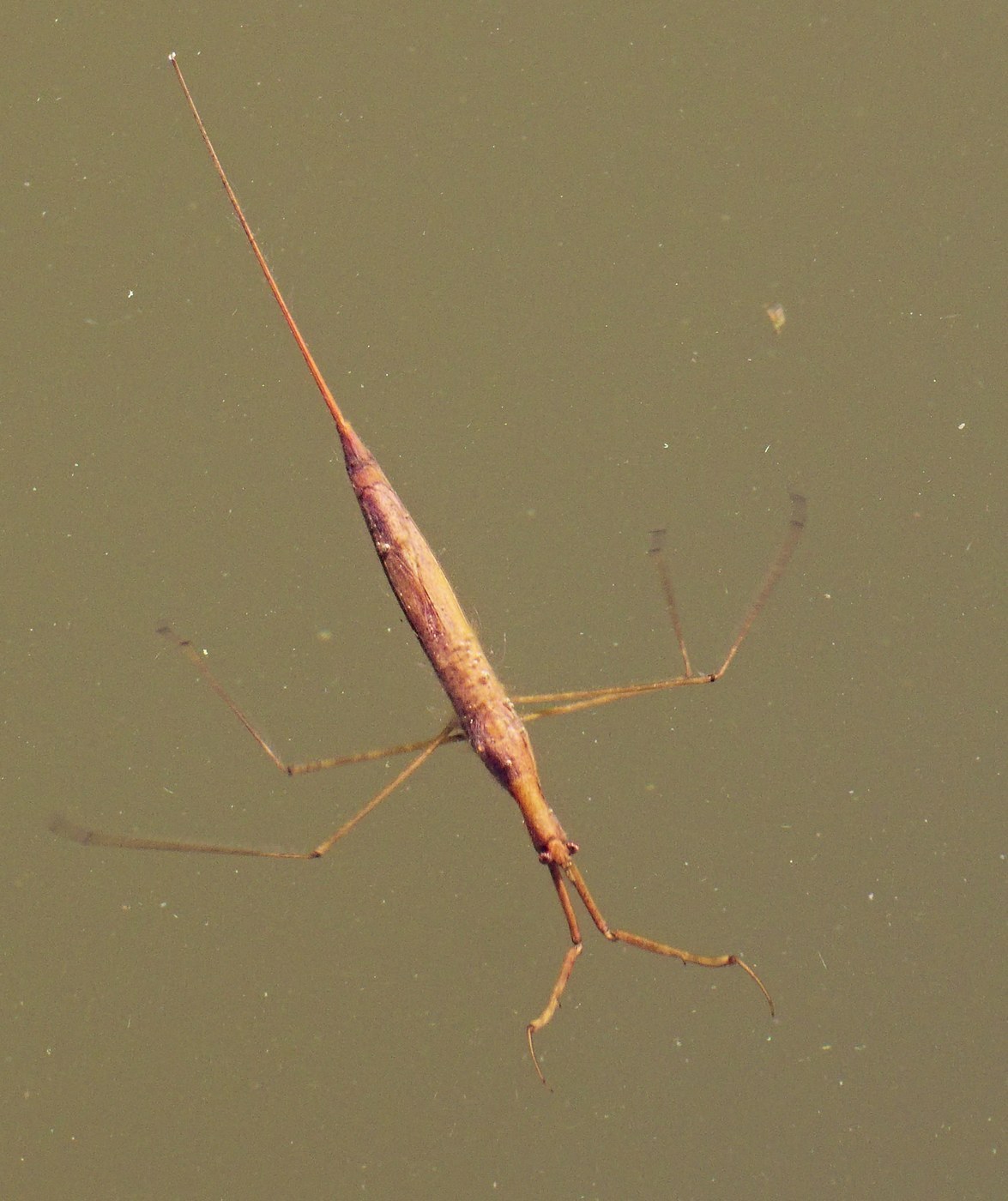
Water Stick Insect
Still and slow-moving water with dense submerged vegetation
Rough Stink Bug
Tree bark, woodlands, orchards, and shrubby vegetation
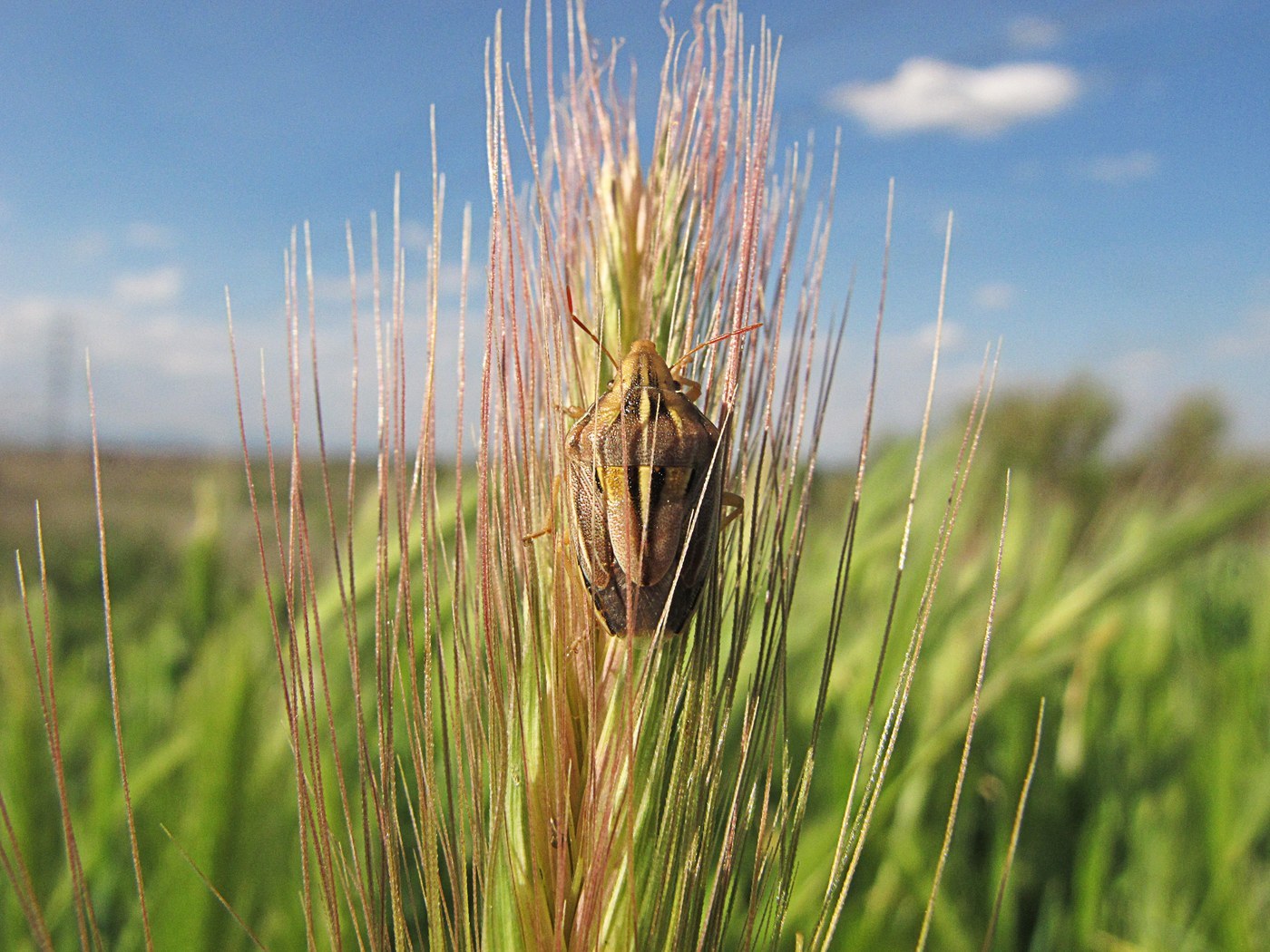
Stink Bug
Gardens, crop fields, and woodlands across temperate and subtropical regions
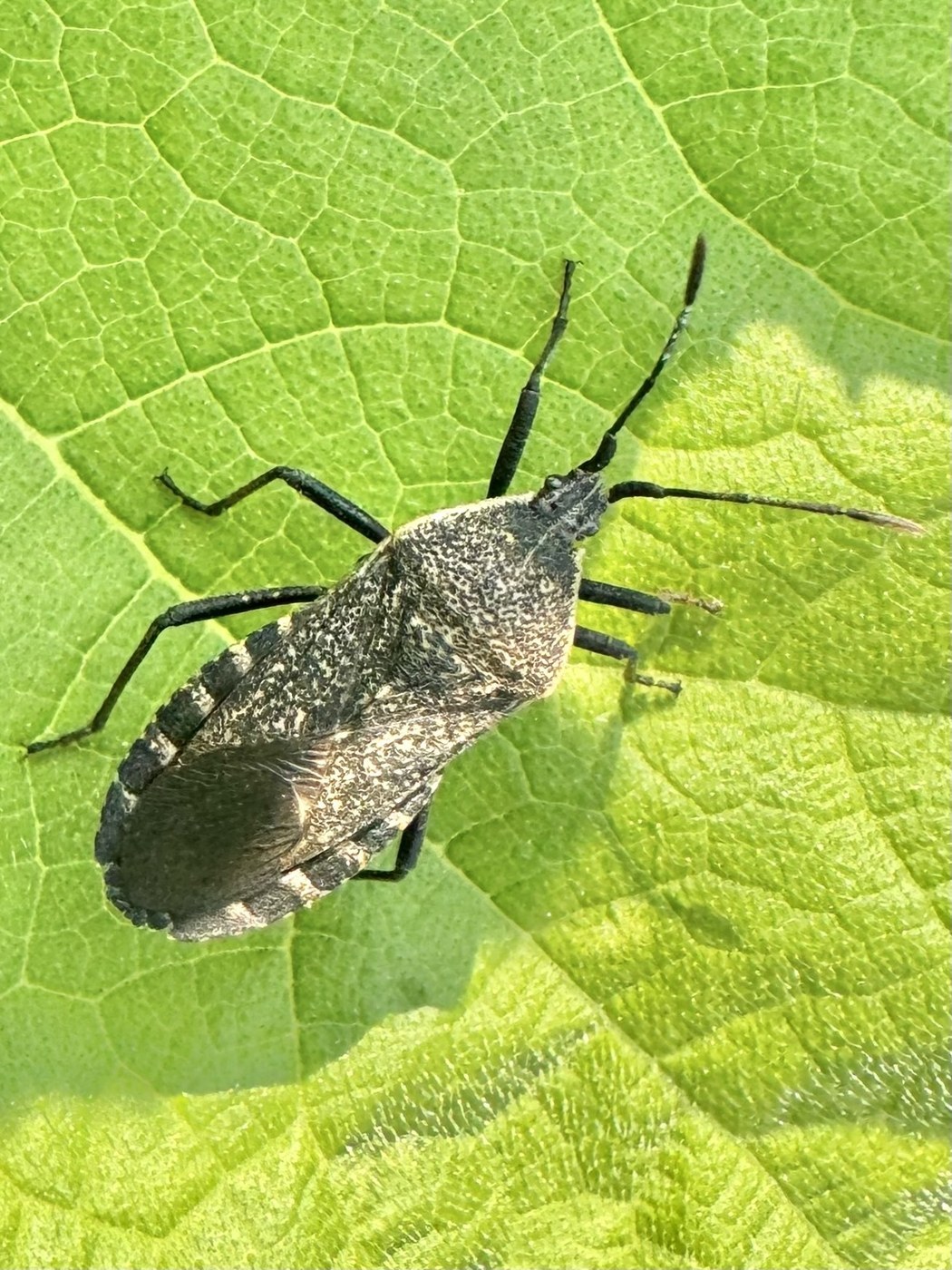
Squash Bug
Vegetable gardens and farm fields growing squash, pumpkin, and other cucurbits
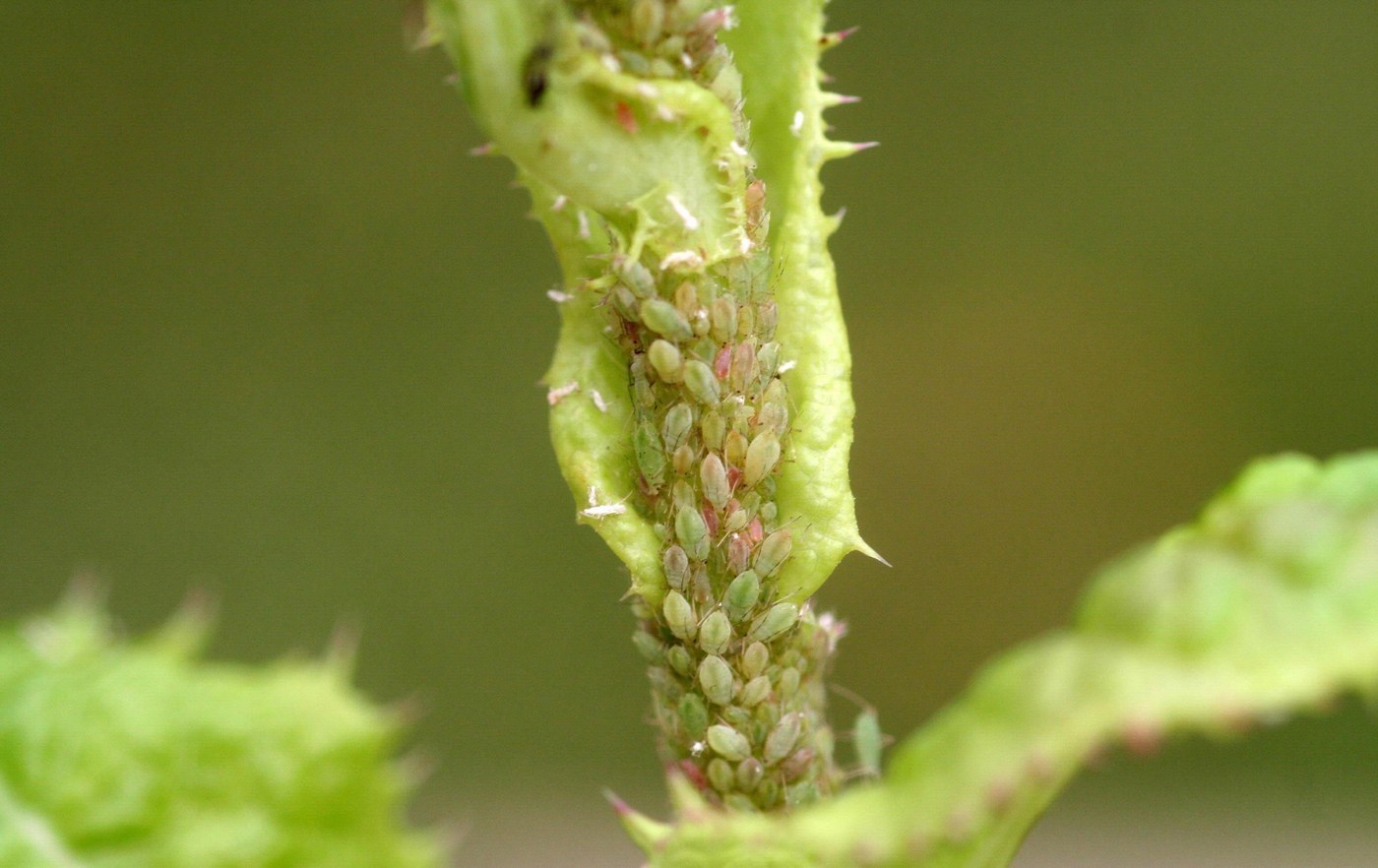
Aphid
On stems, leaves, and buds of a very wide range of host plants
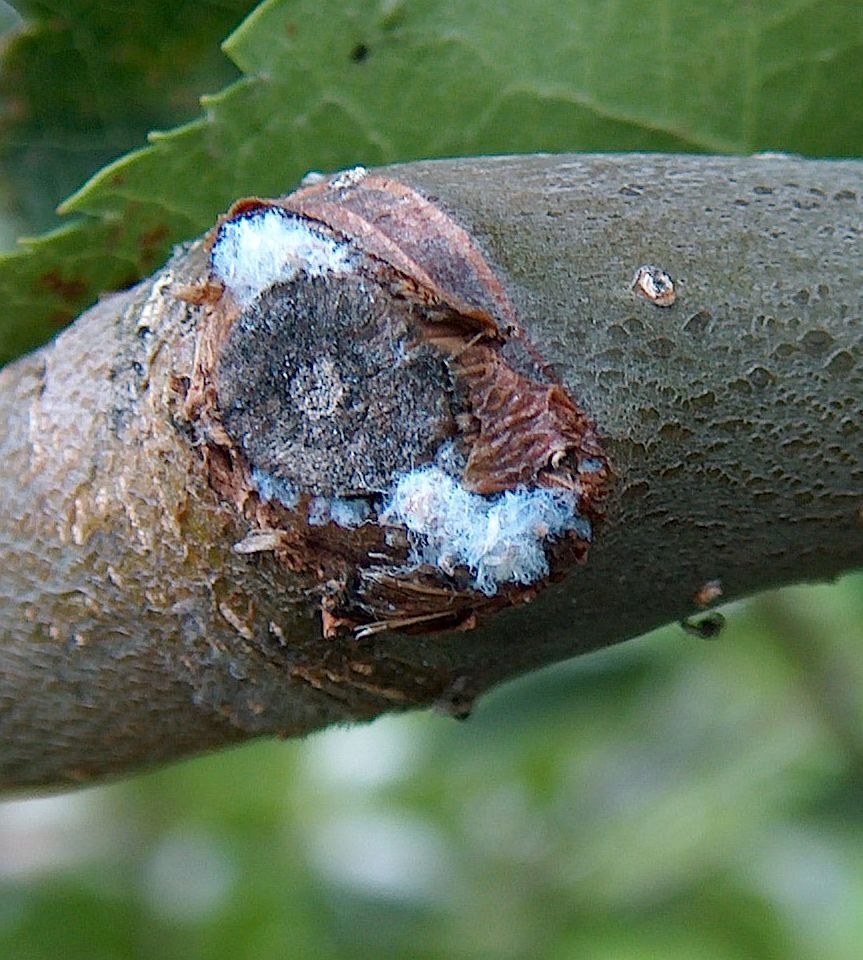
Woolly Aphid
Bark crevices, root collars, and twigs of apple, elm, and alder trees
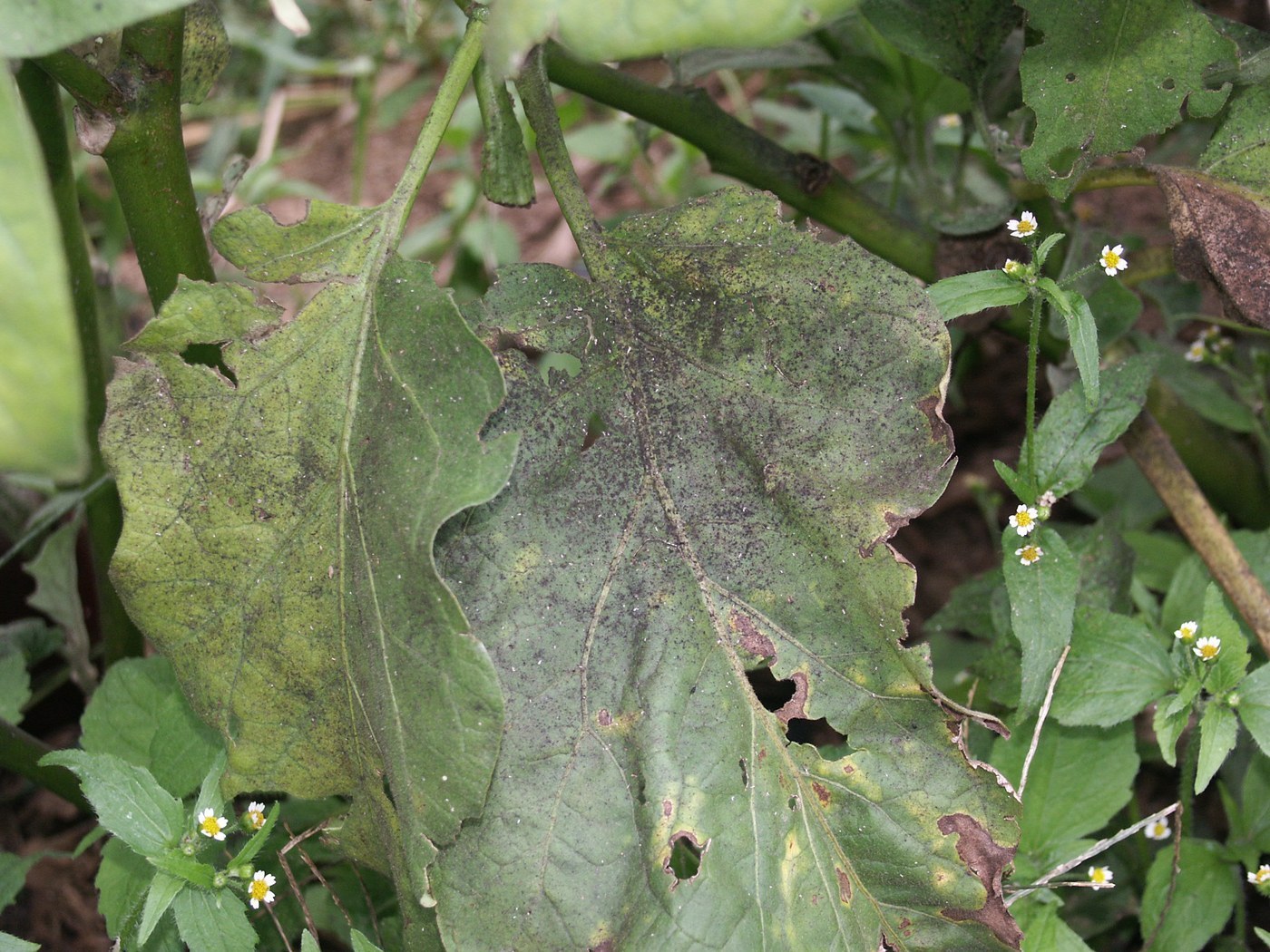
Whitefly
Greenhouses, gardens, and undersides of leaves on host plants
Water Measurer
Quiet edges of ponds, marshes, and slow streams
Two-Spotted Stink Bug
Gardens and fields with potato and nightshade-family plants