
Lace Weaver Spider
Amaurobius spp.
A stocky, mottled spider that spins a distinctive bluish, woolly-looking lace-like web across bark and wall crevices to snare passing insects.
- Size
- Body length 7-12 mm
- Habitat
- Bark crevices, walls, sheds and outdoor structures
- Danger
- Bites
Spotted a bug like this?
Identify any bug or insect from a photo, free.
Overview
Lace weaver spiders get their name from the unusual, irregular web they construct, made from a special type of silk called cribellate silk that has a fine, wispy, blue-gray woolly texture rather than the sticky strands used by many other web-building spiders. This lacy silk tangles the legs and bristles of insects that wander into it, holding them fast without the need for a sticky coating.
These spiders are typically found tucked into a silk-lined retreat within a crevice, such as tree bark, a wall gap, or under loose stones, from which irregular lace-like threads radiate outward to catch prey. They are common, often overlooked inhabitants of gardens and outbuildings across much of Europe and parts of Asia.
Lace weavers belong to the family Amaurobiidae and are recognized by arachnologists for their combed cribellate silk production, a more ancestral form of prey capture compared to the purely sticky silk used by many modern orb-weavers.
How to Identify
- Stocky, robust body with mottled brown and gray patterning providing camouflage against bark
- Produces a distinctive bluish or grayish, woolly-textured lace web rather than smooth sticky silk strands
- Retreat is typically hidden within a crevice, with irregular threads radiating outward across the surface
- Eight eyes in a compact cluster typical of the family
- Lookalikes include other crevice-dwelling spiders, but the fine, lacy, non-sticky web texture is a strong distinguishing feature
Habitat & Range
Lace weaver spiders are common on tree bark, garden walls, fences, sheds, and other outdoor structures across Europe, favoring crevices and gaps that provide a secure daytime retreat. They are frequently found around human dwellings, particularly in temperate gardens and woodland edges.
Behavior & Diet
The spider remains hidden in its silk-lined retreat during the day and emerges, often at night, to repair or extend its irregular lace web and to seize prey that becomes entangled in the fine cribellate threads. Prey, typically small ground and flying insects, is quickly wrapped in silk once captured. The web's woolly texture works mechanically by snagging on insect claws and bristles rather than relying on adhesive stickiness.
Life Cycle
Females lay eggs within a silk sac kept inside the sheltered retreat and, in some species, guard the sac closely. Spiderlings hatch and remain briefly near the nest before dispersing to build their own small retreats and webs nearby. Growth proceeds through several molts over roughly a year, with many temperate species overwintering as juveniles within sheltered crevices before maturing the following season.
Frequently asked questions
What makes lace weaver silk different from other spider silk?
It is cribellate silk, a fine, wispy, non-sticky type of silk that has a woolly texture and snags insect legs and bristles mechanically rather than by adhesive stickiness.
Where do lace weaver spiders build their webs?
They build irregular lace-like webs radiating from a hidden retreat in bark crevices, wall gaps, or under loose stones and debris.
Are lace weaver spiders active during the day?
They mostly remain hidden in their retreat during the day and become more active around dusk and at night to maintain their web and capture prey.
Lace Weaver Spider guides
In-depth guides for identifying, understanding, and living alongside Lace Weaver Spider.
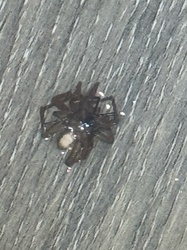
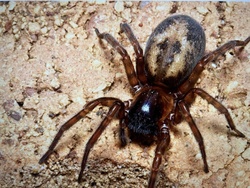
Lace Weaver Spider identified by the community
Real finds identified with Bug Identifier.
Other bugs you may enjoy
Woodlouse Spider
Damp leaf litter, under logs, stones, and mulch
Wolf Spider
Gardens, grasslands, forests, leaf litter, ground burrows
Wandering Spider
Tropical and subtropical forest floor, foliage, and banana plants
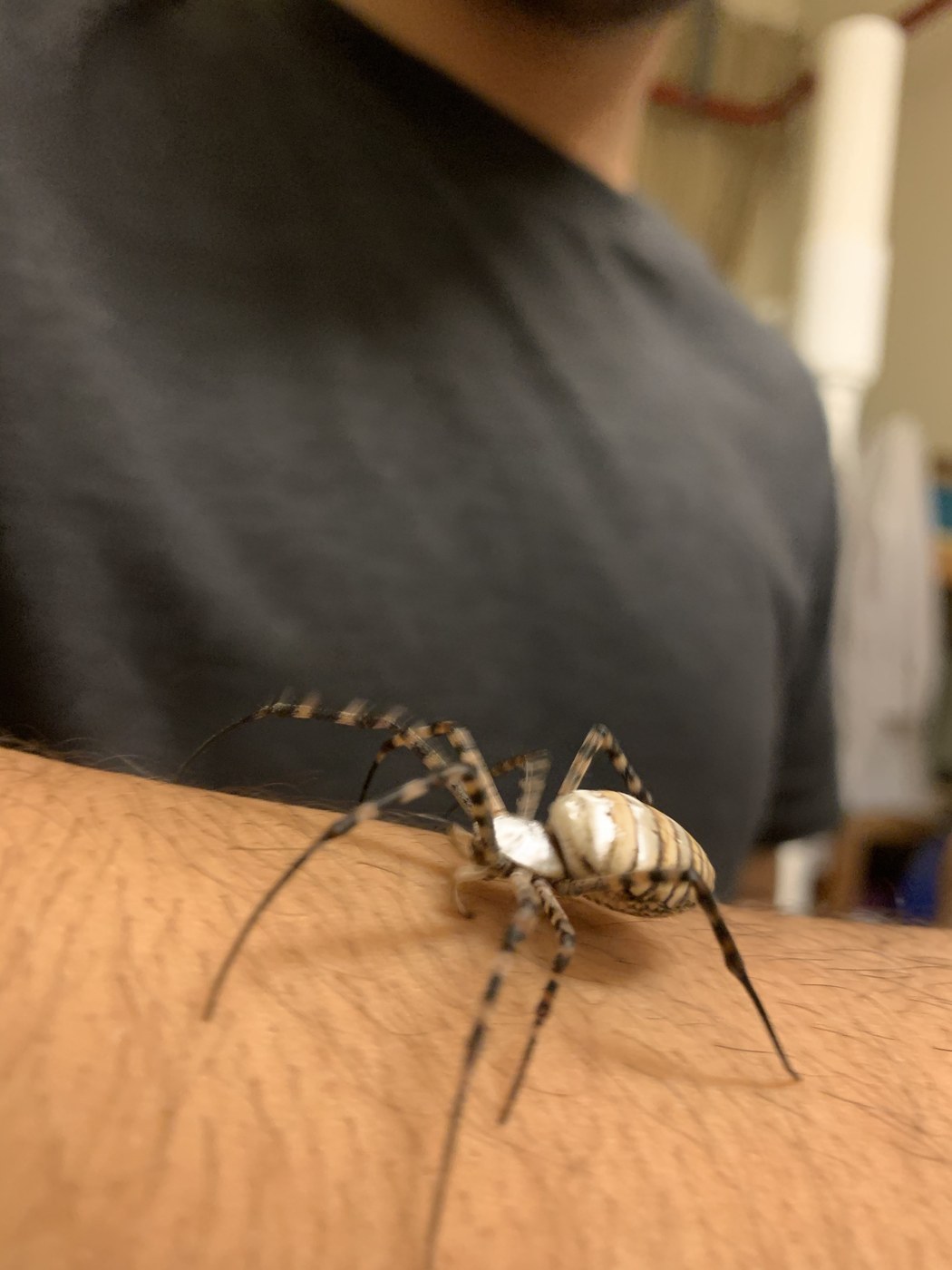
Banded Garden Spider
Tall grass, meadows, and gardens with open sunny vegetation
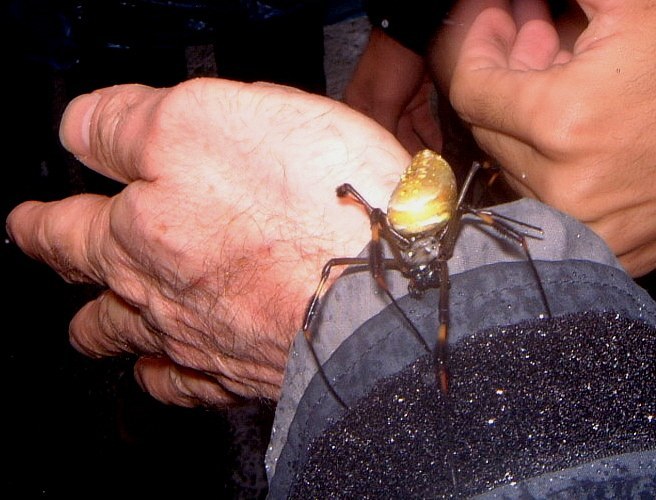
Banana Spider
Wooded trails, forest edges, and gardens across the southeastern U.S. and the American tropics
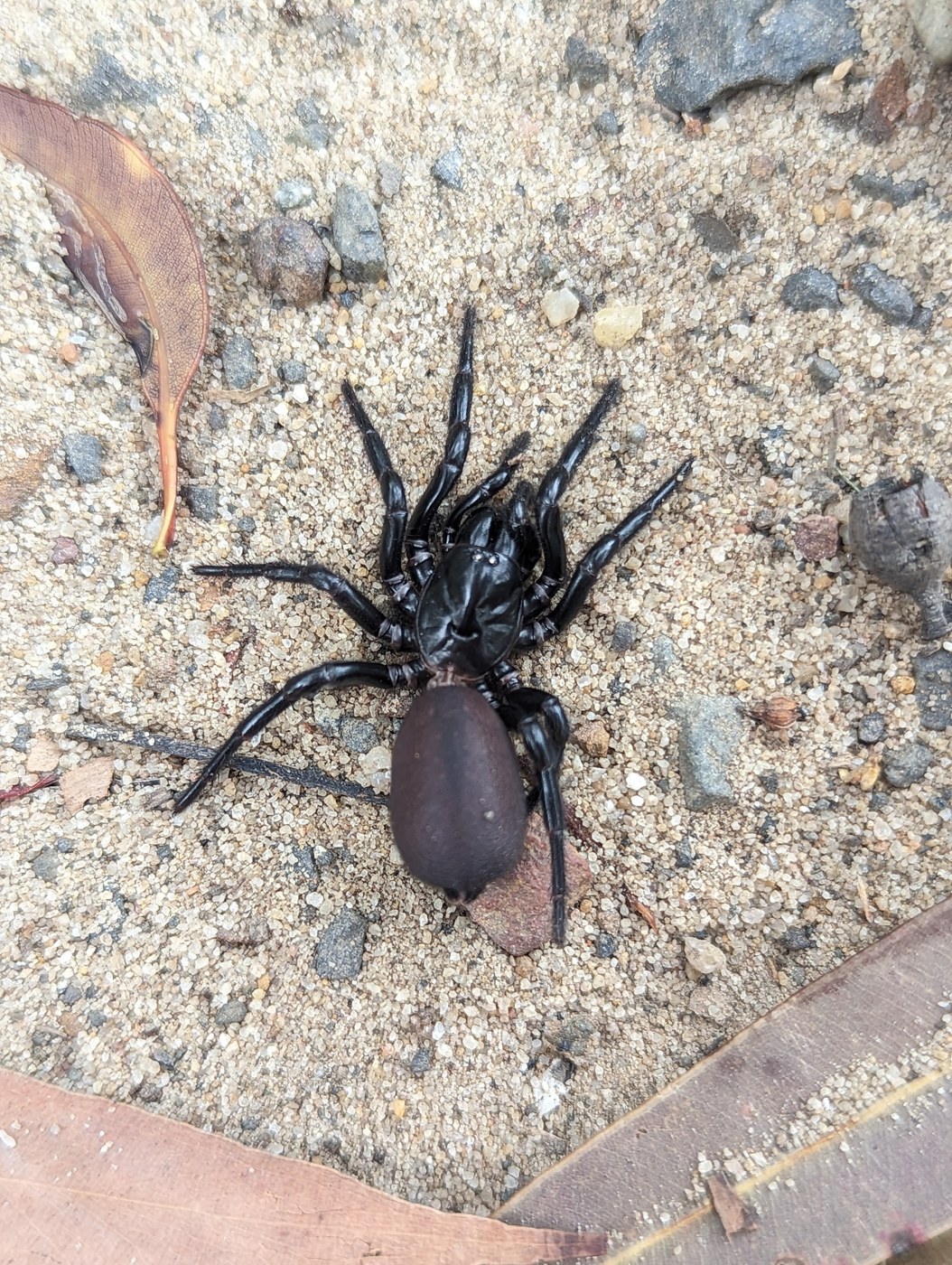
Sydney Funnel-web Spider
Burrows in moist soil, gardens, and forested gullies around the Sydney basin of eastern Australia
Trapdoor Spider
Self-dug silk-lined burrows with a camouflaged door, in dry, well-drained soil worldwide
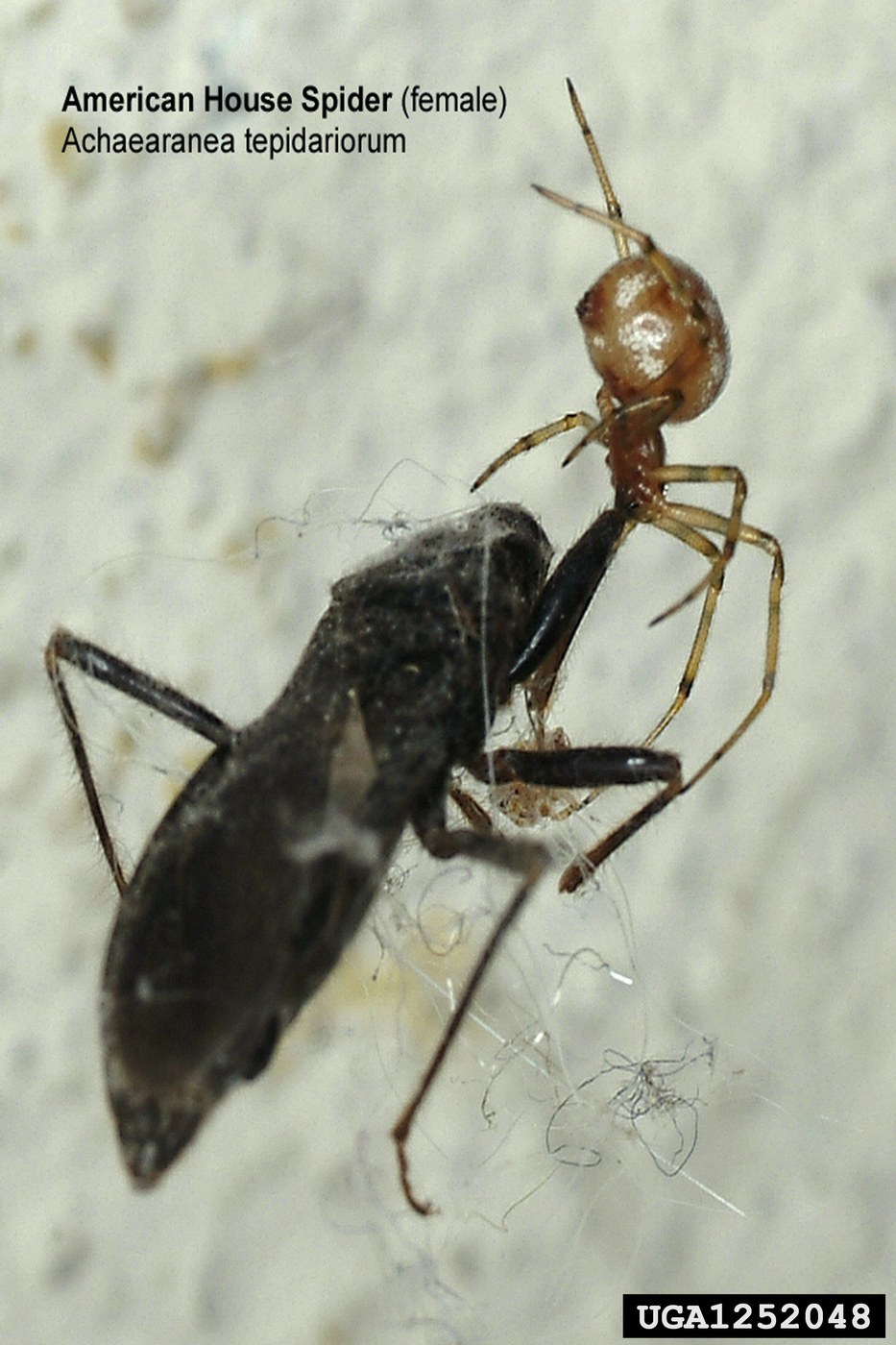
American House Spider
Corners, basements, garages, and outbuildings worldwide
Tube Web Spider
Wall crevices, bark, rockeries, and masonry
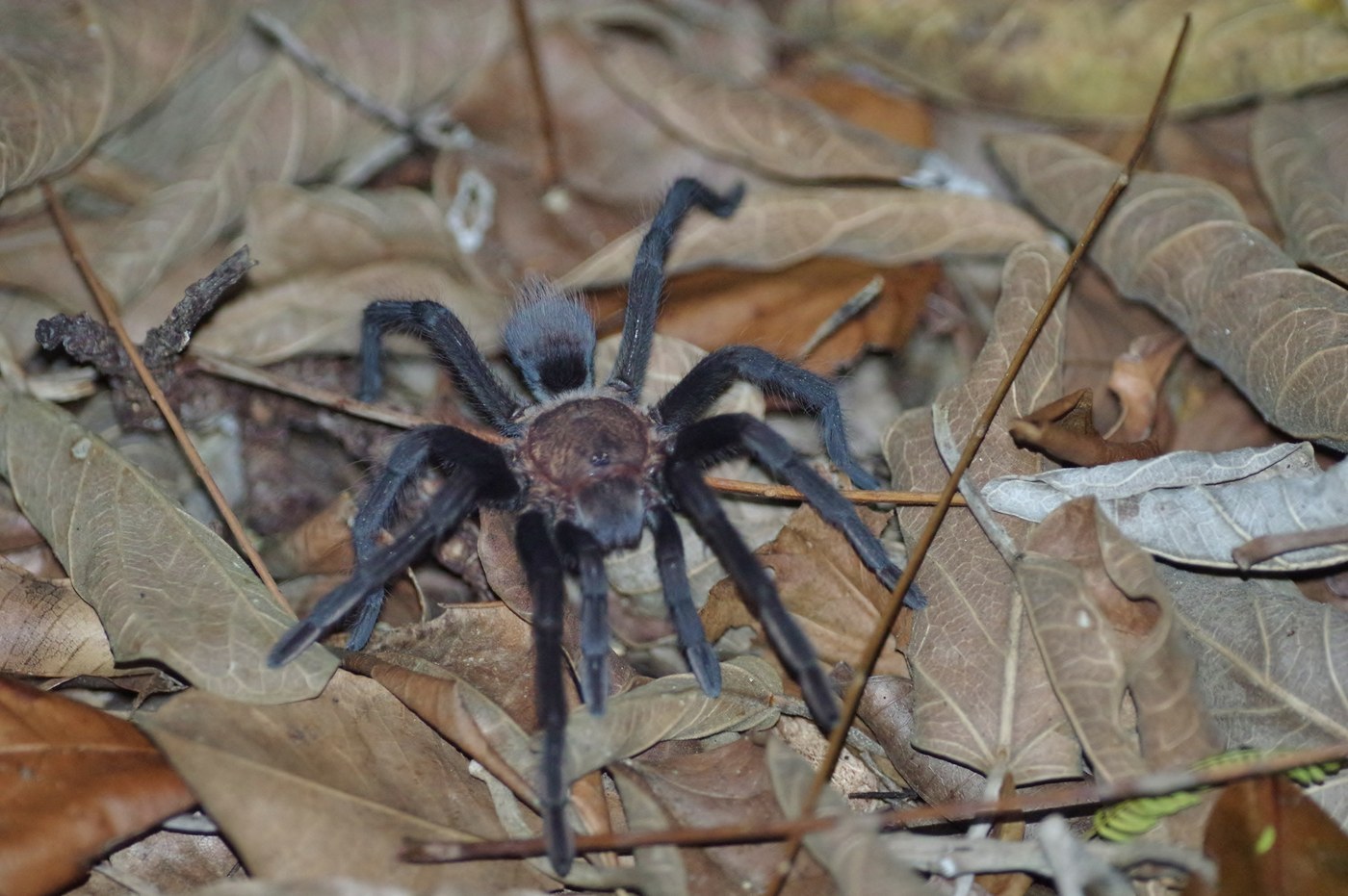
Tarantula
Burrows, rock crevices, and tree hollows in deserts, grasslands, and tropical forests worldwide
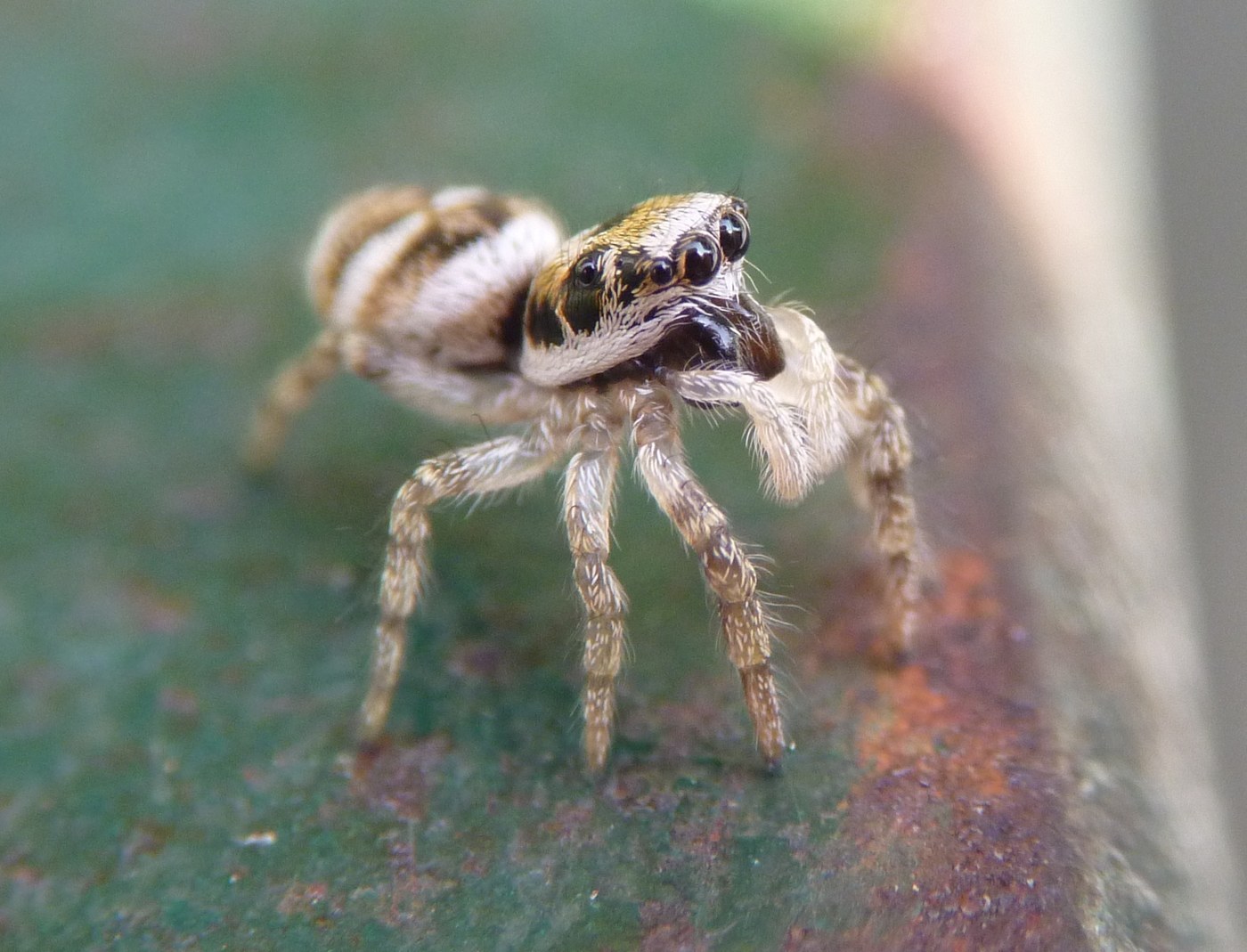
Zebra Jumping Spider
Sunny walls, fences, tree bark, and building exteriors
Wall Spider
Cracks and crevices on exterior and interior walls