
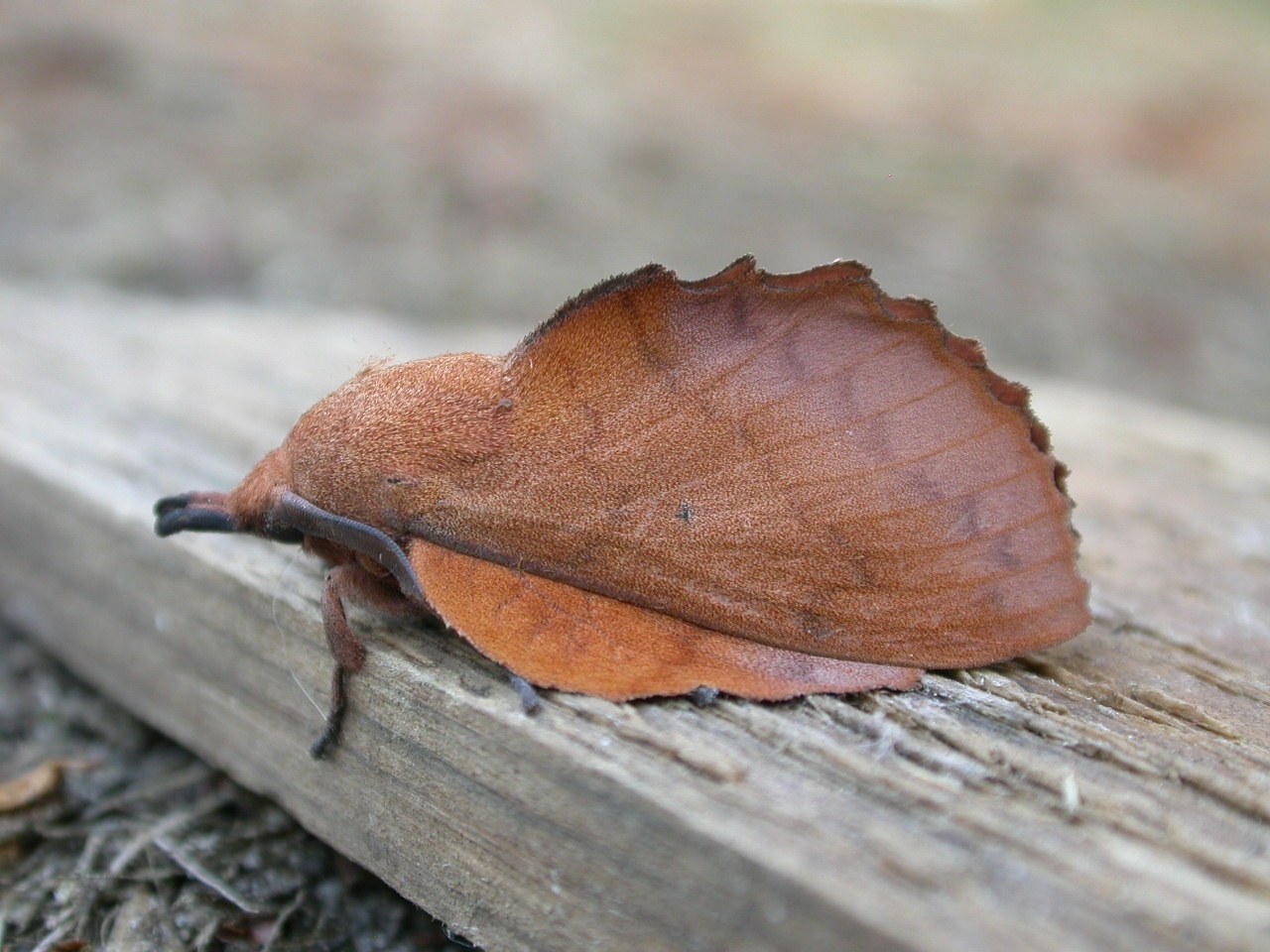
Lappet Moth
Gastropacha quercifolia
A large, richly textured moth with deeply scalloped, russet-brown wings that fold into an uncanny dead-leaf silhouette, one of the most convincing leaf mimics among European moths.
- Size
- 2.4–3.5 in wingspan
- Habitat
- Deciduous woodlands, hedgerows, orchards
- Danger
- Harmless
Spotted a bug like this?
Identify any bug or insect from a photo, free.
Overview
The lappet moth is a member of the family Lasiocampidae, a group of stout-bodied, often furry moths found across Europe, Asia, and other regions worldwide, generally lacking a functional proboscis as adults. The species is named for the lappet-like fleshy flaps found on its caterpillar, which help the larva blend seamlessly with tree bark.
Adult wings are richly textured in warm shades of reddish-brown, russet, and gray, with deeply scalloped, irregular wing edges that, combined with pronounced venation, produce a strikingly convincing resemblance to a curled, dried autumn leaf. The moth often overlaps its wings at rest in a layered fashion reminiscent of dead foliage, enhancing the disguise.
As a large and visually distinctive member of the Lasiocampidae, the lappet moth is notable among naturalists for being one of the best examples of dead-leaf mimicry in temperate moth faunas.
How to Identify
- Wings are deeply scalloped along the outer margins, with rich reddish-brown, russet, and gray mottled coloring resembling dried leaves.
- At rest, the forewings and hindwings overlap irregularly in a layered, leaf-like arrangement rather than a symmetrical closed posture.
- Wingspan often 6–9 cm, among the larger moths in its range, with a stout, furry body.
- Antennae are feathery, particularly pronounced in males.
- Distinguished from other large brown moths by its irregular scalloped wing outline and the layered, asymmetric resting posture that enhances its dead-leaf disguise.
Habitat & Range
Found across much of Europe, temperate Asia, and North Africa, inhabiting deciduous woodlands, hedgerows, orchards, and scrubland where host trees such as blackthorn, hawthorn, and fruit trees grow. Adults fly at night in mid to late summer and rest by day camouflaged among dry leaves and twigs.
Behavior & Diet
Adults have a reduced or nonfunctional proboscis and do not feed, relying entirely on energy reserves accumulated as caterpillars, and are active only briefly at night to mate and lay eggs. Caterpillars feed on the foliage of various deciduous shrubs and trees and possess fringe-like lateral lappets that help them blend against bark when at rest during the day. The species' primary ecological role is as an herbivore in its larval stage and a food source for birds and other predators in both its larval and adult forms.
Life Cycle
Females lay eggs on twigs or bark of host plants, which hatch into caterpillars that feed through summer and often overwinter as partially grown larvae, resuming feeding the following spring. Mature caterpillars spin a tough, boat-shaped cocoon attached to a twig or stem to pupate. Adults emerge in mid to late summer, and there is typically one generation per year across most of the species' range.
Frequently asked questions
Why is it called the lappet moth?
The name refers to fleshy, fringe-like flaps called lappets along the sides of the caterpillar, which help it blend in against bark.
How does the adult moth camouflage itself?
Its scalloped, richly textured wings and irregular, layered resting posture combine to closely mimic a curled, dried leaf.
Do adult lappet moths eat anything?
No, adults have a reduced mouthpart and do not feed, relying on reserves built up during the caterpillar stage.
What plants does the caterpillar feed on?
It feeds on the foliage of shrubs and trees such as blackthorn, hawthorn, and various fruit trees.
Lappet Moth guides
In-depth guides for identifying, understanding, and living alongside Lappet Moth.
Other bugs you may enjoy
Bagworm Moth
Coniferous and deciduous trees, shrubs, hedges
Antheraea Silkmoth
Deciduous forests, woodland edges, orchards
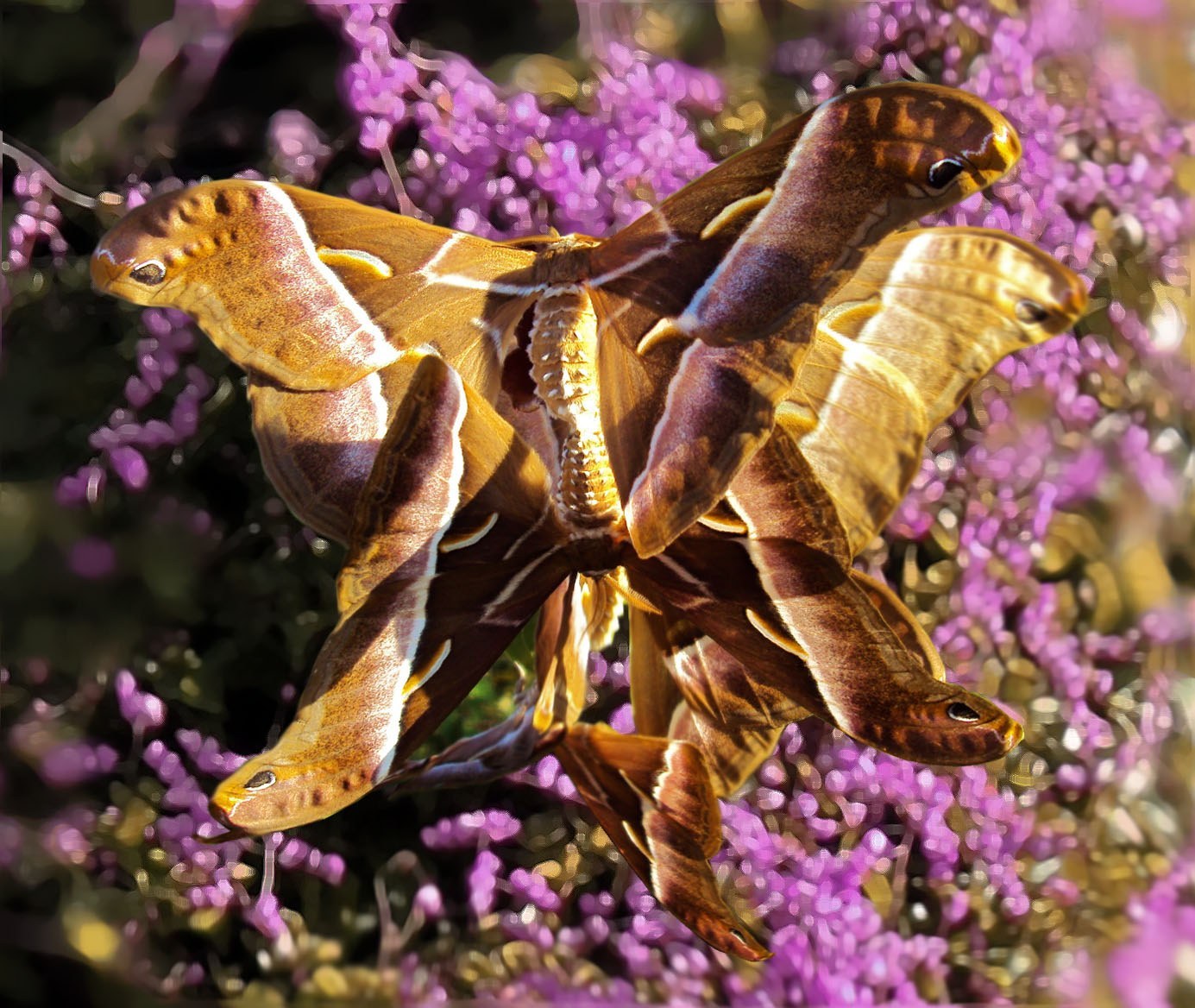
Ailanthus Silkmoth (Cynthia Moth)
Urban parks, wastelands, and woodland edges with tree-of-heaven; native to Asia, introduced in North America and Europe
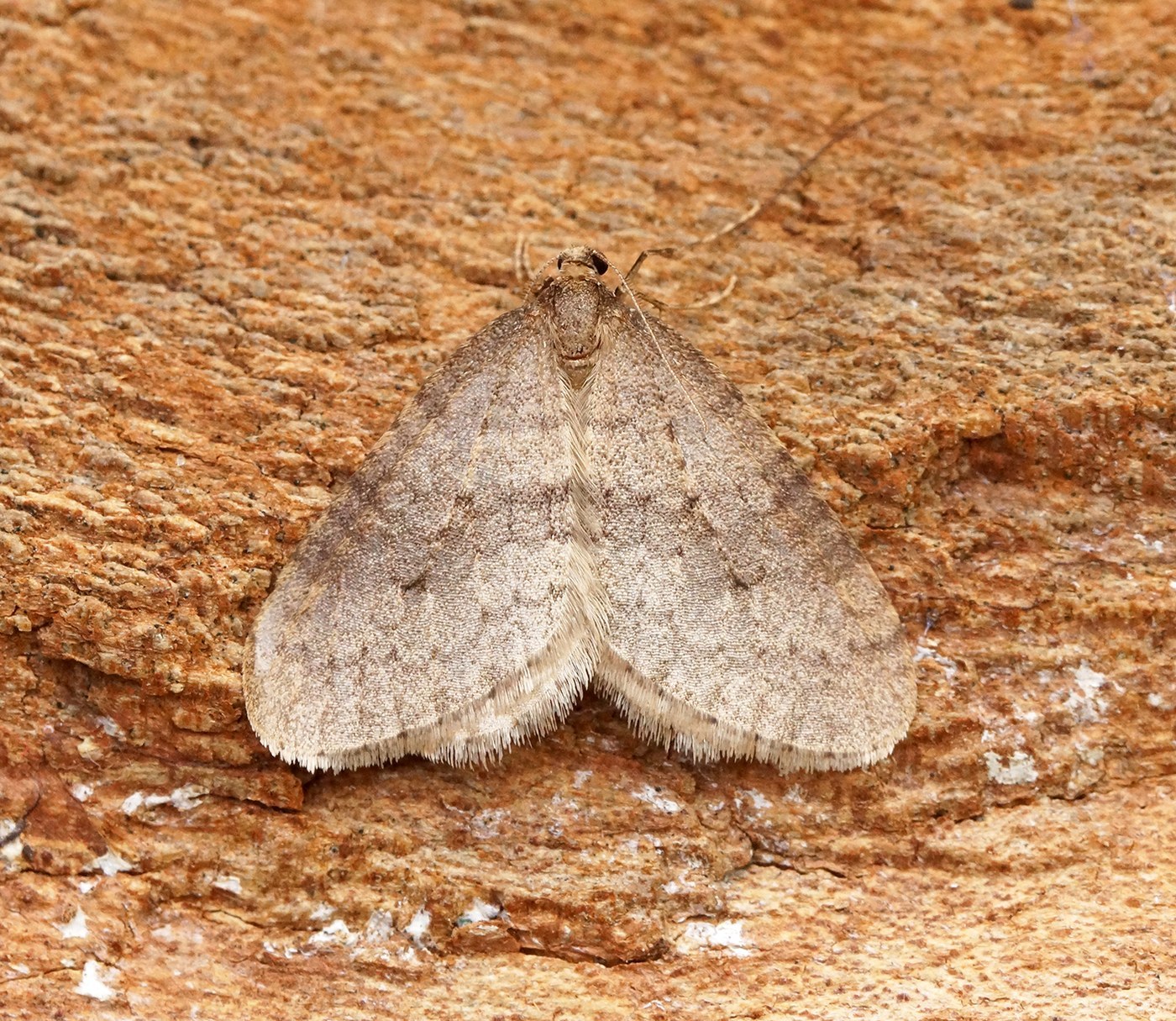
Winter Moth
Deciduous woodland, orchards, gardens, hedgerows
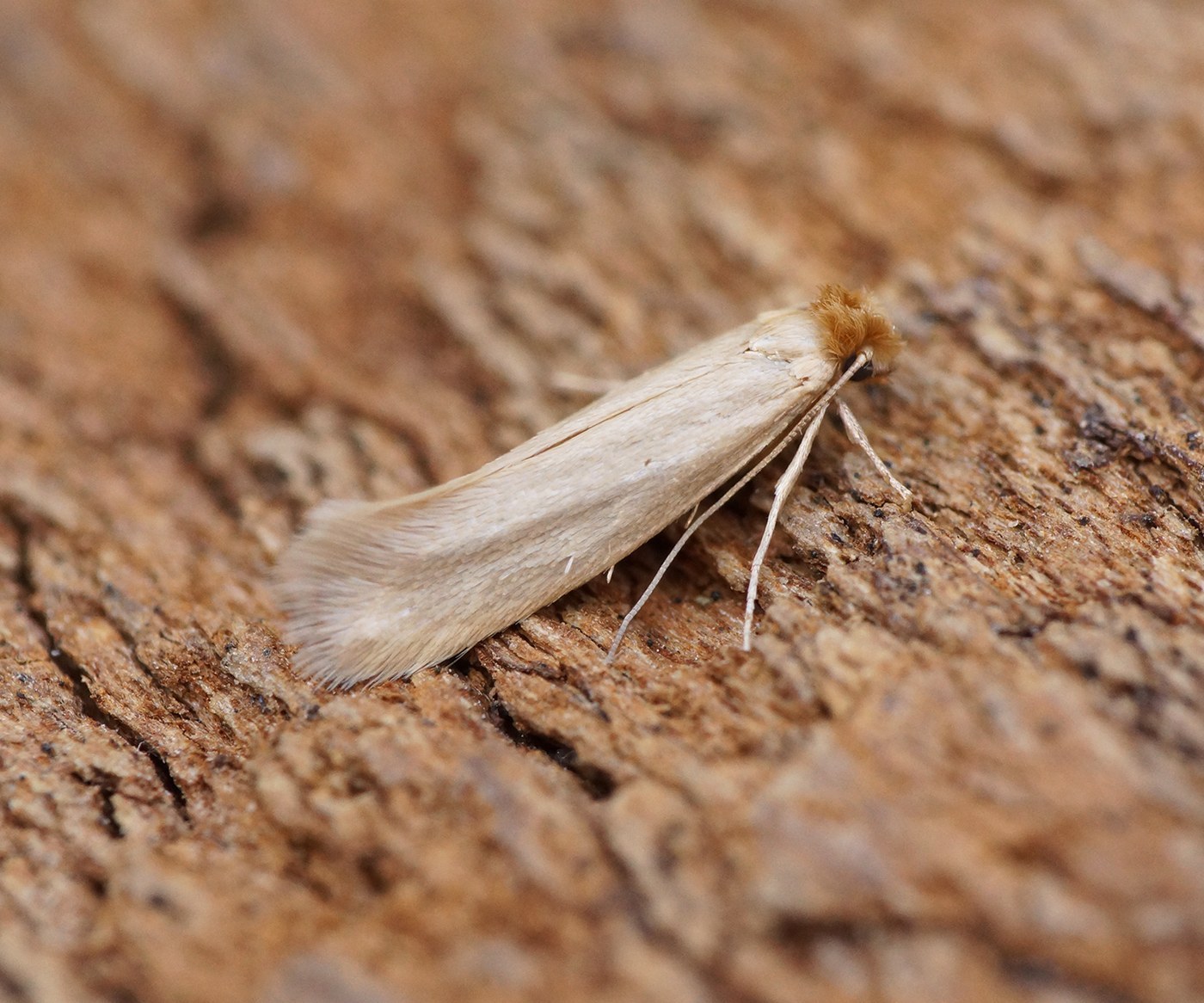
Webbing Clothes Moth
Dark closets, storage areas, and animal nests worldwide
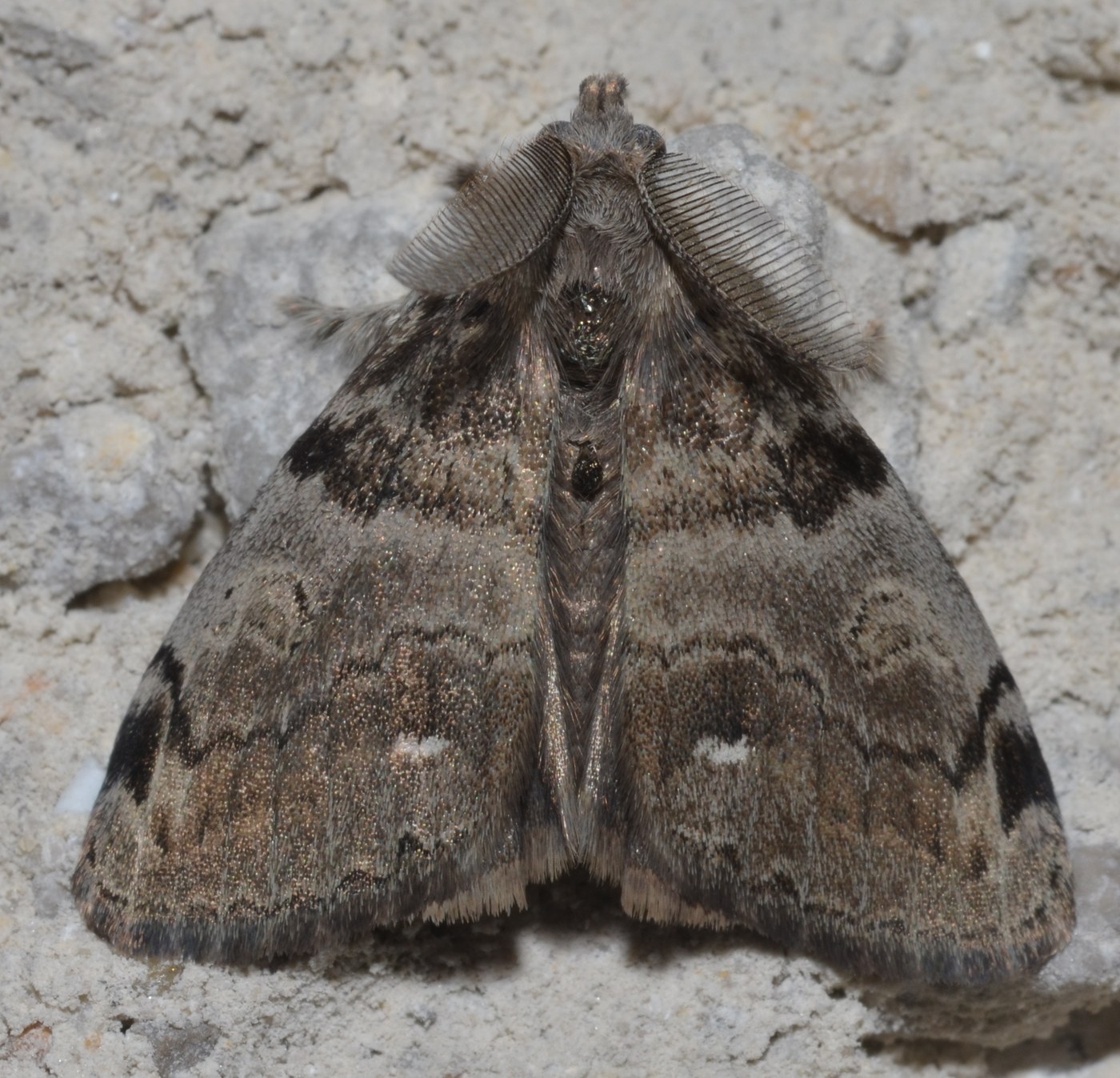
Tussock Moth
Deciduous forests, parks, gardens
Wax Moth
Beehives, apiaries, stored beeswax and comb
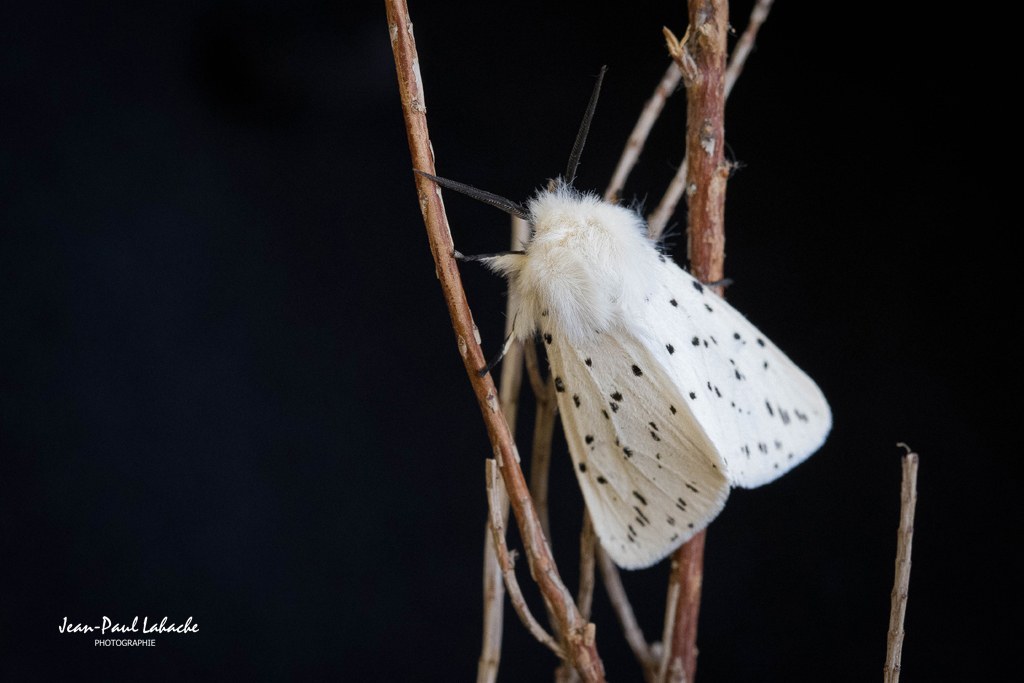
White Ermine Moth
Gardens, meadows, hedgerows
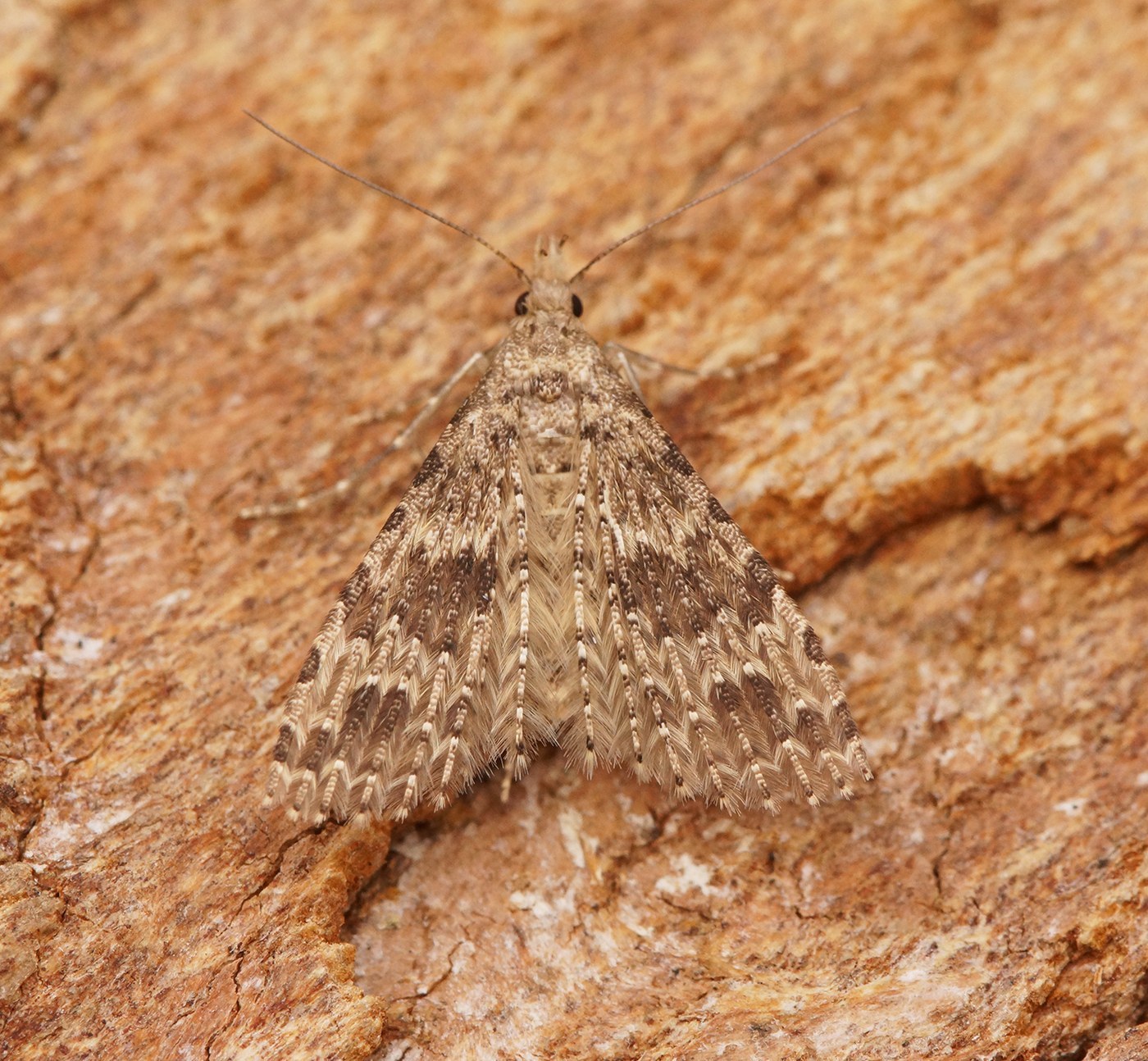
Twenty-plume Moth
Gardens, hedgerows, near honeysuckle
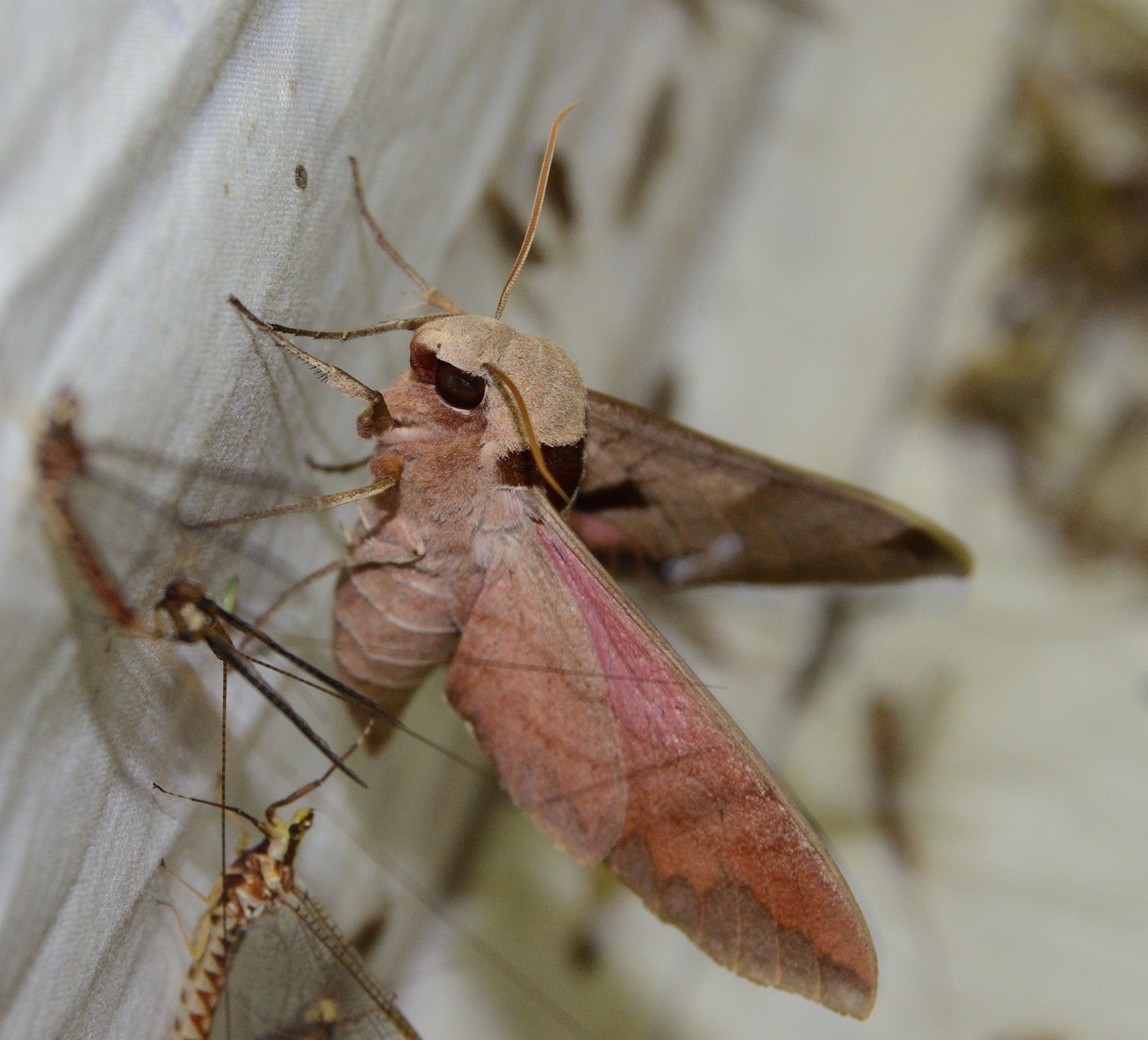
Achemon Sphinx Moth
Vineyards, woodland edges, gardens with wild grape
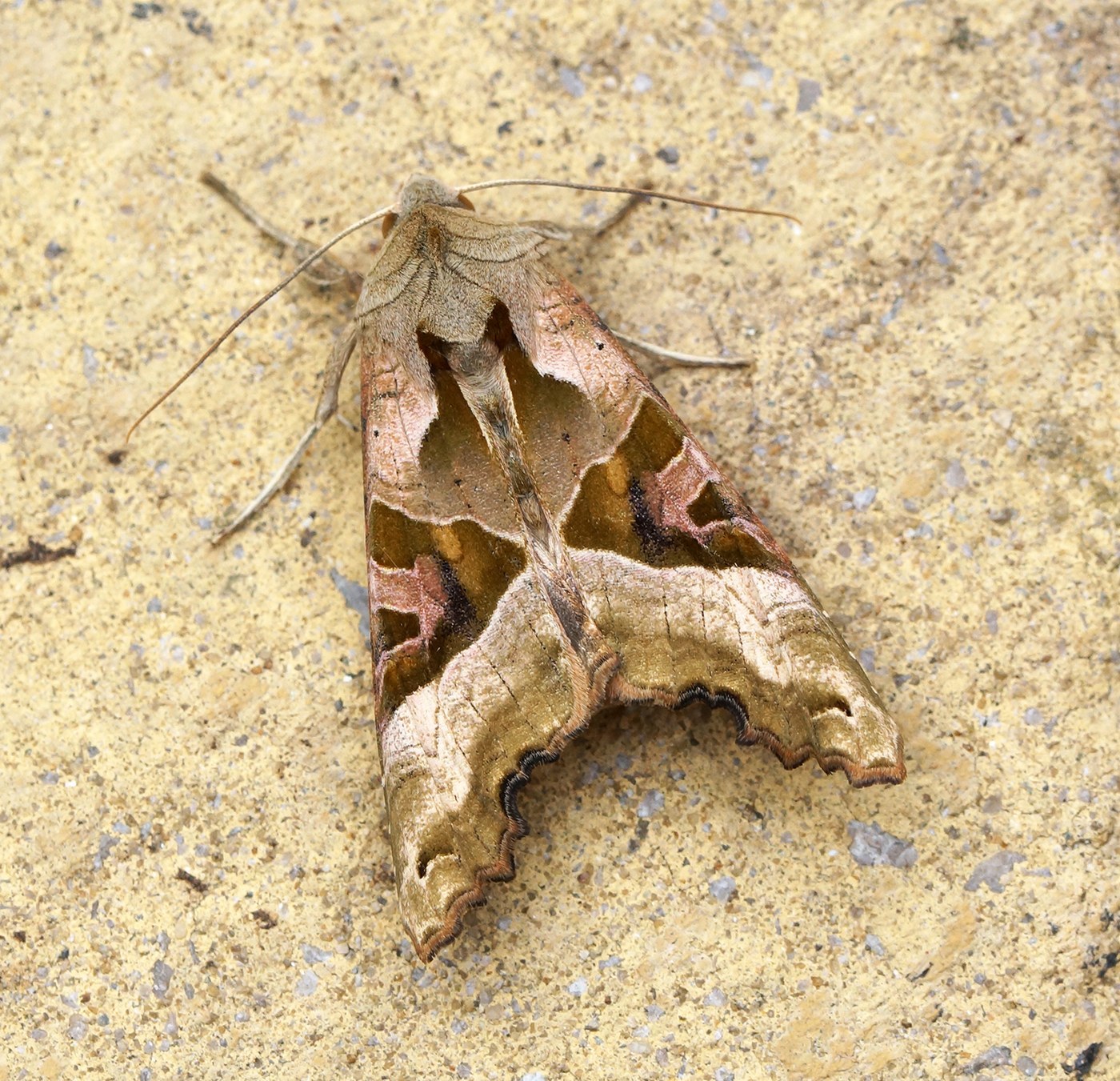
Angle Shades Moth
Gardens, hedgerows, woodland edges, urban parks
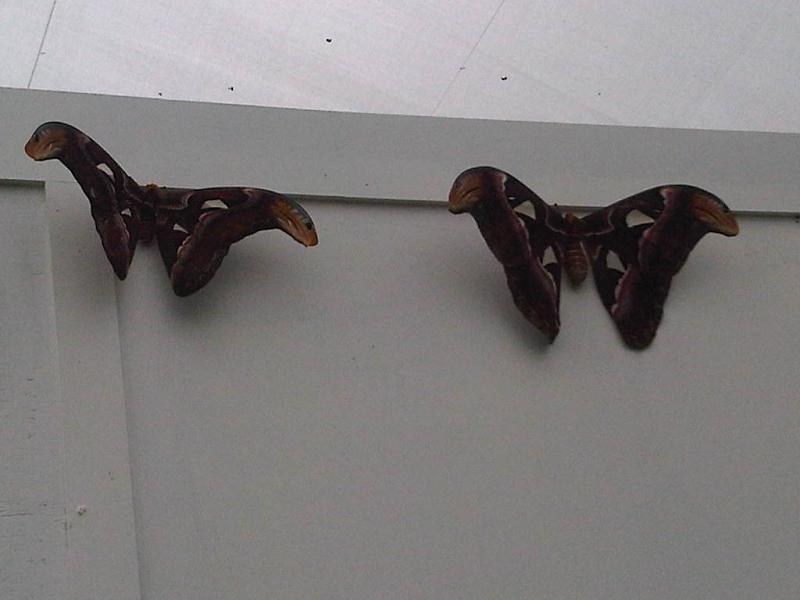
Atlas Moth
Tropical and subtropical lowland forests of Southeast Asia